
Where Eagle Crest Sits and How the Subdivisions Differ
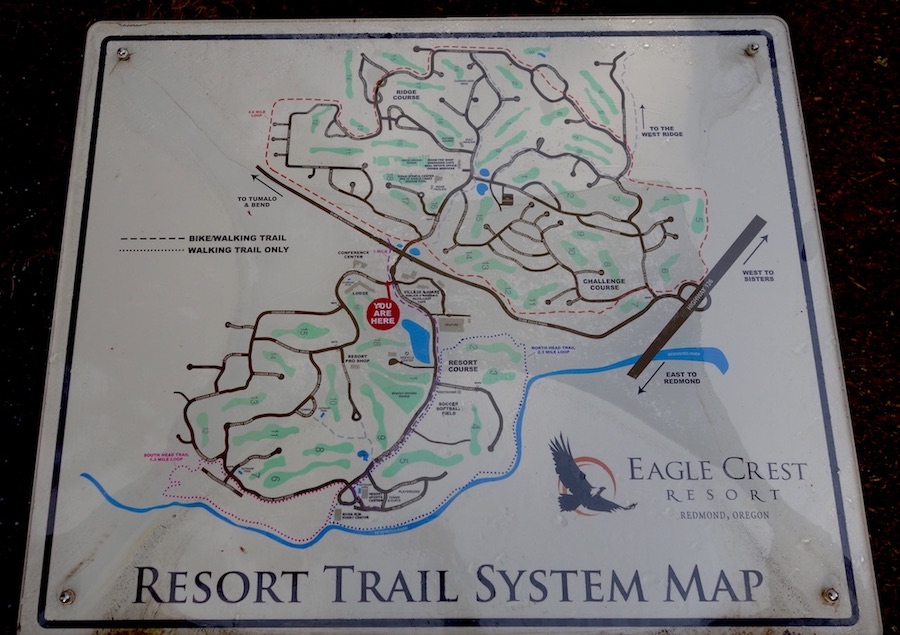
Eagle Crest is not one neighborhood. It is a collection of at least a dozen platted subdivisions split across two geographically separate areas connected by roughly a mile of Bureau of Land Management land: the original Ridge area east of Cline Butte, and the newer West Ridge area to the northwest, reachable by a paved easement road, per the Central Oregon community wiki’s development history.
Governance is split the same way. The Ridge at Eagle Crest Owners Association governs the Ridge side, while the Eagle Crest Master Association governs the east side, with EHOA, Fairway Vista Estates, and River View Vista running underneath it as sub-associations. A buyer dealing with one HOA name is very often dealing with two: a subdivision-level fee and a resort-level fee layered on top of it.
| Subdivision / area | Side | Typical property type | Approx. size | Age restriction | HOA note |
|---|---|---|---|---|---|
| The Falls | Ridge | Single-level homes | ~189–207 sites | 55+ | Own community center; separate dues |
| West Ridge | West Ridge | Stand-alone single-family | ~425 lots | None | Largest single subdivision; construction still active |
| Creekside | West Ridge | Townhomes | 152 units | None | Near sports center; frequent rental activity |
| Scenic Ridge | West Ridge | Custom single-family | 8 one-acre lots | None | Gated, highest-end lots on the resort |
| Vista Rim | West Ridge | Single-family | 51 lots | None | Last subdivision developed (sales began 2008) |
| Fairway Vista Estates | Ridge | Townhome duplexes, some fractional | 32 units | None | ECMA sub-association |
The table settles nothing on price, but it does settle location logic: “Eagle Crest” as a search term hides at least six materially different ownership situations, each with its own dues structure and use restrictions, sourced from subdivision-level property records and the community wiki above.
What Ownership Actually Costs
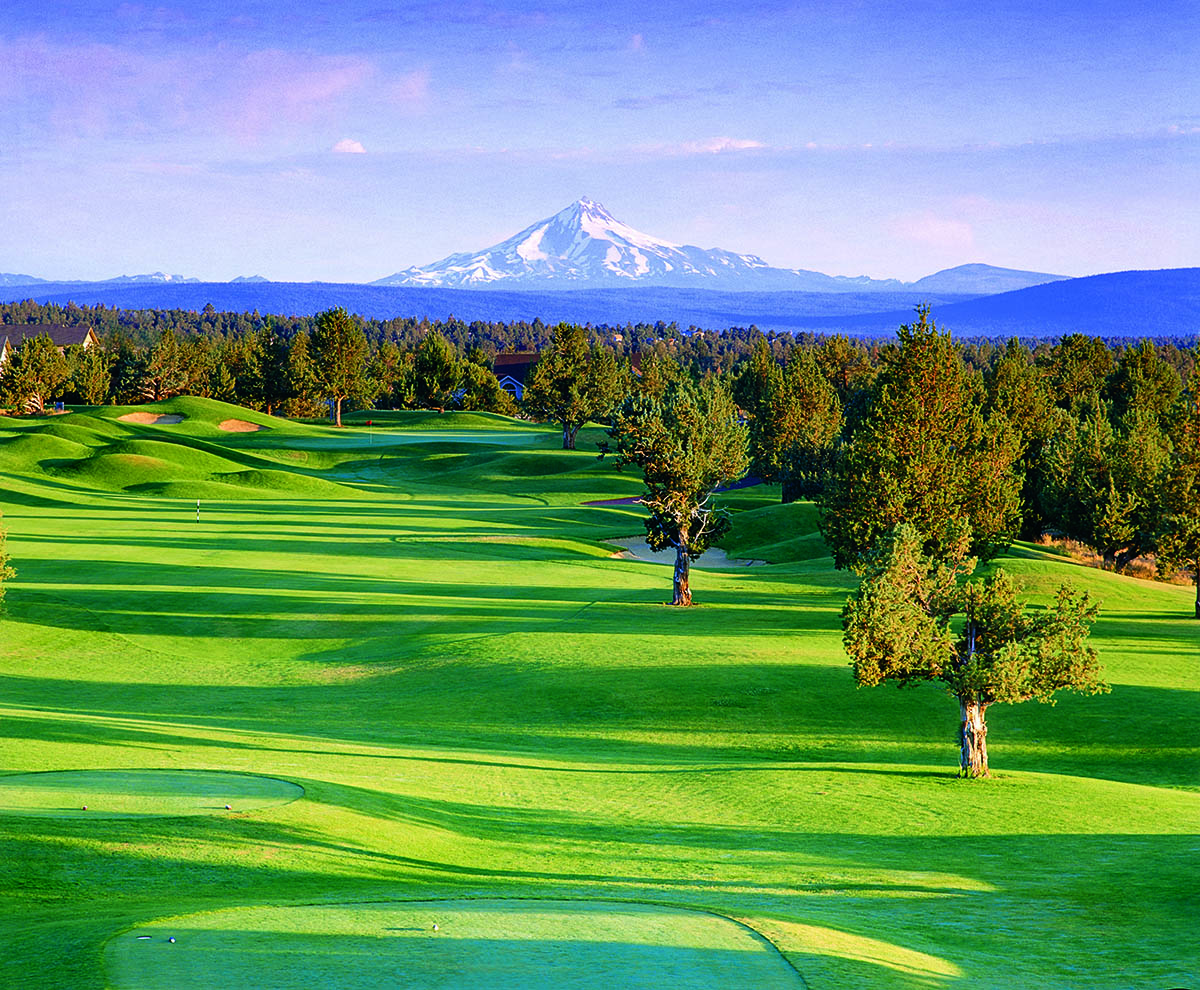
A current, single-source price breakdown by property type — lot, fractional share, townhome, single-family home — does not exist in any independently verifiable public source at the time of writing. The only dated, sourced figure available is the townhome segment, shown above. Anyone evaluating a condo, chalet, or single-family purchase should pull a same-day RMLS comparative market analysis rather than lean on any published range, including this one.
| Cost category | Figure | Note |
|---|---|---|
| Townhome median list price | $529,000 | Current listings only; not a sold-price average |
| Median days on market | 121 days | Slower than a typical primary-market Redmond listing |
| Property tax, effective rate | ~0.62% county median, ~0.72–0.76% Redmond-area | Per Ownwell’s Deschutes County tax data |
| Transient lodging tax | 8% of gross rent | Unincorporated county rate; Eagle Crest qualifies, per Deschutes County’s tax FAQ |
A resort recreation fee charged to guests is taxable as part of rent unless it’s broken out as a separate, optional, after-tax line item — a detail the county’s own FAQ spells out but that rarely appears in a rental pro forma.
Does the resort-level HOA fee cover everything, or will I owe a second fee? Almost always a second one. RECOA and ECMA (with EHOA, Fairway Vista Estates, and River View Vista under it) layer a subdivision-level assessment on top of any resort-wide charge. Request both fee schedules, not just the one quoted in a listing, before budgeting a monthly cost.
The Destination-Resort Math Nobody Explains
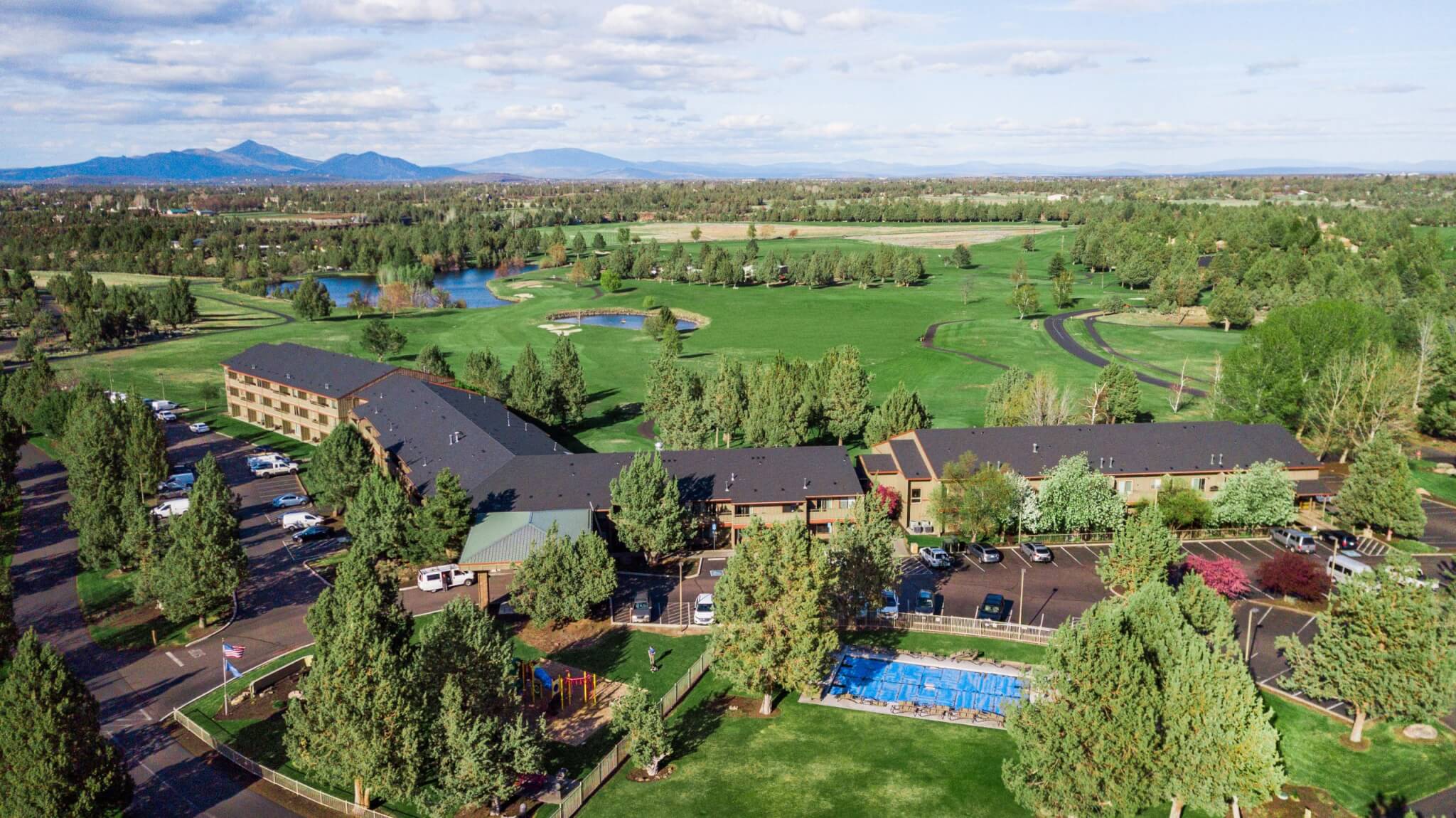
Eagle Crest qualifies as a destination resort under ORS 197.445, which sets a hard ceiling: no more than 2.5 residential units for every overnight-lodging unit the resort maintains, with a 150-unit minimum. Individually owned units count toward that lodging total only if they’re available for public rental at least 38 weeks a year through a central reservation system — a room rented informally, or a unit pulled from the rental pool, doesn’t count.
This isn’t an abstract rule for Eagle Crest specifically. A 2016 Deschutes County planning staff memo found the resort carrying 1,911 platted residential lots against only 400 units recognized as qualifying overnight lodging — a ratio of 4.78 residential units per lodging unit, nearly double the legal ceiling. To reach compliance at that lot count, the resort needed 661 total overnight units, not 400. County commissioners have referenced the episode directly: in tightening resort-code enforcement afterward, staff said they didn’t want “another Eagle Crest” — a resort that hadn’t proved it had built the guest-unit inventory its own residential sales required.
The practical consequence: a unit’s ability to double as a full-time, no-strings residence can depend on whether the resort’s overall lodging inventory is in compliance that year, not on anything specific to the unit itself. Confirm the deed language for the specific plat and unit type before assuming either answer.
Can I live at Eagle Crest full-time, or is my unit required to stay in a rental program? It depends on the subdivision and deed. Some phases carry deed restrictions tying units to overnight-lodging duty; West Ridge and The Falls are, for the most part, ordinary residential lots with no such restriction. Confirm the specific plat’s deed language rather than assuming either answer applies resort-wide.
Fractional and Timeshare Interests: Three Different Products Under One Name
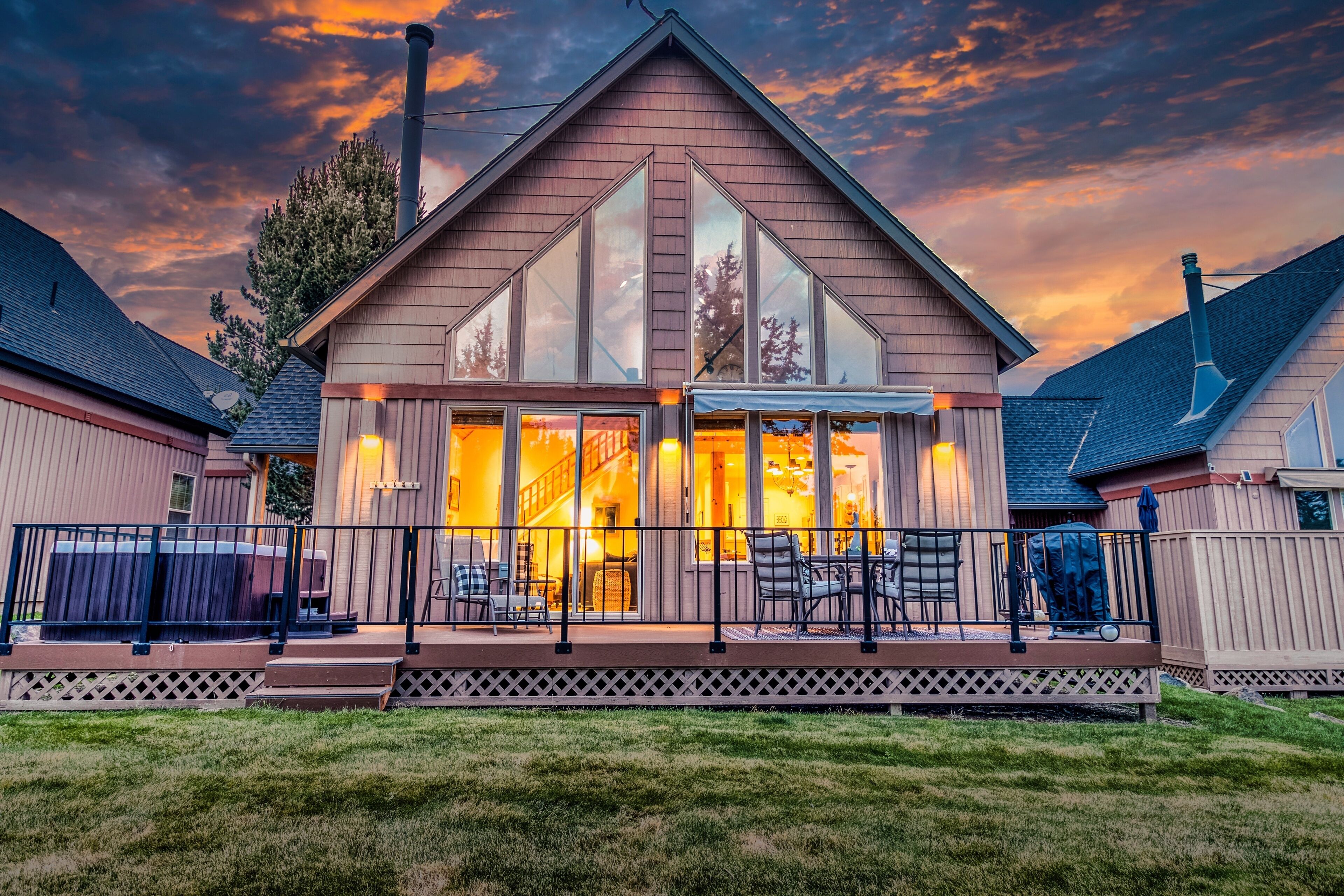
“Fractional” at Eagle Crest isn’t one product. A small number of units — mainly Ridge-area chalets near the golf pro shop — are sold as deeded 1/10th-share fractional ownership, with dues covering housekeeping and utilities on top of the standard HOA charge, per Central Oregon brokerage property records. Separately, a portion of the resort’s overnight inventory operates on a credits-based exchange system through a major vacation-club affiliate — an entirely different resale and exchange mechanism than a deeded fractional share. Buying “a fractional at Eagle Crest” without confirming which system a specific unit belongs to means buying into a very different set of resale and secondary-market conditions than the phrase implies.
Is a fractional share the same as a timeshare? Legally and functionally, closer than most sellers imply. A deeded 1/10th share still grants only scheduled-use rights, and its resale market moves slower than a whole-owned home’s — treat the purchase price as largely non-recoverable rather than as equity.
Financing an Eagle Crest Property
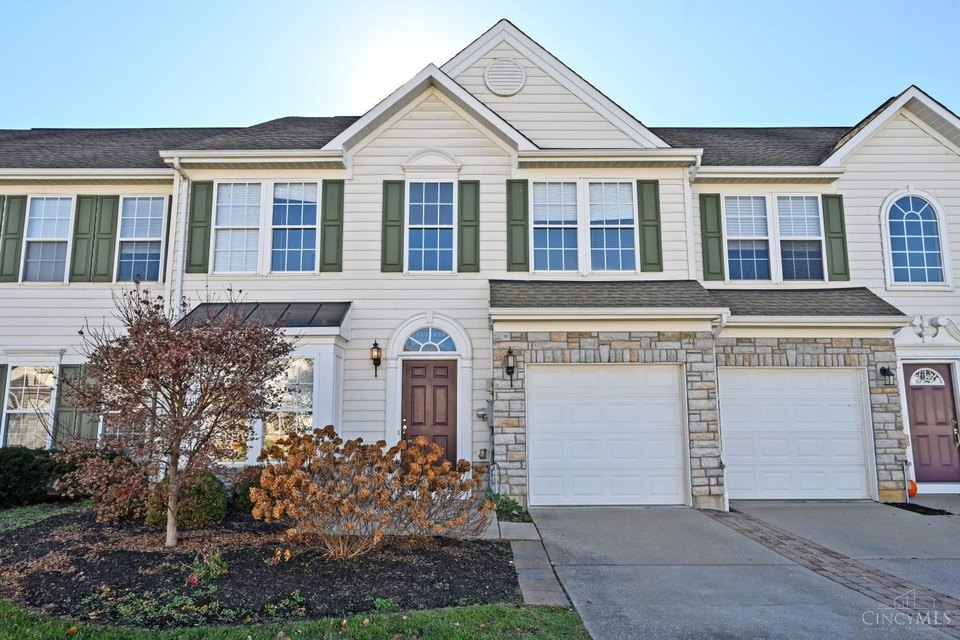
Condos, chalets, and fractional interests at a resort like Eagle Crest can fall outside Fannie Mae and Freddie Mac’s conventional lending standards — becoming “non-warrantable” — for several concrete, checkable reasons. None of these are cosmetic; each shifts a buyer from a standard 30-year mortgage into a portfolio or DSCR loan, typically at a larger down payment.
| Property type | Typical financing path | Disqualifying trigger |
|---|---|---|
| Single-family, ordinary lot (West Ridge, Desert Sky) | Standard conventional mortgage | None inherent to the property type |
| Condo/townhome, resort-managed building | Conventional if warrantable; portfolio/DSCR if not | <50% owner-occupied, any single owner >20% of units, active HOA litigation, per 2026 wholesale-lending criteria |
| Fractional or condotel-style unit | Portfolio, DSCR, or cash purchase | Hotel-style rental operation or occupancy caps, per non-warrantable condo criteria |
Can I get a normal mortgage on an Eagle Crest condo or fractional unit? Only if the building clears warrantability review: over 50% owner-occupied, no single owner above 20%, no active litigation, no hotel-style rental operation. If it doesn’t clear, expect a portfolio or DSCR loan and a larger down payment, not a flat denial.
Golf and Daily Life, Compressed
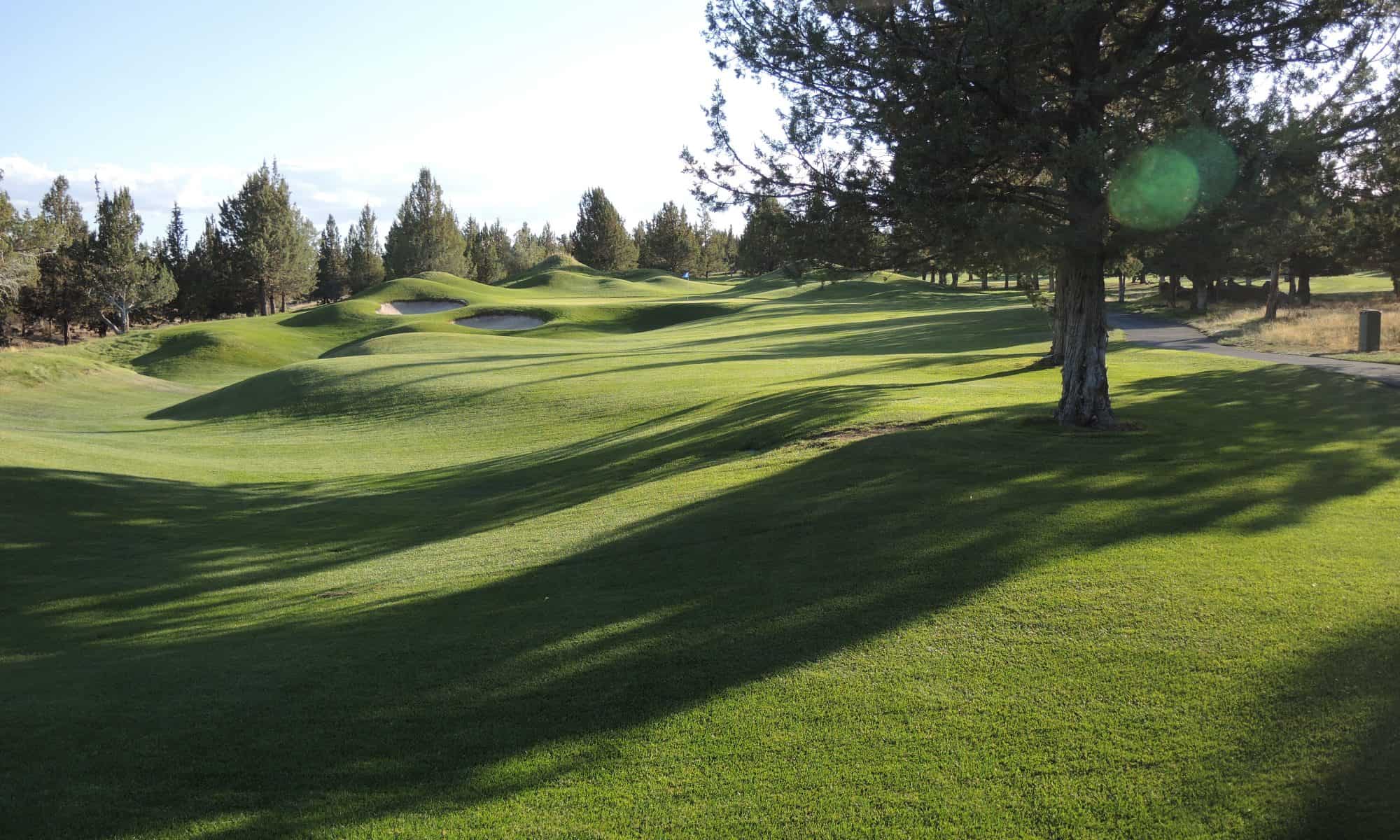
Three 18-hole courses and a putting course cover daily recreation: Ridge Course tee times ran $69.48 to $80.49 per player in April 2026, the Challenge Course about $51.49, and the putting course’s posted 2026 rate is $19 for adults and $12 for juniors, alongside three sports centers, multiple pools, and roughly 13 miles of paved trail.
Wildfire, Insurance, and Disclosure
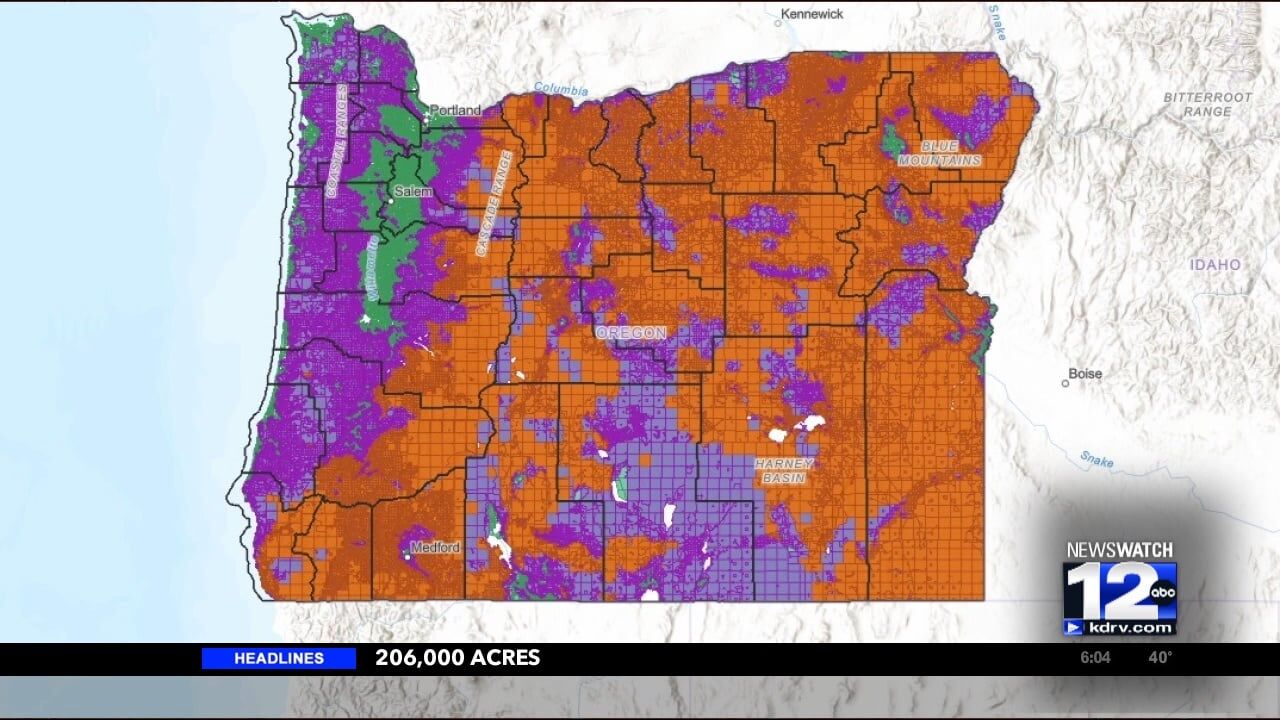
Oregon’s 2020 attempt at a statewide wildfire hazard map was repealed in 2025 after sustained pushback; authority shifted to individual cities and counties to adopt their own codes. Deschutes County did, adopting a home-hardening building code for unincorporated areas by emergency order on January 28, 2026 — which covers Eagle Crest directly, since it’s an unincorporated census-designated place rather than part of Redmond. New construction and significant exterior remodels must meet the new code; existing homes aren’t retrofitted retroactively.
Separately, Oregon’s Seller’s Property Disclosure Statement requires disclosing wildland-urban-interface status regardless of hazard tier, and a 2023 state law bars insurers from canceling a policy or raising a premium solely on a wildfire hazard-map designation, per the Oregon Association of Realtors’ summary of SB 82.
Who Eagle Crest Fits
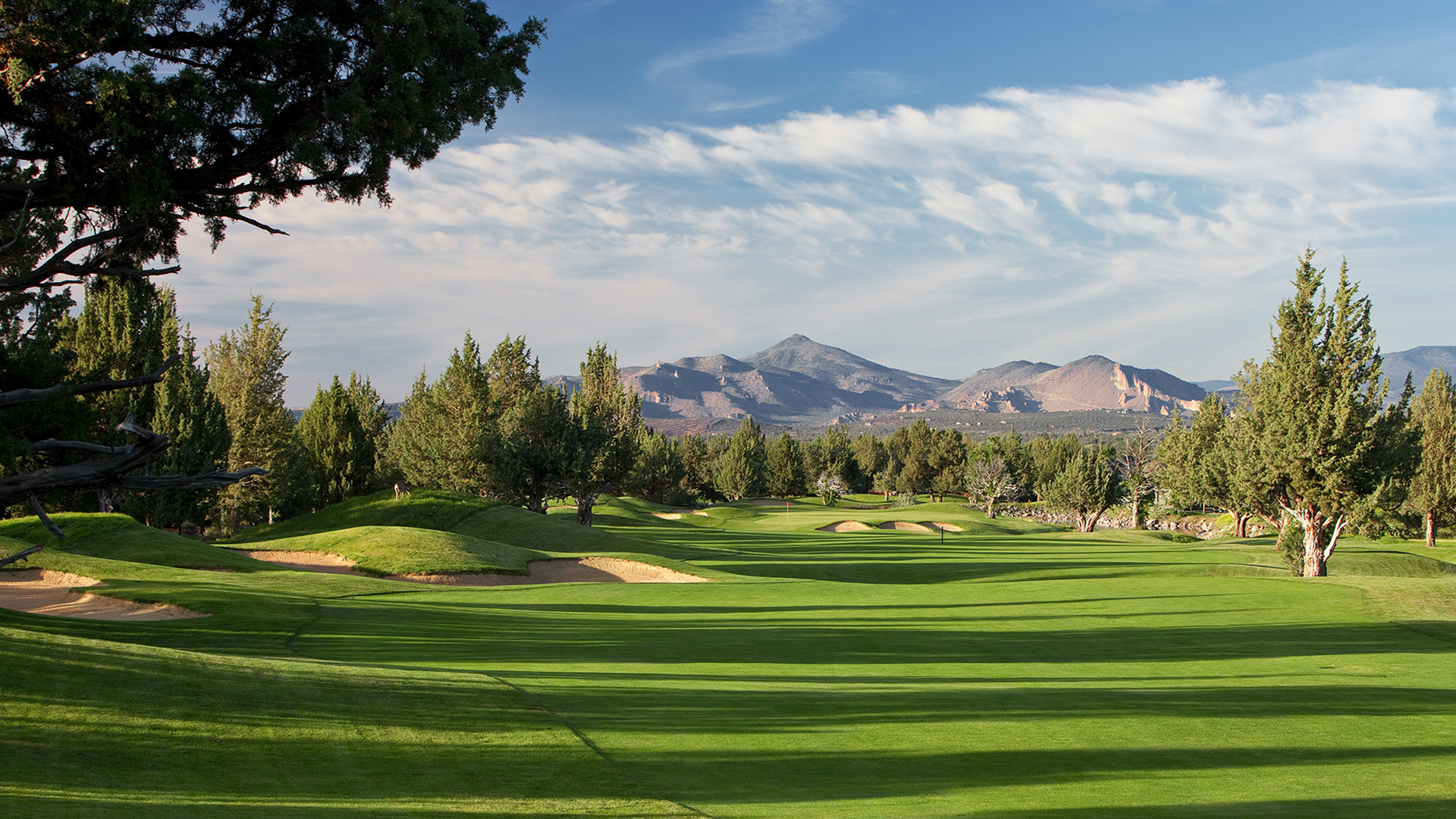
A full-time retiree drawn to a fixed, low-maintenance budget fits best in The Falls, an age-restricted subdivision with no rental-pool entanglement. An investor chasing short-term rental income needs to verify, unit by unit, whether the specific building is warrantable and whether its sub-association permits nightly rentals at all — rental-pool policy varies even within one subdivision cluster, so persona fit isn’t fully determined by location alone. A buyer who wants a whole-owned single-family home with no fractional or rental-pool complications should look at West Ridge or Desert Sky first, both ordinary platted subdivisions outside the resort’s overnight-lodging accounting.
A price and HOA-fee comparison against Sunriver, Brasada Ranch, and Black Butte Ranch was planned for this page but couldn’t be completed responsibly: no independently verifiable, dated pricing exists for those resorts in a single public source at the time of writing. Distance is the one comparison that can be stated reliably. Sunriver sits roughly 15 miles south of Bend, Brasada Ranch roughly 20 to 25 minutes northeast of Bend, and Black Butte Ranch about 15 minutes from Sisters. Eagle Crest, by contrast, sits at the edge of Redmond itself.
Comments