
The three communities that make up most of 18328
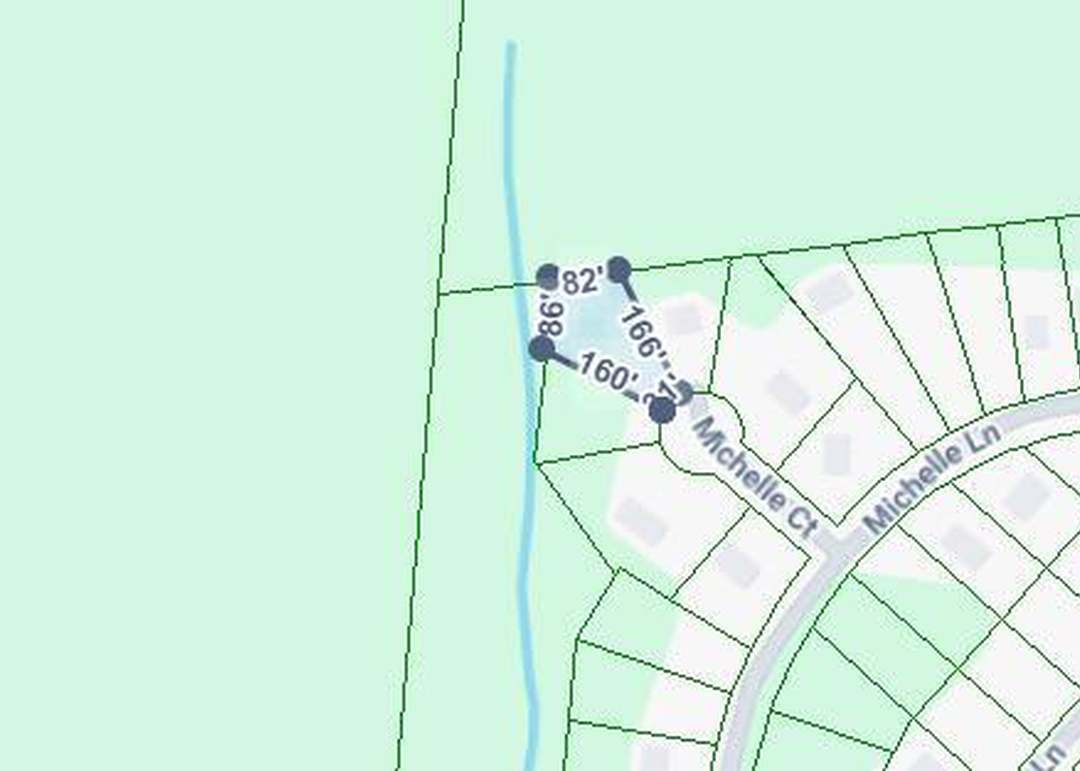
Dingmans Ferry isn’t a single subdivision; it’s three gated, privately governed lake communities plus scattered outside-the-gates parcels along routes 739 and 402. Each association sets its own dues, amenities, and rental rules, and none of that shows up in a ZIP-level search.
| Community | Size | Key amenities | Lot and access notes | Rental rule |
|---|---|---|---|---|
| Birchwood Lakes | About 880 houses, 27 miles of private road, established in the 1960s | Clubhouse, pool | Some parcels sold at tax or repository sales are unbuildable but still owe full association dues | Not published; confirm with the association office |
| Wild Acres Lakes | Gated, seven non-motor lakes | Indoor pool, two outdoor pools, tennis and basketball courts, full-time security | Clubhouse mid-rebuild as of the 2025 township hearing (see below) | Not published; confirm with the association office |
| Conashaugh Lakes | 587 of roughly 1,000 total acres developed, minimum one-acre lots, 28 miles of private road, two lakes | Seasonal pool, tennis, volleyball, bocce, ball field | Every lot runs on individual well and on-site septic | $250 non-refundable rental fee per lease contract, plus a separate tenant deposit |
The dues structure is the real variable. None of the three associations publish a fixed annual figure online, which is itself worth flagging to a buyer: get the current dues amount and any special-assessment history in writing from the association office before making an offer, not after.
Wild Acres Lakes is mid-rebuild on its clubhouse: Delaware Township held a public hearing on January 8, 2025, for a 9,905-square-foot replacement building on the association’s 16.15-acre parcel at 100 Clubhouse Lane, following demolition of the prior 8,120-square-foot structure, per the Delaware Township hearing notice. A buyer weighing amenity value against dues should ask whether that project is complete and how it was funded.
Fee-simple houses vs. restricted and leased lots
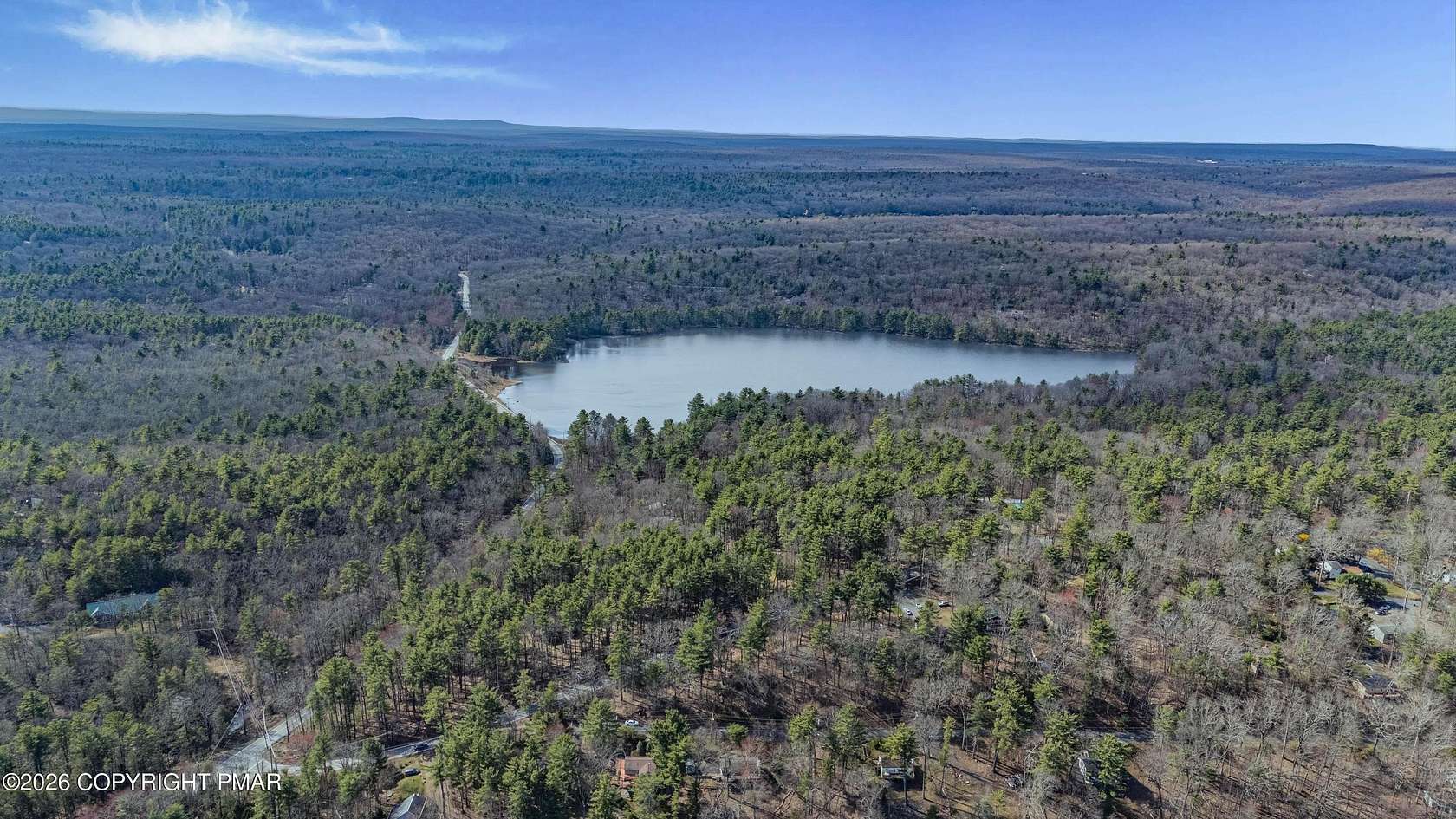
Current 18328 land listings run as low as $15,000 for a 0.34-acre parcel and $44,900 for seven wooded acres, according to Compass’s 18328 listings, well under the ZIP’s $285,000 median sale price. Some of that gap is ordinary land-versus-house pricing. Some of it is buildability.
A resident review of Birchwood Lakes describes buying a parcel at a county repository tax sale, confirming no liens through the township, and only afterward learning the lot was unbuildable while the association still required full dues payment, per a Birchwood Lakes resident account on Yelp. That pattern, a cheap lot that carries an ongoing dues obligation without a corresponding right to build, is the single biggest cost-of-error risk in this market and the one no portal search filters for.
| Restriction | What it means | How to verify |
|---|---|---|
| Land-lease or legacy tax-sale lot | The parcel may be unbuildable under current septic or zoning rules, but dues continue regardless of whether a house is ever built | Request the lot’s buildability and septic-approval status from the association office, in writing, before offering |
| Dues delinquency lien | Unpaid dues attach to the lot and transfer with title in most private Pennsylvania associations | Request a current dues-payment letter and lien search at or before closing |
| Rental restriction | Conashaugh Lakes charges a $250 non-refundable fee per lease contract plus a tenant deposit; other associations may restrict rentals outright | Confirm the specific association’s rental policy directly, not from the listing description |
A lot priced far below the community median is not automatically a bargain here: it’s a prompt to call the association office before the first showing.
Can I get a standard mortgage on a land-lease or legacy tax-sale lot in these communities? Usually not. An unbuildable or leased parcel that lists well under a fee-simple lot’s price commonly requires a cash purchase, because lenders need clear, buildable, fee-simple title to underwrite a standard purchase or construction loan.
Water, septic, and the systems that aren’t municipal
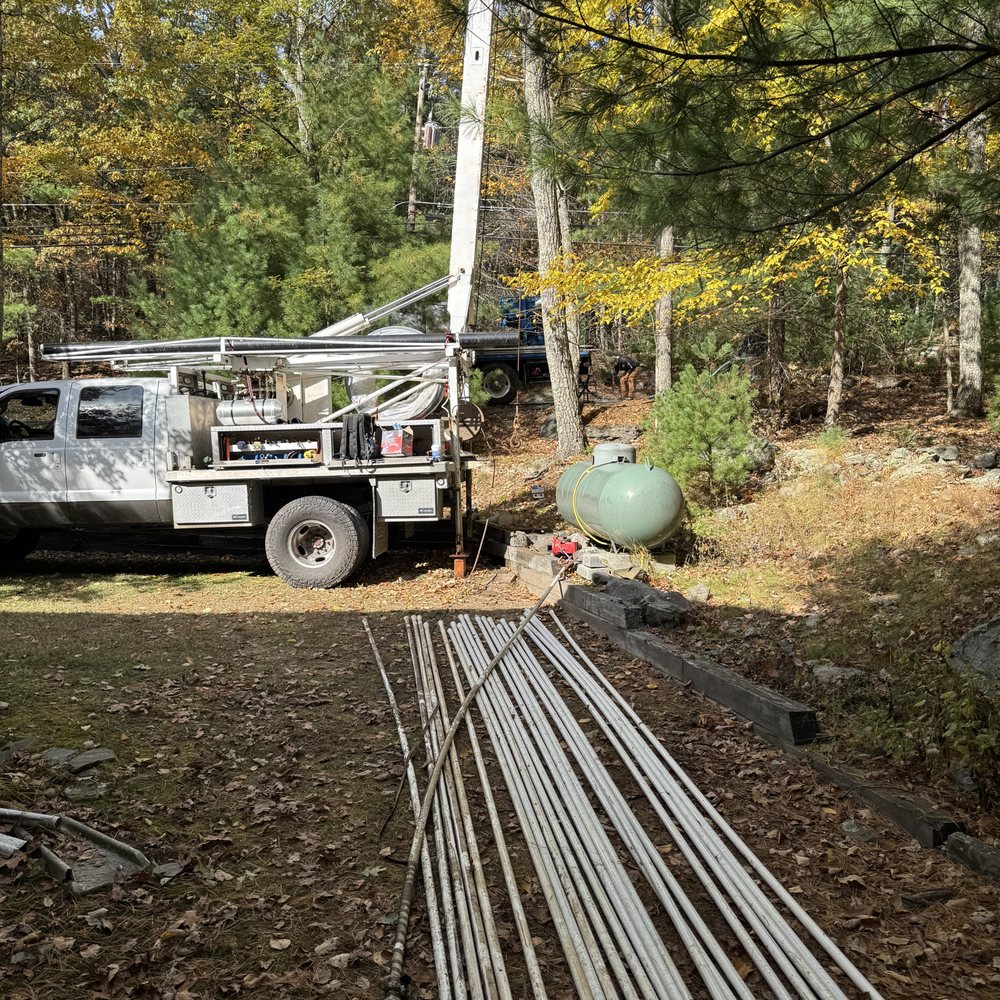
Birchwood Lakes, Wild Acres Lakes, and Conashaugh Lakes all run on individual wells and on-site septic systems; Conashaugh states this directly, noting maintenance is each owner’s responsibility, per the Conashaugh Lakes community page. None of these three communities connect to municipal water or sewer.
Pennsylvania’s disclosure law does not require a septic inspection at sale; it only requires the seller to disclose known material defects. On a well-and-septic lot, that gap between what’s legally required and what a buyer actually needs is worth closing with an independent inspection every time, since a failed septic system or contaminated well is exactly the kind of costly surprise a standard home inspection can miss if it isn’t scoped to include them.
Is Dingmans Ferry connected to public water and sewer? No, not inside these three associations. Municipal water and sewer service does not reach these lots; every parcel depends on its own well and septic system, so a septic inspection and a well water test belong in every offer here, alongside the standard home inspection.
Short-term rentals require a township permit
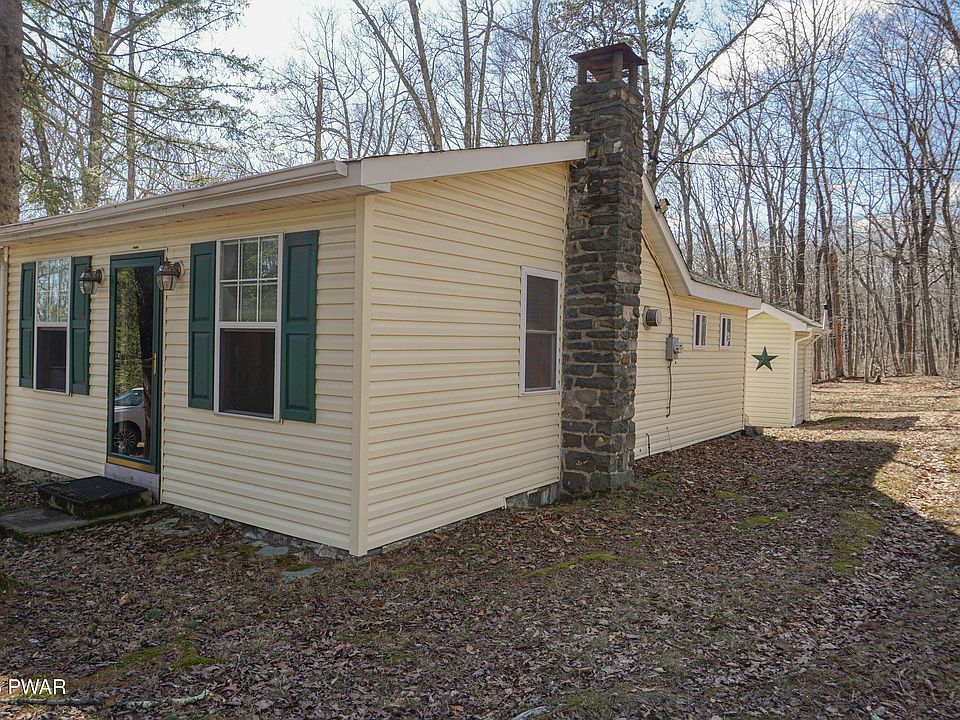
Delaware Township regulates short-term rentals under Ordinance 802, and operating one requires a permit, according to the Delaware Township news and press page. That’s a real constraint for anyone pricing a purchase around projected rental income: an unpermitted short-term rental is a compliance problem, not a pricing footnote.
Do I need a permit to rent my Dingmans Ferry house out short-term? Yes. Delaware Township requires a permit for short-term rentals under Ordinance 802; confirm current permit status and any association-level rental restrictions before assuming an advertised rental yield is achievable as-is.
Flood exposure: what’s known and what needs a parcel check
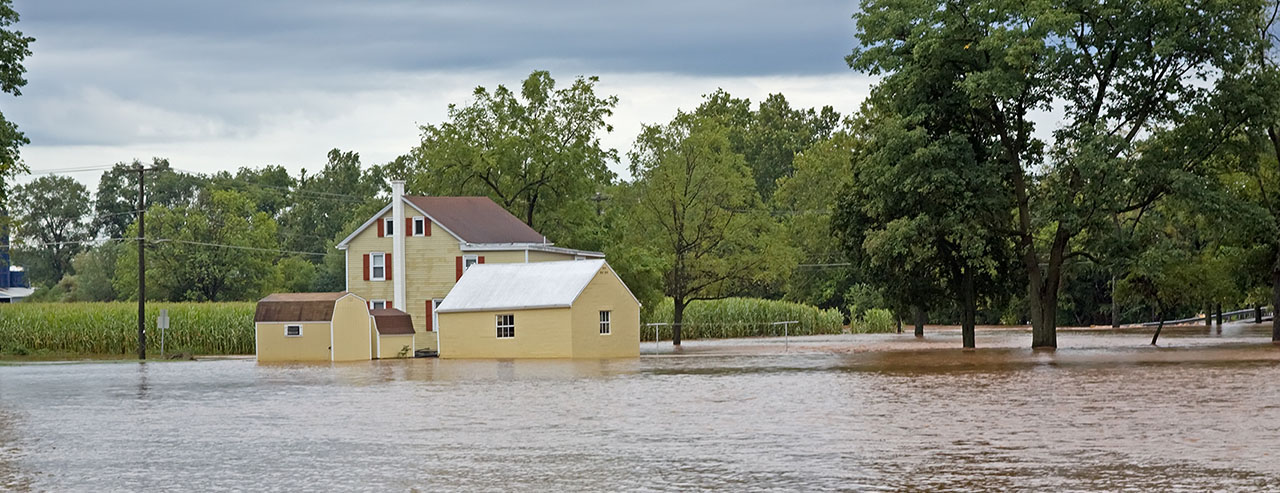
Dingmans Ferry sits along the Delaware River corridor, and several of its private lakes border individual lots directly, so flood exposure varies by parcel rather than applying uniformly across the ZIP. There is no single flood-zone designation for 18328 as a whole; the correct tool is a parcel-level lookup through the FEMA Flood Map Service Center. Flood insurance through the National Flood Insurance Program is only available where the local municipality participates in the program, per the Pennsylvania Emergency Management Agency’s flooding page, which is itself worth confirming for Delaware Township before assuming coverage is available at all.
Is Dingmans Ferry in a flood zone? It depends on the specific parcel: river and lake proximity means flood-zone status changes block by block, and the only reliable answer comes from entering the exact address into FEMA’s Flood Map Service Center rather than assuming based on the ZIP code as a whole.
Second home or primary residence: what the vacancy numbers say
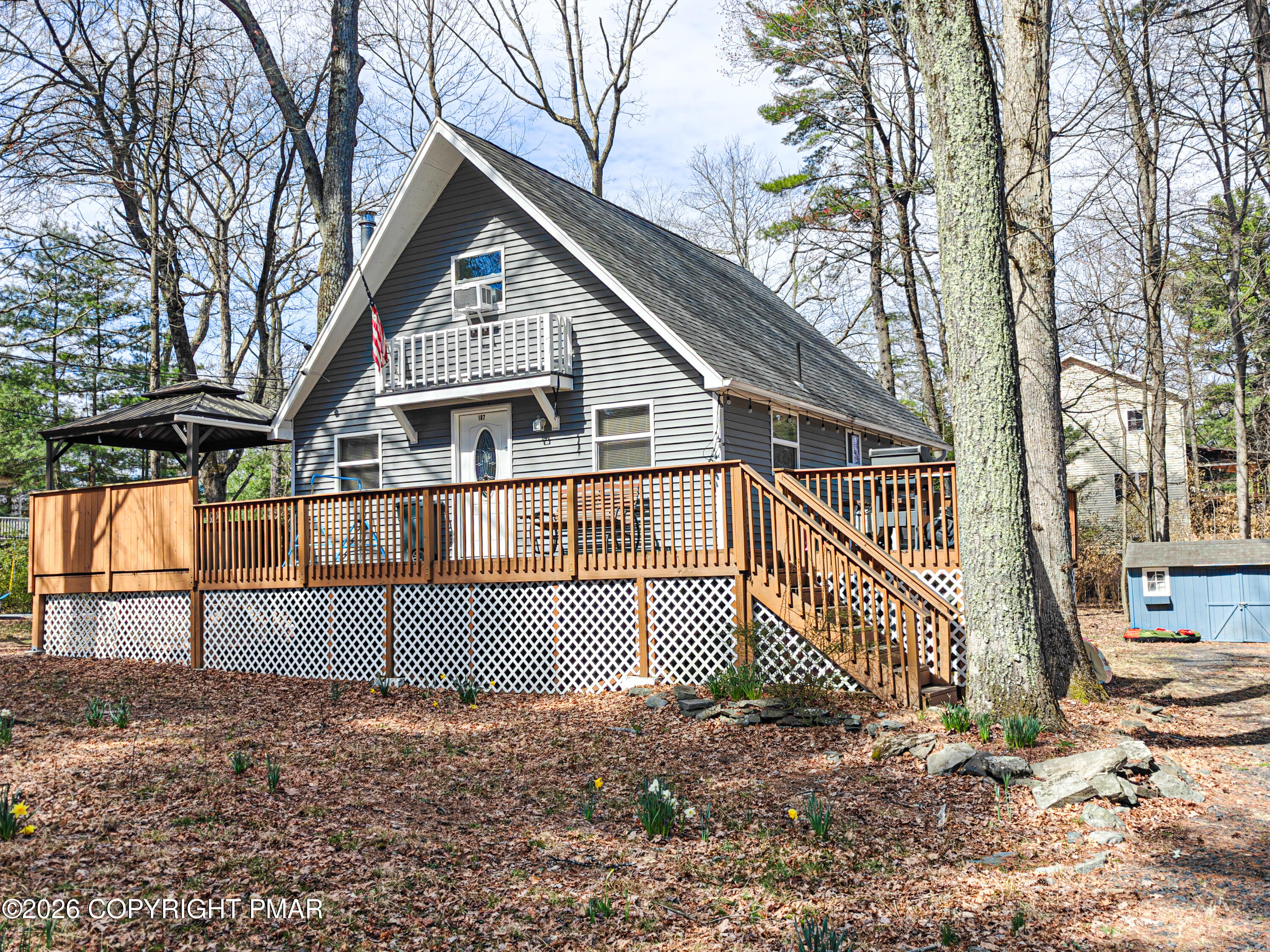
About 57% of Dingmans Ferry housing units are owner-occupied, 7% are rented, and 36% sit vacant at any given time, according to local MLS-fed housing data. A 36% vacancy share is high for a primary-residence market and points to Dingmans Ferry functioning as a second-home and weekend market for a meaningful share of its housing stock.
That changes financing. A lender needs to know upfront whether a property will be owner-occupied, a second home, or an investment property, because second-home and investment-property loans carry different down-payment and rate terms than a primary-residence mortgage. It also changes the income math: the local median household income is $65,820, per area demographic data from a Bright MLS-affiliated source, close to the $62,100 in annual income Movoto’s calculation says is needed to carry a median-priced home at 25% down. For a primary-residence buyer that’s a workable match; for a second-home buyer carrying a mortgage elsewhere too, it means qualifying on debt-to-income terms the local median household doesn’t have to clear.
Selling in this market
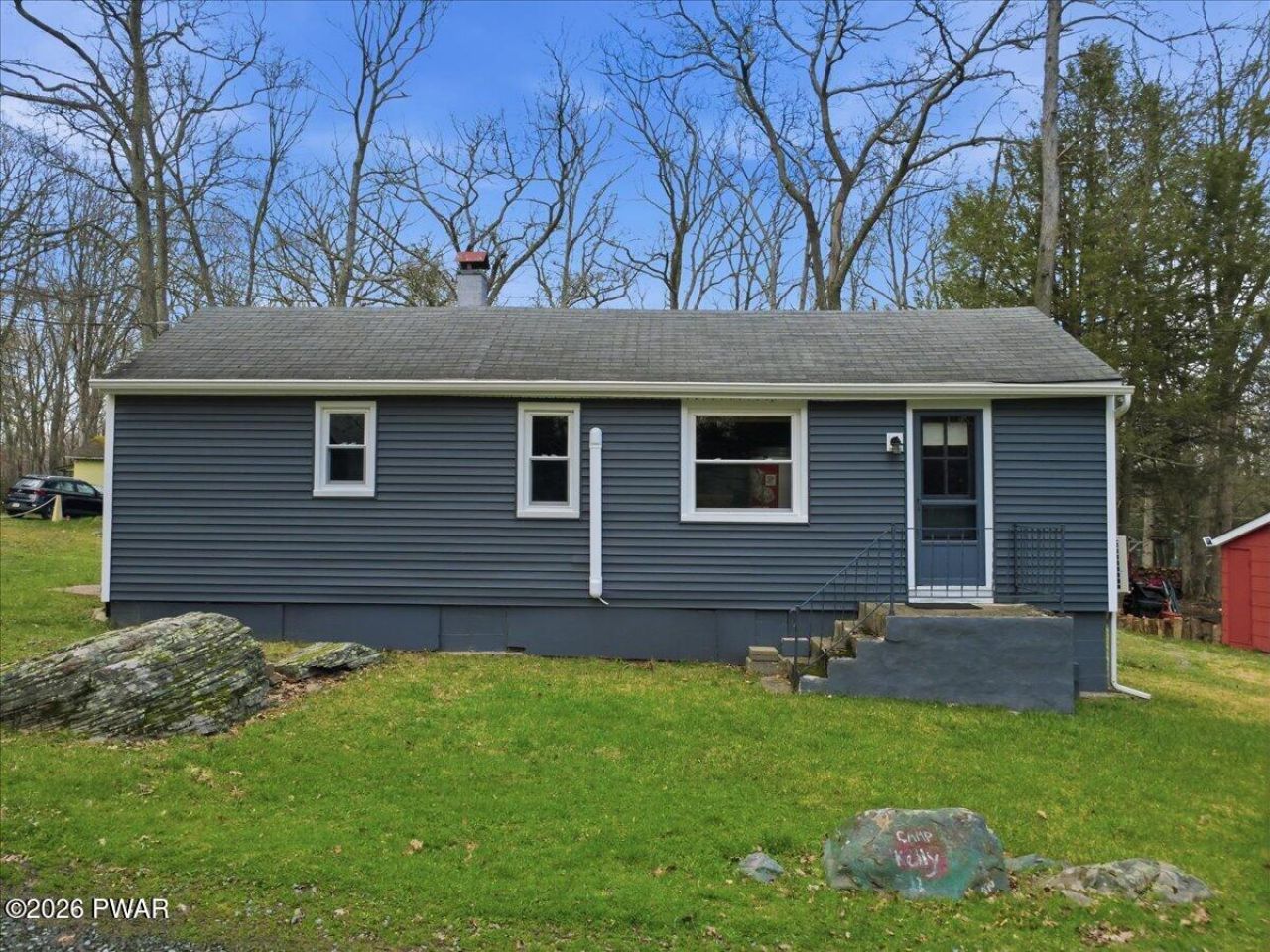
Homes in 18328 spent a median of 65 days on the market in June 2026, unchanged from June 2025, moving at roughly $189 per square foot over the same period. A fee-simple house in one of the three associations typically shows better once the seller has a current dues-payment letter and septic and well records ready before the first showing. Land-lease and unbuildable lots move far more slowly, usually only to cash buyers already familiar with that association’s restrictions.
What Pennsylvania law requires sellers to disclose
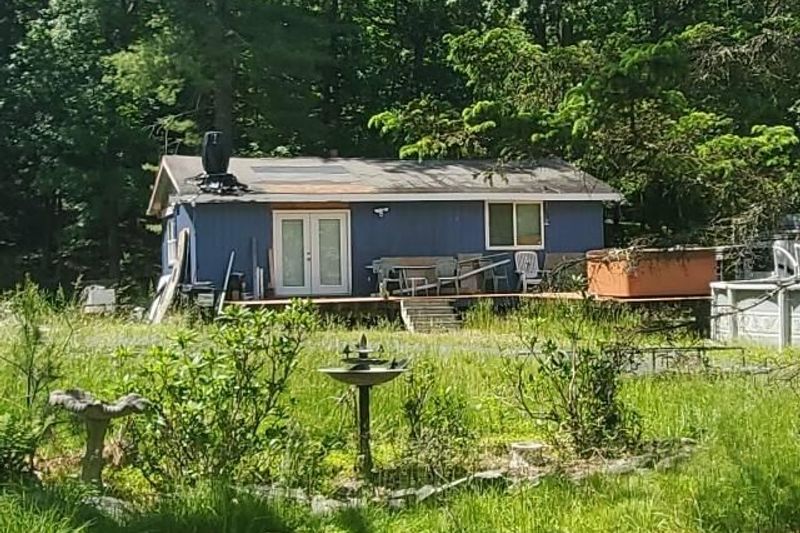
Pennsylvania’s Real Estate Seller Disclosure Law, 68 Pa.C.S. §§7301 to 7314, requires most residential sellers to disclose known material defects, meaning a condition with a significant adverse impact on value or that creates an unreasonable risk to people on the property. The required disclosure form specifically includes an item on condominiums and other homeowners associations, which matters directly for a Birchwood Lakes, Wild Acres Lakes, or Conashaugh Lakes seller carrying dues history, special assessments, or a pending lien.
Exemptions exist for fiduciary transfers during an estate or guardianship administration and for new construction that carries a one-year-or-longer warranty with a certificate of occupancy already issued, according to the statute. A buyer who discovers a concealed known defect after closing has up to two years from settlement to bring a claim for actual damages, per a Nolo summary of the disclosure law. Punitive damages aren’t available under this statute specifically.
Does a Pennsylvania seller have to disclose homeowners association dues and fee history? Yes. The state disclosure form includes a specific item covering condominiums and other homeowners associations, and a seller who conceals a known material defect, including undisclosed dues delinquency tied to the lot, can face actual-damages liability for up to two years after closing.
Common mistakes buyers make here

- Treating a cheap lot price as a bargain without written confirmation of buildability. Ask the association office, in writing, for the lot’s buildability and septic-approval status before offering; a verbal “should be fine” from a listing agent isn’t the same thing.
- Skipping the septic and well inspection because Pennsylvania law doesn’t require one at sale. On a private-well, on-site-septic lot, that’s exactly where expensive problems hide until after closing.
- Assuming short-term rental income without a Delaware Township permit. Ordinance 802 requires a permit before advertising a short-term rental; confirm status before pricing a purchase around rental yield.
- Treating the ZIP-wide $189-per-square-foot figure as the price for a specific community. That number blends three associations with different amenities, dues, and buildability profiles.
- Waiting until closing week to request the association’s dues-payment letter. A dues lien transfers with the lot in most private Pennsylvania associations and can delay settlement if it surfaces late in the process.
Comments