
Two different products, not two versions of the same thing
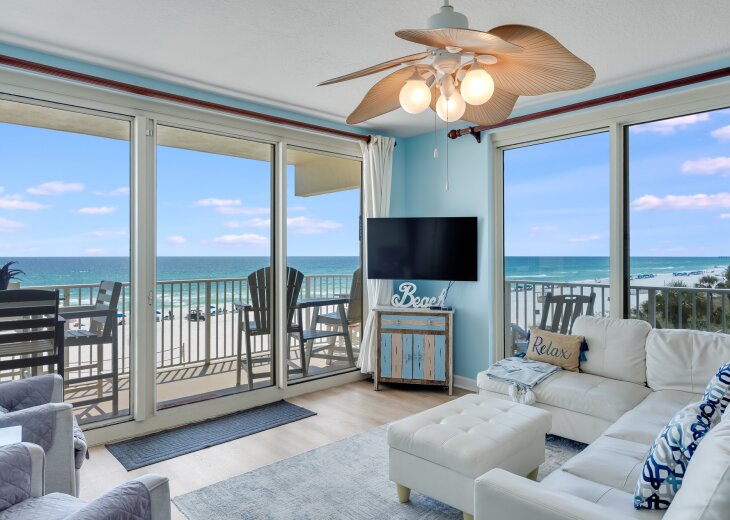
A monthly lease and a nightly booking solve different problems and sit under different rules. A renter signing a long-term lease deals with an individual unit owner, a fixed monthly rent, a security deposit, and, usually, an association-approval step before move-in. A guest booking a few nights deals with a licensed operator, a nightly rate that shifts by season, and none of the paperwork a tenant would sign. Listing sites blur this because both show up for the same search term; the underlying transaction, and the rules governing it, do not overlap.
| Long-term lease | Short-term / vacation rental | |
|---|---|---|
| Typical contract length | 6 to 12 months | 1 night to 29 days |
| Pricing basis | Fixed monthly rent | Nightly rate, seasonal |
| Who manages it | Usually the individual owner directly | Licensed operator or management company |
| What regulates it | Florida landlord-tenant law (Ch. 83, F.S.), the lease, association rules | City Ordinance 1632, Florida DBPR license (Ch. 509, F.S.), TDC tax registration, association rules |
The regulatory row is the one no unit listing shows you, and it’s the difference that actually decides whether a given condo can legally be rented the way a prospective tenant or investor expects.
Can a condo association legally block short-term rentals even if the city allows them?Yes. Florida’s short-term rental preemption statute (F.S. §509.032(7)(b)) limits what cities and counties can regulate; it does not touch private association bylaws. An HOA or condo association can prohibit or cap short-term rentals in its governing documents regardless of what Panama City Beach permits, and that restriction is enforceable as a contractual obligation, independent of city ordinance.
What the listing price doesn’t include: condo association rules
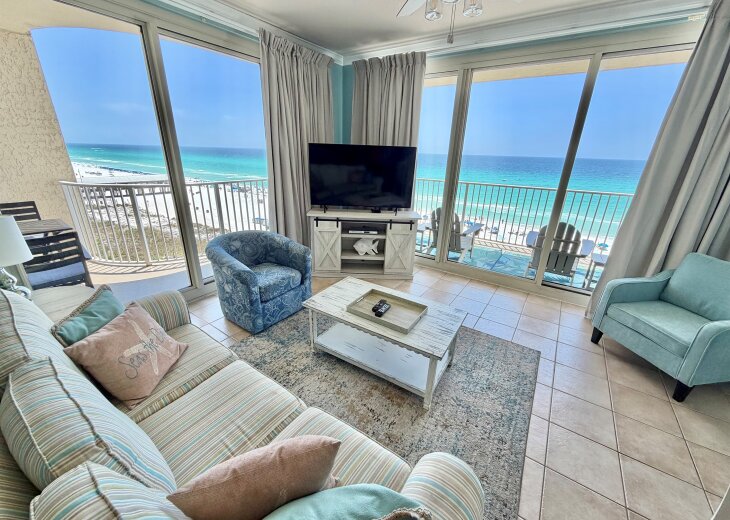
Rent and nightly rate say nothing about what a building’s association will actually allow. This is the layer every major listing and booking site skips, because none of them profits from surfacing it.
Minimum-stay and rental caps
Many PCB associations set their own minimum rental period, sometimes 30 days, sometimes longer, independent of the city’s rules for what counts as a “vacation rental.” A unit can be perfectly legal under Ordinance 1632 and still be off-limits for a 3-night booking if the building’s bylaws set a 30-day floor.
Age and occupant restrictions
Some buildings restrict rentals during peak spring periods to reduce spring-break-style turnover, or set minimum renter ages for certain unit blocks. These rules vary building to building and are not listed anywhere on a marketplace page.
Mandatory on-site management
A subset of PCB high-rises require that any unit rented short-term go through the building’s designated on-site rental program rather than an independent host account. This affects both pricing, since a management cut applies, and platform choice.
Pets
Pet policies for rentals are set at the association level and range from a full ban to a per-unit weight and breed limit, with additional pet deposits common. Ask the association directly before assuming a listing’s pet-friendly tag applies building-wide.
If you plan to rent it out: what the city and state require
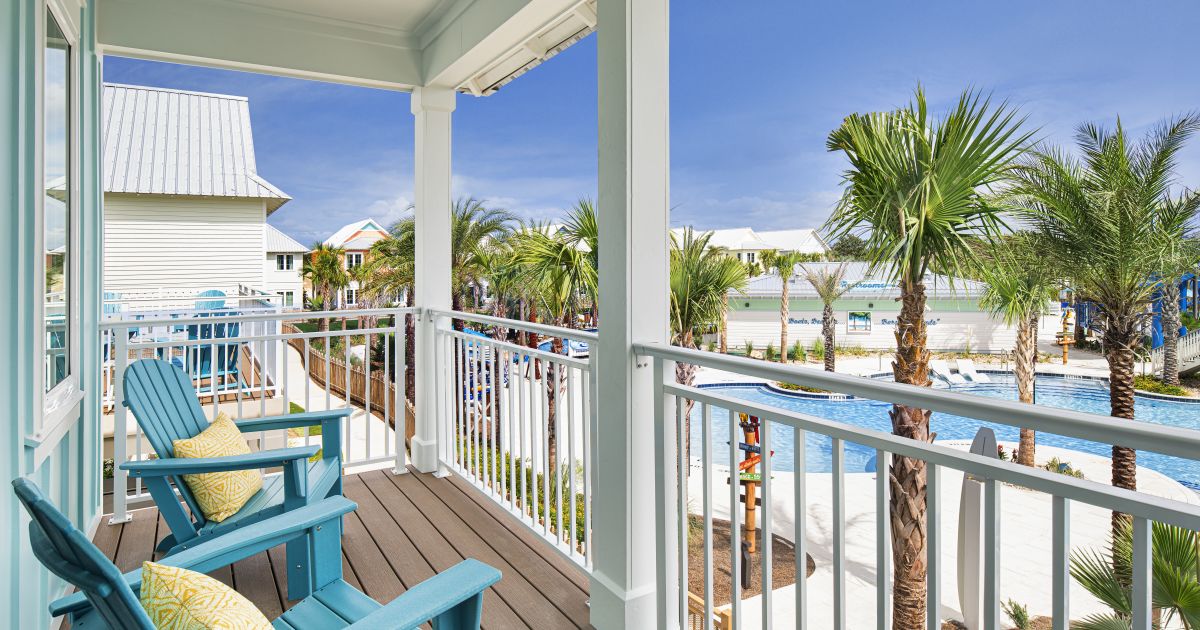
This section is the one an owner or investor needs and a browsing renter does not. Panama City Beach passed Ordinance 1632 on September 28, 2023; it took effect February 1, 2024, and it applies only inside PCB city limits, not unincorporated Bay County or neighboring Panama City (City of Panama City Beach). Under the ordinance, every unit rented short-term needs a Vacation Rental Certificate, on top of a state license and tax registrations.
| Requirement | Issuing body | Applies to | Approximate cost |
|---|---|---|---|
| Vacation Rental Certificate (new) | City of Panama City Beach Fire Inspections | Units rented under 30 days, more than 3x/year, within city limits | $250 new registration; $150 annual re-registration |
| Fire/life-safety inspection | PCB Fire Department | Same units, annually | Included in registration; $75 re-inspection if failed; $100 lock-out fee for a missed appointment |
| Florida DBPR Vacation Rental license | Florida Dept. of Business & Professional Regulation | Units rented under 30 days, more than 3x/year, statewide | $230 total first year, single unit; about $170/year renewal |
| TDC/tax registration | Bay County Tourist Development Council + Florida Dept. of Revenue | Same units | No separate license fee; 6% state + 5% county tax applies to rental income |
A state DBPR license does not substitute for the city certificate, and the city certificate does not substitute for the state license: both are required in parallel for a unit inside PCB city limits, alongside the county tax registration.
Do I need both a city certificate and a state DBPR license?Yes. The Vacation Rental Certificate is a Panama City Beach requirement under Ordinance 1632; the DBPR license is a separate state requirement under Florida Statute Chapter 509 that applies regardless of city. Bay County’s tourist tax registration is a third, separate step. All three apply at once for a unit rented short-term inside city limits.
Ordinance 1632 also sets a specific occupancy formula: one person per 150 square feet of habitable space, calculated on square footage alone rather than bedroom count, with balconies, porches, patios, and garages excluded from the calculation. A unit that passes a life-safety inspection without violations can qualify for the higher rate of one person per 200 square feet (City of Panama City Beach news release).
What actually counts as habitable space for the occupancy limit?Interior living space only. Balconies, porches, patios, and garages are excluded from the square-footage calculation used to set the maximum occupancy, even if a listing counts them as part of the unit’s total area.
What happens if you skip registration
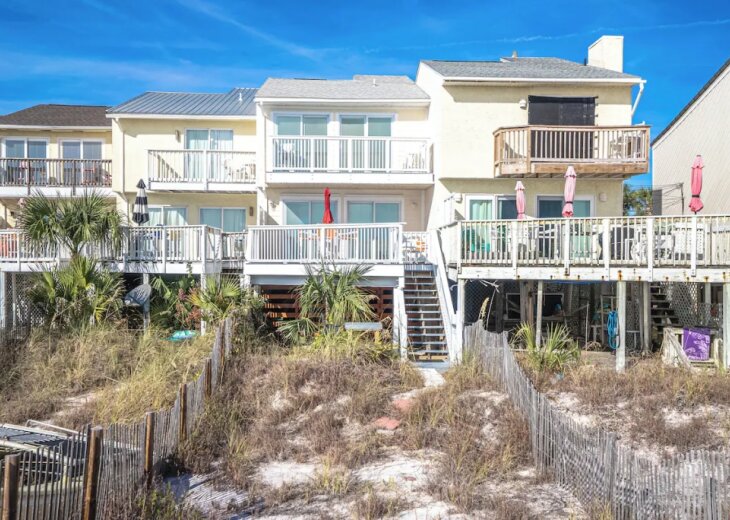
Panama City Beach enforces the ordinance proactively, cross-referencing active listings against registered units rather than waiting for complaints. The penalty structure is progressive:
- First violation: $500. A notice of correction is issued before this applies to any correctable issue.
- Second violation: $1,000.
- Third violation and beyond, within a 12-month period: $1,000, plus revocation of the Vacation Rental Certificate for one year, applied to the individual unit rather than the whole building or management company (Ordinance 1632, City of Panama City Beach Code of Ordinances).
Operating without the state DBPR license carries a separate exposure: Florida law allows fines from $500 to $5,000 per violation, on top of, and independent from, the city’s penalty track. A 2024 bill, SB 280, would have created a statewide vacation-rental registry and expanded state preemption over local rules; Governor DeSantis vetoed it in June 2024, so the existing city-by-city, county-by-county framework remains in force through 2026 (Florida short-term rental law summary).
Seasonal pricing: why nightly and monthly rates aren’t comparable
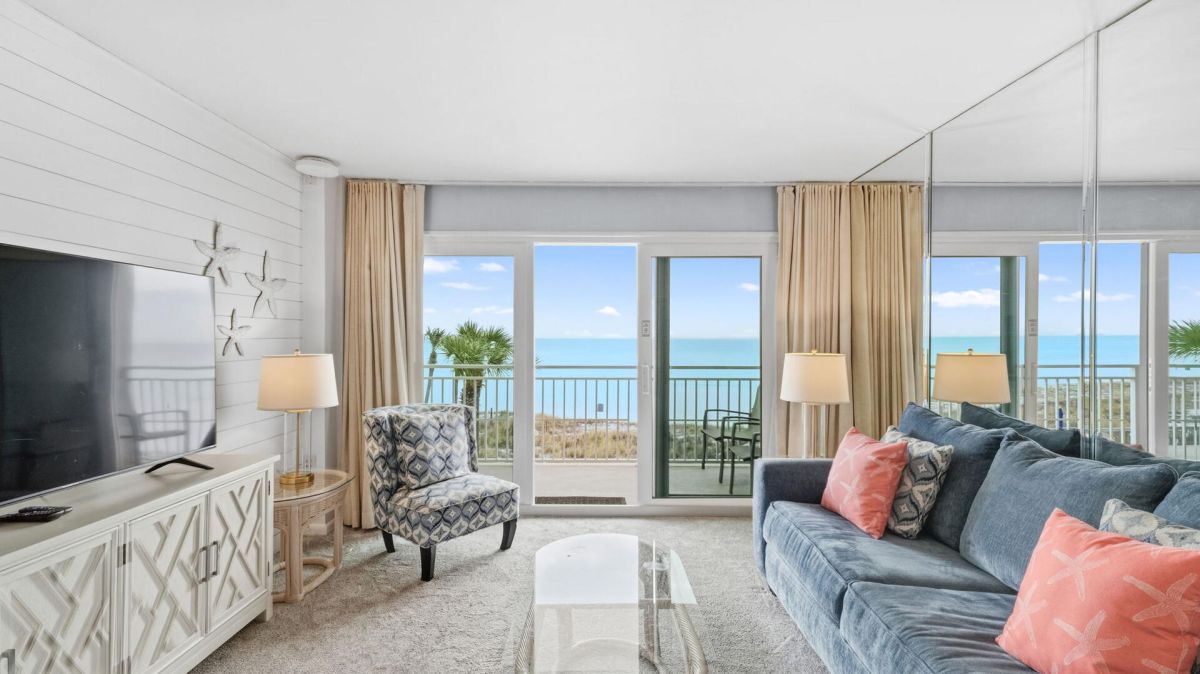
Spring break and the Fourth of July move a nightly rate hard; they don’t touch a signed monthly lease at all. That’s why a unit listed at $1,700/month on a long-term site and $277/night on a booking platform isn’t a pricing contradiction: the nightly figure reflects peak-season demand and can generate meaningfully more annual revenue, provided the unit is actually eligible to be rented that way under its association’s rules.
What’s changed since 2018: storm recovery, building codes, and insurance
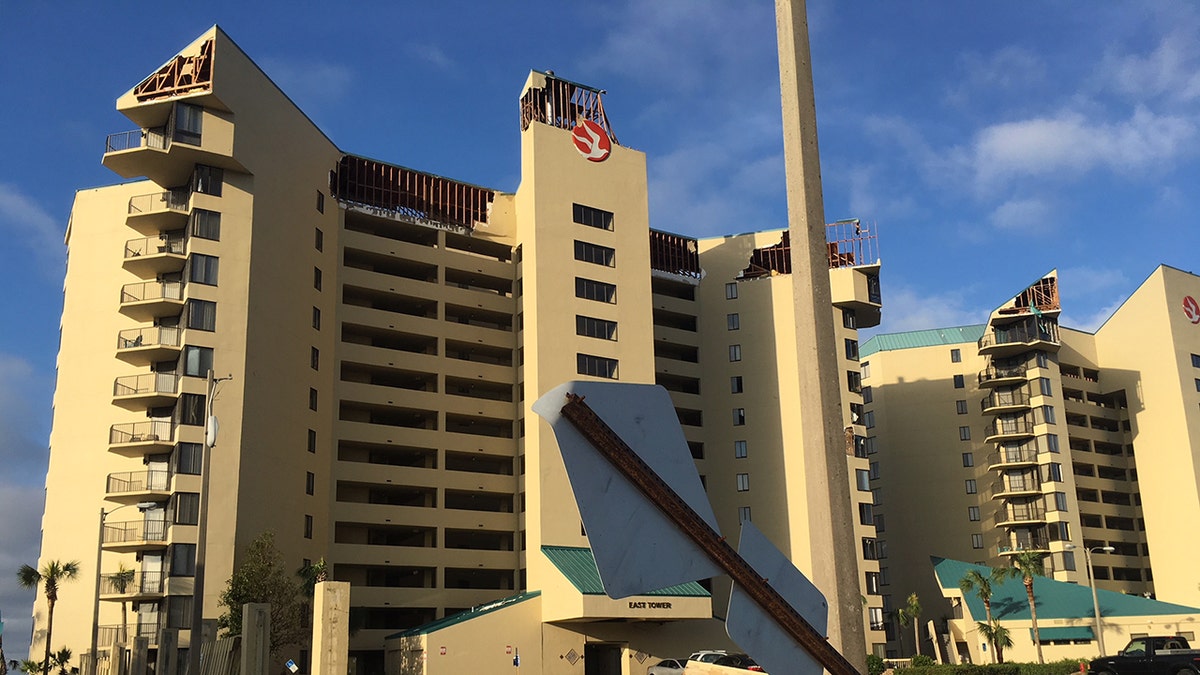
Hurricane Michael made landfall near Mexico Beach as a Category 5 storm on October 10, 2018, with sustained winds of 160 to 161 mph. Panama City Beach itself saw less structural damage than Panama City and Mexico Beach, but the storm reset building codes, insurance underwriting, and construction standards across Bay County going forward.
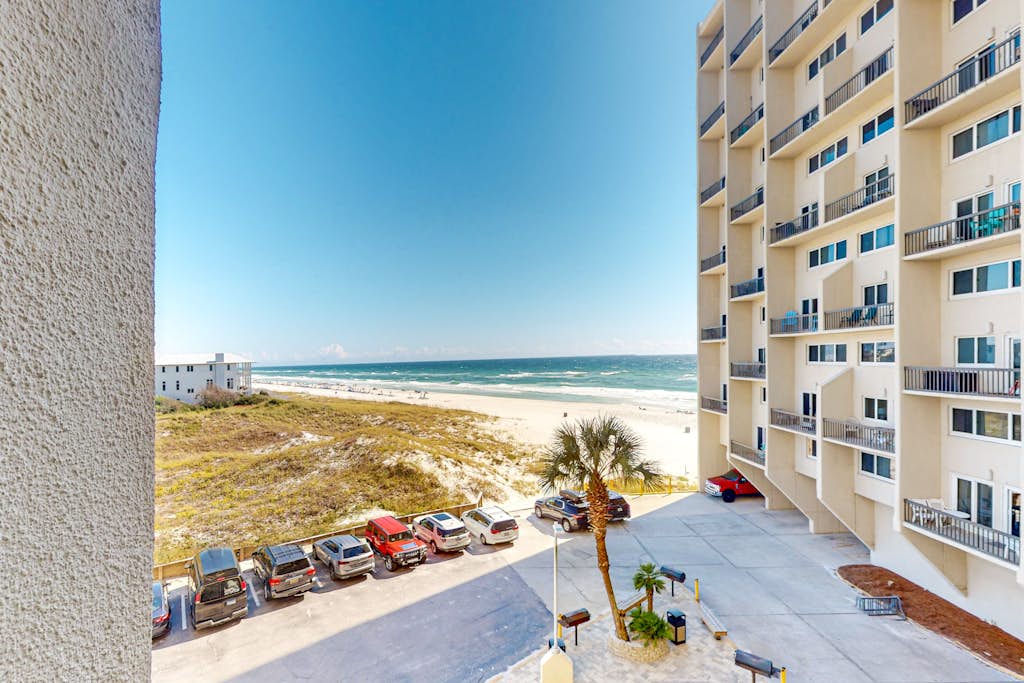
The clearest evidence of the shift shows up in association insurance renewals. The Seychelles, a 197-unit PCB condominium, saw its building insurance premium rise from $584,000 in 2023 to $881,000 at its 2024 renewal, a 51% increase in a single year (reporting on Panama City Beach condo insurance trends). Monthly HOA dues at beachfront PCB buildings typically run $250 to $700 or more, driven largely by insurance and reserve costs rather than amenities.
Florida’s post-Surfside milestone-inspection law, SB-4D, adds another layer: buildings three habitable stories or higher must complete structural inspections and fund reserve studies on a fixed schedule. Buildings that deferred maintenance or reserve funding face special assessments that can run from a few thousand to tens of thousands of dollars per unit.
Comments