
Raw Land vs. Entitled Land: Why It Changes Every Later Step
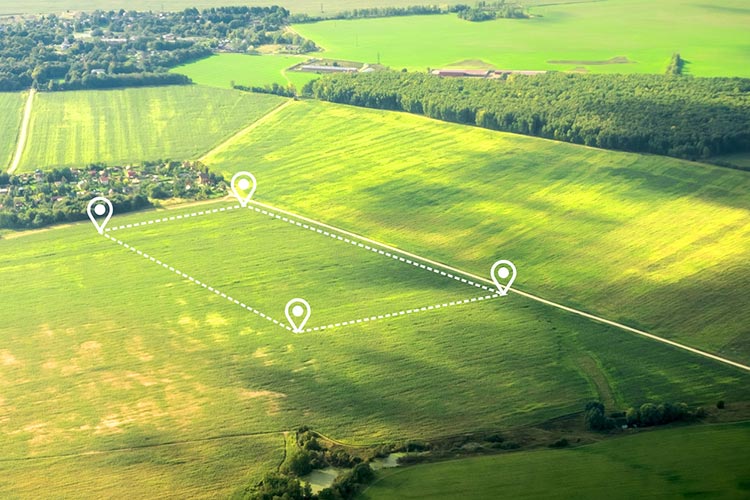
Most guides to buying commercial property treat land as a single category. It isn’t. A raw parcel, with no confirmed utilities, no recorded easements, and no zoning approval for the intended use, is underwritten, priced, and timed differently from an entitled or “shovel-ready” parcel where those approvals already exist.
The distinction determines financing before it determines anything else. Lenders view raw land as collateral with no income to underwrite against and no guarantee it will ever be developed, so federal banking guidance sets a supervisory ceiling of 65% loan-to-value on raw land, compared with 75% once the land has development approvals in hand and 85% once residential construction is underway on it. Those are regulatory ceilings, not guarantees: many individual banks set their own internal limits below them.
The distinction also sets the timeline. Entitled land can close on a schedule similar to an improved building, sometimes 30 to 60 days. Raw land with an uncertain zoning path can take a year or more before a lender, a buyer, or a builder will commit to it.
Financing Commercial Land
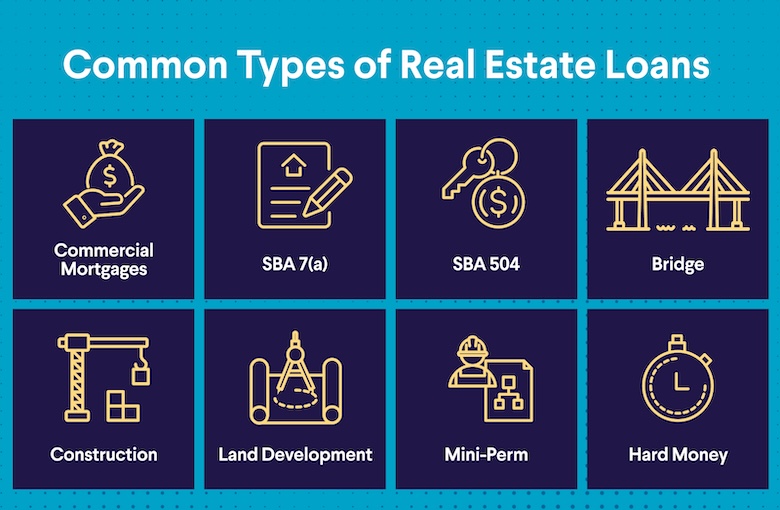
| Financing type | Down payment | Term | Best-fit case |
|---|---|---|---|
| SBA 504 | 10% standard; 15–20% for startups or special-use property | Up to 25 years, fixed | Owner-occupied business acquiring land for its own operations |
| Conventional bank, raw land | 35%+ (65% LTV federal ceiling; many banks set tighter internal limits) | 5–10 years | No confirmed use plan yet, or land held for future development |
| Conventional bank, land with development approval | 25%+ (75% LTV ceiling) | 10–20 years | Land already zoned, platted, or holding a permitted site plan |
| Private or portfolio lender | 30–50%, priced 1.5 to 3 percentage points above conventional land rates | 5–10 years | Time-pressured or speculative deals a bank has already declined |
The gap between the SBA 504 row and the conventional rows explains why down-payment research on this topic often produces contradictory numbers: a buyer researching land purchases and a buyer researching SBA-eligible business real estate are reading about two different products with two different collateral structures.
An SBA 504 project splits differently from a straight bank loan: a conventional first mortgage covers roughly half the project cost, a Certified Development Company debenture covers up to 40%, and the borrower contributes the remaining 10 to 20%. To qualify, the business needs tangible net worth under $20 million and average net income under $6.5 million for the two years before applying, current figures set by the SBA’s 2024 inflation adjustment, still in effect.
Across 42,407 active commercial land listings nationally as of June 30, 2026, the average asking price came to $67,093 per acre, per LandSearch’s commercial listings data, though the spread by state and zoning category is wide enough that this national figure works better as a sanity check on a specific deal than as a budgeting number for one.
Does buying land qualify for a 1031 exchange? Yes, if the land is held for investment or business use rather than personal use. The IRS identification and closing deadlines are fixed at 45 and 180 calendar days after the closing of the property sold, both measured from that closing date and running at the same time, not one after the other. Neither deadline moves for weekends or holidays; only a federally declared disaster triggers an IRS-authorized postponement.
Zoning and How Long Entitlement Takes
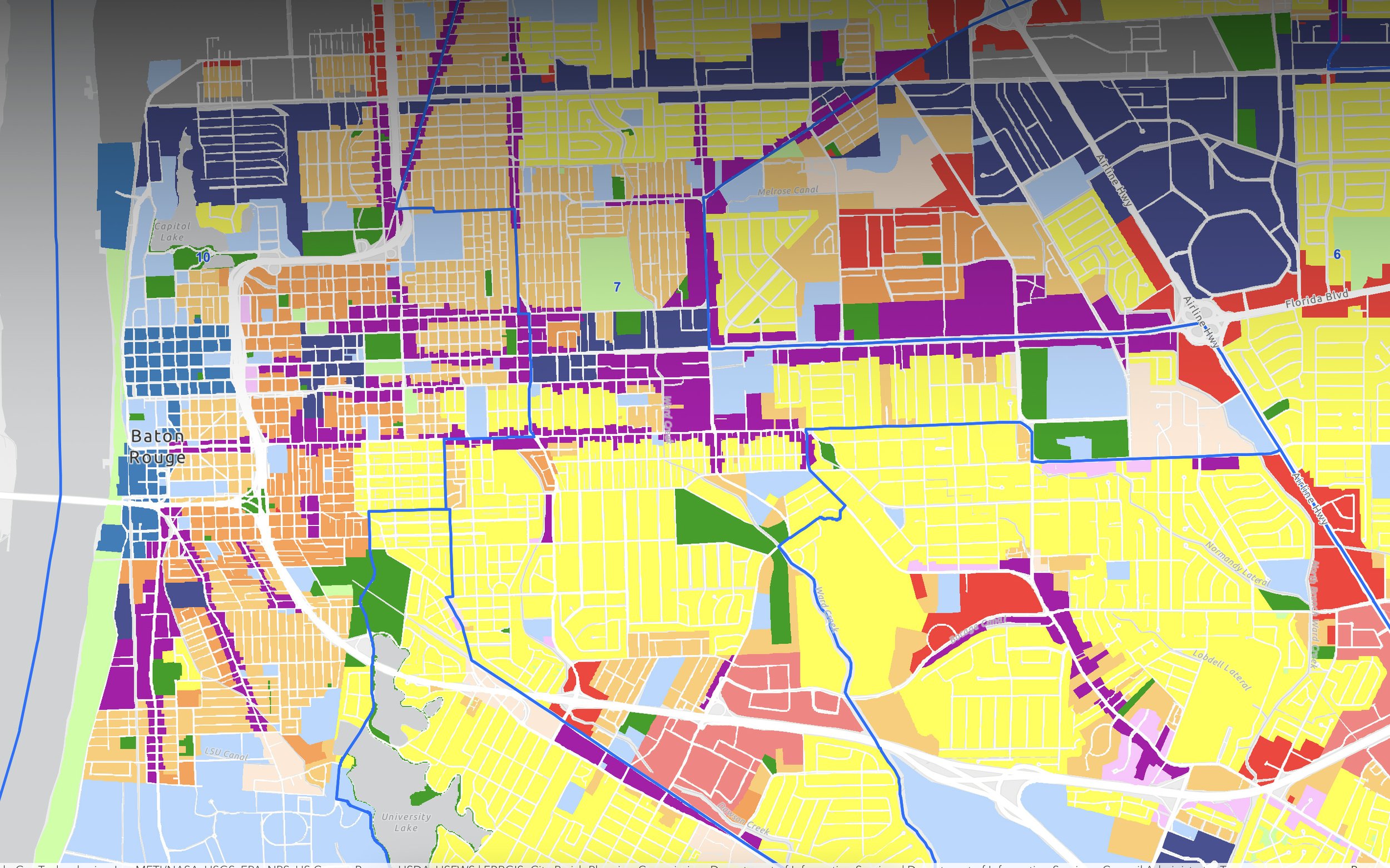
Zoning tells you what a parcel is legally allowed to become. Entitlement is the process of proving it: rezoning if the current designation doesn’t permit your use, platting, environmental review, and site-plan approval. The timeline depends on how much of that process the parcel still needs.
| Entitlement path | Typical timeline | What it requires |
|---|---|---|
| By-right, site plan only | 3 to 6 months | Zoning already permits the use; only site-plan or design review remains |
| Conditional use permit or variance | 6 to 12 months | The use is allowed with conditions; a hearing and approval are still needed |
| Rezoning or general plan amendment | 1 to 2 years | Current zoning doesn’t permit the use; requires a public hearing process and elected-body approval |
A parcel needing full environmental review or facing organized local opposition can run well past two years; a Southwest Florida commercial project needing full land-use and civil-engineering permits was documented at up to two years before construction even started. Before making an offer contingent on any shorter window, confirm which of these three buckets your specific parcel actually falls into with the local planning department, in writing.
How much longer does entitled land take to close than raw land? An entitled parcel, one already holding its zoning, platting, and site-plan approvals, can often close on a timeline similar to a built property, sometimes 30 to 60 days. A raw parcel still needing rezoning adds the full entitlement timeline on top, commonly 6 months to 2 years, and financing frequently can’t be finalized until the zoning question is resolved.
The Due Diligence Checklist Most Guides Skip
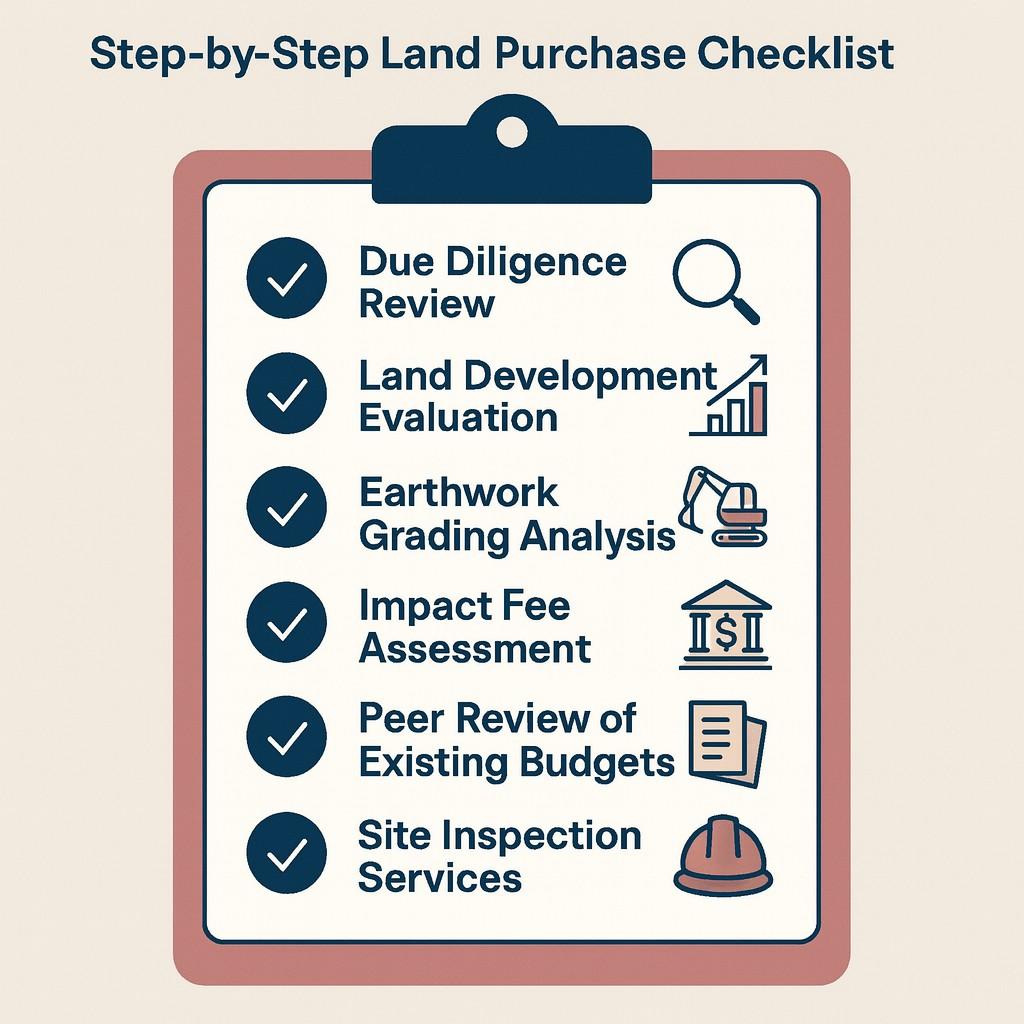
Zoning tells you what’s legally possible. Utilities and environmental condition tell you what’s physically and financially possible. Both get one gesture-at-a-sentence treatment elsewhere and rarely any procedural detail.
Utility and Access Verification
Before closing, request a will-serve letter from each relevant utility, water, sewer, power, gas, stating that service reaches the parcel, not merely the general area. Separately verify recorded legal access: an easement across a neighboring parcel that looks fine on a map can be revocable, expired, or disputed. A parcel with no will-serve letter and no recorded access easement is not yet financeable by most lenders, whatever the price looks like.
Phase I Environmental Site Assessments
A Phase I ESA, conducted under the ASTM E1527-21 standard, is a records and site-inspection review, not soil sampling, aimed at identifying Recognized Environmental Conditions before closing. It typically costs $2,200 to $4,000 and takes 2 to 3 weeks. The report is presumed valid for only 180 days before acquisition, so an assessment ordered early in a slow-moving deal may need updating before closing. Skipping it forfeits the “innocent landowner” liability defense under federal environmental law, the actual reason lenders require it before funding.
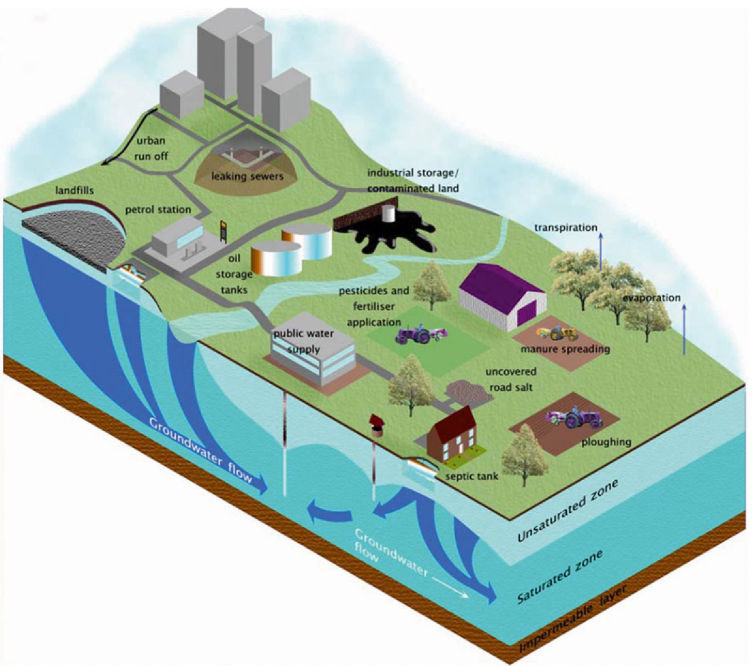
What’s a will-serve letter and why do I need one before I close? It’s a written statement from a utility provider confirming a specific service, water, sewer, electric, or gas, reaches your parcel, not just the surrounding area. Without one, a lender has no proof the land can support the use you’re financing, and connection costs that looked minor on paper can turn out to need an off-site extension the seller never mentioned.
What’s a Phase I ESA and when is it required? It’s a non-invasive environmental records and site review under the ASTM E1527-21 standard, checking for signs of past contamination without soil or water sampling. Lenders require it before funding almost any commercial land purchase, and buyers who skip it lose the legal protection against environmental cleanup liability if contamination surfaces after closing.
Making an Offer and Structuring Contingencies
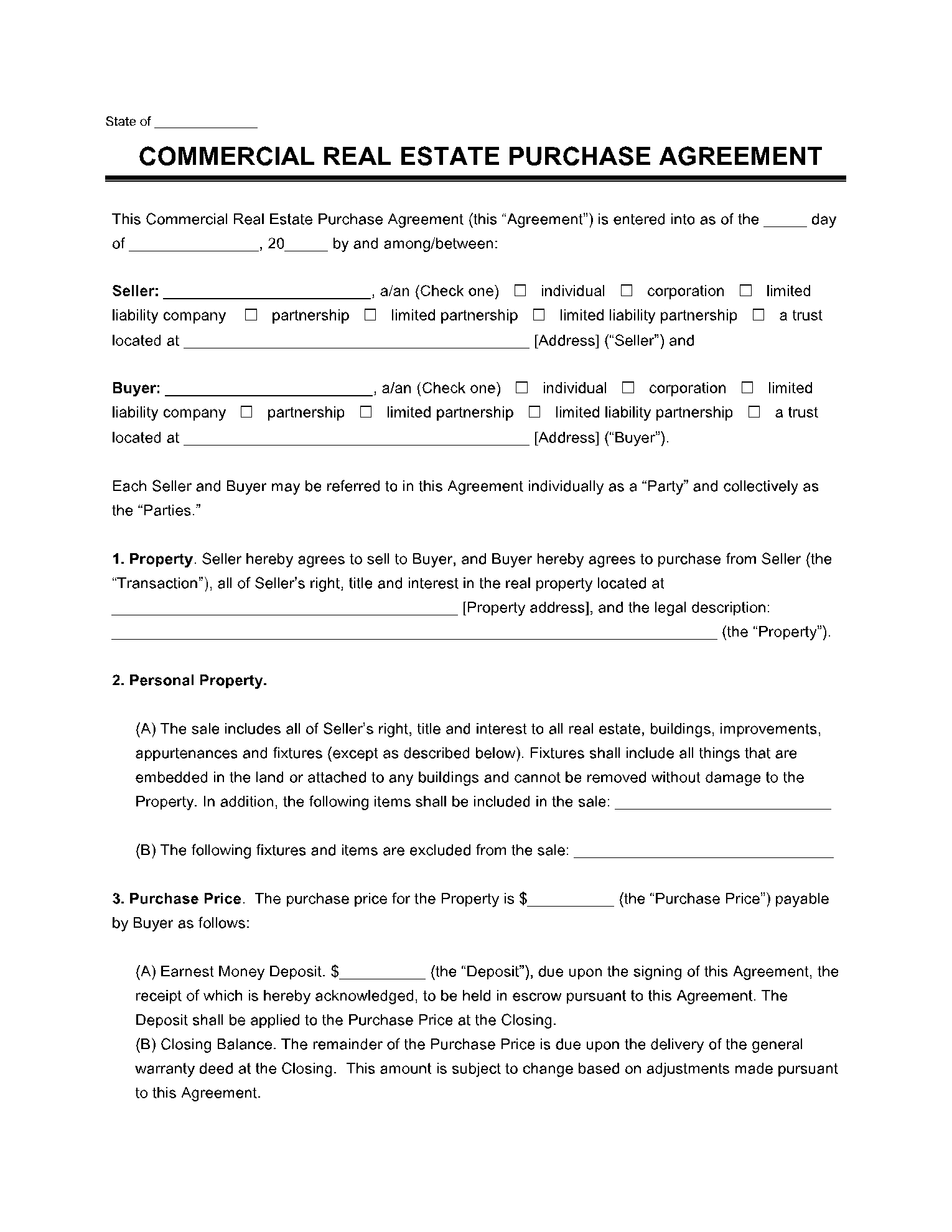
A land purchase agreement should make the offer contingent on due diligence outcomes you haven’t confirmed yet: a clean Phase I ESA, a will-serve letter from each utility, and, where zoning isn’t already in place, a specific entitlement outcome by a stated deadline. A letter of intent is a starting point for negotiation, never the finish line.
Closing
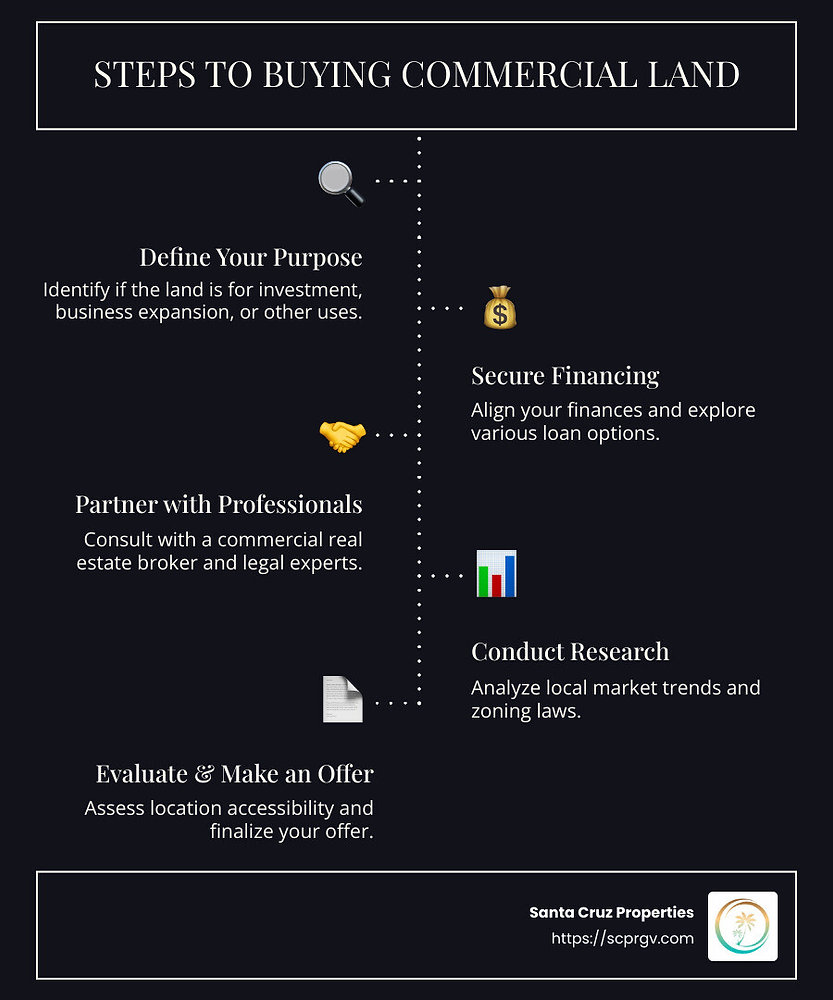
Closing on entitled land follows a process close to a standard commercial real estate closing: title search, survey review, and deed transfer, commonly 30 to 60 days after contract. On raw land, the closing date itself can’t be locked in until the outstanding entitlement or utility contingency clears, and that single step accounts for most of the time raw-land deals add beyond a normal closing calendar.
Walk-Away Conditions
- No confirmed legal access. A landlocked parcel with no recorded easement, or an easement of uncertain enforceability, needs a written attorney opinion before it’s worth pursuing further.
- A will-serve letter the utility won’t issue. Budget for an unpriced off-site extension, or walk away.
- An unresolved title defect. Liens, boundary disputes, or missing heirs in the chain of title need resolution before closing, never after.
- Floodplain designation with no mitigation plan. This affects both insurability and what you’re allowed to build.
- Zoning that doesn’t allow your use, with no realistic rezoning path. A planning department’s informal read on rezoning odds carries more weight at this stage than your own optimism.
What Sellers and Agents Should Have Ready
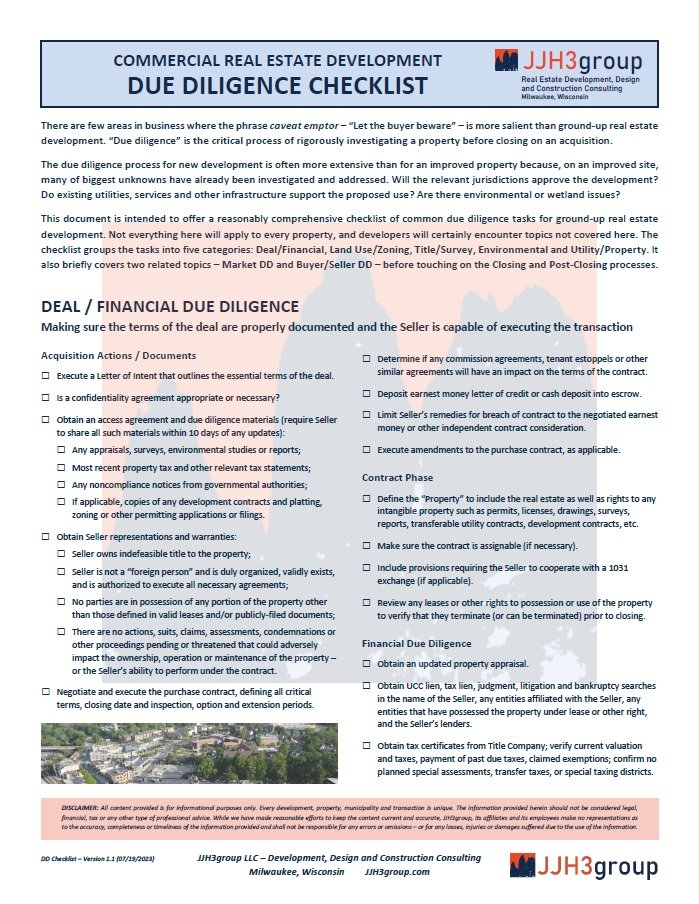
Buyers evaluating land move faster, and closer to asking price, when a seller has already assembled what due diligence will ask for: a current survey, any existing will-serve letters, a Phase I ESA completed within the past 180 days, and a clean title search. A parcel listed without them typically draws a lower opening offer from any buyer who has done this before.
Comments