
What Drives Land Prices This Low
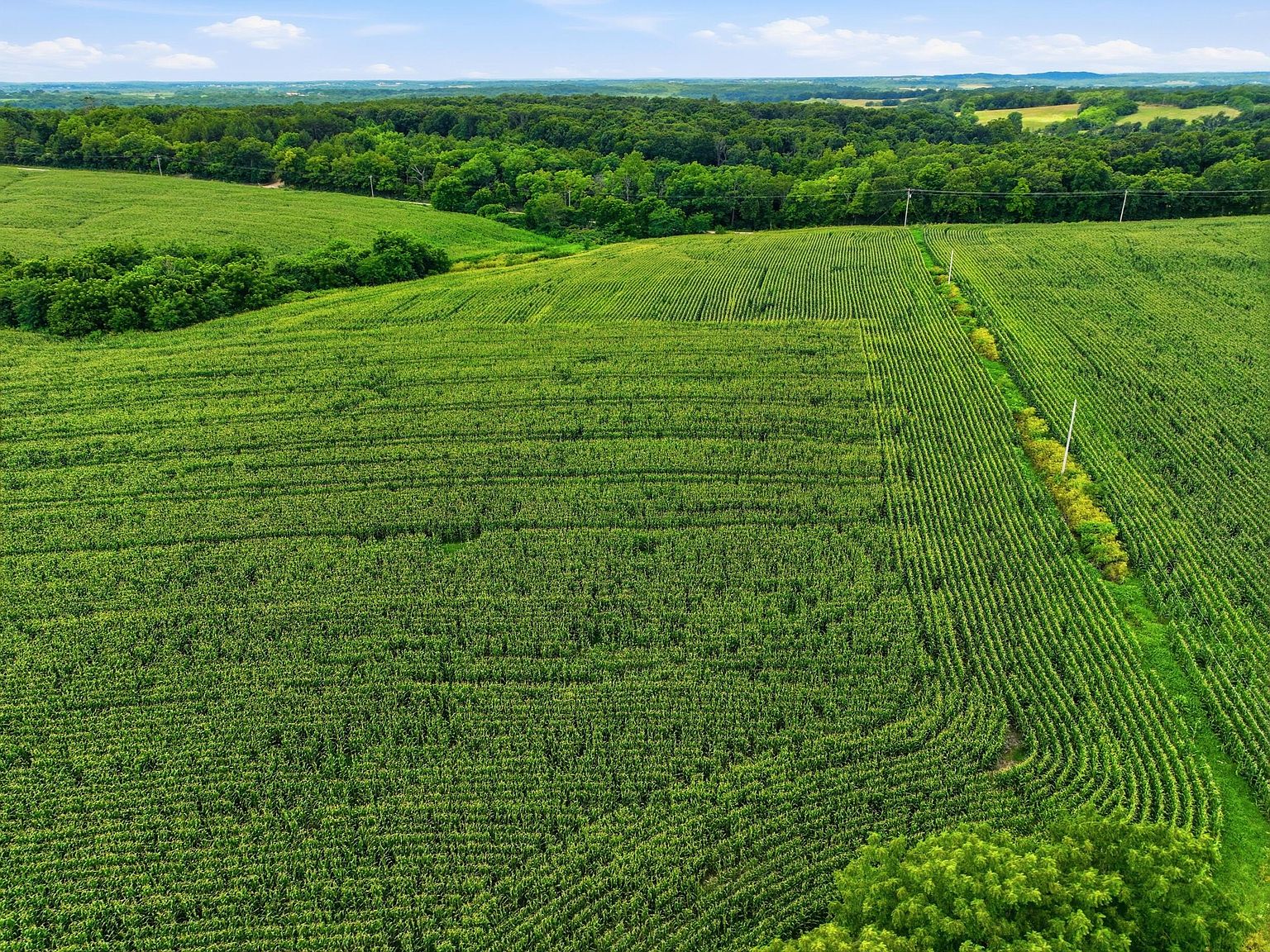
Three variables explain most of the price gap between a $300-an-acre parcel and a $3,000-an-acre parcel: whether the tract carries a recorded legal easement to a public road, whether well or municipal water is available, and how the county zones it. A remote parcel with a clean recorded easement routinely sells for more than a parcel five miles from town that turns out to be landlocked. Distance from a population center matters at the margin; access and water rights matter first.
What Different Price Tiers Get You and What They Risk
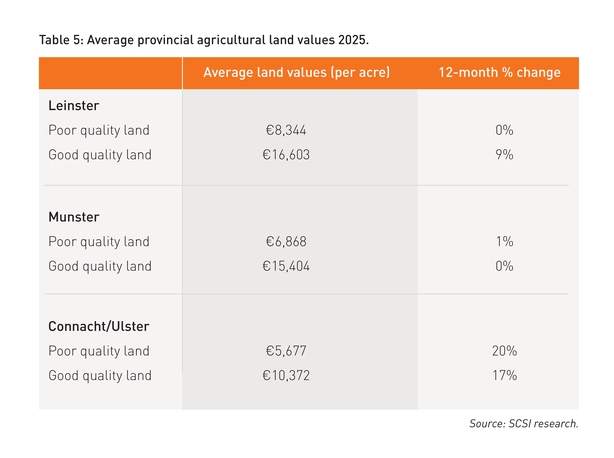
A price per acre alone says little about whether a parcel is buildable; the tier only becomes useful once it is checked against access, water, and zoning.
| Price tier | Typical characteristics | Typical catch | Verification step |
|---|---|---|---|
| Under $1,000/acre | Remote, often no road frontage, frequently sold through tax-delinquent or bulk-liquidation channels | Landlocked or “paper access” — wait, no dash: a mapped road with no recorded legal easement | Pull the parcel on the county GIS viewer and confirm a recorded easement, not just a mapped line |
| $1,000 to $5,000/acre | Road frontage, buildable under current zoning, no utilities on site | Well and septic can add $9,000 to $22,000 or more before construction starts | Get a septic/perc test quote and a well-driller estimate before closing |
| $5,000 to $15,000/acre | Utilities at or near the property line, often close to a small town | Price premium reflects development-readiness, not necessarily better land | Compare price per acre to the county assessor’s most recent valuation |
| Above $15,000/acre | Utility-ready, paved road, often a platted subdivision lot | Approaches developed-lot pricing in some markets | Compare to recent comparable sales in the county’s recorded deed records |
A jump from the sub-$1,000 tier to the $1,000-to-$5,000 tier buys legal road frontage in most cases; it does not buy utilities, which is where the financing math further down becomes relevant.
Is land under $1,000 an acre usable at all? Sometimes. The sub-$1,000 tier is where landlocked and paper-access parcels concentrate. Usability comes down to whether the deed language itself carries a recorded easement to a public road, separate from any access line drawn on a subdivision plat; confirm that at the county recorder’s office before treating the low price as a bargain.
Where Cheap Land Is Concentrated
USDA’s 2025 farm real estate survey, a government benchmark with no land to sell, put New Mexico lowest among all states at $725 an acre, with Mountain-region pasture averaging $946 an acre against a $4,350 national average for all farm real estate.
| State/region | Metric (2025) | Value per acre | Source |
|---|---|---|---|
| New Mexico | Farm real estate (land plus buildings, all uses) | $725 | USDA NASS |
| Mountain region (AZ, CO, ID, MT, NV, NM, UT, WY) | Average pasture value | $946 | American Farm Bureau Federation, citing USDA NASS |
| United States | Farm real estate (land plus buildings, all uses) | $4,350 | USDA NASS |
How to Verify a Parcel Before You Pay
Legal vs. Physical Access
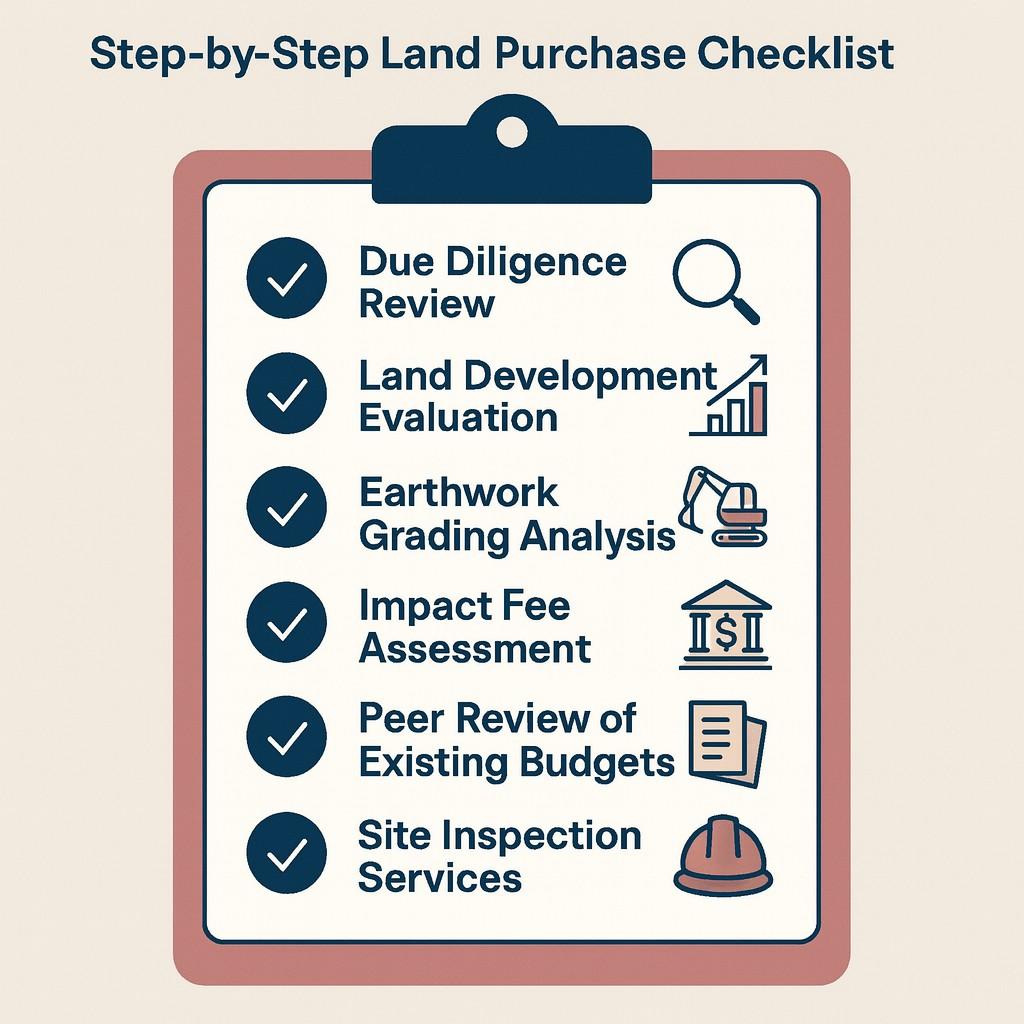
Physical access means a driveway or trail reaches the parcel. Legal access means the county recorder’s office has a deed or easement granting the right to cross the parcels in between, and a property can have one without the other. Pull the parcel on the county’s online GIS portal, cross-check the mapped access route against the recorded plat, and call the recorder’s office if the two do not match.
Zoning and Use Restrictions
Call the county planning or zoning office directly and ask what the parcel is zoned for right now; listing descriptions sometimes describe potential future uses that current zoning does not yet permit. Rural zoning categories often restrict minimum lot size for a dwelling, well and septic setbacks, and manufactured-home placement.
Utilities and Water Rights
In much of the arid West, water rights are separated from land ownership, so confirm whether any water right is appurtenant to the parcel itself. A tract can be sold with zero right to pump groundwater or divert surface water; the state engineer’s office or county water resources office can confirm the status attached to a specific parcel number.
Title
Order a title search or purchase title insurance even on a low-price parcel. A $2,000 lot can carry a lien, a boundary dispute, or an unresolved heirship claim that costs more to clear than the land itself.
How do I confirm the parcel has legal road access before I pay? Search the parcel on the county’s GIS or assessor map, find the recorded easement or right-of-way tied to the parcel number, and confirm it with the county recorder. A road visible on a satellite photo has no legal weight without a recorded easement.
Financing Cheap Land: Rate, Down Payment, and Total Cost

Owner financing on raw land typically carries a rate of 8% to 10%, distinctly higher than a comparable bank loan, because the seller absorbs default risk a bank would otherwise price into a larger down payment.
Seller Financing True Cost
A seller-financed raw-land contract commonly runs 8% to 10% annually, with a down payment anywhere from 0% to 20% and a term of 3 to 10 years, often ending in a balloon payment. A bank land loan for raw acreage typically requires 20% to 30% down at roughly 6.5% to 9.5%. The table below shows the total-cost difference on a $10,000 balance amortized over 10 years.
| Financing type | Typical down payment | Typical rate range | Total repaid on $10,000 |
|---|---|---|---|
| Seller/owner financing, raw land | 0% to 20% | 8% to 10% | About $15,200 at 9% |
| Bank land loan, raw/unimproved | 20% to 30% | 6.5% to 9.5% | About $14,560 at 8% |
| Home equity loan against an existing home | Not applicable, uses existing equity | 6% to 8% | About $13,930 at 7% |
| Cash purchase | 100% | 0% | $10,000, no interest |
Seller financing trades a lower down payment for roughly $650 more in total interest on every $10,000 borrowed at the low end of its range, a gap that widens fast on parcels priced in the tens of thousands.
Bank Land Loans
Traditional lenders shorten loan terms for raw land, often to 5 to 15 years, and price it as higher risk than a built home. A credit score above roughly 680 typically opens the lower end of the rate range shown above.
Cash and Auction Purchases
Cash buyers skip financing entirely and are the only buyers eligible at most tax-deed auctions, where financed bids are rarely accepted. Cash removes interest cost but concentrates all the parcel’s access, title, and zoning risk into a single upfront payment with no lender due diligence behind it.
Can I get a normal bank loan for raw land? Yes, but expect stricter terms than a home mortgage: raw land loans commonly require 20% to 30% down and carry rates around 6.5% to 9.5%, with shorter terms than a standard mortgage. Land with utilities and road access qualifies more easily than fully raw acreage.
Finding Deals: Comparing the Channels

| Channel | Typical cost/savings | Financing availability | Risk level | Best for |
|---|---|---|---|---|
| MLS / licensed agent | Seller-paid commission historically averages 5.44% to 5.7% combined nationally | Full access to conventional bank financing | Low to moderate | Buyers who want title, escrow, and paperwork coordinated |
| FSBO / direct from owner | No agent commission; buyer and seller can split the savings | Seller financing common; bank financing harder without agent-prepared documents | Moderate | Buyers comfortable handling their own due diligence |
| Specialized land marketplace with seller financing | Below-market entry price, financing built in | Seller financing standard, typically 8% to 10% | Moderate to high, since title and access risk fall on the buyer | Buyers who cannot qualify for a bank loan |
| County tax sale / auction | Can be far below assessed value | Cash only | High, due to redemption-period and lien risk | Experienced buyers who accept the redemption window |
Do I need an agent, or can I buy directly from the owner? Neither is required by law in most states. Buying direct typically skips the roughly 5.4% to 5.7% combined commission a conventional agent-brokered sale carries nationally, but it shifts the due-diligence work, title search, easement verification, and closing paperwork, onto the buyer.
Tax Sales and Auctions: The Redemption Period Risk
Tax deed and tax lien auctions can put a parcel in front of a bidder for a fraction of its assessed value, but several states, including Texas and Georgia, sell what are called redeemable deeds: the winning bidder receives a deed immediately, yet the former owner keeps a legal window to reclaim the property by repaying the purchase amount plus a statutory penalty. In Texas, that window runs 180 days for most property and two years for land that was agricultural or homestead property at the time of the tax suit, with a redemption premium of 25% in the first year and 50% in the second, under the state’s tax code. In Athens-Clarke County, Georgia, the standard redemption period is twelve months, with a 20% premium for the first year and 10 percentage points added for each additional year, under the county’s published right-of-redemption policy. During that window the buyer holds the deed but cannot evict any occupant, and federal tax liens routinely survive a county tax sale regardless of the state’s redemption rules.
What’s the catch with tax-auction land? The most common catch is the redemption period: Texas can give a former owner up to two years to reclaim agricultural or homestead property, so the deed from the auction is not the final word on ownership. A second, less obvious catch is that federal tax liens and some other encumbrances survive a county tax sale.
Common Mistakes That Turn Cheap Land Into an Expensive One
- Confirming access from a photo instead of a deed: clearing a landlocked title after the fact often costs more than the parcel did.
- Skipping a title search on a low-price lot: small parcels carry liens and heirship claims as often as expensive ones.
- Focusing on the monthly payment instead of the seller-financing rate: an 8% to 10% seller rate on a small balance still adds thousands in interest over a 10-year term.
- Assuming a state average applies to a specific parcel: New Mexico’s $725-per-acre statewide average blends farmland, pasture, and remote acreage; a specific recreational lot near a highway can price far above or below it.
- Overlooking the well-and-septic budget: a private well typically costs $5,000 to $10,000 to drill, and a septic system runs $3,591 to $12,463 depending on soil and tank size. Electric hookup adds roughly $1,000 if the property sits near an existing line, or $5 to $15 per linear foot for a longer run.
Comments