
The address and its numbers
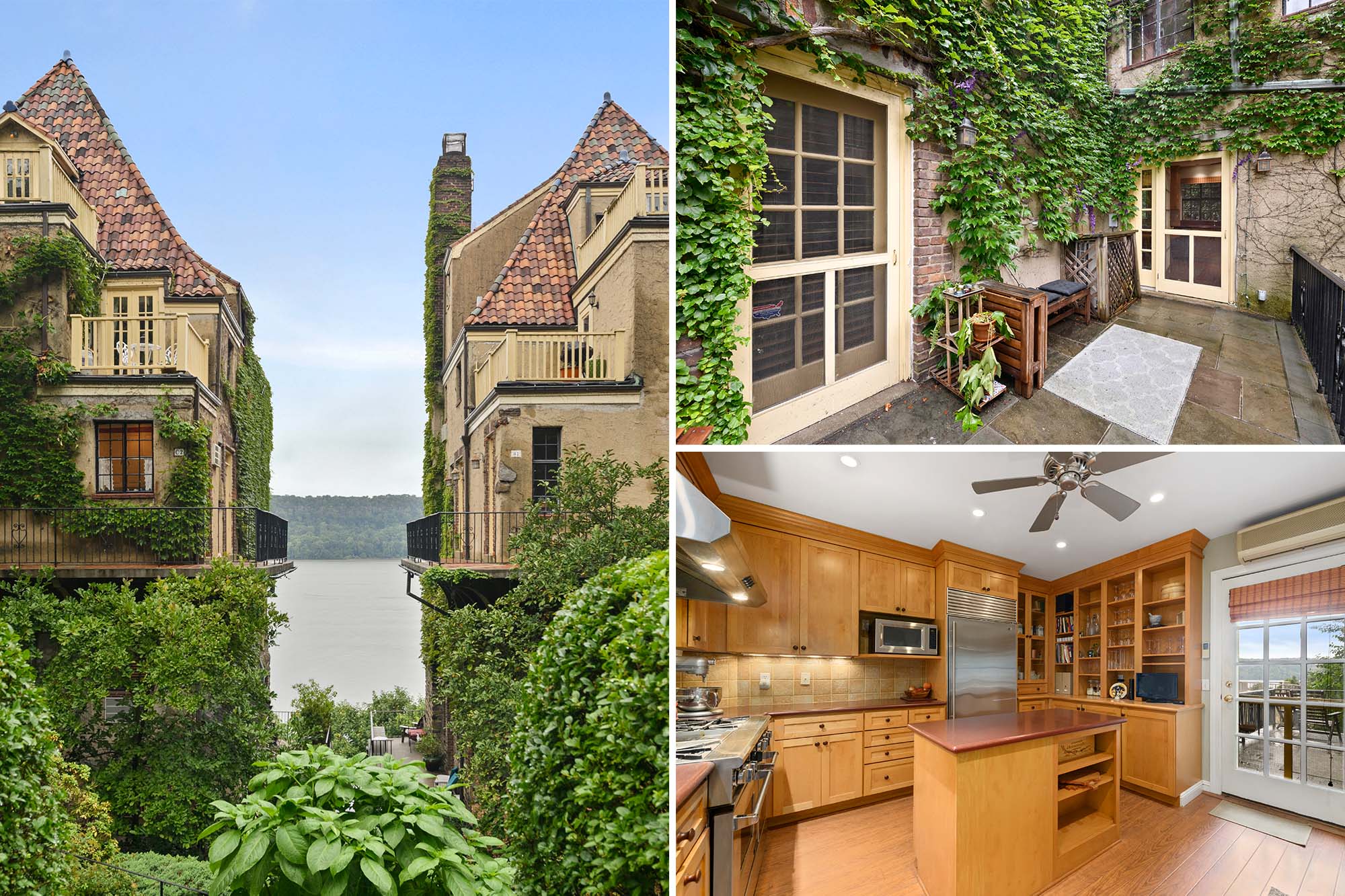
The complex sits on tax lot Block 5745, Lot 290, with recorded addresses at 2501, 2501A, 2501B, 2501C, 2505, 2505A, 2505B, and 2505C Palisade Avenue, eight Building Identification Numbers for what residents experience as one property split into two wings around a central courtyard. A 1930s-era Bronx architectural survey card counted sixteen apartments in two groups of four connected sections; every real-estate listing today says seventeen, likely reflecting a later unit split or combination that the older survey predates.
One architect, two names
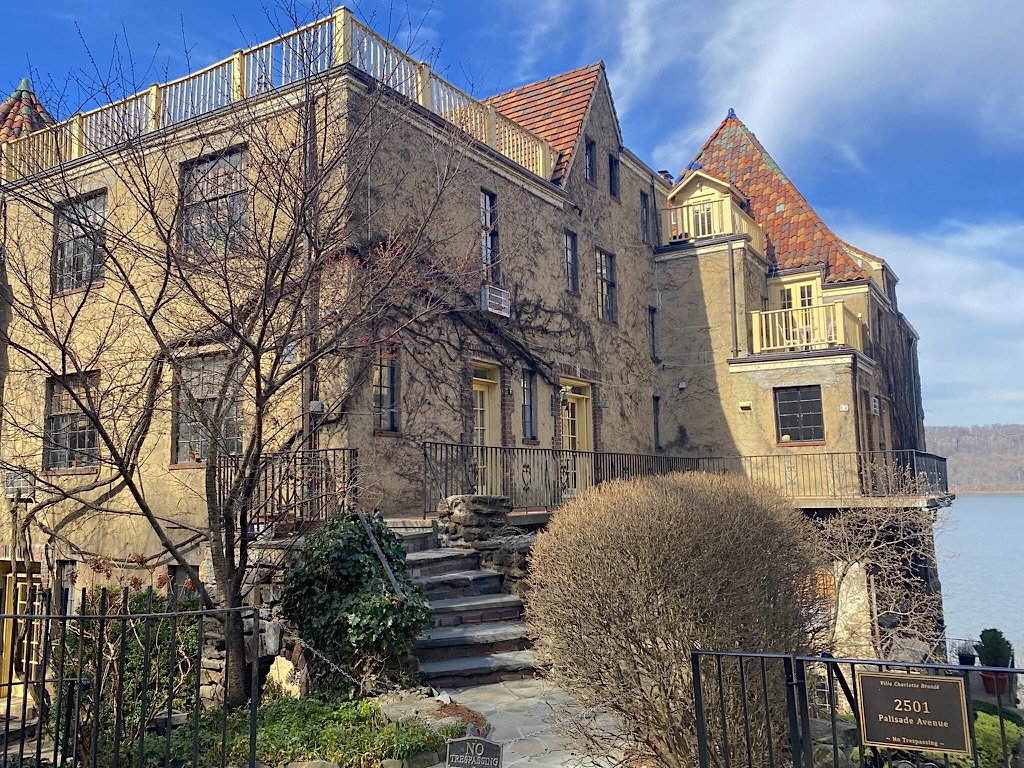
Every real-estate listing and marketing page names Robert W. Gardner as the architect, and a former New York Times architecture columnist, quoted in a 2025 history feature by Ephemeral New York, uses the same name while describing the building’s design choices. The original Bronx architectural survey card also records “Robert Gardner.” One academic source, Lehman College’s Bronx Architecture page, instead calls him “Richard Gardner.”
The construction date shows a similar split for a different reason: 1925 to 1926 is when the building was designed and built, 1927 is when several listing sites record it as completed or first occupied. Both figures are accurate depending on which milestone a source means.
Why do some sources call the architect Richard Gardner instead of Robert Gardner? One academic architecture write-up uses “Richard”; every other independent source, including a 1930s Bronx survey card and a named New York Times architecture critic, uses “Robert W. Gardner,” the better-supported name.
What thirteen years of closings actually show
| Closing date | Unit | Price | Beds / baths | Size |
|---|---|---|---|---|
| 08/08/2006 | (unlabeled) | $1,130,000 | 3 bd / 3 ba | not recorded |
| 08/06/2007 | 1E | $960,000 | not recorded | not recorded |
| 09/28/2007 | D1 | $1,090,000 | not recorded | not recorded |
| 02/09/2010 | C1 | $990,000 | 3 bd / 2.5 ba | not recorded |
| 09/15/2011 | B2 | $1,297,128 | not recorded | not recorded |
| 04/05/2013 | H1 | $765,000 | 2 bd / 2 ba | not recorded |
| 03/26/2015 | 1F | $555,000 | not recorded | not recorded |
| 05/21/2015 | B1 | $857,000 | 3 bd / 2.5 ba | 2,000 sq ft |
| 10/29/2019 | C2 | $1,875,000 | 5 bd / 3.5 ba | 2,750 sq ft |
| 02/23/2024 | E2 | $750,000 | not recorded | not recorded |
| 12/11/2024 | D2 | $1,095,000 | 3 bd / 2.5 ba | not recorded |
| 01/22/2025 | F1 | $915,000 | 2 bd / 2 ba | 1,100 sq ft |
| 07/08/2026 | G1 | $899,000 | 2 bd / 2 ba | not recorded |
Source: New York City Department of Finance / ACRIS public sale records, compiled in the building’s StreetEasy sales history.
The C2 closing in October 2019, a five-bedroom, 3.5-bath unit at 2,750 square feet, sold for $1,875,000, the largest recorded unit and the ledger’s top price. The spread across thirteen closings tracks unit size and layout: two-bedroom units cluster between $850,000 and $1.25 million, while smaller or lower-floor units have closed as low as $555,000. Two units are currently in contract, at $649,000 for a one-bedroom and $1,245,000 for a four-bedroom of 1,995 square feet, both consistent with that spread.
A different figure circulates informally: a $1.3 million asking price is widely cited for two units that came on the market in 2023, reported at the time in a New York Post feature. That figure describes a list price, not a closed sale, and it doesn’t appear in the recorded ledger above.
Getting in: what a 17-unit board controls
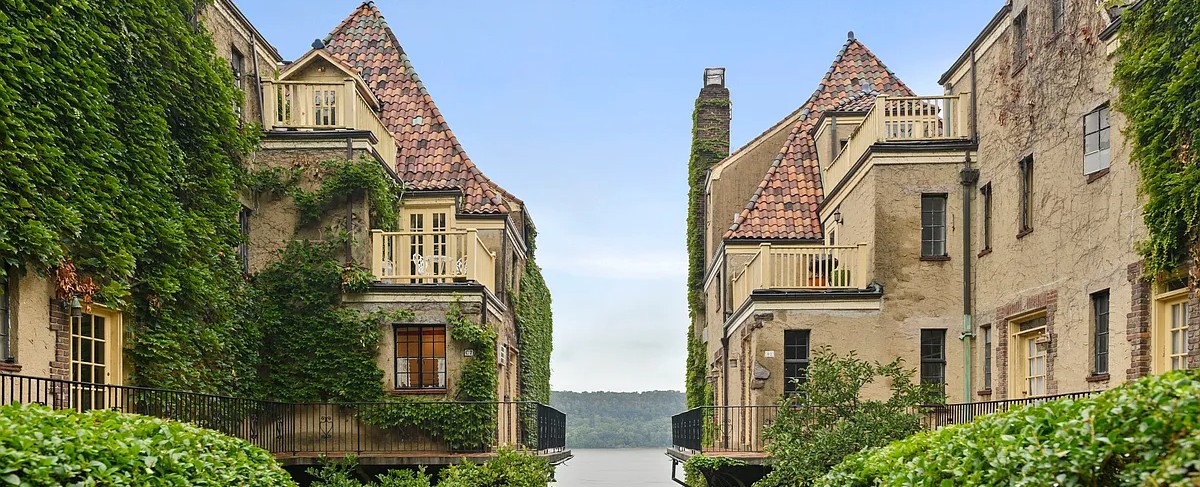
With only seventeen units and no two configured alike, a board here approves buyers into a building where appraisers have few true comparables inside the complex itself. Public listing sites do not publish the co-op’s minimum down-payment requirement or its current monthly maintenance charges.
Buyers should request the offering plan and the last two years of board minutes on subletting and pied-a-terre approvals directly from the managing agent before making an offer. Neither figure is confirmed here because no public filing states either one.
What does it cost to buy into a building like this beyond the sale price? Beyond the closing price, a buyer needs the co-op’s minimum down-payment percentage and current maintenance charge, neither of which is published; both should be requested from the offering plan or managing agent before an offer is written.
Getting around: the entrances the photos don’t explain
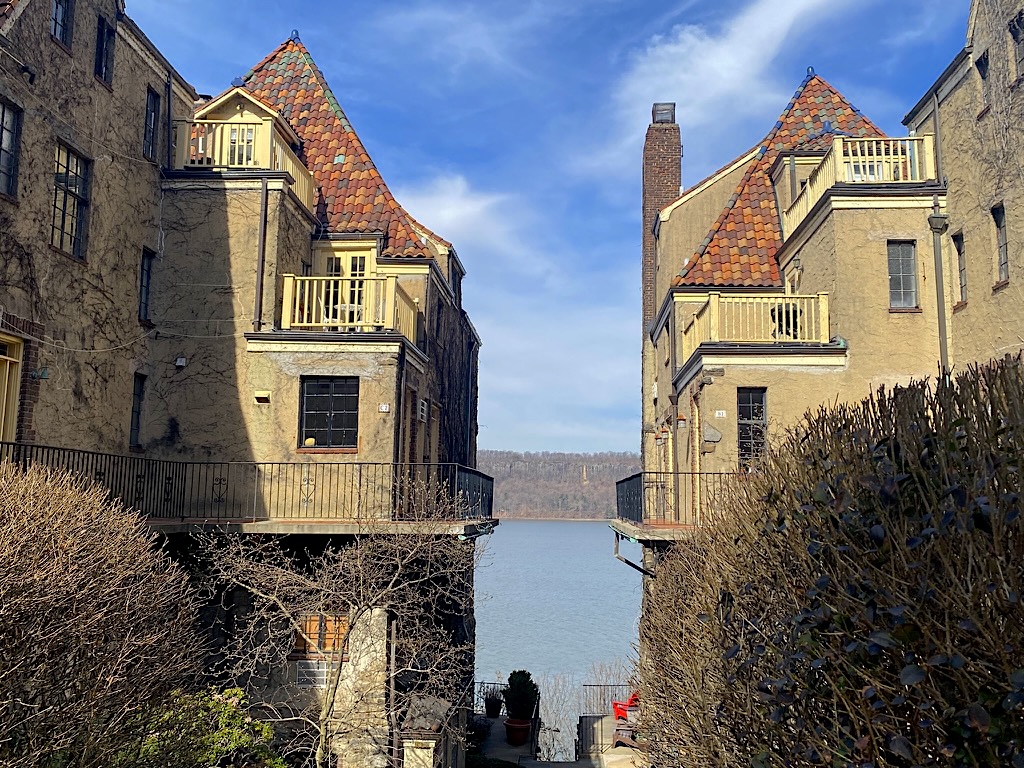
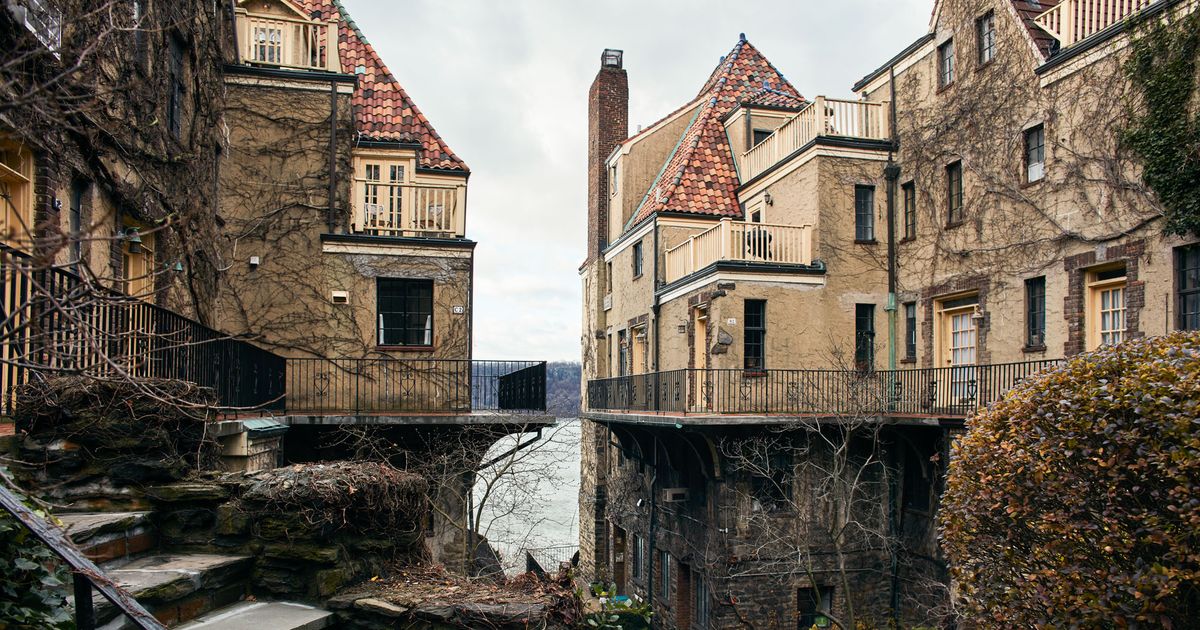
The building’s layout is not incidental scenery. A New York Times architecture critic, quoted in a 2025 history feature, described one unit reached by descending two flights toward the Hudson, turning, and climbing two more; a second entered through a small arched grotto; a third at the end of a narrow, cantilevered concrete walkway with a thin iron railing over a drop to the railroad tracks below.
That variation is a practical factor for moving furniture, for insurance, and for any buyer with mobility limitations, not just a design curiosity.
Why do some apartments have such different, hard-to-reach entrances? The complex was built into a cliff face with entrances at different grades; routes to individual units include multi-flight stairways, a grotto passage, and a cantilevered walkway, and none of them are interchangeable or elevator-served.
Unlandmarked, and what protects it instead
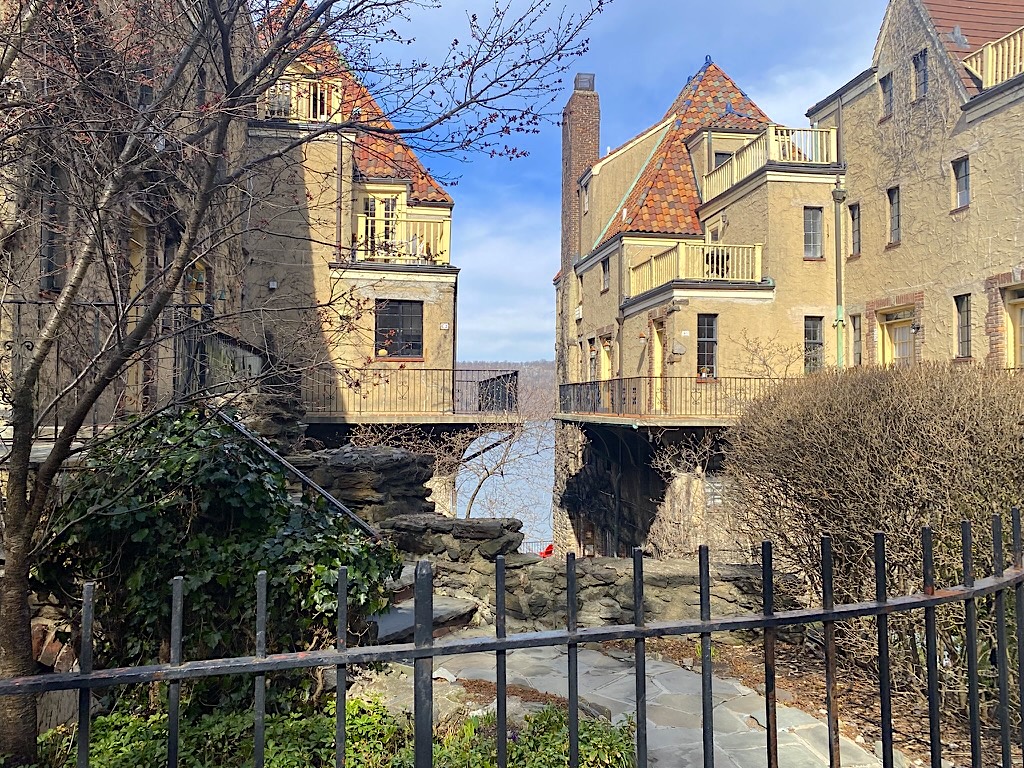
Neither Villa Charlotte Bronte nor its surviving sister, Villa Victoria, carries individual New York City landmark designation. The original Bronx survey card explicitly notes the building was never even calendared for a Landmarks Preservation Commission hearing.
The nearby Villa Rosa Bonheur, McKelvey’s other sister building, shows what that absence can mean. Preservation advocates sought landmark status for it twice, in 1998 and 2005, and both attempts failed specifically because the owner objected, as reported by Norwood News. A developer bought it for $2.6 million in 2017, per the Riverdale Press, and by 2021 it had been fully demolished for a larger apartment building. For Charlotte Bronte, that history means the building’s physical integrity currently rests on the co-op board and shareholders choosing to preserve it, not on any city protection.
Is Villa Charlotte Bronte a landmarked building? No. A 1930s Bronx survey explicitly records it as never having been calendared for landmark consideration, and no city designation covers it today.
Two sisters, two outcomes: buying here versus renting next door
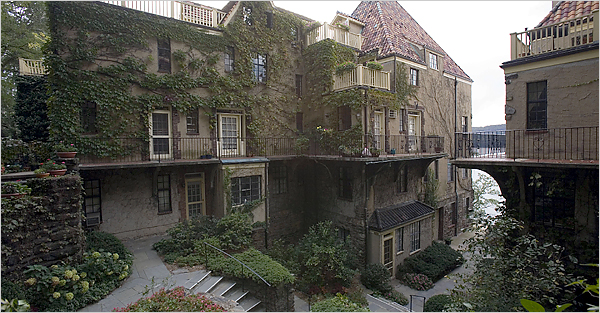
Of McKelvey’s three original sister buildings, only Villa Charlotte Bronte still operates as its original cooperative. Villa Victoria, completed in 1927, passed out of McKelvey’s hands in a 1933 foreclosure and now operates as a rental building rather than a co-op, so it doesn’t carry the board-approval process described above. Villa Rosa Bonheur is gone entirely.
For someone comparing the two surviving buildings, the practical difference is straightforward: Victoria is a lease you sign, Charlotte Bronte is a purchase a board has to approve.
Is Villa Charlotte Bronte rentable, or only for sale? It operates strictly as a cooperative, sale only. Its sister building next door, Villa Victoria, is the one that now operates as a rental.
Comments