
Cave Creek and Carefree are not the same town
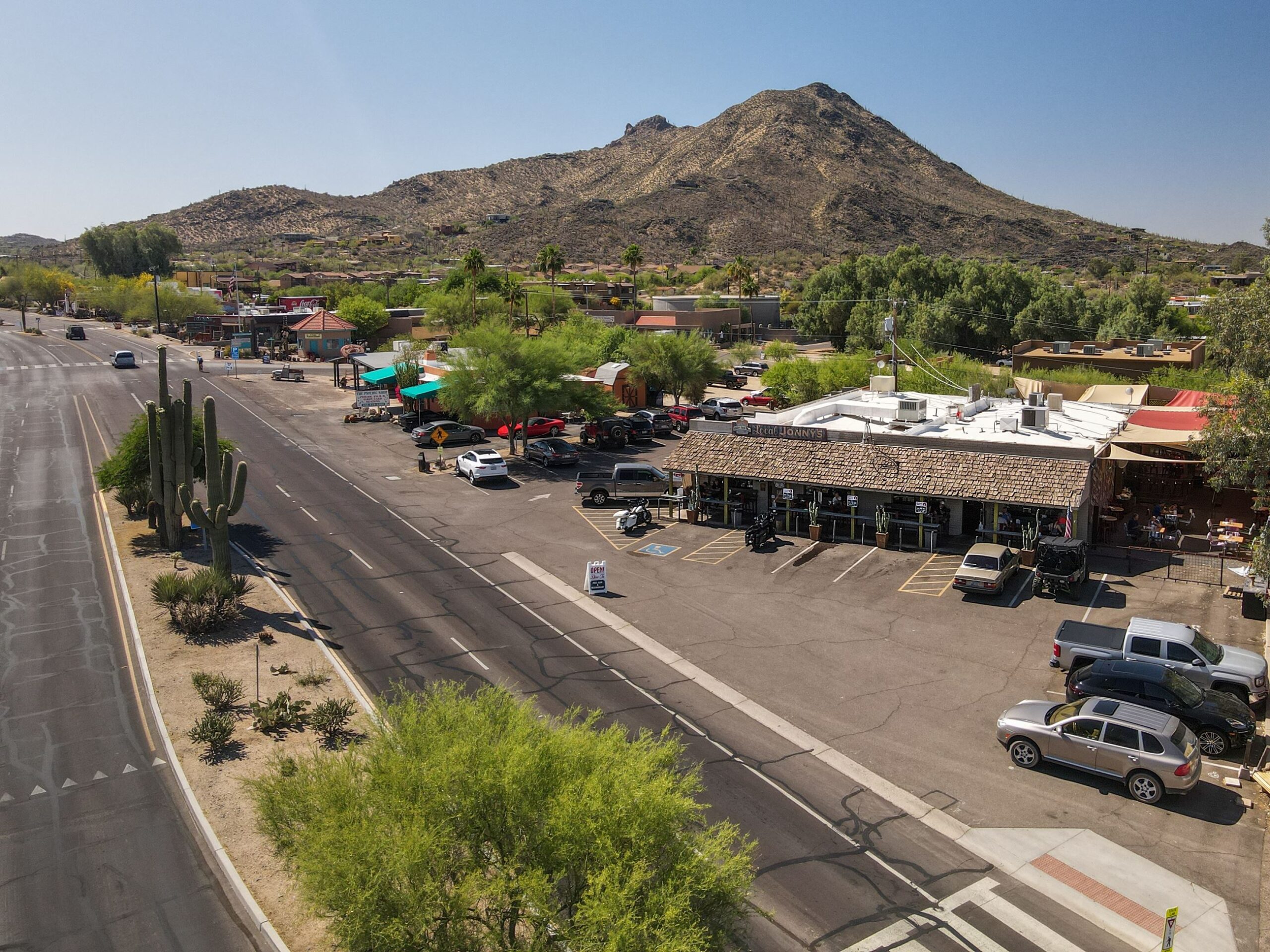
Cave Creek sits directly against its neighbor Carefree, and the two get confused often enough that local visitor material has taken to spelling it out for people. They are separate incorporated towns with separate governments, separate downtowns, and a shared border. Cave Creek is the one with the saloons, the museum, and the gold-mining backstory; Carefree is the one built around a large sundial, with a quieter, resort-community character. If a map app or a friend’s recommendation says “Carefree” and you end up in Cave Creek, or the reverse, that is the mix-up, not a wrong turn.
Is Cave Creek the same place as Carefree? No. They’re adjoining towns in Maricopa County with separate town governments. Cave Creek is the Old West-themed one with the saloons and the museum; Carefree, just east, is built around a large sundial and has a quieter, resort-community character.
Getting there from the Phoenix side
Distances and drive times vary by which part of the Valley you’re starting from, and by traffic on the surface roads once you leave the freeway.
| From | Distance | Typical drive time |
|---|---|---|
| Phoenix Sky Harbor International Airport | 33 miles | 45 to 50 minutes |
| Central Phoenix | 32 miles | 40 to 48 minutes |
| Scottsdale, Old Town | 26 miles | 35 to 40 minutes |
None of these routes involve much freeway time near the end: the last several miles run on two-lane roads through open desert, part of why the drive takes longer per mile than a typical Valley commute. Budget the high end of the range for an evening-rush-hour weekday arrival.
How Cave Creek got its start
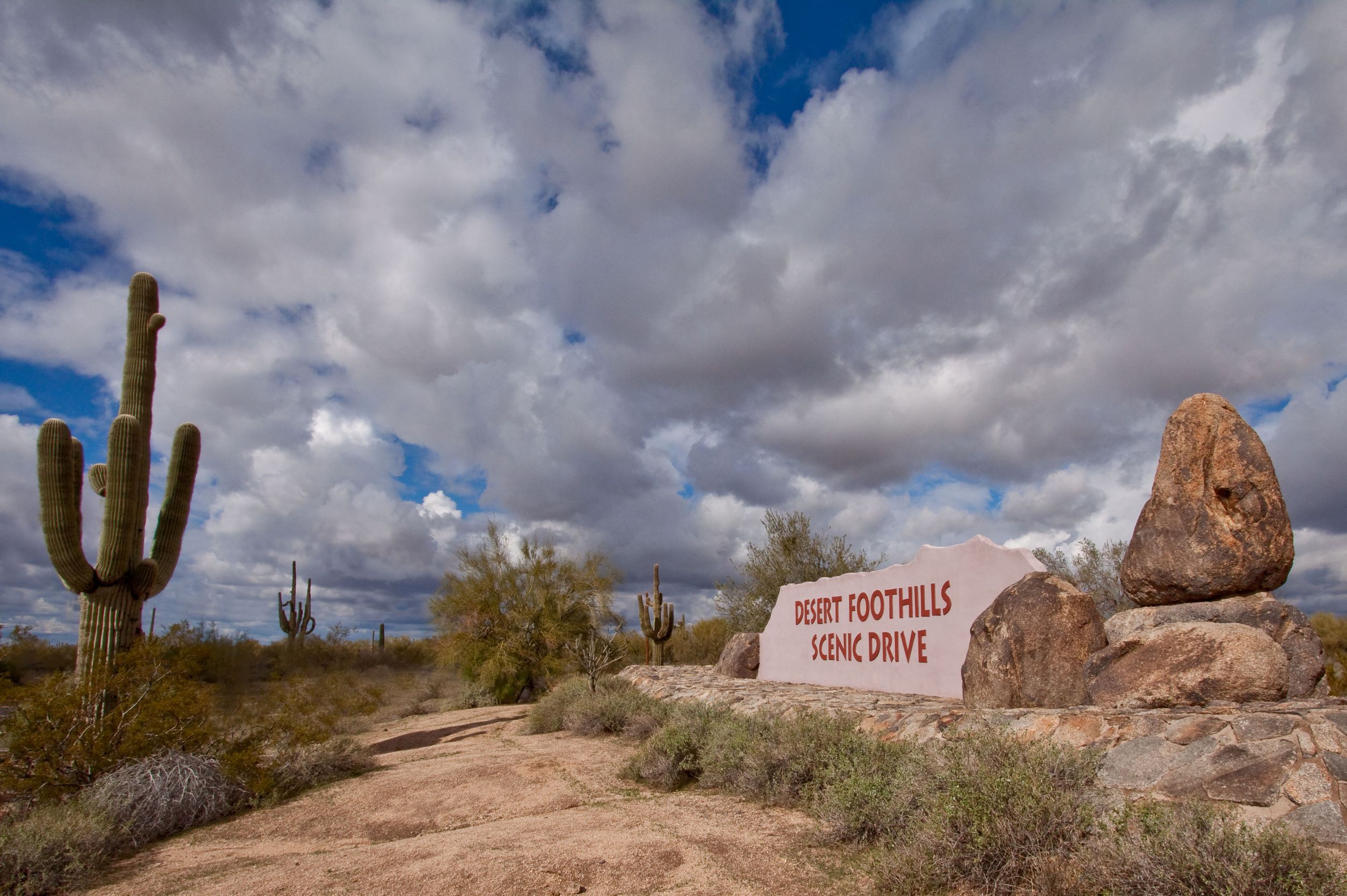
Soldiers from Fort McDowell settled the area in 1870, and prospectors found gold there in 1873, though the town itself wasn’t incorporated until 1986. In June 2009, a Town Council election ended in a 660-660 tie between Adam Trenk and Thomas McGuire, and under an Arizona law dating to 1925 that allows ties to be broken “by lot”, the two candidates drew cards: Trenk’s king of hearts beat McGuire’s six of hearts, and he took the seat.
Who actually lives here now
A median age of 61.2 and a median household income of $107,067 describe a retiree-heavy, financially comfortable town, not a young working population passing through. Per-capita income runs $87,334, nearly double the metro-area figure, and the mean commute is 29.7 minutes, longer than the metro average, all per Census Reporter’s compilation of Census Bureau data. For a visitor, this shows up as a slower pace after dark on weeknights and a restaurant scene tuned to early dinners; for someone weighing a move here, it shows up as a market with limited rental housing, the town’s housing data runs overwhelmingly to owner-occupied single-family homes, and a real-estate market priced well above the state median.
When to go, and why “Phoenix weather” undersells the heat
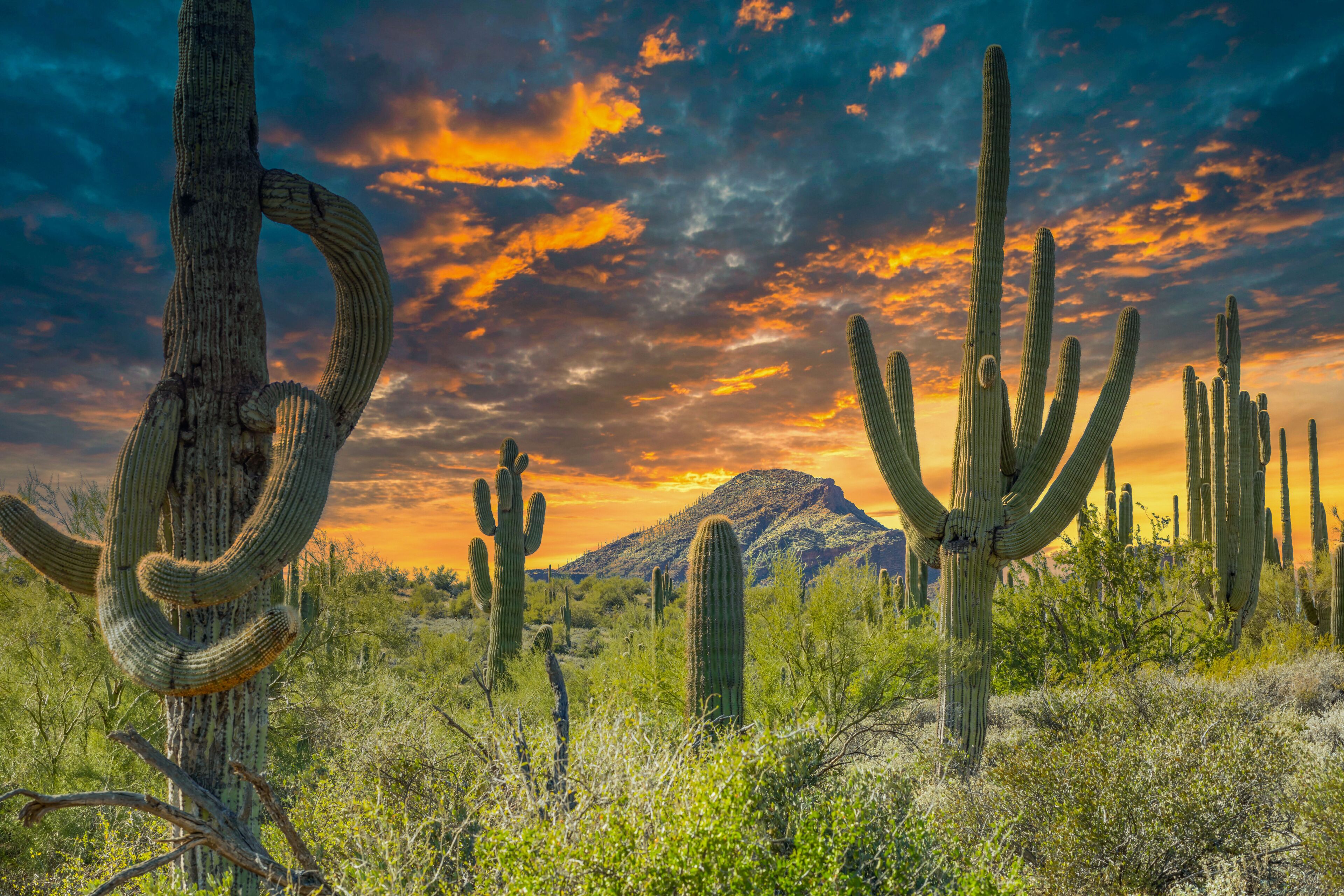
The National Weather Service’s official Phoenix-area station recorded a July 2025 monthly normal near 106.5°F, and that station itself runs hotter than much of the surrounding area. An NWS meteorologist has told Axios Phoenix that Sky Harbor’s readings run 3 to 5 degrees above nearby neighborhoods because of the valley floor and urban heat, and as much as 5 to 10 degrees above higher-elevation spots. Cave Creek sits at meaningfully higher elevation than Sky Harbor, so its actual summer conditions run cooler than the official Phoenix number, though still hot enough that hiking after 9 a.m. from May through September carries real heat risk.
| Season | Typical conditions | What that means for a visit |
|---|---|---|
| June to September | Official Phoenix-area normals near 106°F in July; Cave Creek runs somewhat cooler at elevation but still routinely tops 100°F | Hike before 9 a.m. or skip it; save the museum and galleries for midday |
| November to March | Highs generally in the 60s and 70s°F | The best window for the longer trails at Spur Cross Ranch and Cave Creek Regional Park |
| April, May, and October | Highs generally in the mid-80s to low-90s°F | Good for early or late-day activity; midday sun still calls for water and shade breaks |
Booking a summer trip without shifting the schedule to early morning is the single most common planning mistake here, and it’s also the reason lodging prices collapse in June and July, covered below.
What to do, matched to your trip length
An afternoon covers the town center, Frontier Town’s shops and galleries, and the Cave Creek Museum, whose grounds hold the last known Tubercular Cabin in Arizona, listed on the National Register of Historic Places in 2001 as a preserved relic of the region’s 1920s-era tuberculosis sanatoria.
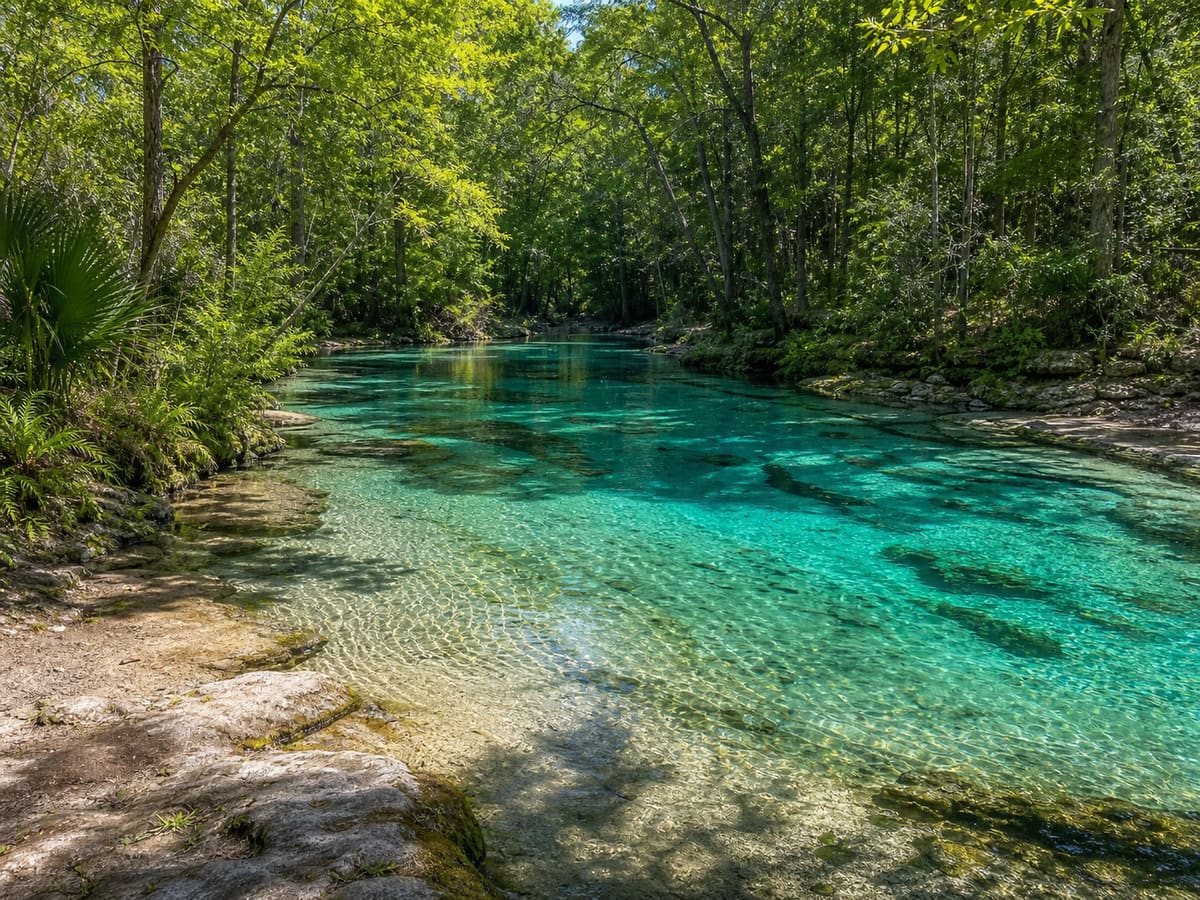
A full day adds a real hike. Spur Cross Ranch Conservation Area, run by Maricopa County, covers roughly 2,150 acres and includes a year-round creek in its riparian sections, a genuine rarity in this part of the Sonoran Desert. Cave Creek Regional Park is the other anchor trail system nearby.
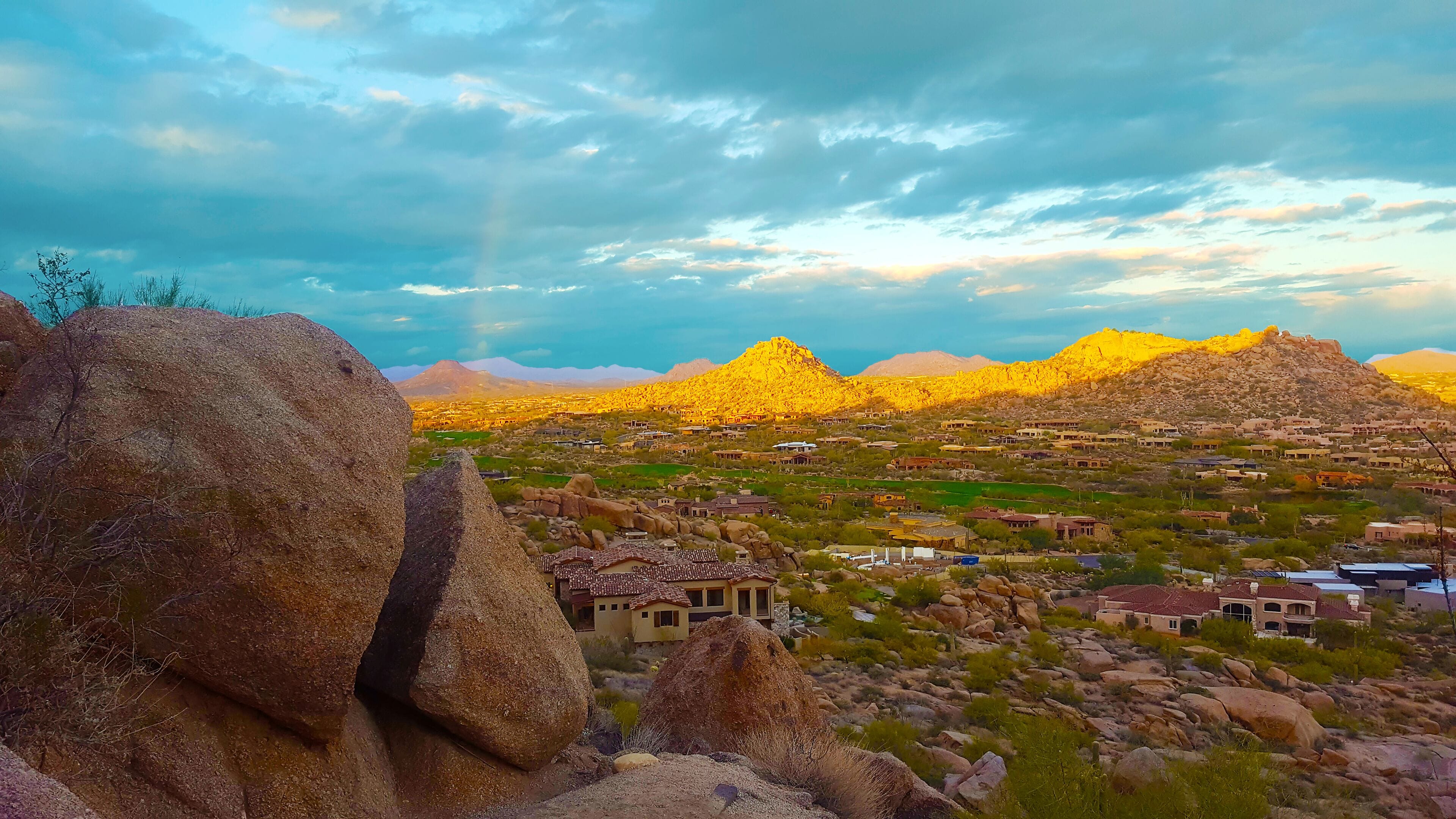
Weighing a move here instead of a visit: the town’s age profile and housing stock point toward a retirement or second-home market rather than a starter-home one, which shapes everything from school enrollment to evening foot traffic downtown.
How much time do I actually need in Cave Creek? Most day-trippers cover the town center, one trail, and one meal in three to four hours. A half-day comfortably adds the museum; a full day adds a longer hike at Spur Cross Ranch or Cave Creek Regional Park.
Where to eat and drink, by the kind of night you want
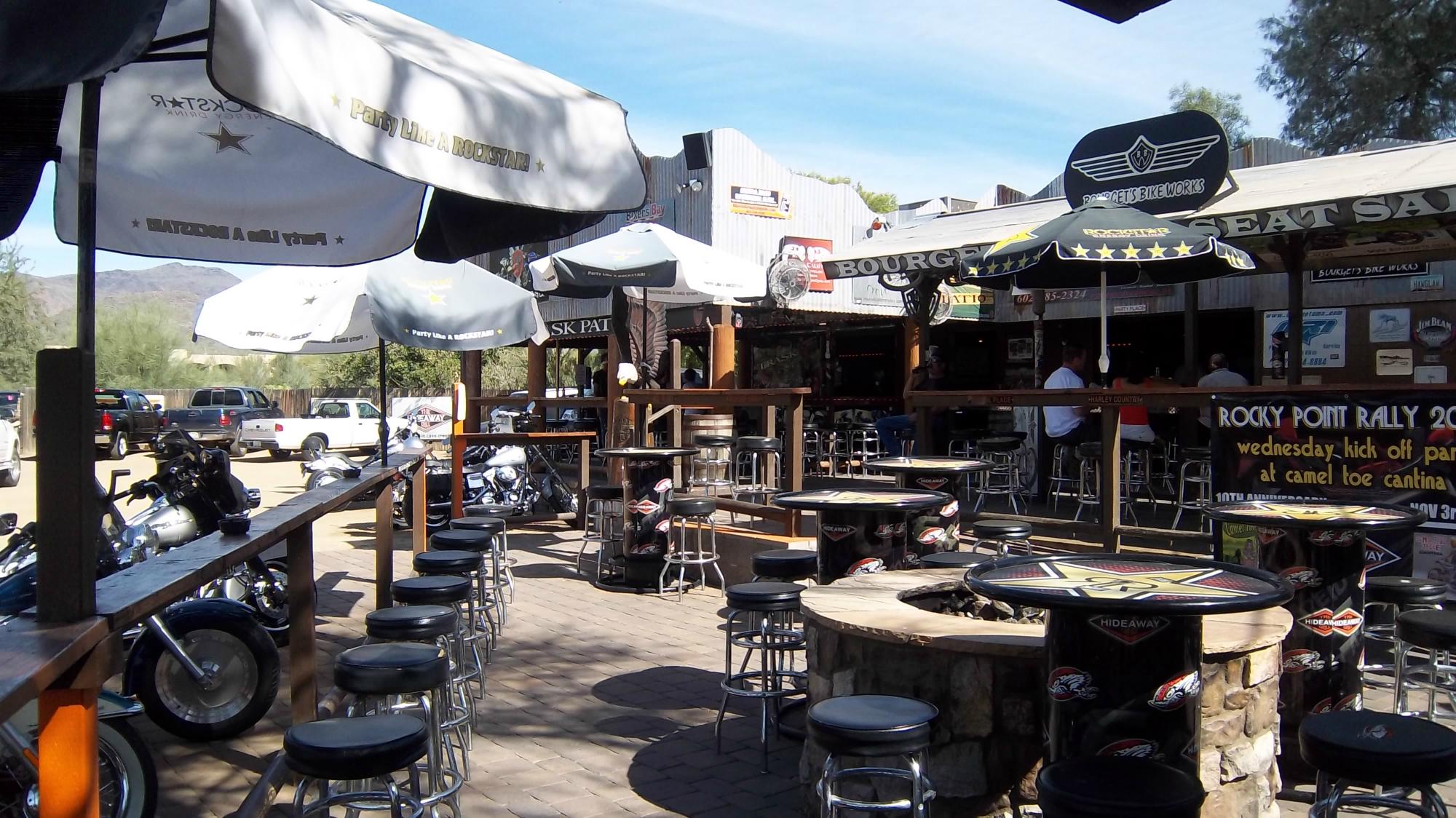
For the saloon-and-live-music version of the town: Buffalo Chip runs a bull-riding arena behind the bar and hosts live rodeo events on a regular schedule. For a sit-down dinner with patio seating: Tonto Bar & Grill and Harold’s Cave Creek Corral are the two most consistently reviewed full-service options in the center of town. For something faster and less scene-driven: Grotto Cafe covers quick bites without the saloon atmosphere.
What a trip here costs
Lodging prices in Cave Creek swing hard by season. One verified guest stay at the town’s flagship resort ran $133.99 a night in June 2025 and $366.99 a night in January 2026, a nearly threefold difference for the same room type at the same property.
| Category | Typical range | When |
|---|---|---|
| Hotel room, off-peak | $115 to $180 per night | June through August |
| Hotel room, peak season | $260 to $370 per night | December through March |
| Spur Cross Ranch day entry | $3 per person, cash only, ages 15 and up | Year-round |
That seasonal gap is the direct financial upside of the heat-season guidance above: visit in the off-peak window, accept the midday heat trade-off, and lodging alone can cost less than half of what the same room runs in January.
Before you go: the mistakes and the marketing to filter out
The most repeated marketing line about this town, that it has “more places to purchase cowboy boots and Stetson hats… than any other destination outside of Texas,” traces back to Arizona’s official tourism site and gets repeated on at least one independent local visitor-guide site as well.
The heat mistake covered above is the most common planning error; the second most common is assuming the town’s population and demographic numbers apply evenly across “Cave Creek” searches that really mean the broader Cave Creek Road corridor running south into Phoenix. The town’s boundary, and its census figures, cover only the incorporated town itself.
Is the wild-west branding real, or mostly marketing? Partly real. The gold-mining and cavalry-outpost history is genuine and documented, and the saloons and Frontier Town shops are real, operating businesses. The superlative claims layered on top, like the boot-shop line above, are unverified marketing rather than measured fact.
Comments