
Where Buckeye Fits in the West Valley
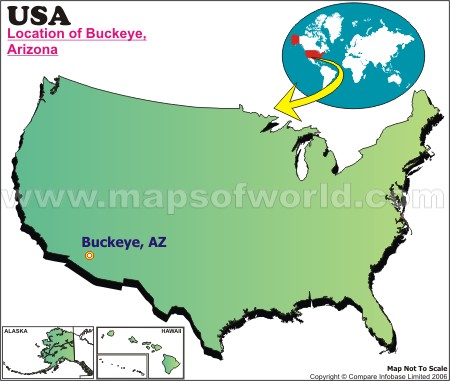
Buckeye sits roughly 30 miles west of downtown Phoenix along Interstate 10, anchoring the far edge of the West Valley. Its planning area covers close to 640 square miles, more land than any Arizona city besides Phoenix (Greater Phoenix Economic Council). Only a small share of that land is built out today.
Water, Utilities, and a Risk Worth Knowing About
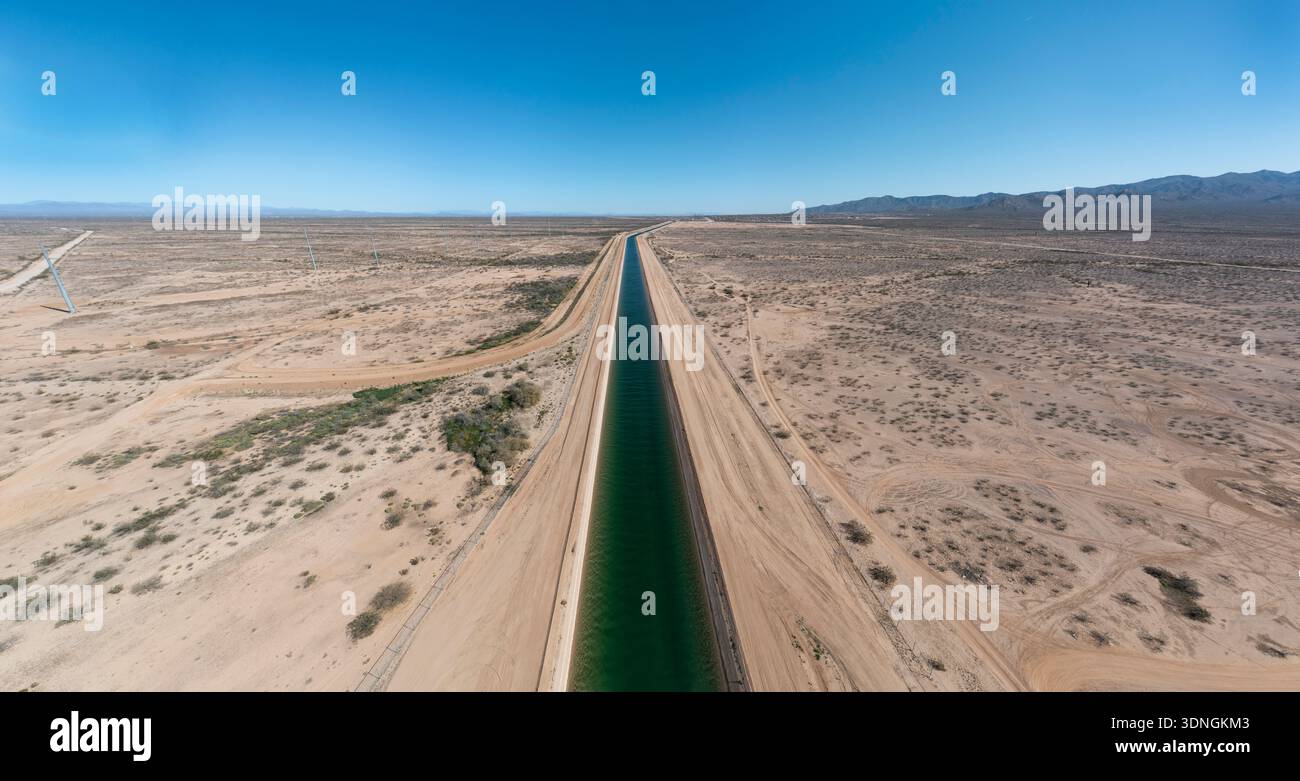
Buckeye relies on groundwater for the large majority of its water supply (City of Buckeye Water Portfolio). In January 2023, the Arizona Department of Water Resources froze new subdivision-permit approvals across an 886-square-mile area in and around the city, after finding the local aquifer couldn’t support the state’s 100-year assured-supply standard (Arizona Daily Star).
Existing homes and already-approved developments hold Certificates of Assured Water Supply that the freeze doesn’t touch. Buckeye has been importing water rights to bridge the longer-term gap: in February 2023 the city approved a purchase of Harquahala Valley land carrying a 5,925 acre-foot annual allocation for the next 100 years.
Is Buckeye’s water supply something I should worry about?Not for a home in an already-approved, certificated development. It’s worth real attention for any newer or still-platting section, since the 2023 finding directly affected new subdivision approvals near Buckeye, and Arizona’s broader Colorado River allocation faces separate long-term pressure (Central Arizona Project).
The Real Cost of Buying: HOA, CFD, and Property Tax
A Community Facilities District line is the cost new-construction buyers miss most often: a separate assessment for roads, water, and sewer infrastructure, billed on top of ordinary property tax, that never shows up in a listing’s advertised price (City of Buckeye).
| Community | Typical HOA | CFD status | Notable cost driver |
|---|---|---|---|
| Verrado (Victory & Heritage districts) | Multi-layered dues (master + village, sometimes a sub-HOA); no single published figure (anythingrealestate.com) | Verrado District 1 CFD, active since 2001; per-lot figure not published | Village-level pools and gates add a layer beyond the master fee |
| Sun City Festival / Festival Ranch | About $180 per month master-association fee, covering rec centers (Loving Phoenix Realty) | Festival Ranch CFD; commonly billed $3,500 to $4,000 per lot, amortized over 20 years (golfat55.com) | Skyline-series homes carry an added landscaping fee |
| Tartesso | HOA present community-wide; per-community figure not confirmed | Tartesso West CFD, active since November 2004; dollar figure not published | Longest drive to established retail of the group |
| Sundance / 85326 core | HOA present in newer sections; older parcels may carry none | No CFD identified for this area | Lower entry price offsets the drive to newer amenities |
Two of these four rows carry a dollar figure to budget against; the other two don’t. Buckeye’s Special Districts office (Larry Price, 623-349-6164) confirms the current balance on a specific parcel before you sign anything.
Established vs. Still-Developing Communities: What the Difference Actually Costs You
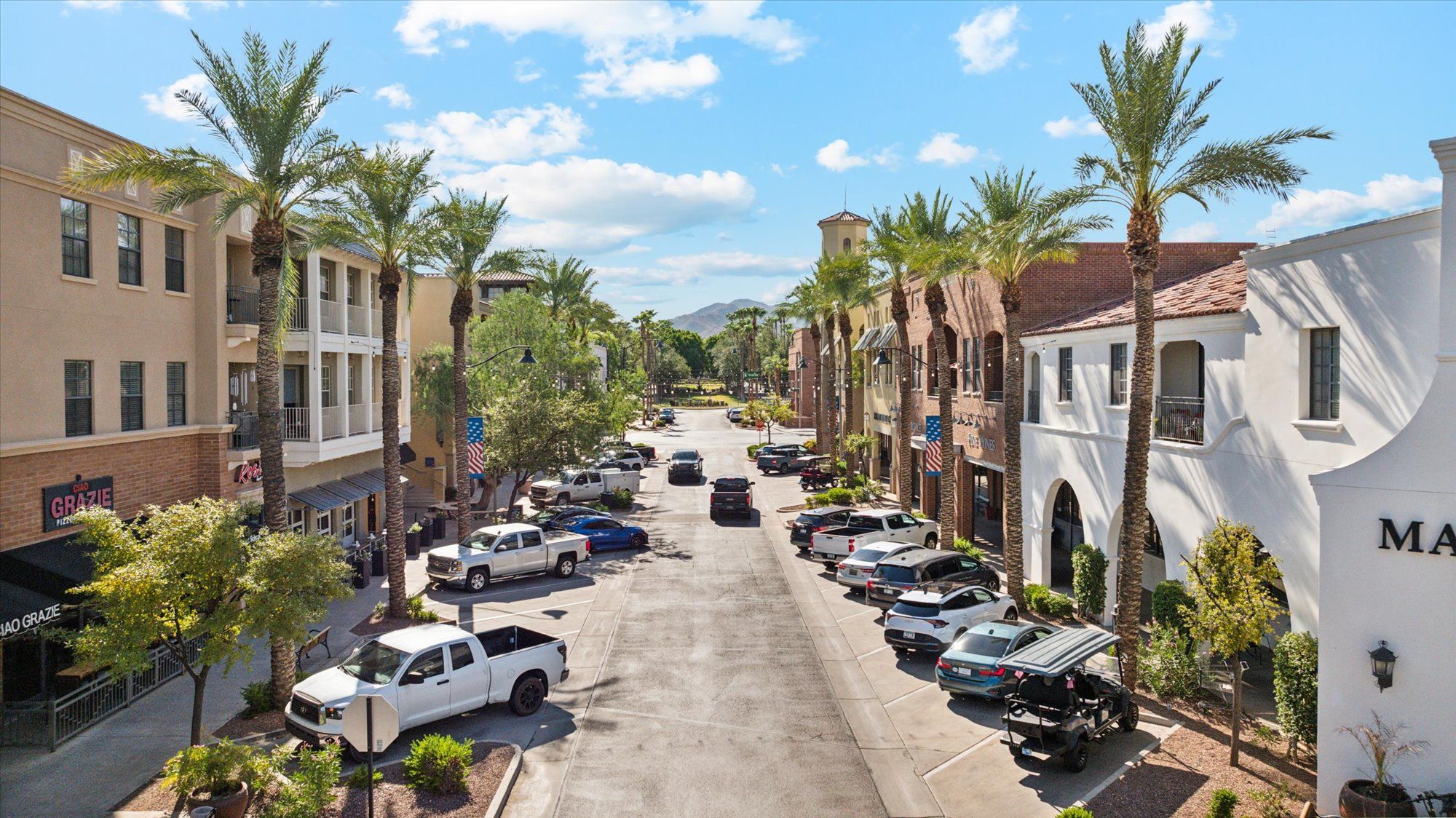
An established Verrado resale buys finished amenities and stable comps at a higher price. A still-building section buys a lower entry price along with years of construction traffic and comps that won’t settle until the area builds out.
Established communities (Verrado-type)
Main Street, golf, and trails are largely built and operating. Resale history runs deep enough to price against with confidence.
Newer, still-building communities (Teravalis-type)
Teravalis broke ground in 2022; the developer projects an eventual 300,000 residents on the site (Axios Phoenix). Amenities phase in over years, and early resales price mostly against builder base pricing rather than a mature comp set.
| Factor | Established (Verrado-type) | Newer / still-building (Teravalis-type) |
|---|---|---|
| Median resale | Near $525,000 in the 85396 core | Governed by builder base pricing; no mature comp set yet |
| Amenity completion | Main Street, golf, trails operating | Phases in over years |
| Resale comps | Deep, stable | Thin, priced mostly against builder base |
| Construction disruption | Limited to remaining infill | Ongoing for the length of a multi-decade build-out |
Buckeye’s growth engine now includes serious industrial development alongside the housing: recent years brought distribution warehouses for Five Below, Funko, and Ross, plus manufacturing from Rehrig Pacific (Axios Phoenix, cited above). A lot near the Sun Valley Parkway corridor or the I-10 industrial belt sits closer to that growth than a Main Street property in mature Verrado. Ask about a parcel’s proximity to planned or approved industrial zoning before buying on the strength of open desert views alone.
What’s the actual cost difference between an established Verrado home and a new build in Teravalis?Verrado’s 85396 core carries a median resale near $525,000; early Teravalis- and Sundance-area new construction runs in the mid-$300,000s to $400,000s. The gap buys finished infrastructure and a deep resale history.
Who Buckeye Fits
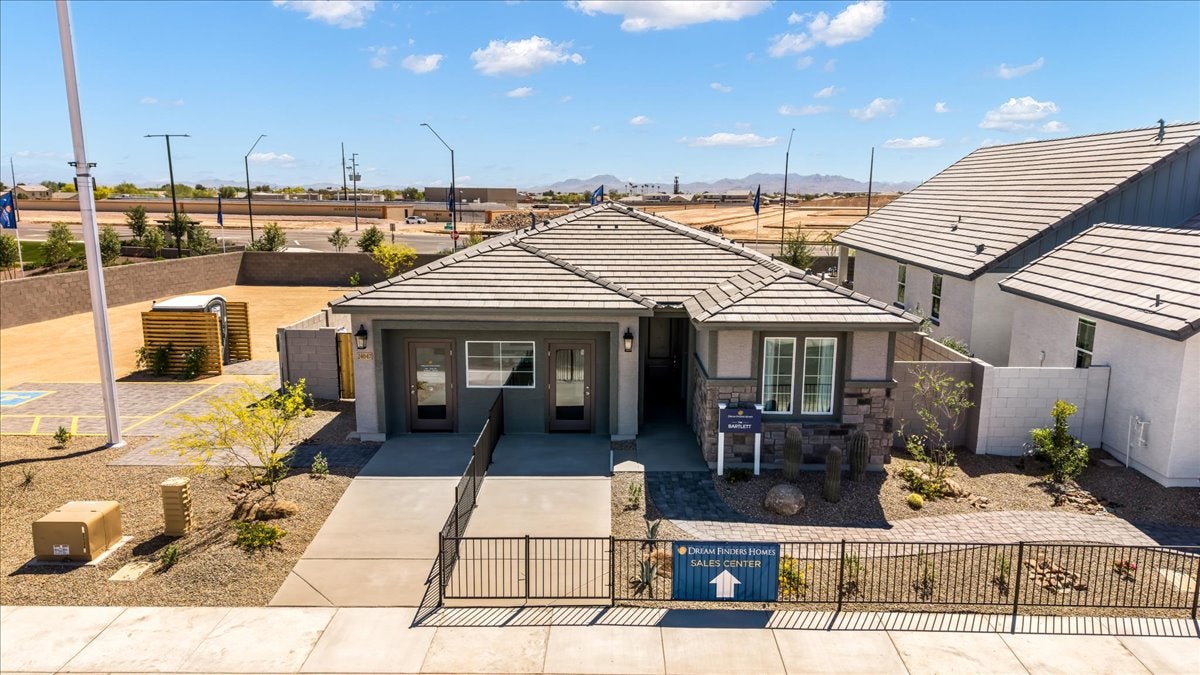
First-time buyers get the most house per dollar in Sundance and the 85326 core, at the cost of a longer drive to established retail. Relocating families gravitate to Verrado for the schools and finished amenities. Retirees and 55-plus buyers have three real options – Sun City Festival, Victory at Verrado, and Sundance Active Adult – each with a different price point and age policy. Investors weigh Buckeye’s still-low built-out share against thinner rental comps outside the established communities.
Military and VA buyers have a real angle competitors skip. Buckeye and Verrado run about 20 to 25 minutes from Luke Air Force Base’s main gate, longer than Glendale or Litchfield Park but with meaningfully more house for the money (PCS guide to Luke AFB). Phoenix-area BAH for an E-5 with dependents ran about $2,391 a month under 2025 rates (pcspayitforward.com). VA loans work on new construction, but builder contracts, inspections, and appraisal timing need coordinating earlier with a lender experienced in military timelines.
Is a VA loan usable for new construction in Buckeye?Yes, but the process differs from a resale VA purchase: builder contracts, VA-required inspections, and appraisal timing need to be lined up earlier, and not every local builder is equally experienced with VA buyers.
Schools, By the Numbers

GreatSchools ratings inside Buckeye run from 3 out of 10 to 9 out of 10 by individual school.
| School / district | Level | GreatSchools rating | Note |
|---|---|---|---|
| Verrado Elementary School (Litchfield Elementary District) | K-6 | 9/10 | Top of the local range |
| Verrado Heritage Elementary School | PK, K-8 | 8/10 | |
| Verrado Middle School | 5-8 | 7/10 | |
| Verrado High School | 9-12 | 5/10 | Rated below the elementary and middle schools in the same community |
| Liberty Elementary School (Liberty Elementary District) | PK, K-8 | 8/10 | Near south Buckeye |
| Rainbow Valley Elementary School (Liberty Elementary District) | PK, K-8 | 3/10 | Same district as the 8/10 school above |
| Estrella Foothills High School | 9-12 | 6/10 | Serves parts of south Buckeye |
Liberty Elementary District alone runs a school rated 8 next to a school rated 3. A general “good schools” claim about Buckeye tells you almost nothing about one specific address.
Common Mistakes Buyers Make in Buckeye
- Budgeting HOA dues and stopping there. CFD communities add a separate assessment line that a monthly-dues quote never includes, and it’s easy to miss because it’s billed through the tax bill, not the HOA statement.
- Trusting the neighborhood’s water reputation instead of the parcel’s paperwork. A certificate applies to a specific lot, not a whole subdivision by association.
- Anchoring to the city-wide median when comparing two specific listings. A $400,000 city median spans a $356,000-to-$525,000 real range once you look at ZIP-level data.
- Running builder incentives through the sticker price instead of the monthly payment. A rate buydown changes the number that actually matters, and comparing list prices alone hides it.
- Picking a community for its school rating, then checking the specific school afterward. The rating swings by as much as six points within the same district.
Getting a Feel for the Communities
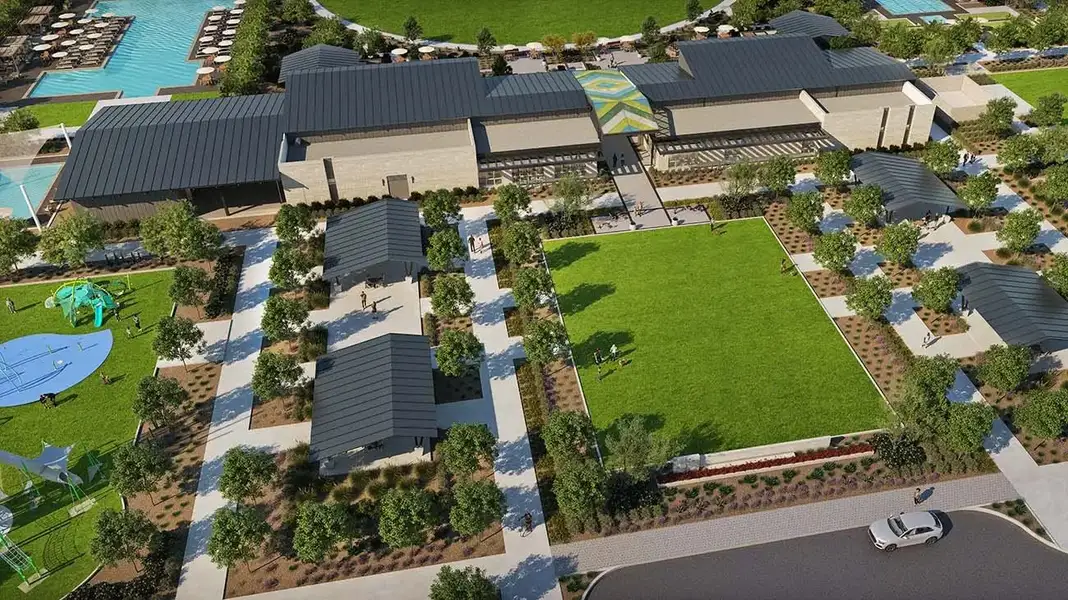
Sun City Festival and Victory at Verrado are the 55-plus options; Tartesso and Teravalis sit furthest from established retail. The city’s own history traces the name to a canal: developer Malin Jackson dug the Buckeye Canal in the 1880s and named it for his native Ohio, and the town itself was first platted as “Sidney” in 1888, before the post office adopted the canal’s name that same year and the town followed suit in 1910 (City of Buckeye).
The Market Right Now
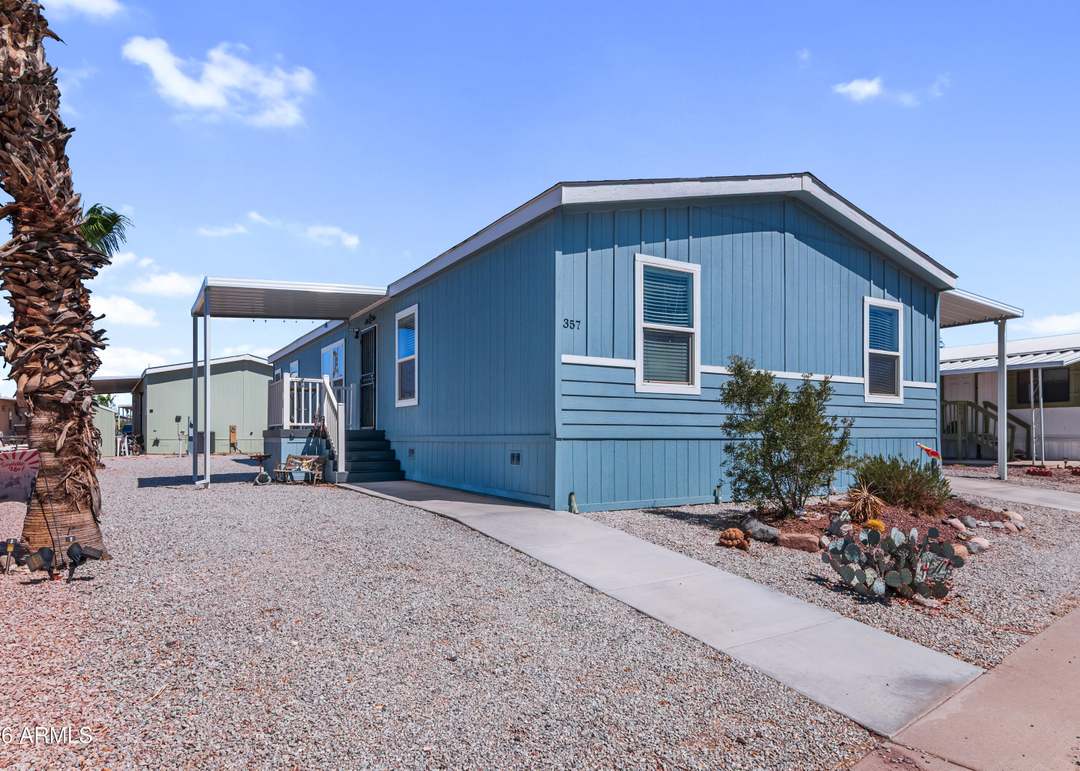
Buckeye’s median resale sits near $400,000, down roughly 2.4% year over year, with about 67 to 84 days on market depending on source and week. One brokerage’s June 2026 read put active supply at roughly 1,750 listings and 7.5 months of inventory (Arizona Homes & Condos), a buyer’s market by most conventional measures.
How current is the “fastest-growing city” claim?Genuinely current for a specific window: the Census Bureau named Buckeye the fastest-growing U.S. city by percentage for 2017, 2018, and 2021. The “doubled since 2010” line depends on which endpoint year you pick, as explained above.
Comments