
Why the median price you’ll see swings by $60,000 or more
Four figures, checked independently, give four different “Bloomsburg home price” answers, and none of them is wrong:
- $242,355 – Redfin, city-wide, May 2026, based on closed MLS sales.
- $204,000 – the same Redfin series, a year earlier, same city boundary.
- $239,000 – Redfin’s Columbia County page, May 2026, a wider geography than the town.
- $179,100 – the Census Bureau’s American Community Survey estimate of median owner-reported home value, a five-year rolling average (2020–2024).
The gap between the Census figure and the Redfin figures is a methodology gap: ACS “value” is a lagging, self-reported five-year average, while MLS “sale price” is a snapshot of whatever actually closed in a given month. In a town where owner-occupancy sits at 35.4% and a large share of the housing stock predates 1940, a handful of renovated or student-rental sales can pull a monthly MLS median well above the Census average.
Which Bloomsburg price figure should I actually use when making an offer? Use a trailing 3 to 6 month MLS average for your specific property type and township, dated at the time you pull it. A single-month headline or a five-year Census average will mislead you in either direction.
Bloomsburg town versus the townships around it: same schools, different tax bills
Columbia County’s 2024 millage schedule, the county’s own published rate sheet, shows real differences depending on which side of the town line a property sits on:
| Area | Type | 2024 total millage | School district | Municipal portion |
|---|---|---|---|---|
| Bloomsburg (town) | Incorporated town | 90.202 mills | Bloomsburg Area SD | 20.787 mills |
| Montour Township | Township | 83.415 mills | Bloomsburg Area SD | 14.0 mills (+0.42 fire) |
| Scott Township | Township | 69.575 mills | Central Columbia SD | 5.951 mills (+0.25 water) |
| Mt. Pleasant Township | Township | 64.775 mills | Central Columbia SD | 1.151 mills |
Source: Columbia County 2024 millage sheet.
A parcel in Scott or Mt. Pleasant Township carries roughly 20 to 25 fewer total mills than the same assessed value inside the town, because both sit in the lower-levy Central Columbia district. Montour Township keeps the town’s own Bloomsburg Area school levy, so a move there trims only the municipal portion of the bill.
Does moving from the town into a nearby township always lower my school taxes? No. Montour Township shares the town’s Bloomsburg Area school levy, so only a move into Scott or Mt. Pleasant Township (Central Columbia SD) meaningfully cuts the school portion of the bill.
Renting near campus: the permit you need before you sign a lease
Commonwealth University’s Bloomsburg campus enrolled 11,092 students in 2024, and a large share live off campus, which is why the town regulates student rentals more tightly than an ordinary lease. Under the town’s Regulated Rental Unit Occupancy Ordinance (Chapter 11 of the municipal code), any landlord renting to three or more unrelated occupants must hold a rental license, pay a per-occupant licensing fee historically set at $20 per occupant, post the current license and inspection report inside the unit, and submit to inspection by the town’s Code Enforcement Officer.
The ordinance sets a legal minimum of one occupant per 40 square feet of habitable floor space. That’s a floor, not a target: fire-code egress, parking availability, and neighbor complaints under the town’s disruptive-conduct provisions all bind before the square-footage minimum does, so filling a unit to the legal maximum rarely matches what a landlord should plan around in practice.
Outside town limits the rules change again. Montour Township runs its own registration and inspection system: a $25 reinspection fee, tenant registration within 60 days of occupancy, and biannual inspections until a property racks up two clean years.
- Confirm the license or registration is active and transferable at the relevant code office before closing, not from the listing description alone.
- Check the certificate of occupancy against the number of unrelated tenants you plan to lease to.
- Identify which ordinance applies: town Chapter 11, or a separate township code such as Montour’s.
Do I need a rental license to rent a house near Bloomsburg University? Yes, if leasing to three or more unrelated occupants inside town limits, you need a Regulated Rental Unit license and a passed inspection under Chapter 11; a separate registration and inspection system applies in Montour Township.
What a Bloomsburg rental returns, priced against what’s published
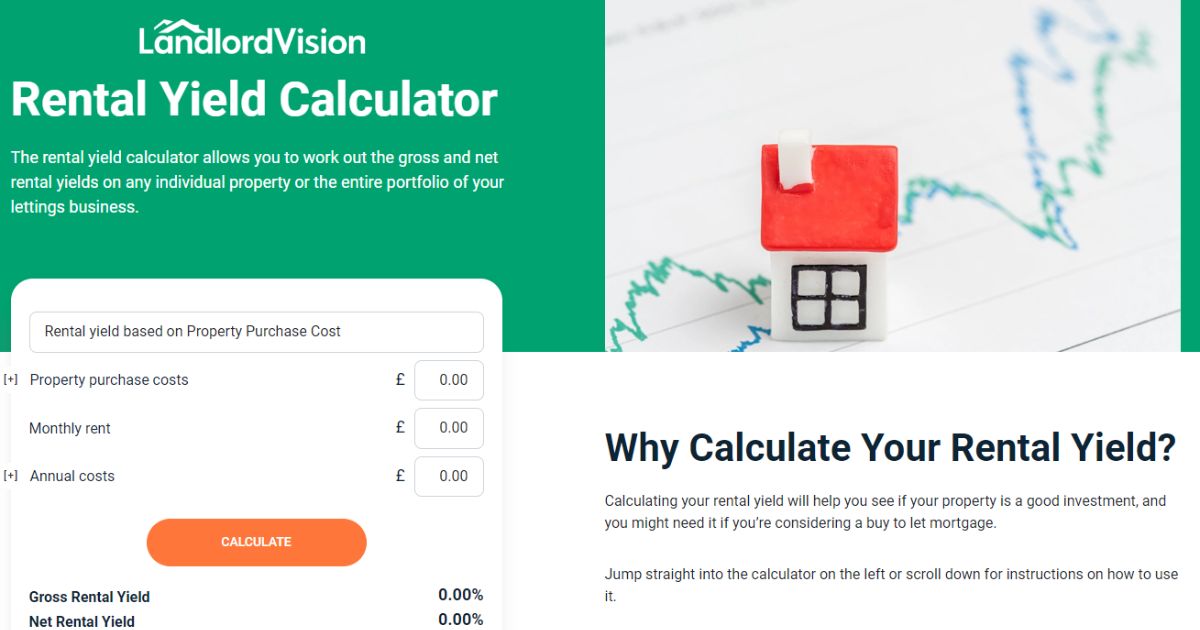
Two publicly dated figures, multiplied rather than asserted as a ready-made percentage, give a defensible starting point for gross yield:
| Purchase price basis | Source | Annual gross rent at $1,750/mo | Implied gross yield |
|---|---|---|---|
| City median, May 2026: $242,355 | Redfin | $21,000 | 8.7% |
| City median, mid-2025: $204,000 | Redfin | $21,000 | 10.3% |
| Columbia County median, May 2026: $239,000 | Redfin | $21,000 | 8.8% |
Rent basis: Homes.com’s July 2026 median asking rent for Bloomsburg.

Gross yield isn’t cash-on-cash return: it ignores financing, taxes, insurance, and vacancy, and those vary too much by buyer to state one defensible cash-on-cash figure without an unverifiable assumption.
How reliable are the short-term rental yield percentages advertised for Bloomsburg properties online? Treat any specific percentage skeptically unless the source names the purchase price, rent, and time period behind it. No public, dated dataset currently publishes verified short-term rental yields for this market.
Flood risk on the Susquehanna and Fishing Creek
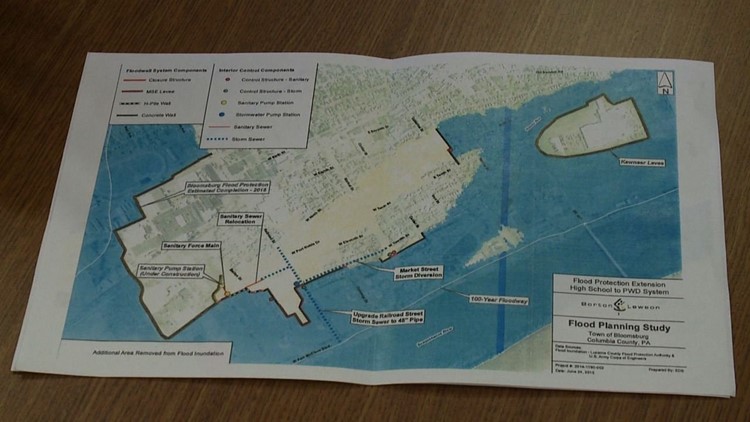
Bloomsburg participates in FEMA’s Community Rating System as a Class 6 community, giving every NFIP policyholder in town a 20% discount, and FEMA issued an updated flood map for the area effective July 31, 2024. The town completed the second phase of a flood wall in October 2020 protecting roughly 100 homes plus the high school and middle school complex, and has bought out 11 repetitive-loss properties on the 900 block of West Main Street.
Is Bloomsburg at real flood risk, or is that just because it’s near a river? Real, and geographically specific: an independent risk analysis cited via Redfin’s county page puts 32% of Columbia County properties at severe flood risk over 30 years, and the town’s own flood-wall and buyout history targets specific, mapped corridors rather than the whole town.
What the crime numbers can tell you here, and what they can’t

Pennsylvania’s State Police maintain the PA UCR system as the primary repository for municipal crime data, and it’s the correct tool for checking Bloomsburg specifically. This page won’t repeat a third-party crime index score, since those figures typically blend national percentile rankings with undisclosed weighting and rarely disclose which years or offense categories they’re built from. Pull the town’s own reported Part I offense counts directly from the PA UCR portal for the years that matter to you, and compare them against Columbia County’s other municipalities rather than against a national index.
When Bloomsburg’s market moves
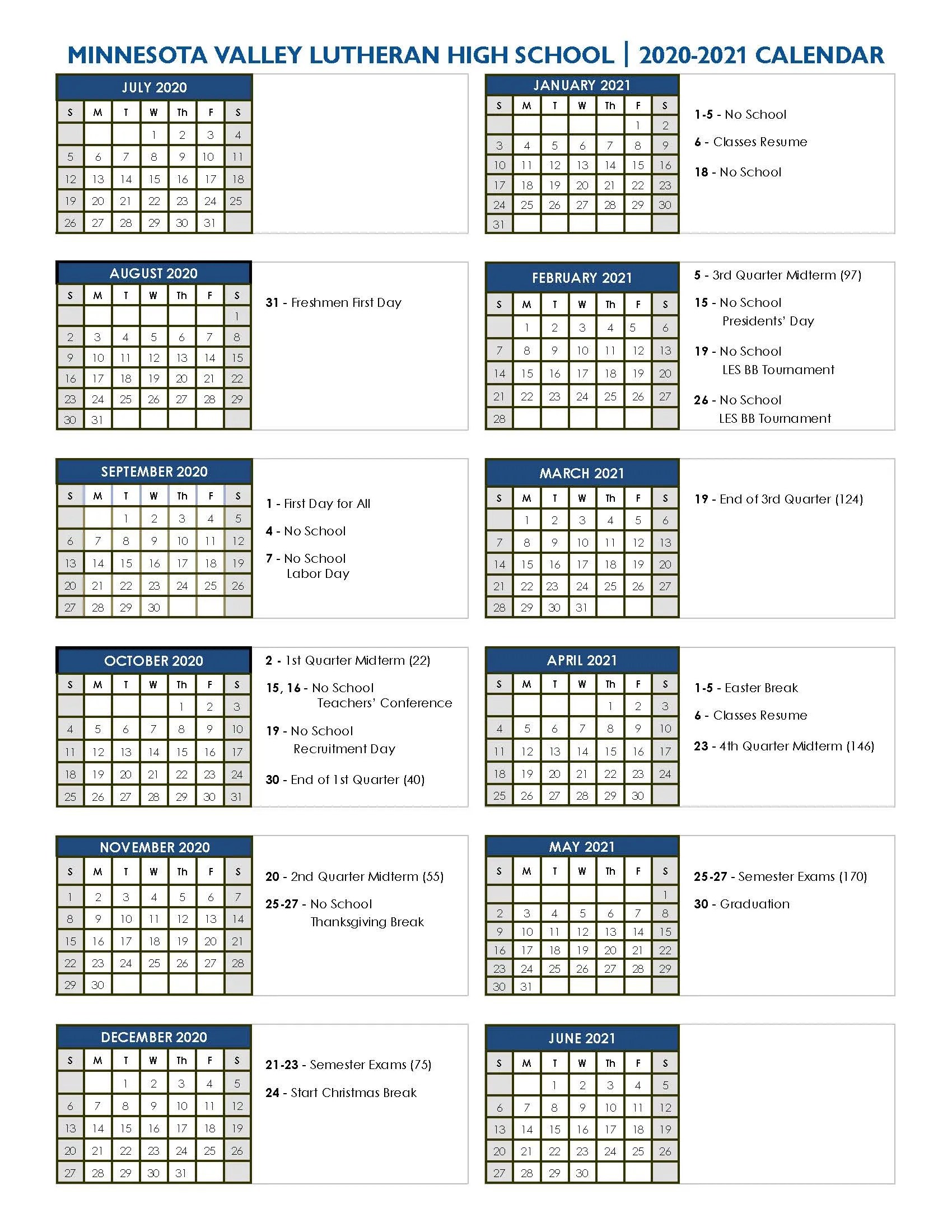
Bloomsburg is the only incorporated town in Pennsylvania, and its housing calendar tracks the university more than the season. Move-in and move-out cycles around the fall and spring semesters push student-rental turnover into a narrow summer signing window, while owner-occupant sales activity follows the more typical spring-listing, summer-close pattern reflected in the Redfin figures above. A landlord targeting a fall lease start should have a signed rental license in hand well before August. A seller targeting the owner-occupant buyer pool gets more competing inventory, and more competing buyers, listing in spring rather than mid-fall.
Comments