
Basement vs. cellar: the distinction that decides everything

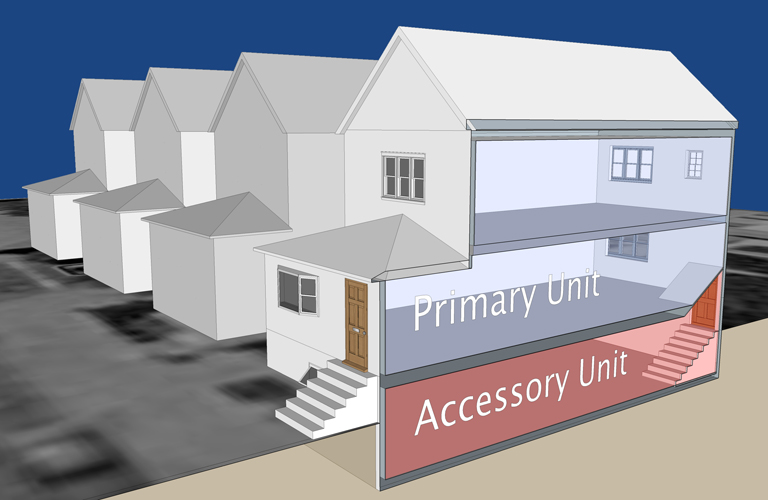
HPD draws the line by height: a basement has at least half its clear height above curb level; a cellar has more than half its height below curb level. A cellar can never be legally rented as a dwelling in a one- or two-family home, no matter what upgrades are made. A basement can be, if it clears the requirements below. Confusing the two is a common mistake in basement listings: a finished, comfortable-looking space below grade is not automatically the legally rentable kind.
| Feature | Basement | Cellar |
|---|---|---|
| Height above curb | At least 50% of clear height above curb level | Less than 50% of clear height above curb level |
| Can it ever be a legal dwelling? | Yes, if it meets HPD/DOB requirements | No, never, in a one- or two-family home |
| Typical windows | Full-size, sill near grade | Often too small for an adult to exit through |
| Legalization pathway available | BACPP, Plus One ADU, or ATR, if otherwise eligible | None; occupancy is prohibited outright |
Is a cellar ever legal to live in?
No. Regardless of ceiling height, waterproofing, or renovation quality, a cellar in a one- or two-family home cannot be a lawful dwelling unit under current NYC rules. None of the three legalization pathways below applies to a cellar.
Is your basement legal right now?
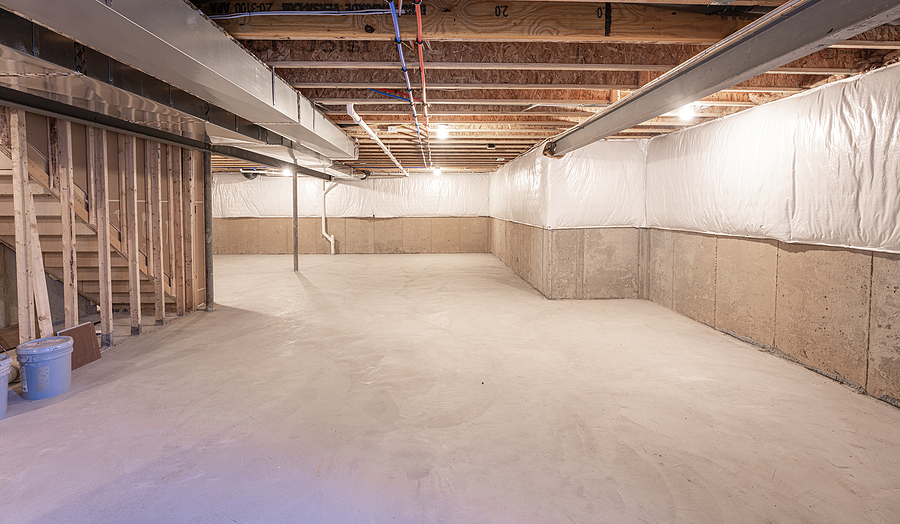
Before touching any legalization program, check whether the space already qualifies. In a one-family home, a basement can be lawfully rented if it meets the Housing Maintenance Code’s room-size standard, has a 7 ft minimum ceiling, is damp- or waterproofed where HPD requires it, houses one family with no boarders, and has at least one window per room with a sill no more than six inches above the adjoining yard grade. In a two-family home, renting the basement as a separate unit often converts the building into a three-family “multiple dwelling,” which forces a new Certificate of Occupancy and a stricter set of fire-safety and egress rules before any rent can legally change hands.
| Requirement | Minimum standard | Source |
|---|---|---|
| Ceiling height (general rental) | 7 ft | HPD |
| Room size | Per Housing Maintenance Code standard for habitable rooms | HPD |
| Windows | At least one per habitable room; sill within 6 in. of yard grade | HPD |
| Waterproofing | Required if HPD determines subsoil conditions call for it | HPD |
| Occupancy | One family, no boarders (one-family basements) | HPD |
| Two-family conversion | Triggers new Certificate of Occupancy if it creates multiple-dwelling status | HPD |
Can I rent out my basement without applying to any of the three programs?
Yes, if it already meets the baseline requirements above and the building’s Certificate of Occupancy allows it. The three programs below exist specifically for basements that do not yet meet those standards.
The three ways to legalize a basement in NYC
No single program covers every basement. Each has its own geography, income rules, and funding structure, and a property that fails one may still qualify for another. The exclusions below apply on top of the table regardless of a property’s other qualifications: a unit must have existed before April 20, 2024 to enter ATR, and it is disqualified outright if the lot sits in a FEMA Special Flood Hazard Area, the Coastal Flood Risk Area, or DEP’s 10-Year Rainfall Flood Risk Area.
| Program | Geography | Income cap | Funding | Rent restrictions | Deadline | Status, July 2026 |
|---|---|---|---|---|---|---|
| BACPP | East New York & Cypress Hills, Brooklyn (CD 5) only | Low- to middle-income | Loans up to $120,000, some forgivable | Affordability terms attached to loan | Ongoing | Open in eligible area |
| Plus One ADU | Citywide | Up to 165% AMI (preference at 120% or below) | Up to $395,000 combined financing | Program compliance period applies | Recurring windows | Intake closed June 12, 2026 |
| ATR (Local Law 126) | 15 named community districts | No income cap | Owner-funded compliance work | None from the program itself | Apply by April 20, 2029; 10-year compliance window | Applications open following December 2025 rulemaking |
To check whether a specific address sits in one of the 15 ATR districts (Bronx 9, 10, 11, 12; Brooklyn 4, 10, 11, 17; Manhattan 2, 3, 9, 10, 11, 12; Queens 2), look up the property’s community district on the NYC Department of City Planning’s district lookup tool before assuming eligibility.
BACPP
Limited to Brooklyn Community District 5. Loans reach $120,000 and can be forgivable for qualifying low- to middle-income homeowners, administered with the Cypress Hills Local Development Corporation.
Plus One ADU
The program launched in November 2023 and drew more than 1,300 intake submissions within its first two weeks, closing the initial window in February 2024. It stayed closed for roughly two years before the Mamdani administration reopened it on March 18, 2026, alongside a library of pre-approved ADU designs. That window closed again on June 12, 2026; HPD’s page states the agency is now reviewing submitted sites for eligibility, with no announced date for a further round. A homeowner researching this option today needs to know the intake is currently shut.
ATR (Local Law 126)
Covers only pre-existing, already-occupied units, not new construction. Owners get up to 10 years to bring the unit into full compliance, with sprinklers required within roughly the first 2 years of authorization. Tenants who were living in the unit as of April 20, 2024 have a right to return after renovation work is complete.
What’s the difference between the BACPP loan and the ATR pilot?
BACPP is a funding program limited to one Brooklyn district that pays for the conversion. ATR is a legal shield available in 15 districts that lets an existing tenant stay in place while the owner self-funds the upgrade over a 10-year schedule. A property can be geographically eligible for one and not the other.
Buying a house with a basement apartment: what changes at closing
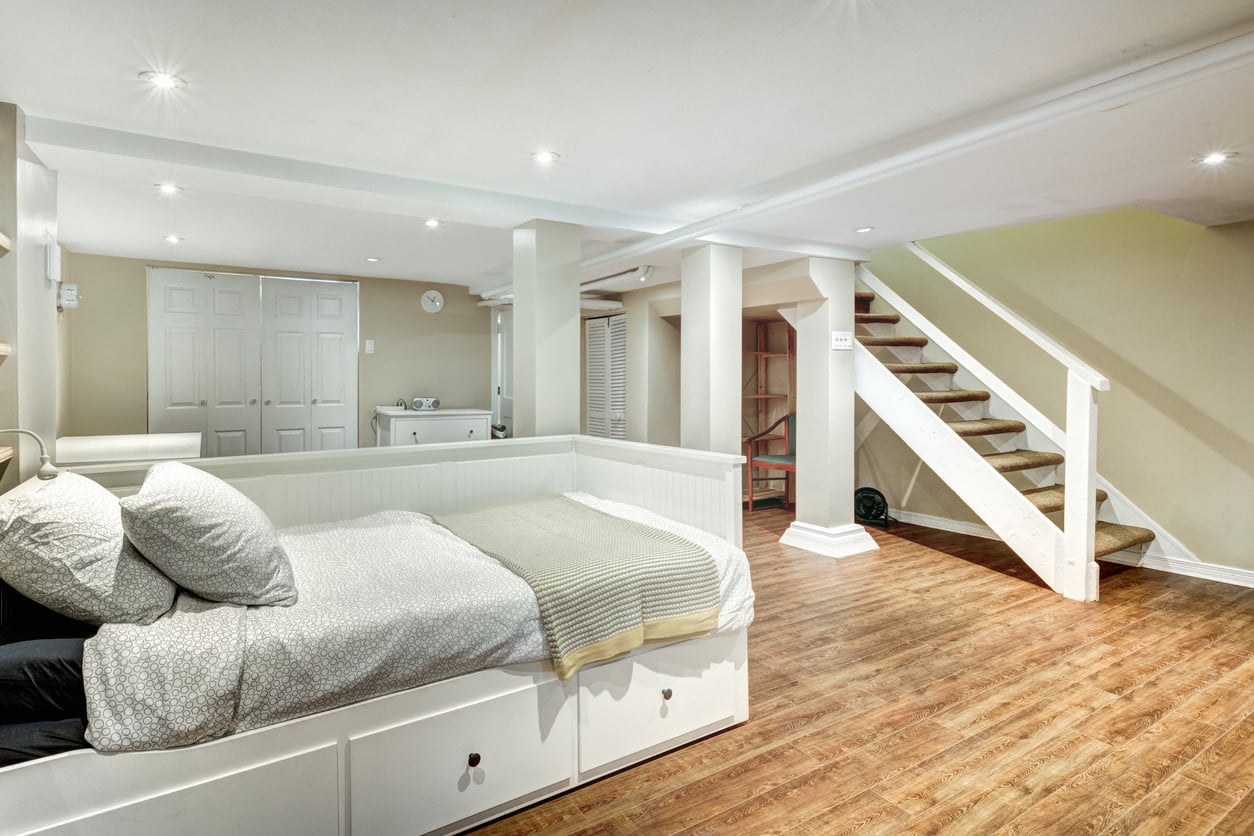
Lenders and appraisers generally do not count rental income from a basement unit that lacks a Certificate of Occupancy reflecting that use, which can affect how much a buyer qualifies to borrow. A basement listed informally as a finished bonus room or in-law suite without a matching CO is not something an appraiser can credit as income-producing square footage. A dollar figure for how an illegal basement unit moves resale value up or down does not appear to be publicly available; that data point is flagged here as an open item rather than estimated.
| Check | Where to verify | Why it matters |
|---|---|---|
| Certificate of Occupancy dwelling-unit count | DOB Building Information System | Confirms whether the basement is legally a unit at all |
| Open violations | DOB Building Information System | Reveals unresolved illegal-conversion or safety issues |
| Flood-zone status | FEMA flood maps / DEP flood risk maps | Determines ATR eligibility if the buyer wants to legalize later |
| Community district | NYC Department of City Planning district lookup | Determines whether ATR’s 15-district pilot area applies |
Does an unpermitted basement apartment affect financing or selling the house?
It can limit how a lender treats projected rental income during underwriting, and a buyer’s attorney will typically want the seller’s disclosure to address known basement violations. This research did not find a published NYC-specific figure for the effect on sale price.
Renting a basement apartment: verifying it before you sign
Beyond checking the Certificate of Occupancy, a few red flags are worth a second look in person: a single street-facing door with no other exit, windows too small to climb through, and extension cords running to a main-floor outlet instead of dedicated wiring. Filing a concern through NYC’s 311 system is a short process if any of these show up after move-in.
If you’re a landlord: the cost of staying illegal
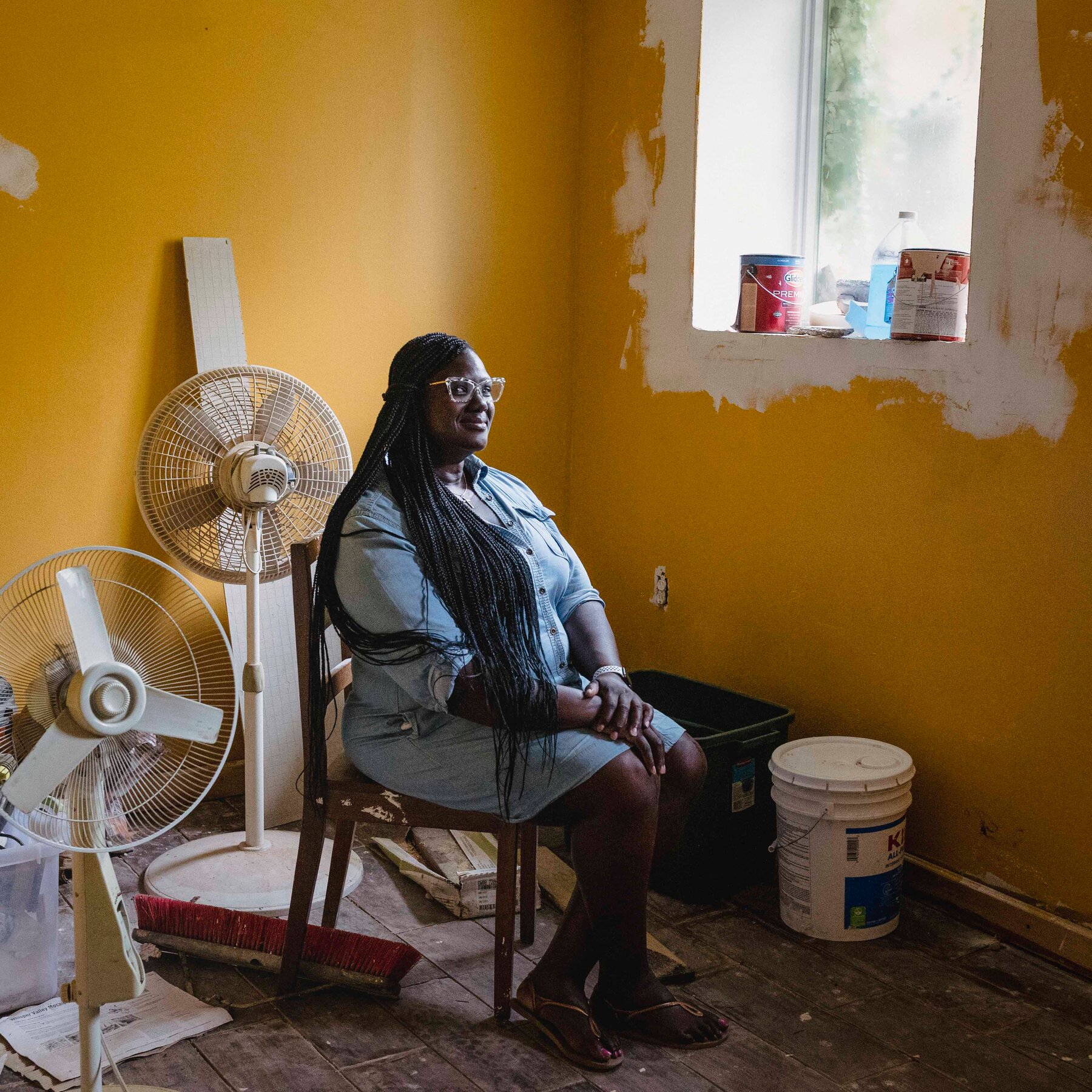
An unpermitted basement rental carries real financial exposure beyond the risk of a vacate order. One violation-tracking service’s review of DOB penalty data put illegal-conversion fines in a range of $1,000 to $25,000 per violation, with the amount actually collected running lower in many cases, often reduced through stipulation agreements. Set against that: a single illegal unit renting at $1,200 a month brings in $14,400 a year, which is why fines alone rarely change behavior. A vacate order adds a different cost entirely: lost rent for the duration of the closure plus the disruption of relocating a tenant, neither of which this research found a published citywide average figure for.
What’s still unresolved
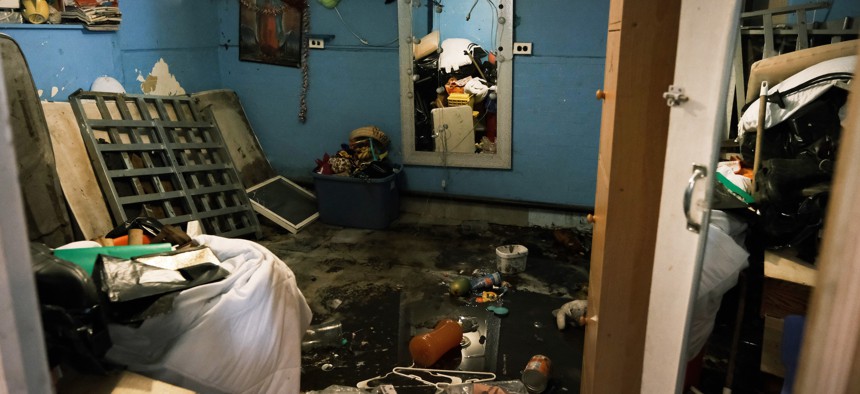
The city has never published one settled count of how many illegal basement units exist. Officials have cited roughly 50,000 units housing about 100,000 people since the 2021 estimate that followed Hurricane Ida, which killed 11 people in NYC basement apartments, while advocacy estimates put the true number above 300,000.
Comments