
What Apartments Actually Cost in La Jolla Right Now
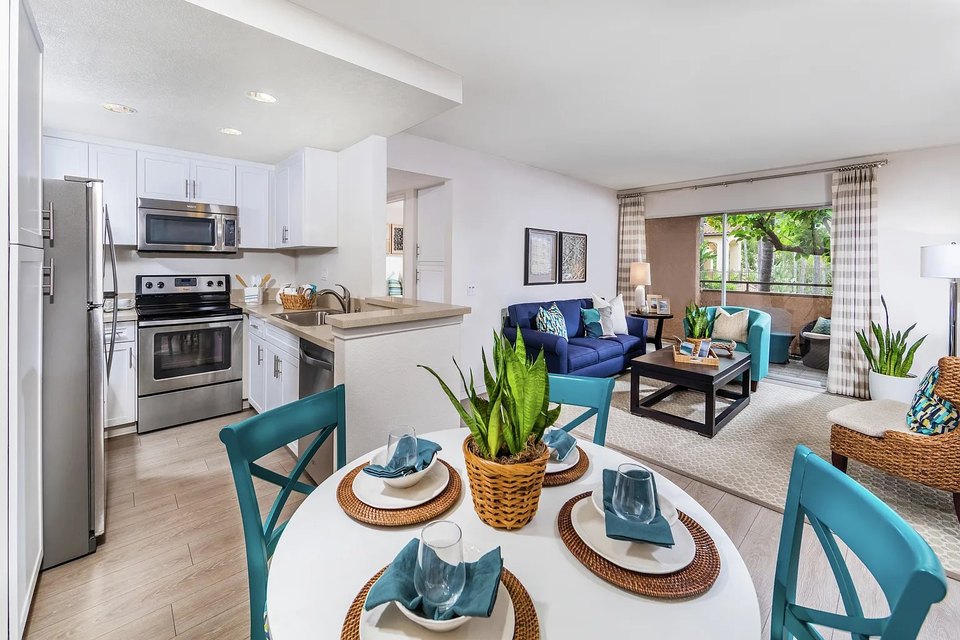
Rent in La Jolla has barely moved over the past year: the areawide average sits at $3,462, up 1.35% from $3,415 twelve months earlier, per Yardi Matrix’s June 2026 tracking of buildings with 50 or more units.
| Unit type | Average rent | Average size | Source |
|---|---|---|---|
| All rentals, La Jolla | $3,462 | 878 sq ft | RentCafe/Yardi Matrix, June 2026 |
| 1 bedroom | $3,105 | 722 sq ft | RentCafe/Yardi Matrix, June 2026 |
| 2 bedroom | $3,838 | 1,044 sq ft | RentCafe/Yardi Matrix, June 2026 |
| San Diego, citywide (comparison) | $2,968 | – | RentCafe/Yardi Matrix, June 2026 |
The $494 gap between La Jolla and the citywide all-rentals figure is the coastal and UCSD-proximity premium a renter is actually paying for, and it holds whether the comparison uses one-bedroom or two-bedroom stock.
Is La Jolla rent really higher than the San Diego average, or do listing sites just make it look that way?
Both: the apartment-only average ($3,462) is genuinely about 17% above the citywide figure ($2,968), and separately, some widely cited “La Jolla rent” numbers are inflated by including single-family and luxury listings most renters aren’t comparing against a standard apartment search.
Why the Rental Pool Is Thin: Ownership Split and the Short-Term Rental Cap
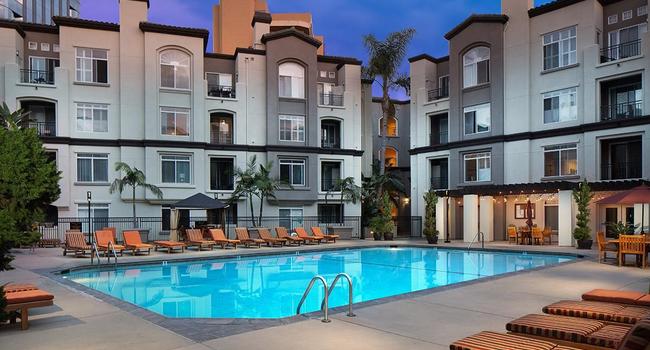
Only 38% of La Jolla’s roughly 14,600 households rent at all; the other 62% own, per Census-sourced RentCafe tenure data, and that split is the biggest reason apartment inventory stays tight here compared with renter-heavy San Diego neighborhoods.
Long-term inventory also competes with a licensed short-term rental sector. San Diego’s Short-Term Residential Occupancy Ordinance, in effect since May 1, 2023, requires a license for any stay under one month and caps whole-home rentals at 1% of the city’s housing stock citywide. La Jolla falls under that citywide 1% tier, separate from the larger cap set specifically for Mission Beach, so every whole-home STRO license issued near the coast is a unit permanently unavailable to the long-term pool it would otherwise be part of. In San Diego’s whole-home STRO tier, the license itself carries a $41 application fee plus a $1,129 license fee, with quarterly usage reports due to the city.
Does San Diego cap how many Airbnbs can operate in La Jolla?
Yes. Whole-home short-term rentals citywide, La Jolla included, are limited to 1% of the city’s housing stock under the STRO ordinance, and coastal demand means that cap fills faster in beach-adjacent neighborhoods than inland ones.
What This Means for Investors and Agents
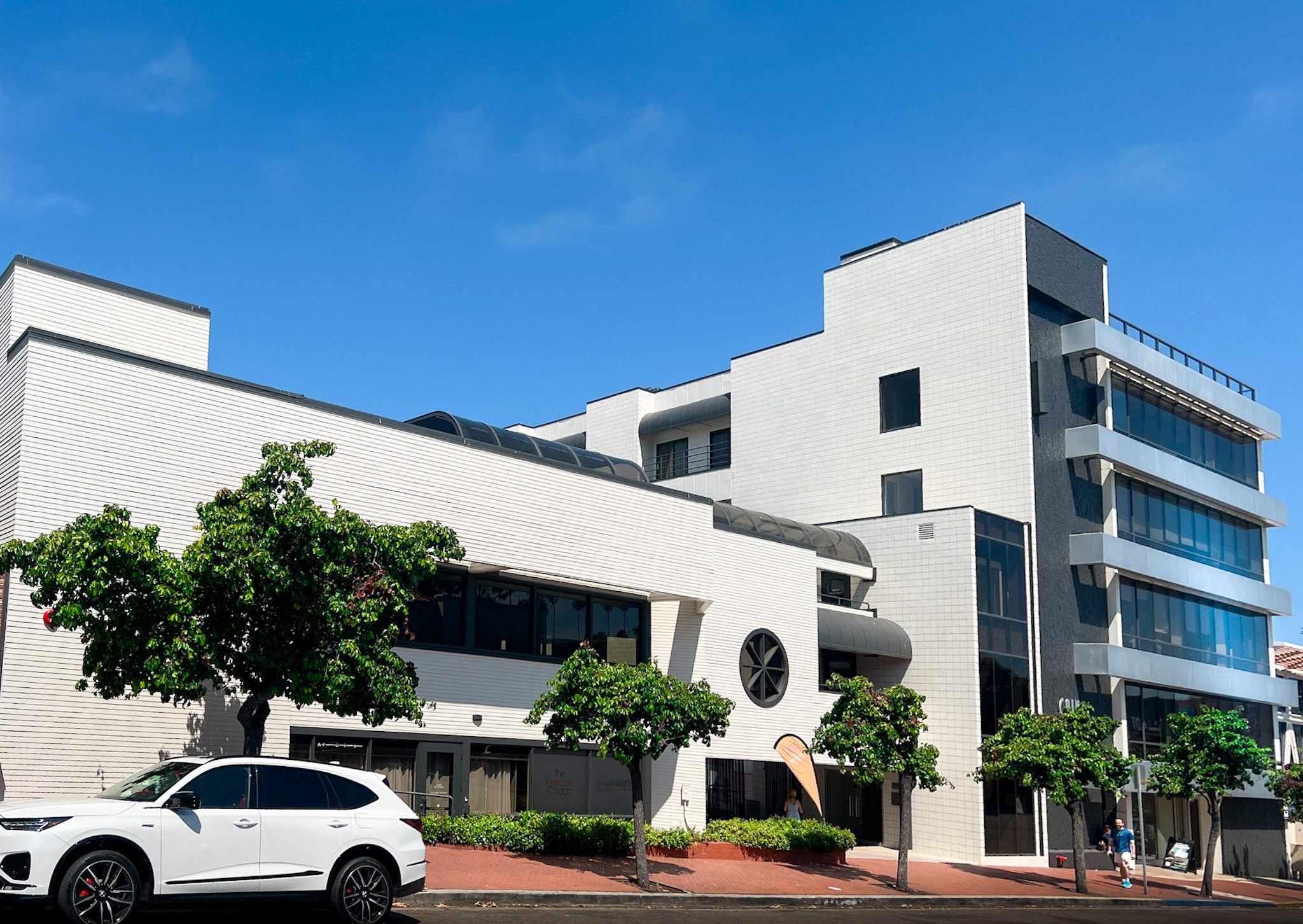
The single biggest underwriting data point for anyone evaluating a La Jolla rental as an investment is its age: the neighborhood’s median home was built in 1975, per Census-sourced data via Point2Homes, which puts the overwhelming majority of the rental stock outside the 15-year new-construction exemption to California’s statewide rent cap.
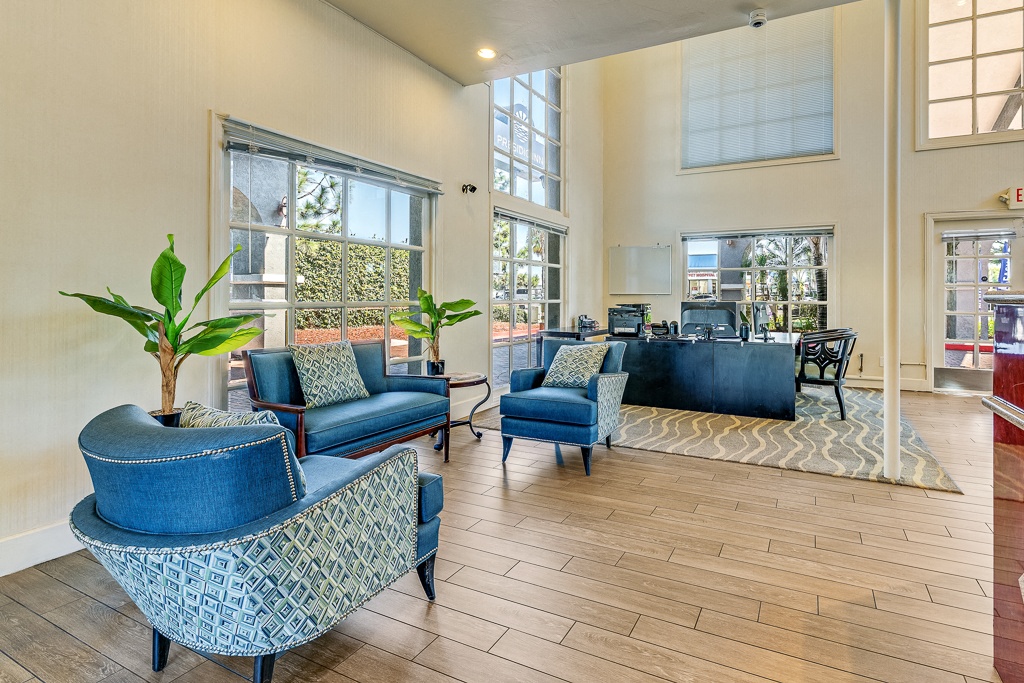
That statewide cap is Assembly Bill 1482, the Tenant Protection Act of 2019 (Civil Code Sections 1946.2 and 1947.12). For covered units, it limits annual rent increases to 5% plus the regional cost-of-living change, or 10%, whichever is lower, and caps landlords to two increases in any 12-month period. Buildings issued a certificate of occupancy in the last 15 years are exempt, on a rolling basis; single-family homes and condos are exempt only if the owner is a natural person, not a corporation, REIT, or LLC with a corporate member, and gives the tenant written notice of the exemption. San Diego has no local rent-control ordinance layered on top of this state cap, unlike San Francisco or Los Angeles, so AB 1482 is the operative ceiling for most of the neighborhood’s older apartment stock.
Demand drivers worth pricing into a rental pro forma: UC San Diego, Scripps Health, and the Torrey Pines biotech corridor sit within a few miles of the neighborhood, keeping renter demand tied to academic and research-employment cycles rather than tourism. UC San Diego runs on the quarter system, and Fall 2026 general move-in for on-campus housing begins September 16, 2026, per the university’s Housing, Dining and Hospitality office. Off-campus lease turnover in neighborhoods bordering campus tends to track that same autumn window, which matters for planning a unit’s vacancy and turn schedule.
Does UCSD being nearby actually change La Jolla rent, or is it just a landmark?
UCSD’s move-in dates set the neighborhood’s real leasing calendar: general on-campus move-in for fall 2026 begins September 16, and off-campus units near campus typically turn over on a similar autumn timeline, which matters for both a renter’s lease start and an investor’s vacancy planning.
Choosing a La Jolla Sub-area
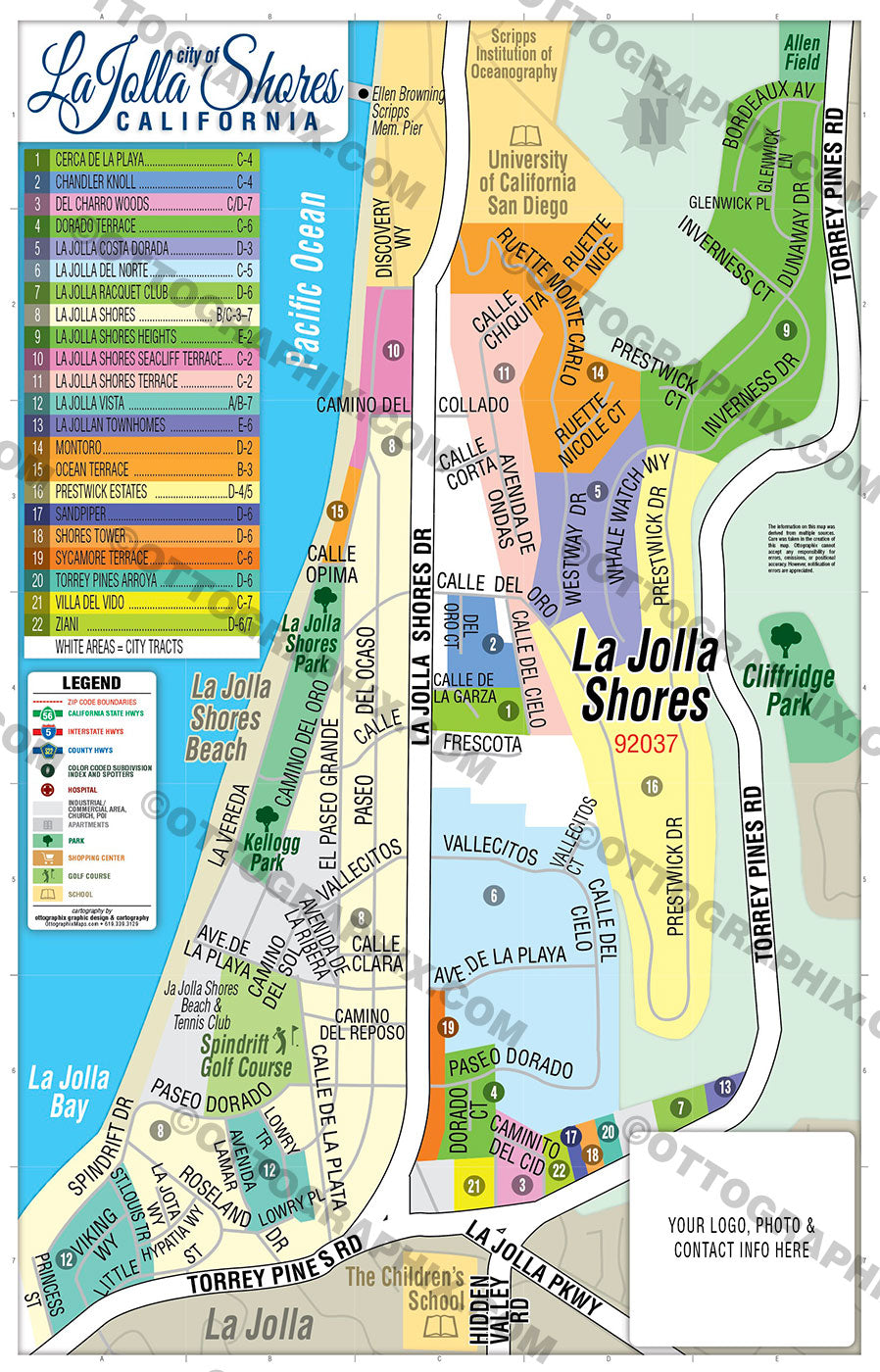
| Sub-area | Car-dependency | Typical building stock | Who it suits |
|---|---|---|---|
| Village (downtown La Jolla) | Walkable core; still needs a car beyond it | Older low-rise walk-ups and boutique condo conversions, mostly pre-1980 | Renters who want to walk to dinner and don’t mind tourist-season foot traffic |
| Bird Rock | Minimal walkability along the coastal strip | Small multiplex buildings, several converted duplexes and triplexes | Renters who want beach access without Village-level density |
| La Jolla Shores / Muirlands | Car-dependent, hillside and beachfront | Overwhelmingly single-family homes; few purpose-built apartments | Buyers and long-term renters prioritizing space over unit turnover; thin pickings for a standard apartment search |
| UTC / University City edge | Least car-dependent part of the area; a trolley line reaches campus | Newer high-rise and mid-rise construction, largely post-2010 | Students and staff prioritizing UCSD proximity and stock still inside the AB 1482 new-construction exemption window |
Unit age splits these four areas more than the neighborhood name does: buildings under 15 years old are exempt from the state rent cap described above, and against a median area-wide build year of 1975, nearly all of that newer stock sits in UTC, while the Village and Shores skew far older.
Which La Jolla sub-area fits a UCSD-adjacent renter best?
UTC/University City edges out the Village and Shores on rent-per-bedroom because its buildings are newer and larger, and its trolley connection to campus reduces the car-dependency the rest of La Jolla requires.
Security Deposits and Rent Increases: What Changed in 2024
As of July 1, 2024, a La Jolla landlord can collect no more than one month’s rent as a security deposit, regardless of whether the unit is furnished, under Assembly Bill 12 (Civil Code Section 1950.5). On a $3,105 average one-bedroom, that cap works out to $3,105 due at signing; before July 2024, the same unit could have carried a $6,210 deposit unfurnished or $9,315 furnished.
| Landlord type | Max deposit | Effective date | Exception |
|---|---|---|---|
| Standard landlord (3+ properties or corporate owner) | 1 month’s rent | July 1, 2024 | None |
| Small landlord (≤2 properties, ≤4 units, natural person, LLC of natural persons, or family trust) | 2 months’ rent | July 1, 2024 | Does not apply to active-duty service members |
| Active-duty service member tenant, any landlord | 1 month’s rent | July 1, 2024 | No exception regardless of landlord size |
How much can a La Jolla landlord charge for a security deposit in 2026?
One month’s rent for most landlords, or up to two months if the landlord personally owns two or fewer rental properties totaling four or fewer units, with no exception for active-duty service members, who are always capped at one month.
The Car-Dependency Reality
La Jolla has no rail transit stop within the Village, Shores, or Bird Rock; the nearest trolley access sits at the UTC edge of the neighborhood, several miles north. Renters relocating from a transit-dependent city should budget for a car, parking, and insurance from the start, since walking covers errands inside one sub-area but rarely connects sub-areas to each other.
Common Mistakes When Renting in La Jolla
- Treating a citywide San Diego rent average as a La Jolla number. The neighborhood runs about $494 above the city average on Yardi Matrix’s tracking; a citywide-focused source will consistently undercount what a La Jolla unit costs.
- Assuming a landlord’s furnished-unit deposit can still run two or three months’ rent. That option ended July 1, 2024, for anyone outside the small-landlord exception described above.
- Budgeting rent without parking. Many La Jolla buildings meter parking separately, and skipping that line item is a common gap in a first-time renter’s monthly budget here.
- Assuming a unit near UCSD is rent-capped because it looks older. Coverage under AB 1482 hinges on the certificate-of-occupancy date. A renovated 1960s building still counts as older than 15 years and is covered; a 2015 build may or may not qualify, depending on when its certificate was issued.
None of these mistakes shows up in a listing description. They show up in a signed lease, a move-in walkthrough, or a first rent-increase notice landing somewhere between 5% and 10% above what a tenant expected.
Comments