
What a pool adds to monthly rent, market by market
The premium is not one number. It moves with local scarcity of the amenity and with climate.
| Market | Pool premium | Note |
|---|---|---|
| National average | $118/month (7.5%) | Based on 25,000 Apartments.com listings across 50 cities |
| Milwaukee, WI | 35% above comparable units | Highest percentage premium of any city in the study |
| Salt Lake City, UT | $156/month ($1,872/year) | Pool is the single highest-premium amenity in this metro |
| New York, NY | $483/month | Pool is the highest-premium amenity, driven by space scarcity, not climate |
| San Francisco, CA | $542/month | Highest dollar premium recorded in the study |
Source: Murphy & Prachthauser, “The Premium on Apartment Complex Amenities Around the U.S.”
The direction that matters for a decision is not “hot climates pay more.” Milwaukee and Salt Lake City, both cold-winter markets, post two of the largest premiums in the data, because a pool there is scarcer relative to demand than a pool in Phoenix or Miami, where most large complexes already have one.
Is a pool usually included in rent or billed separately?
Most complexes bundle pool access into base rent as a marketing simplification, but a growing share charge a separate monthly amenity fee, particularly where the pool is one of several resort-style features. Ask specifically whether the fee is optional or mandatory for every lease in the building; mandatory fees function as rent regardless of the label.
Shared community pools vs. a private pool: why the liability framework differs
Most guidance about pool safety and legal responsibility is written for a single-family backyard pool, and it does not transfer cleanly to a shared apartment amenity. In Florida, for example, Chapter 515, the Residential Swimming Pool Safety Act, sets the familiar rules everyone associates with pool safety: a barrier at least 4 feet high, gates that self-close and self-latch, no gaps a young child could climb through or squeeze under. But the statute defines “residential” narrowly, as a detached one- or two-family home or a townhouse of three stories or fewer, and it separately exempts public swimming pools from its scope. A shared pool serving the residents of a multifamily complex sits outside that framework; it falls instead under state and county public-pool health codes, which set their own barrier, signage, and lifeguard-or-no-lifeguard rules, distinct from the homeowner-focused statute most online pool-safety content quotes.
The practical consequence: a renter or property manager who looks up “pool fence law” for their state is often reading rules written for a house, not for the complex they actually live in or manage. The right question to ask a property manager is which code governs the specific pool, the state’s residential pool statute or its public/commercial pool health code, since the answer determines who inspects it and how often.
Who is liable if a guest is injured in a shared apartment pool, the tenant or the landlord?
Premises liability for a shared community pool generally runs to the property owner or management company, since they control access, maintenance, and posted rules for the amenity. A tenant’s individual renters insurance policy typically does not cover an incident in a common area they do not own or control; it protects the tenant’s own liability for incidents inside their unit or caused by their own actions.
What to check in your lease before you sign
None of the renter-facing guides on this topic mention the lease at all; none of the owner-facing guides address it from the renter’s side.
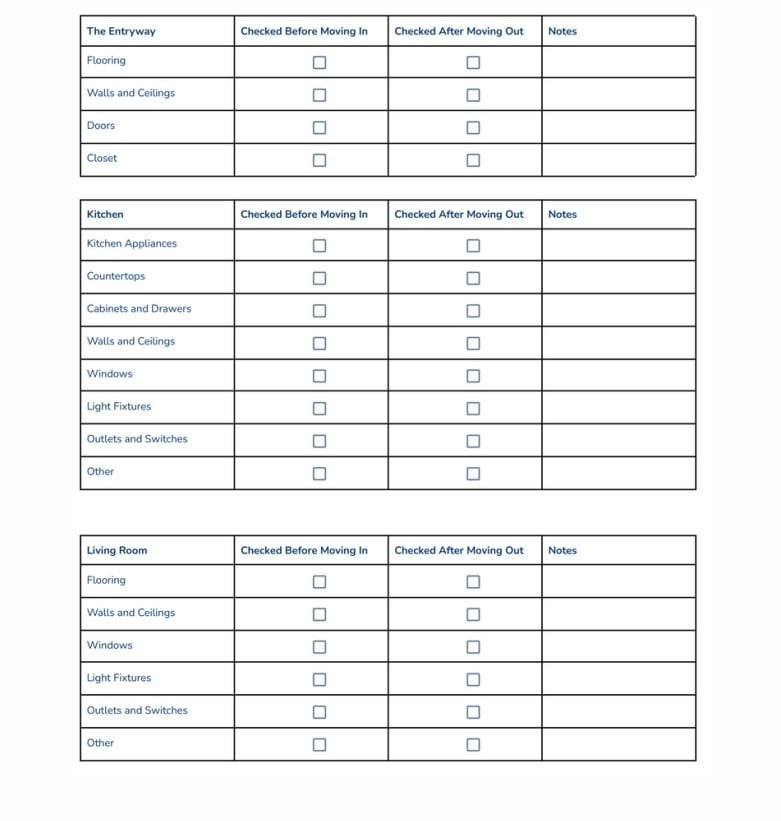
- Fee structure. Is pool access included in the quoted rent, or is there a separate monthly amenity fee, and is that fee waivable if you opt out of the amenity.
- Hours and guest limits. Many complexes cap guest numbers per resident and post specific hours; violating either is grounds for a lease citation in some communities.
- Seasonal closure language. Ask whether the pool closes for a defined season and whether that closure affects the amenity fee during the off months.
- Insurance interaction. Confirm your renters insurance does not exclude pool-adjacent injuries to your own guests, since some policies carve this out.
- Who to call for a hazard. Get the specific maintenance contact for pool issues, cloudy water, a broken gate latch, before you need it, not after.
What it costs to offer or manage a pool
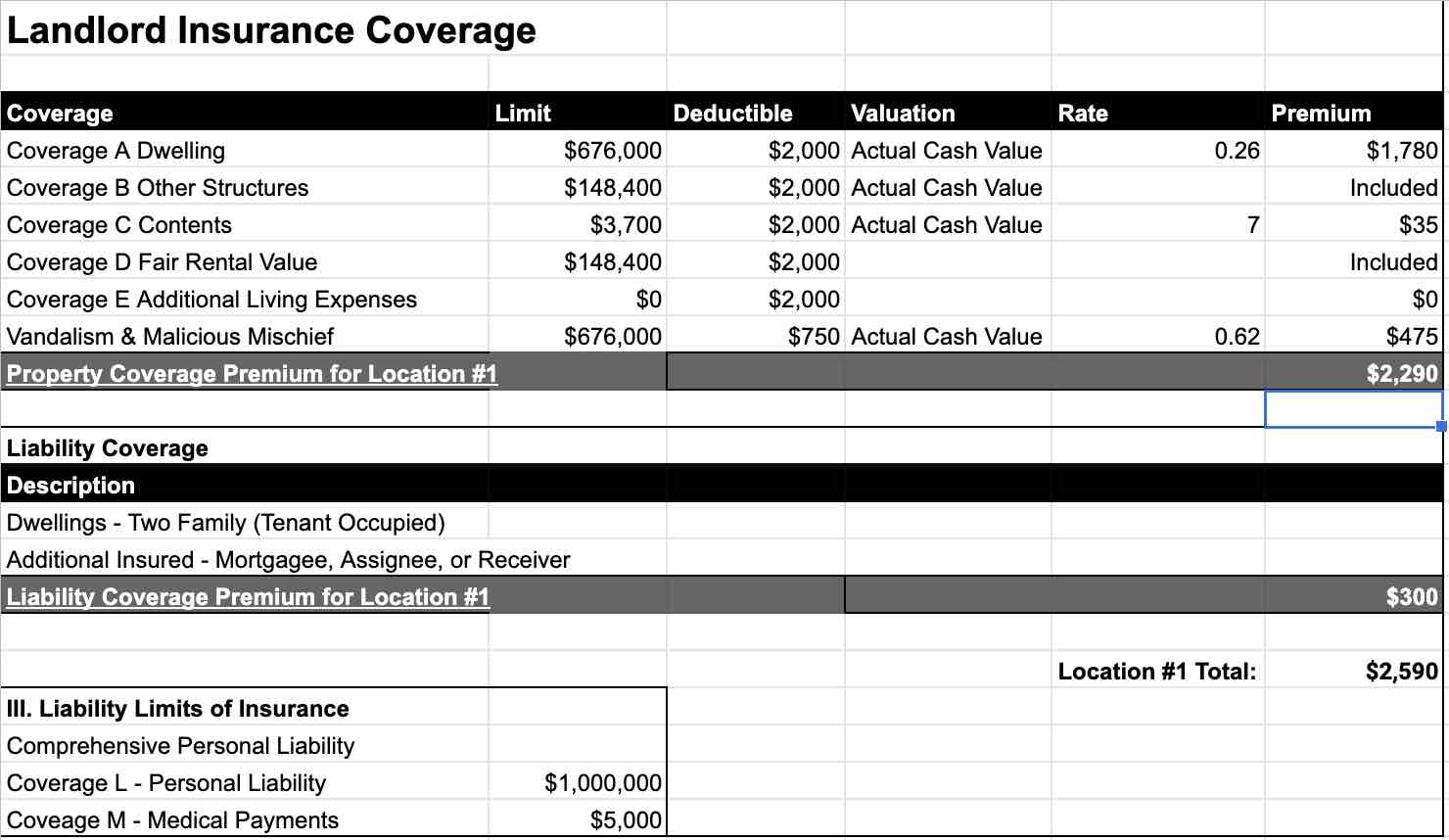
Landlord insurance for a single-family rental runs $892 to $2,561 a year depending on the state, and typically prices 15 to 25% above an equivalent owner-occupied policy on the same building. Against that baseline, adding a pool is a comparatively small line item: Insurify reports a property-coverage increase of roughly $50 to $75 a year for a homeowner or small landlord adding a pool, plus an optional $1 million umbrella policy running about $200 to $300 a year, which raises liability coverage above the standard $100,000 limit that most insurers recommend increasing to $300,000 to $500,000 for a pool property.
That figure describes a single-family or small-scale landlord policy. For a multifamily complex, the pool sits under one commercial general liability policy covering the whole property, and no insurer publishes a separate, amenity-specific premium delta the way homeowner insurers do for a single house. An owner budgeting for a complex should expect the pool’s cost to appear inside the overall commercial policy quote, and should ask the broker directly what portion of the quote the pool amenity affects, rather than assuming a homeowner-scale figure applies.
Insurance and liability, private vs. shared
| Question | Private pool (single house or duplex) | Shared community pool (multifamily) |
|---|---|---|
| Governing safety code | State residential pool statute (e.g., Florida Ch. 515: 4-ft barrier, self-latching gate) | State/county public or commercial pool health code, separate from the residential statute |
| Who typically holds the primary policy | Individual owner’s homeowner or landlord policy, often with a pool endorsement | The property’s commercial general liability policy, covering the whole complex |
| Who writes the use rules | Landlord, via a unit-specific lease addendum | Property manager, via community rules attached to every lease |
| Published insurance premium delta for the pool | Yes: about $50 to $75/year property increase, $200 to $300/year for umbrella coverage | Not separately published; folded into the overall commercial GL premium |
Sourced from: Insurify; Steadily; Florida Statutes Chapter 515.
The table’s real implication: an owner comparing insurance quotes for a house with a pool has a number to check a quote against. An owner or investor evaluating an apartment complex does not, and should treat any broker’s flat percentage claim for “pool impact” on a commercial policy with the same skepticism this page applies to the unsourced rent-value figures above.
Does a heated pool change what a landlord can charge?
A heated pool extends the usable season, which is the mechanism behind the higher premiums in cooler markets like Milwaukee and Salt Lake City above. But the heating cost itself is absorbed by the property, not typically itemized on a resident’s statement, so the rent increase reflects season length, not a pass-through utility charge.
Safety and liability, in real numbers
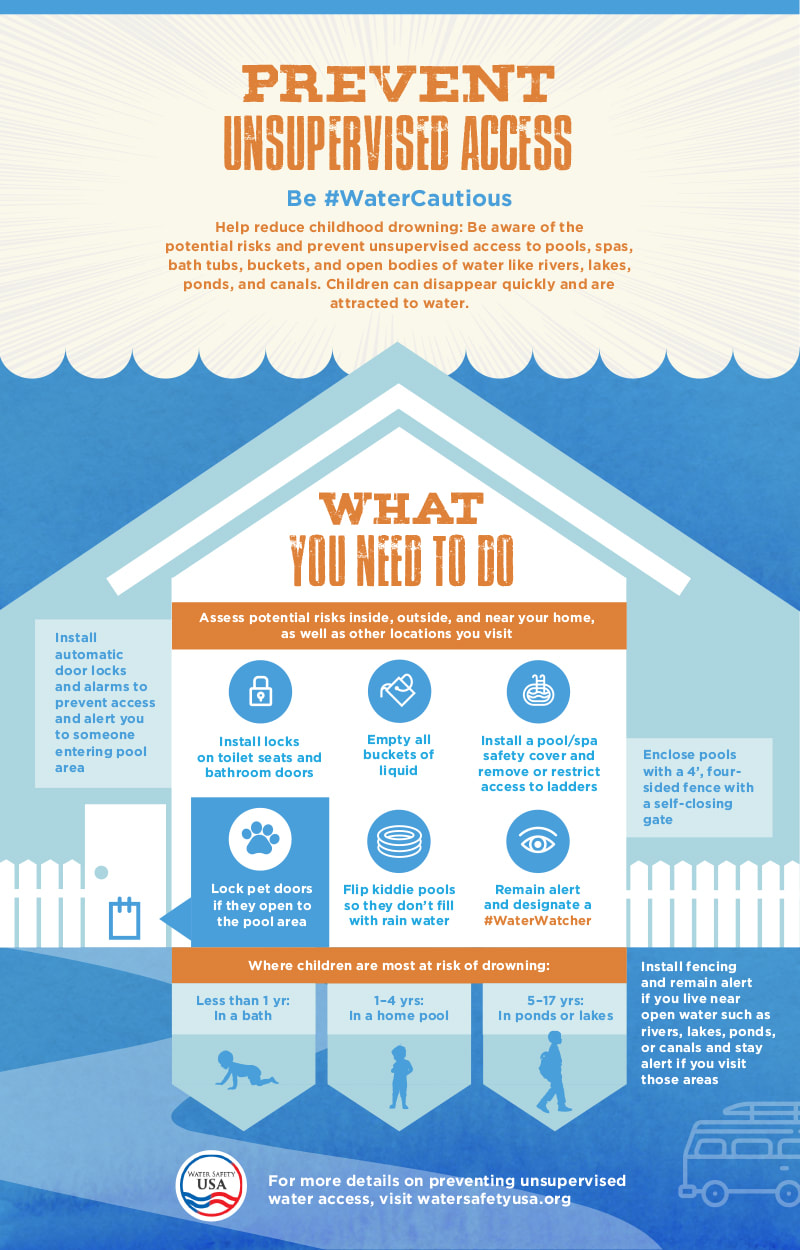
Drowning is the leading cause of death for children ages 1 to 4 in the United States, and the second-leading cause of unintentional injury death for children ages 5 to 14. An average of 4,083 unintentional drowning deaths occurred annually from 2012 through 2021, and the rate climbed further after that: the 2020-to-2022 average exceeded 4,500 deaths a year, roughly 500 more per year than 2019, with the rate among children ages 1 to 4 up 28% in 2022 compared with 2019.
Florida’s fence law is one concrete example of what a barrier requirement actually specifies: enacted in 2000 as the Preston de Ibern/McKenzie Merriam Residential Swimming Pool Safety Act, it requires a barrier at least 4 feet high with no gap a young child could climb through, and a gate that swings outward and self-latches at a height a young child cannot reach. Those are minimums for a single-family pool under that specific statute; a shared apartment pool answers to the separate public-pool code discussed above, which commonly adds requirements like posted depth markers and, in some states, a certified operator responsible for water testing.
What’s the realistic monthly cost to maintain a community pool?
Professional maintenance service commonly runs $100 to $300 a month for a single residential-scale pool. A shared apartment pool is typically larger and serves more bathers, so complexes usually contract commercial pool service at a scale and price point the per-house residential figures don’t capture; ask the property manager for the actual service contract terms rather than extrapolating from a single-house estimate.
When a pool is not worth the premium
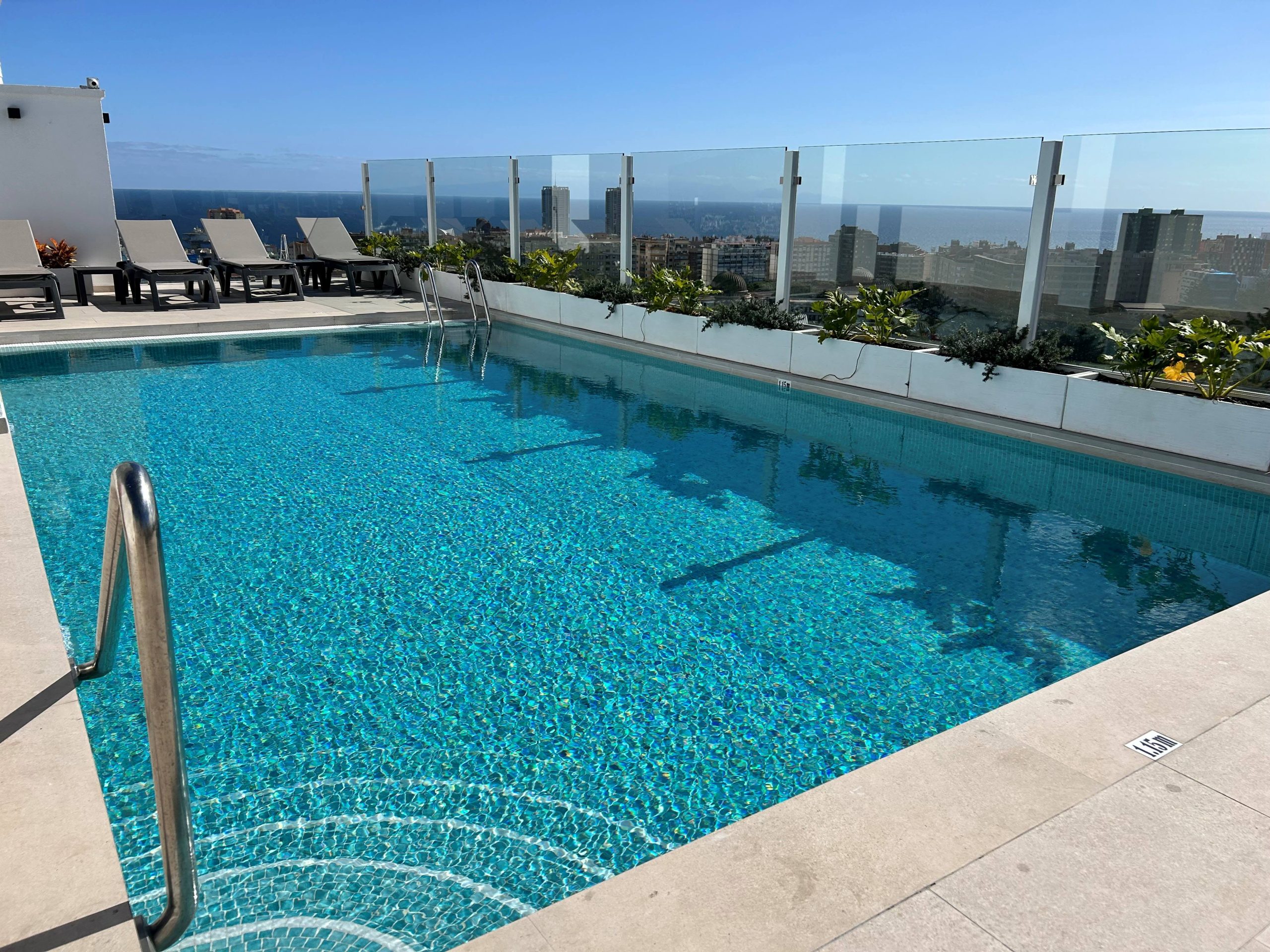
A pool earns its premium in markets where warm weather and pool scarcity coincide, roughly the Sun Belt and any dense coastal market where any outdoor amenity is scarce. In a short-season climate with an unheated pool, a renter may be paying a year-round premium, like Salt Lake City’s $156 a month, for three or four usable months. Run the math on your own market: divide the monthly premium by the number of months you would realistically use the pool, and compare that per-use cost to a public pool day pass or a gym membership with a pool.
Heating and maintenance, briefly
| Pool type | Monthly cost impact | Seasonal usability | Maintenance load |
|---|---|---|---|
| Outdoor, unheated | No added heating cost | Roughly May through September in temperate climates | Lower; no heater to service |
| Outdoor, heat-pump heated | +$120 to $200/month in electricity | Extends the season by several weeks to a couple of months | Moderate; added equipment to inspect |
| Outdoor, gas or propane heated | +$200 to $850/month in fuel | Can run nearly year-round in most climates | Moderate to high; fuel line and more frequent equipment checks |
| Indoor | Not separately published in available cost data; budget for added HVAC/dehumidification load | Year-round | Higher; indoor air-quality management is an extra layer outdoor pools don’t carry |
Data: Angi pool-opening cost guide; Angi plunge-pool cost guide.
A pool that runs 10 months a year in Phoenix and one that runs 4 months a year in Milwaukee are not the same amenity wearing different weather. Price and evaluate them separately.
Comments