
What rent costs right now, and why the sites disagree
| Source | Studio | 1BR | 2BR | 3BR | Period | Fees included |
|---|---|---|---|---|---|---|
| RentCafe / Yardi Matrix | $709 | $979 | $1,181 | $1,313 | January 2026 | No, base rent only |
| ApartmentList | – | $873 | $1,108 | $1,345 | Current listings | No, base rent only |
| U.S. Census Bureau, ACS 2020–2024 5-year | – | – | – | – | 5-year average, all bedroom counts combined | Yes, gross rent including estimated utilities |
Yardi Matrix and ApartmentList pull from different sets of listed buildings and update on different schedules, which is why their 2-bedroom figures sit $73 apart. The Census figure isn’t a competing number for the same thing: gross rent folds in an estimate of utility costs and mixes every bedroom count together, houses included, so it lands near the market trackers’ 2-bedroom range without measuring the same population of units.
Why do rent numbers disagree between sites? Different trackers sample different sets of listed buildings and refresh on different schedules. RentCafe’s Yardi Matrix data and ApartmentList’s listings differ by $73 to $166 a month depending on bedroom count as of early 2026. Check the date on any figure you’re quoted before comparing it to another site.
Neighborhood pricing: real listings, not invented averages
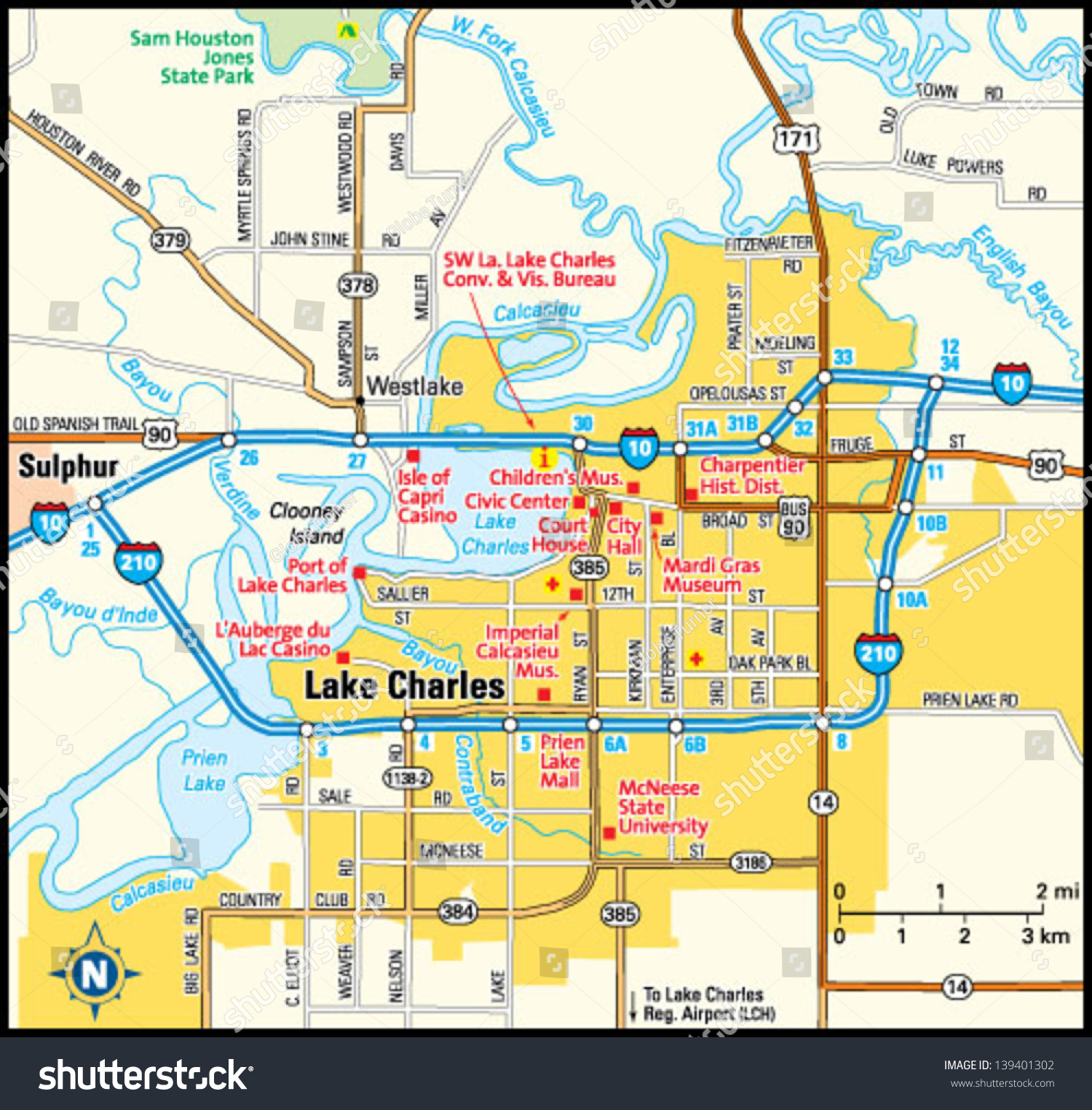
No public source publishes an audited per-neighborhood average for Lake Charles, so the table below uses named, dated listings instead of a guessed number.
| Area | Example property | Current rent | Distance to landmark |
|---|---|---|---|
| Prien Lake / Power Centre corridor | Prien Lake Reserve, 2700 Ernest St | 1BR from $1,065/mo | 2.3 miles from McNeese, near I-210 |
| Margaret Place Historic District | Individual listings (multiple) | $750 to $1,150/mo, condition-dependent | Walking distance to the lakefront |
| Downtown / Charpentier | New downtown community | From $795/mo, utilities included | Walking distance to Ryan Street |
| Near McNeese State University | Multiple complexes | Roughly $1,019/mo average | Walking or biking distance to campus |
Prien Lake Reserve is a useful reference point: a 198-unit, two-story community built in 1978, with a one-bedroom listed at $1,065 a month as of late May 2026, sitting 2.3 miles from campus. That sits inside the McNeese-corridor range rather than below it, so distance alone doesn’t buy a discount here.
Is it cheaper to rent near McNeese or elsewhere in the city? Not clearly. Complexes near campus average close to $1,019 a month, in the same band as Prien Lake Reserve at $1,065 and above some older Margaret Place units. The age and condition of the specific building move price more than which side of town it’s on.
What hurricane and flood risk means for a renter, not a homeowner
Lake Charles is rated among the U.S. cities most exposed to hurricane wind, and First Street’s modeling puts every home in the city at some level of wind risk today. That matters differently for a renter than an owner: you can’t harden a building you don’t own, so the two real levers are which building you pick and what insurance you carry.
Flood risk varies block by block instead of citywide. In North Lake Charles specifically, First Street’s model puts 3,342 properties, 42.9% of that neighborhood, at flood risk over a 30-year period; other parts of the city sit lower. Check the exact address, not a citywide average, before you sign.
The distinction that trips people up: a standard renters policy covers wind, fire, and theft, but excludes flood damage entirely, no matter how the water got in. Coverage for a renter’s belongings comes from a separate National Flood Insurance Program contents policy, capped at $100,000, or from a private flood carrier.
Does renters insurance cover flood damage in Lake Charles? No. Standard renters insurance excludes flood damage under any policy sold in the U.S. Coverage for your belongings requires a separate NFIP contents policy, up to $100,000, or a private flood policy; renters in Louisiana typically pay $100 to $300 a year for that separate coverage.
Renters insurance in Lake Charles: what it costs, what it skips
Louisiana carries the highest average renters insurance cost of any state, about $36 a month for standard coverage, driven by hurricane and flood exposure rather than crime. That premium sits on top of, not instead of, the $100-to-$300-a-year flood policy above; the two cover different perils, and carrying one doesn’t reduce your need for the other.
The rental market in numbers
| Metric | Figure |
|---|---|
| Renter-occupied households | 39.1% of 32,077 households |
| Median gross rent, all rented units | $1,109/month |
| Median year structures were built | 1981 |
| Rental units built 2010–2019 | 19% of rental stock |
| Two-bedroom units, share of rental stock | 43% |
| Renters who moved in between 2010 and 2017 | 46% |
Sources: U.S. Census Bureau QuickFacts and Point2Homes’ compilation of Census ACS and Yardi Matrix data. A meaningful share of that stock postdates Hurricane Laura’s August 27, 2020 landfall, when 150 mph winds damaged roughly 95% of the city’s buildings; more than 750 damaged homes have since been repaired or rebuilt and more than 900 new multifamily units have come online or are in development. A newer building isn’t automatically lower-risk, since wind and flood exposure depend on siting and construction standard more than calendar year, but a large slice of what’s currently listed was built or renovated to post-storm codes.
Income-restricted and affordable housing options
Two agencies handle rental assistance locally: the Calcasieu Parish Housing Department and the Lake Charles Housing Authority at 800 Bilbo Street. Both administer Section 8 Housing Choice Vouchers under HUD income limits, generally requiring household income at or below 30% to 50% of the area median, and both cap what a voucher-holder pays toward rent and utilities at 40% of income.
Waitlists open rarely and close fast. In October 2024, Calcasieu Parish’s waitlist accepted only the first 500 applicants during a four-day window. Most Louisiana housing authorities report typical waits of one to two years once an applicant is on a list.
- Check both agencies separately. Calcasieu Parish Police Jury and the Lake Charles Housing Authority run distinct waitlists with different jurisdictions.
- Bring documentation the first time. A valid photo ID and Social Security cards for every household member are required at application.
- Watch for scam applications. HUD policy prohibits any fee for a Section 8 application; a fee request is a red flag.
How do I apply for income-restricted housing in Calcasieu Parish? Apply through the Calcasieu Parish Housing Department or the Lake Charles Housing Authority when their waitlist opens, which happens irregularly and sometimes for only a few days at a time. Household income generally must sit at or below 30% to 50% of the area median.
Renting near McNeese State University
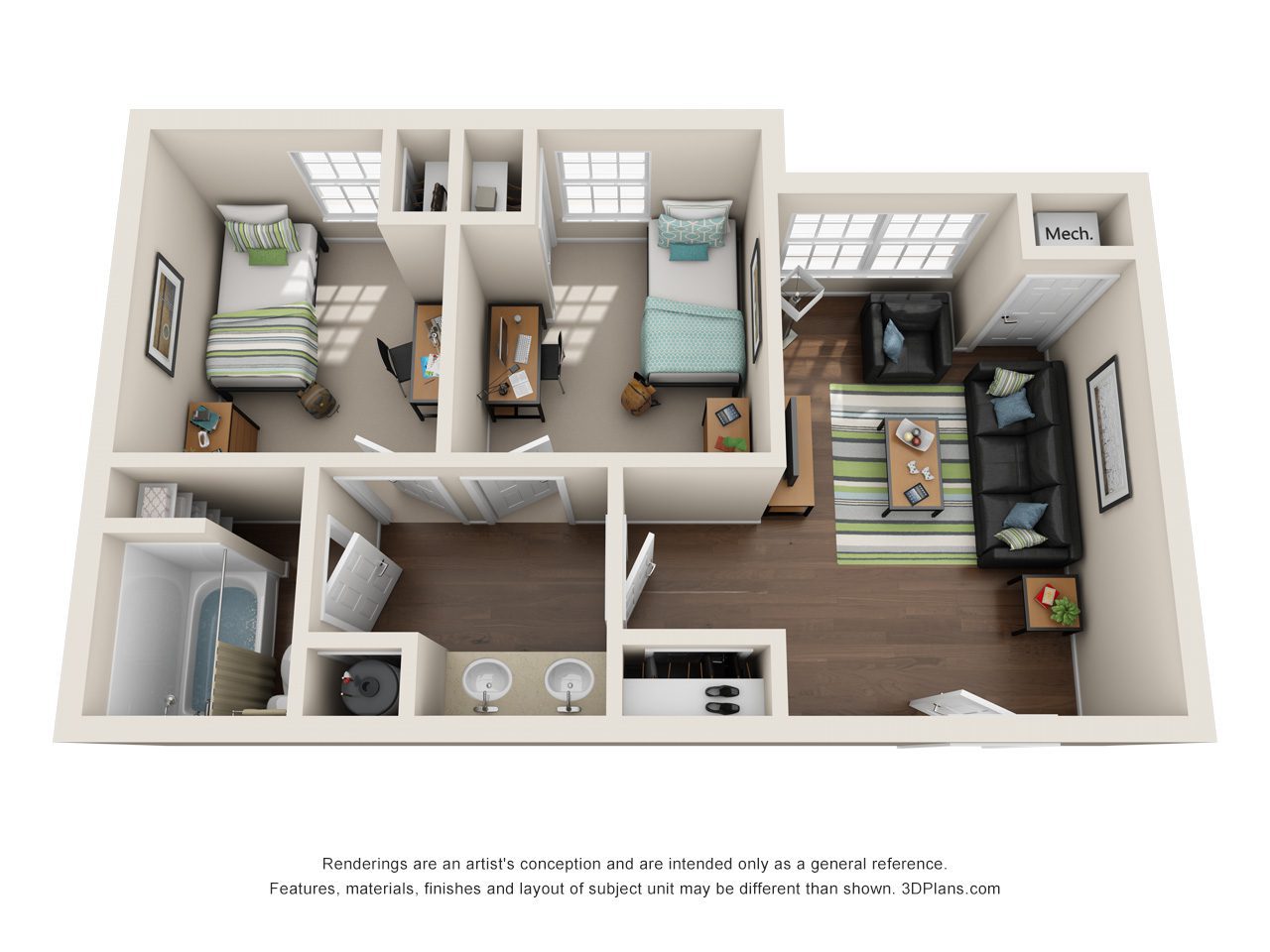
Off-campus listings cluster on the streets immediately south of campus and along the corridor toward Prien Lake, with named options including Prien Lake Reserve, The Enclave, and University Place Apartments, plus individual houses and duplexes. Turnover concentrates in July and August ahead of the fall semester, so a search that starts in June has more to choose from than one that starts in late August.
Common mistakes renters make in this market
- Comparing offers against a single “average rent” screenshot. Confirm the tracker’s update date before treating a quoted number as a fair-market baseline.
- Skipping the flood-zone check because the building looks new. Renovation status doesn’t change a property’s First Street flood score; look up the specific address.
- Applying for income-restricted housing only after losing current housing. Waitlists close within days of opening, so apply as soon as one opens rather than when the need becomes urgent.
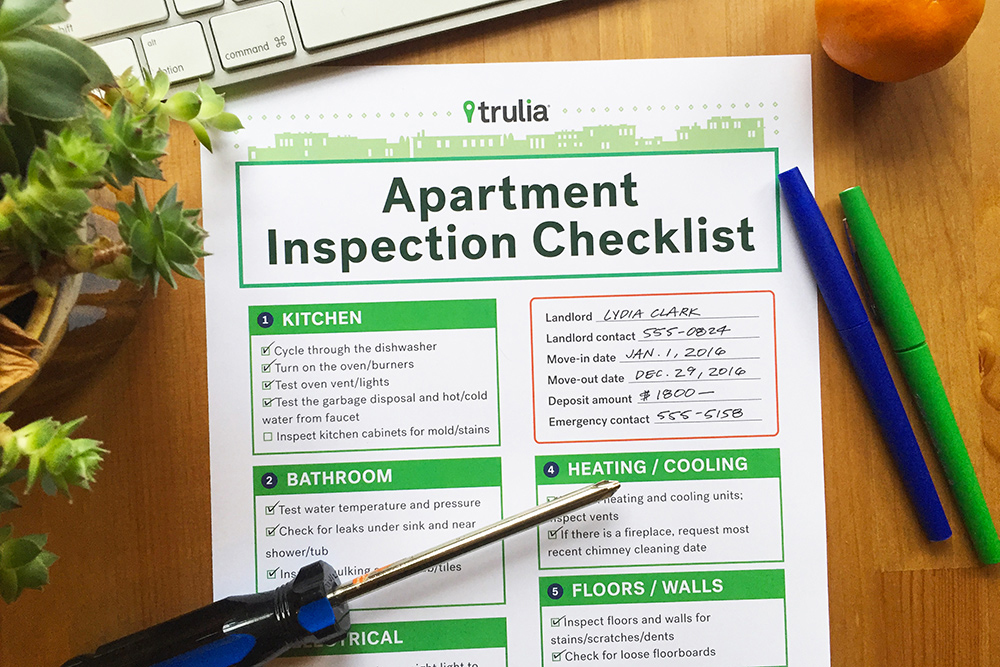
- Signing a lease sight-unseen based on a listing photo alone. Several of the properties in Table 2 have units in different condition within the same complex; ask which unit, not just which building.
Comments