
Current Listings and What “Walnut Hills” Covers
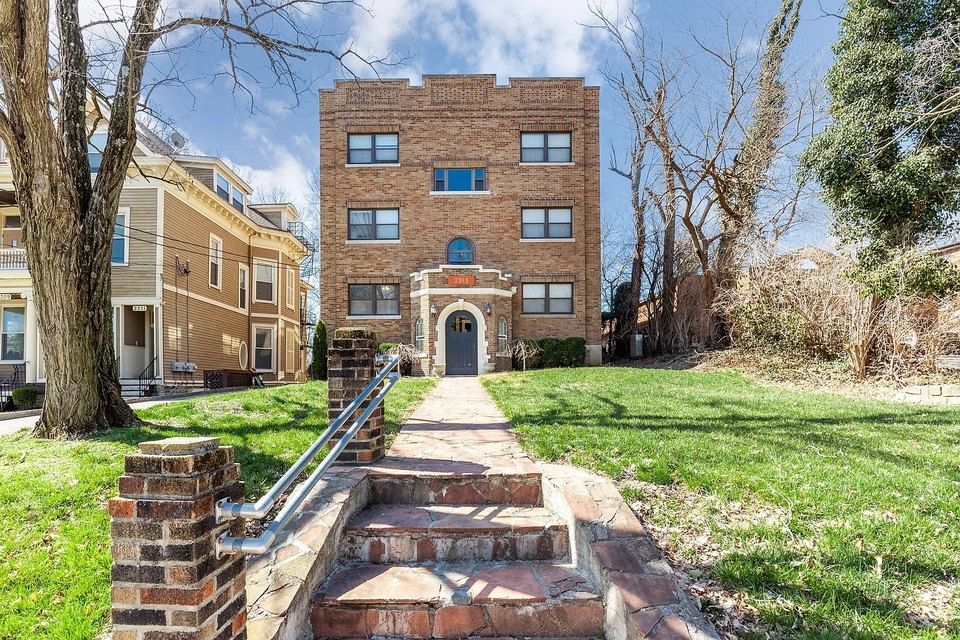
“Walnut Hills” splits into two distinct rental sub-markets on most listing sites: the core neighborhood around Peebles Corner and Gilbert Avenue, and East Walnut Hills, a smaller, separately tracked area east of William Howard Taft Road. They price differently, as the next two sections show, so it is worth checking which polygon a search tool is actually using before comparing numbers across sites.
Rent by Unit Size
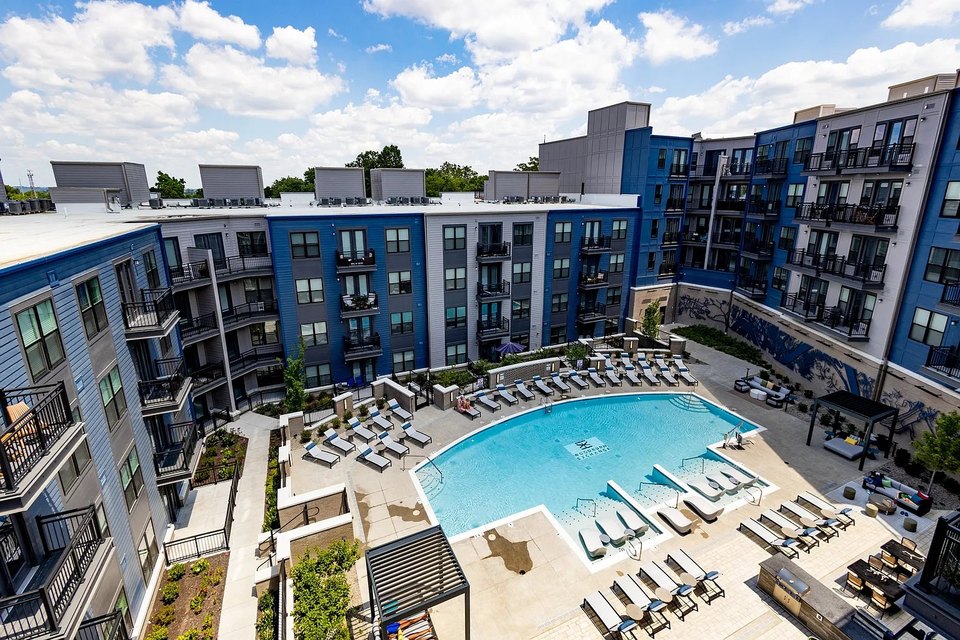
| Unit type | Figure | Range | As of | Source |
|---|---|---|---|---|
| Studio | — | $850 to $985 | Jun 5, 2026 | RentCafe, Walnut Hills listings |
| Two-bedroom | $1,754/mo average | — | Nov 2025 | RentCafe, 2BR Walnut Hills |
| All unit types (blended) | $1,632/mo average | — | Apr 24, 2026 | RentCafe, neighborhood comparison |
The two-bedroom figure fell 3.91% year over year: a real direction, not just a snapshot. Every figure above is a point-in-time read. Building-level rents shift with occupancy and season, and the studio and blended figures came from update cycles several weeks apart.
Why do the “average rent in Walnut Hills” numbers disagree so much between sites? Because they are rarely the same average. RentCafe’s own pages show $1,550, $1,632, and $1,804 depending on the page and the month; Zumper puts the Cincinnati citywide figure at $1,395 for June 2026 against RentCafe’s $1,473 for the same city the same month. The per-unit-size breakdown above holds up better than any single headline number, because a blended average shifts with whatever mix of studios, one-bedrooms, and two-bedrooms happened to be listed when a page was last crawled.
Walnut Hills vs. East Walnut Hills: Where the Budget Goes Further
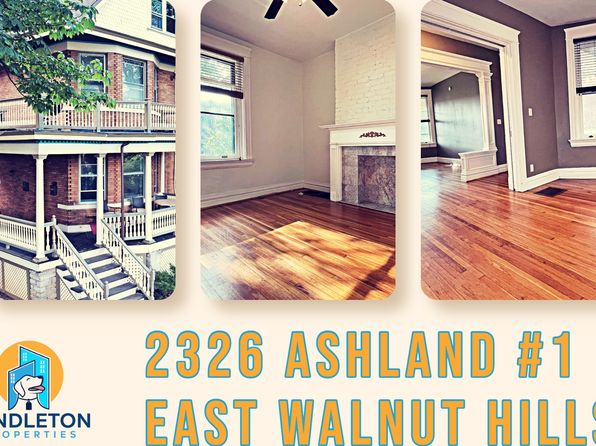
Is Walnut Hills or East Walnut Hills cheaper? Core Walnut Hills, at the low end specifically: it has studio inventory under $1,000 that East Walnut Hills does not carry at all. At the two-bedroom level the gap narrows, since core Walnut Hills averages $1,754 and East Walnut Hills’ two-bedroom range starts at $2,120.
How Walkable Walnut Hills Is
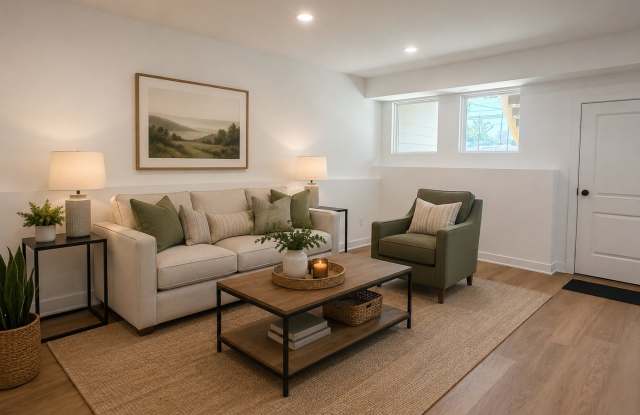
| Area | Walk Score | Meaning |
|---|---|---|
| Walnut Hills (core) | 62 | Somewhat Walkable; 10th most walkable of Cincinnati’s neighborhoods |
| East Walnut Hills | 55 | Somewhat Walkable; 15th most walkable; about 4 bus lines through the area |
| Cincinnati citywide | 49 | Car-Dependent baseline for comparison |
Source: Walk Score, Walnut Hills; Walk Score, East Walnut Hills; Walk Score, Cincinnati. Both sub-areas sit above the citywide average, and core Walnut Hills sits closer to the “very walkable” band than either East Walnut Hills or the city as a whole.
How walkable is Walnut Hills? Walk Score puts the core neighborhood at 62, “Somewhat Walkable,” and ranks it the 10th most walkable of Cincinnati’s neighborhoods, ahead of the 49 citywide average.
Living in Walnut Hills: The Stowe House and the Walk to Gilbert Avenue
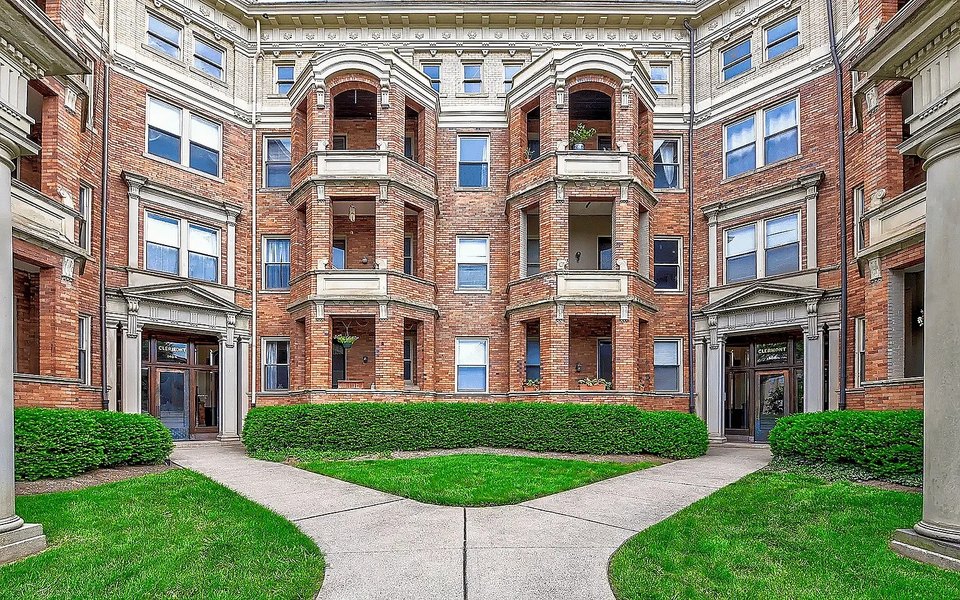
The neighborhood’s most concrete landmark is the Harriet Beecher Stowe House at 2950 Gilbert Avenue, where the Beecher family lived from 1832 into the early 1850s and where Stowe gathered much of the material later used in Uncle Tom’s Cabin. A restoration completed in 2024 restored sections of the house to both its 1840 and 1940 appearances; it is open to the public Thursday through Saturday, 10 a.m. to 4 p.m. (Ohio History Connection). It sits a short walk from the Gilbert Avenue corridor that runs through the middle of the neighborhood’s rental stock, functioning as a real landmark for orienting a listing rather than a footnote.
Getting to Campus and Downtown
| Destination | Distance | Notes |
|---|---|---|
| University of Cincinnati (main campus) | 1.5 miles | Via William Howard Taft Road |
| Downtown Cincinnati | About 3 miles | Via I-71; about 20 minutes via Metro Line 11 |
| UC Medical Center / Cincinnati Children’s Hospital | Same corridor as UC | Reached via Taft Road and Burnet Avenue; no separate neighborhood-grain mileage published |
Source: Homes.com, Walnut Hills neighborhood guide. A neighborhood-grain distance from Walnut Hills specifically to Xavier University or to Cincinnati State’s main campus was not published by any source checked for this page; it is listed as an open research task in the source list below, not approximated.
What is published and dated: Metro’s base local fare is $2.00 per ride, effective from the fare change on July 16, 2025, with a $4.40 unlimited local day pass (Metro fare update; Metro fares and passes). Students and staff at the University of Cincinnati, Xavier University, Cincinnati State, Mount St. Joseph, and Christ College ride free on a 30-day pass through a Metro partnership (Metro homepage).
Do UC and Xavier students get a transit discount in Walnut Hills? They ride free: Metro issues free 30-day passes to enrolled students and staff at UC, Xavier, Cincinnati State, Mount St. Joseph, and Christ College, on top of the standard $2.00 base fare everyone else pays.
What to Expect on Pet Policy, Parking, and Utilities
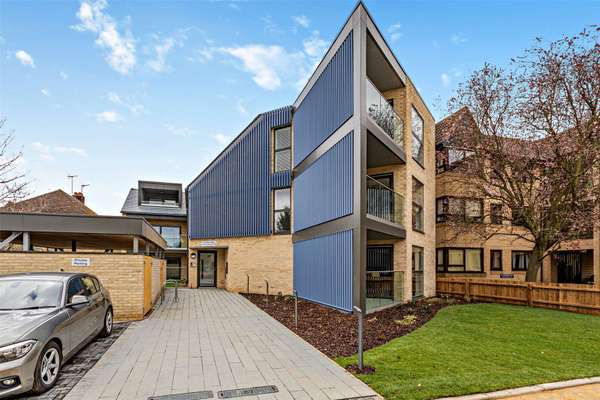
69% of Walnut Hills units sit in complexes with fewer than 50 units, versus 29% in buildings of 50 or more (RentCafe neighborhood profile). No source checked for this page publishes a neighborhood-wide pet or parking percentage, and that building mix is the likely reason: small, independently managed buildings set pet and parking terms unit by unit rather than under one corporate policy the way a 200-unit complex would. A renter should treat pet and parking terms as a per-listing question here, not a neighborhood-wide default.
Is parking included in Walnut Hills apartments? It depends on the building, and more so here than in neighborhoods dominated by large complexes: with most Walnut Hills units in buildings under 50 units, parking and pet terms are set individually rather than under one chain-wide policy.
Nearby Neighborhoods
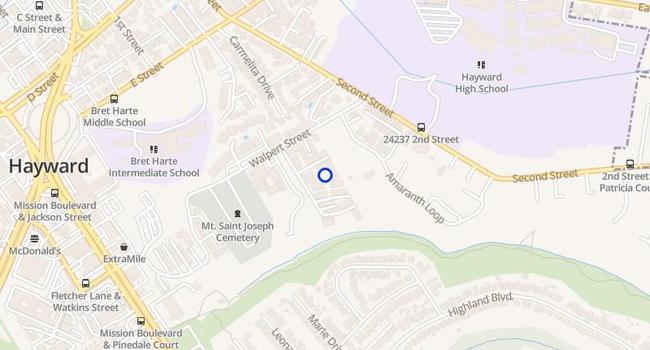
Renters whose search radius is flexible often compare Walnut Hills against Evanston to the east, Mount Auburn to the west, and Avondale to the north, three neighborhoods that share Walnut Hills’ hilltop terrain and Metro access without carrying its price premium over the citywide average.
Comments