
Reading the Rent Numbers Correctly
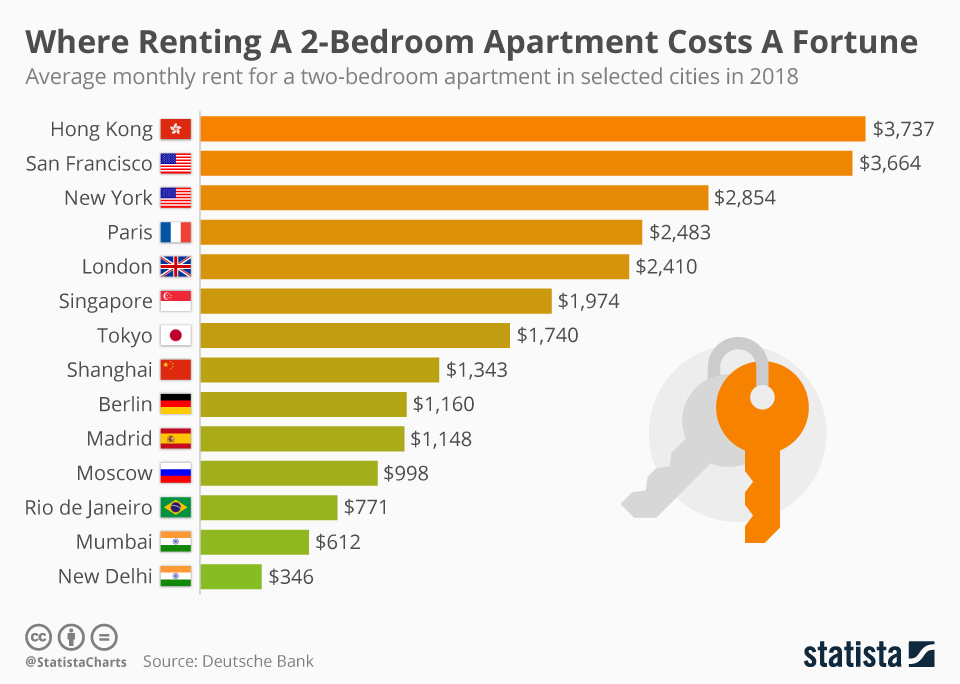
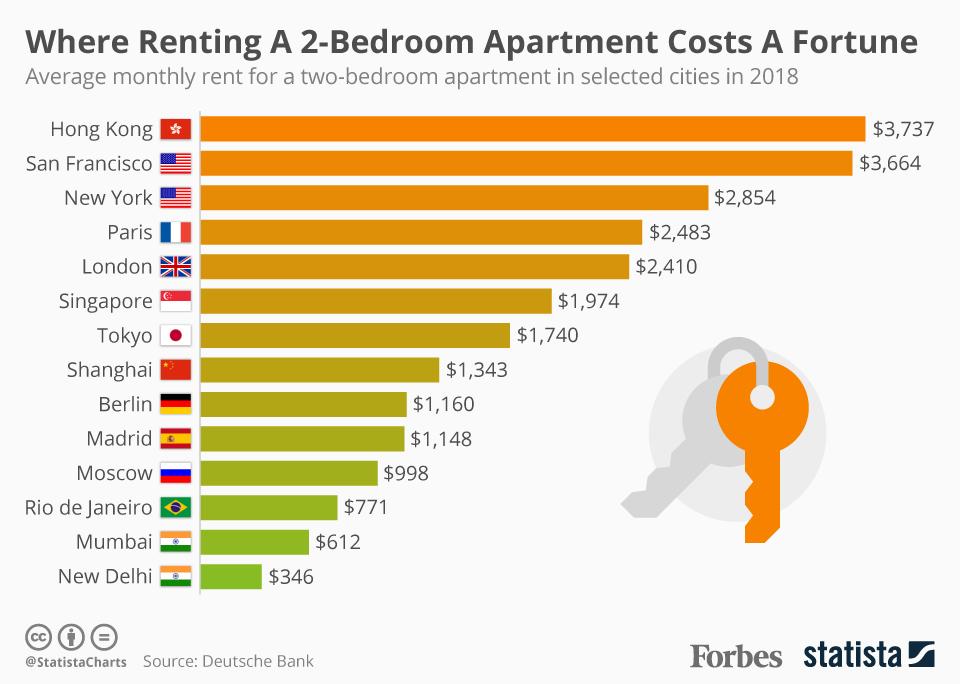
Three organizations can quote three different “average” two-bedroom rents for the same city, and none of them is lying. Apartments.com and similar listing platforms report a mean effective rent across units their partner properties have actually leased. HUD’s Fair Market Rent measures something else entirely: it targets the 40th percentile of rent paid by recent movers in a specific metro or county, recalculated every fiscal year from Census survey data. A third type of tracker, such as Apartment List’s national rent data, reports the median of currently listed available units, a figure that tends to run lower because it reflects what’s actively on the market rather than what everyone is paying.
| Metric | What it measures | Example current value | When to trust it |
|---|---|---|---|
| Apartments.com/CoStar national average (2BR) | Mean effective rent across leased units nationwide | $1,909/month, June 2026 | Gauging the broad national trend |
| HUD Fair Market Rent (2BR) | 40th-percentile rent paid by recent movers, set per metro or county | Atlantic City-Hammonton, NJ: $1,867; Jersey City, NJ: $2,763 (FY2026) | Judging whether one specific listing is realistically priced for its actual metro |
| Listing-marketplace median (e.g., Apartment List) | Median of units currently available in that marketplace | Runs below the averages above; no bedroom-specific dollar figure was independently confirmed for this page | Tracking short-term listing-price momentum |
| National rental vacancy rate | Share of rental inventory sitting empty | 8.3% (Apartments.com, June 2026); 7.3% (Census Housing Vacancy Survey, Q1 2026) | Reading landlord leverage, not price directly |
A listing priced near the FMR for its own metro is following a documented federal calculation. A listing priced near the national average for a metro where the local FMR runs $700 higher is the one worth a second look.
Is a $900 two-bedroom realistic in a metro where the average runs $1,900? Only if it maps to a real channel: an income-restricted unit, a new-construction concession, or a rent-stabilized lease held for years. Absent one of those, a price that far below the local average or FMR is the single strongest scam signal the FTC tracks.
Qualifying for a Two-Bedroom, Not Just Affording One
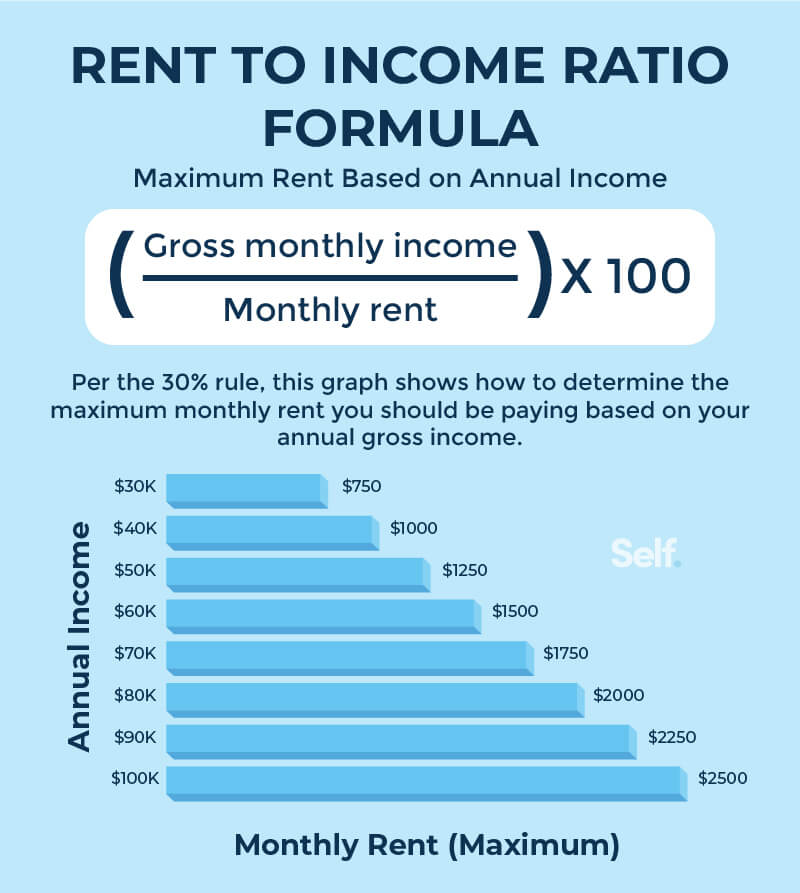
Two different 30 percent thresholds get conflated constantly. The personal-budgeting version says rent shouldn’t exceed 30 percent of your own gross income, a guideline for your comfort. The landlord’s screening version is a separate test: most professionally managed communities require gross monthly income of three times the rent, the same ratio expressed as a minimum to qualify, not a ceiling to stay under. Smaller landlords and lower-cost markets sometimes accept 2.5 times rent instead. Passing the budgeting rule does not guarantee passing the landlord’s rule: a renter spending exactly 30 percent of income on rent, with high debt elsewhere, can still fail a strict screening review that also checks credit and rental history.
| Monthly rent | Required gross income at 3x | Required gross income at 2.5x |
|---|---|---|
| $1,200 | $3,600 | $3,000 |
| $1,500 | $4,500 | $3,750 |
| $1,800 | $5,400 | $4,500 |
| $2,200 | $6,600 | $5,500 |
If your income falls short of the multiplier a specific property uses, a co-signer, a larger security deposit where state law permits it, or documented savings can offset the gap. Co-signers are typically expected to clear the same multiplier independently; their income doesn’t simply add to yours.
Do both roommates need to qualify individually, or does combined income work? It depends on the property. Large, professionally managed communities frequently require each applicant to independently clear the income multiplier; smaller landlords more often accept combined household income. Ask before applying, since a failed individual-income check can still show up on your record even if the group total would have qualified.
Where Legitimately Below-Market Units Come From
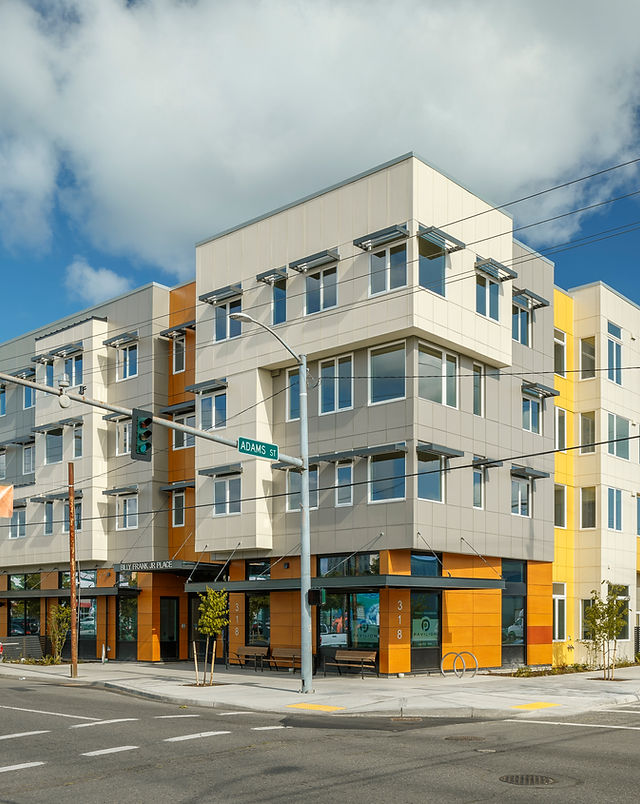
Not every price meaningfully under the local average is fraud. Three real, legal channels put two-bedroom units below market rate on a regular basis. Low-Income Housing Tax Credit properties, commonly called LIHTC or income-restricted housing, cap rent at 50 to 60 percent of the area’s median income rather than pricing to the open market; you apply directly to the property’s leasing office, not through a housing authority, and HUD’s own database logs more than 3.7 million such units placed in service since 1987, with about 100,000 added most years. New-construction lease-up buildings offer concession pricing, sometimes a free month or two, while filling their first round of units, and contacting a leasing office three to six months before a building opens can land a unit before any waitlist forms. Rent-stabilized units in certain cities cap annual increases by law, so a tenant who has held one for years can be paying well under what a new listing in the same building would command.
Timing adds a smaller but real discount on top of any of these. Rent for two-bedroom units is cheapest in the window from November through March: Apartment List data points to November specifically, while a National Apartment Association analysis citing RentHop found peak-to-trough two-bedroom savings of $36 to $191 a month depending on the metro, with Chicago showing the largest two-bedroom seasonal swing at 5.8 percent. Searching during that window won’t turn a $1,900 market into a $900 one. It stacks with the channels above.
If I have a low income, do I automatically qualify for an income-restricted apartment? No. LIHTC eligibility is based on your household income relative to the local Area Median Income, not a fixed poverty threshold, and most properties still run credit and rental-history checks on top of the income test.
Searching Without Wasting Time

Cast a wide net across general listing sites, but for the below-market channels above, go direct: search your state’s LIHTC inventory or an affordable-housing-specific database, since many income-restricted listings live only on the property’s own site and never reach general marketplaces. For a household splitting a 2BR between two unrelated adults versus a couple versus a small family, filtering by floor plan matters as much as filtering by price: split floor plans separate the bedrooms for roommate privacy, while a unit priced 10 percent below average with bedrooms sharing a wall often serves a couple better than two roommates.
Is there a specific month that’s genuinely the cheapest time to sign? Late fall into early winter, November through February, is where the data consistently lands, though the exact discount is metro-specific and runs from under $40 to nearly $200 a month for a two-bedroom.
Red Flags: When Cheap Means Scam
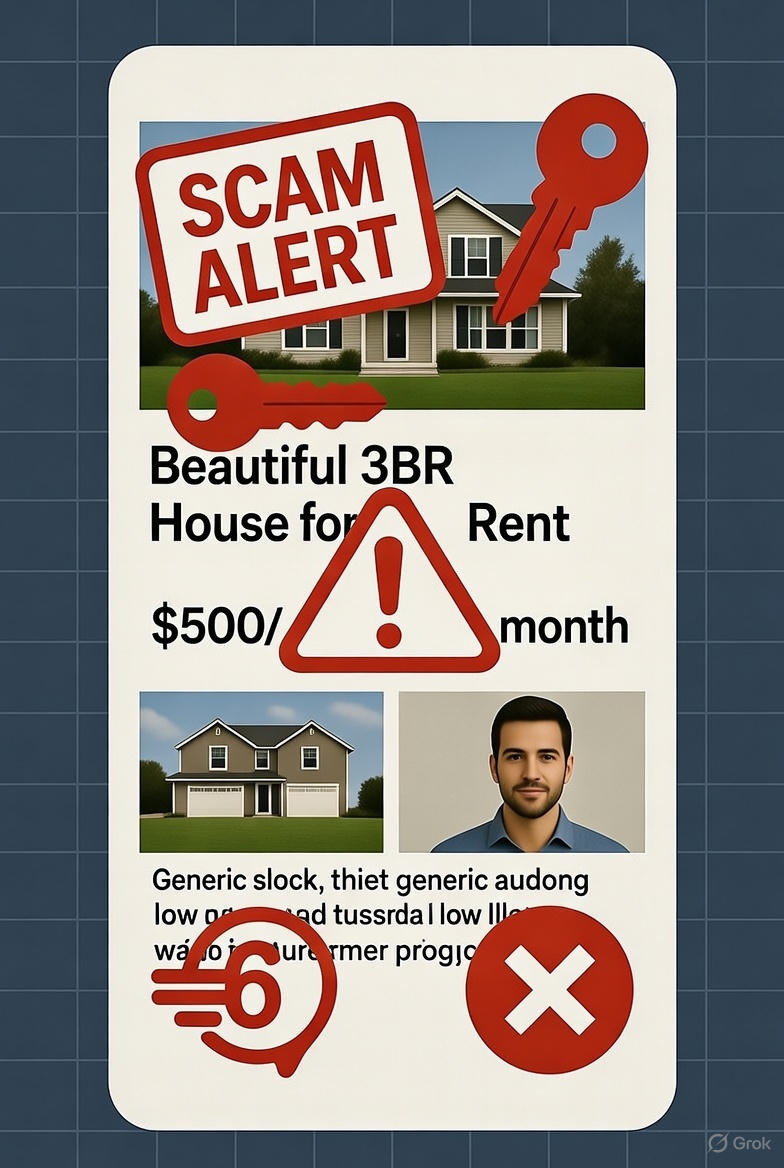
Renters have reported close to 65,000 rental scams to the FTC since 2020, totaling roughly $65 million in losses, and people aged 18 to 29 were three times more likely than other adults to lose money in the process. None of the four signals below is disqualifying alone; two or more together is where to stop.
| Signal | Why it’s suspicious | What to do instead |
|---|---|---|
| Rent priced hundreds below comparable local listings | The FTC identifies below-market pricing as the most common bait, chosen because it drives high-volume inquiries fast | Compare the price against the metro’s average or FMR from the table above; a real gap should map to a channel from the previous section, not just a low number |
| Payment requested by wire transfer, gift card, cryptocurrency, or payment app before a tour or signed lease | These payment rails are irreversible; once sent, the money is functionally gone | Pay only after an in-person or verified live tour and a signed lease, using a check, ACH transfer, or card offering dispute protection |
| Landlord unavailable to show the unit in person, offers to mail keys | A standard cover story for a listing the poser doesn’t actually control | Insist on an in-person or live-video walkthrough; refuse any arrangement that skips it |
| Manufactured urgency: other applicants waiting, price rising tomorrow | Designed to short-circuit the price comparison above before you can run it | Slow down; a legitimate below-market unit will have paperwork and a process, not pressure |
The Roommate Math Nobody Puts in the Listing

Splitting a two-bedroom to cut your personal cost changes what you’re liable for, not just what you pay. Under a standard joint-and-several liability clause, each named tenant is individually responsible for the entire rent, not a proportional share, so if a roommate stops paying, the landlord can pursue any remaining tenant for the full amount. California and New York limit or modify the doctrine for certain damages, but rent itself is rarely exempt in either state.
Before You Sign
Security deposit rules vary sharply by state, and a one-month cap is now the most common structure: it has applied in California since July 2024 and in Colorado since January 2026, among roughly a dozen states with the same limit. About 20 states, Texas and Florida among them, set no statutory cap at all, leaving the amount to the lease and local market norms. Before signing, confirm the deposit cap in your state, get the income-qualifying ratio in writing from the specific property, and check the price against your metro’s FMR or average one more time rather than relying on memory of the listing price alone.
Comments