
Is a 2-bedroom cheaper per person than living alone?
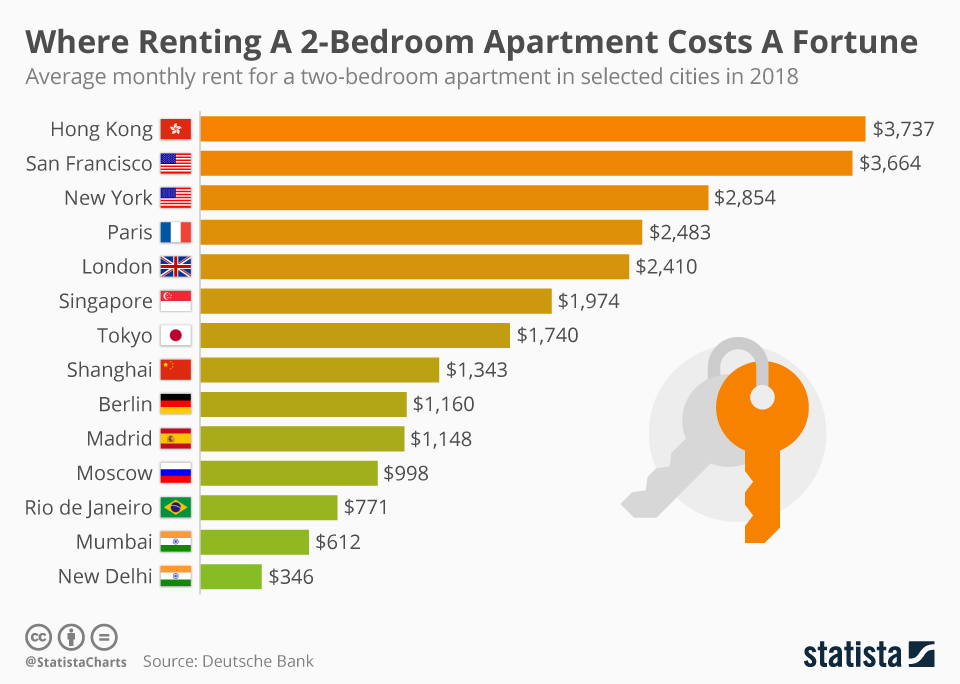
Usually, but the margin is smaller than the sticker price suggests, because a 2BR costs more than a 1BR before anyone splits anything.
| Household type | Avg. monthly cost | Per-person cost | Notes |
|---|---|---|---|
| 1BR, living alone | $1,645 | $1,645 | Apartments.com national rent report, June 2026 |
| 2BR, split two ways | $1,909 | ~$955 | Same source; roughly 42% cheaper per person than living alone |
| 2BR, split two ways, affordable metro | ~$1,080 | ~$540 | Wichita, KS / Fort Wayne, IN range, per US Rent Prices |
| 2BR, split two ways, expensive metro | ~$3,503 | ~$1,752 | San Francisco, same source |
Splitting a 2BR beats living alone almost everywhere nationally, but in the priciest metros the per-person split cost can exceed what a 1BR costs alone in a cheaper city: a Wichita 2BR split at roughly $540 a person and a San Francisco 2BR split at roughly $1,752 a person aren’t really comparable purchases, they’re two different rental markets wearing the same bedroom count. The decision to share only pays off against your own local 1BR price, not the national average.
Is it cheaper to get a 3-bedroom and split it three ways instead?
Often, per person, yes: a 3BR typically costs less than 1.5 times a 2BR’s rent, so dividing by three usually beats dividing a 2BR by two. The tradeoff is coordination risk, since a third name on the lease means a third person under joint and several liability, and 3BR supply is thinner than 2BR supply in most markets.
How many people can legally live in a 2-bedroom
HUD’s 1991 “Keating Memo,” now official HUD policy, states that two persons per bedroom “as a general rule, is reasonable” under the Fair Housing Act, per the Fair Housing Project. It was never meant as a hard ceiling: HUD treats it as rebuttable, adjustable for bedroom size, unit configuration, and the age of children.
| Jurisdiction | Rule | Practical max for a 2BR |
|---|---|---|
| HUD Keating Memo (federal baseline) | 2 persons per bedroom, general rule, rebuttable | 4 |
| California | “2 persons plus 1” standard | 5 |
| Austin, TX | “2 persons plus 1” standard | 5 |
| New York City | HMC §27-2075: 1 child under age 4 exempt per 2 lawful occupants | 4, plus exempted infants |
Sources for California, Austin, and the NYC child exemption: Fair Housing Project and Leaserunner. Underneath the headcount rule sits a square-footage floor: the International Property Maintenance Code requires at least 70 sq ft for a single-occupant bedroom and 50 sq ft per person in a shared bedroom, per RentPrep, so a unit that’s technically legal by headcount can still fail on room size.
Does a home office count as the second bedroom for occupancy limits?
Only if it meets the same egress, window, and square-footage requirements as a bedroom under local code. A den or office nook lacking those features isn’t a bedroom for occupancy-counting purposes even if the listing markets it as one.
What changes about the lease once you add a roommate
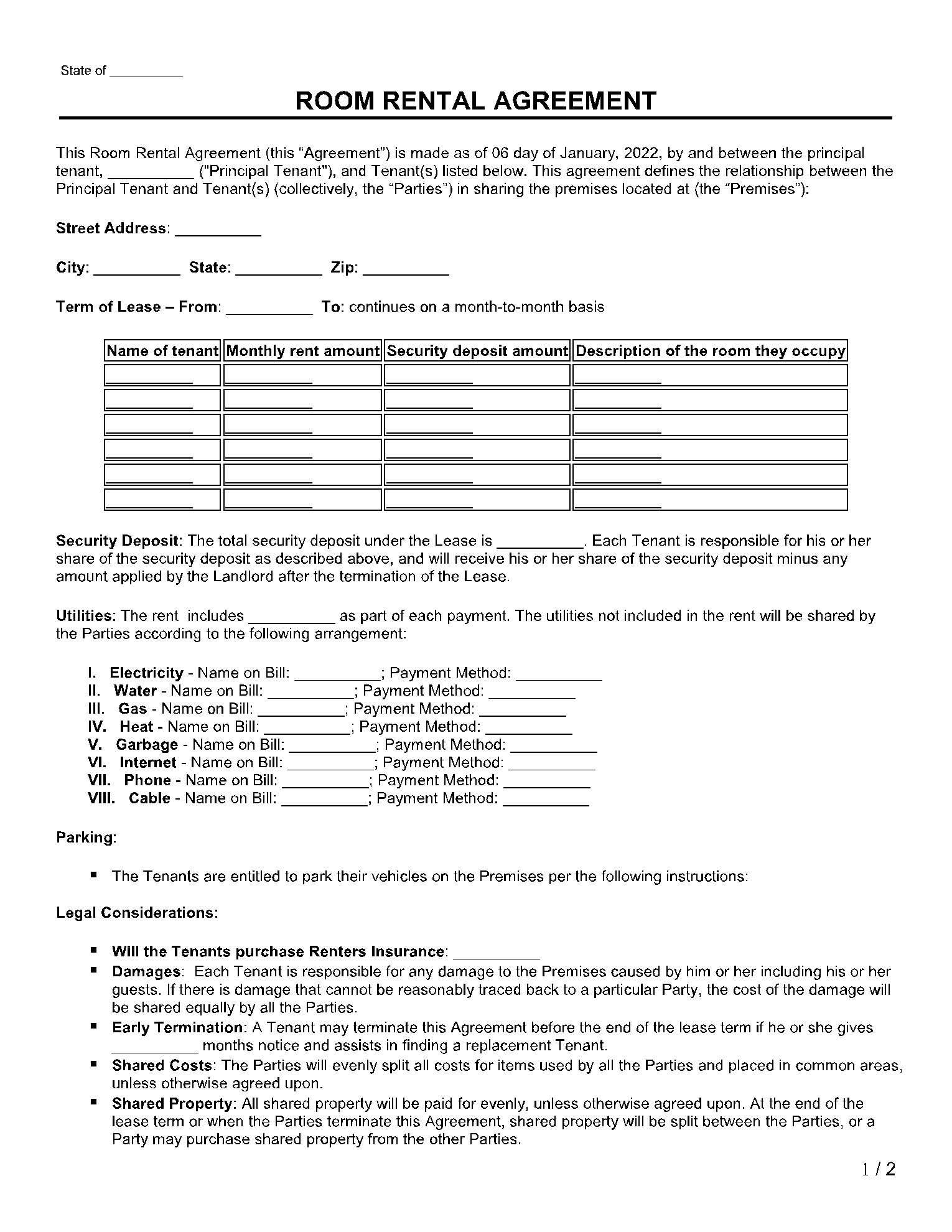
The biggest structural shift from a 1BR to a shared 2BR is joint and several liability. Once two people sign the same lease, each is individually on the hook for the entire rent and every lease obligation, per Justia’s landlord-tenant guide and the Tenant Resource Center. A private roommate agreement about who pays what doesn’t bind the landlord; it only gives roommates grounds to sue each other afterward.
| Joint lease | Separate leases | |
|---|---|---|
| If one person stops paying | Full amount owed by any remaining signer | Each tenant owes only their own portion |
| Adding a new roommate | Usually needs landlord approval and a lease amendment | New tenant signs their own agreement |
| Security deposit handling | Often one lump sum held until all original signers vacate | Can be tracked and returned per tenant |
| How common it is | The default most landlords prefer | Less common, seen more near student housing |
Replacing a departing roommate generally needs the landlord’s written sign-off; skipping that step is itself a lease violation that can put the remaining tenants at risk, per Justia.
What happens to my rent if my roommate moves out early?
Under a standard joint lease, you stay responsible for the full rent, until the lease ends or the landlord approves a replacement tenant.
What to actually compare across listings
Once the cost and liability math checks out, the remaining comparison is ordinary. Unit layout, building age, lease flexibility, and maintenance responsiveness matter, and shared-wall placement between bedrooms affects noise more than square footage does. Read the lease’s specific clauses on guest limits and wall modifications before signing.
When a 2-bedroom is the wrong call
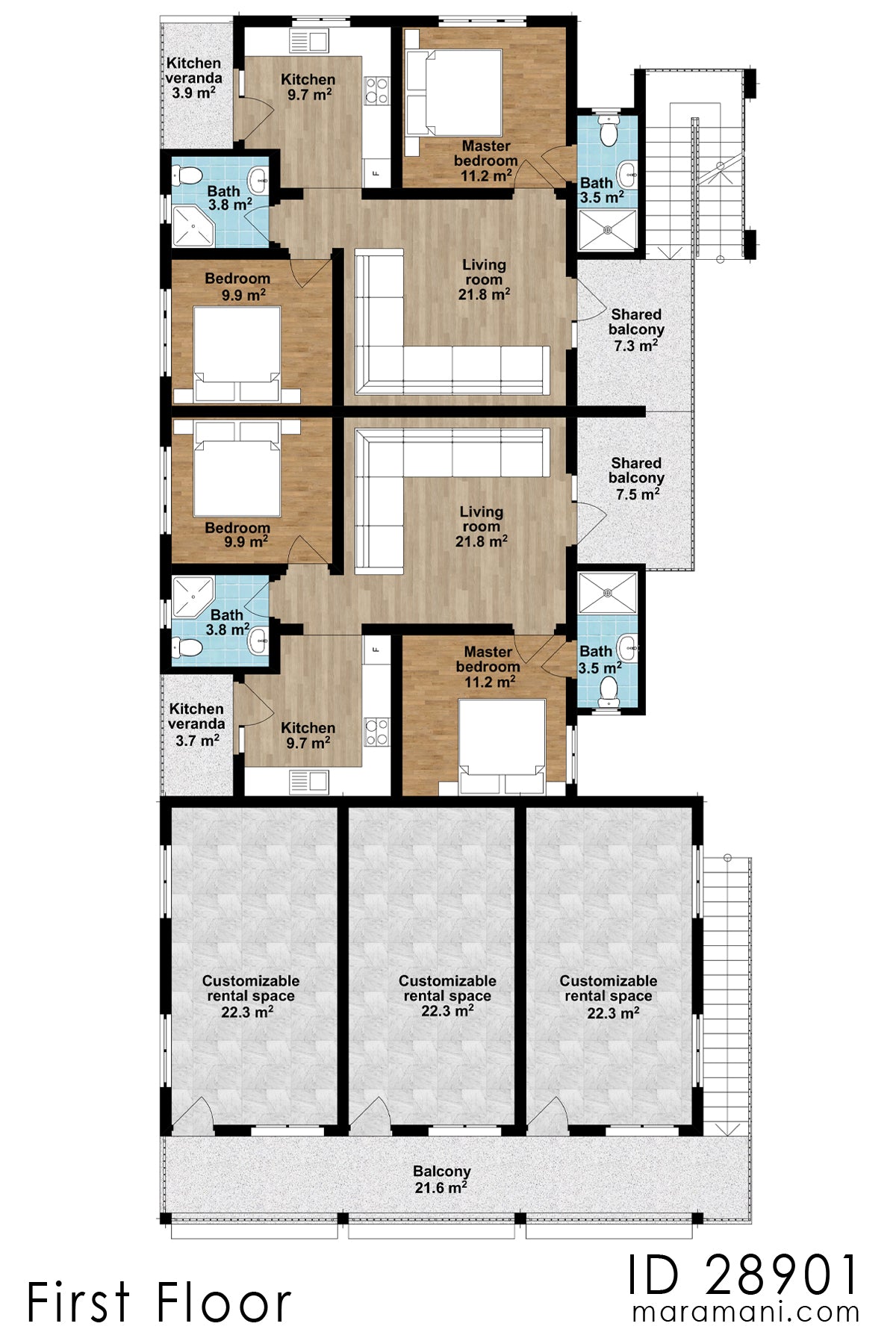
- Short-term or uncertain roommate situations. A 12-month joint lease with someone you might not live with in six months creates liability exposure with no easy exit.
- A home office is your only reason for the second bedroom. A nook or shared-space setup often does the job at 1BR pricing.
- Local 3BR-per-person pricing beats 2BR-per-person pricing. In markets with tight 2BR supply, a 3BR split three ways can land cheaper per head.
- You can’t verify your co-signer’s ability to pay. Given joint and several liability, an unreliable roommate is a financial risk, over a lifestyle inconvenience.
Before you sign

- Confirm your state’s deposit cap. Deposits commonly run 1 to 2 months’ rent; California caps most landlords at one month’s rent under AB 12, and New York caps deposits at one month’s rent statewide, per Baselane and LA County Consumer & Business Affairs.
- Get the liability structure in writing. Ask directly whether the lease is joint or separate before signing anything.
- Confirm the mid-lease roommate process. Most leases require landlord approval to add or replace a co-tenant.
The most common mistake isn’t skipping the walkthrough. It’s assuming a 2BR split two ways is automatically half the cost of a 1BR, when the table above shows it’s usually closer to 55 to 60% of the 1BR-alone price.
Comments