
Decide what you’re financing before you decide what you’re buying
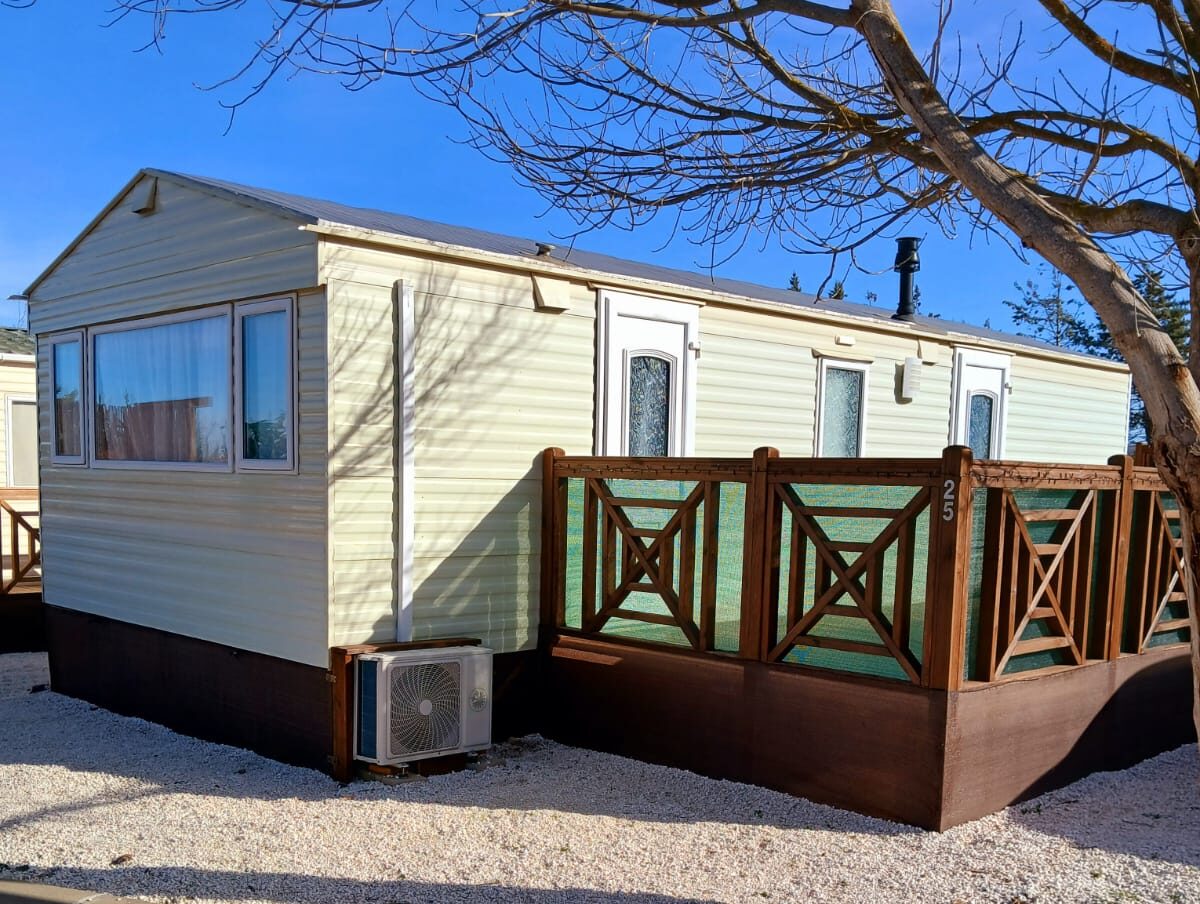
Whether the home sits on land the buyer owns, land the buyer leases, or land the buyer plans to buy separately determines which loan products are even available, and that fork should be settled before shopping listings.
| Purchase type | Financing options | Down payment / rate signal | Closing complexity |
|---|---|---|---|
| Home + land already owned | FHA Title II mortgage, conventional, VA, USDA (real property) | 3 to 20% down; roughly 6.5 to 7.5%, 30-year term | Moderate: appraisal, foundation certification, conversion from personal to real property |
| Home only, on leased lot or in a community | FHA Title I chattel loan, private chattel lenders | 5 to 20% down; roughly 7 to 10%, 15 to 20-year term | Faster: no foundation certification or title conversion, but a lower loan ceiling |
| Home relocating onto land already owned | Title I combination loan ($148,909 single / $237,096 multi) or chattel-then-refinance | Varies by lender | Highest: financing plus a separate moving and installation budget |
Sources: HUD Title I Manufactured Home Loan Program limits, compiled at Rocket Mortgage’s manufactured-home financing guide; land-ownership models per the HUD Exchange Housing Counseling Quick Tips; chattel-versus-mortgage terms per eLEND.
The home-only row is where most used-home shoppers land, and it carries the lowest loan ceiling relative to the multi-section prices in the next section, worth checking against a specific listing’s price before falling for it.
Can I get a normal mortgage on a used mobile home?Only if the home is, or will be, classified as real property: permanently affixed to a foundation on land the borrower owns, built after June 15, 1976, and titled accordingly. A home on leased land or still titled as personal property is a chattel-loan candidate, not a mortgage candidate.
What the price band should tell you
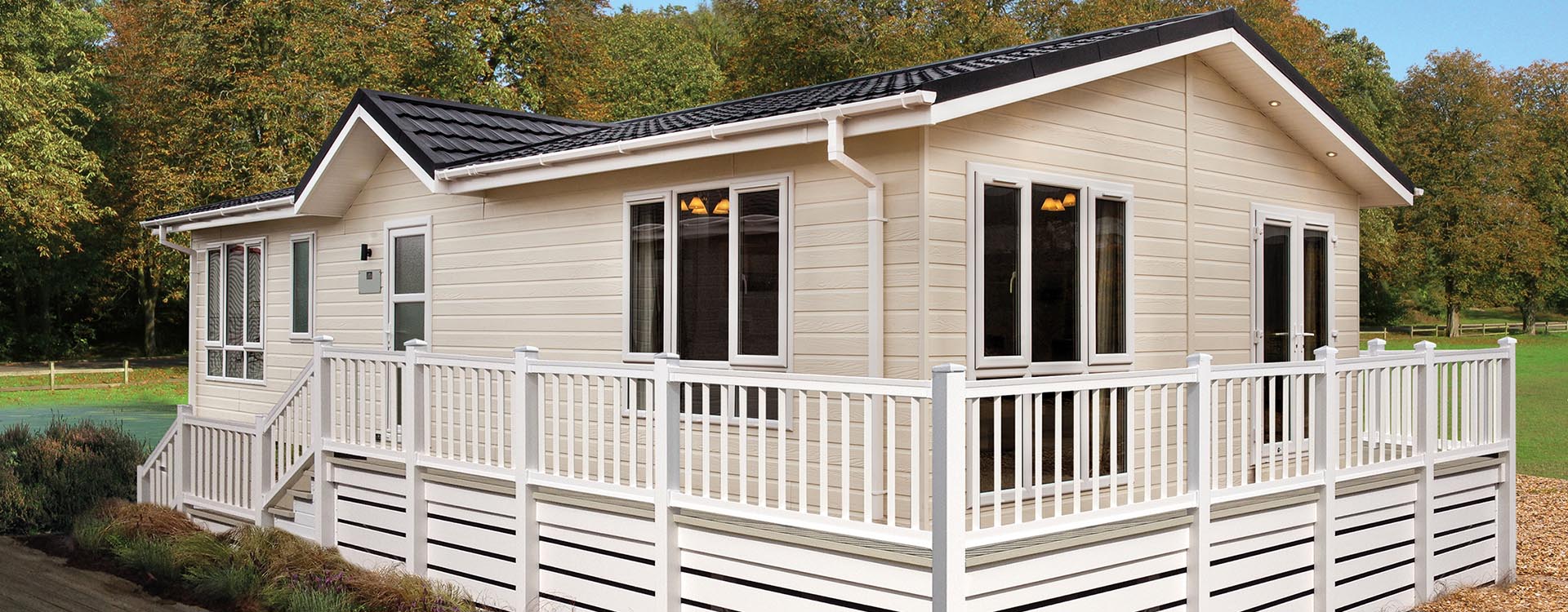
MHI’s 2025 figures put an existing manufactured home at $73,326 on average, against $115,557 for new. Roughly 37% separates the two, not the 30 to 60% figure that circulates across manufactured-home sites, and not the $20,000 single-wide / $40,000 double-wide figures some dealer blogs cite without a named source.
State and regional prices vary. The Texas Manufactured Housing Association’s regression model puts South Census Region multi-section homes at $160,700 as of December 2025, above the national new-home average, which shows how much regional variation a national figure can hide.
Inspecting it before you make an offer
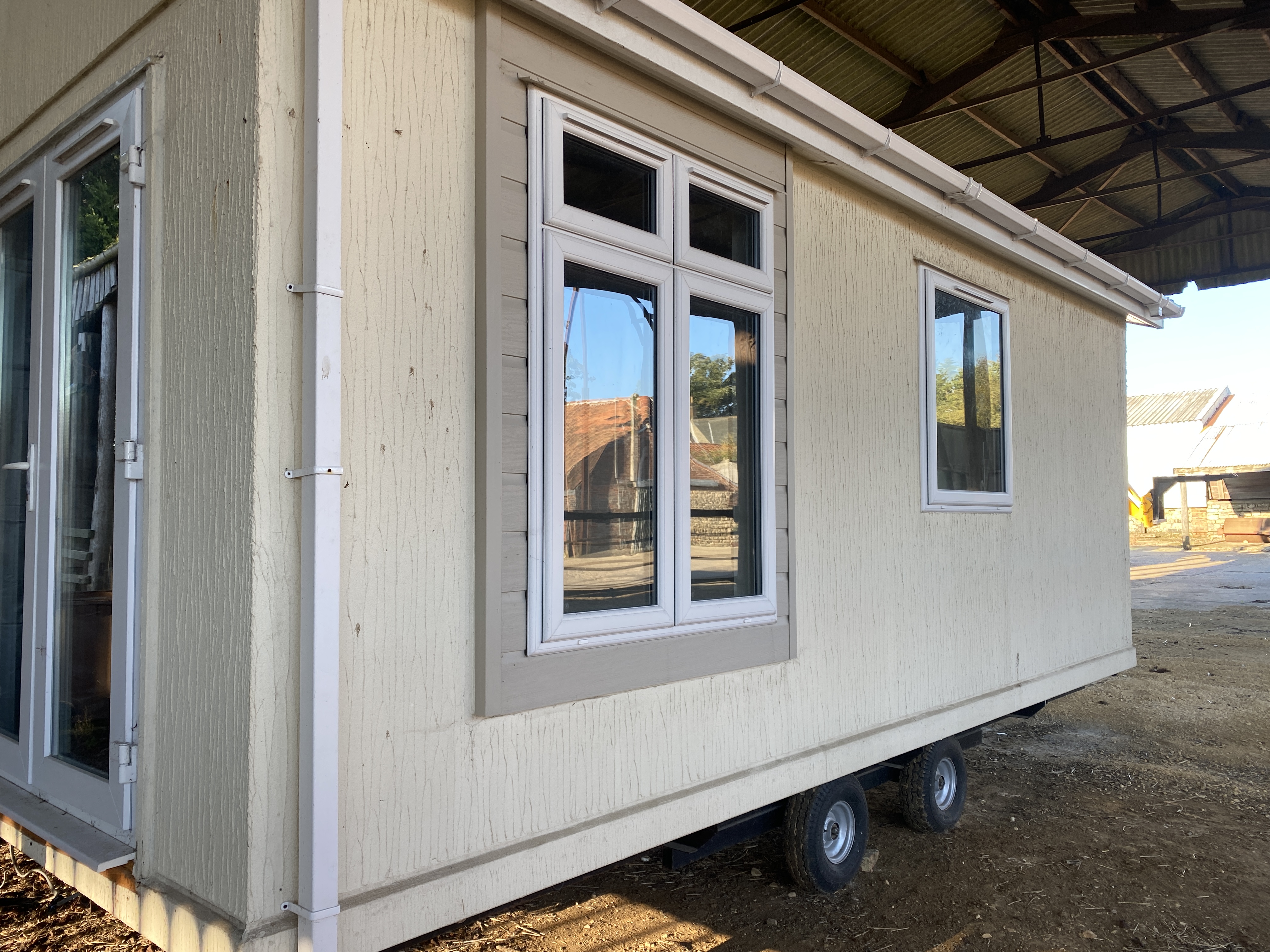
A professional inspection runs $300 to $500 on average, according to Angi, and a buyer can rule out several of the worst defects before paying for one.
| System | DIY check | Professional-only check | Typical professional cost |
|---|---|---|---|
| Electrical | Plug-in outlet tester, $5 to $20, tests every outlet for open ground, reversed polarity, and open neutral, per Family Handyman | Panel and whole-circuit evaluation, aluminum-wiring remediation | Included in $300 to $500 base inspection |
| Structural | Visual check of piers, skirting, visible leveling | Frame and chassis assessment, engineer’s foundation certification | $295 to $395 stand-alone if a lender requires it |
| Plumbing / septic | Run every fixture, check under-sink connections for leaks | Sewer-scope camera inspection of the line | Add-on, priced separately by inspector |
| Roof / vapor barrier | Visual check for missing shingles, sagging, visible ground moisture under skirting | Attic and underbelly vapor-barrier assessment | Included in base inspection |
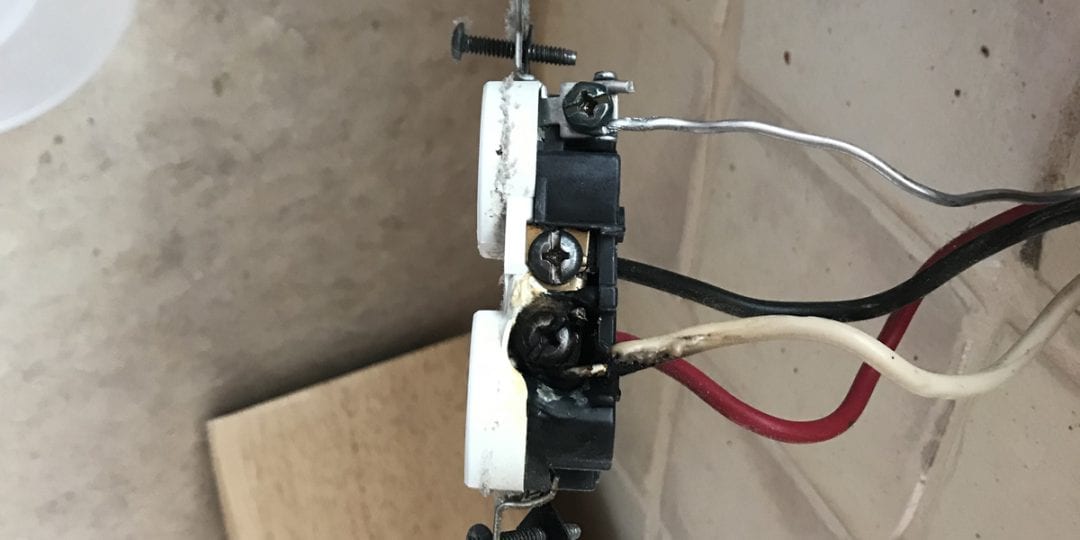
Homes built or wired between 1965 and 1973 carry a documented risk: the Consumer Product Safety Commission’s national survey found pre-1972 aluminum-wired homes are 55 times more likely to reach “Fire Hazard Conditions” at an outlet connection than copper-wired homes, per CPSC Publication 516. A $10 outlet tester won’t diagnose the wiring type itself, but it will flag a bad connection fast enough to justify calling an electrician before closing.
No published dataset ties a specific average repair cost to defects a manufactured-home inspection catches, so that figure stays an open research item rather than an estimate here. What is verifiable: at $300 to $500, the inspection costs less than a single service call from a licensed electrician or plumber, roughly the floor for what a missed defect would cost to fix after close.
Does a used mobile home need a home inspection contingency like a house?It isn’t automatic the way it often is in a site-built home purchase contract. Buyers have to request the contingency explicitly, and many private-party mobile-home sales are written without one, which is exactly why scheduling the inspection before signing anything binding matters more here than in a standard house sale.
Paperwork before you sign
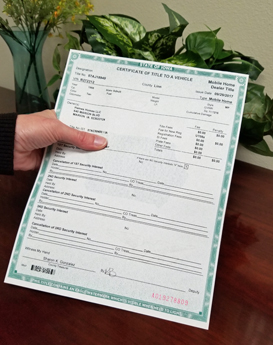
A single-wide home carries one certificate of title; a double-wide or triple-wide carries one per section in most states, since each transportable section is titled separately, per MHVillage’s buyer resources. That isn’t universal: West Virginia’s DMV switched to issuing a single title per manufactured home regardless of size or section count, effective February 14, 2006, converting any older multi-title paperwork into one title when it’s processed, according to the West Virginia DMV. Confirm the rule for the state where the home is currently titled, not just where it’s going.
Before signing, confirm:
- A clear title with no liens. Run the title through the state’s DMV or manufactured-housing records office; a photocopy can hide a lien that a current, certified copy would show.
- The section count matches the title count, for double- or triple-wide units, in states that still title by section.
- The HUD data plate is present and its build date matches the title’s stated year. All homes built after June 15, 1976 must carry a certification label showing compliance with HUD’s Manufactured Home Construction and Safety Standards.
- Whether the home is titled as personal property or has been converted to real property. Real-property conversion is required for a Title II mortgage and is a separate paperwork step from the sale itself.
What does it mean if a listing has no HUD tag?Either the home predates the June 15, 1976 standard, or the tag has fallen off or been painted over. A missing tag on a post-1976 home isn’t disqualifying by itself, but it does mean requesting a HUD label verification letter from the state’s manufactured-housing program before relying on the listed build year for financing or relocation eligibility.
Who you’re buying from changes your risk
| Seller type | Typical price position | Title / history clarity | Buyer recourse if problems appear |
|---|---|---|---|
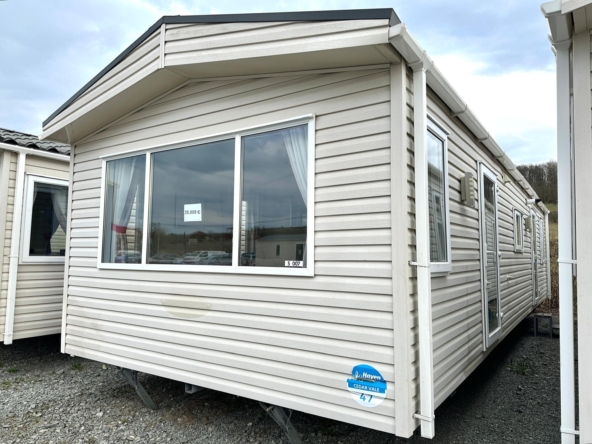
| Private seller | Often below dealer pricing | Full disclosure history possible, but title paperwork quality varies widely | Weakest: recourse depends on the sale contract’s own terms |
| Dealer / retailer | Mid-range, may include a dealer inspection report | Usually clean, dealer-verified title | Moderate: dealer reputation and any written guarantee |
| Bank-repossessed / lender-owned | Often priced below comparable listings | Clean title, lender clears liens before resale, but no prior-owner disclosure history | Sold as-is; financed through specialty lenders such as Vanderbilt Mortgage, 21st Mortgage, and Triad, per Manufactured Housing Consultants |
Dealer disclosure reports reduce inspection risk without eliminating the need for an independent one, since the report is prepared by the party selling the home.
Is a bank-repossessed manufactured home safer to buy than one from a private seller?Safer on the title, not necessarily on the home’s condition. Lenders clear liens before reselling repossessed units but don’t disclose prior-owner history or maintenance records the way a private seller might. A written inspection matters more on a repo listing, not less.
Where standard advice breaks down
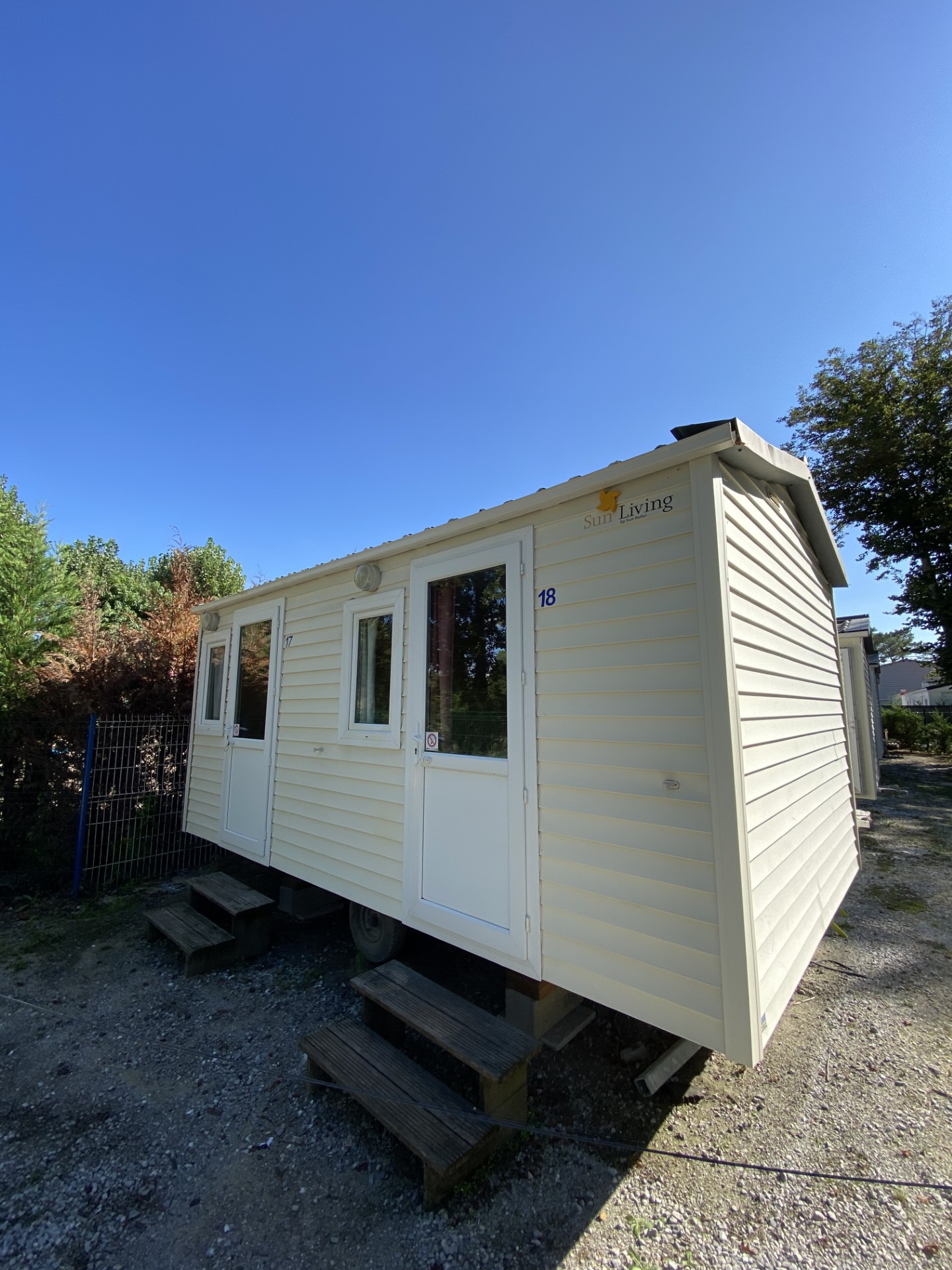
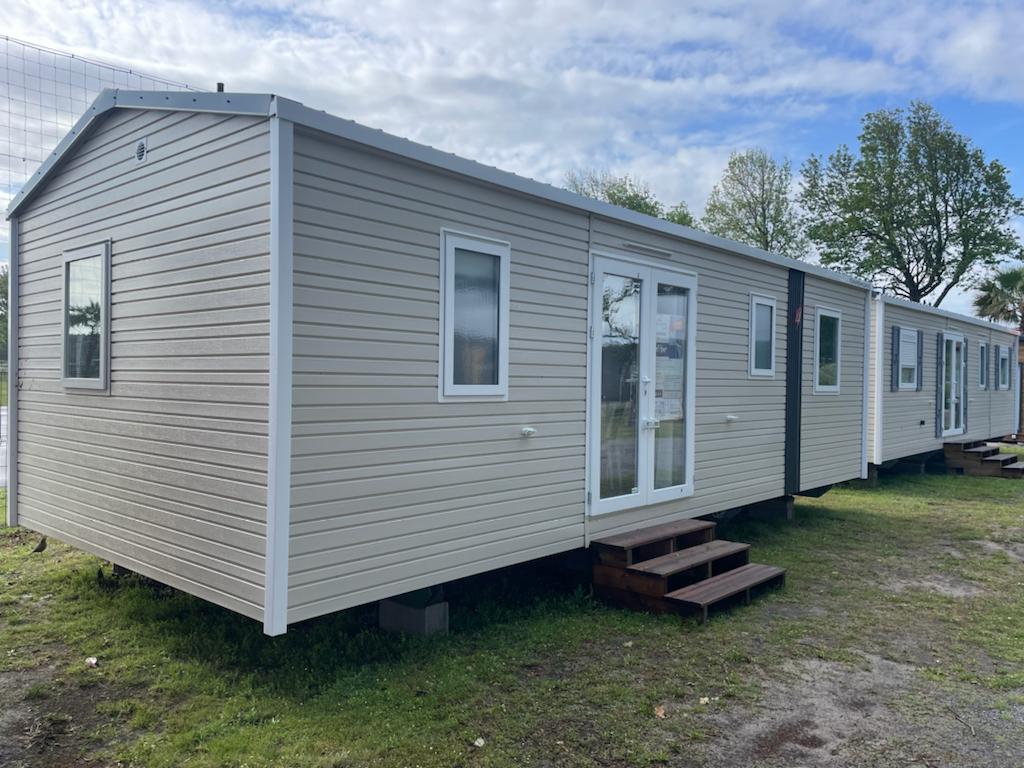
A mobile home built before June 15, 1976 generally cannot be legally relocated under the HUD-linked state rules most jurisdictions now enforce, per HomeAdvisor. A passed inspection and a clean title don’t override local zoning either: some jurisdictions restrict placement of older units or require age-based approval independent of the home’s physical condition, so confirming zoning eligibility at the destination address is a separate step from confirming the home itself.
Common mistakes that cost buyers money
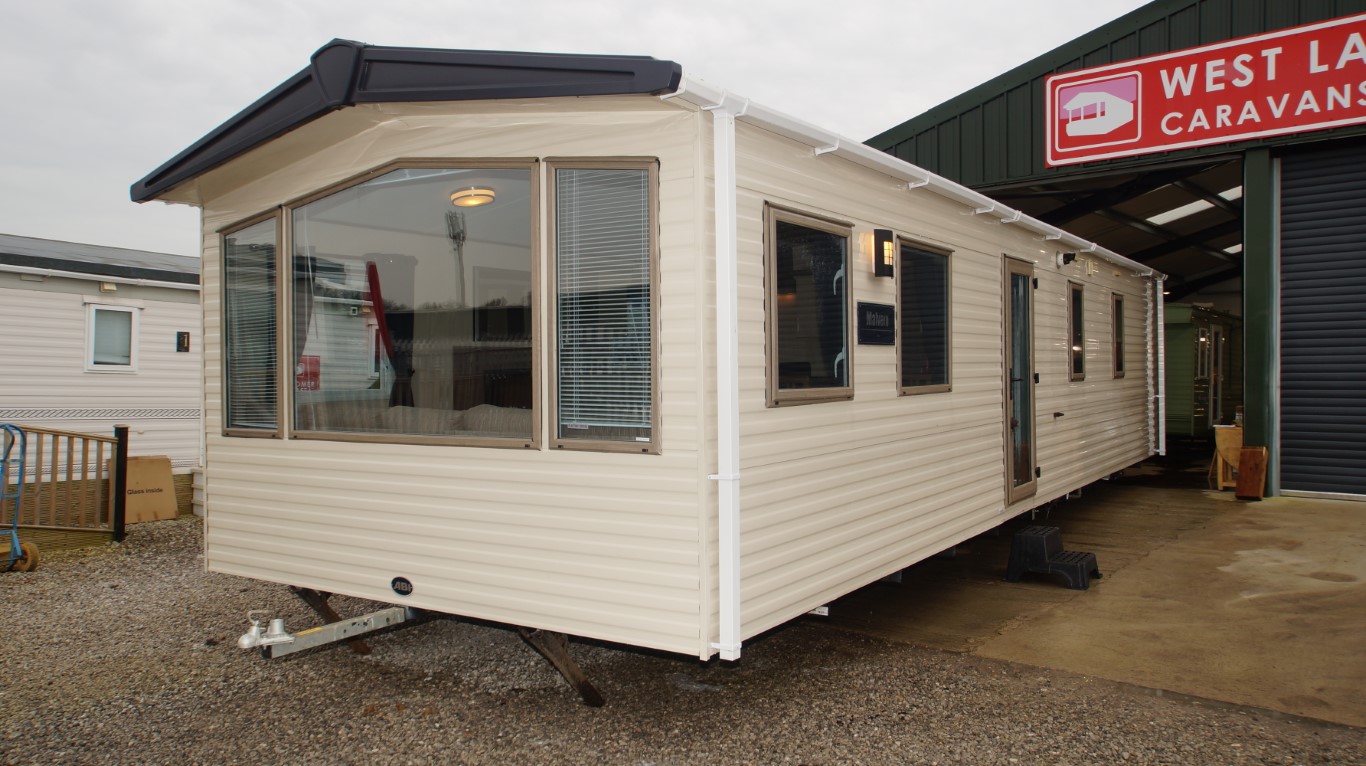
- Trusting a cosmetic pre-sale repair. A freshly patched water stain or a newly painted skirting panel can mask a problem that a professional inspection, not a walk-through, would catch.
- Skipping the lien check because the seller “has the title in hand.” A physical title in hand doesn’t confirm the state’s records show it clear.
- Shopping listings before confirming financing eligibility. A home priced above the applicable Title I ceiling, on land that will be leased rather than owned, closes the real-property mortgage option before the buyer ever makes an offer.
- Treating a dealer’s inspection report as independent. It’s prepared by the party selling the home.
Comments