
What a Two-Bedroom Costs Right Now
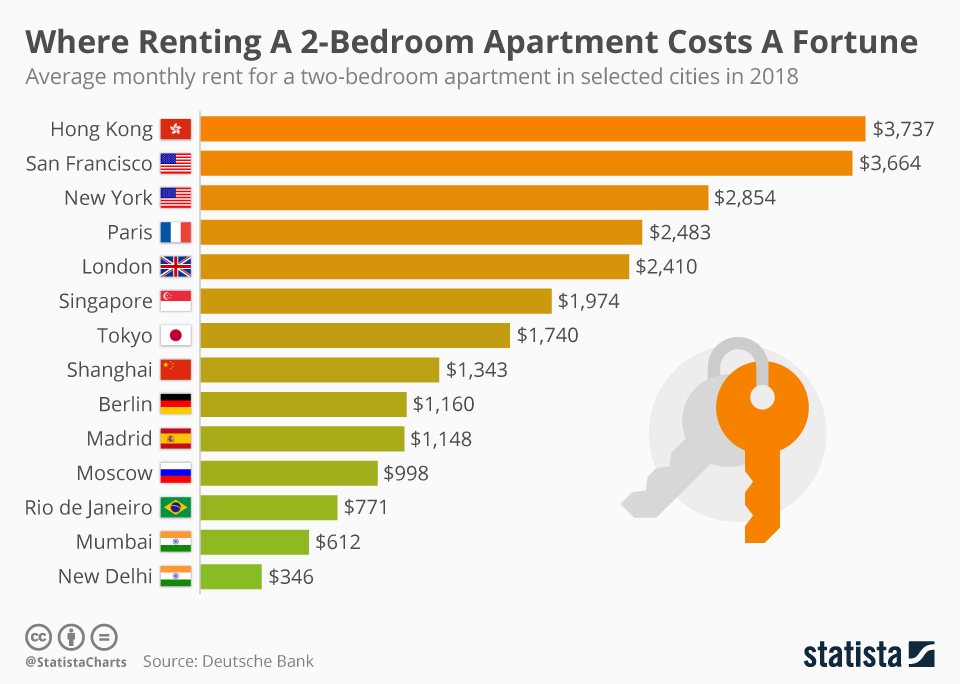
National two-bedroom rent sits at $1,909 a month as of June 2026, per Apartments.com, up 0.4% from June 2025 and about 16% above that same month’s one-bedroom average of $1,645. Zumper’s June 2026 median rents, gathered from a separate listing base, put the gap at $1,905 versus $1,526, closer to 25%.
| Market tier | Example metro | Avg. 2BR rent | Source |
|---|---|---|---|
| Affordable metro | Wichita, KS / Fort Wayne, IN | ≈$1,080/mo | US Rent Prices |
| National average | United States | $1,909/mo | Apartments.com |
| Large coastal metro | San Francisco, CA | $5,700/mo | Zumper |
The gap between the cheapest and priciest tier here runs past five times the national figure, so a two-bedroom budget only means something once a metro is attached to it.
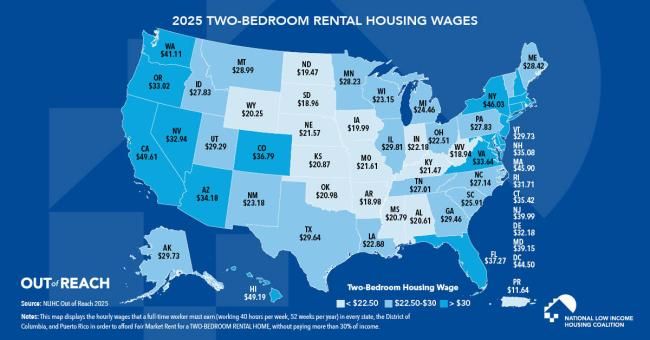
In Grafton County, New Hampshire, the federal fiscal year 2026 Fair Market Rent for a two-bedroom unit is $1,909, matching the June 2026 national average by coincidence, according to HUD’s methodology as summarized by Novogradac. Fair Market Rent is a 40th-percentile benchmark for housing vouchers, not a typical asking rent, so it usually sits below open-market listings in the same area.
How much more should I expect to pay for a two-bedroom than a one-bedroom in the same building?
Based on June 2026 national data, expect $150 to $265 more a month, a 16% to 25% increase depending on which tracker’s figure applies. For a specific building, ask the leasing office for both floor plans’ current asking rents instead of applying a national percentage.
Splitting a Two-Bedroom vs. Renting a One-Bedroom Alone
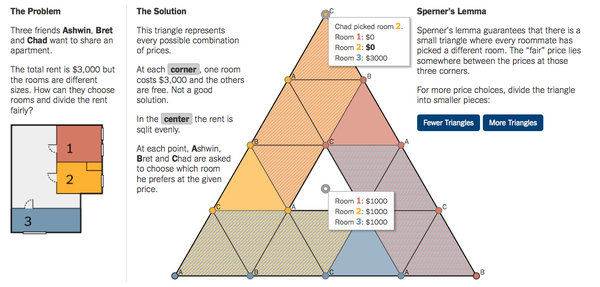
Splitting the national two-bedroom average two ways costs $954.50 per person; renting the national one-bedroom average alone costs $1,645. That is $690.50 per person before utilities.
Utilities widen the gap further. Apartment List’s bedroom-specific utility data puts electricity, gas, and water for a two-bedroom at $141.78, $35.94, and $32.38 (about $210.10 combined, $105.05 split two ways); the same three utilities for a one-bedroom average $102.62, $20.42, and $20.40 (about $143.44 for one person alone).
| Scenario | Monthly rent | Utilities (elec+gas+water) | Total per person |
|---|---|---|---|
| One-bedroom, living alone | $1,645 | $143.44 | $1,788.44 |
| Two-bedroom, split two ways | $954.50 | $105.05 | $1,059.55 |
| Difference | $728.89 saved per person |
Splitting saves roughly $729 per person each month once rent and utilities are combined, before a higher security deposit or a second set of furniture, both covered further down.
Is a two-bedroom split two ways cheaper per person than renting a one-bedroom alone?
Yes, by about $729 a month per person nationally once rent and the three core utilities are counted together. The savings narrow in markets where the two-bedroom premium runs closer to 25% than to 16%.
What Counts as a Good-Sized Two-Bedroom
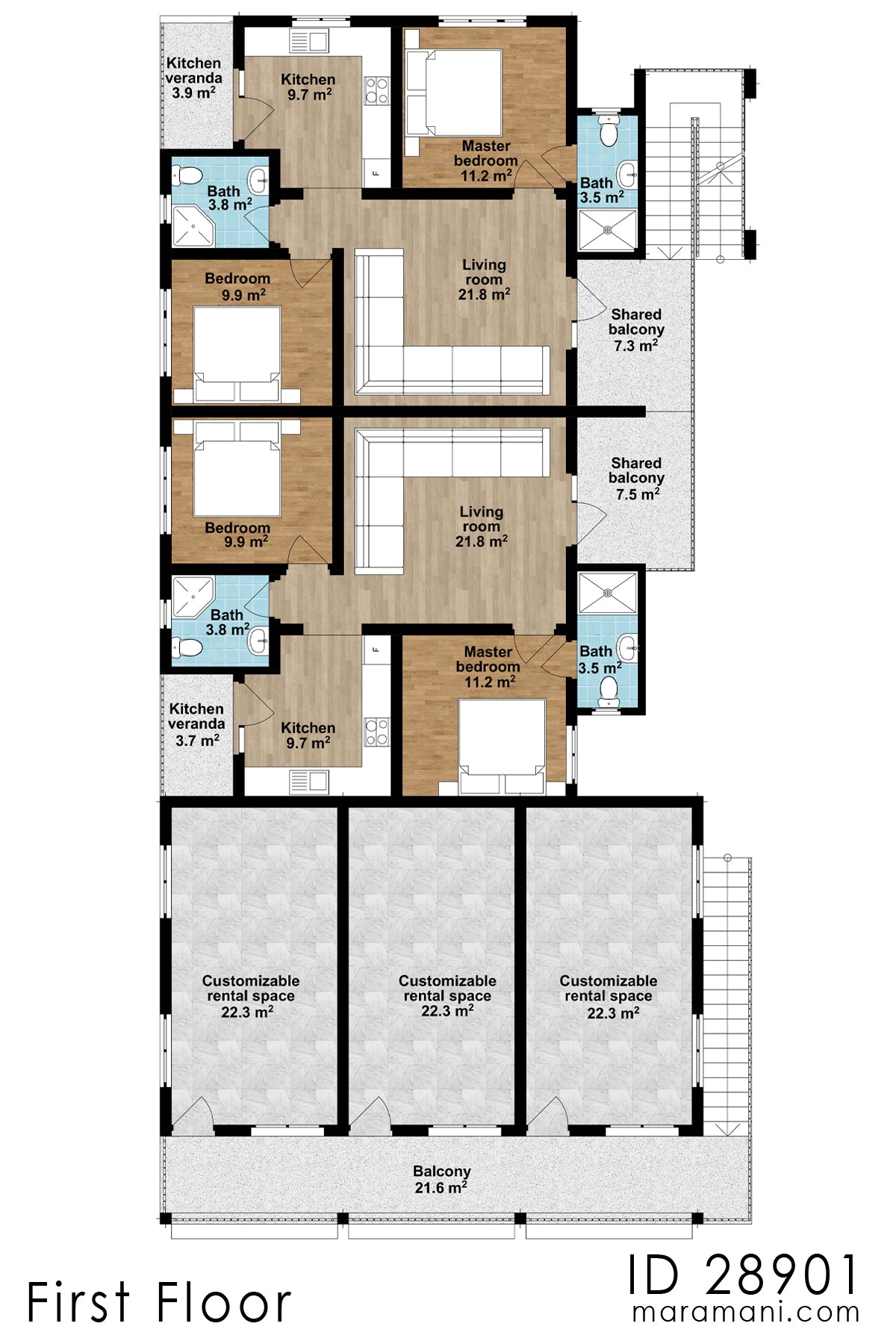
The national average two-bedroom measures 1,006 square feet; the average one-bedroom measures 714, per RentCafe.
| One-bedroom | Two-bedroom | |
|---|---|---|
| Avg. national rent (Apartments.com, June 2026) | $1,645 | $1,909 |
| Avg. national size (RentCafe) | 714 sq ft | 1,006 sq ft |
| Smallest reported city average | Tucson, AZ: 906 sq ft (2BR-specific) | |
| Largest reported city average | Tallahassee, FL: 1,038 sq ft (all unit types, not filtered to 2BR) | |
Tallahassee’s figure spans every unit type RentCafe tracked there, not two-bedrooms alone. RentCafe does not publish a 2BR-only number for that city, so this comparison is directional rather than exact.
What counts as a small second bedroom?
Under the International Residential Code, a bedroom needs at least 70 square feet of floor area with no side under 7 feet, plus an exterior door or an egress window, per LegalClarity’s summary of the code. A room under that threshold, or one reachable only through another room, does not legally qualify as a bedroom no matter how a listing labels it.
What a Listing Doesn’t Tell You
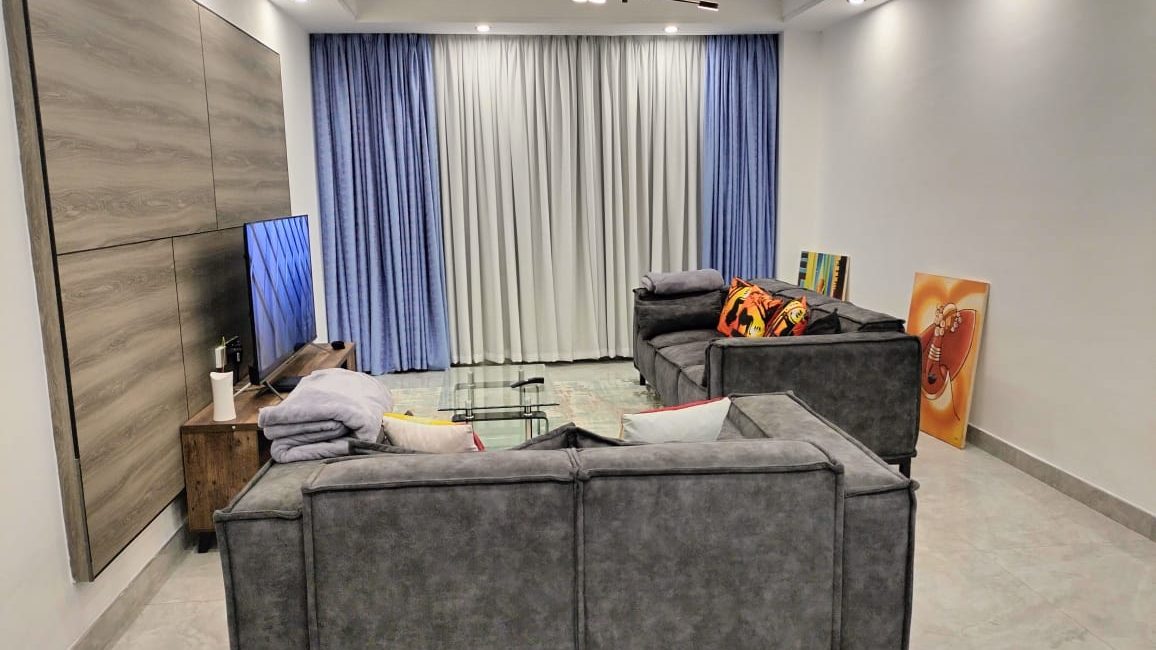
The Den-as-Bedroom Mistake
Some units marketed as two-bedroom are legally a one-bedroom plus a den: a room missing the window or the egress a bedroom needs under code, per Apartment List’s explainer on the distinction. The fix is mechanical: ask whether the second room has an exterior-facing window that opens and its own door, rather than an open archway off the living room.
Two-Bedroom-Specific Hidden Costs
A security deposit typically runs one to two months’ rent, per Nolo’s state-by-state chart, though California and Colorado capped most landlords at one month starting in mid-2024. A two-bedroom’s higher rent raises that deposit in dollar terms even where the multiple stays flat. Renters insurance averaged about $171 a year according to the Insurance Information Institute, cited in SoFi’s 2026 summary, while ValuePenguin’s separate 2026 estimate puts the current average closer to $23 a month; a shared unit typically needs two policies, or one naming both tenants. Furnishing a second bedroom adds a bed frame, a dresser, and often a desk.
Before You Sign
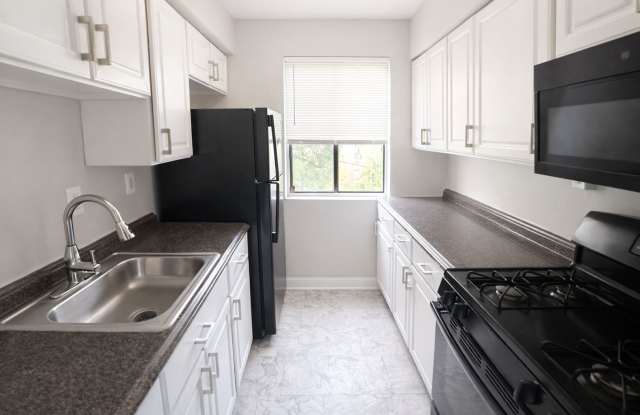
Most shared leases carry joint and several liability: each named tenant can be held responsible for the entire rent, not an even split, if a roommate stops paying, per the Tenant Resource Center. A private roommate agreement can help tenants sort out reimbursement afterward, but it does not change what the landlord can enforce against whoever remains on the lease.
Am I responsible for my roommate’s share of rent if they leave?
Generally yes, if both names are on the same lease. The landlord can collect the full rent from either remaining tenant and let the roommates settle reimbursement between themselves.
Once the cost, size, and liability figures above are attached to a specific building, the next step is checking current listings for that city rather than another national average.
Comments