
The Street’s Full Route, Segment by Segment
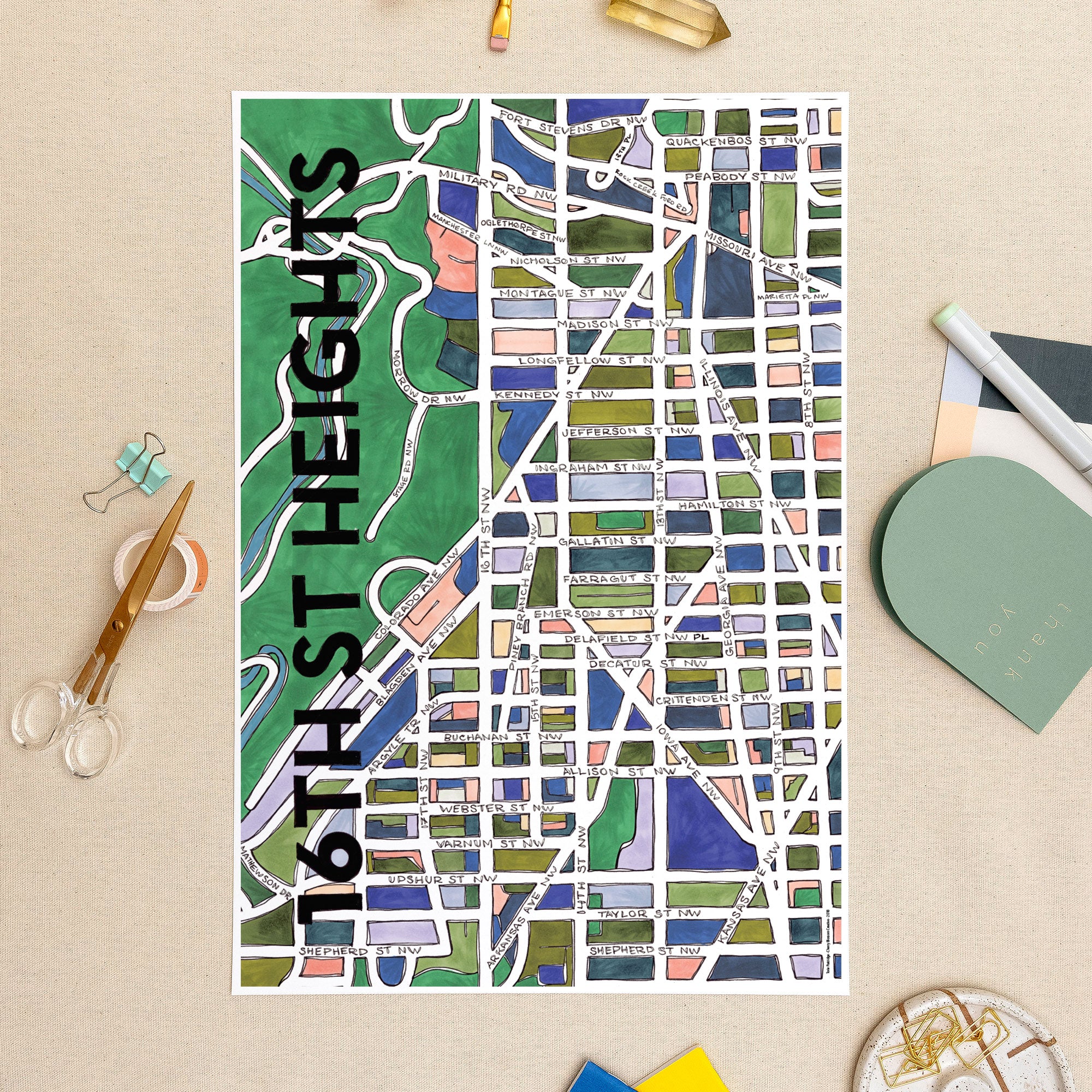
Six markets sit along this one street, and each behaves differently enough that a buyer comparing them needs the geography and the price data on the same page.
| Segment | Cross streets | Dominant housing | Price band | Nearest Metro |
|---|---|---|---|---|
| The Federal Approach | H St to Scott Circle | Offices, hotels, embassies; about a dozen single-family houses remain | Data gap: too little residential inventory for a segment median | Farragut North / McPherson Sq, close by |
| Historic Core | Scott Circle to Florida Ave | Rowhouse-to-condo conversions, apartment buildings | ~$1.0M median (all types); condos ~$825,000 | Dupont Circle or U St |
| Columbia Heights / Meridian Hill | Florida Ave to Spring Rd | Rowhouses, prewar apartment buildings | $659,078 median | Columbia Heights (Green/Yellow) |
| 16th Street Heights | Spring Rd to Missouri Ave | Detached and semi-detached houses, some rowhouse pockets | $882,500 median | None within boundary; Georgia Ave-Petworth nearby |
| Crestwood | Missouri Ave to Nebraska Ave (west side) | Detached houses, low turnover | $901,000 last recorded month | None within boundary |
| Shepherd Park / North Portal Estates | Nebraska Ave to Maryland line | Midcentury ramblers, Tudor estates, newer condos on Georgia Ave | $1.1M+ median | None within boundary; Silver Spring or Takoma |
A buyer priced out of the historic core at $1.0 million is not priced out of 16th Street itself: Columbia Heights sits roughly $340,000 lower on the very same corridor, four segments north.
The Federal Approach
This stretch is the least residential part of the street by design: the National Register nomination for the district counts only about a dozen surviving single-family houses south of Scott Circle, most built between 1883 and 1920, surrounded by office buildings and hotels. Anyone shopping this segment is shopping a handful of historic houses, not a conventional inventory.
Historic Core
Rowhouses here sell close to $1.0 million and condos closer to $825,000, both down modestly year over year as of the most recent reported months.
Columbia Heights / Meridian Hill
This is the corridor’s value segment: a $659,078 median puts it roughly $340,000 below the historic core and over $200,000 below 16th Street Heights, on a street where prices generally climb heading north.
16th Street Heights
Detached houses here run $750,000 to $2.25 million, rowhouses $600,000 to $1.5 million, condos $200,000 to $700,000, depending on condition and size. Much of the neighborhood’s housing stock got its front-porch look from Harry Wardman’s building operation, which put up a few thousand row houses across several Northwest neighborhoods in the early 1900s; no published source gives a specific count of Wardman buildings within 16th Street Heights itself, so treat any precise figure for this neighborhood alone as unverified.
Crestwood
Crestwood’s most recent reported month showed a median sale of $901,000, down 49.5% from the same month a year earlier. With sales volume this small in a single enclave, one or two high-end or distressed transactions can swing that percentage far more than the underlying market moved. Treat the year-over-year figure with caution.
Shepherd Park / North Portal Estates
Medians here have run $1.1 million to $1.11 million across the two most recent reported months, making this the corridor’s highest-priced residential segment outside the thin Federal Approach inventory.
Is all of 16th Street NW within the historic district?No. The Sixteenth Street Historic District runs from the north side of Scott Circle to the south side of Florida Avenue only. Everything north of Florida Avenue, including Columbia Heights, 16th Street Heights, Crestwood, and Shepherd Park, sits outside the federally designated district and follows ordinary DC zoning instead.
What Each Segment Costs and What You Get
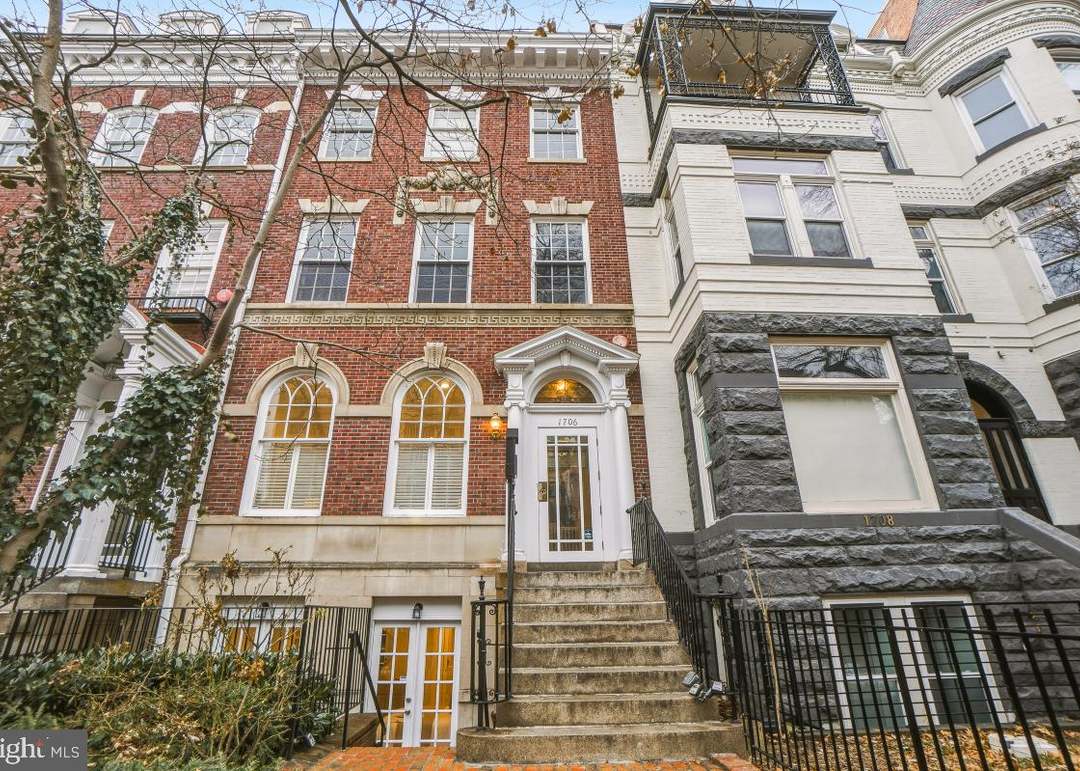
The price bands above are not just size differences. In 16th Street Heights, the $600,000-to-$2.25-million spread mostly tracks house type: detached houses top the range because the neighborhood’s zoning still requires them on many blocks, a constraint the next section explains. In Columbia Heights, the same dollar range buys a rowhouse instead of a detached house, since detached lots are rare that far south. A buyer comparing “$750,000 in 16th Street Heights” to “$750,000 in Columbia Heights” is comparing a fixer-upper detached house against a fully renovated rowhouse, not two versions of the same product.
The Historic District: What It Means for Owners
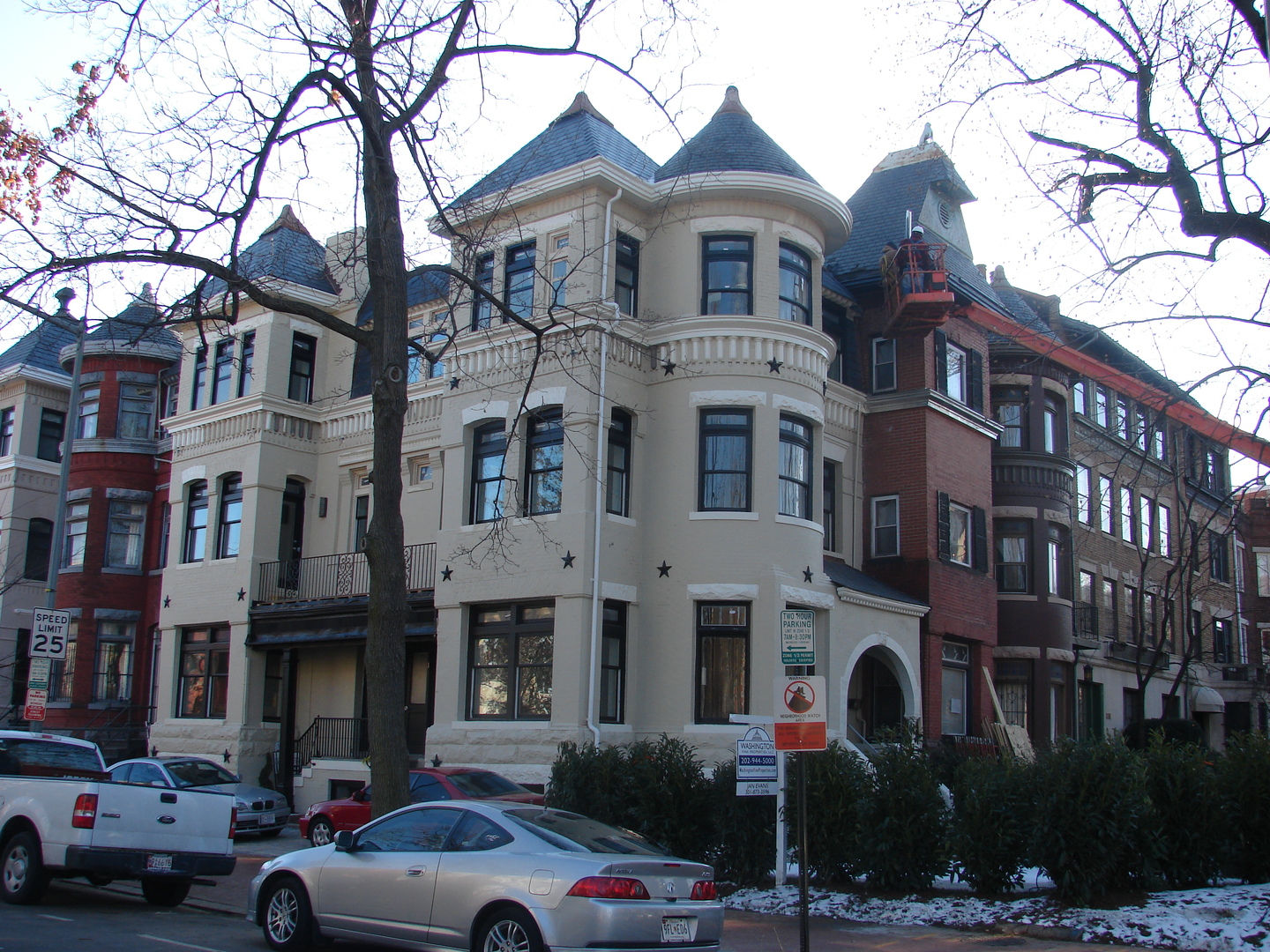
The Sixteenth Street Historic District was added to the DC Inventory of Historic Sites on DC Historic Sites records on March 9, 1977, and listed on the National Register of Historic Places on August 25, 1978; a 2007 boundary increase brought the total to 161 buildings and structures, roughly 147 of them contributing, dated between 1815 and 1959. One of the newest additions came in 2024, when the University Club at 1135 16th Street NW, a 1920 building designed for developer Harry Wardman, joined the National Register and the DC Inventory.
| Item | Detail |
|---|---|
| Listing date | DCIHS 1977, NRHP 1978; boundary expanded 2007 |
| Contributing properties | About 147 of 161 total buildings, dated 1815 to 1959 |
| What’s restricted | Exterior changes visible from the street, demolition, and new construction, reviewed by DC’s Historic Preservation Review Board |
| What’s not | Interior renovations, mechanical and systems work, and anything not visible from a public street |
For an owner, the practical effect of that last row is the one to budget for: a kitchen remodel needs no district review, while replacing street-facing windows or adding a rear addition visible from 16th Street does.
Zoning and Housing-Type Rules That Change Block to Block
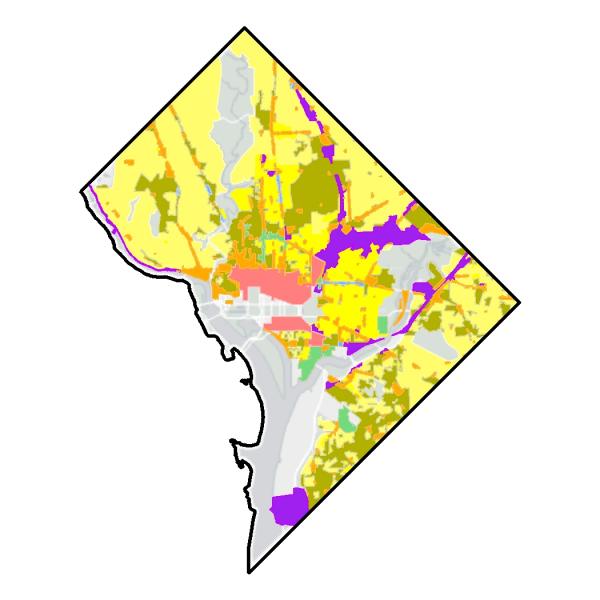
North of the historic district, the rule that shapes what gets built is not preservation law. It is a set of deed restrictions written into the original subdivision plats.
Saul’s Addition
Much of 16th Street Heights sits on land John Saul subdivided in the 1890s as Saul’s Addition. The original deeds required fully detached houses and barred commercial and multifamily buildings, and those restrictions remain largely in effect today through the neighborhood’s current zoning, which is why 16th Street Heights reads as detached-house territory even though it sits inside the District. A buyer planning to add a basement rental unit or convert a house into a duplex needs to check whether their specific block falls inside this footprint before assuming DC’s general accessory-dwelling rules apply.
Can I convert a house on 16th Street Heights into multiple units?On many blocks, no. Saul’s Addition deed restrictions carried into current zoning bar multifamily conversion outright on much of 16th Street Heights, unlike most DC rowhouse neighborhoods where basement or English-basement units are routine. Confirm the zoning designation for the specific lot before budgeting for a conversion.
Getting Around: Transit Reality by Segment
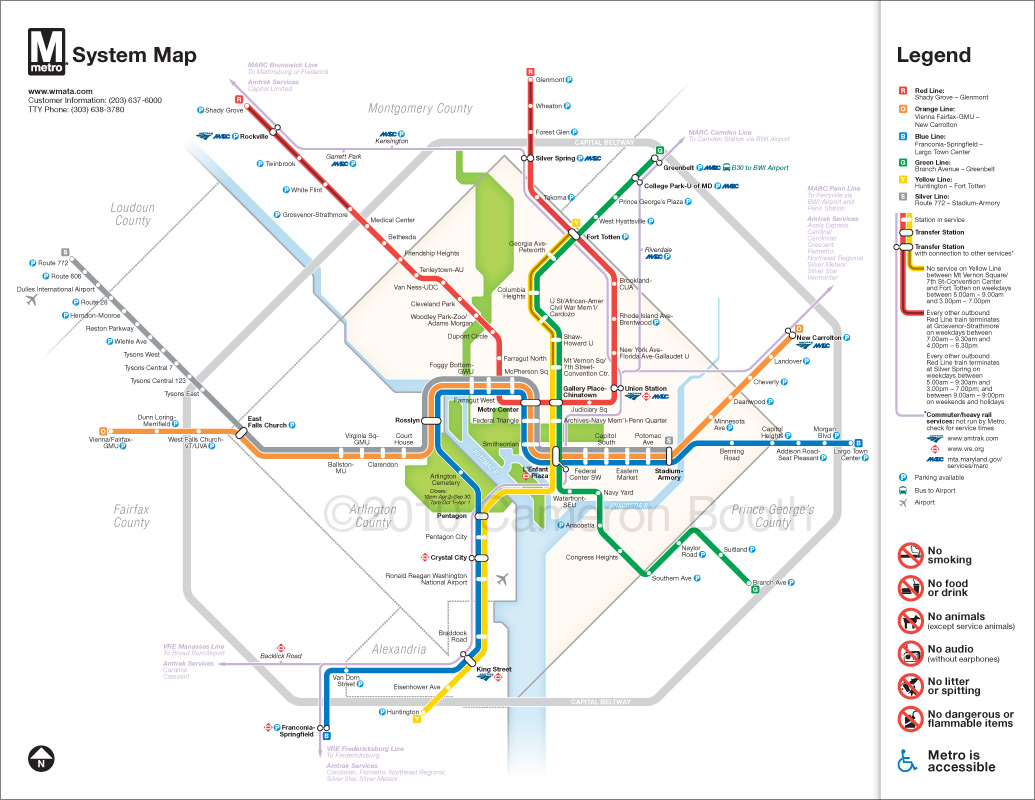
The southern third of the corridor sits close to Metro: the historic core is within easy walking distance of Dupont Circle or U Street, and Columbia Heights sits directly on its namesake Green and Yellow Line station. North of Spring Road, that changes. Neither 16th Street Heights, Crestwood, nor Shepherd Park has a Metro station inside its boundary; Metrobus lines run the length of 16th Street itself, and Georgia Avenue-Petworth, Silver Spring, and Takoma sit within roughly a mile of the corridor’s edge rather than on it. Exact walking distances by block are worth checking against WMATA’s own trip planner before an offer, since they vary more within each segment than the segment names suggest.
Do I need a Metro station to make a 16th Street address work?Only for the southern third. South of Spring Road, a station sits within about half a mile. North of it, there is no station in 16th Street Heights, Crestwood, or Shepherd Park; residents rely on Metrobus along 16th Street or a drive to Georgia Avenue-Petworth, Silver Spring, or Takoma.
Market Motion: Where Prices Are Moving Fastest
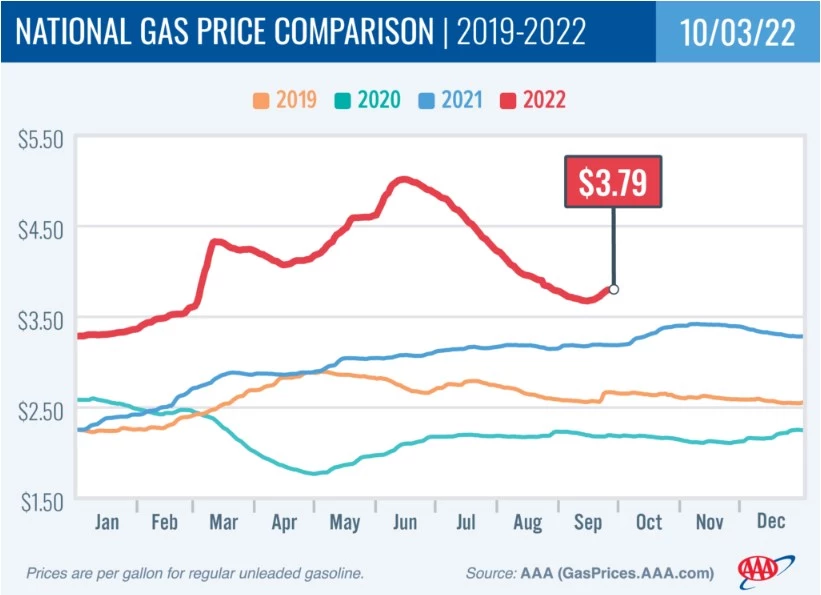
Citywide, DC’s median sale price sat between about $695,000 and $747,000 in the three months ending May 2026, depending on whether the figure covers the city proper or the wider county cut, with homes selling in 44 to 49 days. Individual segments of 16th Street move well outside that band in both directions.
| Segment | Median sale price | YoY change | Days on market |
|---|---|---|---|
| Washington, DC (citywide baseline) | $695K to $747K | Roughly flat to +6.2% | 44 to 49 |
| Historic Core (Logan Circle-Shaw) | ~$1.0M | -6.3% | Longer than citywide |
| Columbia Heights | $659,078 | -5.8% | 112 |
| 16th Street Heights | $882,500 | +4% | 66 |
| Crestwood | $901,000 | -49.5% (small sample) | 15 |
| Shepherd Park | $1.1M to $1.11M | -4.4% to -18.2% | 21 to 41 |
16th Street Heights is the one segment posting a positive year-over-year number in this set, and it also carries the shortest time on market among the six with meaningful volume, together suggesting it is currently the tightest submarket on the corridor rather than simply the cheapest.
Which segment of 16th Street is appreciating fastest right now?16th Street Heights, up 4% year over year with a 66-day average time on market. Every other segment with reliable sales volume, including the historic core, Columbia Heights, and Shepherd Park, posted a year-over-year decline in the most recent reported period.
A Short Note on the Street’s Symbolic Southern End
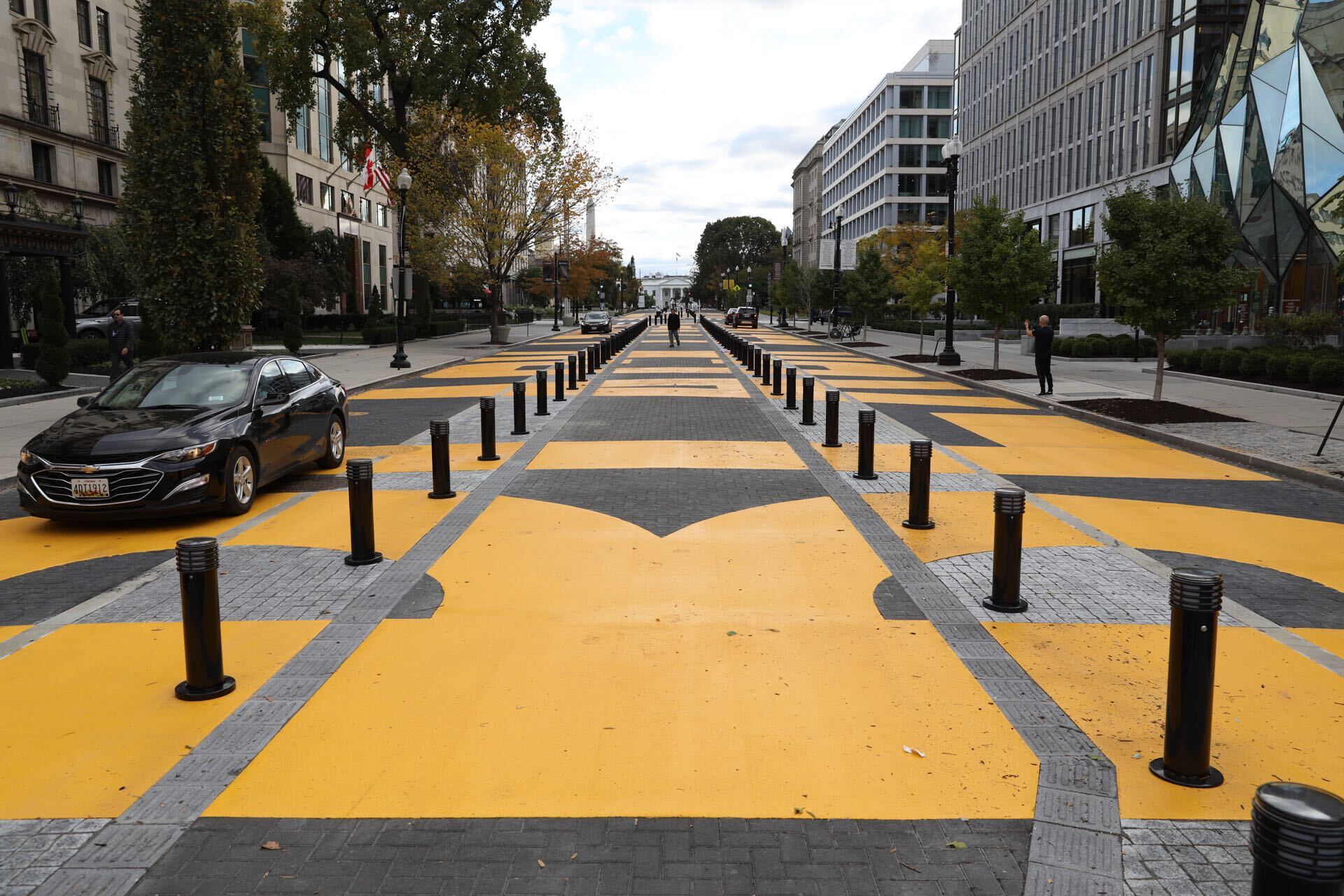
Black Lives Matter Plaza, the two-block stretch of 16th Street north of Lafayette Square, was painted in 2020 and rebuilt as a roughly $5 million pedestrian installation in 2021. Crews removed the mural in March 2025 after a congressional funding threat. For anyone evaluating the southern end of the corridor, the block’s value as a Washington address now rests on its proximity to the White House and Lafayette Square, not on the installation itself.
Comments