
Where Whitestone Sits, and Why the Streets Stay Low

Whitestone occupies the northern tip of Queens between the East River and 25th Avenue, with the subsection of Malba tucked against the water. The neighborhood looks the way it does today largely because of a 2005 rezoning: the Whitestone Rezoning converted more than 75% of the former R3-1 district into contextual R3A and R3X zones, which cap floor area at a 0.5 FAR and building height at 35 feet and permit only one- and two-family detached homes. That change is why builders can’t add density even where demand would support it, and why a teardown here tends to produce a similarly scaled replacement rather than a multi-unit building.
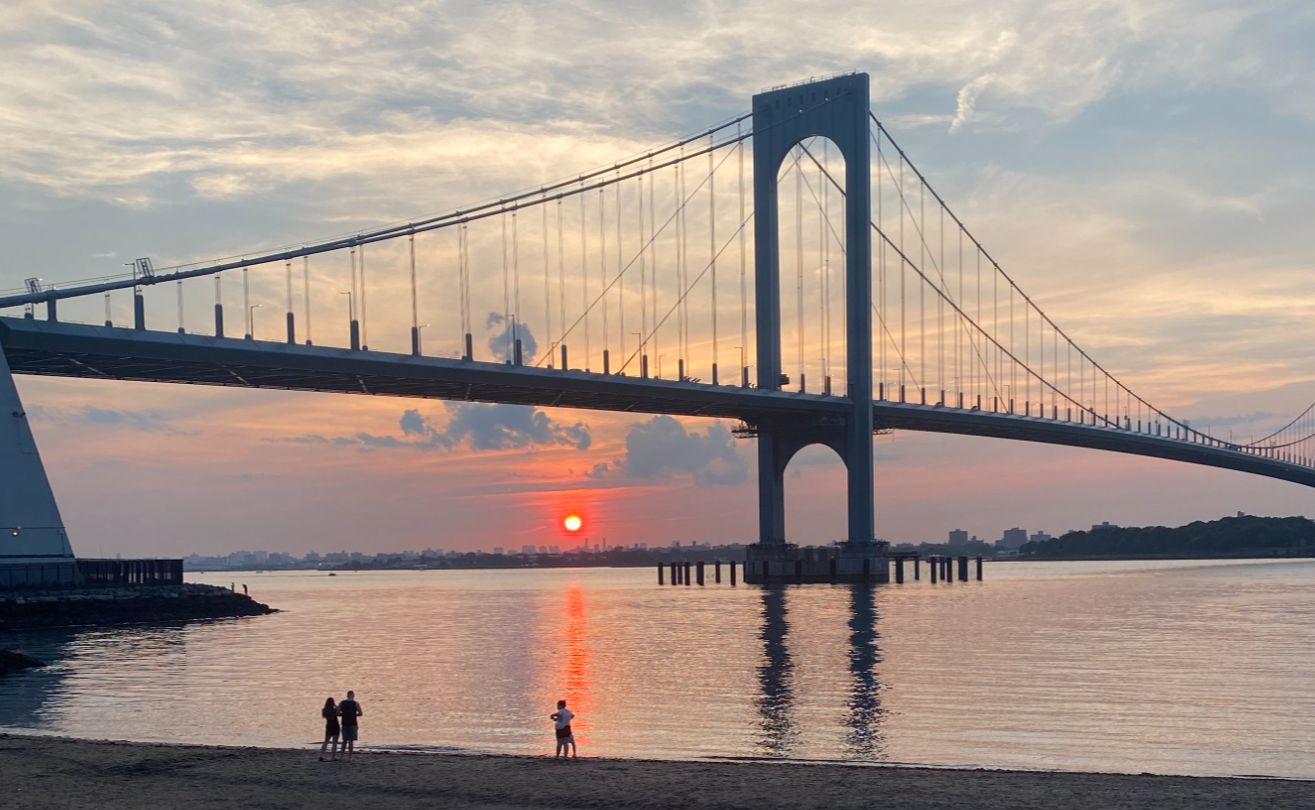
The bridge that gives the neighborhood its northern edge opened April 29, 1939, designed by Othmar Ammann, and its 2,300-foot main span once ranked fourth-largest of any suspension bridge in the world.
What Homes Cost, and Why the Number Moves
| Source | Scope | Median | As of |
|---|---|---|---|
| PropertyShark | Whitestone, houses only | $1,045,000 | Jan 2026, +86% YoY |
| Redfin | Whitestone, all property types | $1,188,888 | Mar 2026 |
| RealtyTrac | ZIP 11357, list-price basis | $1,100,898 | Current, range $475,000 to $4,750,000 |
| NYC Dept. of Finance, via Braithwaite Realty | Queens borough single-family baseline | $830,000 | 12 mo. through Mar 2026 |
The gap between rows one and four is the whole story: PropertyShark’s figure counts only houses in Whitestone itself, while the Queens-wide baseline blends every submarket in the borough. Compare like to like, not headline to headline.
Is Whitestone a good investment right now? Single-family prices rose 86% year over year as of January 2026 (PropertyShark), and Beechhurst’s single-family sales specifically rose 13.8%, fourth-highest of any Queens neighborhood (NYC Dept. of Finance). Co-op and condo pricing in the same footprint moved in the opposite direction, so the answer depends on which sub-area and property type you’re comparing, not on Whitestone as a whole.
Price by Sub-Area: Malba, Beechhurst, Core Whitestone

Whitestone is not one price zone. Treating it as one is the single biggest way a buyer misreads this market.
| Sub-area | Typical price band | Housing character | Best fit |
|---|---|---|---|
| Malba | $2 million to $5 million+ | Custom waterfront estates, low turnover | Buyers prioritizing privacy and water access |
| Beechhurst | Co-op/condo median $467,500; single-family +13.8% YoY | Mixed high-rise co-op and detached colonial | Co-op entry buyers, or investors tracking a rising single-family pocket |
| Core Whitestone | Median $1,045,000 | Detached Colonial, Tudor, Cape Cod on 25 to 40 ft lots | Family buyers wanting a house without the waterfront premium |
Malba
Malba sits between the East River, the Whitestone Expressway, and 14th Avenue. Listings run from custom Mediterranean-style estates to half-acre waterfront lots, and inventory stays thin because owners hold for decades.
Beechhurst
Beechhurst’s co-op towers, including Cryder Point and Le Havre, pull the neighborhood’s blended median down even as its detached houses appreciate. A buyer comparing “Beechhurst” prices across two listing sites is often comparing a co-op unit to a house without realizing it.
Core Whitestone
The interior streets, zoned R3A and R3X since 2005, hold the bulk of the roughly 8,000 one- and two-family homes and 3,547 co-op units PropertyShark counts for the neighborhood overall.
Is Malba the same as Whitestone? Malba is a subsection of Whitestone, but its price band, $2 million and up, sits well above the core neighborhood’s $1,045,000 median, so pricing the two as one submarket misprices either end.
Schools: Ratings and the Zoning Caveat
PS 79 Francis Lewis, the zoned elementary school for much of the neighborhood, enrolls just over 1,000 students in grades PK-5 and posts 84% math and 70% reading proficiency, according to U.S. News. Zoned admission is close to automatic: InsideSchools notes a family is guaranteed a seat except in rare instances of overcrowding. That caveat matters more than the ratings headline for anyone buying specifically for school access, since a strong rating doesn’t guarantee which specific building your future address falls into; verify the zoning line at the NYC DOE school zoning finder before treating any listing as “zoned for PS 79.”
Getting In and Out: Commute, Quantified
“No subway” is the constant description of this neighborhood’s transit. Here is what that costs in time and money.
| Mode | Approx. time to Manhattan | Approx. one-way cost |
|---|---|---|
| Bus (Q15/Q20) to Flushing–Main St, transfer to 7 train | 55 to 65 minutes | $3.00 (free bus-subway transfer) |
| LIRR from Murray Hill to Penn Station | 35 to 40 minutes | $5.25 off-peak CityTicket / $7.25 peak |
| Drive via Whitestone Expressway to Queens Midtown Tunnel or RFK Bridge | 35 to 50 minutes, traffic-dependent | $7.46 E-ZPass toll plus parking |
The nearest subway station, Flushing–Main St, is a 17-minute walk; the nearest LIRR stop, Murray Hill on the Port Washington Branch, is 7 minutes away, which is why the LIRR beats the bus-subway combination on time despite costing more per ride.
Can I get to Manhattan without a car? Yes: the LIRR from Murray Hill to Penn Station runs 35 to 40 minutes for $5.25 to $7.25 depending on time of day, faster than the bus-to-subway combination, though less frequent.
Risk Factors to Check Before You Buy
Flood and Insurance Exposure
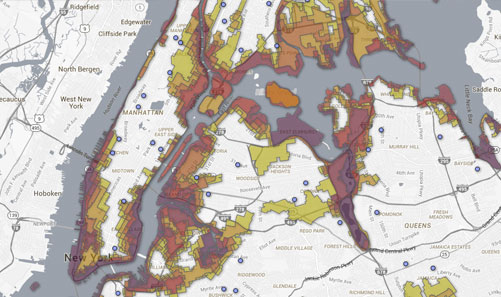
21% of Whitestone properties, 952 homes, face severe flood risk over the next 30 years, according to Redfin’s First Street-sourced data. The same dataset flags the neighborhood at 100% major wind risk from hurricanes and 99% major heat risk, with a projected 114% increase in days above 99°F over three decades. Ask a lender specifically about flood insurance requirements before writing an offer on a waterfront-adjacent block.
Does Whitestone flood? 21% of properties face severe flood risk within 30 years per First Street’s model, concentrated near the East River shoreline rather than spread evenly across the neighborhood.
Zoning and Teardown Pressure
Teardowns of older housing accelerated roughly a decade after they began in the late 1990s, per the account of the rezoning’s co-author, which is why the 2005 rezoning pushed most of the former R3-1 zone into contextual R3A and R3X designations capping new construction at a 0.5 FAR and 35 feet. A buyer on an R3A block should expect any teardown replacement to land at roughly the same scale as the house it replaces.
Are teardowns changing the neighborhood? Yes, but within limits: the 2005 contextual rezoning caps replacement houses at a 0.5 FAR and 35 feet, so teardowns change individual homes more than they change the neighborhood’s overall density.
Daily Life
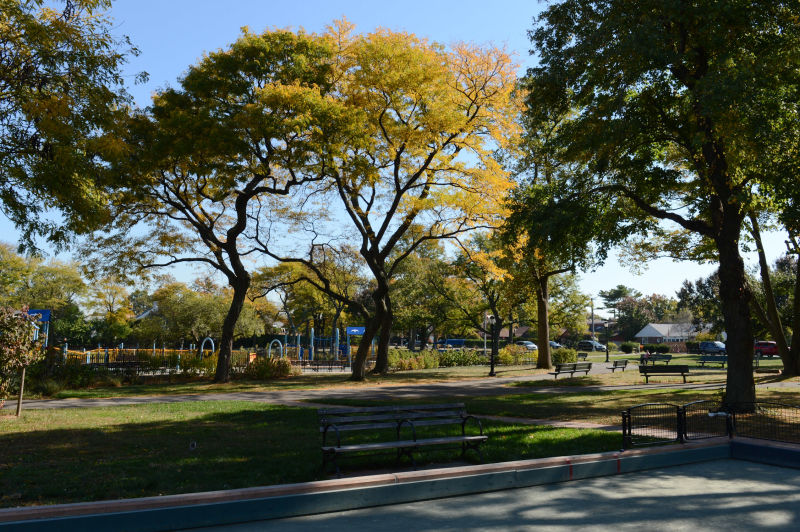
Francis Lewis Park anchors the waterfront with a running path under the bridge; the commercial strips on 14th Avenue and Utopia Parkway carry the day-to-day dining and shopping.
Who Whitestone Suits, and Who It Doesn’t
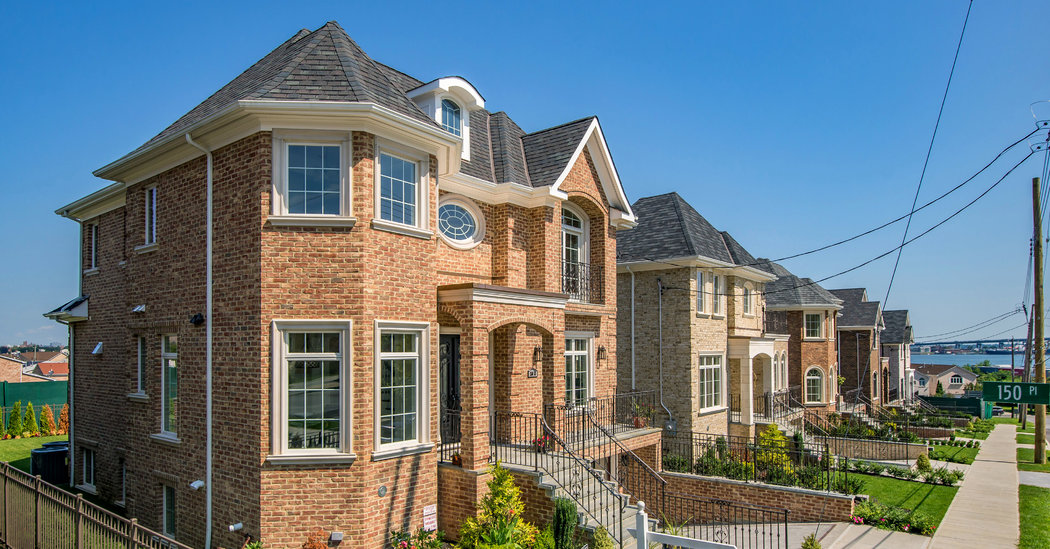
It suits a buyer who wants a detached house within city limits, can absorb a car-dependent commute, and is comfortable checking flood exposure block by block before committing. It does not suit someone who needs a subway commute under 30 minutes, or who wants new-construction density: the 2005 rezoning makes that scarce by design.
Comments