
What the Two-Acre Rule Actually Limits
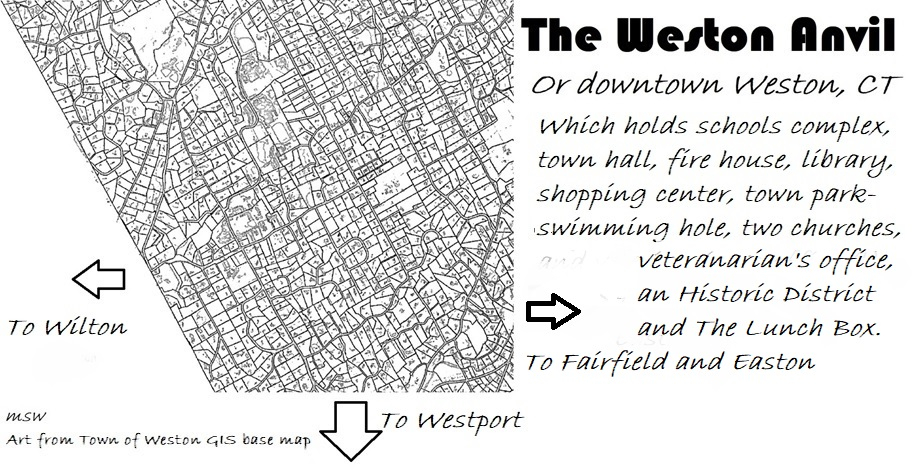
Weston’s residential code sets a two-acre minimum lot area across most of town, with a buildable rectangle of 170 by 200 feet, 170 feet of road frontage, 50-foot front and 30-foot side and rear setbacks, and a 15% cap on building coverage, according to the Town of Weston’s zoning code. A parcel split by a road, major watercourse, or easement doesn’t count toward that minimum unless it still contains two contiguous acres, per the code’s special-permit standards – a two-acre lot cut by a driveway easement can be too small to build on even though the deed says two acres.
That combination does three things to the market at once. It removes the smaller-lot housing tier that produces starter homes and townhouses in most towns. It caps how many new lots can ever be created, since subdividing a two-acre parcel into two conforming lots would require four acres to start with. And it pushes land cost, not structure cost, to the center of every price conversation.
Why doesn’t Weston have condos or starter homes?
The zoning code permits one single-family dwelling per lot in the town’s main residential district, with no attached-housing use built into the standard two-acre zone. Weston’s brokerage reporting shows zero condo or townhome closings in the most recently tracked quarter, and just one condo sale across the prior three years, so buyers wanting that product type generally look to Westport or Norwalk instead.
Weston’s Market Snapshot, Reconciled
Four independent, dated sources give four different “Weston median price” figures for roughly the same period: $1,125,833 for Q1 2026 closings, $1,600,000 for full-year 2025 under the MLS’s “Lower Weston” area designation, $1,405,000 for early 2026 from a separate brokerage tracker, and $1.9 million reported by a national portal for its most recent single month. Each is measuring a different window and a different geographic boundary, and Weston’s volume is small enough that the sample size matters: thirteen closings in a quarter means one $4 million estate sale can shift the median by tens of thousands of dollars.
The steadier read is the full-year 2025 figure: a median of $1,600,000 across 84 sales, homes averaging 36 days on market, selling at 103.5% of asking. Q1 2026 alone told a colder story from the same report: 13 closings, 77 days on market, and a median down 17.4% year over year, with the sale-to-list ratio slipping to 100.7%. Inventory stayed tight at 1.5 months of supply through that slowdown, which matters more to a buyer’s plan than the median itself, since it means the market can cool on price while remaining structurally short of listings.
Why does Weston’s median price swing so much between sources?
Weston closes roughly 80 to 90 single-family homes a year, spread unevenly across months, a small sample next to Westport’s several hundred. A handful of high-end closings in any given quarter shifts the median noticeably, and different sources define “Weston” using different MLS-area boundaries. Compare full-year figures from a named, dated report before trusting a single “last month” number.
Weston vs. Westport, Wilton, and Redding
| Town | Median price | $/sq ft | Days on market | Nearest station | Commute to Grand Central |
|---|---|---|---|---|---|
| Weston | $1.6M (FY2025, 84 sales) | $320 to $400 | 36 (FY2025) / 77 (Q1 2026) | None in town | Drive to Westport or Wilton first |
| Westport | ~$2.0M (single-family, early 2026) | $684, up 21% YoY | 101 (single-family) | Westport (Saugatuck), New Haven Line | ~70 min express |
| Wilton | ~$1,050,000 | not sourced today | not sourced today | Cannondale, Danbury Branch | Transfer at South Norwalk |
| Redding | $975,000 (12-month) | $302 to $331 | 83 (12-month) | Redding, Danbury Branch | Transfer at South Norwalk |
Two Wilton cells above are marked as an open research task rather than filled with a placeholder number; a dated brokerage $/sqft and DOM figure for Wilton wasn’t found in today’s search. Westport’s own brokerage reporting is worth reading alongside Weston’s: single-family closings rose 16.3% and price per square foot jumped 21% year over year, but the median barely moved, because eight closings above $5 million, versus one the year before, pulled the average up without shifting the middle transaction. It is the same reconciliation problem documented independently in a neighboring market.
Schools, at the District Level
| School | Stage | Notable detail | Source |
|---|---|---|---|
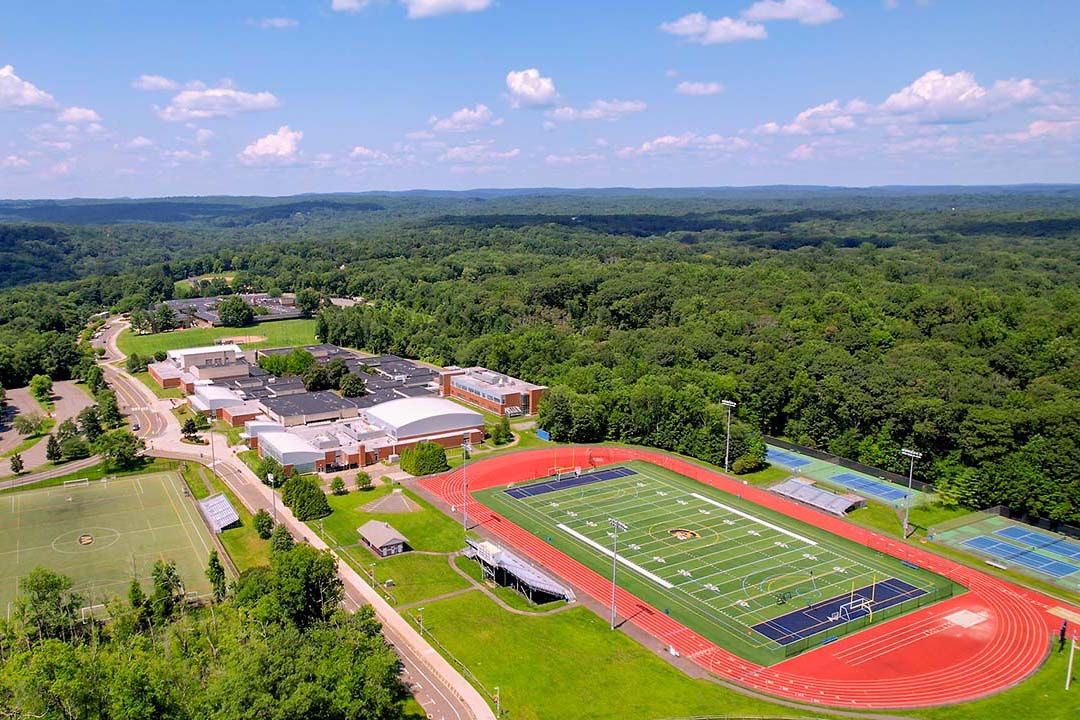
| Hurlbutt Elementary School | Elementary | One of four schools on a single one-mile campus corridor | westonps.org / CT Report Card |
| Weston Intermediate School | Intermediate | Same corridor | westonps.org |
| Weston Middle School | Middle | Same corridor | westonps.org |
| Weston High School | High | District’s four public schools average a 7-of-10 GreatSchools rating | GreatSchools, via Movoto |
The Connecticut Report Card for Weston School District describes a suburban K-12 system serving all four schools along that single corridor, and notes the district’s participation in the state’s Open Choice program alongside Norwalk students. A current per-school enrollment and capacity breakdown wasn’t available from an independent, non-promotional source in today’s search; treat any specific per-building enrollment figure you find elsewhere as unverified until confirmed against the district’s own current filing.
Getting to Manhattan Without a Local Station
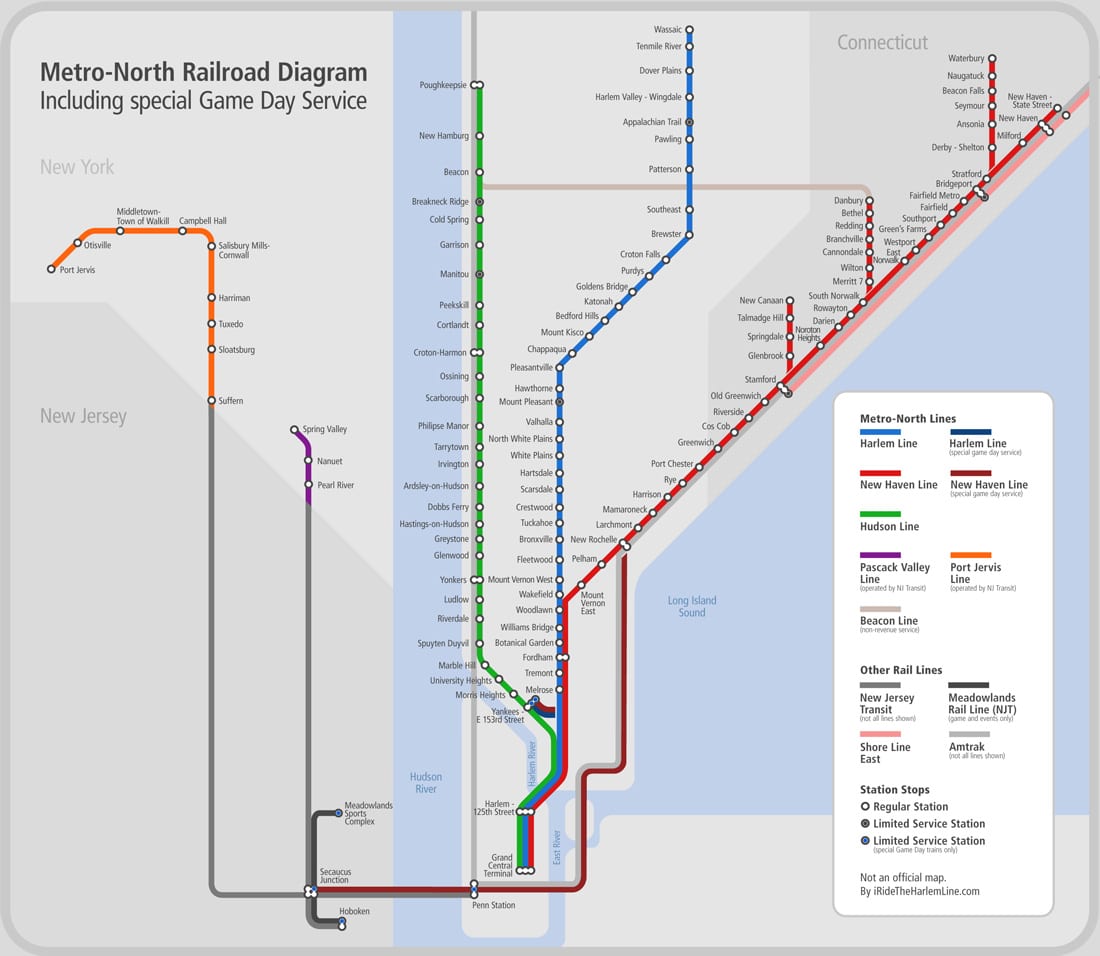
Weston has no Metro-North station of its own. The closest options, per a Fairfield County commuting guide, are Westport’s Saugatuck station on the New Haven Line and the Danbury Branch stations at Wilton or Cannondale. The Westport station sits about a 15-minute drive from central Weston; express trains from there reach Grand Central in around 70 minutes. The Danbury Branch route requires a transfer at South Norwalk and generally runs longer.
How do I get from Weston to Manhattan?
Drive roughly 15 minutes to the Westport (Saugatuck) station and take a New Haven Line express, about 70 minutes to Grand Central. There is no walk-to-the-train option from inside Weston, which matters for anyone assuming a commuter town means a station in town.
Who Weston Fits, and Who It Doesn’t
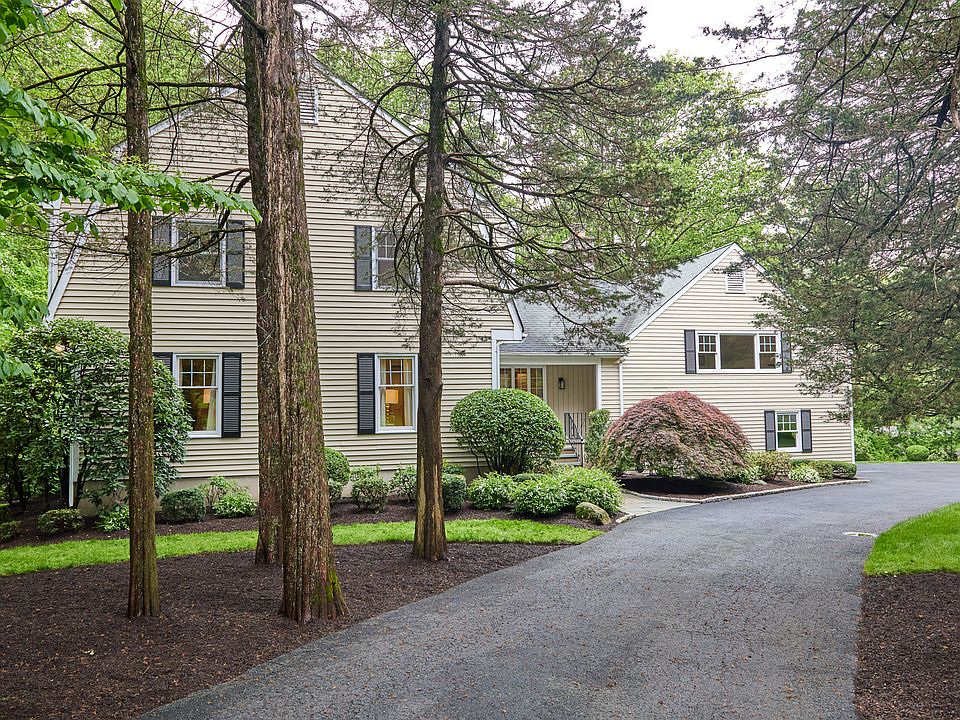
Weston suits buyers who want land, privacy, and a two-acre buffer from neighbors, and who can absorb both the price floor that creates and the drive to a train station. It suits fewer buyers shopping the sub-$800,000 tier, anyone who wants a condo or townhouse without a long search in a neighboring town, and anyone who needs to walk to a train.
Is Weston a good fit for a first-time buyer?
Not on a typical entry-level budget. With zero recent condo closings and a single-family median in the $1.1M to $1.6M range depending on period, Weston’s housing stock sits well above what most first-time buyers finance. Wilton or Redding offer a lower entry point with comparable land character.
Flood Risk, Wells, Septic, and Permitting
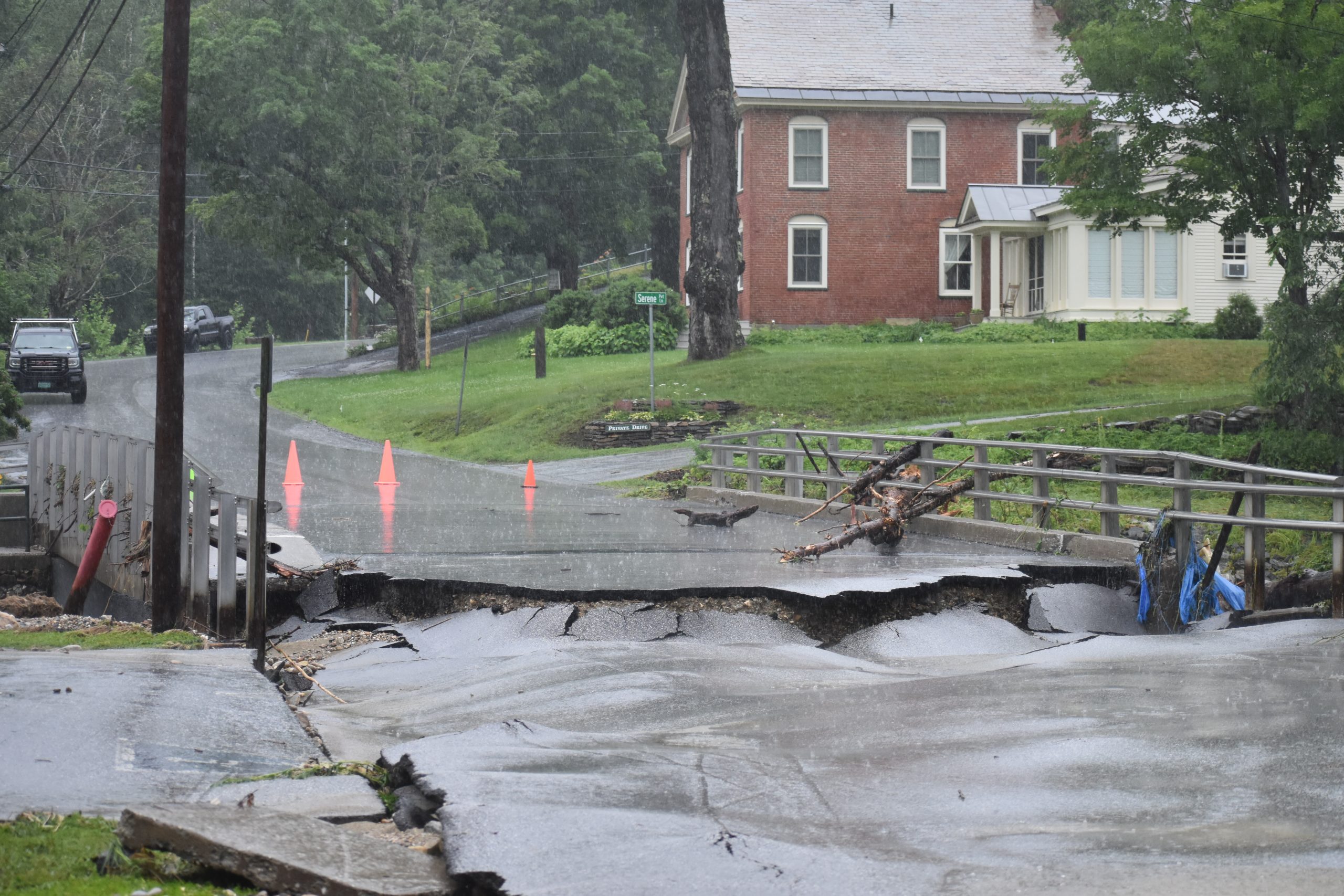
About 8% of Weston properties face severe flood risk over the next 30 years, a minor overall exposure next to Westport’s 25%, per third-party climate-risk modeling cited on a major listings platform. Weston’s own subdivision code requires each lot to accommodate its own on-site sewage disposal system and reserve area, the formal version of the fact that most homes run on private well and septic rather than municipal water and sewer. Budget for periodic septic inspection and eventual system replacement as a routine cost of two-acre living.
Comments