
Why the town’s median home value depends on who’s counting
Three organizations publish three different figures for the “same” statistic, and each one is measuring a different slice of the market. The Census Bureau’s American Community Survey estimates the median value of all owner-occupied homes in town at $82,000 as of 2024, up sharply from $63,600 the year before, a jump documented by Data USA’s compilation of Census data. A one-year, 29% swing in a town this small reflects a survey sample of a few hundred households shifting slightly, not a market movement. A separate Census cut, reported by Point2Homes, narrows to homes carrying a mortgage specifically and lands at $56,400, pulled down by the fact that only 42% of Ware Shoals homes are mortgaged at all.
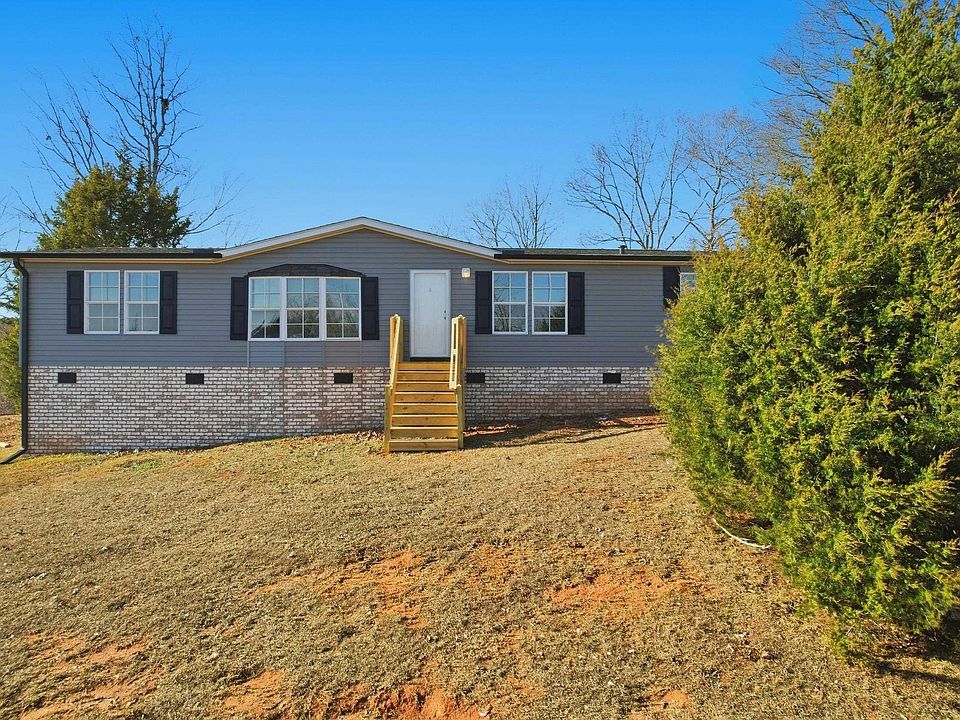
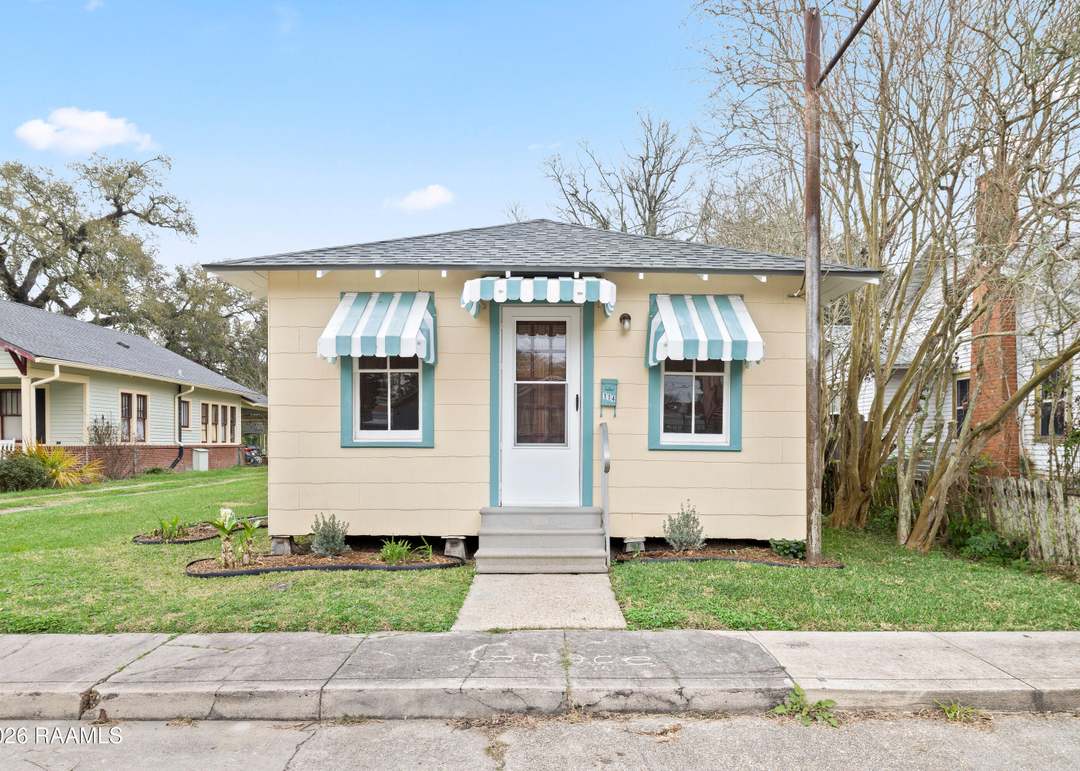
Live asking prices tell a third story: Redfin’s current inventory shows a median of $175,000 across its lower-priced segment and $178,000 among the town’s older “vintage” listings, with individual homes such as a renovated 2-bedroom at 38 N Greenwood Ave listed at $129,900. None of these figures is wrong. The Census numbers describe what current owners’ homes are estimated to be worth, lagged and averaged across a small sample. The Redfin numbers describe what sellers are asking for right now. A buyer using the Census figure to negotiate against today’s asking prices is measuring against a number that tracks something else entirely.
Why do three real estate sites show three different “average” prices for the same town? Because they’re not tracking the same thing: a Census-estimated value of all owner-occupied homes, a narrower Census cut of only mortgaged homes, and a live asking-price median from active MLS listings will diverge by design, especially in a town small enough that a handful of sales can swing an annual estimate by double digits.
The market splits into land, small in-town houses, and a gap between them
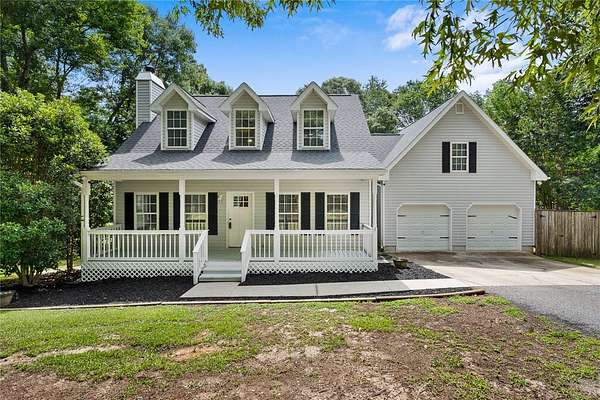
Ware Shoals doesn’t have one housing market with a blended median; it has at least two distinct ones with little in between. In-town lots, mostly older single-family houses on small parcels near the Saluda River and the former mill district, cluster in the $130,000 to $180,000 range based on current Redfin listings. Rural acreage on the town’s edges runs on an entirely different scale, priced by the acre rather than by bedroom count; Redfin’s current inventory includes a 46-plus-acre parcel with a barn and river frontage, marketed on its land and recreational features rather than on square footage.
| Segment | Typical current asking price | What it signals |
|---|---|---|
| Small in-town house (2–3 BD, older stock) | $129,900 to roughly $178,000 | The bulk of active listings; renovated units command the top of the range |
| “Vintage” / historic in-town homes | Median $178,000 | Overlaps the segment above but is marketed on period detail, not square footage |
| Rural acreage / land parcels | Priced per acre, highly variable | A separate buyer pool (recreational, agricultural, future-build); not comparable to in-town medians |
Source: Redfin, Ware Shoals listings, current inventory.
A buyer anchoring on a single “median home price” for Ware Shoals is really anchoring on a blend of two markets that don’t compete with each other for the same buyer. The 2-bedroom, 1-bath house at 38 N Greenwood Ave is a useful concrete marker: listed at $129,900 after a kitchen and bathroom renovation, it sits at the low end of the in-town segment as of this search.
Three counties, one town: what changes at the line
Ware Shoals sits across Abbeville, Greenwood, and Laurens counties, a fact every competing page mentions and none translates into a transaction detail. Here is the detail: according to the South Carolina Association of Counties’ 2025 Property Tax Rates by County report, the county base millage differs sharply between the three, 73.6 mills in Greenwood versus 130.2 mills in Abbeville and 103.05 mills in Laurens, while the Ware Shoals municipal millage itself (106.0 mills) is listed identically under both Abbeville and Greenwood.
| County | County base millage (2025) | Ware Shoals municipal millage | School bond millage |
|---|---|---|---|
| Greenwood | 0.0736 | 0.1060 | 0.0117 |
| Abbeville | 0.1302 | 0.1060 | 0.0117 |
| Laurens | 0.10305 | not listed separately | 0.0117 |
Source: South Carolina Association of Counties, 2025 report (linked above).

The gap worth noticing is not the one the “three counties” framing implies. Laurens County’s 2025 filing lists school millage for the district under the name “Ware Shoals 51” but carries no separate Ware Shoals municipal line, and current Census Bureau population data attributes the town’s residents to the Greenwood County portion. Read together, these two primary sources point to the same conclusion: the tri-county story is still true on paper and still governs the school district’s structure, but the town’s active housing market today runs almost entirely through Greenwood County, with the Abbeville and Laurens portions relevant mainly to undeveloped or boundary-adjacent parcels.
Why do I see the same Ware Shoals municipal tax rate listed under two different counties? Because the town itself straddles the Abbeville-Greenwood line; both counties’ tax rolls carry the identical 106.0-mill municipal rate for the portion of town within their borders, while Laurens County’s current filing shows no separate municipal line, consistent with that portion currently holding little or no developed property.
For a parcel that does sit on the Abbeville side, the practical effect is real: Abbeville’s county base millage is nearly 80% higher than Greenwood’s, a difference that shows up on every tax bill regardless of the home’s value.
Occupancy status changes your tax bill more than the county line does

South Carolina taxes owner-occupied primary residences and everything else on different scales, and the difference dwarfs the county-line gap above. Per the SCAC report, owner-occupied homes are assessed at 4% of appraised value, and South Carolina law exempts owner-occupied residences from non-bond school millage entirely, leaving only the 0.0117 school bond mil in the total. Non-owner-occupied property, including rentals, is assessed at 6% and pays the full school operating millage on top of county and municipal rates.
Run that on a $150,000 house on the Greenwood side of town:
- Owner-occupied: $150,000 × 4% = $6,000 assessed value. Total millage (county 0.0736 + municipal 0.1060 + school bond only 0.0117) = 0.1913. Estimated tax: roughly $1,148.
- Non-owner-occupied (rental/investment): $150,000 × 6% = $9,000 assessed value. Total millage (county 0.0736 + municipal 0.1060 + full school operating 0.2550) = 0.4346. Estimated tax: roughly $3,911.
The same house, the same county, carries a tax bill more than three times higher for an investor than for an owner-occupant. Ownwell’s tracked Greenwood County tax bills, which run from $142 at the 25th percentile to $1,420 at the 90th percentile countywide, are consistent with the owner-occupied figure above and confirm most billed homes in the county sit well under $1,500 a year regardless of the method used to estimate them.
Will I pay more property tax if my new house is in Abbeville County instead of Greenwood County? On the county-base line alone, yes, Abbeville’s rate runs meaningfully higher. But for an owner-occupied primary residence, that gap is smaller in dollars than the gap between occupying the home yourself and renting it out, which changes both the assessment ratio and which school millage applies.
The housing stock’s mill-town origins, and what to check before buying
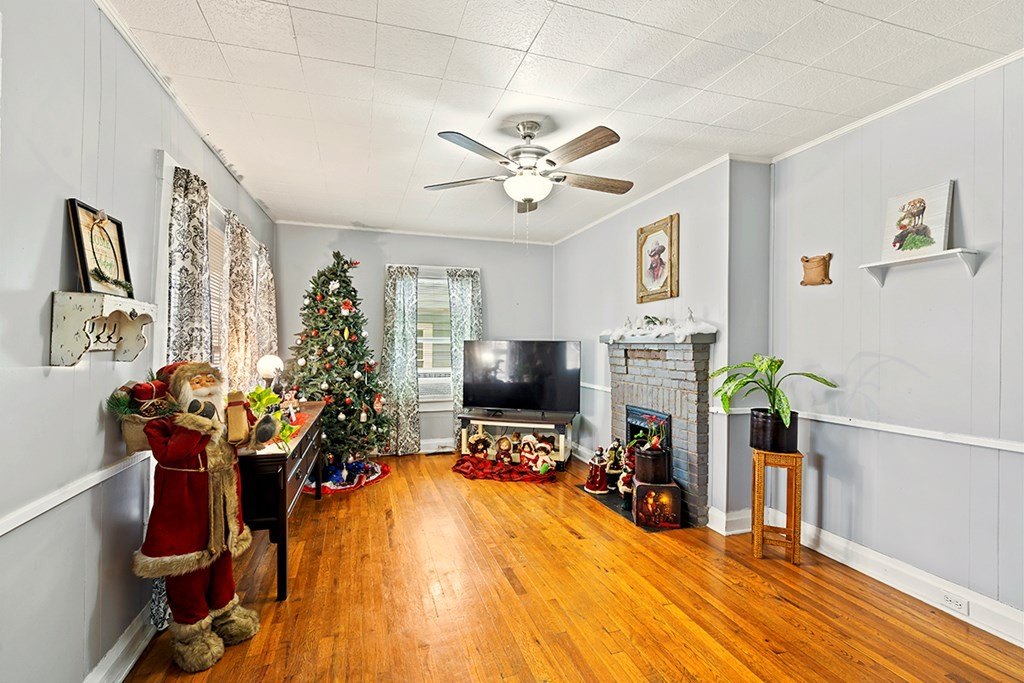
Ware Shoals was built around a textile mill; the town’s own historical page names industrialist Benjamin Dewitt Riegel as its founder and lists the mill’s community-building projects among its civic history. What that means for a buyer today: a meaningful share of the in-town housing stock predates modern wiring and plumbing codes, common in mill-village construction across the Piedmont. Verified specifics on construction dates and mill employment figures weren’t confirmed to a primary source within this search and are flagged here as an open item rather than repeated from secondary retellings; a buyer evaluating a specific older house should ask for an inspection that explicitly covers electrical service age and any non-standard lot-line history.
What the current days-on-market numbers are measuring
Redfin’s current data shows meaningfully different time-on-market figures depending on the segment: homes in the lower-priced tier show a median 132 days on market, while three-bedroom listings currently show a 61-day median and the small “vintage” segment shows 79 days. These aren’t contradictions; days-on-market is a moving, re-cut statistic that resets with each new snapshot and varies by which subset of listings is being measured.
Is Ware Shoals a good place to buy a rental property? The math in the section above is the real answer: a rental pays roughly triple the property tax of an identical owner-occupied home here, which needs to be built into any rent-versus-cost calculation before the low purchase price looks like a bargain.
Who this market suits, and who should look elsewhere
This market suits a buyer comfortable with a small inventory, longer time on market, and either an in-town starter house under $180,000 or rural acreage priced on its own terms. It does not suit a buyer expecting fast resale liquidity or Greenville-style price appreciation, and it does not suit an investor who hasn’t run the occupancy-status tax math above before setting a rent target.
Comments