
Renting the Lot vs. Renting the Whole Home
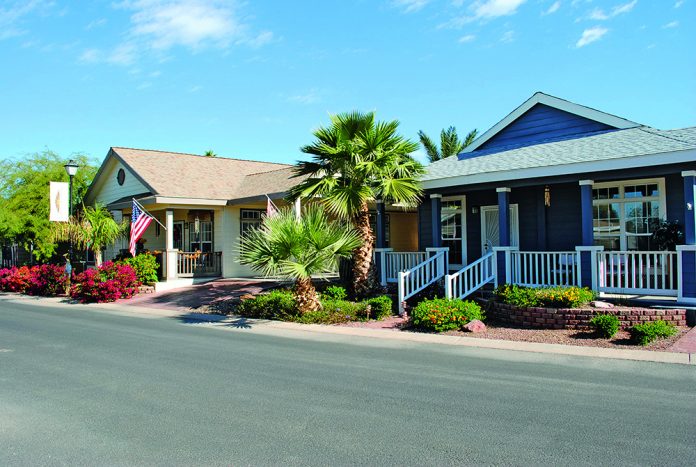
Two different products share this search term. Most manufactured home community residents own their home and rent the pad underneath it; the community charges lot rent for the space, utility hookups, and shared amenities. A smaller set of operators, Sun Communities among them, own the homes themselves and lease the whole unit on a standard 12-month term, sometimes with a rent-to-own option after a documented payment history. The lease terms, deposit rules, and who is responsible for the home’s condition differ completely between the two, so the first question to answer before browsing listings is which product you actually want.
Is renting a home in a trailer park the same as renting the lot? No. Lot rent covers only the pad, utilities, and amenities under a home you own or bring. Whole-home rental, offered directly by community operators, includes the structure itself under a standard lease.
Mobile Home or Manufactured Home?
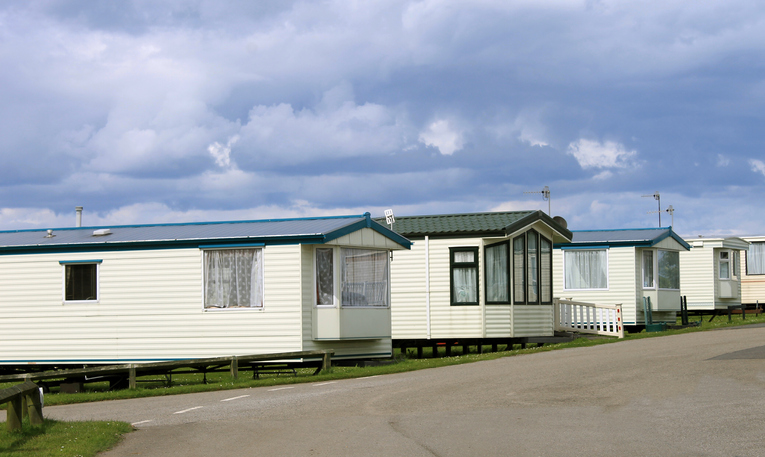
Homes built before June 1976 are legally mobile homes; anything built after that date falls under HUD’s Manufactured Home Construction and Safety Standards and is a manufactured home. Leases and state statutes use the newer term, so a listing or law referring to a “manufactured home community” covers the same housing most people still call a trailer park.
What Renting a Trailer Park Home Costs in 2025
| Rental type | What you’re paying for | 2025 figure | Source |
|---|---|---|---|
| Lot only, all-age community | Pad, utility hookup, shared amenities | $751/month average | MHInsider |
| Lot only, 55+ community | Same, age-restricted community | $841/month average | MHInsider |
| Whole home, operator-owned example | Structure plus lot, 12-month lease | Starting around $950/month | Meadowbrook, Albuquerque |
| Highest-cost lot markets | Pad only, coastal California counties | $1,681 to $3,674/month | MHInsider (Orange, Sonoma, Santa Cruz counties) |
The gap between a $751 national lot-rent average and a $3,674 Santa Cruz County figure means location sets your price more than the manufactured-home label does. A renter comparing two listings in different states is really comparing two different housing markets.
Why Rent Keeps Climbing
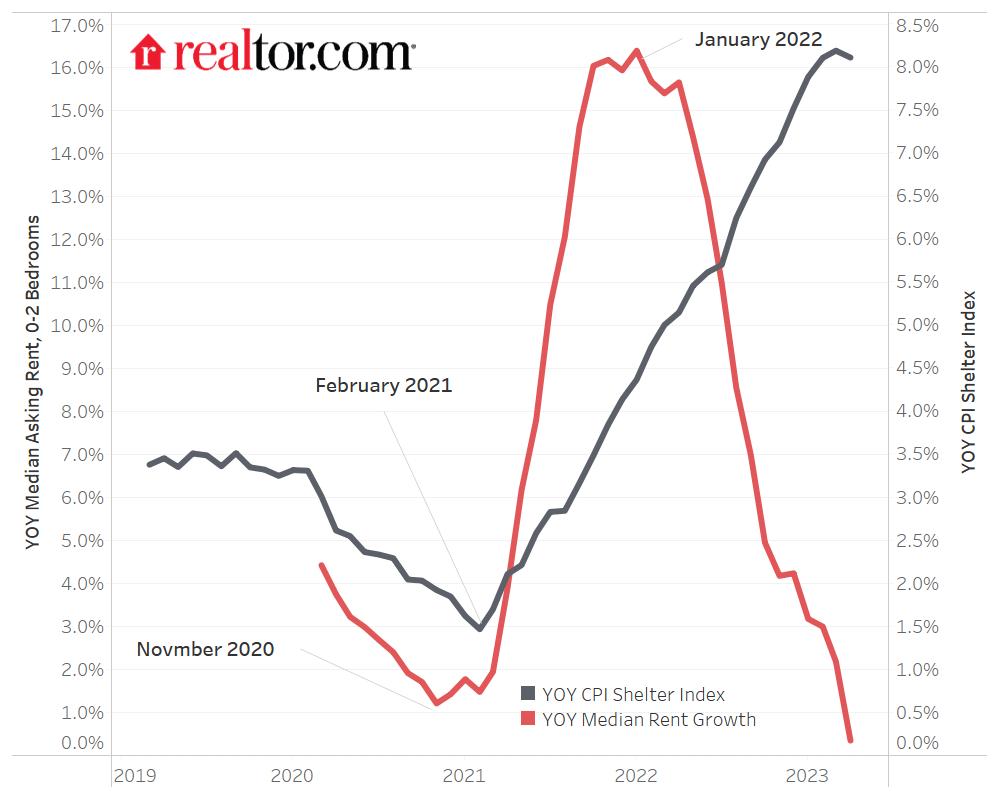
The widely repeated idea that trailer park rent is a fixed, low cost has not matched the market since large real estate investment trusts began consolidating community ownership. Equity LifeStyle reported 5.8% year-over-year rent growth in its manufactured housing portfolio for 2024, and UMH Properties reported 7.9% same-property rental income growth the same year, both above typical apartment rent trends nationally.
Tenant Protections Vary by State
| State | Rent-increase notice | Increase limit | Minimum lease term |
|---|---|---|---|
| Washington | 3 months written notice | 5% per year; none in first 12 months | Month-to-month allowed |
| New York | Notice required; increases limited to once a year | No statewide dollar cap | 1 year minimum |
| Massachusetts | Per lease terms, or fair-market notice for tenants at will | No statewide cap outside local rent control | Set by lease terms |
| Virginia | 60 days before any term change | No statewide cap | 1 year, offered to all year-round residents |
Only Washington caps the dollar amount of an increase among these four states; New York limits how often an increase can happen, and Massachusetts ties protection to whether a lease exists at all.
Do trailer park tenants have the same rights as apartment renters? Not automatically. Most states run a separate manufactured-home landlord-tenant statute alongside general rental law, and specific protections such as rent caps or lease-term minimums vary by state.
Spotting a Bad Lease Before You Sign
| Warning sign | Why it matters | What to do |
|---|---|---|
| Fees not itemized in the written lease | Massachusetts law requires fees to be disclosed before they’re chargeable | Ask for the full fee schedule in writing before signing |
| Payment requested before viewing the home or lot | A standard pattern flagged across rental housing broadly | Never wire funds or use gift cards before an in-person or verified virtual viewing |
| No written lease offered | Virginia law requires operators to offer a written year-round lease | Request the lease in writing; treat refusal as a red flag |
| Utility charges billed with no lease disclosure | Massachusetts law requires the lease to state the billing method | Confirm metering and billing method in writing before move-in |
In September 2024 the FTC required Invitation Homes to refund $48 million after residents were charged roughly $1,740 in undisclosed fees at signing. That undisclosed-fee pattern shows up in manufactured home community complaints too, which is why an itemized fee schedule matters more at signing than the headline rent figure.
What are red flags of a rental scam in a manufactured home community? Requests to pay before viewing the property, no written lease, undisclosed or unitemized fees, and pressure to use untraceable payment methods.
Is a Manufactured Home Community a Good Fit for You?

- Already own a home and need land under it: a lot-only lease is the product to search for, and the state table above sets expectations for any rent increase.
- Want a move-in-ready rental with no home purchase: an operator offering whole-home leases, such as Sun Communities, fits the search better than lot-rental listings.
- Relocating to coastal California: budget for lot rent well above the national average; several counties there average $1,681 or more a month.
- Prioritizing multi-year price stability: check the specific state’s rent-increase law before signing; caps range from a firm 5% ceiling to no statewide cap at all.
Comments