
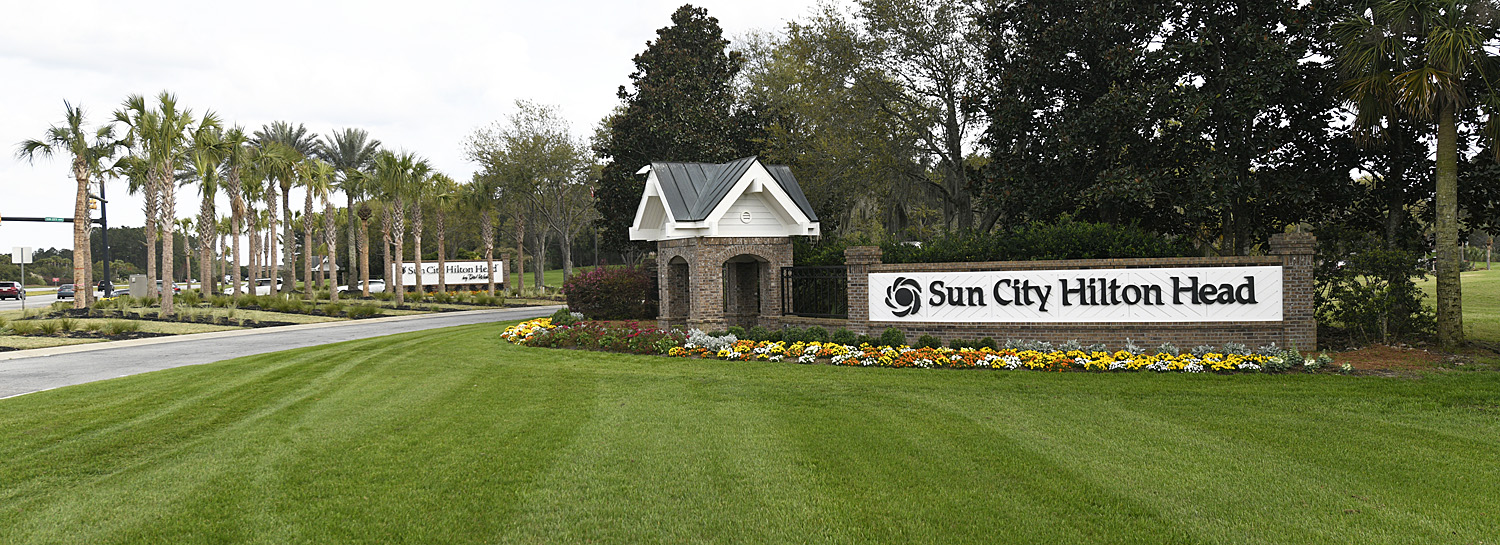
What Sun City Hilton Head actually is
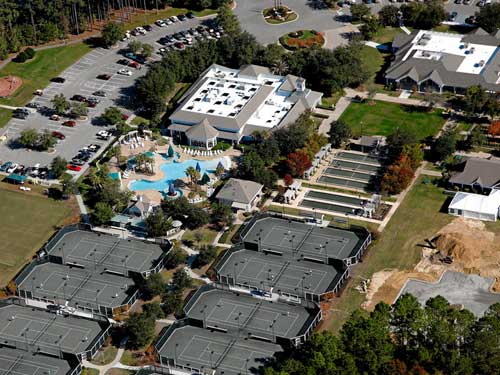
Sun City Hilton Head is an age-restricted, 55-plus community that Del Webb began building in 1995 in the Okatie section of Bluffton, South Carolina, and it is now the largest age-restricted community in the state. The community is organized around three golf courses and a 45-acre Village Center, and it reports more than 18,000 residents on its own resident-facing pages, a figure noticeably higher than the roughly 16,000 still cited on some older third-party listings.
Why the published numbers don’t agree
Almost every number a buyer needs online has at least two published versions. The table below lays out the specific gaps, why they likely exist, and where the authoritative answer lives.
| Figure | Range found | Likely reason for the gap | Where to verify |
|---|---|---|---|
| Community population | 16,000 (older third-party listing) to 18,000+ (association’s own current page) | Growth over time and infrequent updates on independent listing pages | The association’s newsletter or resident portal |
| Total homes at build-out | About 8,200 (one independent brokerage) vs. no current figure published by the builder | Third-party pages mix already-built counts with different build-out targets and don’t cite a shared source | Del Webb’s sales center |
| Annual base HOA dues | $2,000 to $2,200 (Designer Roofing & Restoration) vs. about $2,760, cited as $230 a month (SimplyGrand Properties) | Independent fee-tracking pages are compiled in different years and dues are reviewed annually, per the association | The current Schedule of Fees |
| One-time resale fee | Two-thirds of 1% of the sale price, plus a $3,500 enhancement fee and a $300 admin fee, per one realtor’s fee reference | Compiled from listing data rather than the association’s fee schedule itself | The itemized closing disclosure and the current fee schedule |
Two of these gaps are worth a direct callout, because they’re the ones most likely to be repeated as settled fact.
Is Sun City Hilton Head’s home count really over 10,000?No single public source confirms a current total. One independent brokerage cites a build-out target near 8,200; the builder’s sales center is the only source that would know the current built count and remaining inventory.
Homes, prices, and the three sub-areas
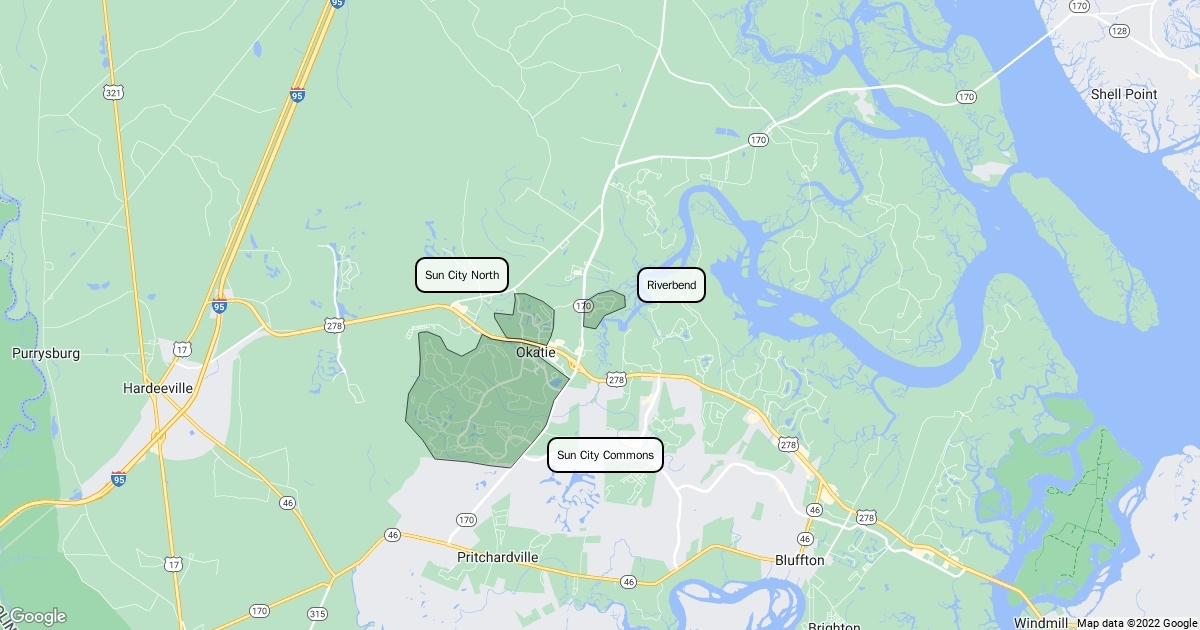
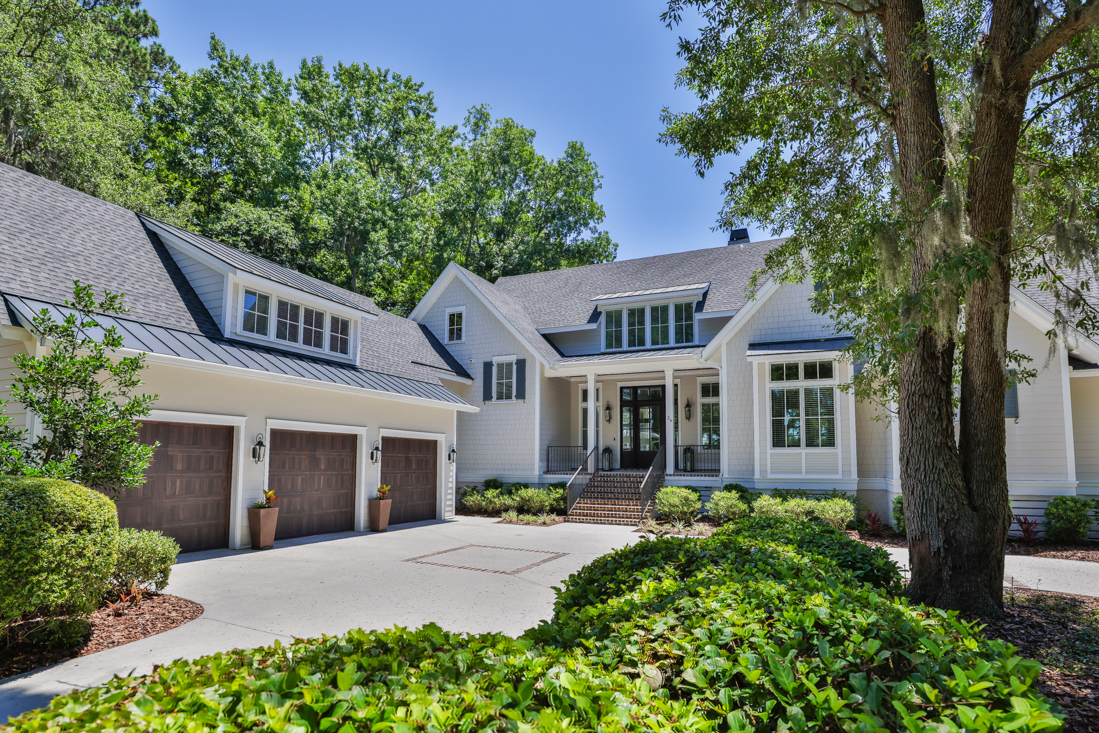
Sun City isn’t one product with one price tag. It splits into base neighborhoods, a separately named northern section, and Riverbend, a gated waterfront-adjacent enclave, and the three don’t share identical cost structures.
| Sub-area | Price band | HOA dues note | Distinguishing feature |
|---|---|---|---|
| Sun City (base neighborhoods) | Mid $300,000s to roughly $700,000 | Reported near $2,000 to $2,800 a year (see the dispute above) | Largest number of home sites, closest to the Village Center, a mix of villas and single-family ranch homes |
| Sun City North | Overlaps the base band; not tracked separately by most sources | At least one source reports a notably higher figure for this section, but no second independent source confirms it | Newer neighborhoods added as the community expanded northward |
| Riverbend | Custom homes from roughly 2,900 to over 5,000 square feet, some priced past $1 million | Governed by the same association dues, which the builder states explicitly fund upkeep of the Riverbend clubhouse, pool, and dock | Gated, waterfront-adjacent, private dock on the Okatie River, and custom lots with no fixed build timeframe |
The practical read for a buyer comparing sections: the price gap between base neighborhoods and Riverbend is large and easy to see on any listing site, but the dues gap between base and North is the one number in this whole guide that still needs a phone call to confirm before you budget against it.
What’s the real fee difference between Sun City’s base neighborhoods and Riverbend?Both fall under the same association and the same base dues structure. Riverbend’s dues specifically cover its own clubhouse, pool, and dock, per the builder’s HOA page, but no source found publishes a Riverbend-specific dollar total separate from the community-wide dues.
HOA dues, one-time fees, and what they cover

Base dues fund a defined list of shared costs, not a general “lifestyle” charge. According to the builder’s own HOA information page, dues cover:
- Resident lawn care, where applicable to the section
- Security and roaming patrol across the community
- Maintenance and insurance of fitness and amenity buildings, including pools and courts
- Riverbend-specific amenities, including its clubhouse, pool, and dock, for residents of that section
Dues do not cover everything. Elective activities such as golf, some health and wellness classes, and certain concerts and shows carry additional charges, and some individual clubs bill small annual dues of their own to cover their own operating costs. The association reviews its budget yearly and has raised the assessment once in the last three budget years, per its own HOA page, so budget for the dues to move, not stay fixed.
New construction vs. resale: the real decision to make
The decision isn’t finish quality; it’s timeline and what you’re paying for. New-construction delivery dates depend on the builder’s current production queue at the time you sign, so get a firm delivery window in writing rather than relying on a general estimate. New homes carry a builder’s warranty that a resale won’t have. Resale homes let you inspect the actual lot, view, and any owner upgrades before you commit, and they close on your timeline rather than the builder’s. If your priority is a specific view or an established lot, resale removes the delivery-date risk entirely; if it’s a specific floor plan or finish package, new construction is the only path to it.
The 55-plus rule, guests, and rentals

Sun City qualifies as age-restricted housing under the federal Housing for Older Persons Act, which requires that at least 80% of occupied units have at least one resident age 55 or older, that the community’s policies demonstrate that intent, and that occupancy is periodically verified. The remaining 20% can include a younger spouse, partner, or caregiver.
Grandchildren and other guests under 19 may visit for up to 90 days a year, and children must be at least 4 years old and potty-trained to use the pools, per the builder’s HOA page. What isn’t confirmed by any source found here is the current short-term rental policy. Some public summaries describe informal no-rental norms, but rental terms are set in the CC&Rs and can change, so request the current rental policy in the resale packet rather than assuming either way.
Can I rent my home out short-term?Not confirmed independently. Rental terms live in the CC&Rs, which can be amended, so ask the association for the current policy before you buy with rental income in mind.
Golf, clubs, and daily life
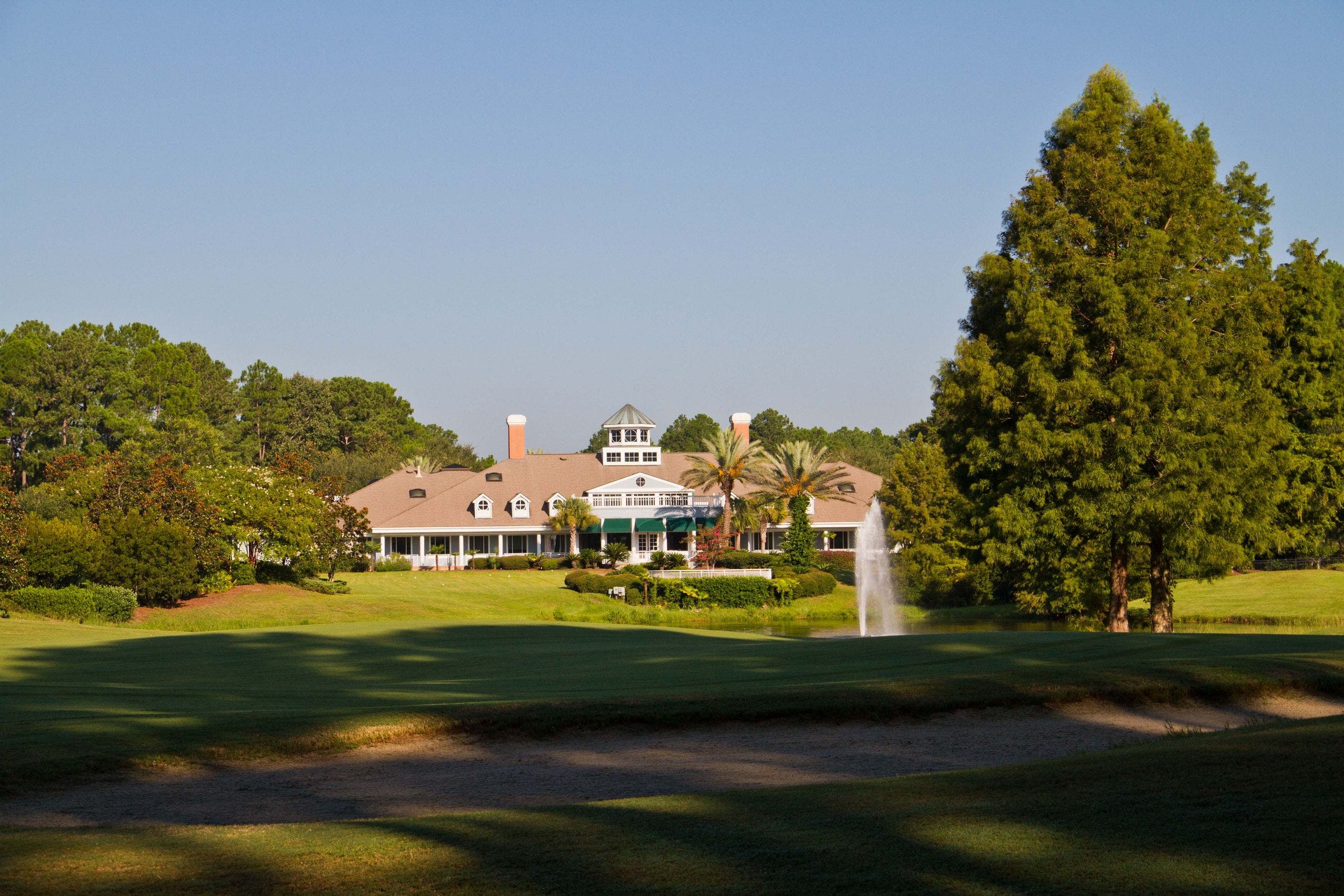
Troon Golf operates the community’s golf courses under contract with the association, and golf itself is billed separately from HOA dues. The chartered-club roster changes as clubs form and dissolve, and the association runs a process through its Lifestyle Director to charter new ones, so treat any specific club count you see online as a snapshot, not a fixed number, and ask the Lifestyle Director for the current roster if the club mix matters to your decision.
Is golf included in the HOA dues?No. Golf, along with some health and wellness classes and certain concerts and shows, is billed as an elective activity on top of base dues, per the builder’s HOA information page.
Golf carts and getting around
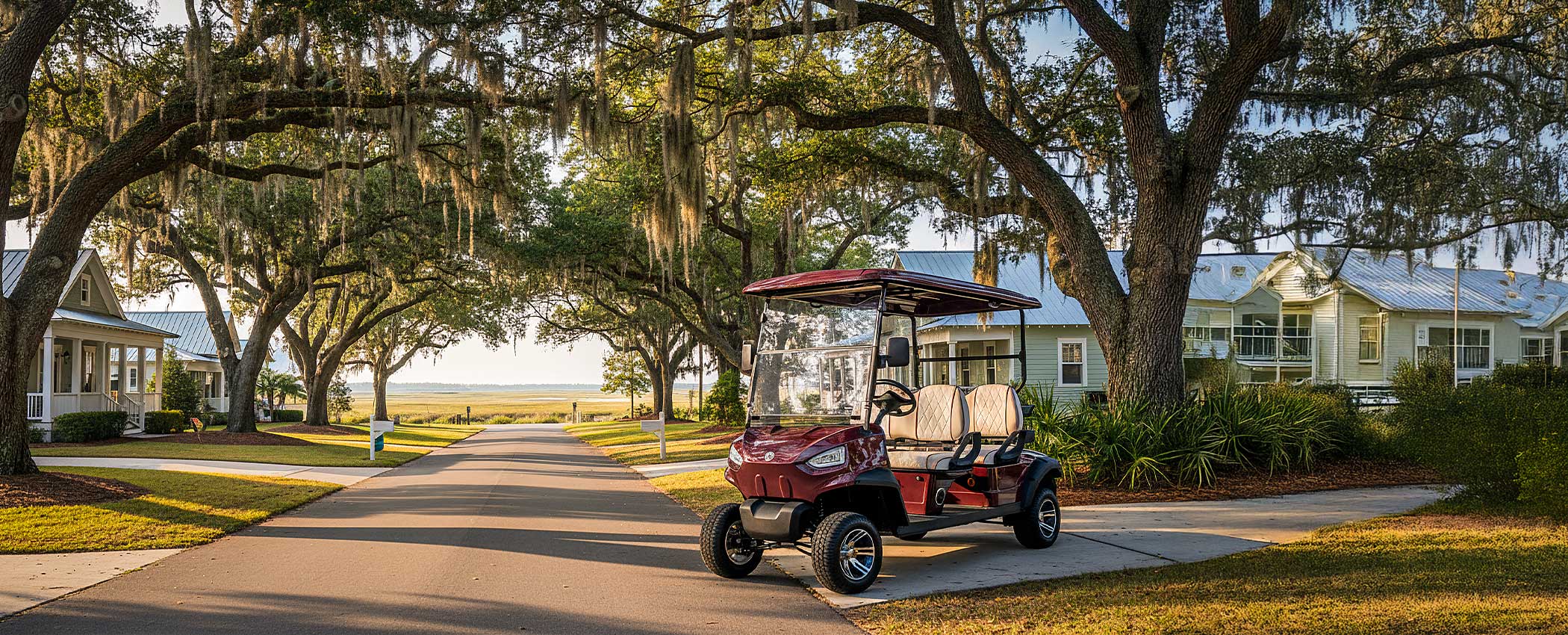
South Carolina state law already limits golf cart and low-speed-vehicle operation to roads posted at 35 mph or under, and confines carts to within four miles of the vehicle’s registered address, or four miles of the entrance if that address is in a gated community. On top of that baseline, the Town of Bluffton adopted a new specialized-vehicle safety ordinance that took effect January 1, 2026. It requires seatbelts for every occupant regardless of age, a driver at least 16 years old with a valid license, and a rearview mirror on the vehicle. It bars carts from roundabouts and from traveling along four-lane roads, allowing crossings only at signalized intersections, and sets fines of up to $500 or 30 days in jail for violations.
The town’s added rules bind roads inside Bluffton town limits; a follow-up column from the town notes that roads in unincorporated Beaufort County aren’t covered, and that residents can check the town’s own boundary map to see whether a specific street falls inside the line. Sun City’s footprint sits across incorporated and unincorporated Okatie land, so which rule set applies to any given street inside the community is a question worth checking against that map before you assume either way.
Total cost of ownership: a worked example
The dues number alone understates what living here costs if golf and the resale fee matter to you. Here’s what’s actually documented, in dollars, with sources.
| Cost item | Approximate amount | Source |
|---|---|---|
| Base annual HOA dues | $2,000 to $2,800 a year, reported differently by two independent sources | Designer Roofing & Restoration; SimplyGrand Properties |
| Optional resident golf plan | $335 a year (single, 9-hole plan) to $4,481 a year (premium couple plan), per a 2025 resident golf pricing sheet | John Sells Hilton Head |
| One-time resale/transfer fee | About two-thirds of 1% of the sale price, plus a $3,500 enhancement fee and a $300 admin fee (one dated realtor reference; confirm against the current fee schedule) | John Sells Hilton Head |
Add the low end of the dues range to a single golf plan and the recurring cost already sits above what a nearby community, Latitude Margaritaville Hilton Head, publishes for its own single-family dues of $329.11 a month, or about $3,949 a year, per the same source. That comparison is the number to run before assuming Sun City is automatically the cheaper of the two on paper.
How much should I budget beyond the mortgage?Base dues, any golf plan you want, and the one-time resale fee at closing, at minimum. Property tax and flood insurance are additional and specific to the exact lot, not the community as a whole.
Financing, resale value, and flood risk
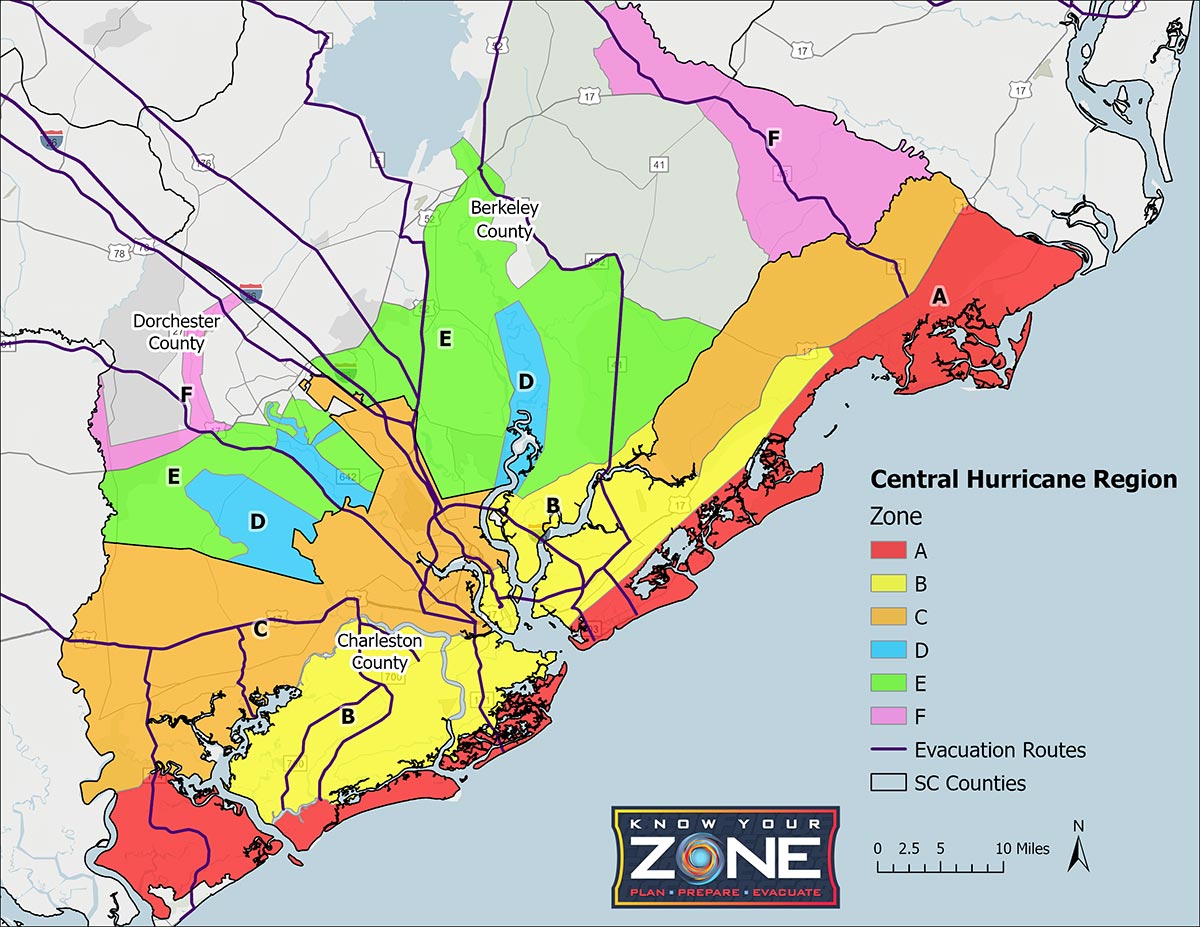
Loans on planned-unit developments can require the lender to review the association’s budget, reserve study, and any pending litigation before approving certain financing programs, so ask your loan officer early which program applies and what documentation it needs. On flood risk, no Sun City-specific flood-insurance figure was found in this research pass; check the exact parcel against FEMA’s flood map service directly, since risk varies lot by lot even within one community, and don’t rely on a general “inland, so it’s fine” assumption.
Your buying roadmap
Before you write an offer, request digital copies of the documents the association itself lists as its governing set: the CC&Rs, Articles of Incorporation, Bylaws, the current Schedule of Fees, and the Design Guidelines and community rules. Add to that list the current annual budget and financials, the reserve study and current reserve balance, six to twelve months of board minutes, and the current rental policy. If you’re financing, ask your lender in the same conversation whether it will need any of the same reserve or litigation documents for underwriting, so you’re not chasing paperwork twice.
Comments