
Where It Is and How Big It Is
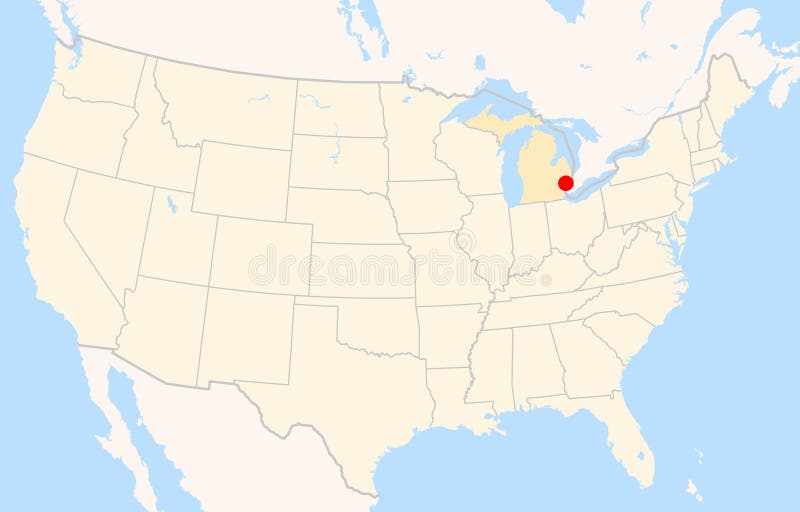
Sterling Heights borders Warren to the south and Troy across Dequindre Road to the west, sitting in Macomb County roughly 18 miles north of downtown Detroit. According to the U.S. Census Bureau’s 2020 Decennial Census, its population was 134,346, making it the fourth-most populous city in Michigan and the second-largest Detroit suburb after Warren’s 139,387 residents.
Some real-estate research sites report a slightly different figure, closer to 134,196, for roughly the same period. That number comes from the Census Bureau’s American Community Survey, a rolling, modeled estimate with its own margin of error, not the fixed count taken on Census Day. For a specific, dated figure, the 134,346 Decennial Census count is the one to use.
The name is also easy to confuse with a different Michigan place: the village of Sterling, a community of a few hundred people in Arenac County, more than 100 miles to the north. That naming conflict is the actual reason “Heights” is part of the city’s name, covered in full below.
| Metric | Value | Source / date |
|---|---|---|
| Population | 134,346 | U.S. Census Bureau, 2020 Decennial Census |
| Land area | 36.45 sq mi | U.S. Census Bureau, 2020 |
| County | Macomb County | — |
| Incorporated as a city | 1968, from Sterling Township | City of Sterling Heights, “Pre-City History” |
| Distance to downtown Detroit | About 18 miles | — |
| OEM auto plants within city limits | 4 | City of Sterling Heights, “Automotive & Advanced Manufacturing” |
Is Sterling Heights part of Detroit?
No. It is an independent city in Macomb County, not a Detroit neighborhood, though it is commonly described as a Detroit suburb and sits about 18 miles from downtown Detroit.
What Kind of Place It Is
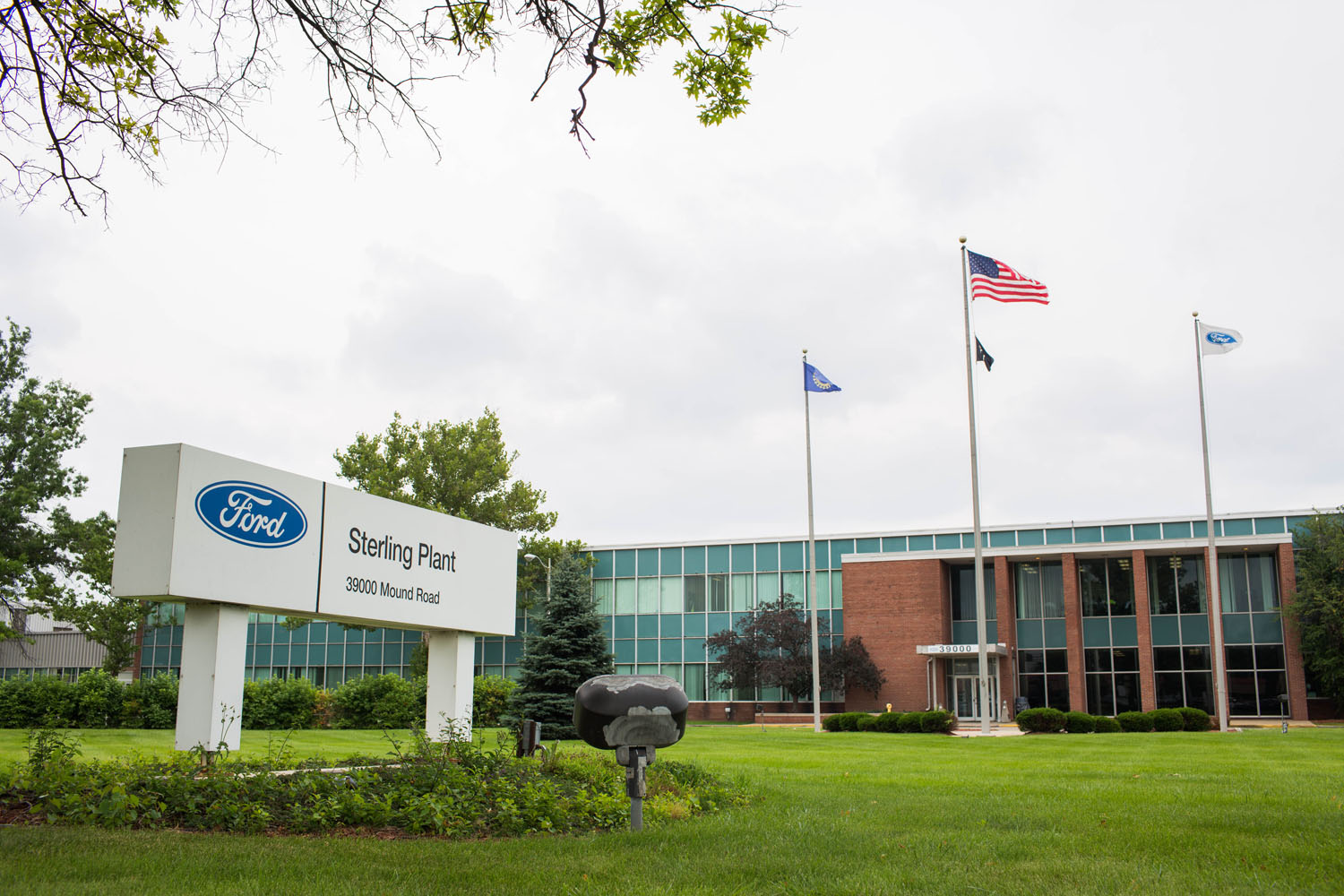
Sterling Heights is an automotive-manufacturing suburb built on a former farm township, with a substantial Chaldean and Assyrian population concentrated in and around the city. The city government’s own account lists four OEM vehicle plants inside city limits: Stellantis’s Sterling Heights Assembly Plant, which builds the Ram 1500, and its adjacent Stamping Plant, plus Ford’s Van Dyke Transmission Plant and Ford Axle Plant. The city also counts more than 76,000 automotive, engineering, design, technician, and skilled-trades workers across the surrounding region.
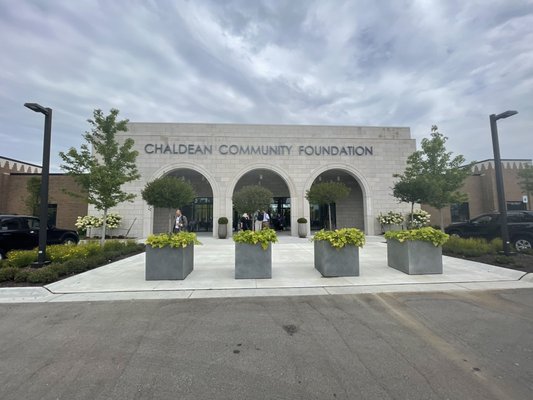
That industrial base sits alongside a large, organized Chaldean community. The Chaldean Community Foundation has operated its main campus on 15 Mile Road in Sterling Heights since March 8, 2011; the building has grown from a 1,200-square-foot office into a 30,000-square-foot facility, and the Foundation now serves more than 48,000 people a year through citizenship classes, resettlement casework, and career services.
How large is the Chaldean and Assyrian community in Sterling Heights?
The Chaldean Cultural Center’s materials put the tri-county Detroit area’s Chaldean population above 160,000, the largest such concentration anywhere in the world, with a major share of that community’s civic infrastructure, including the Chaldean Community Foundation’s headquarters, based in Sterling Heights.
Cost of Living and Housing vs. Nearby Suburbs
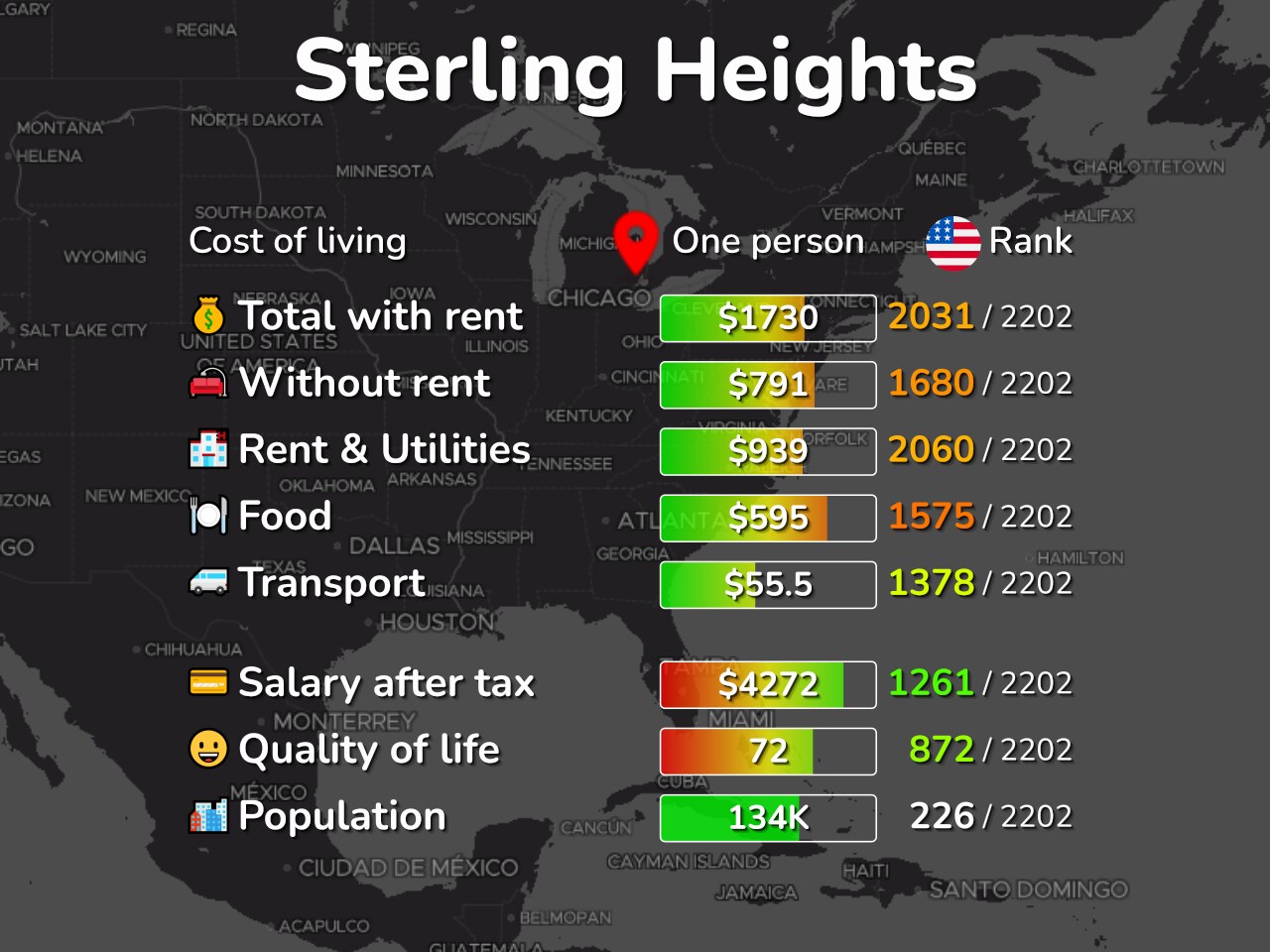
A median household in Sterling Heights earns about $80,000 a year, and a typical home is valued near $267,000, roughly in between its two closest namesake neighbors on both measures.
| City | Median household income | Median home value | Unemployment rate |
|---|---|---|---|
| Sterling Heights | $80,078 | $266,899 | 5.97% |
| Warren | $65,578 | $193,265 | 7.36% |
| Troy | $120,757 | $396,774 | 3.86% |
Source: U.S. News Real Estate, Census ACS-derived data.
Troy’s median home costs about 49% more than Sterling Heights and its median income runs about 51% higher; Warren’s median home costs about 28% less and its median income runs about 18% lower, with an unemployment rate roughly a percentage and a half above Sterling Heights. On income-to-home-value footing, Sterling Heights sits closer to Warren than to Troy.
Is Sterling Heights a good place to live?
By the comparative numbers above, it sits in the middle of its two closest neighbors on cost, below Troy and above Warren, and it carries a lower unemployment rate than Warren. Whether that counts as “good” depends on what a household is optimizing for, but the underlying figures are not in dispute.
How Safe It Is Compared to Peer Cities
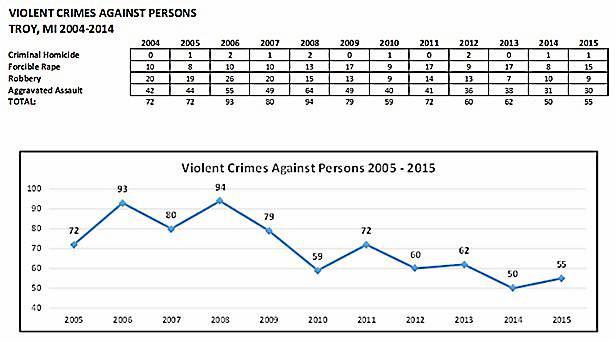
Sterling Heights recorded 305 violent crimes and 1,387 property crimes in 2024, the lowest of any Michigan city with more than 100,000 residents, according to FBI data reported for the sixth consecutive year running.
| City | Violent crimes, 2024 (vs. Sterling Heights) | Property crimes, 2024 (vs. Sterling Heights) |
|---|---|---|
| Sterling Heights | 305 (baseline) | 1,387 (baseline) |
| Dearborn | 306, about the same | 2,091, about 34% more |
| Ann Arbor | About 15% more | About 32% more |
| Warren | About 59% more | Not published in this comparison |
Dearborn is the only city in the seven-city Michigan group that comes close to matching Sterling Heights on violent crime; every peer city that published a comparable 2024 property-crime figure ran at least a third higher.
History and How It Got Its Name
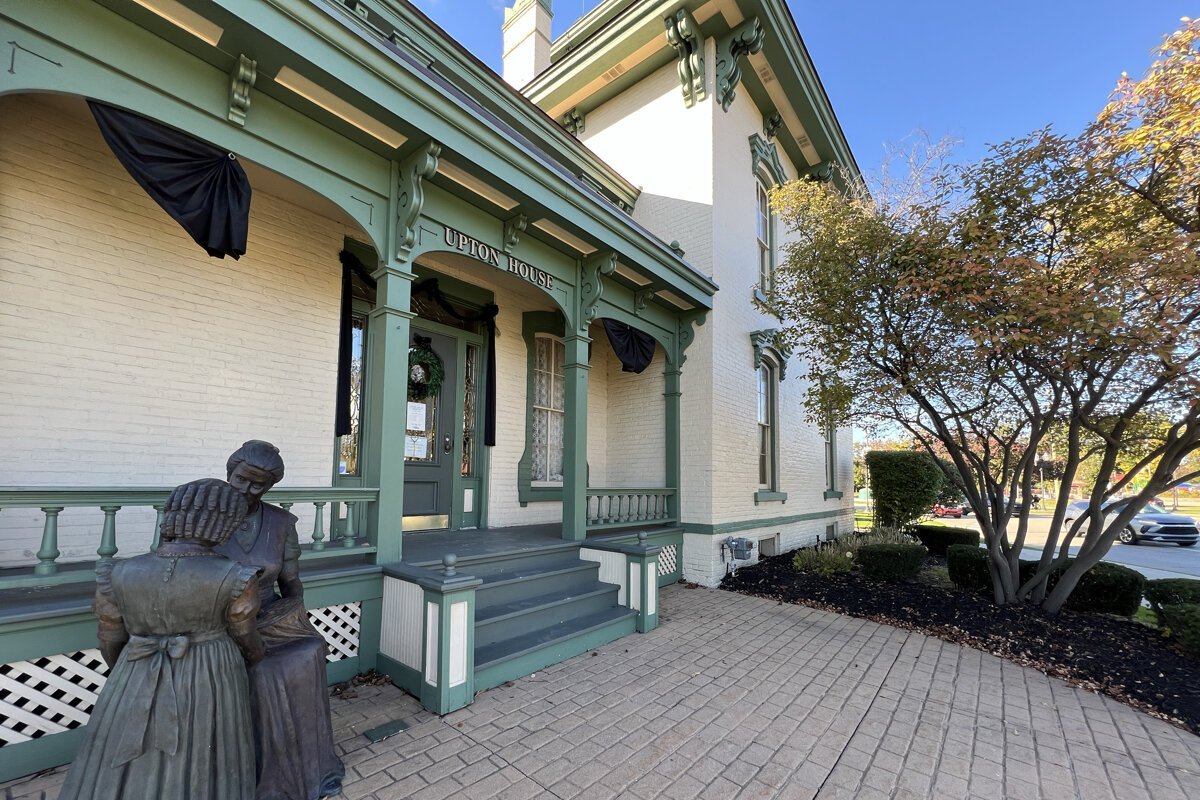
Sterling Heights became a city in 1968 because Michigan law would not allow two incorporated places to share the same name. The area had been Jefferson Township starting in 1835, renamed Sterling Township in 1838, and stayed a farm community, known for rhubarb grown for Detroit markets, until postwar suburban and auto-industry growth pushed incorporation. When the new charter commission wanted to call the city simply “Sterling,” it found a small village of that name already incorporated in Arenac County; state law barred the duplication, so the commission added “Heights” instead.
Why is it called Sterling Heights and not just Sterling?
Because a village already named Sterling existed in Arenac County, and Michigan law does not allow two incorporated municipalities to share a name; the 1968 charter commission had also considered “Moravian” before settling on “Sterling Heights.”
Things to Do
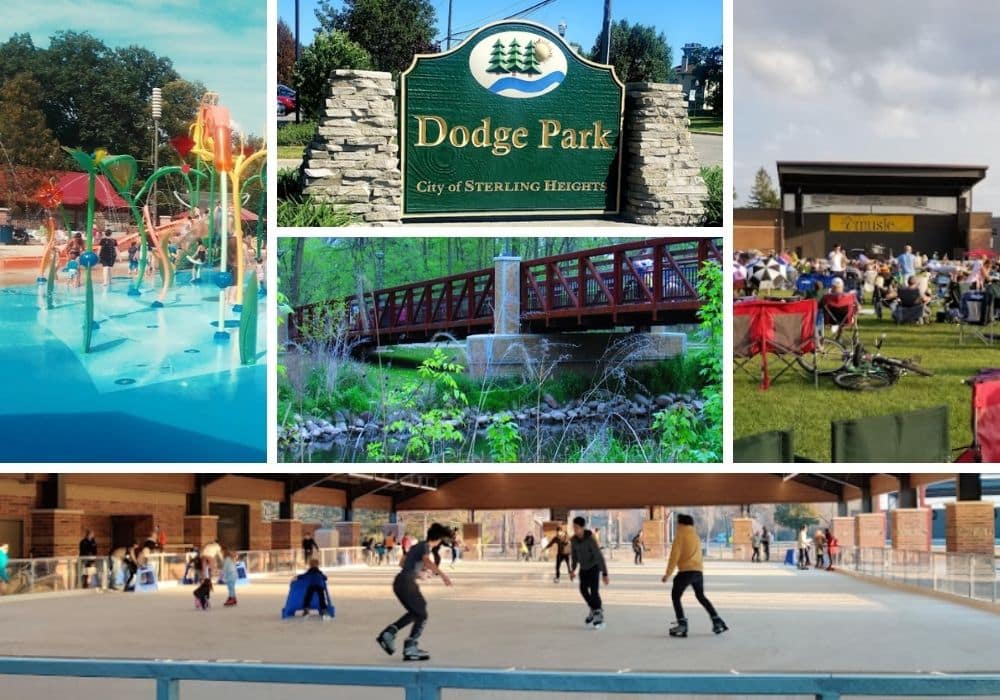
Sterling Heights concentrates most of its public recreation around Dodge Park, including a seasonal outdoor ice rink at 40620 Utica Road that is free for residents with ID and $5 for everyone else, and that drew 21,375 skaters over the 2023-24 season alone. Fuller visitor guides covering restaurants and trails exist elsewhere; this is the orientation, not the itinerary.
Comments