
The sale: confirmed and disputed
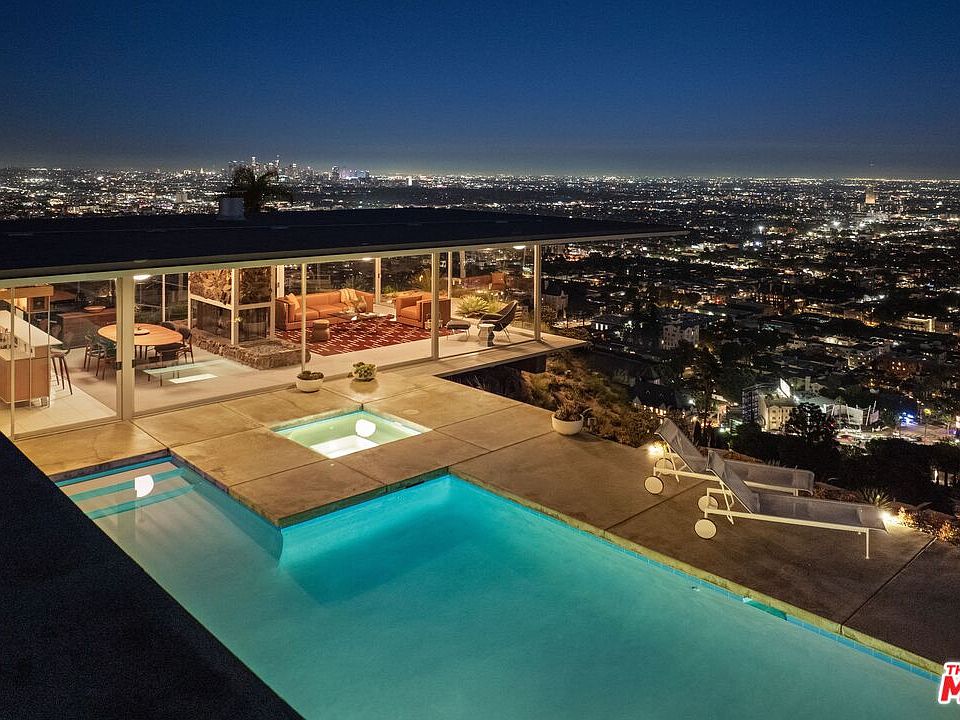
The house went up for sale in November 2025 for the first time in its 65-year history, after Bruce Stahl and Shari Stahl Gronwald, the children of original owners Buck and Carlotta Stahl, decided the property had become too demanding to maintain. Buck and Carlotta had bought the hillside lot in 1954 after other architects called it unbuildable, hired Pierre Koenig in 1957, and moved into the finished 2,200-square-foot house in 1960; a single Julius Shulman photograph from that year later made the house one of the most reproduced images of Los Angeles.
The one number every outlet repeats is $25 million. It did not come from the brokerage. The Agency’s listing itself says “price available upon request,” and the $25 million figure traces to a comment from Docomomo board president Katie Horak, not to any confirmed offer or closing.
Has the Stahl House sold yet? Not as far as any independent report shows. It was listed in November 2025 and, based on the sources available, remains on the market with no confirmed buyer or closing price.
What the two designations actually require
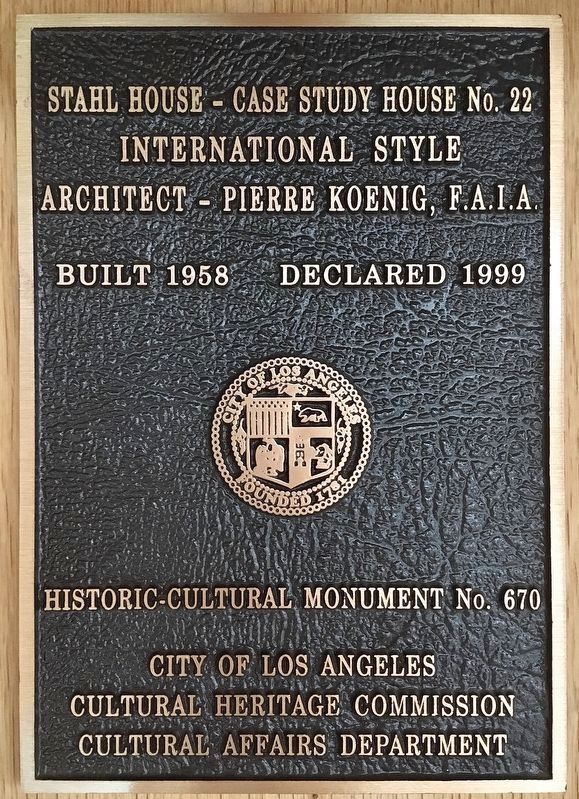
A Historic-Cultural Monument designation and a National Register listing sound like the same protection stacked twice. They function differently, and neither is what secures the biggest financial consequence for an owner.
| Designation | Year | Practical requirement | Practical benefit |
|---|---|---|---|
| LA Historic-Cultural Monument No. 670 | 1999 | Exterior alterations affecting historic character go through City review | Establishes local eligibility that supports the Mills Act contract |
| National Register of Historic Places, ref. 13000519 | 2013 | No restriction on a private owner absent federal funding or permits | Federal 20 percent rehabilitation credit exists, but applies only to income-producing buildings, not an owner-occupied home like this one |
| Mills Act contract, already in place | Ongoing | 10-year term, auto-renews annually; major work must follow preservation review | Property tax typically cut 40 to 60 percent versus a standard assessment; the contract transfers automatically to the buyer |
The federal credit gap is the one benefit buyers commonly assume applies and does not: it is reserved for income-producing historic buildings, and a private residence does not qualify. The Mills Act contract is the real lever, and because the listing itself states the property carries its Mills Act designation, a buyer inherits both its savings and maintenance obligations without applying from scratch.
Does the Mills Act contract survive the sale? Yes. Mills Act contracts run with the property, not the owner, so the existing 10-year term and its tax treatment transfer automatically when the house changes hands.
The hillside dispute below the property
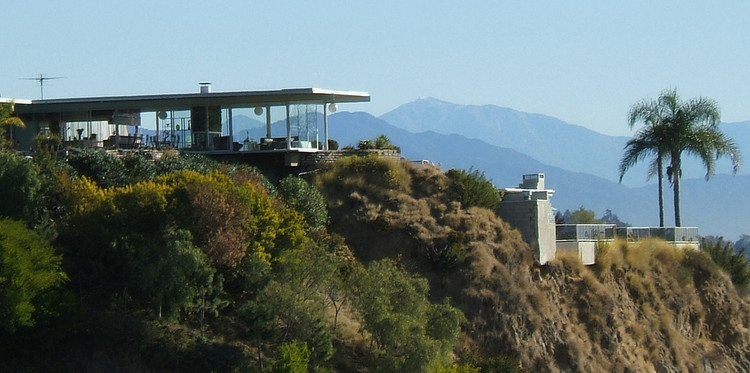
The City of Los Angeles approved a new residence at the base of the hillside directly below the Stahl House. The Los Angeles Conservancy has filed an appeal, calling the slope prone to sliding and warning that the retaining walls the new construction requires could destabilize it further. No date has been set for the appeal’s return to the Planning Commission.
What is the specific risk from the hillside project next door? A City-approved home is planned directly below the Stahl House on a slope described as prone to sliding; the retaining walls it requires are the specific concern, and the outcome depends on an appeal still pending before the Planning Commission.
What comparable landmark sales say about the $25 million ask
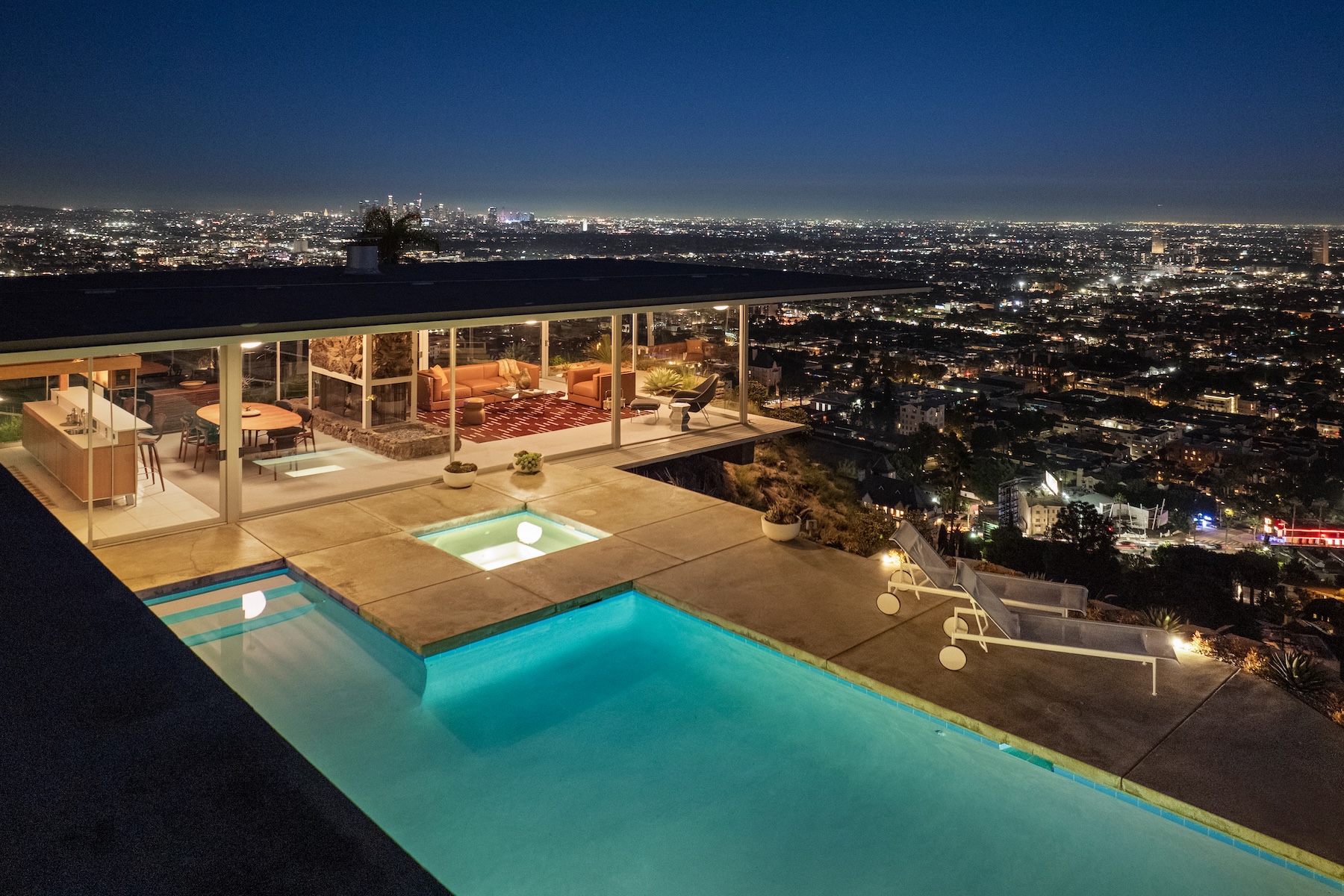
Recent sales of similarly famous architect-designed houses give a real anchor for the disputed number, closer to the ground than a neighborhood average.
| Property | Architect | Asking price | Sold price | Year |
|---|---|---|---|---|
| Ennis-Brown House | Frank Lloyd Wright | $23,000,000 | $18,000,000 | Not stated in source |
| Brown House | Richard Neutra | $33,900,000 | $24,000,000 | 2025 |
| Lovell Health House | Richard Neutra | Not stated in source | $8,750,000 | Not stated in source |
| Freeman House | Frank Lloyd Wright | Not stated in source | $1,800,000 | Not stated in source |
Two of the three sales with both figures available closed at 71 to 78 percent of the asking price, which puts a $25 million Stahl House ask in a realistic range of roughly $18 to $20 million if the same discount holds, well above the surrounding neighborhood’s $3.1 million average sale price and consistent with a market that prices architectural significance rather than square footage.
Condition and design specifics a buyer inherits
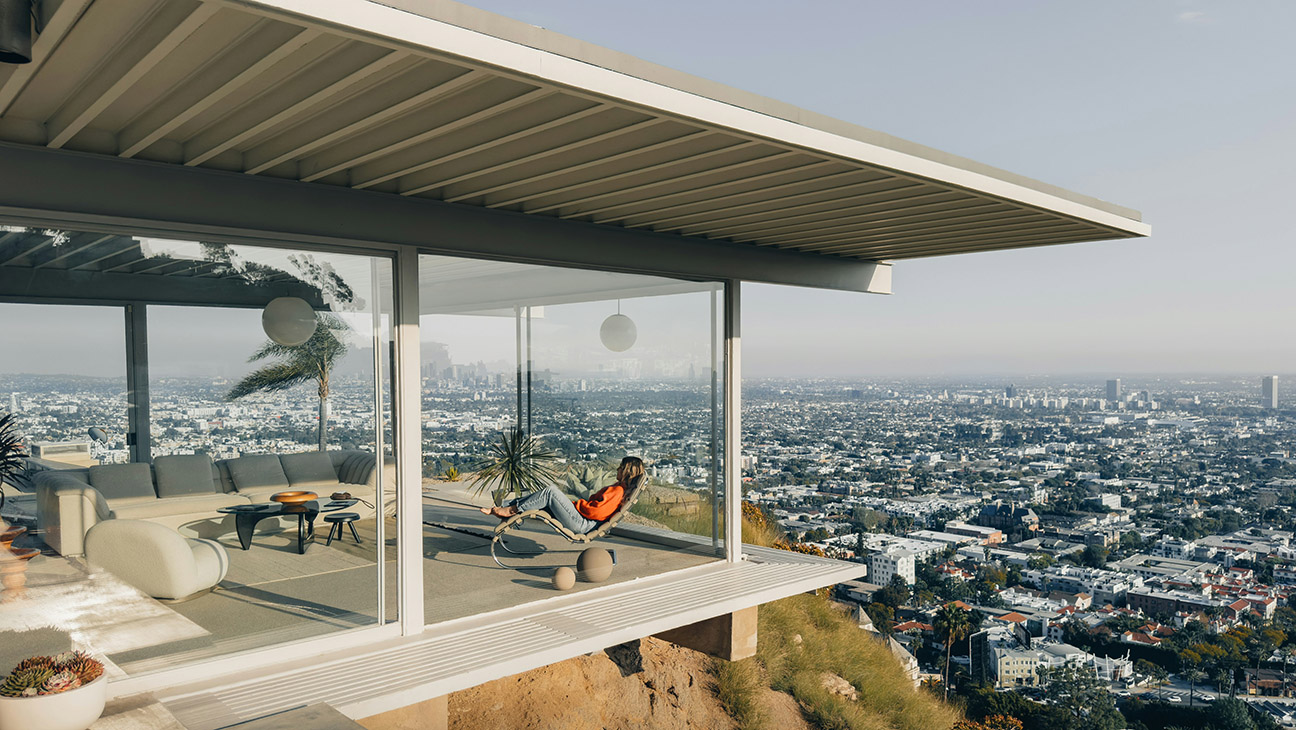
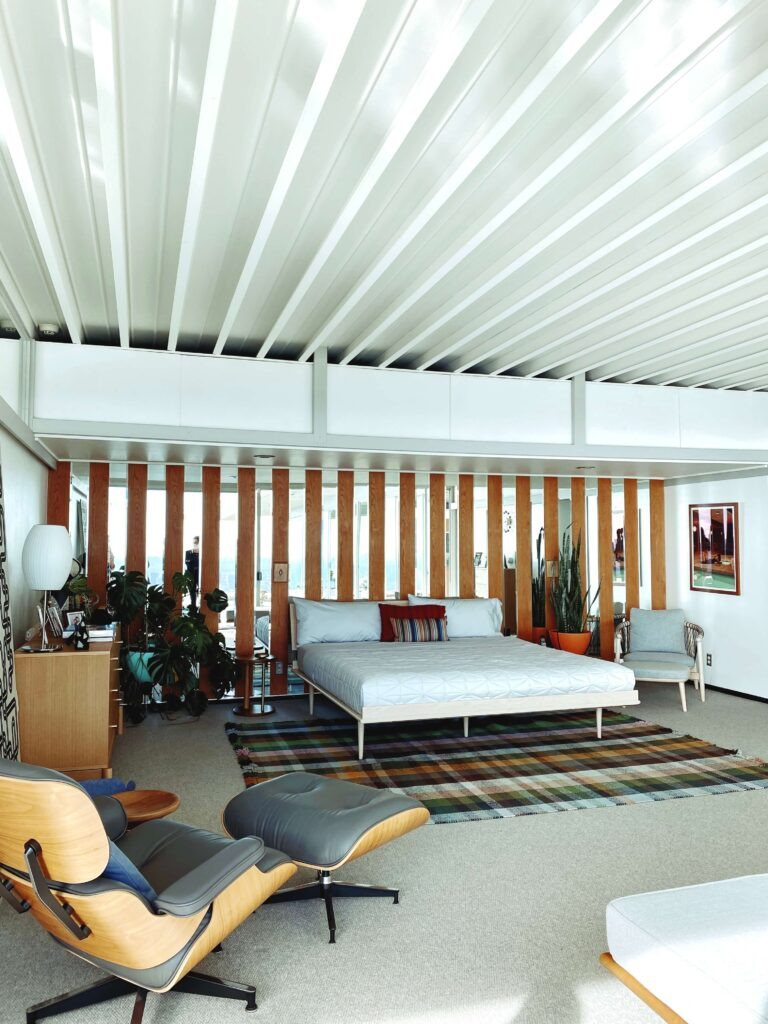
The house is two bedrooms and two and a half bathrooms across 2,200 square feet, cantilevered ten feet over the hillside on a steel frame, with glass walls on three sides and radiant heating under the original concrete floors. Some of that concrete floor is now covered in carpet the family added over the decades, and the original single-pane glass has been replaced with tempered safety glass; the kitchen’s plywood cabinets are original.
Public access, before and after a sale
For 17 years the family has run docent tours priced at $60 per adult during the day and $90 in the evening. As of the family’s own current statement, group tours are temporarily closed, a change from the “unchanged for the time being” reassurance posted when the listing first went live. That statement now sits alongside the family’s petition urging the City to stop the hillside construction below the house, a stronger and more current signal than the earlier wording suggested.
Will public tours continue? Not right now for groups. The family’s own site currently lists group tours as temporarily closed, a change from its original statement that tours would continue unchanged; no date has been given for reopening.
Comments