
What Homes Cost Right Now
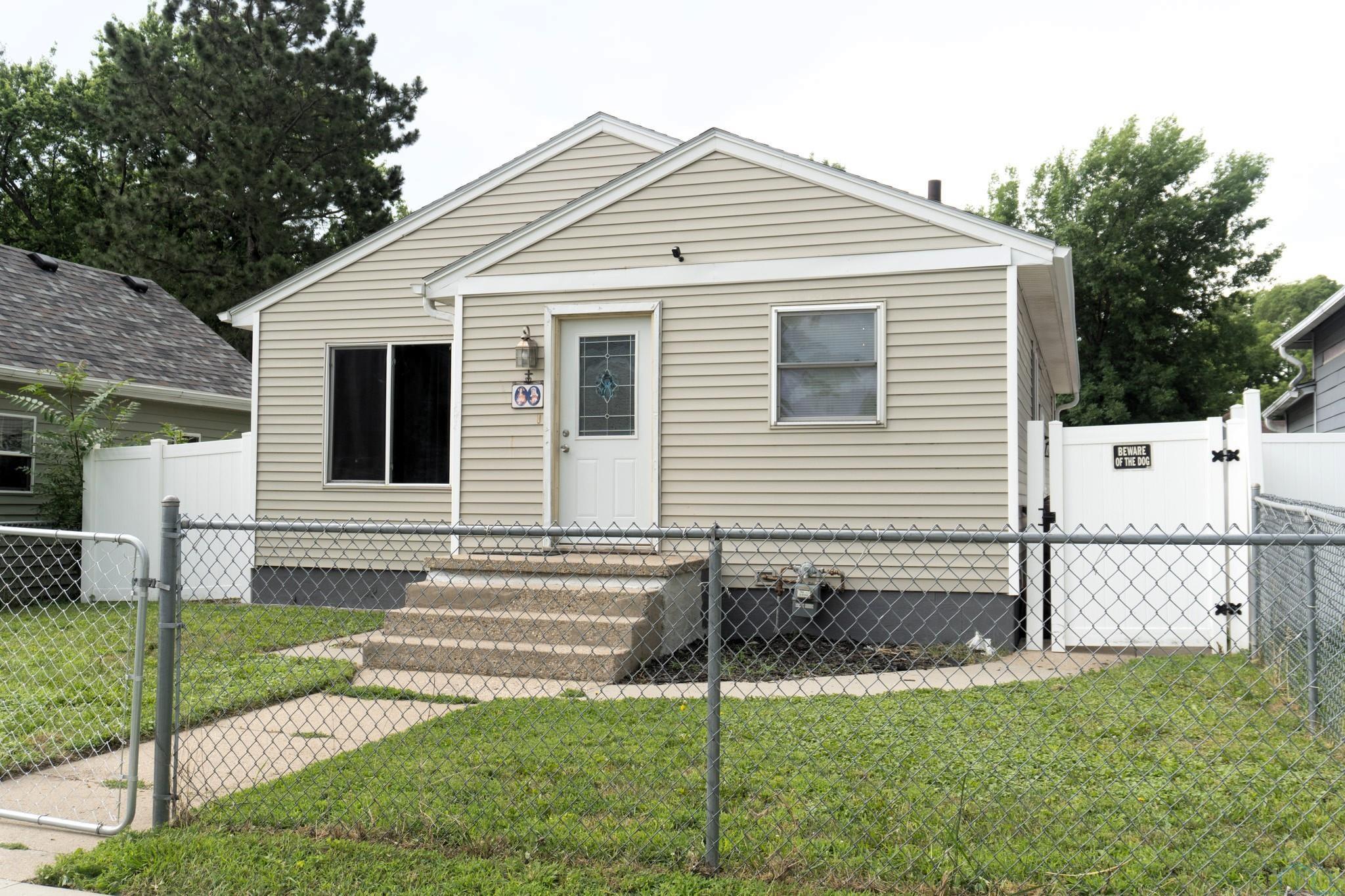
The market is small enough that a handful of closings move the median. Zillow’s Home Value Index reports 21 active listings and 8 new listings for the week of June 30, 2026, against a citywide typical value of $235,297. Homes.com shows single-family homes selling in 45 days on average, with prices from $134,900 to $500,000 across 13 active listings in June 2026. One live example from that inventory: a five-bedroom, 2,112-square-foot house at 820 Apache Dr. listed at $280,000, in the upper-middle band of what’s currently on the market.
| Metric | Value | As of | Source |
|---|---|---|---|
| Home Value Index (typical home) | $235,297 (+5.9% year over year) | May 31, 2026 | Zillow |
| Median list price | $261,667 | June 30, 2026 | Zillow |
| For-sale inventory | 21 homes | June 30, 2026 | Zillow |
| New listings that week | 8 | June 30, 2026 | Zillow |
| Median sale price, all homes, trailing 12 months | $250,975 | Mid-2026 data pull | Homes.com |
| Single-family median / average list price | $284,950 / $284,985 | June 2026 | Homes.com |
| Days on market, single-family | 45 days | June 2026 | Homes.com |
Read the table by metric, not by headline number: the index tracks value across the whole housing stock monthly, while the listing-site figures track only homes that were actually priced or sold in a specific window.
What You Actually Pay by Housing Type
2023 Census-derived data breaks the market down by structure type, and the result runs against the usual assumption that attached homes cost less.
| Housing type | Mean price, 2023 | Source |
|---|---|---|
| All housing units | $219,217 | City-Data (ACS 2023) |
| Detached single-family houses | $236,215 | City-Data (ACS 2023) |
| Townhouses and other attached units | $283,981 | City-Data (ACS 2023) |
| Mobile homes | $23,883 | City-Data (ACS 2023) |
Townhomes and attached units run about $48,000 above detached houses on average, largely reflecting newer riverfront construction like Flatwater Crossing rather than older attached stock elsewhere in town.
Why the Published Figures Don’t Match

Zillow’s index is a modeled estimate covering every home in the city, listed or not, updated monthly. Homes.com’s figures come from actual listings and closed transactions over a trailing window. With only about 21 homes on the market at any time, a single high-end or low-end closing shifts the median by thousands of dollars month to month. Neither number is wrong; they answer different questions.
Why do the median and average prices you see for South Sioux City look so different?
Because they’re different metrics over different pools of homes: an index estimates value across the entire housing stock, while a trailing median counts only recent closings, and in a 21-listing market a few sales swing that number noticeably.
Who’s Buying Here

South Sioux City had 13,907 residents as of the Census Bureau’s 2019-2023 American Community Survey estimates, with a median household income of $68,223 and a median age of 30.5. That’s a younger, lower-income buyer pool than the Nebraska statewide median household income of roughly $76,000.
Neighborhood Differences That Actually Show Up in the Data
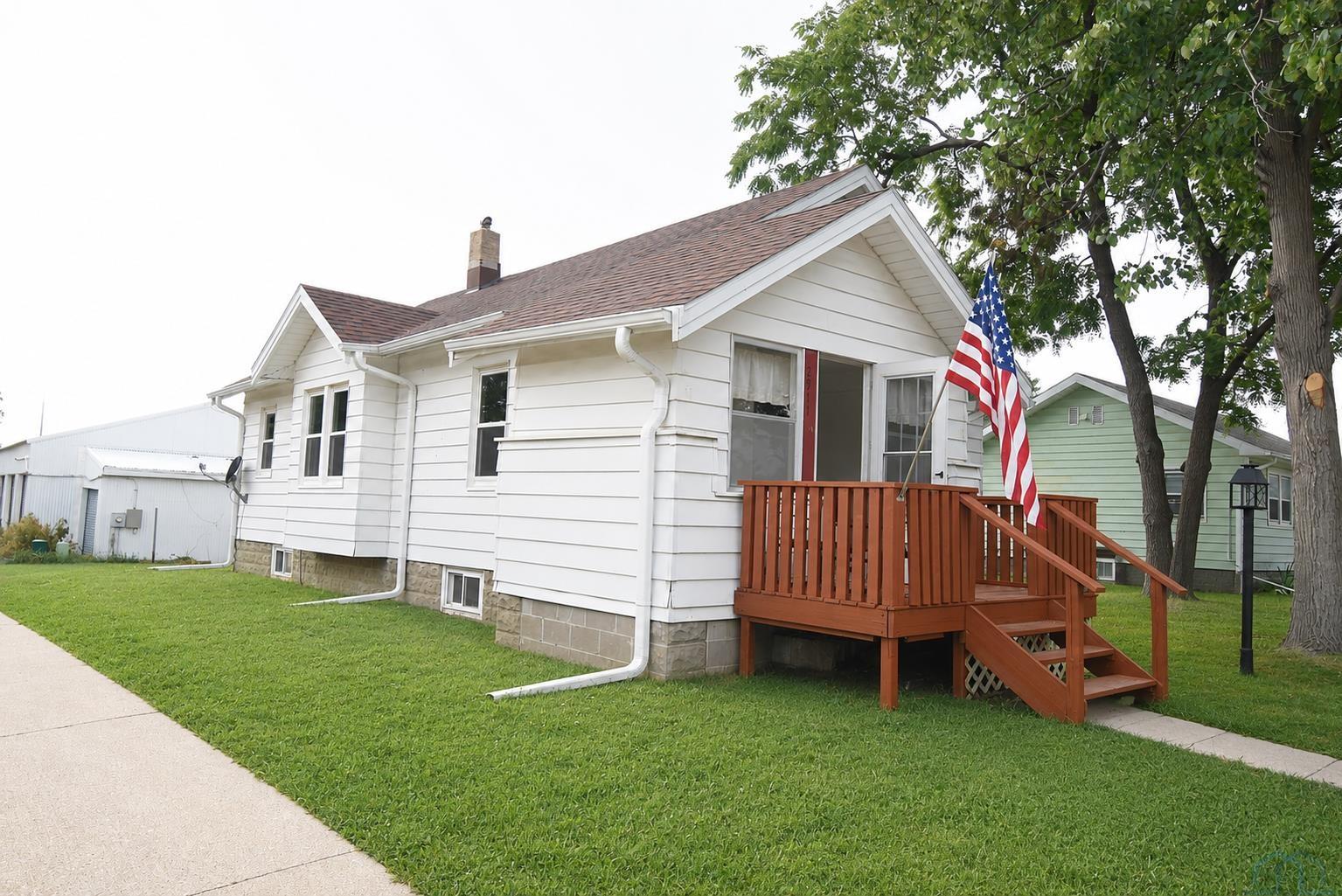
No public data source publishes price-by-neighborhood figures for a market this small, so this section uses building-era and income data instead of guessing at price tiers. NeighborhoodScout’s Crystal Cove Park profile shows housing built mostly between 1940 and 1999, a moderate-income resident base, and 65.5% of residents with a commute under 15 minutes. The park itself covers roughly 100 acres with a lake, trails, and a disc golf course. South Sioux City East skews newer, built mostly from 1970 to the present, with a lower-middle income base and 31.9% of workers in manufacturing and laborer occupations, consistent with proximity to the Dakota City plant district.
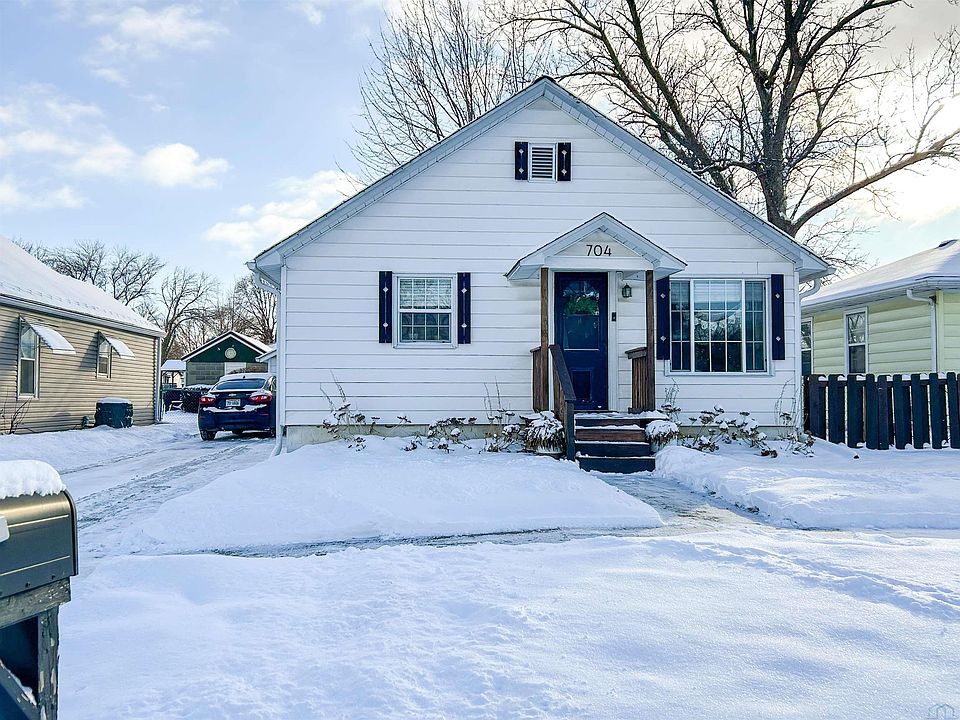
A buyer choosing between these areas by walking the streets and guessing at price will get it wrong about as often as right; the actual differentiator on record is building age and workforce composition, not curb appeal.
Selling Before July 18: The Documentary Stamp Tax Increase

On South Sioux City’s own numbers, the difference is modest in dollars but immediate in timing.
| Sale price | Tax before July 18 | Tax on or after July 18 | Increase |
|---|---|---|---|
| $200,000 | $464 | $664 | $200 |
| $250,000 (near the local median) | $580 | $830 | $250 |
| $300,000 | $696 | $996 | $300 |
| $500,000 | $1,160 | $1,660 | $500 |
At the local median sale price of roughly $250,000, closing seven days later costs a seller about $250 more; the number itself won’t decide a closing date, but a seller already choosing between two possible dates now has a concrete figure to weigh against it.
Is my closing cost different if I close before or after July 18, 2026?
Yes, but only the documentary stamp tax line: it’s based on the date the deed records, not the date the contract was signed, and it rises from $2.32 to $3.32 per $1,000 of sale price on July 18.
Buying or Selling Across the River: Nebraska vs. Iowa
South Sioux City sits directly across the Missouri River from Sioux City, Iowa, and buyers comparing the two sides are comparing more than school districts.
| Factor | Nebraska side | Iowa side |
|---|---|---|
| Seller-paid transfer tax | Documentary stamp tax, $2.32 rising to $3.32 per $1,000 on July 18, 2026 | Iowa real estate transfer tax applies separately and is calculated on a different schedule |
| Title process | Owner’s and lender’s title insurance policies, customary in most Nebraska closings | Customarily abstract-based, with an attorney preparing the deed instead of a title company issuing a policy, per practitioner accounts of Iowa-side closings |
| Effective property tax rate | Approximately 1.73%, per CountryTaxCalc’s 2026 state comparison | Approximately 1.57%, per the same comparison |
| Buyer agency requirement | Written buyer representation contract mandatory since July 1, 2025 (LB187) | Governed by Iowa’s own agency statute, separate from Nebraska’s licensing framework |
The property tax figures above come from a third-party comparison site rather than a government source, so treat them as directional rather than exact; the transfer tax and agency rows are confirmed by Nebraska’s own Department of Revenue and Real Estate Commission.
Do I need a Nebraska-licensed agent if I’m also looking in Sioux City, Iowa?
Yes: Nebraska and Iowa license real estate agents separately, and an agent licensed only in one state can’t legally represent you on a transaction across the river without also holding an Iowa license.
Flood Risk on the Missouri River
Federal flood insurance is legally required only for federally backed mortgages on property mapped inside a high-risk FEMA zone; outside that mapped boundary, coverage is optional, though several lenders and agents recommend it anyway given the city’s river frontage. That’s the one gap worth naming plainly, since the two thresholds get conflated constantly. Flatwater Crossing, the $75 to $80 million, 200-acre riverfront development from Ho-Chunk Inc., has been marketed since at least 2020 as sitting outside the mapped flood zone, with the developer stating no groundwater seepage or flood-water intrusion in units built there through 2022, according to Sioux City Journal reporting on the project.
Is the Flatwater Crossing development at risk of flooding?
The developer has stated the land is outside the mapped flood zone and that no water has reached the development area even during high-river years, per Sioux City Journal coverage from 2020 and 2022; that’s a developer’s account, not an independent FEMA determination, so a buyer should still confirm flood-zone status for the specific parcel before closing.
What the Employer Base Means for Renters and Investors
The Tyson Fresh Meats beef plant in neighboring Dakota City employs more than 4,200 people, according to Tyson’s own published account of the facility, making it the dominant employer driving housing and rental demand in the immediate area. Average asking rent in South Sioux City runs $976 a month, compared with a $1,643 national average, per Apartments.com data from May 2026. For an investor running numbers on a rental purchase near the plant, that combination points toward steady blue-collar tenant demand at a rent level well under the national norm, not toward the kind of appreciation-driven flip market found in larger metros nearby.
Current Agency Rules for Buyers and Sellers
As of July 1, 2025, Nebraska requires a written buyer representation contract before an agent formally represents a buyer, under Legislative Bill 187, confirmed by the Nebraska Real Estate Commission. Before that agreement exists, a licensee working with a buyer is automatically a limited agent with no written contract required, unless that same licensee already holds a listing agreement with a seller on the property in question. Separately, Neb. Rev. Stat. §76-2421 requires a licensee to hand over a written brokerage disclosure pamphlet at the earliest practicable point after first substantial contact with any buyer, seller, landlord, or tenant who doesn’t already have a written agreement in place.
Do I have to sign a buyer’s agency agreement before an agent will show me homes?
Not before the first showing, but before that agent can formally represent your interests as your agent, Nebraska law requires a signed written buyer representation contract, effective since July 1, 2025.
Common Mistakes to Avoid
- Quoting one price figure as “the” market price. The gap between an index value and a trailing median can run tens of thousands of dollars in a market this small; cite both, with dates.
- Assuming attached units are the cheaper option. 2023 data shows townhomes and attached units averaging roughly $48,000 above detached houses in this city.
- Timing a closing without checking the stamp-tax date. A deed recorded on July 18, 2026 or later pays the higher rate regardless of when the contract was signed.
- Treating “not in the mapped flood zone” as a legal guarantee. It affects insurance requirements, not river behavior; confirm parcel-specific flood status independently.
- Assuming one state’s agency rules cover a cross-river search. An agent needs separate Nebraska and Iowa licensure to represent a client on both sides.
Comments