
What Shorewood rent actually benchmarks against
Shorewood sits inside the Milwaukee-Waukesha-West Allis metro area that HUD uses to calculate Fair Market Rent, a federally published 40th-percentile benchmark, not a market average, updated every fiscal year with a stated methodology. The five-year trend shows how fast the floor has moved:
| Fiscal year | Two-bedroom Fair Market Rent | Year-over-year change |
|---|---|---|
| FY2020 | $922 | +0.44% |
| FY2021 | $973 | +5.53% |
| FY2022 | $999 | +2.67% |
| FY2025 | $1,257 | +7.44% |
The two-bedroom floor rose faster in the single year leading into FY2025 than in the two years before it combined, which is the specific reason a rent figure quoted from 2022 is no longer usable for budgeting today. Separately, Shorewood’s own median household income was $86,726 in the 2024 American Community Survey, reported by the Census Bureau’s American Community Survey, about 10% above both the Wisconsin and Milwaukee-metro medians.
Is Shorewood part of Milwaukee?No. Shorewood is an independent village bordering the city of Milwaukee’s north side, with its own village government, school district, and police department. One national listings site’s URL for a specific apartment complex named “Shorewood” is sometimes confused with the village itself; they aren’t the same thing.
Where the popular affordability number breaks down

Some listing pages state that a renter needs roughly $34,000 a year to afford a Shorewood studio, without naming a percent-of-income rule behind the figure. Run the standard 30%-of-income guideline against the village’s own numbers instead, and a different picture emerges.
Shorewood vs. Whitefish Bay vs. the Milwaukee city line
Renters comparing Shorewood often cross-shop Whitefish Bay immediately to its north and the city of Milwaukee immediately to its south and west, but no aggregator builds the three into one table.
| Submarket | Median household income (2024 ACS) | Median gross rent (2023-24 ACS) | Distance to downtown Milwaukee | School district rating |
|---|---|---|---|---|
| Shorewood village | $86,726 | $1,393 | ~4.5 miles | Exceeds Expectations (2024-25 DPI) |
| Whitefish Bay village | $157,109 | $1,335 | ~7 miles | N/A, separate district |
| City of Milwaukee (citywide) | $54,234 | ~$1,033 | 0 miles | Varies by school |
Whitefish Bay’s median household income runs nearly double Shorewood’s, yet its median gross rent is slightly lower, which points to a larger share of owner-occupied housing pulling rental supply and pricing in a different direction than income alone would predict.
How much income do I need to afford a Shorewood apartment?Using the 30%-of-gross-income guideline against the village’s own $1,393 median gross rent, budget for roughly $55,720 a year before taxes. That figure tracks closely with the $54,940 median income Census data reports for actual Shorewood renter households.
What drives price inside Shorewood
Walk Score rates the intersection of East Capitol Drive and North Oakland Avenue at 85 out of 100, “Very Walkable,” according to Walk Score’s own measurement, while the village overall scores 73. Units within a few blocks of that corridor, and buildings renovated more recently within an older shell, both command a premium over the village median; units farther east toward the lake or west toward the river trade at a discount even within the same village.
When to look: UW-Milwaukee’s calendar creates a real crunch

UW-Milwaukee’s fall semester begins September 2, 2026, according to the university’s registrar, with residence-hall move-in concentrated in the final week of August. In a recent comparable cycle, an estimated 2,760 students moved into Sandburg Hall alone over three days, per UWM’s own housing office.
Non-student households looking for a September 1 lease start are competing directly against this student wave even though they have no connection to the university.
When is the best time to find a Shorewood apartment?Late spring through early summer, before the late-August student turnover concentrated around UW-Milwaukee’s move-in week and September 2 semester start.
Touring an older Shorewood building
The median Shorewood housing unit was built in 1938, and just over half the housing stock predates 1940, according to Census housing data compiled by Point2Homes. Whitefish Bay’s stock skews slightly newer, with a median year of 1944 and 41.6% pre-1940.
| Building era | What it typically means | What to check |
|---|---|---|
| Pre-1940 | Radiator or boiler heat, plaster walls, often no in-unit laundry | Ask whether heat is tenant- or landlord-paid; check for on-site vs. in-unit laundry |
| 1940s-1960s | Mixed HVAC, some retrofitted electrical | Ask about panel age and whether central air was added |
| Post-2000 (about 28% of nearby Milwaukee-area rental stock per aggregator building data, unverified for Shorewood specifically) | In-unit laundry and central air standard | Compare price premium against the drive to Oakland Avenue |
One example on the ground: The Signature, at 4414 N. Oakland Avenue in Shorewood, sits directly on the walkable corridor and is listed among current 53211-area inventory on Homes.com’s current listings, illustrating the kind of older-building-on-a-walkable-block unit that drives the premium described above.
Who owns Shorewood’s rental stock
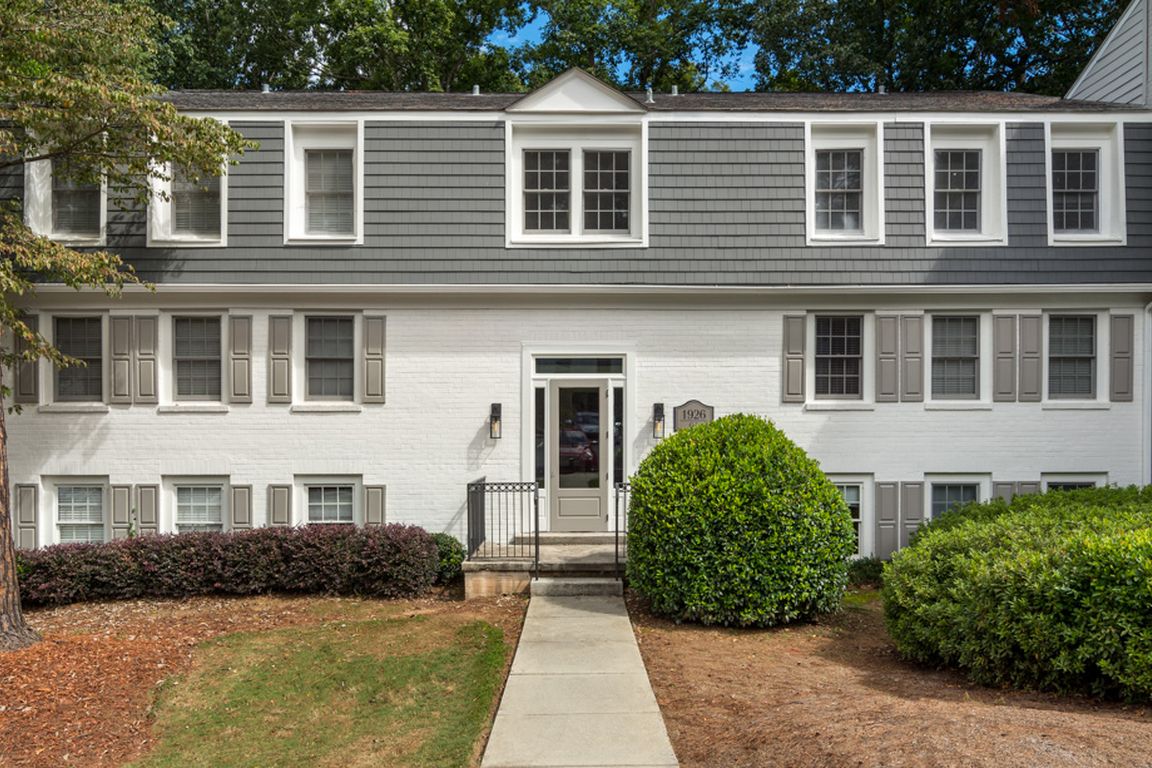
No public landlord census breaks Shorewood’s rental housing down by owner type. What is verifiable is the building stock itself: a village dominated by structures built before 1940 implies a mix weighted toward smaller, longer-held buildings rather than large, recently built management-company complexes, since large-scale multifamily development requires more assembled land than Shorewood’s built-out 1.6 square miles typically offers. Renters should expect more variation in lease terms, pet policy, and negotiating room between individual buildings than in a market dominated by a handful of national operators.
For investors and property managers
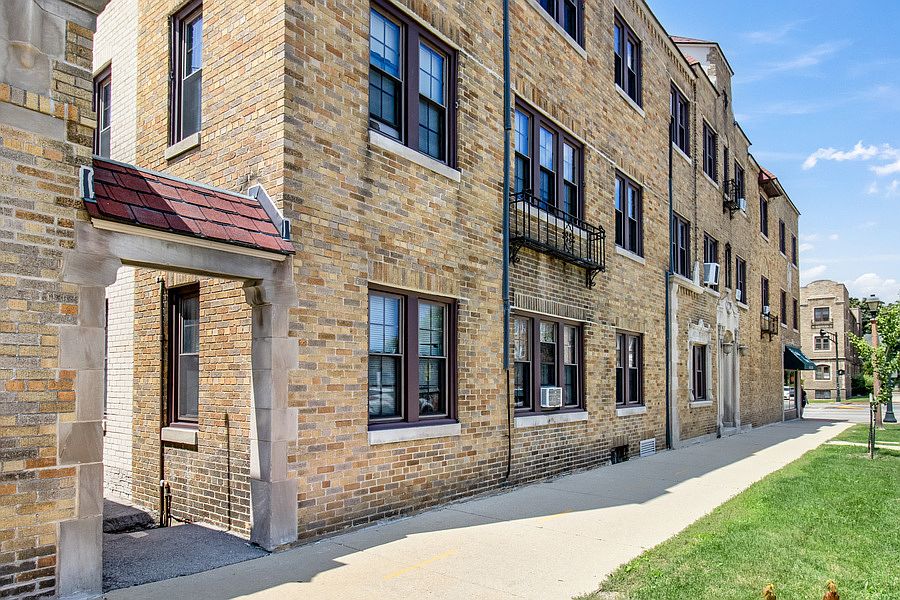
The two-bedroom Fair Market Rent trend above, up 7.44% in the year leading into FY2025 after two years of much smaller increases, is the single most citable input for underwriting a Shorewood-area rental unit against federal benchmarks rather than a single aggregator’s asking-price average. Combine that with the academic-calendar turnover pattern: units near the Oakland Avenue corridor see a defined late-August vacancy and re-lease window driven by UWM’s fall start date, which matters for projecting vacancy days and marketing spend far more precisely than “near a university” as a generic descriptor. Shorewood’s older housing stock also means acquisition underwriting should budget for mechanical-system age (heat, electrical) that a post-2000 building in a different Milwaukee submarket would not carry.
Common mistakes renters make searching Shorewood listings
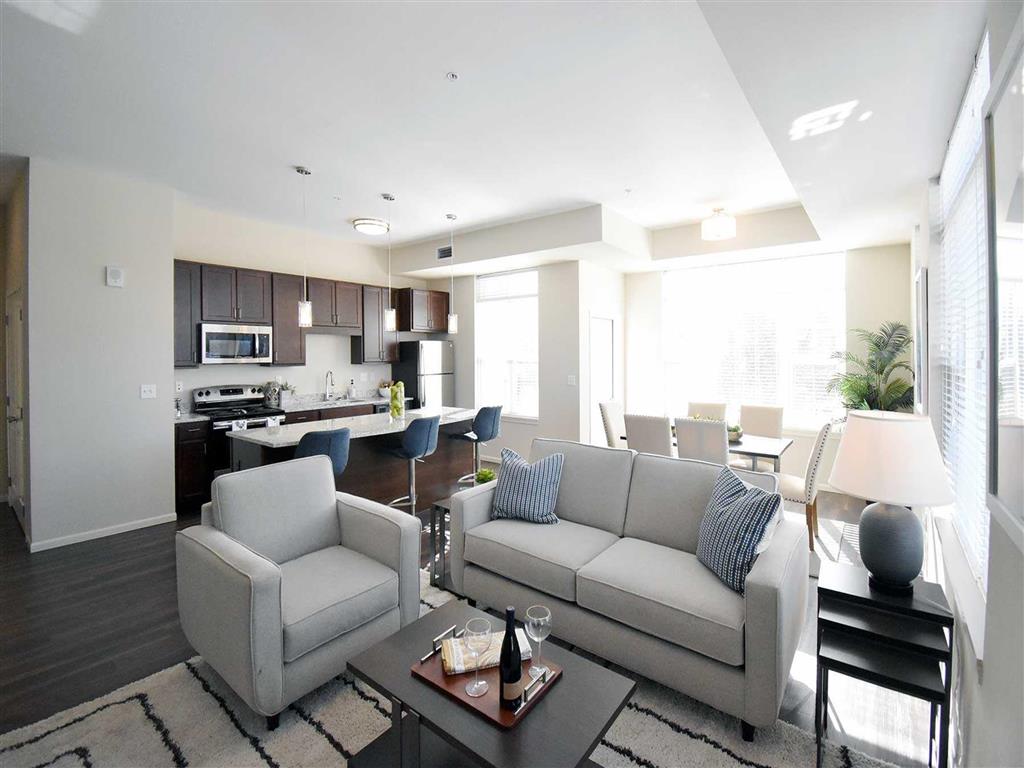
- Treating a single-property “Shorewood” listing as the whole village. At least one national aggregator’s own URL structure names an individual apartment complex “Shorewood,” distinct from the village-wide search most renters actually want.
- Budgeting off a 2022 or older rent figure. The two-bedroom Fair Market Rent jumped 7.44% in the single year leading into FY2025; a figure even two years old undercounts current asking rents meaningfully.
- Assuming “near UWM” means student housing pricing. Shorewood’s median household income and rent both run above the city of Milwaukee’s, and the village is not primarily a student market despite its border with campus.
Are Shorewood schools really as good as they’re described?The Shorewood School District received an “Exceeds Expectations” rating on Wisconsin’s 2024-25 accountability report card, according to the Wisconsin Department of Public Instruction, a named, published rating rather than an unsupported adjective.
Comments