
Where SF listings live and what each portal shows

Zillow, Redfin, Movoto, and Trulia pull from the same underlying MLS feed, so inventory is close to identical across all four; what differs is presentation and refresh cadence. Redfin advertises listing updates every two minutes and bundles in-app tour booking. None of the four explains what that refresh cadence actually protects you from: a listing can still show as active for a stretch after an offer is accepted, because the update reflects MLS status changes, not real-time seller decisions. If a listing looks unusually good for its price and neighborhood, that’s the first thing to check with the listing agent before you get attached to it.
Why do the same San Francisco listings show different prices on different sites? They pull from the same MLS feed but round, average, or window the data differently, and some report city-level figures while others report county-level ones. A price you see on one portal today may lag or lead the same listing on another by hours, not because of an error but because of refresh timing.
TIC and multi-unit units: searchable, but easy to filter out
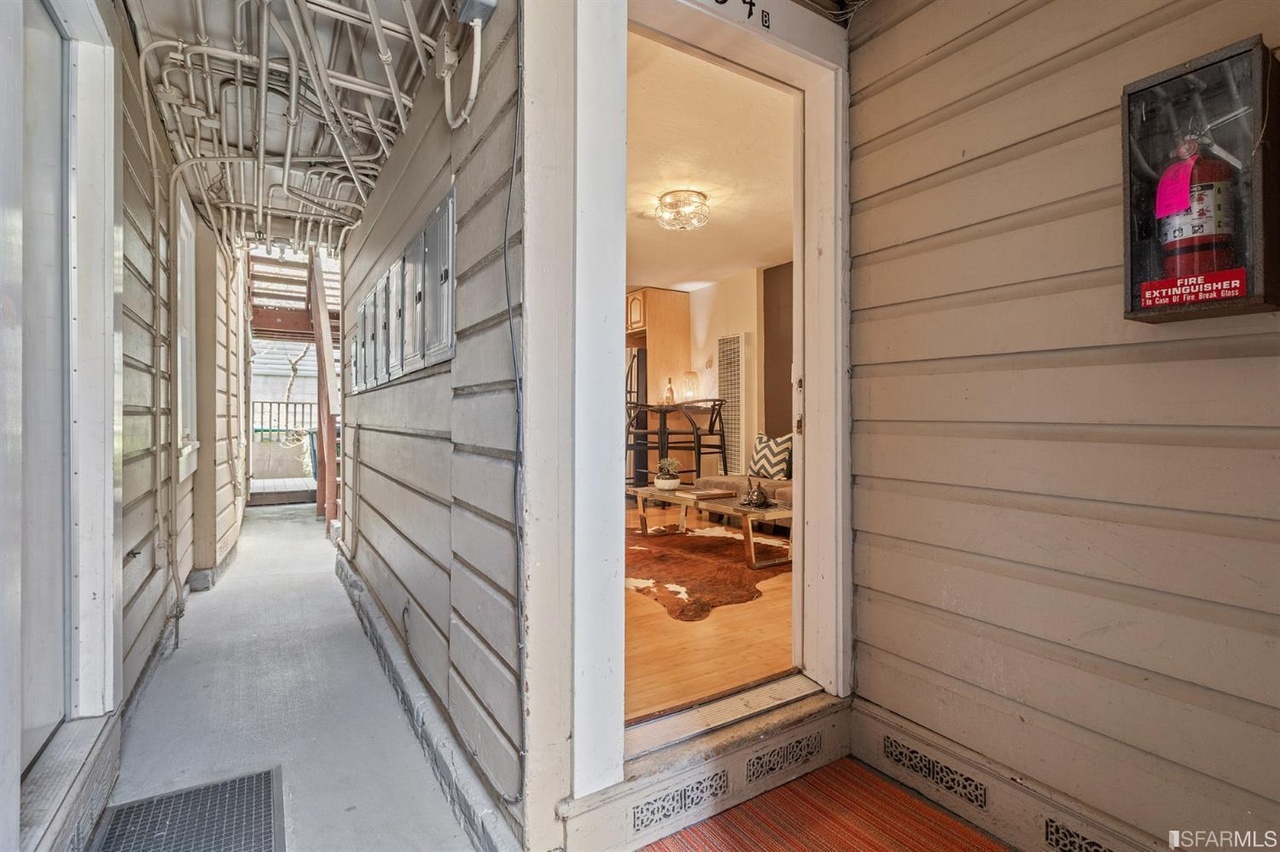
A tenancy-in-common (TIC) is a form of ownership where a group co-owns one parcel in percentage shares, with each owner holding exclusive rights to a specific unit; the county still assesses and bills the parcel as a single property. TICs aren’t a fringe product in San Francisco. They account for roughly a third of the city’s attached-home sales, concentrated in the classic three-unit-plus-garage Edwardian and Victorian buildings across Noe Valley, the Mission, and Bernal Heights. TIC interests are listed and sold through the same MLS the portals pull from, so the common assumption that they’re off-market is wrong. What actually happens is narrower and easier to miss: portal property-type filters default to “house” and “condo,” and a TIC unit often gets tagged as multi-family, co-op, or excluded, depending on how the listing agent categorized it. A buyer who filters tightly on single-family or condo alone can silently exclude a meaningful slice of inventory in exactly the neighborhoods they’re searching, with no error message telling them so.
TICs typically list 10% to 20% below comparable condos in the same building type and neighborhood, which is the main reason buyers priced out of a condo search should check whether they’ve filtered TICs out first.
Ownership type and how it shows up in a standard search
| Ownership type | How it typically appears in standard portal searches | What to check |
|---|---|---|
| Fee-simple single-family | Shows under default “house” filters without issue | Standard title search, no group financing concerns |
| Condominium | Shows under “condo” filters; HOA documents attached | HOA budget, reserve study, pending special assessments |
| Tenancy-in-common (TIC) | Often mis-tagged as multi-family or excluded from default house/condo filters | Fractional vs. group financing, and the TIC agreement’s decision-making rules |
| Co-op / stock cooperative | Rare in SF; usually requires manually adding “co-op” to filters | Corporation bylaws, proprietary lease terms, board approval process |
Checking “all property types” before you start, rather than relying on the portal’s default selection, is the fastest way to stop losing valid inventory to a filter you didn’t choose.
Can a TIC or multi-unit listing get filtered out of my search without me realizing it? Yes. Portals default to “house” and “condo” filters, and TIC units are frequently tagged under a different category or left uncategorized, so they can disappear from a standard search with no warning that anything was excluded.
What never reaches the MLS at all

Pocket and coming-soon listings, where a seller’s agent markets a property privately before it hits the MLS, still happen in San Francisco despite industry rules discouraging the practice. These never appear on any of the four portals, because portals are downstream of the MLS feed by definition. There’s no reliable way to search for them; working with an agent active in the specific neighborhood you want is the only real mitigation, since these listings move through personal networks rather than any searchable database.
How to read a listing before you write an offer
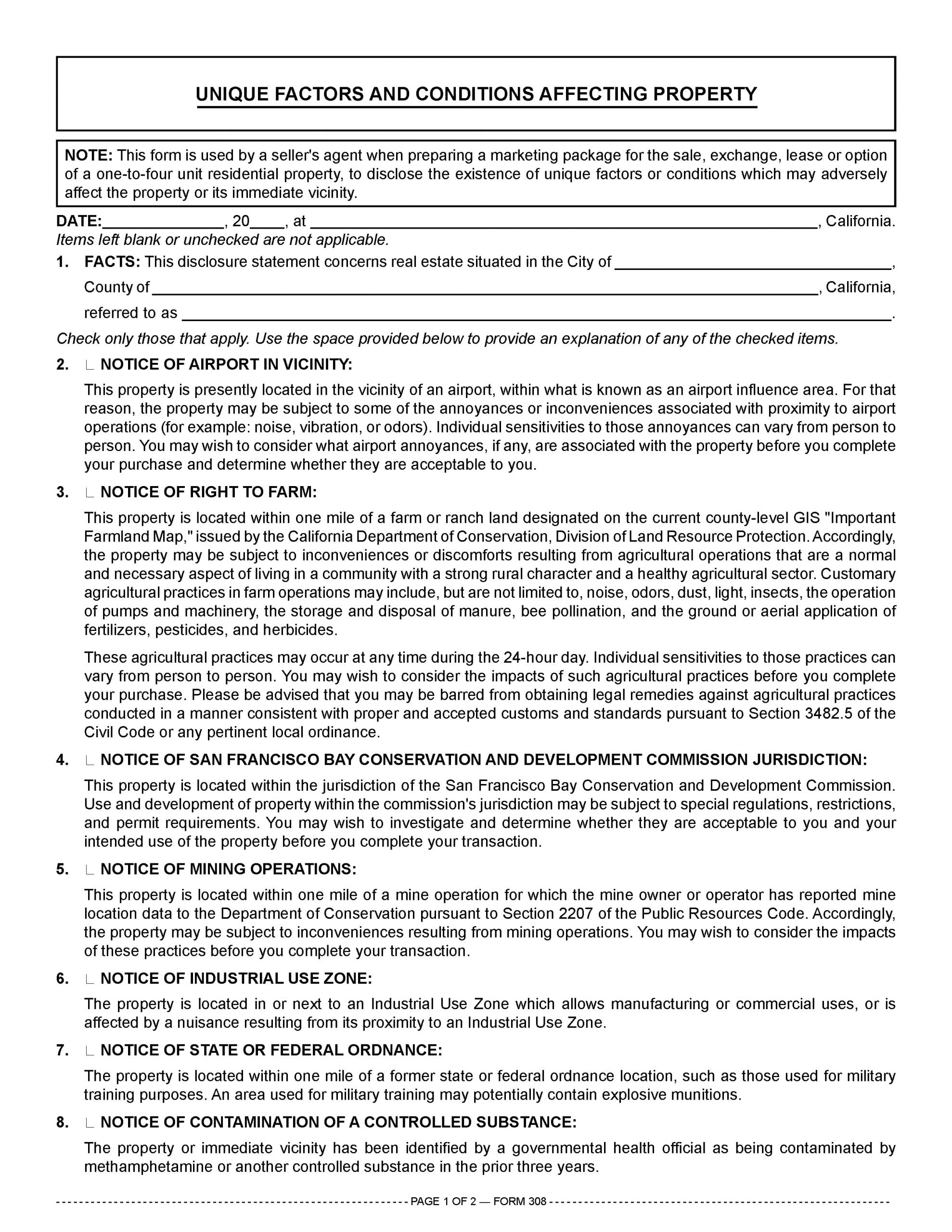
San Francisco sellers are legally required to complete a Transfer Disclosure Statement (TDS) under Civil Code §1102 for most 1-to-4-unit residential transfers, covering known defects, environmental hazards, and material conditions; a late or amended TDS gives the buyer 3 days (in-person delivery) or 5 days (by mail) to cancel, even after contingencies were removed. What makes San Francisco distinct isn’t the statute, which applies statewide, but the timing custom: local sellers and their agents typically assemble the full disclosure package before the property ever goes live, rather than after an offer is accepted, which is standard elsewhere. Packages commonly run 100 to 300 pages, and most SF sales close as-is.
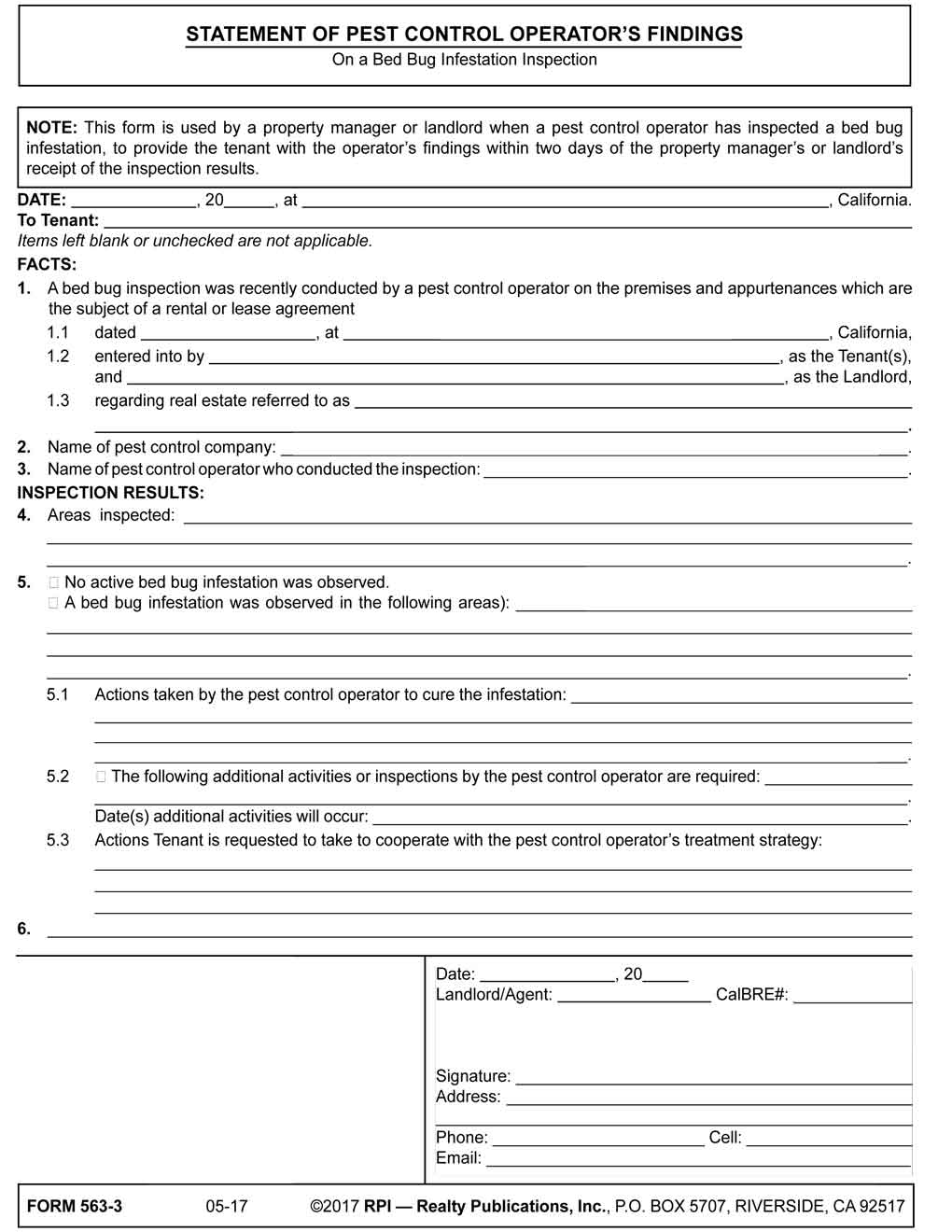
Reading the disclosure package
The table-of-contents page tells you whether escrow is pre-opened and who prepared the package. The pest report is worth reading closely because, unlike the general inspection, it assigns a dollar figure to needed repairs, and dry rot flags are common given the local climate. Permit history from the Department of Building Inspection matters more in San Francisco than in newer-built markets, because unpermitted additions and converted units are common and can affect insurability and financing.
Why waived contingencies are common here
Because the disclosure package is available before you write an offer, waiving the inspection contingency is a genuinely informed decision in San Francisco in a way it usually isn’t elsewhere, where buyers waiving inspection are often doing so blind. That’s also exactly why competitive SF offers so often come in without one: the information a contingency would have surfaced is already sitting in the packet you read beforehand. Skipping that reading step to save time is the most common way SF buyers give up protection they didn’t need to.
What should sellers disclose before I even see a listing in San Francisco? By local custom, the TDS, natural hazard report, pest report, permit history, and often a pre-listing home inspection are assembled and made available before the property goes live, not after an offer is accepted.
Price and pace by neighborhood
| Neighborhood | Price signal | Typical days on market | Notable pattern |
|---|---|---|---|
| Pacific Heights | Median clears $7.5M; trophy sales above $25M on Broadway/Pacific Ave | Not separately reported | International buyer mix skews the median well above the rest of the dispersion |
| Noe Valley | $1,281.83/sqft (June 2026) | 19 days | Highest per-square-foot figure among the mid-tier neighborhoods sampled |
| Bernal Heights | $1,003.75/sqft (June 2026) | 13 days | Fastest turnover of the neighborhoods sampled, despite a lower per-square-foot figure than Noe Valley |
| Sunset District | 20 sales in two weeks, $1.5M to $4.997M range (late June 2026) | Not separately reported | Wide sale-price range signals a mixed housing stock, from modest rowhouses to larger renovated homes |
| Bayview | Around $900,000 (dated late 2025) | Not available | Lowest citywide median found; figure is older than the others here and should be re-checked before use |
The dollar-per-square-foot figures for Noe Valley and Bernal Heights come from the same brokerage’s biweekly update cadence, so they’re comparable to each other; the Pacific Heights and Bayview figures come from different sources measuring differently, which is exactly the kind of mismatch a single citywide median hides. A buyer priced out of Noe Valley by roughly $280 per square foot has a real, quantifiable Bernal Heights alternative three neighborhoods away.
Why did a listing’s “days on market” reset to zero? Sellers who cut the price or briefly cancel and relist a property can reset the days-on-market counter, making a home look fresher than its actual time on the market. If a listing’s photos or description feel familiar, search the address directly rather than trusting the counter.
Common mistakes when searching SF listings
- Filtering to “house” or “condo” only. This silently excludes the TIC and multi-unit inventory covered above, and it costs buyers real options in exactly the Edwardian-heavy neighborhoods where TICs concentrate.
- Treating a citywide median as a personal budget target. The neighborhood table above shows medians spanning roughly $900,000 to over $7 million within one city, so a citywide number tells you almost nothing about what you’ll actually pay in a specific neighborhood.
- Skipping the disclosure package because an offer date feels far away. In San Francisco, that package is often available before you’re seriously considering an offer at all, and reading it early is what makes a confident, contingency-light offer possible later.
- Trusting “days on market” as a competitiveness signal on its own. A relisted or price-cut property can show a lower number than its real history.
- Assuming a pocket listing doesn’t exist just because a portal search came back empty. It means the portal search came back empty, nothing more.
Buyer-agent agreements: what changed in 2025
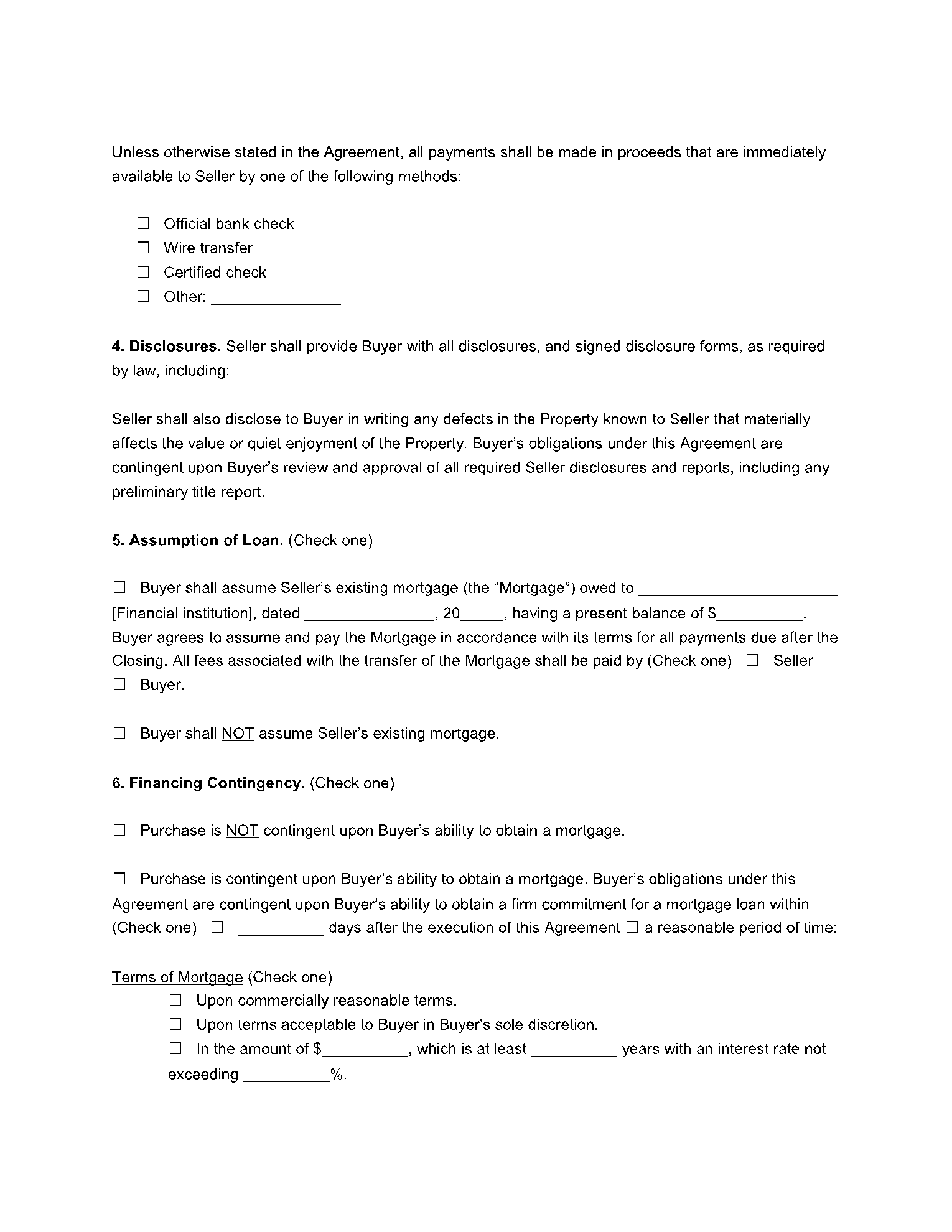
California AB 2992, effective January 1, 2025, requires a written buyer-broker representation agreement between a buyer and their agent, specifying compensation, services, and an expiration date no more than three months out. The law’s own trigger is looser than what many agents actually practice: the statute requires the signed agreement no later than the execution of the buyer’s offer, while the separate NAR-settlement-driven trade association practice most California brokerages follow requires it before the agent tours a property with the buyer at all. In practice, most San Francisco agents ask for a signature before the first showing, following the stricter industry norm instead of waiting for the statutory deadline. A single-property or single-day agreement is a legitimate, lower-commitment option if a buyer isn’t ready to commit to one agent yet.
Do I need a signed agreement with a buyer’s agent before touring a home in California? Most California brokerages require it before the first tour, following the NAR settlement’s practice change, even though the state law itself (AB 2992) only requires it by the time you submit an offer. Ask specifically whether a single-showing agreement is available if you’re not ready to commit further.
Who this helps most

- Buyers: the TIC filtering section and the disclosure-timing section change how you search and how fast you can write a confident offer.
- Sellers: the disclosure-package norms and the neighborhood dispersion table inform pricing and prep decisions.
- Investors: the TIC discount and ownership-type table matter most for entry-price strategy.
- Agents: the AB 2992 timing gap is worth having ready for client questions, since the statutory and practical deadlines differ.
Comments