
Is Your House Covered by Rent Control?
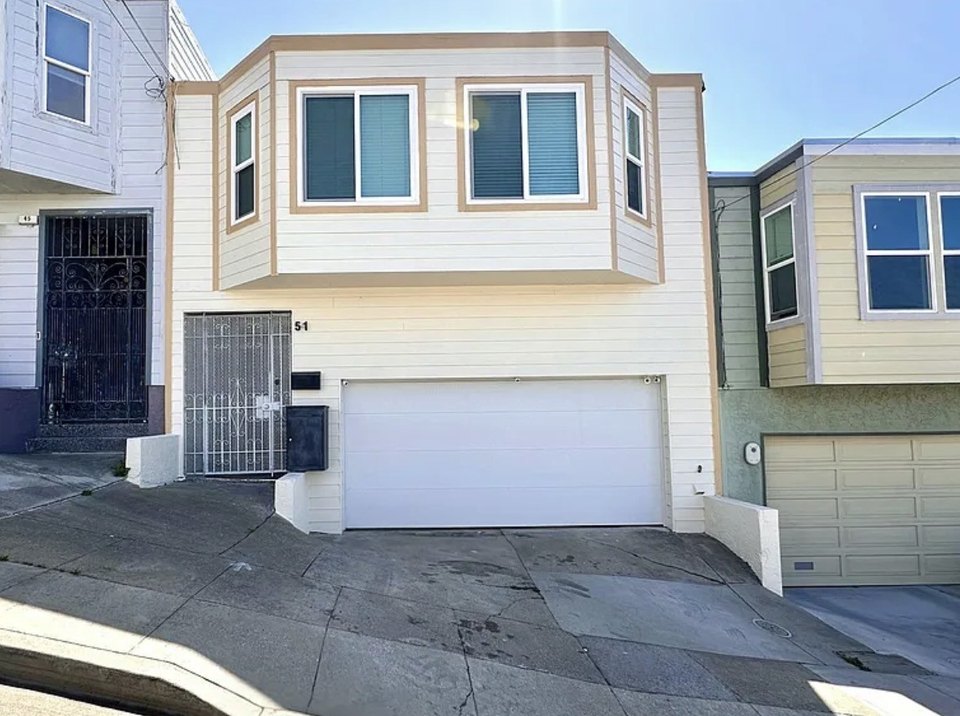
San Francisco’s Rent Ordinance applies its increase cap to buildings with a Certificate of Occupancy issued before June 13, 1979. Single-family homes and condos are pulled back out of that cap by Costa-Hawkins, a state law, no matter when they were built. A landlord relying on that exemption is required to give the tenant written notice of it; skip that step and the exemption can be challenged.
| Situation | Rent-increase cap applies? | Just-cause eviction protections apply? |
|---|---|---|
| Single-family house, any construction date, owned by an individual or family | No (Costa-Hawkins exempt) | Yes |
| Condominium, any construction date | No (Costa-Hawkins exempt), with limited exceptions for certain non-profit co-ops | Yes |
| Multi-unit building (2+ units), Certificate of Occupancy before 6/13/1979 | Yes | Yes |
| Multi-unit building, Certificate of Occupancy on or after 6/13/1979 | No | Yes |
| Single-family house owned by a corporation that also holds rent-controlled units nearby | No, the house itself is still Costa-Hawkins exempt | Yes |
A house exempt from the increase cap is not exempt from eviction protections: those two layers of the Rent Ordinance move independently, and confusing one for the other is where most house-renter disputes start.
Does a single-family house in San Francisco have rent control? Almost never for the annual increase cap. Costa-Hawkins exempts single-family homes and condos from that cap statewide. Just-cause eviction rules apply to nearly every San Francisco tenancy anyway, house included.
What San Francisco’s Current Rent Cap Covers, and What Broke in 2026
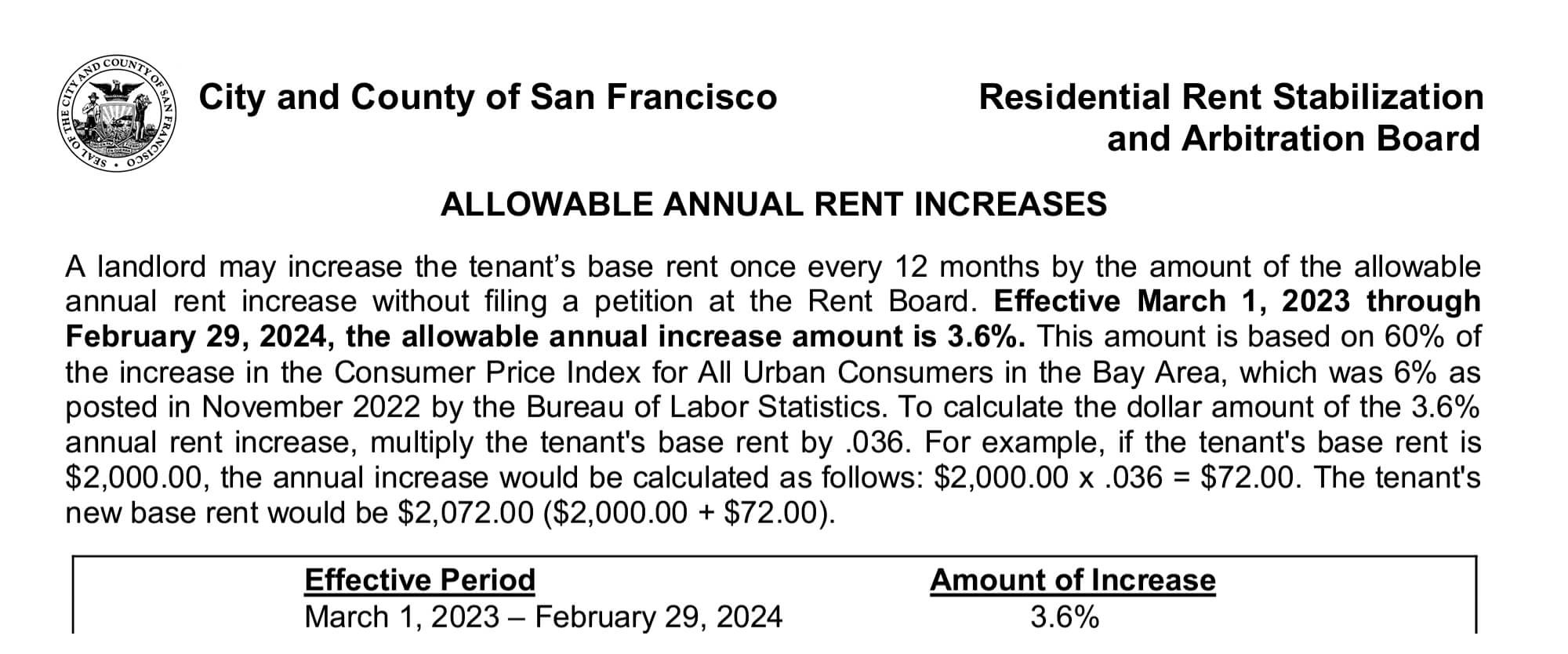
For units still covered by the local cap, the allowable increase is 1.6% from March 1, 2026 through February 28, 2027, up from 1.4% the year before. On a $2,000 base rent that is a $32 monthly increase. The San Francisco Rent Board’s January 14, 2026 notice set that figure five weeks before it took effect, and it applies only to the units in the table above marked “yes.”
The cap is normally set at 60% of the October-to-October change in the Bay Area Consumer Price Index, rounded to the nearest tenth and capped at 7%, effective every March 1. That routine broke for the 2026 cycle: a federal government shutdown kept the Bureau of Labor Statistics from publishing October 2025 CPI data, and the agency later confirmed that data will not be released retroactively. With the required comparison point missing, the Rent Board treated 2026 and 2027 as transition years under a temporary calculation approach instead of the usual formula. Banked increases from prior years can still be layered onto the current cap, which is why two landlords applying the same 1.6% figure can arrive at different lawful rents for otherwise similar units.
Houses Built After 1979
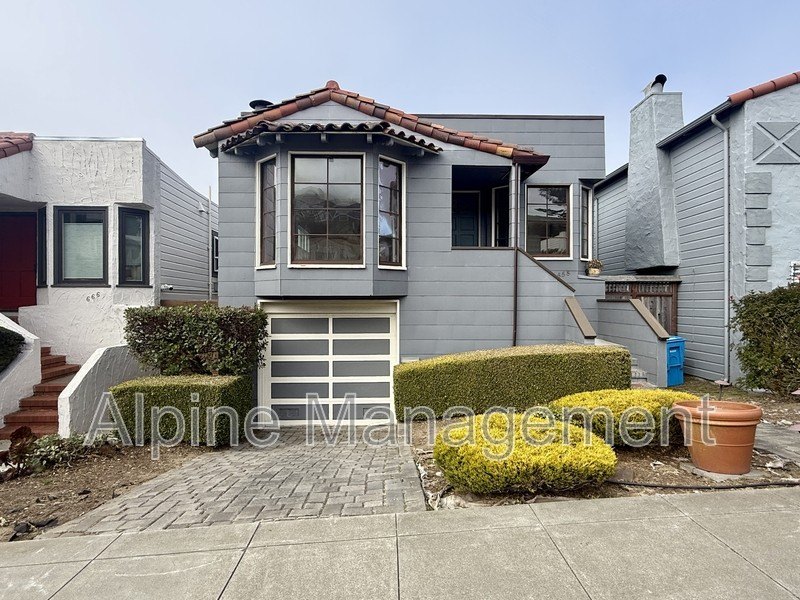
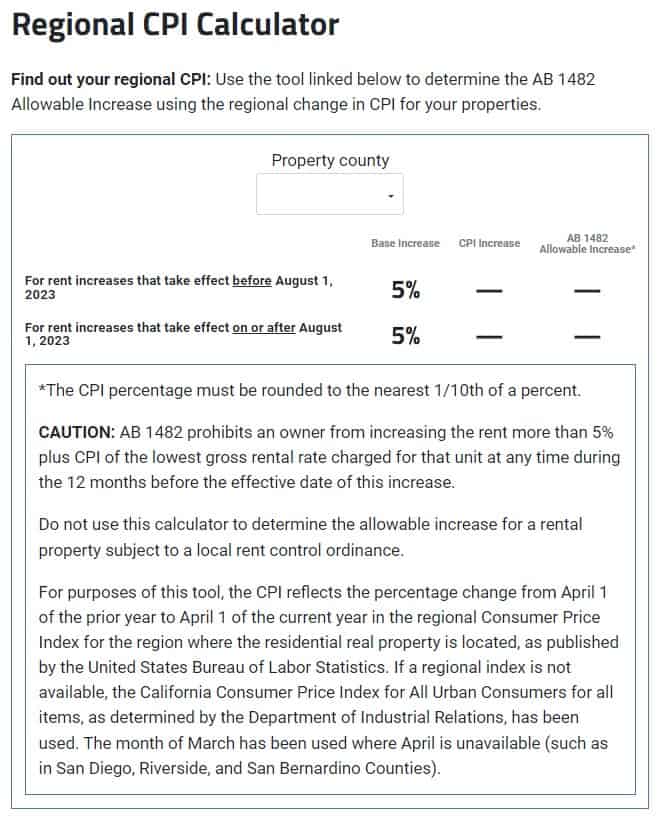
A house built after June 13, 1979 was never inside the local cap to begin with, so the Costa-Hawkins exemption changes nothing for it in practice. It can still fall under the statewide Tenant Protection Act, which caps most non-covered units at 5% plus local inflation, up to 10% a year, unless the property is newer than 15 years old or meets another statutory exemption. New-construction rentals under 15 years old commonly answer “no” to every increase-cap row above.
How much can my rent legally go up this year? For a covered multi-unit building, up to 1.6% between March 2026 and February 2027. For a single-family house or condo, the local cap doesn’t apply at all; the statewide 5%-plus-CPI, 10%-maximum rule may still, unless the property is newer than 15 years old.
Application Fees: What a Landlord Can Charge and Ask For
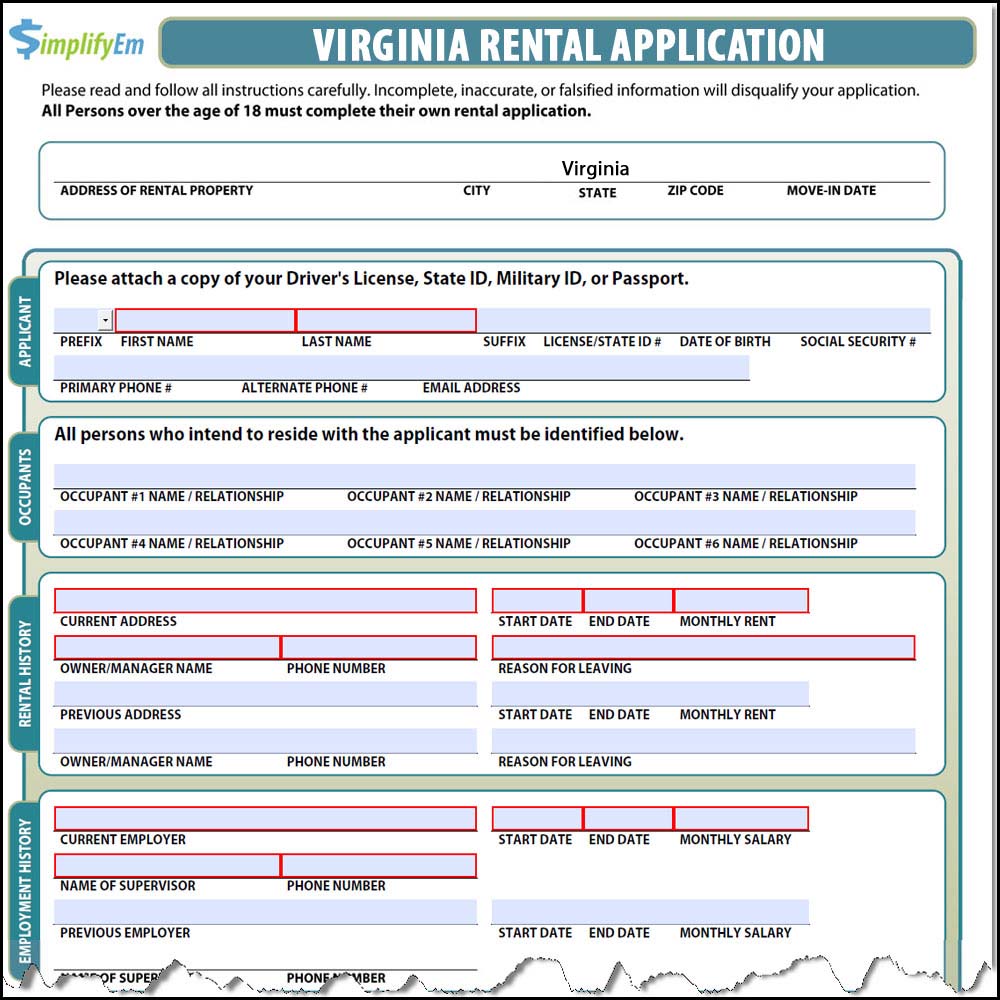
California Civil Code §1950.6 caps rental application screening fees at whatever the landlord’s actual out-of-pocket screening cost is, and that ceiling is indexed to inflation every year. Berkeley’s Rent Stabilization Board lists the 2026 statutory ceiling at $68.96; other publishers’ 2026 updates land a few dollars lower, since the figure is recalculated and republished by different sources at slightly different points in the year. Either way, the number caps cost recovery; it isn’t a fee a landlord keeps regardless of what screening actually cost.
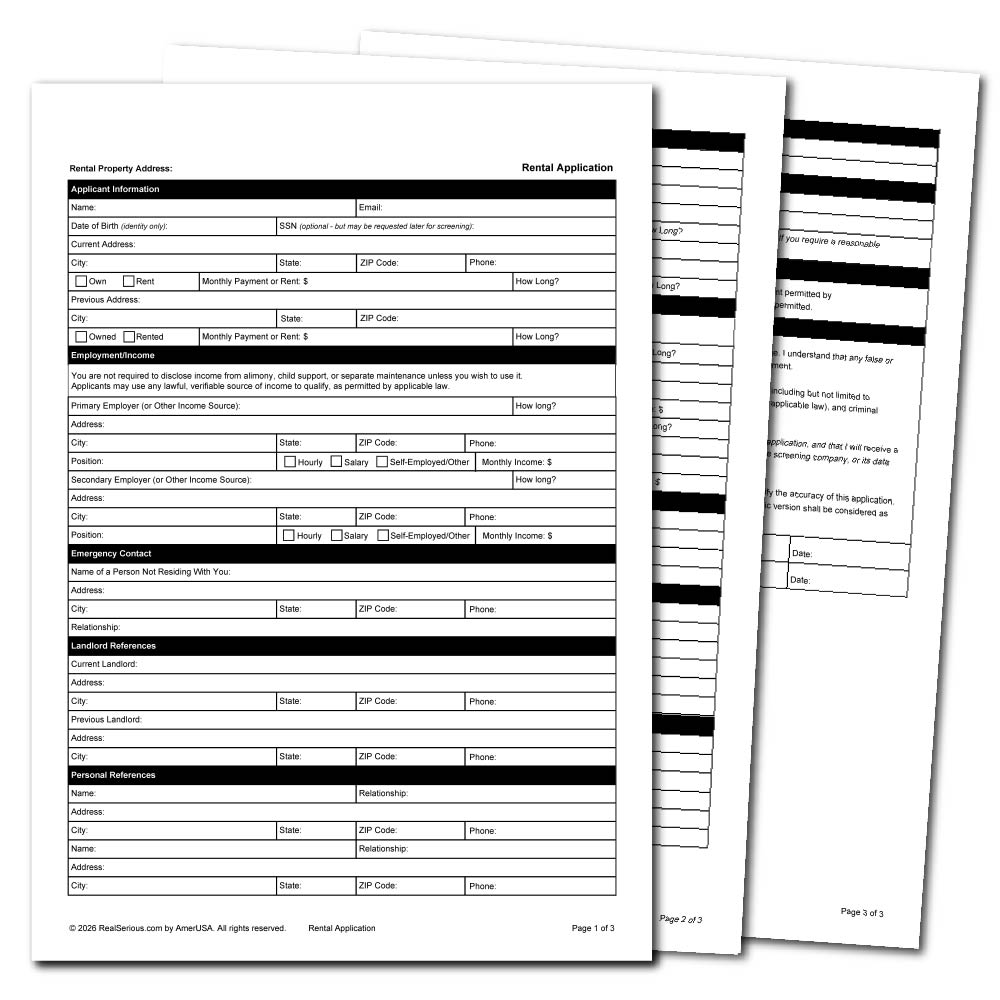
A landlord who charges the fee must give the applicant an itemized receipt on request and refund any unused portion. Since January 2025, a landlord who wants to charge the fee has to pick one of two lawful approaches: disclose written screening criteria and process applications in the order received, approving the first applicant who qualifies, or refund the entire fee to anyone not selected. Charging a fee when no unit is realistically about to become available isn’t allowed under either approach.
Security Deposits: The One-Month Rule, and the Exception That Favors House Owners
Until July 1, 2024, California allowed up to two months’ rent as a deposit on an unfurnished unit and three months on a furnished one. Assembly Bill 12 replaced both figures with a single cap: one month’s rent, furnished or unfurnished, for leases signed on or after that date. Pet deposits count inside that same one-month total; a landlord can’t add a separate pet deposit on top of it.

There is one exception, and it lines up unusually well with house rentals specifically: a landlord who is a natural person, or an LLC made up entirely of natural persons, and who owns no more than two residential rental properties totaling no more than four units, can still charge up to two months’ rent. A single owner renting out the one house they inherited or bought as an investment is precisely the profile this exception was written for; a property-management company running dozens of apartment units is not. The exception never applies if the tenant is an active-duty service member, who is capped at one month regardless of the landlord’s portfolio size.
Can my landlord really charge only one month’s deposit on a house? Usually, yes, one month is the statewide ceiling since July 2024. An individual who owns two or fewer rental properties can still ask for up to two months on a house, which is the one common exception to the new cap.
Eviction Rules for a House Rental
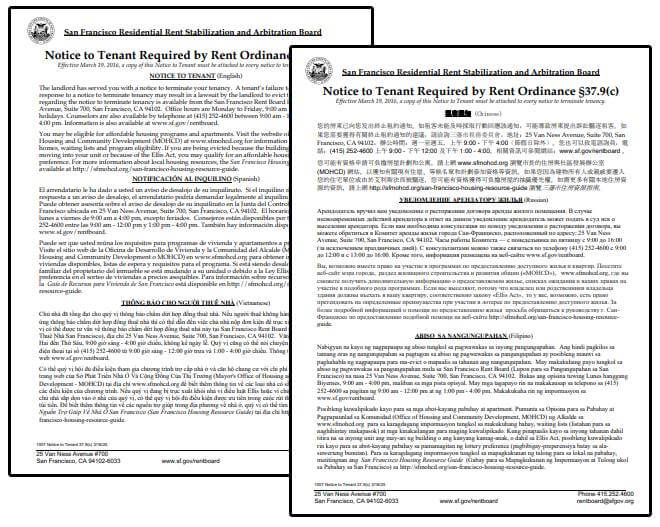
San Francisco recognizes sixteen just-cause categories for eviction, split between fault-based reasons (nonpayment, lease violation, nuisance) and no-fault reasons the tenant didn’t cause. Two no-fault categories come up disproportionately often for houses specifically.
| Just-cause reason | Common in house rentals? | Notice period | Relocation payment required |
|---|---|---|---|
| Owner or relative move-in (OMI) | Yes, disproportionately, since the owner may want their own house back | 60 days (30 if tenant occupied under 1 year) | Yes, per occupant, split half at notice and half at move-out |
| Ellis Act withdrawal | Rare for a single house, common for small multi-unit buildings | 120 days (1 year for tenants 62+/disabled with 1+ year tenancy) | Yes, similar structure to OMI |
| Substantial rehabilitation or demolition | Occasional | Varies by permit type | Yes, no-fault relocation applies |
| Nonpayment of rent or lease violation | Yes, same as any rental | Typically a 3-day notice to cure or quit | No, fault-based evictions carry no relocation duty |
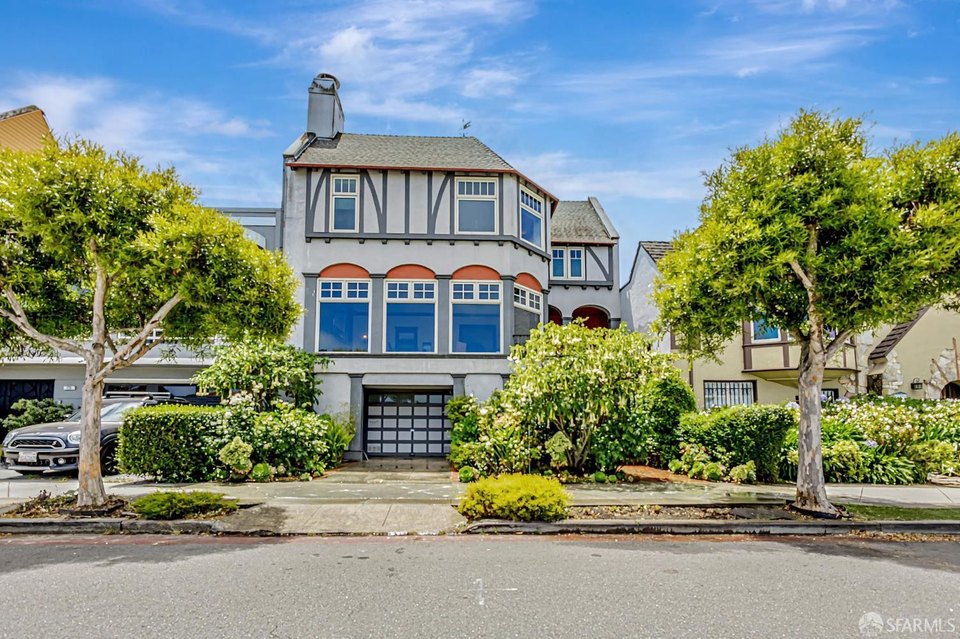
Owner move-in requires the owner or a qualifying relative, child, parent, grandparent, grandchild, sibling, or spouse, to occupy the unit as a principal residence for at least 36 continuous months. Certain tenants can’t be displaced this way at all: those 60 or older or disabled with 10 or more years in the unit, terminally ill tenants with 5 or more years, and families with school-age children during the school year, unless every other unit in the building is already occupied by the owner or a similarly protected household. Relocation payments for no-fault evictions combine a fixed per-tenant base amount, capped at three tenants per unit, with a second component tied to 24 times the gap between the tenant’s current rent and HUD’s local Fair Market Rent; one 2025 estimate put the combined exposure for a single tenant, in a unit renting well under market, above $46,000. The Ellis Act requires withdrawing every unit in the building from the rental market at once, and it cannot be used to clear out one inconvenient house tenant while renting the rest of a property to others.
What happens if my landlord wants to move into the house I’m renting? They can, using an owner or relative move-in notice, but they owe relocation payments split in two parts, must occupy the house for at least 36 months, and can’t do it at all against certain long-term senior, disabled, or school-year-protected tenants.
Getting Your Deposit Back

A landlord has 21 calendar days after move-out to return the deposit balance with an itemized statement of any deductions for unpaid rent, cleaning back to the unit’s move-in condition, or damage beyond normal wear and tear. Miss that window with no itemized statement, and the landlord forfeits the right to withhold anything. A landlord who withholds in bad faith can be ordered to pay up to twice the deposit amount on top of returning it. A tenant pursuing an unreturned deposit can file in San Francisco Superior Court’s small claims division, where an individual’s jurisdictional limit is $12,500 and no attorney is required to appear.
How do I get my deposit back if my landlord won’t return it? Start with a written demand letter citing the 21-day rule and a deadline to respond; most disputes resolve there. If it doesn’t, small claims filing fees run $30 to $75 depending on claim size, and a fee waiver is available for tenants who can’t afford it.
Costly Assumptions Worth Dropping
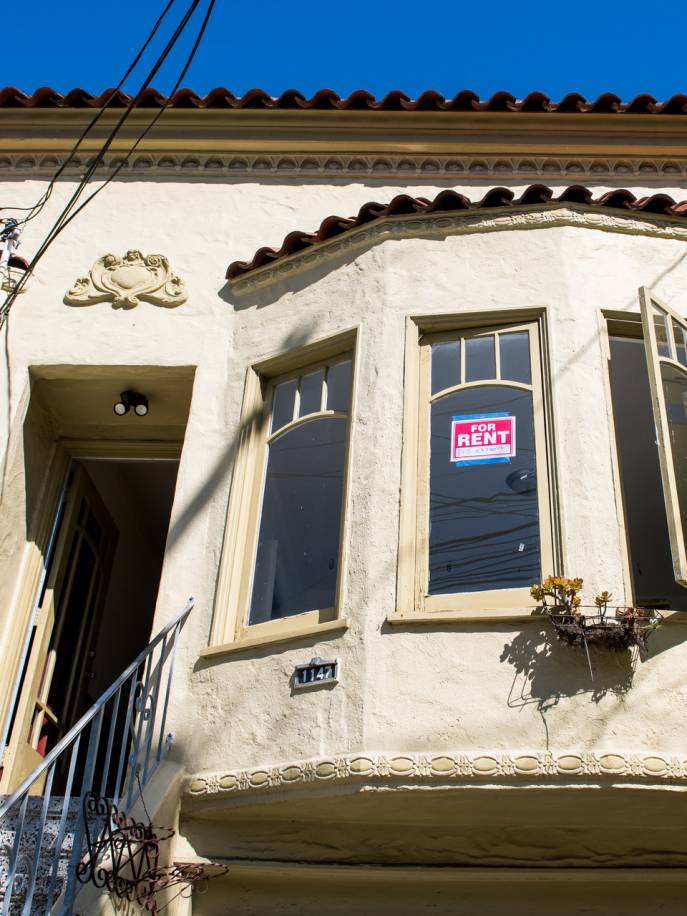
Three mistakes recur specifically with house rentals. Assuming a single-family house carries the same rent-increase protection as an apartment in an older building overlooks the Costa-Hawkins exemption entirely. Assuming any landlord can still demand two or three months’ deposit ignores that AB 12 rewrote that rule in 2024, and that the two-month exception is narrow and portfolio-size-dependent rather than automatic. Assuming an owner move-in eviction is a fast, low-cost way to reclaim a house ignores the 36-month occupancy requirement and the relocation-payment math, which can run into five figures per tenant before an owner ever moves a single box.
Comments