
Where in Astoria
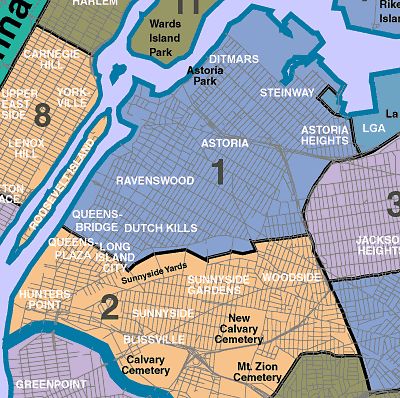
Astoria isn’t one price point or one commute. The three rough zones below differ less in vibe than in the specific, verifiable factors that actually change a lease decision.
| Sub-area | Nearest N/W stop | Defining factor | Best fit |
|---|---|---|---|
| Ditmars / northern Astoria | Astoria-Ditmars Blvd | Closest to LaGuardia approach paths; a city environmental study measured ambient sound of 69 to 71 dBA at 10441 Ditmars Boulevard, with air traffic and Grand Central Parkway together contributing 68 to 69 dBA of that total | Renters who don’t mind a soundtrack of planes and traffic in exchange for some of the quietest, most residential blocks |
| Old Astoria / waterfront (Hallets Cove) | Astoria Blvd or Broadway | FEMA’s preliminary flood maps placed sections of Hallets Cove in Zone AE, carrying an 11-foot base flood elevation requirement for new construction | Buyers or renters weighing ground-floor or waterfront units, who should confirm flood status by exact address before signing |
| Central Astoria / Steinway | Broadway or 30 Ave | Furthest from both the mapped noise contour and the mapped flood zone; still inside the 114th Precinct’s coverage area, along with Long Island City, Woodside, and Jackson Heights | Renters who want the subway access without either of the other two zones’ specific downside |
Put those two data points side by side and a single “Astoria price” or “Astoria commute” stops making sense: the airport reading applies to one address, the flood zone to another, a few blocks apart.
Getting Around
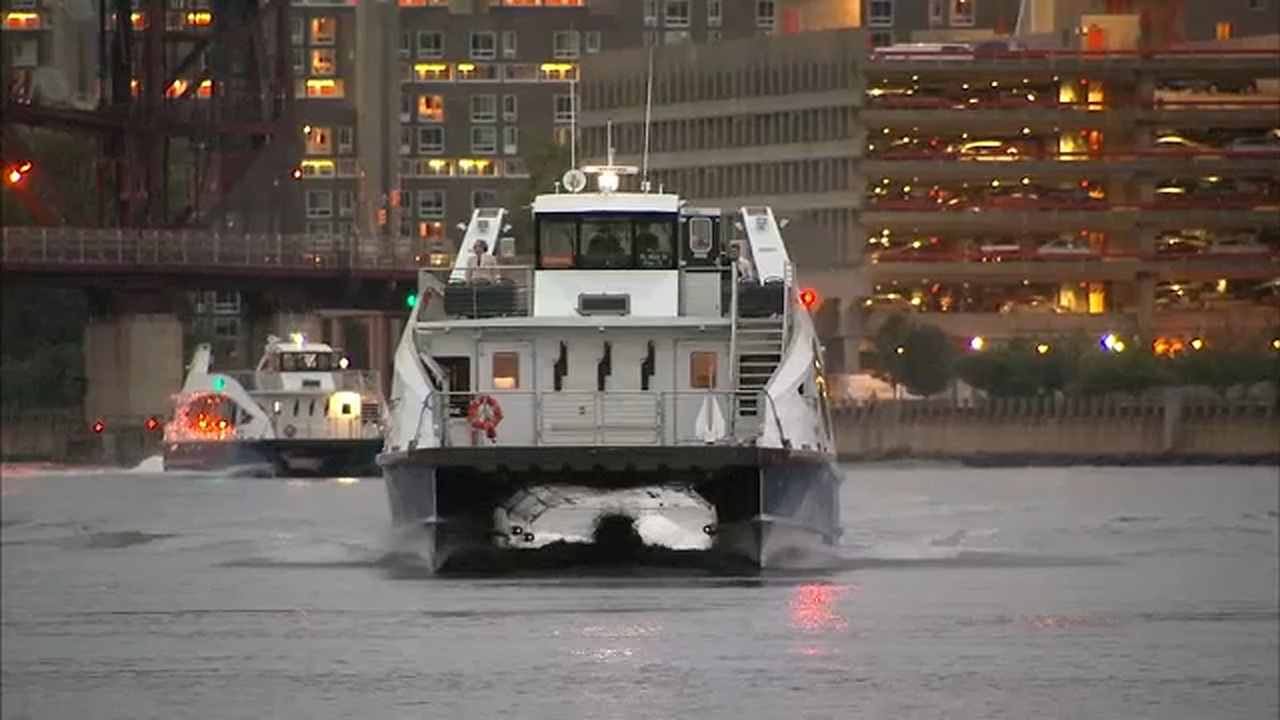
The N train runs from Astoria-Ditmars Blvd toward Coney Island at all times; the W train runs weekdays only, from the same terminal toward Whitehall St in Lower Manhattan. NYC Ferry’s Astoria route adds a third option, stopping at the Hallets Cove landing before East 34th Street in Midtown and continuing to Wall Street’s Pier 11.
| Mode | Route | Typical time to Manhattan | Cost |
|---|---|---|---|
| N or W subway | Astoria-Ditmars Blvd to Midtown stations | 15 to 25 minutes, depending on station | $2.90 to $3.00 standard fare |
| NYC Ferry, Astoria route | Astoria landing to East 34th St | Roughly 15 to 20 minutes at typical weekday speeds | $4.50 single ride, $29 for a 10-trip pass |
| M60 or Q69 bus to subway | Local bus connecting to N/W or 7 line | 30 to 45 minutes, more with transfers | Standard bus fare, free transfer to subway |
How long is the actual commute from Astoria to Midtown? Stations closer to the East River, on the N or R, tend to run near 15 minutes; Ditmars-Steinway stops, or any trip depending on the weekday-only W, tend to run closer to 25.
What It Costs
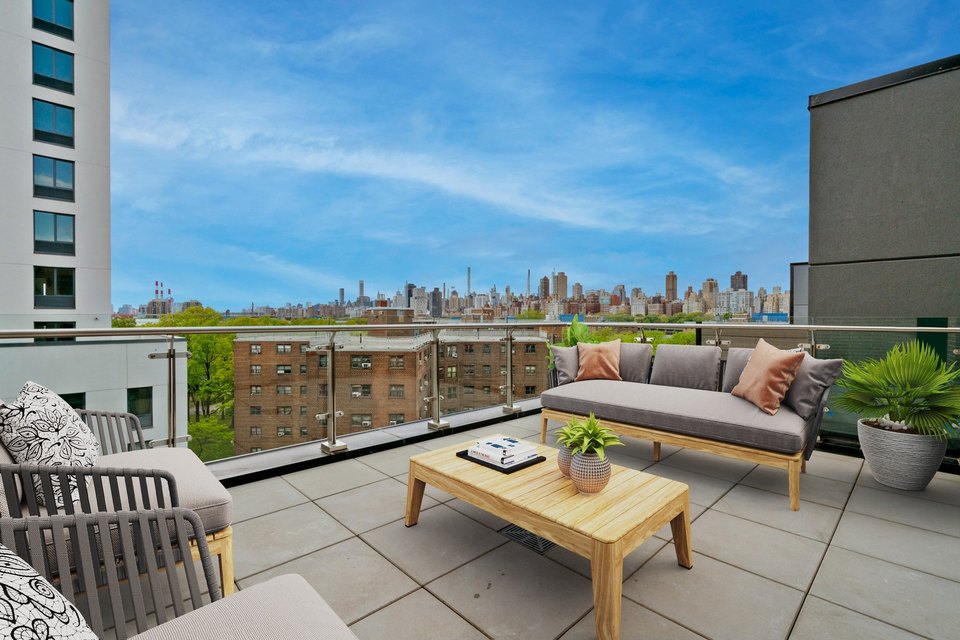
Rent estimates vary by source and by month. RentCafe put the average at $3,390 across all unit sizes as of July 2026, with one-bedrooms averaging $2,909 for about 745 square feet and two-bedrooms averaging $4,458. StreetEasy’s own 2025 data put the median asking rent closer to $3,000, in line with the Queens borough median of $3,085. The gap between average and median here isn’t noise: a handful of new-construction waterfront buildings pull the average upward while most of the existing housing stock rents closer to the median.
Most Astoria landlords, like most NYC landlords, screen for gross annual income equal to 40 times the monthly rent, a convention StreetEasy’s own renting guide documents in detail: a $3,000 apartment implies roughly $120,000 in documented annual income, combinable across roommates on a shared lease. Falling short usually means a guarantor earning 80 times the rent, not a lower bar on the apartment itself.
Roughly 41% of occupied rental apartments in Queens were rent stabilized as of 2017, per the NYC Rent Guidelines Board, a status that generally applies to buildings with six or more units built before 1974, or newer buildings using certain tax abatements. Stabilization caps annual increases and guarantees lease renewal. It does not mean the unit is cheap compared to Astoria’s unregulated rentals, only that its increases are set by the Board each year.
Is Astoria safe? The 114th Precinct, which also covers Long Island City, Woodside, and Jackson Heights, reported major crimes down more than 9% in January and February 2026 versus the same period in 2025, though sex-crime reports in the precinct rose roughly 40% year over year in that same window, a category worth checking current CompStat figures on directly.
Culture, Parks, and Food
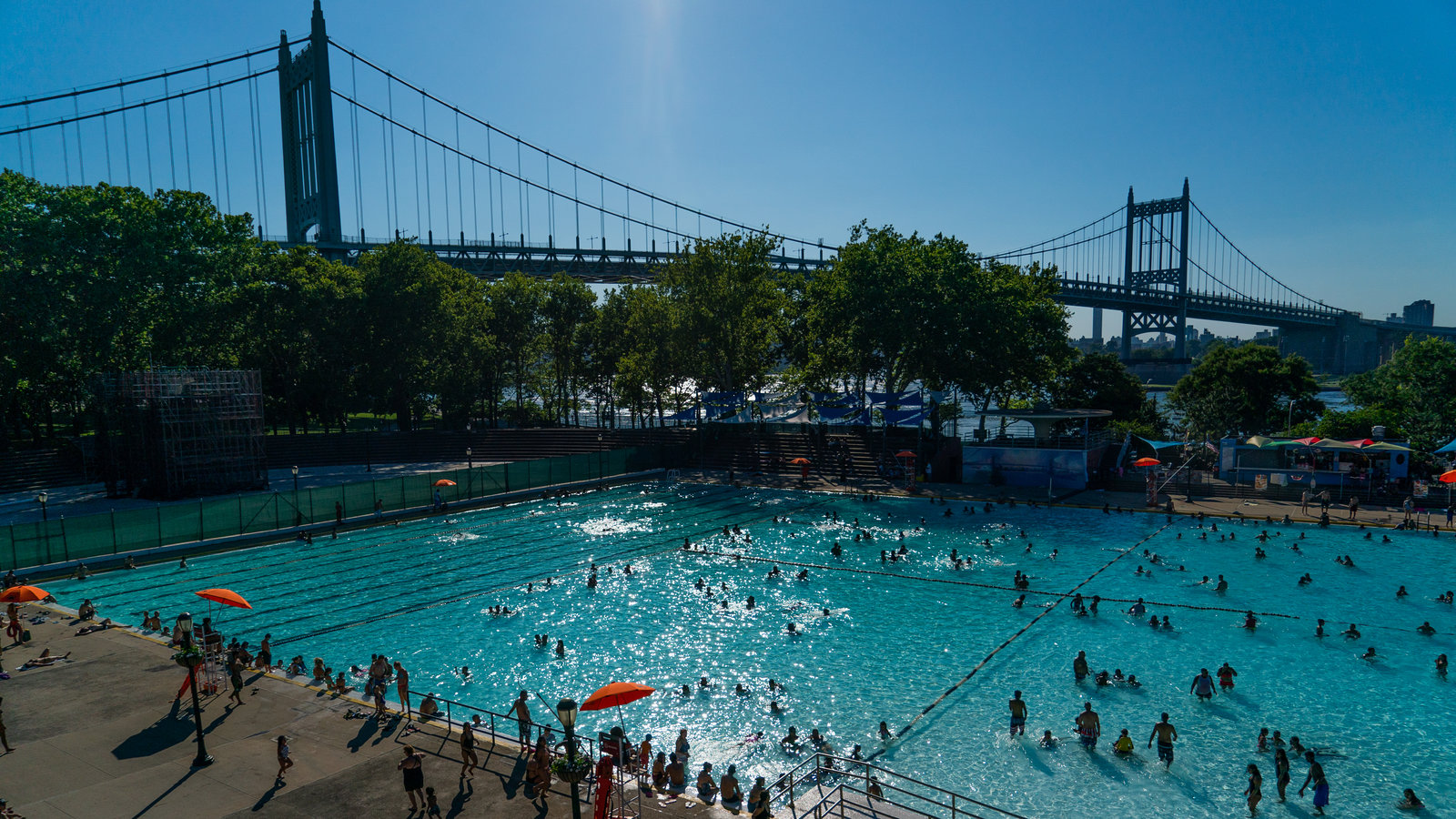
Astoria Park anchors the neighborhood’s green space along the East River, beneath the Triborough and Hell Gate bridges. Its Olympic-sized outdoor pool, the largest public pool in New York City, reopened on June 27, 2024, after an $18.9 million renovation replacing the deck, liner, and filtration system. The Museum of the Moving Image and Bohemian Hall & Beer Garden are the neighborhood’s two anchor cultural institutions, both within walking distance of the N/W line. Greek, Egyptian, and Latin American restaurants cluster along Broadway, Steinway Street, and 30th Avenue, reflecting waves of immigration going back to the 1960s.
Tradeoffs and Limitations
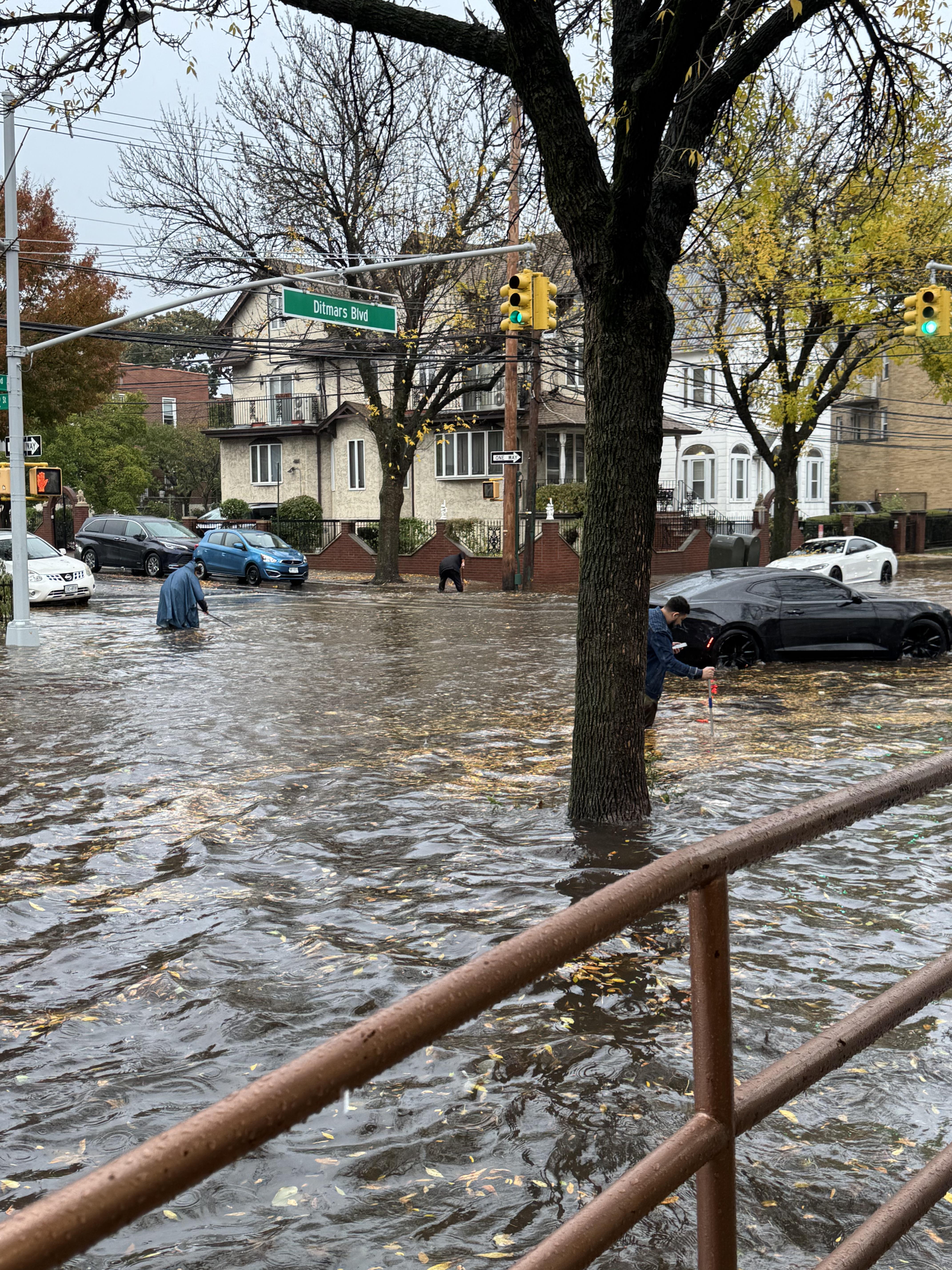
Northern Astoria sits under LaGuardia’s approach and departure paths. The measured ambient sound at one Ditmars Boulevard address ran 69 to 71 dBA, with aircraft and Grand Central Parkway together accounting for most of it, a level close to the federal threshold above which residential land use is generally considered incompatible with airport noise. That’s a specific, sourced number, not a vague complaint.
Parts of Hallets Cove fall inside FEMA’s mapped Zone AE, meaning new construction there must be built to an 11-foot base flood elevation, and existing buildings face flood-insurance requirements that inland Astoria doesn’t.
The neighborhood also runs on a single north-south trunk line for most of its subway service. When the N or W has a signal problem or a planned closure, there’s no parallel line nearby to absorb the load the way there is in parts of Manhattan or western Brooklyn.
Astoria’s 2025 median asking sale price of $870,000 sat nearly 25% above the Queens median of $700,000.
How bad is the LaGuardia airport noise in Astoria? It’s concentrated in the northernmost blocks near Ditmars Boulevard, where measured ambient sound has run in the high 60s to low 70s dBA. It eases noticeably farther south toward Broadway and the waterfront, away from the flight paths.
Who Astoria Fits
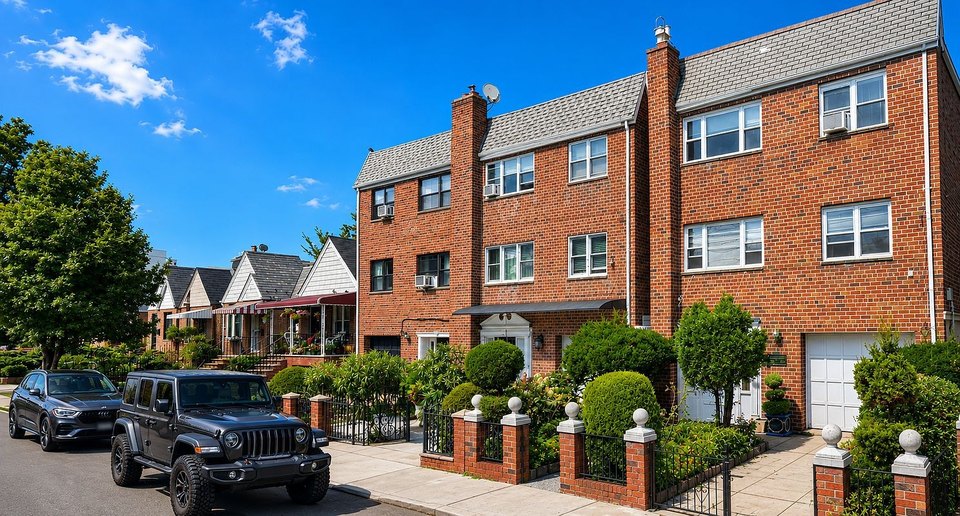
Renters priced out of Manhattan and much of Brooklyn, who want a genuine subway or ferry commute rather than a bus-to-subway transfer, are the clearest fit. Buyers comparing Astoria’s $870,000 median asking price against Manhattan’s citywide figures will find real savings, though not against cheaper pockets of Queens further east. Visitors chasing a single weekend of nightlife will find better-suited neighborhoods; Astoria rewards a longer stay built around its parks, food, and river views instead.
Is Astoria good for families with school-age kids? None of the sources checked for this page cover Astoria’s specific school zoning or school quality data in a verifiable way. A family evaluating the neighborhood on that basis should look up the NYC Department of Education’s school zone for the specific address in question rather than rely on general neighborhood reputation.
Astoria vs. Nearby Areas
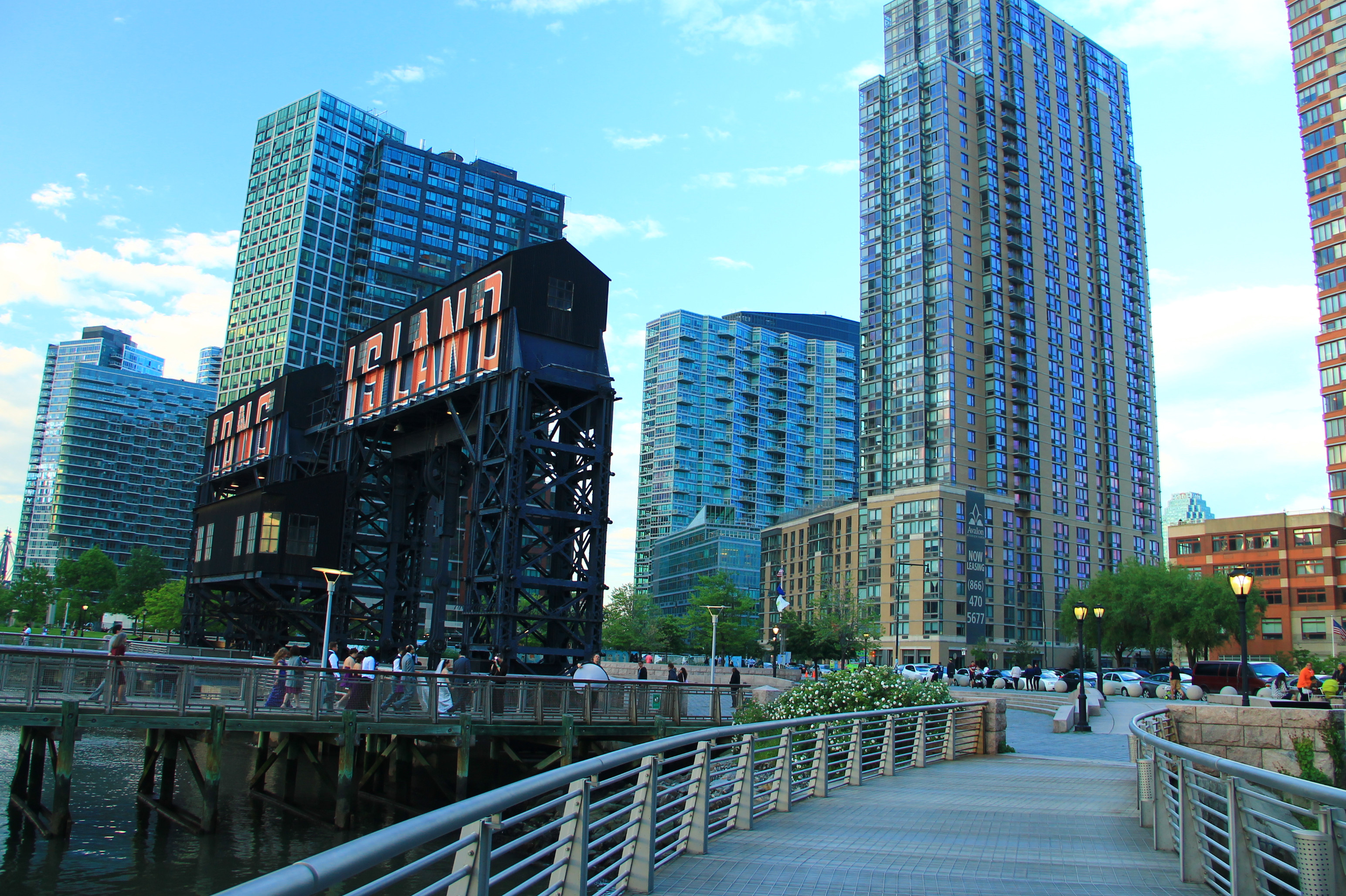
Long Island City generally runs more expensive, with newer high-rise stock and a shorter ferry ride to Midtown. Sunnyside and Ridgewood tend to run cheaper than Astoria, with less direct subway access to Midtown and a quieter, more residential feel. Astoria sits in the middle of that range on price, closer to the top on transit options.
Where the Name Comes From
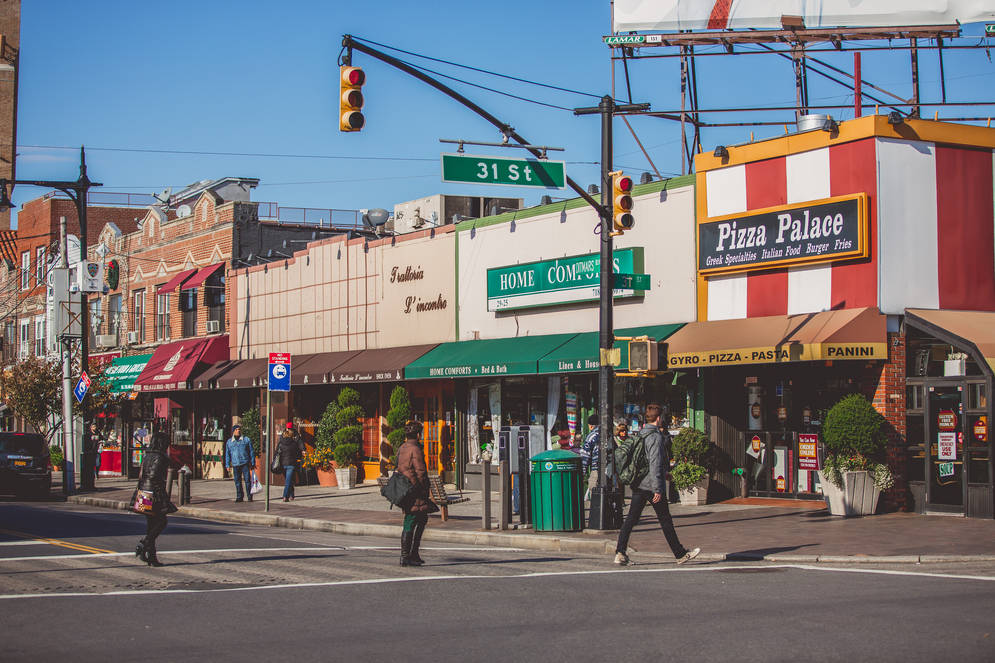
Astoria was originally called Hallet’s Cove. In 1839, village founder Stephen Halsey renamed it for John Jacob Astor, then the wealthiest man in the country, hoping to draw his investment; Astor put in far less than hoped, but the name stuck. It’s a neighborhood within the borough of Queens, not a separate town, and unrelated to the coastal city of Astoria, Oregon, also named for the same Astor.
Comments