
Where it sits and what defines it
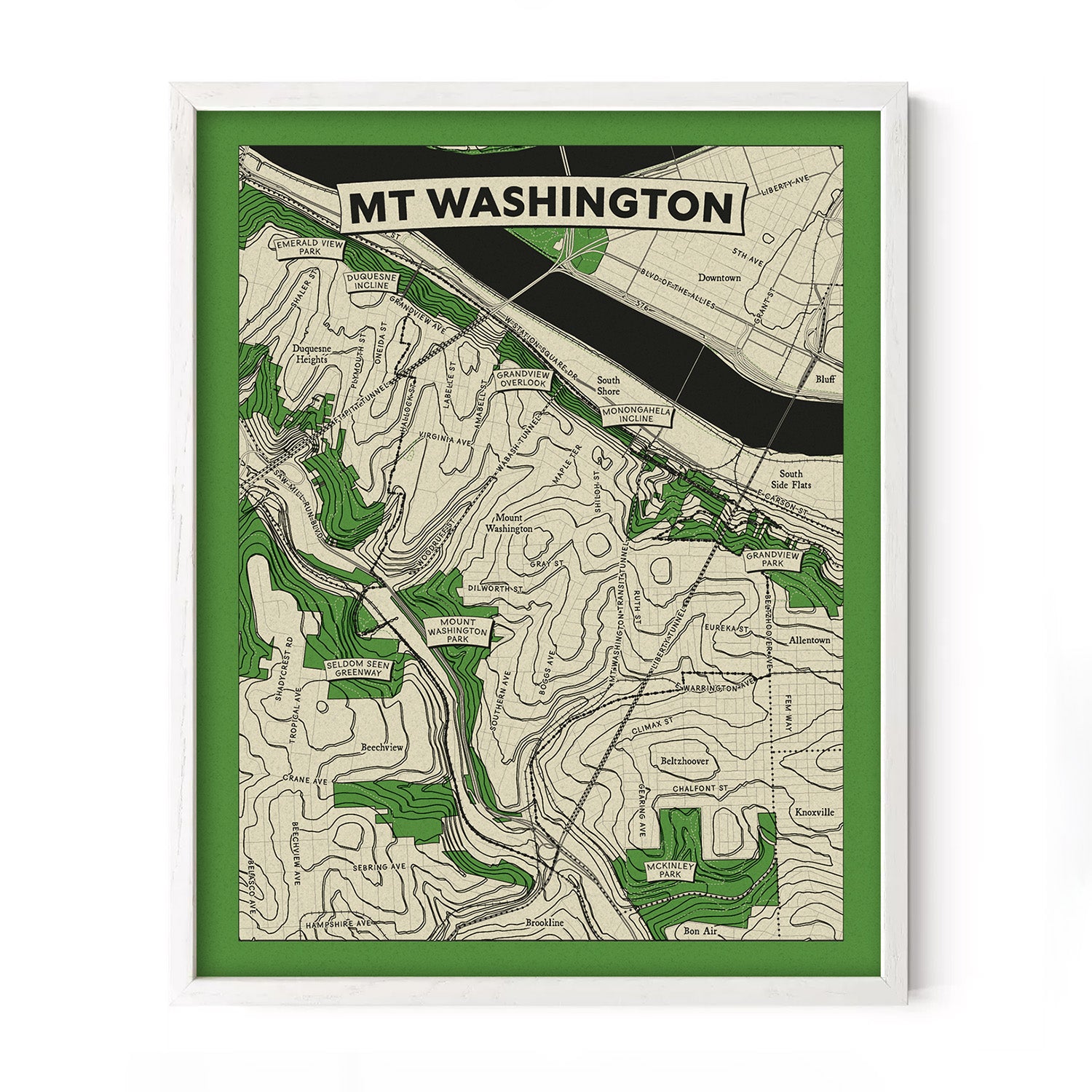
Mount Washington sits on a hilltop directly across the Monongahela River from downtown Pittsburgh, reached by car via Grandview Avenue or P.J. McArdle Roadway, or by the Monongahela and Duquesne Inclines. Emerald View Park wraps the hilltop with trail access, and Shiloh Street carries the neighborhood’s day-to-day commercial strip.
What you’re actually buying, street by street
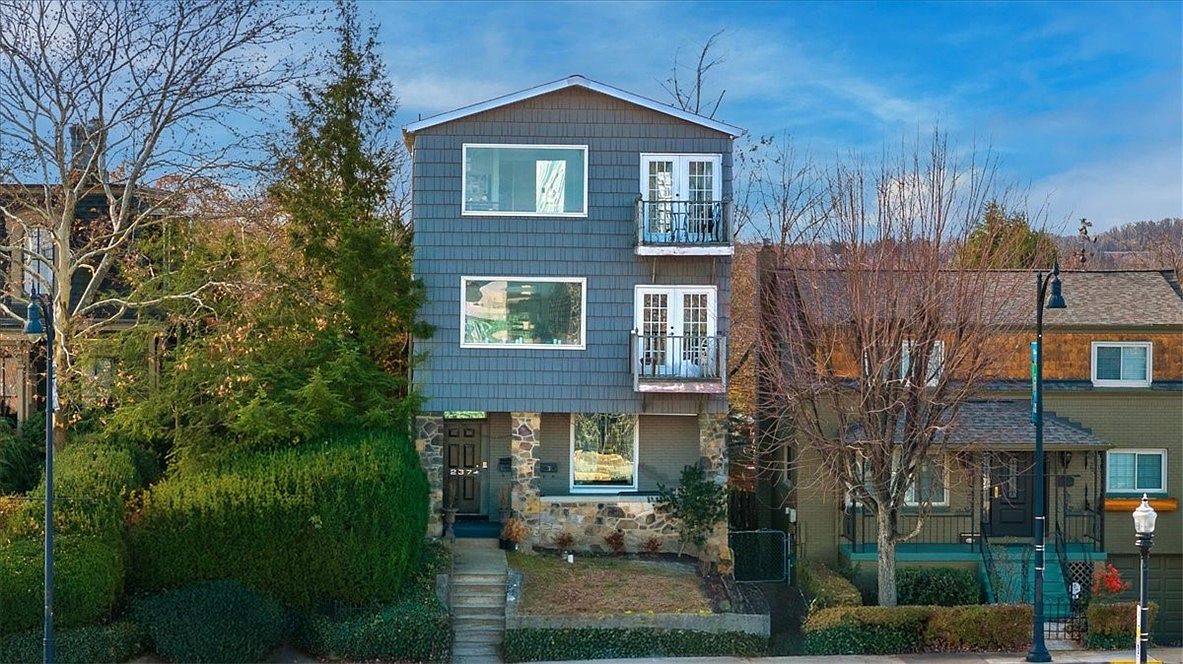
Pricing here isn’t one number, it’s two markets stacked on the same hill.
| Street tier | Typical price band | Dominant housing type | Trade-off |
|---|---|---|---|
| Grandview Ave. and feeder streets (Ulysses, Virginia, Bigham) | $450,000 to $750,000, penthouse/new construction over $1.2M | View condos, renovated rowhomes | Highest price per square foot; obstruction five doors off Grandview can cut value 25% to 40% |
| Interior streets south of Shiloh, west of P.J. McArdle | $190,000 to $290,000 | Post-war brick three-bedrooms | Lowest entry cost; no view premium to protect on resale |
| Chatham Village (historic co-op district) | Membership-priced, not deed-priced | Georgian rowhouse co-op units | Buying a share in a cooperative corporation, not a title |
The gap isn’t cosmetic. A rowhome moved one block north, from no view to unobstructed skyline, can add $200,000 to $500,000 to the same footprint, according to the same MLS-based analysis (Marzullo Team, Compass).
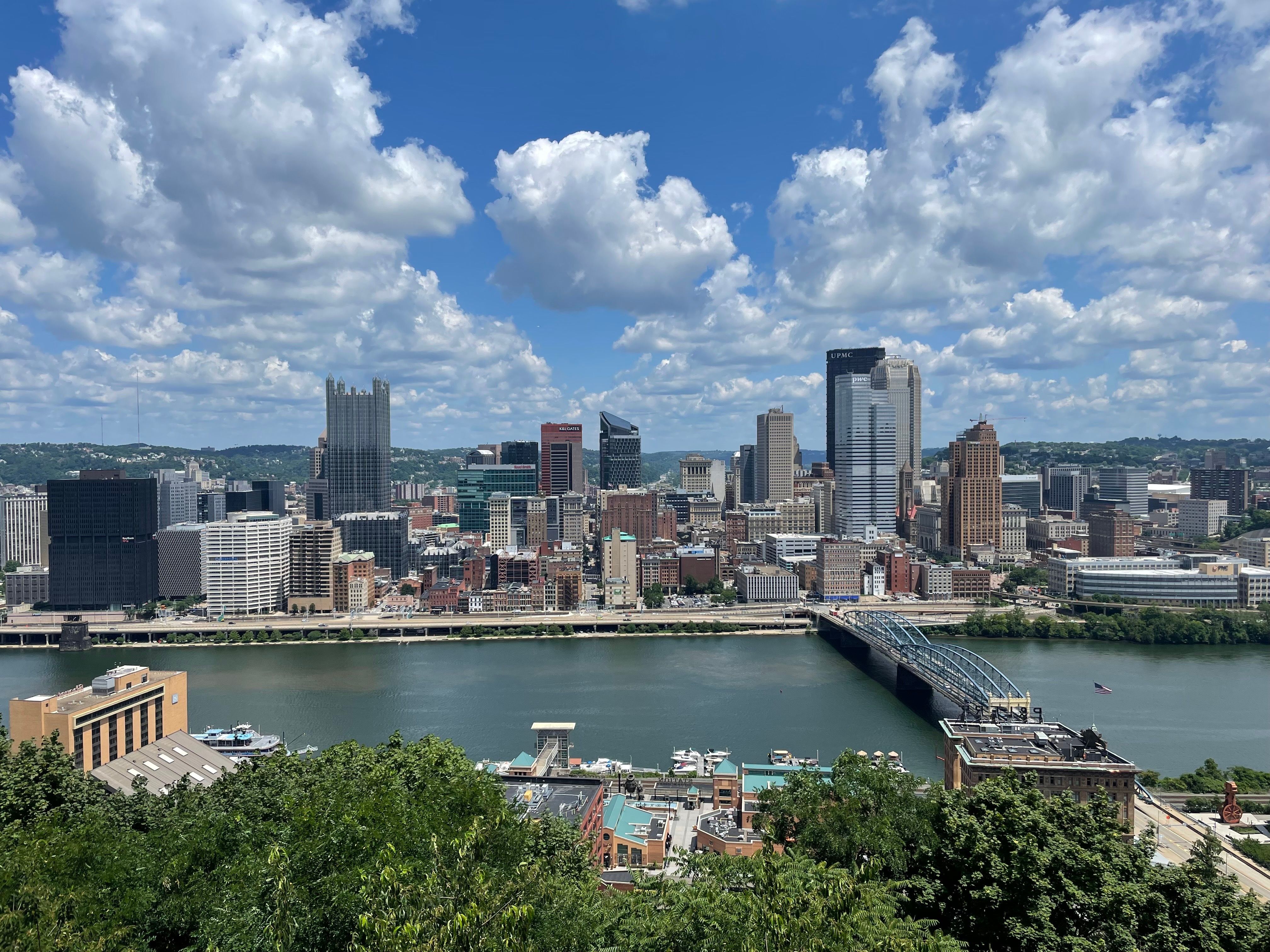
Is the view premium worth it for resale? It has held over the last five years, with neighborhood-wide appreciation running near 4.2% a year, slightly ahead of the citywide pace, and the steepest gains concentrated in renovated view-side stock. An unobstructed view is closer to a structural feature than a nice-to-have; a tree that grows in over ten years can cost real resale value.
The hill: what steep terrain costs you

Pittsburgh’s zoning code treats anything at or above a 25% grade as a Steep Slope Overlay District, which most of interior Mount Washington qualifies for. That triggers a 50-foot construction setback from the ridgeline or base and a requirement to minimize impervious surface. In practice for a buyer that means: any retaining wall over four feet needs an engineered design and a permit, cut is capped at 10 feet and fill at 6 feet before extra engineering review kicks in, and geotechnical review alone can add 15 to 30 days to a renovation permit on a qualifying lot, per a Pittsburgh permit-process guide. None of that shows up in a standard home inspection unless you ask for it.
- Skip the slope check, pay later. A foundation that looks sound in July can reveal drainage or retaining-wall issues only a geotechnical engineer will catch, and by then you’ve already closed.
- Budget for a slower winter commute than the listing photos suggest. Narrow streets with no room for detached sidewalks mean plowing is inconsistent on interior blocks.
Chatham Village is the one place on the hill where the zoning conversation doesn’t apply the same way: its 46 acres were laid out from 1932 to 1936 to work with the grade, using shared courtyards and internal parking instead of individual retaining walls, part of why it earned National Historic Landmark status in 2005 (Pittsburgh History & Landmarks Foundation).
How does winter affect access to homes on the hill? Interior streets without through-traffic get plowed later than Grandview Avenue and the arterial roads; if a home’s daily access depends on a narrow side street, expect slower winter mornings than the listing photos suggest.
Walkable on paper, car-dependent in practice
The neighborhood scores well on standard mobility indexes, but daily experience on the hill is more car-dependent than a walk score alone implies: narrow streets and real elevation change between home and errand both cut against the numbers. Treat any single walkability figure as a floor, not a guarantee, until you’ve walked the actual route from a specific address to groceries.
Who this fits: buyers who want a short, view-anchored commute and don’t mind stairs and hills as part of daily life. Who should look elsewhere: buyers who need step-free daily access, buyers unwilling to manage on-street winter parking, or buyers who want a flat yard, since Mount Washington’s lots are almost universally graded.
Is Mount Washington walkable without a car? For groceries, dining, and the inclines, largely yes, if you live near Grandview or Shiloh. For anything requiring a flat, direct route, a car remains the practical fallback on the interior streets.
Market conditions right now
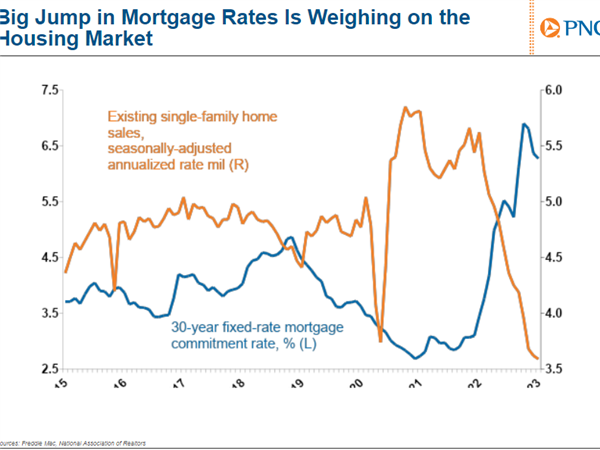
Redfin’s May 2026 figure put the median sale price at $229,923, down 12.2% from a year earlier; a November 2025 snapshot from the same source showed 84 days on market against 56 the year before, and volume down from 35 sales to 23 (Redfin). Homes.com’s condo pages showed medians ranging from $275,500 to $627,500 depending on which week’s inventory was scraped, a reminder that “the median” moves with what happens to be listed that day more than with any single trend (Homes.com). Co-ops moved even slower, 80 days against a 50-day national average.
Is Mount Washington a buyer’s or seller’s market right now? The combination of falling median price, longer days on market, and lower sales volume points toward buyer leverage on ordinary inventory, though premium view properties still move faster.
Schools, safety, and commute
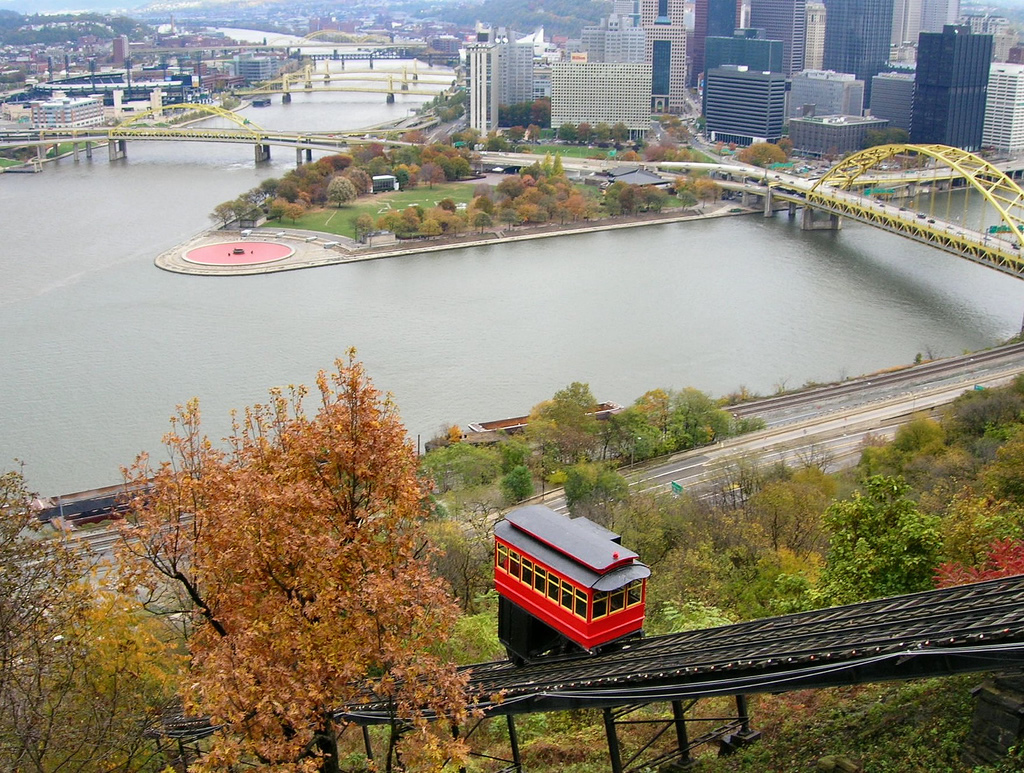
About 8,700 to 8,790 people live in the neighborhood, and most rent rather than own (Niche). Crime-cost modeling puts violent crime at $346 per resident, above both the national and Pittsburgh averages, and property crime at $126 per resident, below the national average but above Pittsburgh’s, for a combined cost of $518 per resident (CrimeGrade.org). Local schools average a C+ SchoolGrade, with actual proficiency of 38% slightly ahead of a 36% projection, meaning they outperform what the underlying demographics alone would predict. The Duquesne Incline runs 6:30 a.m. to 12:30 a.m. every day of the year at $2.50 one-way (official fare schedule), and the Monongahela Incline, the oldest continuously operating funicular in the country, carries more than half a million riders annually roughly every 15 minutes (Pittsburgh Regional Transit), a scheduled commute option rather than a tourist novelty alone.
History and character, briefly
The hill was known as Coal Hill before an 1876 renaming credited to a George Washington survey. Chatham Village, built 1932 to 1936, became a National Historic Landmark in 2005.
What’s different about buying in Chatham Village? You’re purchasing a membership certificate in a cooperative corporation, not a deeded property, which changes financing, resale process, and monthly carrying costs compared with a standard sale.
How it compares to nearby neighborhoods
| Neighborhood | Median sale price | Days on market | Why the numbers differ |
|---|---|---|---|
| Mount Washington | $191,000 (Feb 2026 closed) | 93 | Bifurcated by view vs. interior street |
| Duquesne Heights | $392,500 | 143 | Smaller inventory, more uniformly view-oriented |
| Beechview | $172,500 | 55 | Flatter terrain, faster turnover, no view premium |
| Allentown | $199,900 (current listing) | – | Adjacent, lower price floor, still building its own identity |
Pittsburgh citywide, by comparison, posted a $232,882 median and 101 days on market in the same window (Michele Leone Group, citing Redfin), meaning Mount Washington currently prices slightly below and moves at a similar pace to the broader city.
Comments