
What’s different about selling in Palm Beach
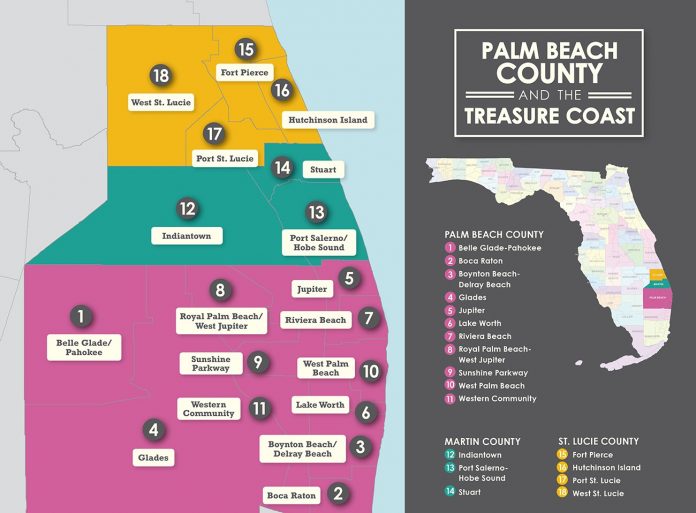
Palm Beach is a barrier-island town, not interchangeable with Palm Beach County or with West Palm Beach across the Intracoastal. County-wide median prices sit near $538,000 (Redfin) – roughly a fifth of the town figure – so county-scoped comparable sales and advice will mislead you on pricing. Four seller situations change the standard playbook enough to need their own track:
| Situation | What changes | Section |
|---|---|---|
| Single-family estate, non-landmarked | Standard listing process; ARCOM review only if exterior work is planned before listing | Preparing the property |
| Landmarked or historic-district property | Certificate of Appropriateness required before most exterior work; landmark status affects buyer pool and marketing claims | Preparing the property |
| Condo, building 3+ stories | Milestone-inspection and reserve-study status becomes a financing and disclosure issue for the buyer | Condos |
| Foreign seller, or trust/estate sale | FIRPTA withholding; letters testamentary or trust certification required at closing | International, trust, and estate sellers |
A property does not need to fit more than one row to face more than one set of rules – a landmarked condo, for instance, answers to both row two and row three at once.
Current market snapshot
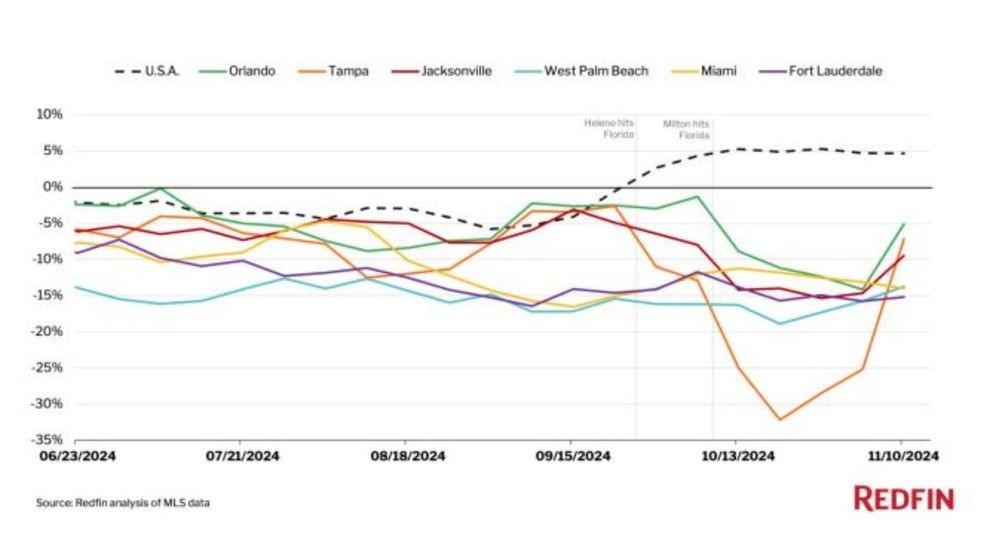
The $2.6 million median above is the correctly scoped figure for the town: dated, sourced, and distinct from both the county figure and from any Miami–Fort Lauderdale–West Palm Beach metro-area average. Some agent guides in this space still cite a metro-area median tied to a 2023 regional report, or a town median dated 2020 – both describe a different geography, a different year, or both.
Choosing how to sell
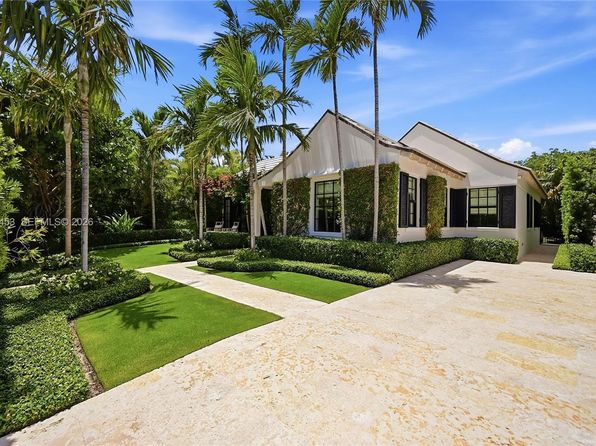
Full-service listing through a local brokerage remains the standard route for town-of-Palm-Beach properties, given the buyer pool’s expectation of MLS exposure and professional marketing; flat-fee and discount-brokerage models exist but are more common in the broader county than on the island. Cash-sale and iBuyer routes, common in distressed-timeline situations elsewhere in the county, trade the island’s price premium for a speed most Palm Beach sellers don’t need.
Pricing and net proceeds
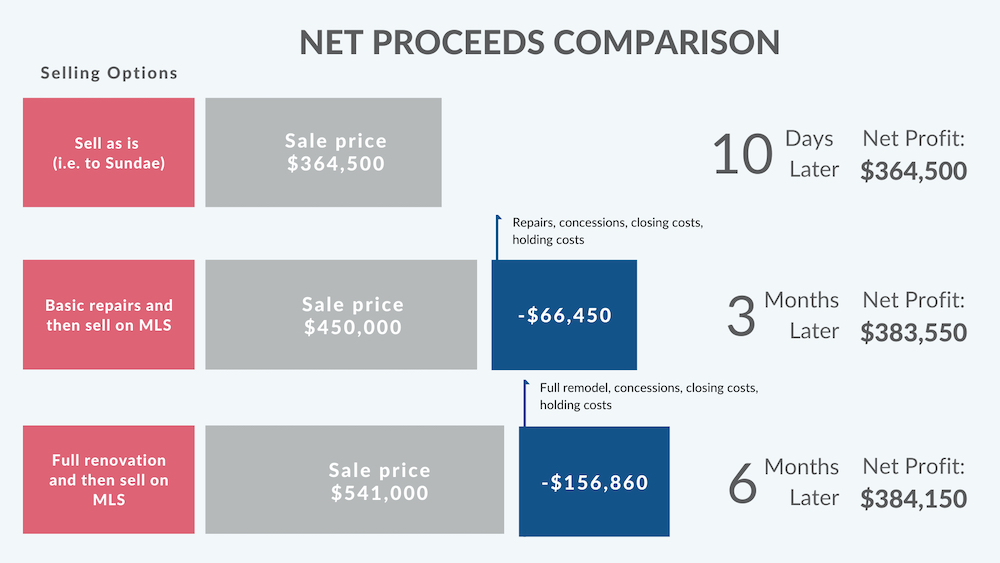
A comparative market analysis anchored to town-only comps, not county or metro data, is the starting point. From there, the number that matters is what you keep. A traditional-sale net-proceeds estimate on a $2.6 million listing, using current Florida statutory and promulgated rates, looks like this:
| Line item | Rate/basis | Amount on $2.6M |
|---|---|---|
| Listing agent commission | Negotiable, commonly 2.5% to 3% | $65,000 to $78,000 |
| Buyer-agent compensation (seller-offered, off-MLS) | Negotiable, commonly 2% to 3% | $52,000 to $78,000 |
| Documentary stamp tax on deed | $0.70 per $100 of price | $18,200 |
| Owner’s title insurance (seller-paid, most FL counties) | $5.75/$1,000 first $100K, $5.00/$1,000 above | $12,825 |
| Closing/settlement and title-search fees | Flat, varies by title company | $600 to $5,000 |
Sources: commission ranges and title-insurance schedule from Pozek Group; doc-stamp and closing-fee figures from JVM Lending. Before commission, the fixed statutory and title costs on a $2.6 million sale run about $31,000 to $36,000; commission is the variable that actually swings the outcome, now that it’s negotiated per transaction rather than set by convention.
If the property was your primary residence for at least two of the last five years, up to $250,000 of gain ($500,000 filing jointly) is excludable from federal tax under Section 121.
How much will I actually net after all the costs? On a typical town transaction, subtracting commission, doc stamps, title insurance, and any mortgage payoff leaves roughly 92% to 95% of the gross sale price before tax, with the commission rate you negotiate driving most of that range.
Preparing the property

Two checks apply here before staging or photography: whether the home is individually landmarked or sits in a historic district, and whether it’s in a flood zone with insurance implications for the buyer’s financing. Ninety-one percent of Palm Beach properties carry some severe flood-risk exposure over a 30-year horizon (Redfin), which makes flood-zone status a financing question for most buyers here, not an edge case.
Landmark and Architectural Commission review
The Town of Palm Beach’s Landmarks Preservation Commission, established in 1979, currently protects more than 328 landmark properties and meets monthly to review proposed exterior changes and issue Certificates of Appropriateness. Non-landmarked properties still answer to the separate Architectural Commission for exterior work visible from a public right-of-way (Town of Palm Beach). Confirm landmark or historic-district status before planning any pre-listing exterior work – commission review alone can add weeks to a renovation timeline. In one documented 2016 case, an oceanfront owner’s plan to demolish an 18-year-old traditional-style residence for a contemporary replacement drew sustained commission pushback over massing and street character before any permit issued (Florida Trend) – a reminder that the commission’s authority reaches design choices most owners assume are theirs alone.
Do I need Landmarks Commission approval before I can renovate or stage exterior changes? Only individually landmarked properties or those inside a historic district go to the Landmarks Preservation Commission; other exterior work visible from a public right-of-way goes to the separate Architectural Commission, and interior work generally requires neither review.
Marketing and showings
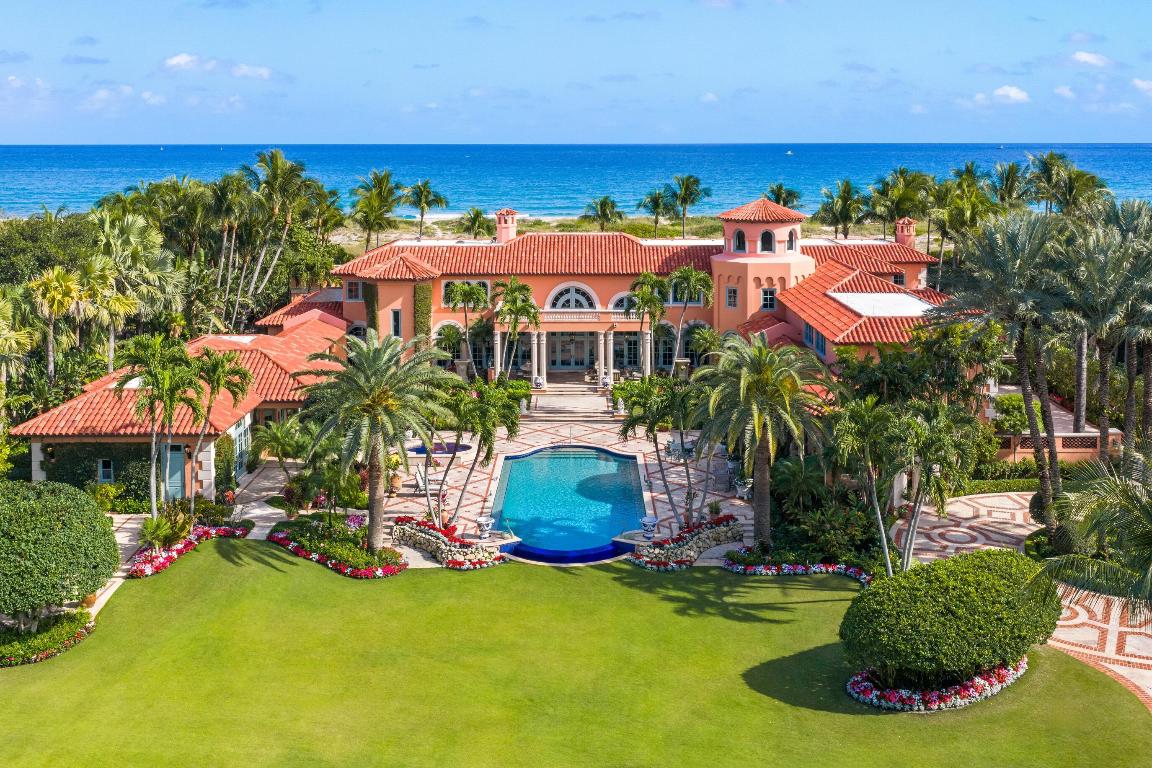
Professional photography and MLS exposure are baseline expectations at this price tier, not differentiators. Fall listings ahead of the winter social season tend to draw the deepest buyer pool; summer listings compete with a materially thinner one.
Offers, negotiation, and the 2024 commission change
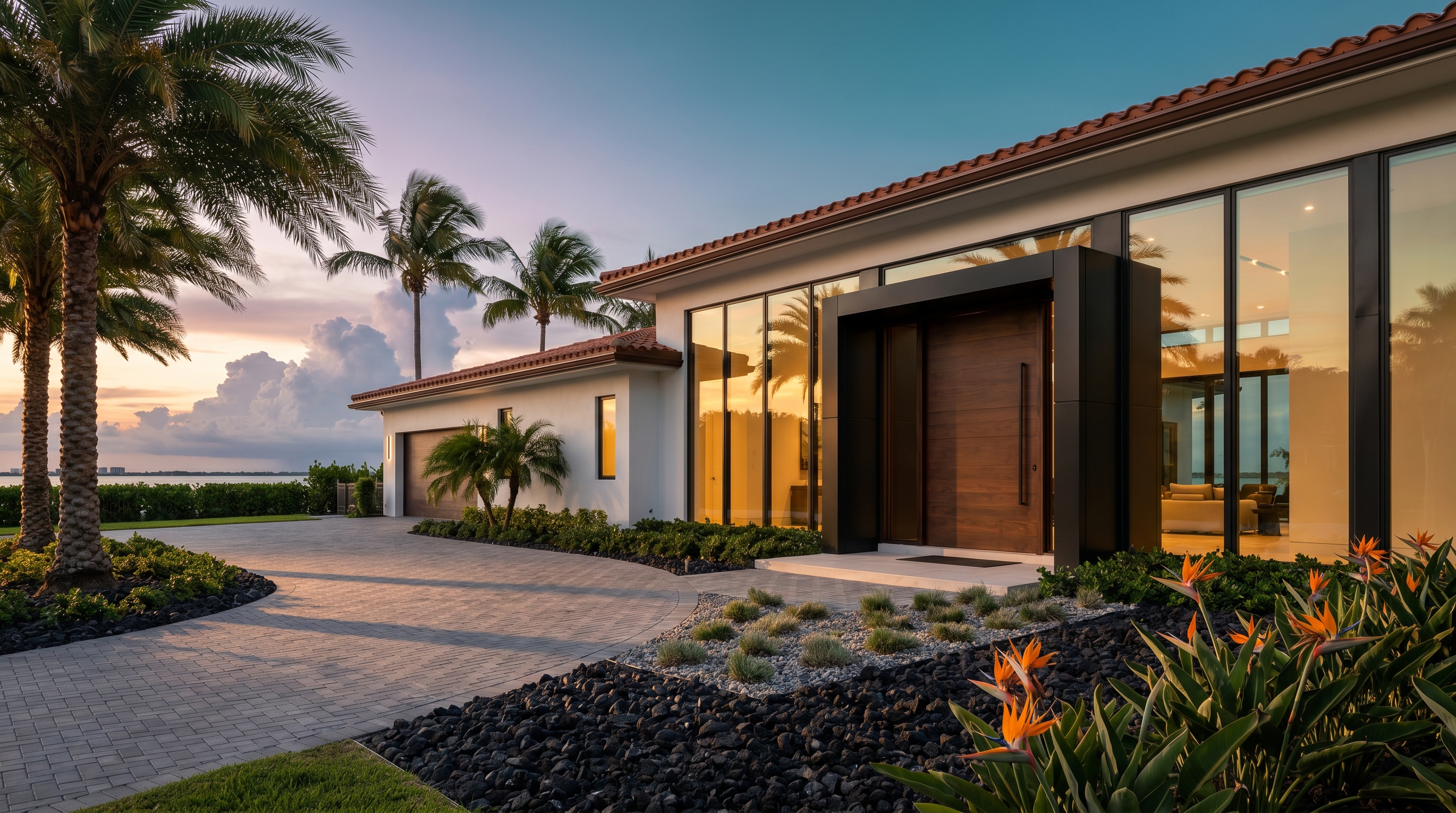
Since August 17, 2024, buyer-agent compensation can no longer be published on the MLS, and every buyer touring with an agent must have a signed written buyer-broker agreement first (NAR). Sellers can still offer buyer-agent compensation – most still do, to keep the buyer pool as wide as possible – but the offer is negotiated and disclosed off-MLS rather than published as a fixed line item. Your listing agreement should state explicitly what, if anything, you’re offering buyer-agents, since a buyer’s agent can no longer assume a standard split from the MLS listing itself.
What changed with buyer-agent commissions after the 2024 settlement? Sellers can still pay a buyer’s agent, but the offer is negotiated directly and disclosed off-MLS rather than published automatically in the listing.
Condos: milestone inspections and HOA approval
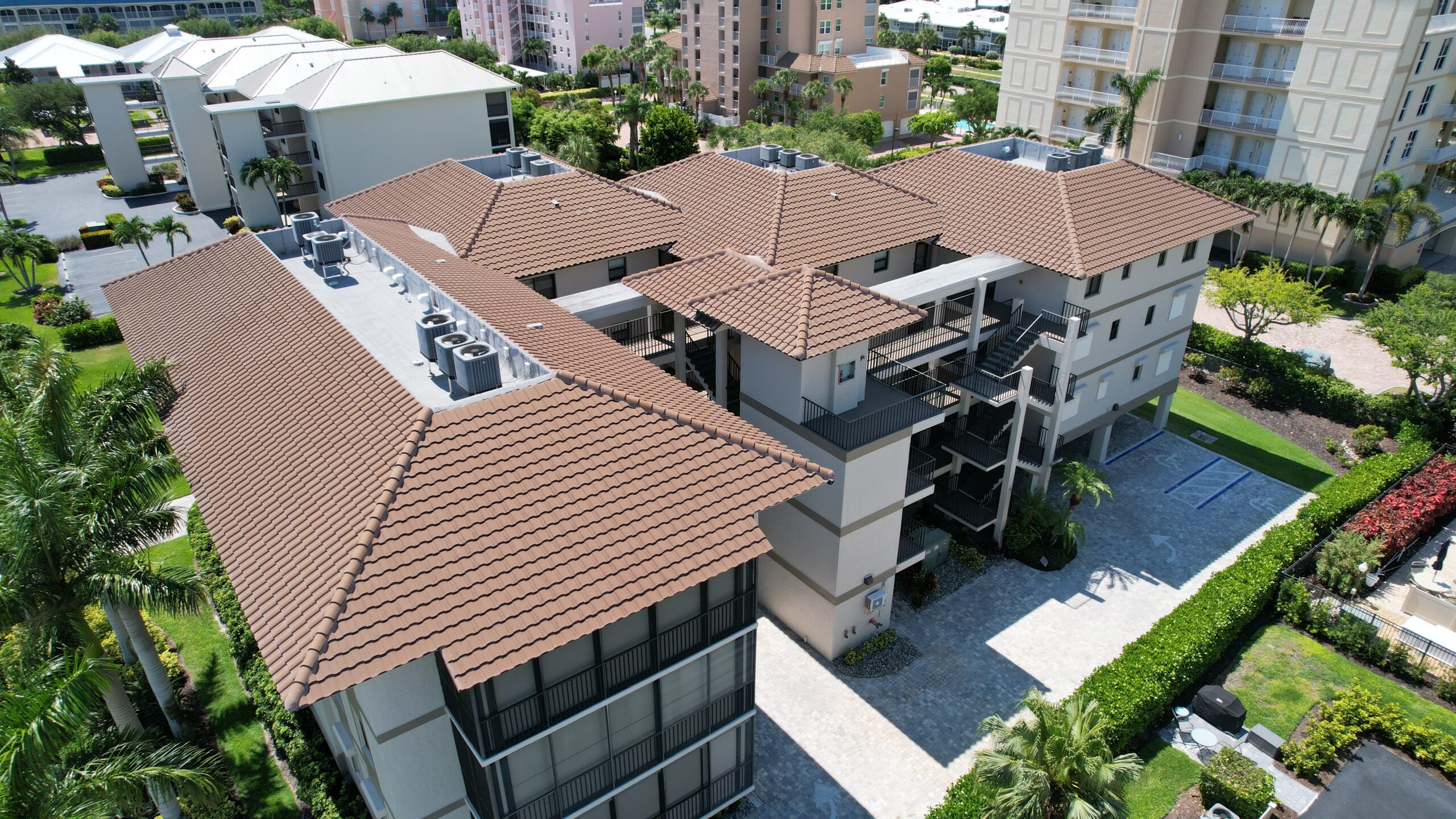
Any condo or co-op building three or more habitable stories tall must complete a first structural milestone inspection by December 31 of the year it turns 30 years old – or 25, at local discretion, if the building sits within three miles of the coastline – and every 10 years after that, under Florida Statute 553.899. The requirement does not apply to single-family, two-family, or three-family dwellings of three or fewer stories. For a buyer’s lender, an overdue milestone inspection or an underfunded reserve study is now a routine underwriting question; sellers of older condo buildings should have the association’s inspection and reserve status ready before listing. The requirement runs with the building and the association, not with an individual sale.
Does my condo need a milestone inspection before it can sell? The building does if it’s three or more stories and has reached the statutory age trigger, regardless of who currently owns any given unit; an unresolved inspection can still delay or derail a buyer’s financing on your unit specifically.
International, trust, and estate sellers

FIRPTA for foreign sellers
When a seller is a foreign person, the buyer is generally required to withhold 15% of the gross sale price at closing under FIRPTA. Two statutory carve-outs matter for residential deals: no withholding is required if the sale price is $300,000 or less and the buyer will occupy the property, and a reduced 10% rate applies if the price is between $300,000 and $1,000,000 and the buyer will occupy it (IRS). Neither exception is likely to apply at Palm Beach’s price tier, so most foreign-seller transactions here withhold the full 15% of gross price at closing, refundable later to the extent it exceeds actual tax owed.
What is FIRPTA and does it apply to me? It applies if you’re a foreign seller; the buyer must generally withhold 15% of the gross sale price at closing and remit it to the IRS, and a tax professional should be engaged before closing.
Trust and estate sales
An executor or trustee selling on behalf of an estate or trust needs letters testamentary or a trust certification ready for the title company well before closing. Title companies generally will not close without this documentation in hand, which makes it one of the most common sources of last-minute delay in probate-driven Palm Beach sales.
What actually moves price: flood zone, roof age, landmark status, waterfront
| Condition | Typical buyer/insurer/appraisal effect |
|---|---|
| High flood-risk designation | Higher insurance premium quoted at buyer’s mortgage application; some lenders require flood insurance as a closing condition |
| Roof age near or past typical insurer thresholds | Insurer may require a 4-point inspection before binding a policy; older roofs can trigger a coverage decline or higher premium |
| Individually landmarked | Renovation and demolition restricted by Certificate of Appropriateness requirement; can narrow or widen buyer interest depending on the buyer’s intent |
| True waterfront/oceanfront parcel | Commands a premium but concentrates flood and wind exposure, raising the insurance question buyers now ask before financing |
Common mistakes
Treating “waterfront” as a marketing feature only, without pre-addressing the insurance question a buyer’s lender will raise anyway, wastes negotiating leverage that could have been resolved before listing. Underestimating the Architectural Commission timeline when planning pre-listing exterior renovation is the other frequent misstep: a project scoped for a normal contractor schedule can run weeks longer once commission review is added, pushing the listing date past the window a seller had planned around.
Comments