
What’s for sale here: three different markets
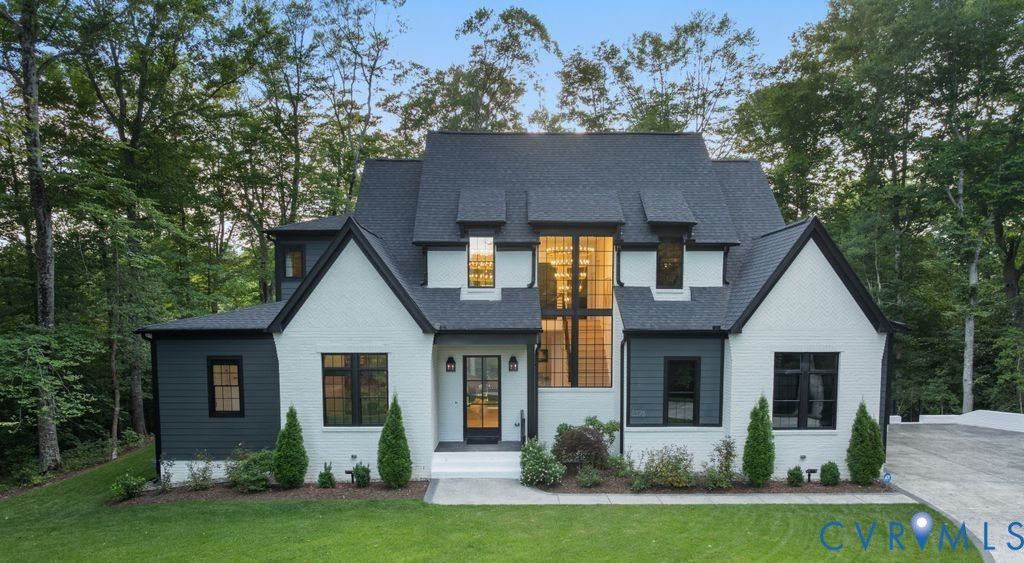
Search a New Kent County listing site and the results blend three markets that behave nothing alike. A golf-community villa with a maintenance contract, a ten-acre wooded parcel with no covenants at all, and a riverfront lot on the York or Chickahominy carry different price logic, different carrying costs, and different resale pools. Treating them as one market is the fastest way to misjudge a deal.
Golf-course and planned communities
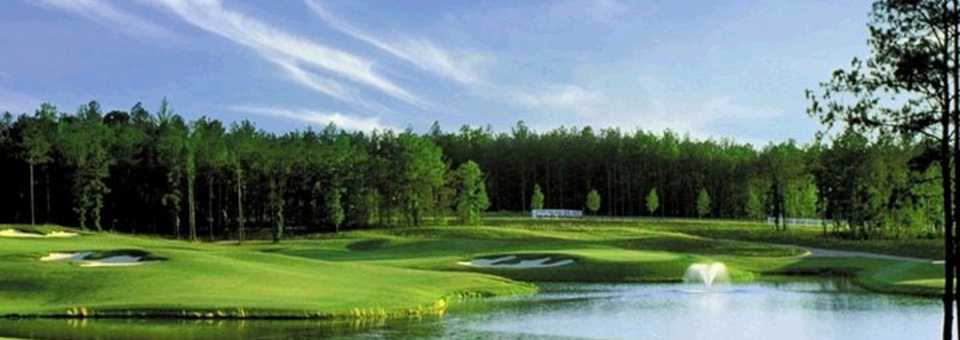
Brickshire, off I-64 at Exit 214 in Providence Forge, is the county’s largest planned community: roughly 1,200 acres organized into nine neighborhoods around a golf course, with a clubhouse, pool, tennis courts, and trails maintained by the homeowners association. Listed price points span the upper $200,000s for attached villa homes to well over $1,000,000 for large custom builds on the course. Liz Moore Real Estate’s community profile puts standard-lot HOA dues at roughly $560 a year; a more recent breakdown from Mr. Williamsburg’s Brickshire guide lists the current community-wide fee at $1,000 a year, with maintenance-free villa sections adding a separate monthly fee on top for lawn care, painting, and power washing on a rotating schedule.
Rural acreage and land parcels
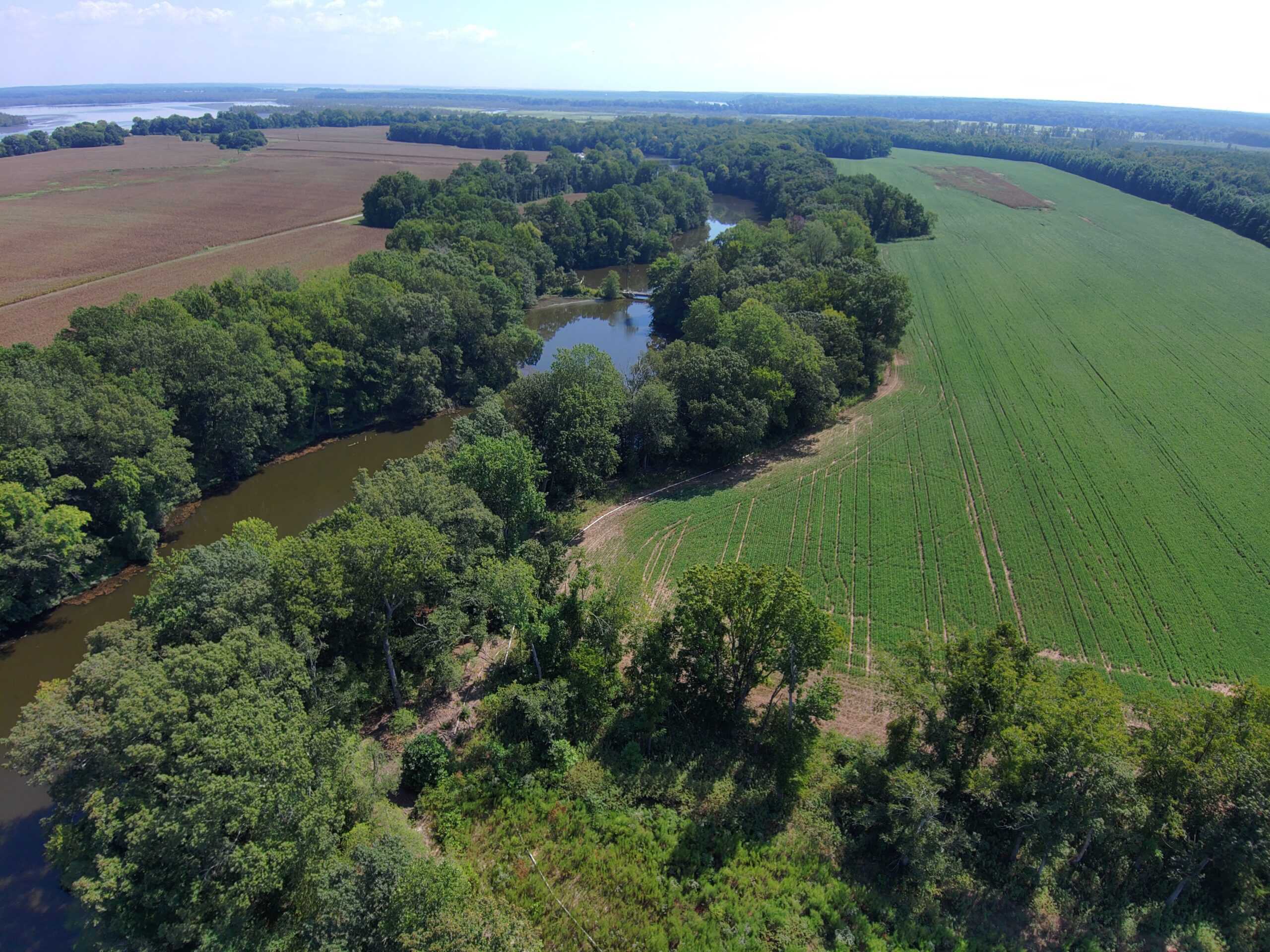
Away from the planned communities, New Kent still carries its agricultural character: wooded tracts, working land, and unrestricted parcels with no HOA and no architectural review. Acreage and road frontage drive their pricing far more than square footage does, and carrying costs depend heavily on whether the land qualifies for the county’s agricultural and forestal use-value program, covered below.
Waterfront property
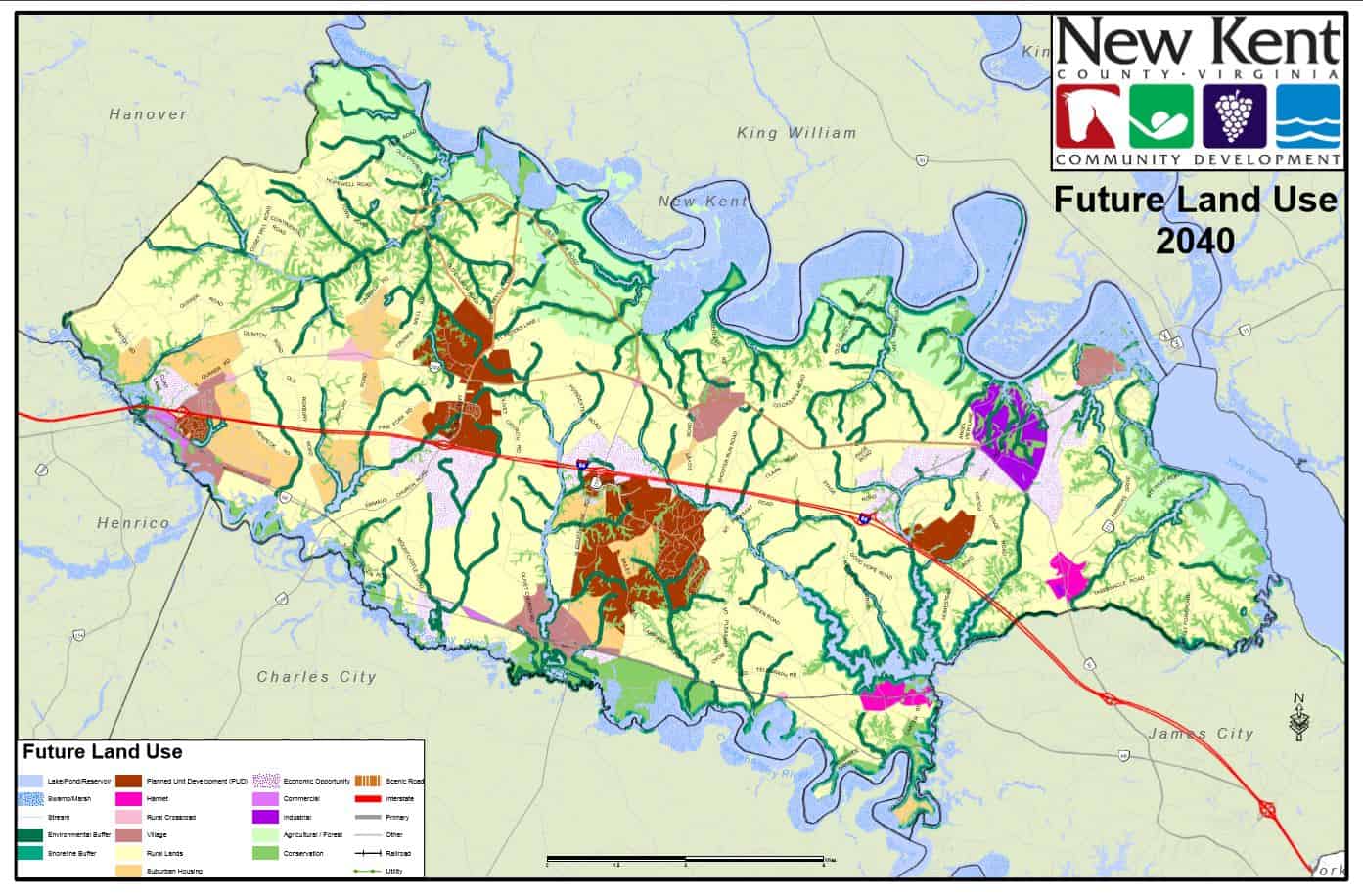
New Kent borders the Pamunkey and Chickahominy rivers, and a smaller number of listings carry deeded water access or beach frontage. The county’s land-use planning documentation notes the heaviest concentration of these parcels sits along the northern county line near the rivers and in the far eastern end near Barhamsville, where flood-plain and wetland constraints also concentrate.
| Segment | Typical price band | Who it suits | Key trade-off |
|---|---|---|---|
| Golf-community villa (Brickshire, Bel Green) | Upper $200,000s to low $400,000s | Buyers who want maintenance handled and built-in amenities | Monthly HOA fee stacks on top of the mortgage, and resale is tied to the community’s amenity upkeep |
| Golf-community custom home | $500,000 to over $1,000,000 | Move-up buyers building on a course lot | Annual dues are modest, but lot premiums for course frontage run high |
| Rural acreage, unrestricted | Land priced separately from any home; wide range by acreage and road access | Investors, builders, buyers wanting no covenants | No shared amenities and no HOA to fund shared infrastructure such as private roads |
| Waterfront (York, Pamunkey, Chickahominy) | Premium over comparable inland acreage | Buyers prioritizing water access over commute time | Flood risk and septic or well constraints are more common near the rivers |
The gap between those two golf-community rows often swings wider than the county’s year-over-year average shift: a villa buyer and a custom-home buyer in the same subdivision are effectively shopping in different price tiers with different HOA math.
Is New Kent County a good place to invest right now?The county added 724 new homes and 328 new parcels during 2024 and 2025, and population estimates from the Weldon Cooper Center put New Kent among the fastest-growing localities in Virginia, per the county’s 2026 reassessment report. That growth has already pushed the average sale price up 13.2 percent between the 2024 and 2025 reassessment years, which favors sellers and land holders more than first-time buyers hunting for entry-level inventory.
What it costs to own property here
New Kent County reassesses real estate every two years, as required by Virginia Code Section 58.1-3321. The 2026 general reassessment, effective January 1, 2026, set the state-mandated equalized tax rate at $0.54 per $100 of assessed value, a drop from the prior $0.60 rate, because total taxable value rose 16.8 percent and equalization law requires the rate to fall when the base grows. The Commissioner of Revenue’s reassessment report is the primary source for that figure. The Board of Supervisors still sets the final budget-year rate at a public hearing each spring, so a buyer closing later in the fiscal year should confirm the adopted rate directly with the Commissioner’s office before treating the equalized figure above as final.
| Item | Figure | Source and date |
|---|---|---|
| 2026 equalized real estate tax rate | $0.54 per $100 assessed value | New Kent County Commissioner of Revenue, 2026 Reassessment Report, effective Jan. 1, 2026 |
| 2025 real estate tax rate | $0.60 per $100 assessed value | New Kent County Commissioner of Revenue, published tax rate schedule |
| Reassessment cycle | Every 2 years | Virginia Code Section 58.1-3321; New Kent County Reassessment 2026 notice |
| Land protected under the Agricultural and Forestal District program | 42,333 acres, 33.3% of county land area | New Kent County Commissioner of Revenue, 2026 Reassessment Report |
That equalization mechanic explains why the rate fell even as home values rose: the levy is designed to hold total county revenue roughly flat regardless of how much any single property appreciated.
The Agricultural and Forestal District program is the piece almost no buyer researches before making an offer on rural acreage. Land enrolled in an AFD is valued for tax purposes at its use as farmland or forest rather than at full market rate, under authority granted by Virginia’s Agricultural and Forestal Districts Act and New Kent County Code Section 62-34. A third of the county’s land area, 42,333 acres, already sits inside a district. The exact reduced per-acre valuation for a specific parcel is not published in a single county table and has to be requested directly from the Commissioner of Revenue’s Assessment Division, since it depends on soil type and current district boundaries; a buyer evaluating a large rural lot should ask whether it is already enrolled, and what happens to the tax bill if it is later withdrawn.
How much will property tax actually cost me?At the 2026 equalized rate of $0.54 per $100, a home assessed at $450,000 owes about $2,430 a year before any local exemptions. A rural parcel enrolled in the Agricultural and Forestal District program is taxed on its use value, typically a small fraction of that same acreage’s market value, though the exact figure requires a parcel-specific estimate from the Commissioner’s office.
How far is New Kent from Richmond and Williamsburg
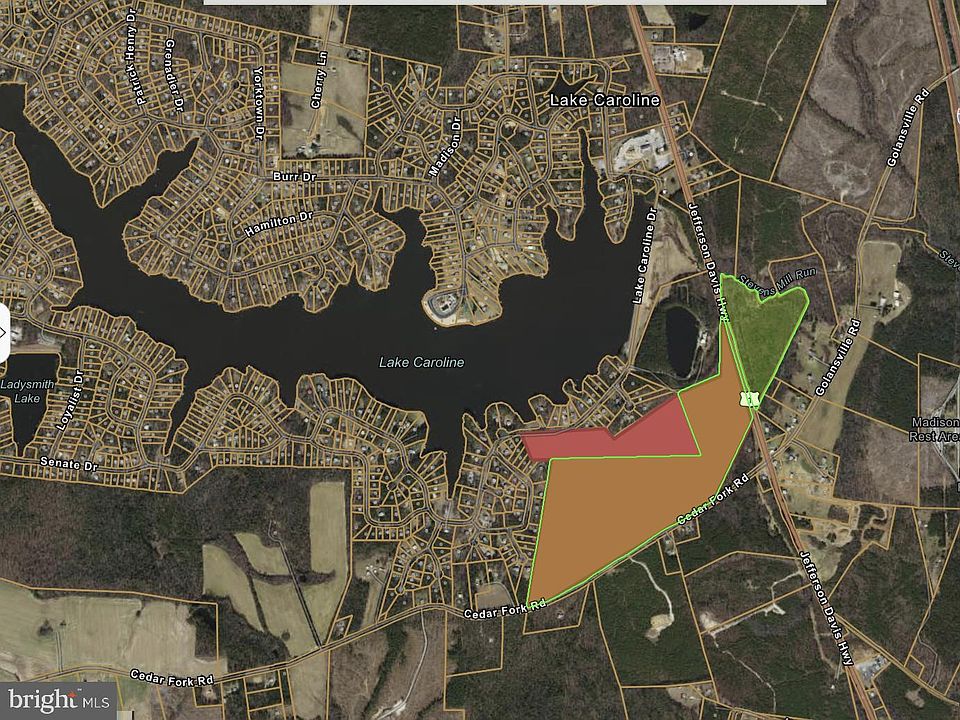
New Kent Courthouse sits at Exit 214 on I-64, roughly midway between the two cities most buyers are commuting to or from. Builders active in the county advertise the community as under 30 minutes from both, and neighboring Charles City County’s own location page, describing the same Exit 214 corridor, lists it as 30 miles from Richmond and 25 miles from Williamsburg.
| Origin | Destination | Approx. distance | Approx. drive time |
|---|---|---|---|
| New Kent Courthouse / Exit 214 | Downtown Richmond | About 30 miles | 25 to 35 minutes |
| New Kent Courthouse / Exit 214 | Colonial Williamsburg | About 25 miles | 20 to 30 minutes |
| Providence Forge (Brickshire area) | Downtown Richmond | About 25 miles | Under 30 minutes, per community marketing |
| Bottoms Bridge, western county line | Downtown Richmond | Under 20 miles | 20 to 25 minutes |
The western end of the county, near Bottoms Bridge, shaves several miles off the Richmond commute compared with the courthouse area, which is the detail a Richmond-focused buyer should weigh against a Williamsburg-focused one before picking a neighborhood.
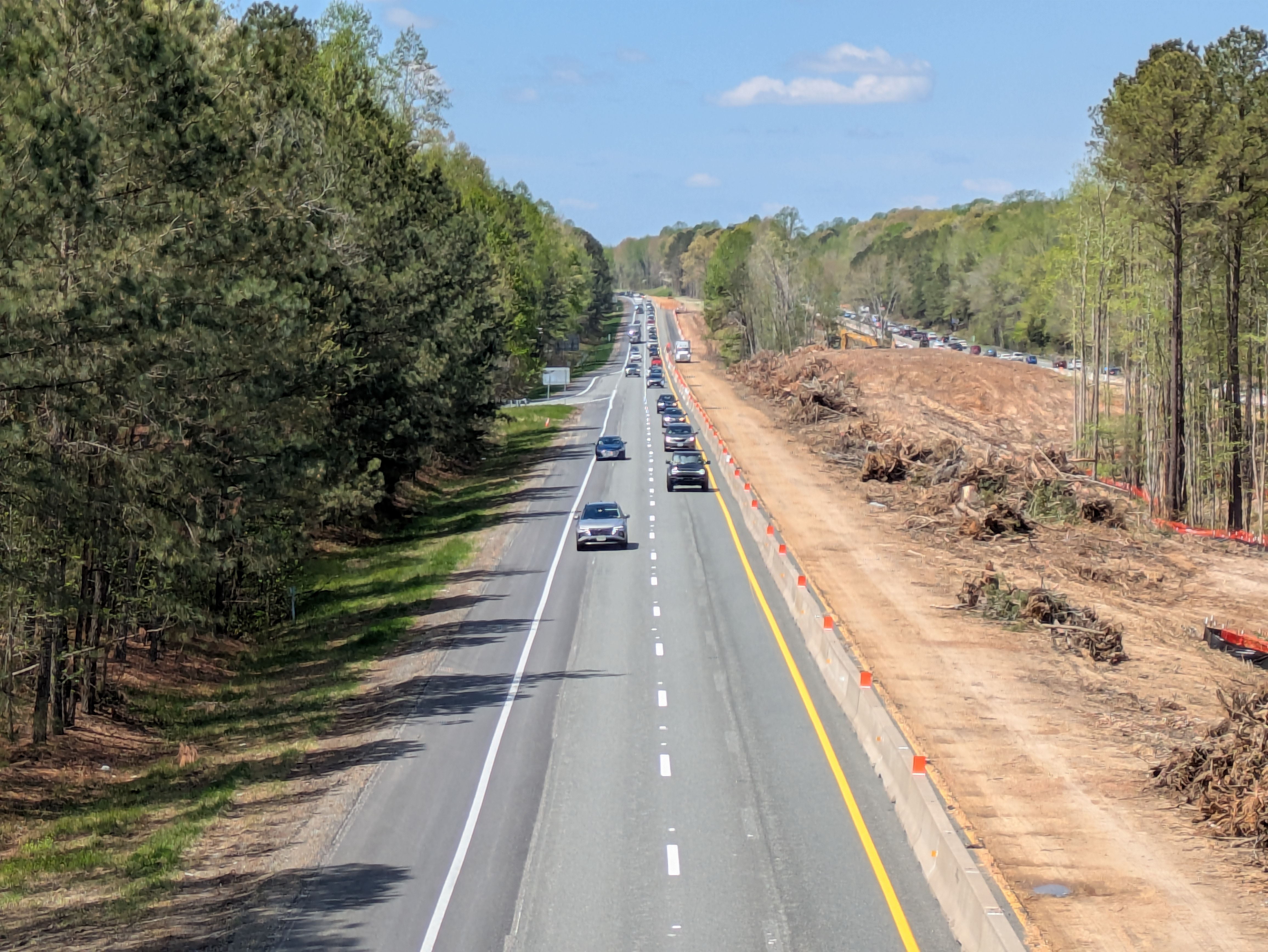
Traffic capacity on that corridor is changing. VDOT’s I-64 widening project documentation shows the segment from just west of Bottoms Bridge to just east of the New Kent Courthouse exit under construction now, expanding from four to six lanes, with completion targeted for summer 2027.
Is New Kent too far from Richmond for a daily commute?Not by regional standards: the courthouse area runs 25 to 35 minutes from downtown Richmond, comparable to commuting from outer Chesterfield or Hanover County, and construction is underway to widen the connecting stretch of I-64 to six lanes by 2027.
New construction versus buying resale
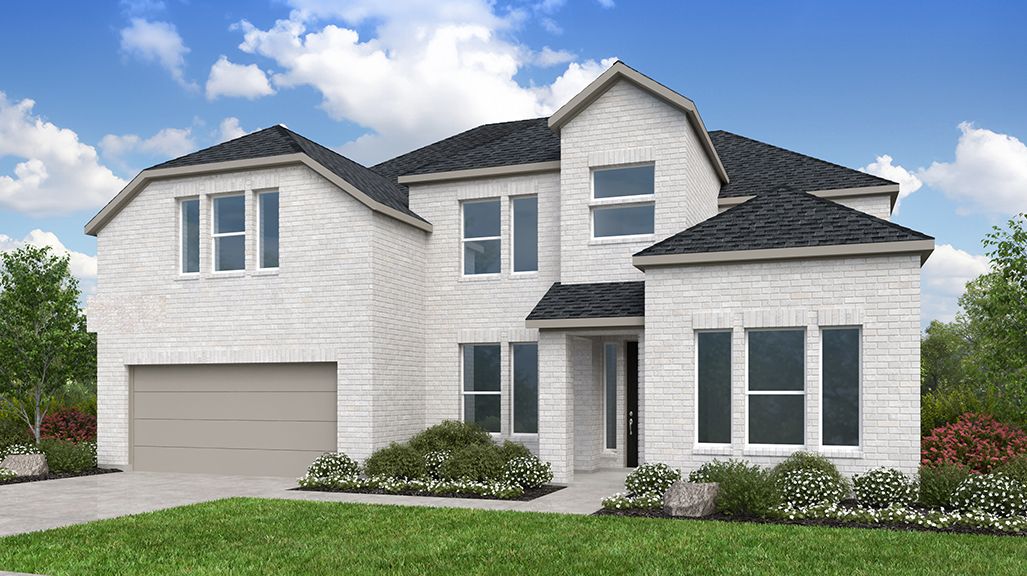
New Kent added 724 new homes across 2024 and 2025, the county’s reassessment data shows, concentrated in Brickshire and in newer subdivisions such as Viniterra. A new build carries a builder’s warranty and current code compliance; a resale in an established Brickshire neighborhood carries a landscaped lot and, often, a lower per-square-foot price than an equivalent new build once lot premiums are factored in.
Brickshire itself was established in 2003 by the developer Blue-Green, and the Bel Green villa section within it runs a $337 monthly HOA fee that bundles lawn care, an eight-year exterior paint cycle, and quarterly power washing, according to Mr. Williamsburg’s current community listing. That level of bundled maintenance is unusual outside a 55-plus or villa-specific section, and it is worth pricing against a comparable resale home’s annual upkeep before assuming new construction is the more expensive path.
Common mistakes buyers and investors make in this market

- Assuming HOA dues are uniform across a community. Brickshire alone spans a flat annual fee on standard lots and a separate monthly fee on maintenance-included villa sections; the fee structure depends on the exact lot and section, so confirm it before writing an offer.
- Treating a portal’s self-reported median price as a verified figure. See the sourcing note below before anchoring an offer to any single published median.
- Skipping the Agricultural and Forestal District check on rural land. A parcel’s enrollment status changes its tax bill and can restrict certain development rights; confirm status with the Commissioner of Revenue before closing to avoid a post-closing tax surprise.
- Ignoring flood and septic constraints on waterfront lots. County land-use documentation flags the northern river corridor and the far eastern county as concentration points for both.
- Budgeting the current tax rate as permanent. The equalized rate resets every two years and the Board of Supervisors can adjust it further at the spring budget hearing.
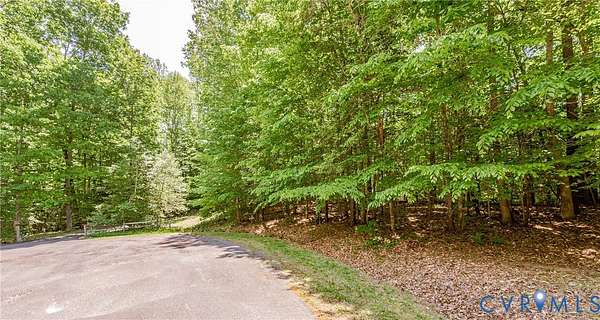
Brickshire versus rural New Kent land: what’s the real difference?Brickshire trades HOA dues and covenant restrictions for maintained amenities, community infrastructure, and a built-in resale pool of buyers who want a golf-community lifestyle. Unrestricted rural acreage trades that infrastructure away for lower carrying costs, more building flexibility, and, if the parcel qualifies for the Agricultural and Forestal District program, a substantially reduced tax bill.
Selling in New Kent County
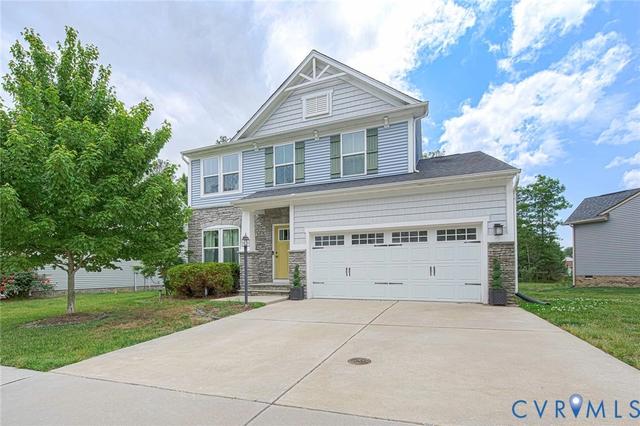
A New Kent listing competes for a buyer pool split between Richmond commuters, Williamsburg commuters, and land or acreage investors, so pricing strategy has to be set separately for each segment. A rural land seller and a Brickshire villa seller are not competing for the same buyer, and pricing either one against the other’s recent sale produces a bad number.
Comments