
Where Midtown West Is (and Isn’t)
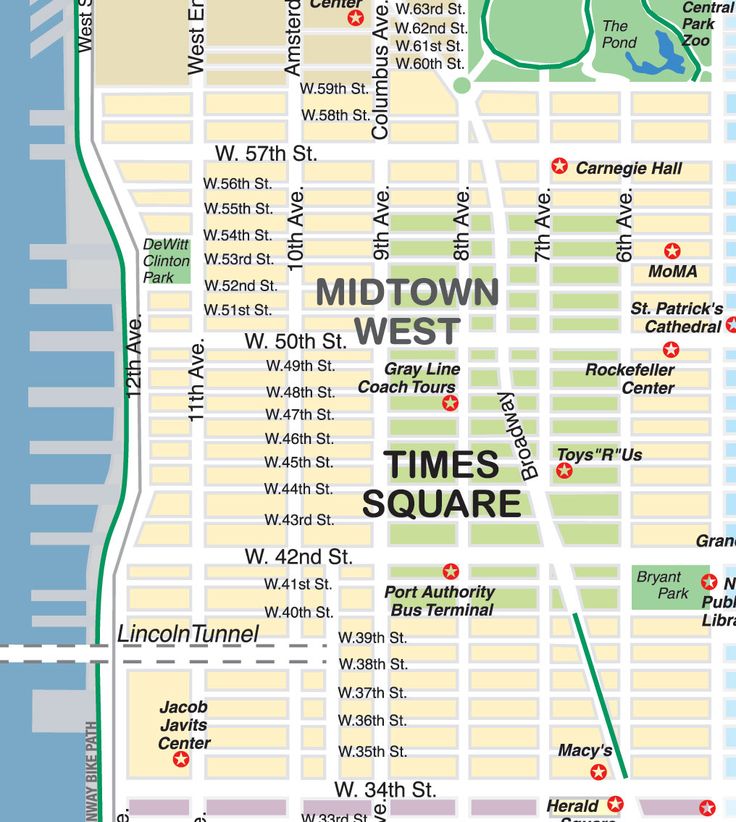
The confusion starts with the name. “Midtown,” “Midtown West,” and “Hell’s Kitchen” get used interchangeably in casual conversation and inconsistently in listings. The gap between pricing sources is not small: one brokerage-adjacent comparison puts Midtown West’s median sale price at $990,000 against Midtown East’s $775,000, while a StreetEasy-sourced snapshot from the same general period puts Midtown West asking prices at $1.25 million against Midtown East’s $899,000. Both figures can be correct at once, since one measures closed sales and the other measures active asking prices, and Manhattan sellers currently close at roughly 93 to 97% of last asking price depending on segment.
Is Midtown West the same as Hell’s Kitchen? Not exactly. StreetEasy treats them as adjacent but separate submarkets: Hell’s Kitchen runs a median of $1,448 per square foot against Midtown West’s $1,519, close enough to overlap in casual use but distinct enough that pricing and inventory should be checked separately.
Where sources genuinely disagree is the eastern edge. Some brokerages fold the Garment District and parts of Chelsea into “Midtown West”; the city’s own tabulation data, by contrast, keeps the west-Midtown zone, historically labeled “Clinton” in city planning records, separate from the districts to its south. No authority resolves this conflict, so the practical fix is confirming which streets a given listing, comp set, or market report actually covers before comparing it to anything else.
| Term used | What it typically includes | Where sources disagree |
|---|---|---|
| Midtown West (brokerage standard) | 34th–59th St, Eighth Ave to Hudson River | Some brokerages extend south toward Chelsea/Garment District |
| Hell’s Kitchen | Same footprint, older/informal name | StreetEasy prices it separately, close but not identical to Midtown West |
| Midtown (city planning) | Broader zone, 34th–59th St, Third to Eighth Ave | Includes Midtown East, not a west-side-specific label |
| “Clinton” (city-planning tabulation name) | Same west-Midtown footprint | Rarely used in current listings, still appears in city records |
A common mistake worth naming directly: treating Theater District foot traffic as a stand-in for residential character. The blocks around Times Square stay dense with tourists and Broadway crowds; two avenues west, toward Eleventh Avenue, the same neighborhood turns quieter, more residential, and priced differently. Judging the whole submarket from its loudest four blocks skews expectations on both sides of a deal.
Housing Stock & Current Pricing
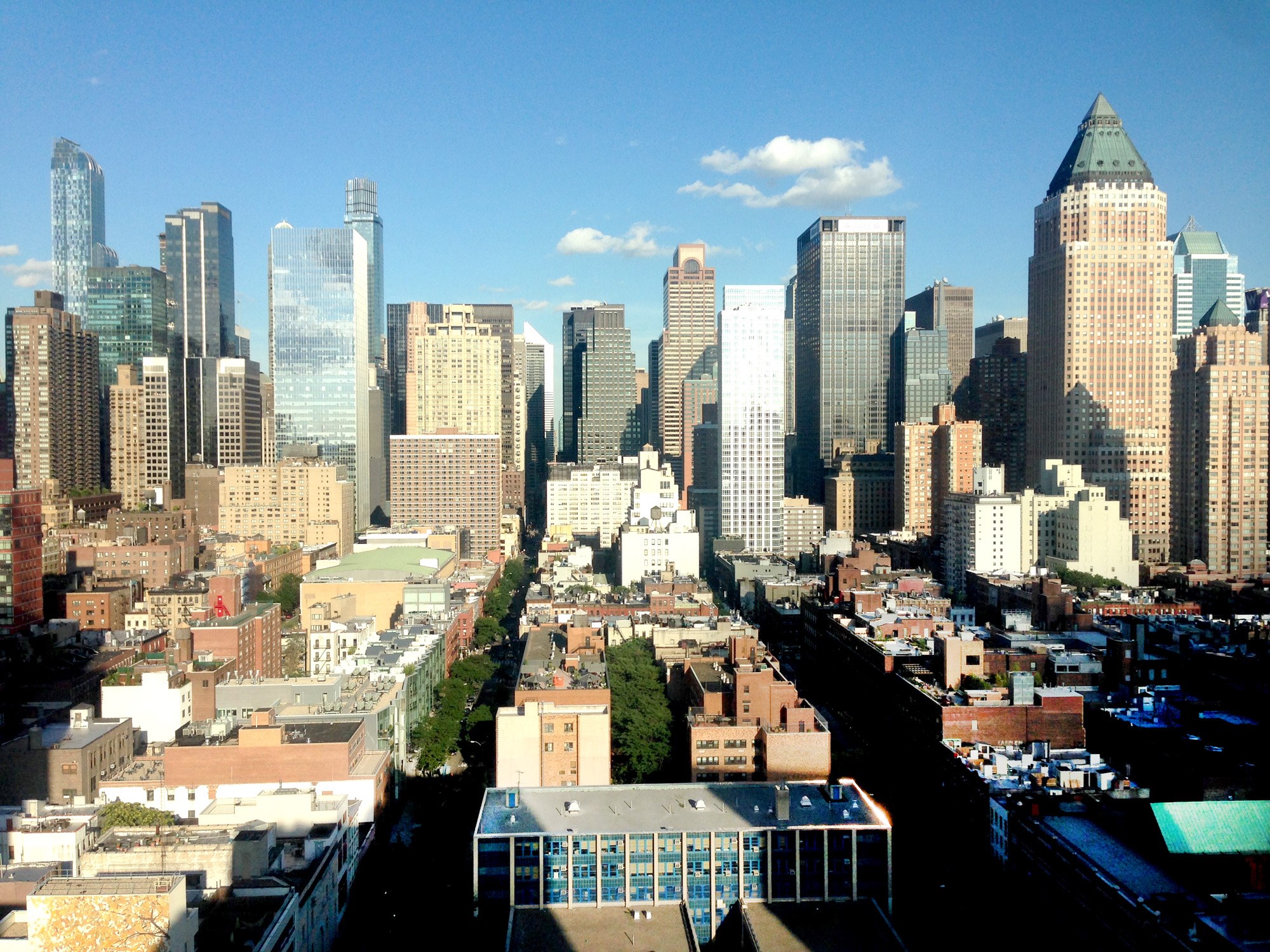
As of a mid-May 2026 StreetEasy pull, Midtown West carried 426 active for-sale listings, 83 of them new development, putting new construction at 19.5% of active inventory (The Shapott Team). New-development pricing runs well above resale: a median asking price near $2.19 million at $2,127 per square foot, against $1,513 per square foot across the neighborhood overall, a premium of roughly 40%. That premium widens with unit size, so a studio buyer feels it far less than a three-bedroom buyer does.
Pricing by unit type
| Unit type | Median price or rent | New dev vs. resale | Notes |
|---|---|---|---|
| Studio (resale-weighted) | ~$718,000 asking | Mostly resale | DeAnna Kory, citing StreetEasy |
| 1-bedroom | $1.05M asking | 110 resale vs. 21 new dev | PS New York Real Estate |
| 2-bedroom | $1.7M asking | 83 resale vs. 29 new dev | Same source |
| 3-bedroom | $2.935M asking | New-dev premium widest here | Same source |
| New development (all sizes) | $2.19M, ~$2,127/ft² | 19.5% of active inventory | The Shapott Team / PS New York Real Estate |
| Rental | Median asking $4,939/mo, 596 active listings | N/A | The Shapott Team, citing Corcoran’s May 2025 rental report |
That last row matters more than it looks. Corcoran’s May 2025 Manhattan rental report found Midtown West the only Manhattan neighborhood to post a year-over-year increase in lease activity that period: 554 signed leases, an average rent of $5,548, and 1.76% vacancy. Standard neighborhood guides for this area tend to skip rental demand entirely, which is a real gap for anyone weighing this as income property rather than a primary residence.
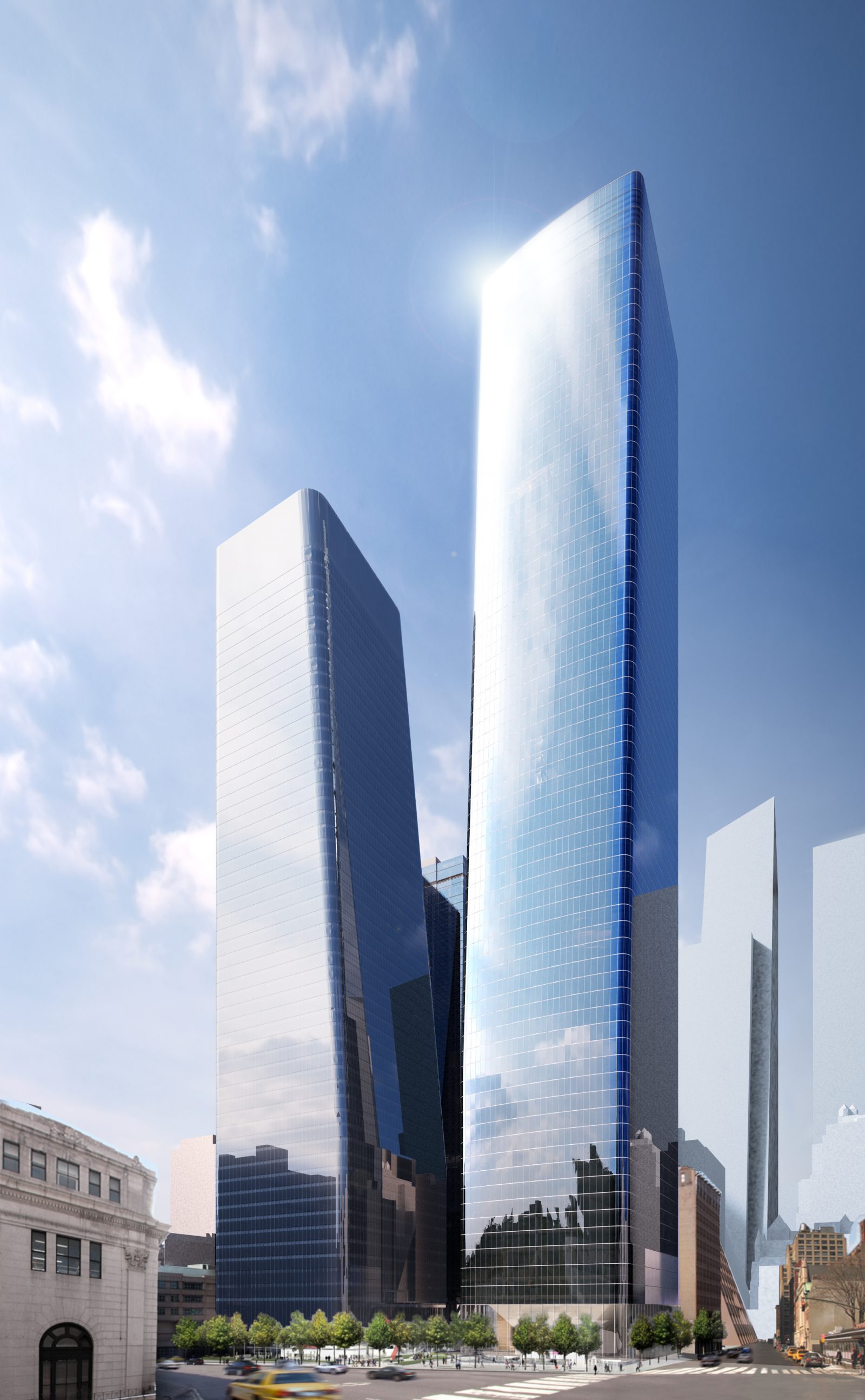
The current construction pipeline shows where new supply is headed. In March 2026, Extell Development filed plans with the Department of City Planning to expand its site at 871 Seventh Avenue, the former Wellington Hotel, from a 27-story hotel into a 71-story mixed-use tower with roughly 130 residential units. The filing seeks a zoning bonus in exchange for funding upgrades to the 50th Street subway station (6sqft). If it proceeds as filed, it would be one of the taller residential additions to the submarket’s west-of-Broadway core in years.
Co-op stock exists here too, mostly in older walk-ups and mid-rise buildings. A neighborhood-specific current co-op median wasn’t found among the sources gathered for this page; what is available is a Manhattan-wide figure, where condo price per square foot runs roughly 50% above co-op price per square foot for comparable space, largely because co-ops carry board approval and financing restrictions that condos don’t (Castle Avenue, citing Miller Samuel data). Treat that ratio as a citywide directional guide, not a Midtown West-specific number.
How Midtown West Compares to Its Neighbors
| Neighborhood | Median asking price | PPSF | Median asking rent | Notes |
|---|---|---|---|---|
| Midtown West | $1.25M | $1,519 | $4,939 | 19.5% new-dev share |
| Hell’s Kitchen | $1.05M (2025 figure) | $1,448 | $4,440 | Priced separately from Midtown West despite name overlap |
| Hudson Yards | $2.28M (1BR median) | $1,973 | Limited rental stock | Newest construction, highest common charges |
| Midtown East | $899,000 asking / $775,000 by one sale-price source | Not directly comparable | $5,200 | See dispute note below |
Does Hell’s Kitchen or Midtown West offer better rental yield? On the figures above, Hell’s Kitchen: a $1.05 million median asking price against $4,440 in median asking rent works out to roughly a 5.1% gross yield, versus roughly 4.7% for Midtown West at $1.25 million against $4,939 in rent. That’s a back-of-envelope calculation from asking prices and asking rents, not a published net-yield figure, and it ignores common charges, taxes, and vacancy.
Transit access separates these submarkets more clearly than price does. Midtown West sits at the convergence of the A, C, E, 1, 2, 3, N, Q, R, W, B, D, and 7 lines, while Midtown East is served by roughly seven lines total (Milton Coste comparison). For a buyer weighing commute flexibility against Midtown East’s proximity to Grand Central, that’s a real trade-off, not a marketing point.
Current Market Conditions
Midtown West median asking prices were down 3.5% year over year while active inventory rose 7.4% as of a mid-to-late May 2026 pull, conditions StreetEasy’s own commentary frames as favoring buyers (The Shapott Team). Borough-wide, the picture sits in some tension with that: Manhattan condo transaction counts and dollar volume were both up year over year in the same general period, and roughly 40% of active Manhattan listings had sat unsold for 90 days or more, a stale-inventory signal that lets correctly priced homes sell quickly while overpriced ones linger (UrbanDigs data via Manhattan Miami). For Midtown West specifically, rising inventory paired with falling asking prices gives buyers room to negotiate on listings that have sat, while well-priced units in strong buildings are unlikely to wait long for an offer.
Is Midtown West a buyer’s or seller’s market right now? By the most recent neighborhood-level data (May 2026), it leans toward buyers: asking prices down 3.5% year over year with inventory up 7.4% in the same period. That reading is neighborhood-specific and can diverge from the borough-wide trend, which currently leans firmer.
Rental demand cuts the other way. Corcoran’s May 2025 report found Midtown West the only Manhattan neighborhood with year-over-year lease growth, at 1.76% vacancy, conditions that typically favor landlords over tenants even while the for-sale side favors buyers over sellers.
Who Midtown West Suits (and Who It Doesn’t)

Income-focused investors get a genuine case here: new-development rental demand is growing while for-sale prices are soft, a combination that widens the entry point relative to expected rent. Owner-occupant families weighing school access and quiet streets generally do better one submarket over, since Midtown West’s density and Theater District proximity work against the calm-street profile most family buyers want. Pied-à-terre buyers who need reliable building services, and don’t mind paying a new-development premium for them, are well served by the current inventory mix; buyers chasing the lowest possible entry price should look at Midtown West’s co-op stock or at Hell’s Kitchen’s marginally lower price per square foot.
What to Check Before You Buy, Sell, or Invest Here
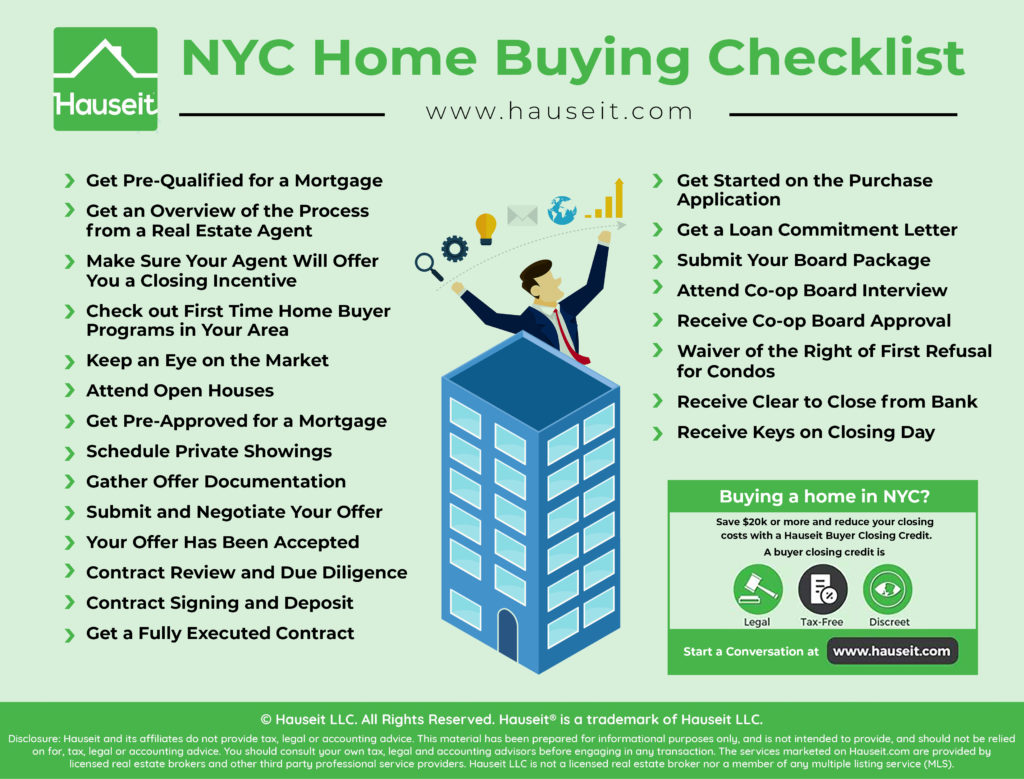
- Confirm ownership structure before you commit to a unit. Condos here generally accept LLC and foreign-buyer ownership without much friction; co-op boards frequently restrict or prohibit LLC purchases outright, and each building sets its own policy (Daniel Blatman).
- Budget for board scrutiny if you’re buying a co-op. Approval timelines run 8 to 12 weeks, and boards increasingly ask for 12 to 24 months of liquid reserves beyond what a lender requires, especially from international buyers (Moshes Law, March 2026).
- Ask about flip tax before you assume resale math. Most co-op flip taxes run around 2% of the sale price, paid on exit, not entry (Yoreevo).
- Check whether a new-development building’s sponsor still controls the board. In buildings still in sellout, rules and reserve policy can shift after you close.
Can I buy a Midtown West co-op through an LLC? Usually not. Most co-op boards restrict or prohibit entity ownership outright, and policy varies building to building; condos in the same neighborhood accept LLC ownership far more readily.
Transit & Commute Access
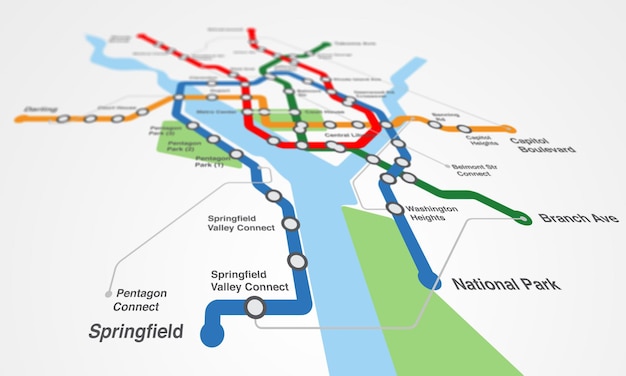
Midtown West’s transit draw is breadth, not any single standout line. The A, C, and E run its western spine, the 1, 2, and 3 serve its eastern edge near Broadway, the N, Q, R, and W cross through Times Square, and the 7 reaches Hudson Yards at the southwest corner. For a commuter prioritizing flexibility over one specific destination, that convergence is the real advantage.
Landmarks & Neighborhood Character
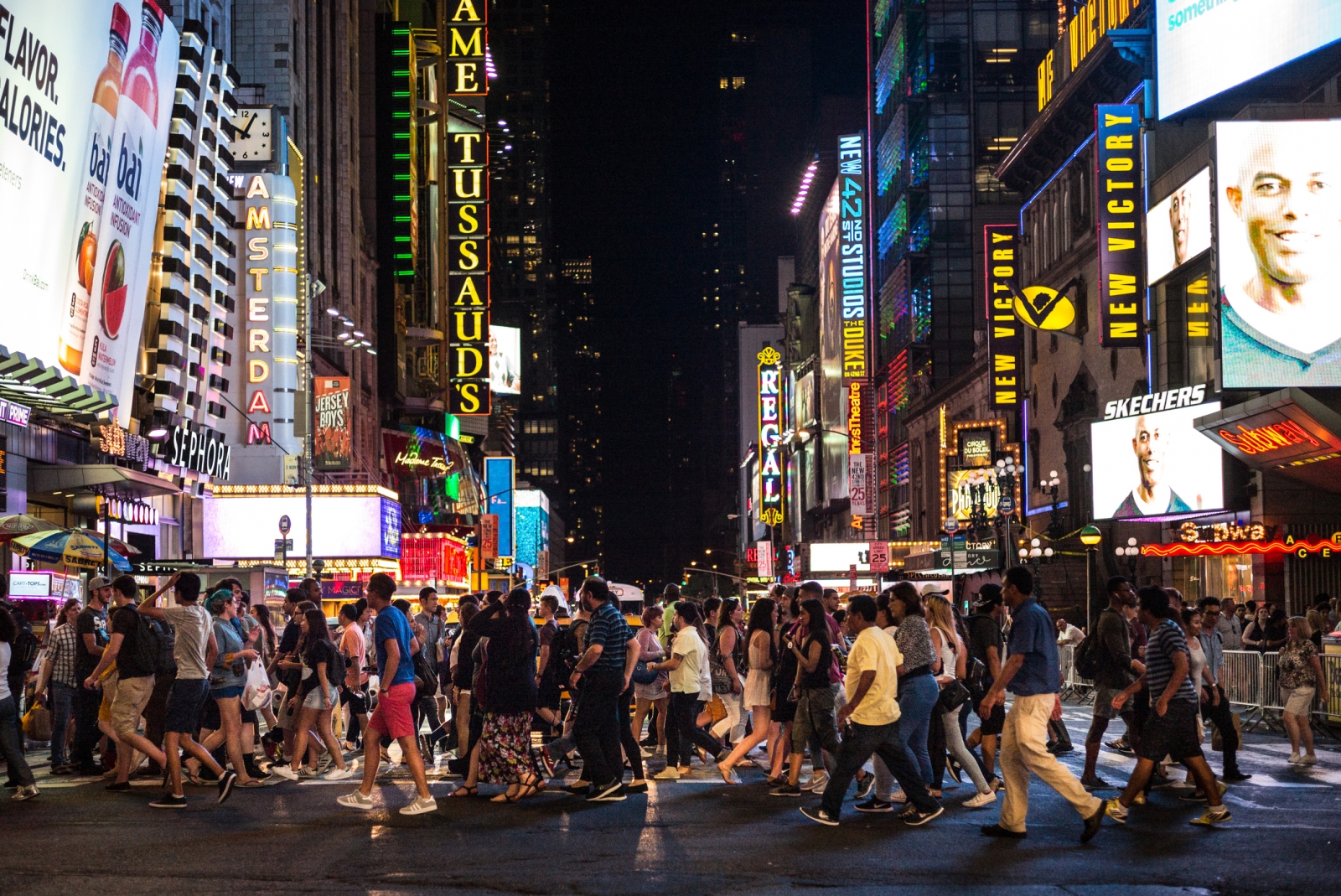
Times Square, the Theater District, Hudson Yards’ retail core, and Hudson River Park sit inside these boundaries, and they shape the neighborhood’s tourist-facing reputation more than its residential streets do. West of Ninth Avenue, the pace slows considerably. Most buyers researching this neighborhood already know the landmarks; the pricing and process detail above is what’s harder to find.
Comments