
What Counts as a Lot for Sale in Virginia
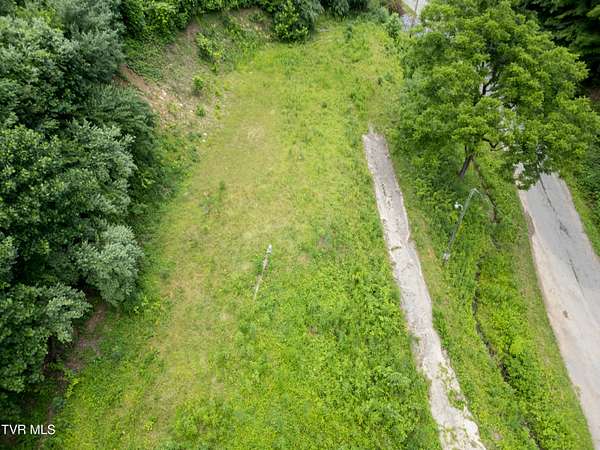
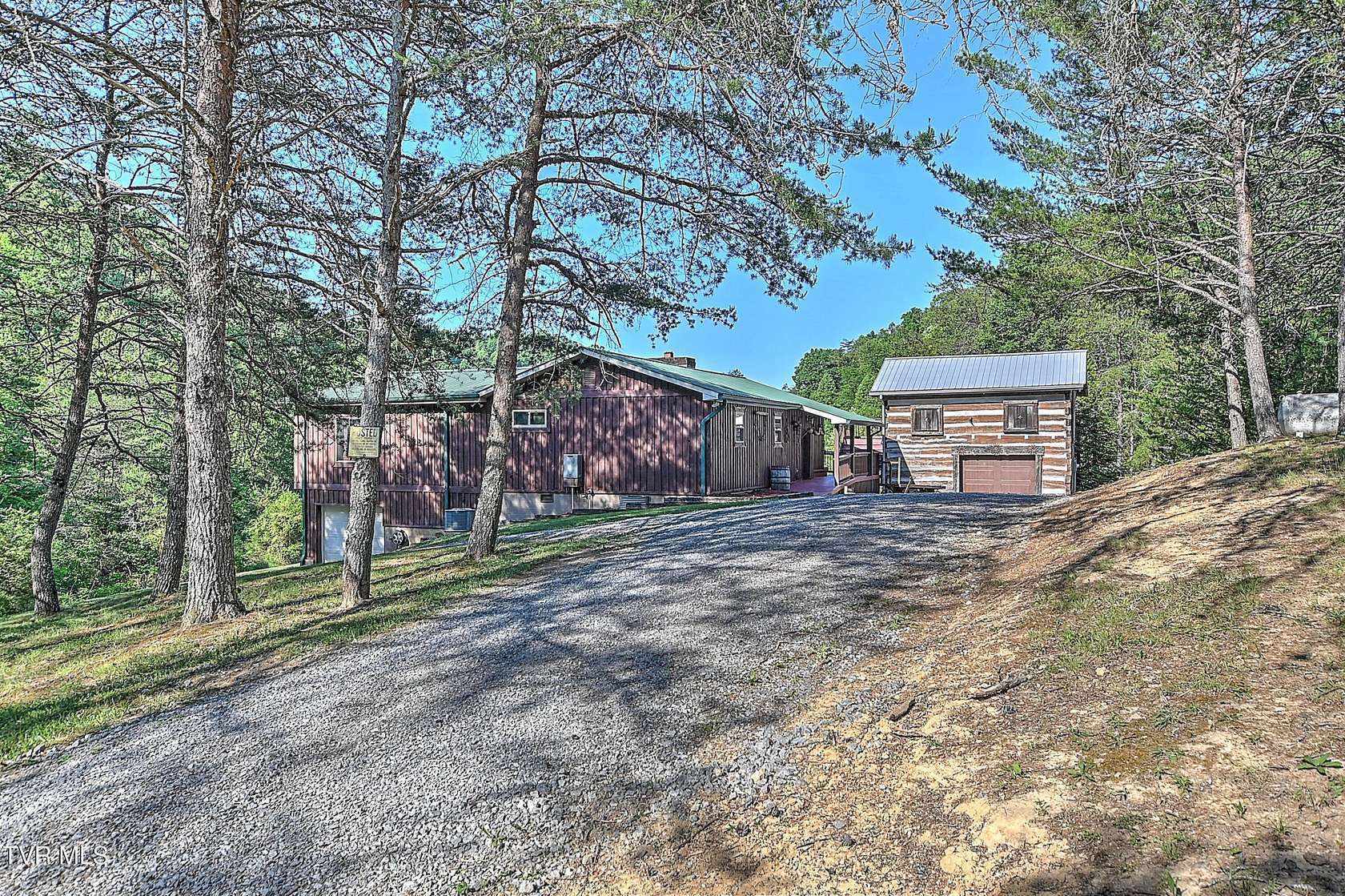
“Lots for sale” listings mix three different products: subdivided residential building lots with recorded plats, raw acreage with no subdivision history, and farmland or recreational tracts that happen to include a homesite. Only the first two are in scope here. A recreational or farm tract’s buildability depends on the same soil and zoning questions below, but its pricing follows agricultural land economics, covered separately in the cost section.
Zoning and Permitting: A County Decision, Not a State One
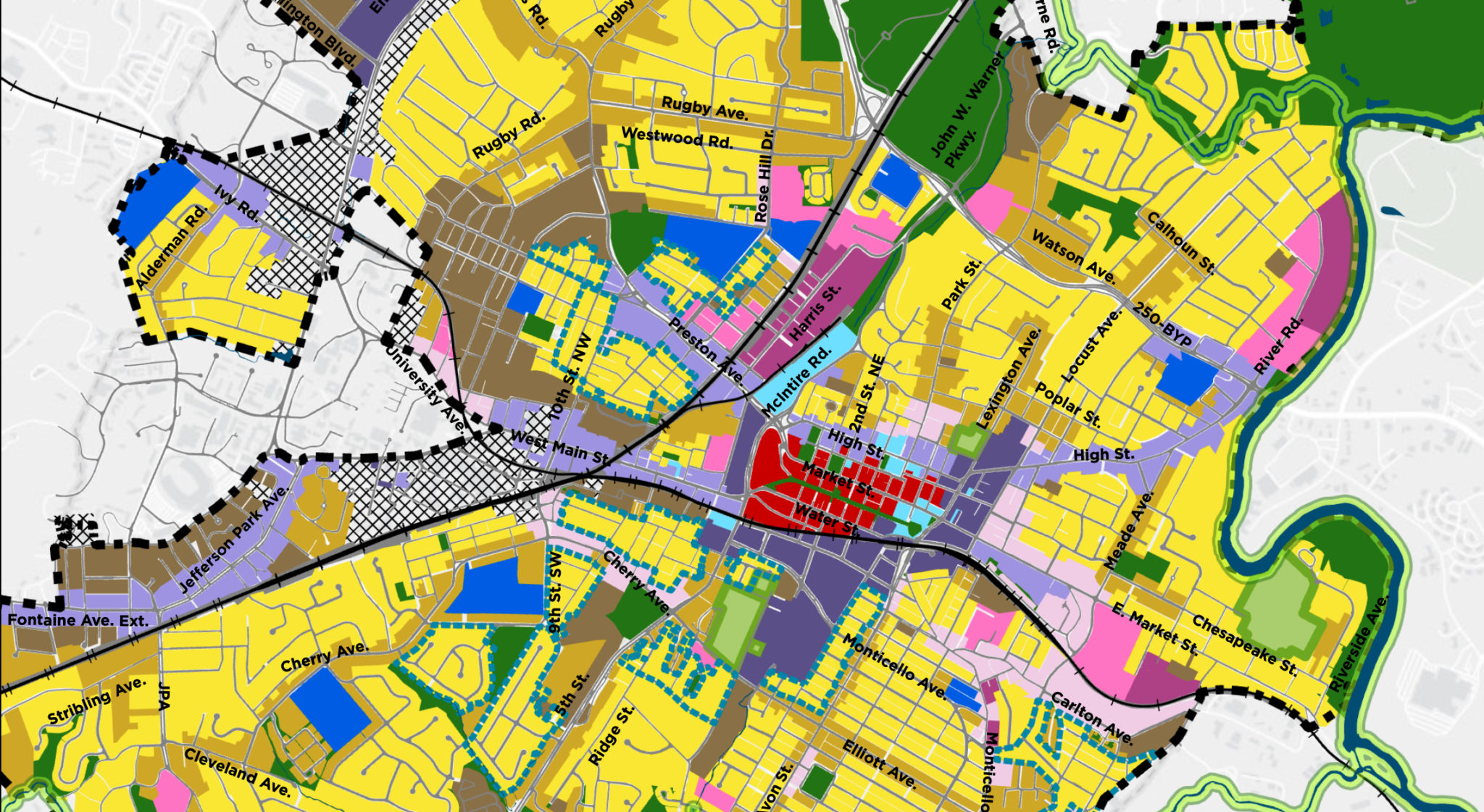
Virginia is a Dillon Rule state: localities hold only the powers the General Assembly has expressly granted them. Zoning is one of the powers it granted, through Va. Code §15.2-2280, which lets each locality “regulate, restrict, permit, prohibit, and determine” land use inside its own borders. Independent cities hold that authority entirely apart from any surrounding county. The practical result: minimum lot size, setback rules, and how fast a rezoning or variance request moves are set locally, county by county and city by city, with no statewide minimum lot size to fall back on.
This is where “not all land is buildable” stops being a warning and becomes a research task. A parcel zoned agricultural in one county might allow one house per five acres; the same acreage two counties over might allow one per acre. Before assuming a lot’s zoning matches its intended use, pull the actual zoning ordinance for that specific parcel from the county’s own GIS or planning office, not the listing description.
Is a builder-tied lot different from raw land I buy directly?Yes. Many “lots for sale” in Virginia new-construction communities are sold with a requirement to build through the developer’s in-house contractor, which limits your choice of builder and often bundles lot price with construction pricing. An independently sold raw lot carries no such requirement, but also carries none of a builder-tied lot’s road, utility, or drainage work already done.
Is the Ground Itself Buildable
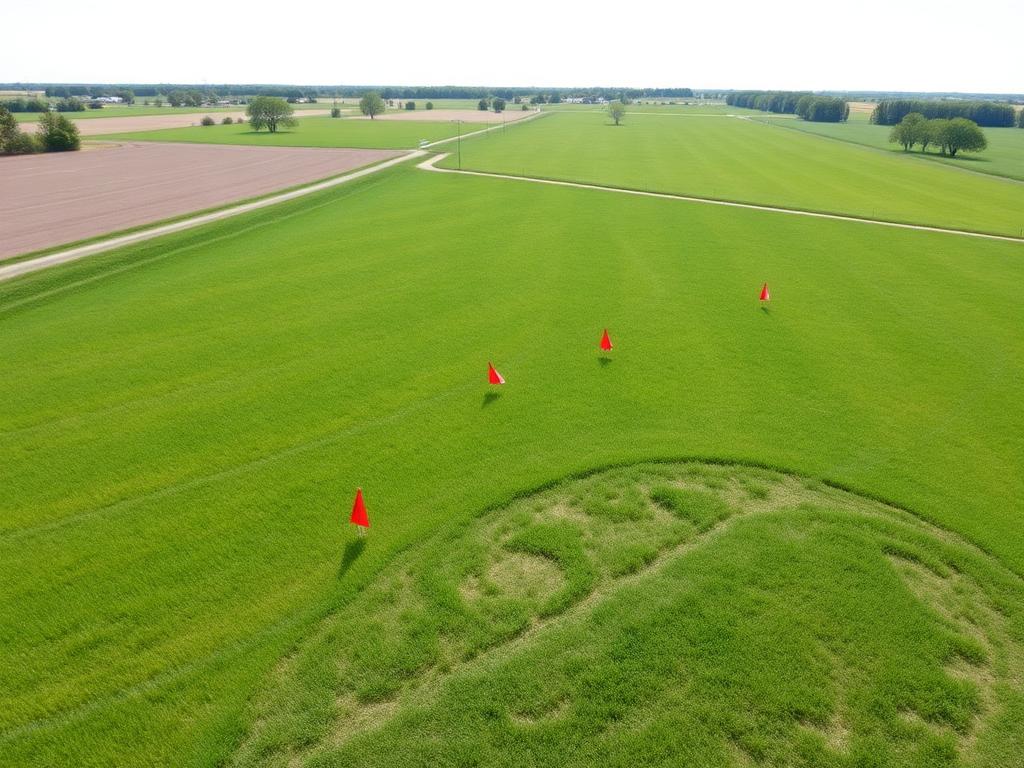
Before anything else, the soil has to support a septic drain field, since most Virginia lots outside municipal sewer service depend on one. Only a DPOR-licensed Authorized Onsite Soil Evaluator (AOSE) or Certified Professional Soil Scientist can perform the evaluation Virginia’s health districts require, and the fee varies by region: AOSE evaluations run $500 to $1,200 statewide, with Loudoun and Fauquier counties toward the top of that range at $800 to $1,200, and Southwest Virginia and Southside running $500 to $800, according to a 2026 breakdown of Virginia’s septic permit process. A conventional system needs roughly 18 inches of suitable soil beneath the drain field; shallower or slower-draining soil pushes the project toward a mound or engineered system, which changes the cost math in the next section.
Can I back out if the perc test fails?Include a soil-evaluation or perc-test contingency in the purchase contract before you sign. A documented failed evaluation lets you exit the deal or renegotiate, rather than discovering the problem after closing when your only options are an expensive alternative system or an unbuildable lot.
What Utilities Cost to Bring In
| Task | Typical Virginia cost range | What drives the range |
|---|---|---|
| Soil/perc evaluation (AOSE) | $500 to $1,200 | Region (Northern VA highest), test holes, soil complexity |
| Septic permitting (AOSE + VDH construction permit) | $925 to $1,700 total | New system vs. repair ($250) vs. upgrade ($300) |
| Well, complete system | $5,000 to $15,000 (state average $8,820 for 210 ft) | Water table: 20 to 80 ft Coastal Plain, 80 to 300 ft Piedmont, 50 to 400 ft Valley and Ridge |
| Conventional septic install | $8,000 to $15,000 | Soil class, drain field size |
| Alternative/engineered septic | $20,000 to $55,000 | Required when perc fails for a conventional system |
| Land survey | $370 to $770 | Parcel size, existing corner markers |
| Power line extension | $5 to $25 per linear foot ($4,000 to $20,000+ for 500 ft) | Overhead vs. underground, distance from nearest line |
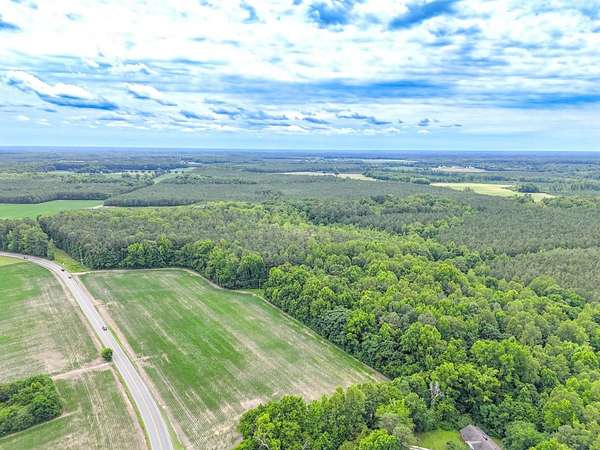
The well and septic rows alone can swing a total budget by $30,000 depending on soil class and water-table depth, which is why a lot’s price per acre tells you almost nothing about what it will cost to make it livable.
How much should I budget beyond the purchase price?For a typical 1-to-5-acre lot needing a new well and conventional septic, budget $17,000 to $30,000 for permitting, well, septic, and survey alone, before grading, a driveway, or a power extension over roughly 300 feet.
Legal and Tax Exposure Sellers Won’t Volunteer
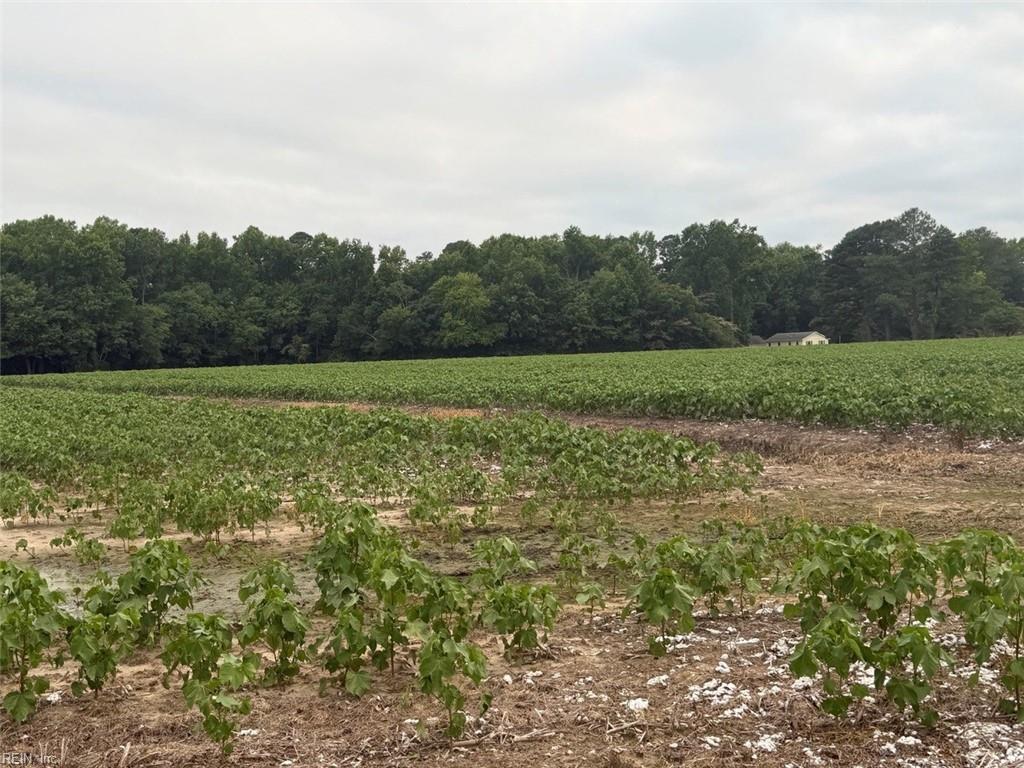
Two exposures rarely show up in a listing. First, land enrolled in Virginia’s land-use taxation program is taxed on agricultural or forest use value rather than market value, and changing that use, including clearing it to build a house, triggers a rollback tax under Code of Virginia §58.1-3237: the deferred tax for the five most recent complete tax years, plus interest, plus a current-year supplemental bill at fair market value. Rappahannock County’s land-use office puts it plainly: land-use status travels with the parcel, not the seller, so a buyer who owns the property for less than six years can inherit the previous owner’s deferred tax liability along with the land.
Second, Virginia’s Residential Property Disclosure Act, Code of Virginia §55.1-700 et seq., applies to residential real property improved with one to four dwelling units. A raw, unimproved lot generally falls outside that requirement, which means the seller of a vacant parcel is under less legal obligation to volunteer defects than the seller of an existing house would be. That shifts more of the due-diligence burden onto the buyer’s own soil evaluation, survey, and title search.
What’s a land-use rollback tax, and could I inherit the previous owner’s bill?Yes, if the parcel is still enrolled in land-use taxation and you change its use, such as clearing it for a house, within the rollback window. Ask the seller directly whether the parcel is currently in the land-use program before you write an offer.
Survey and Access: Confirming What You’re Buying
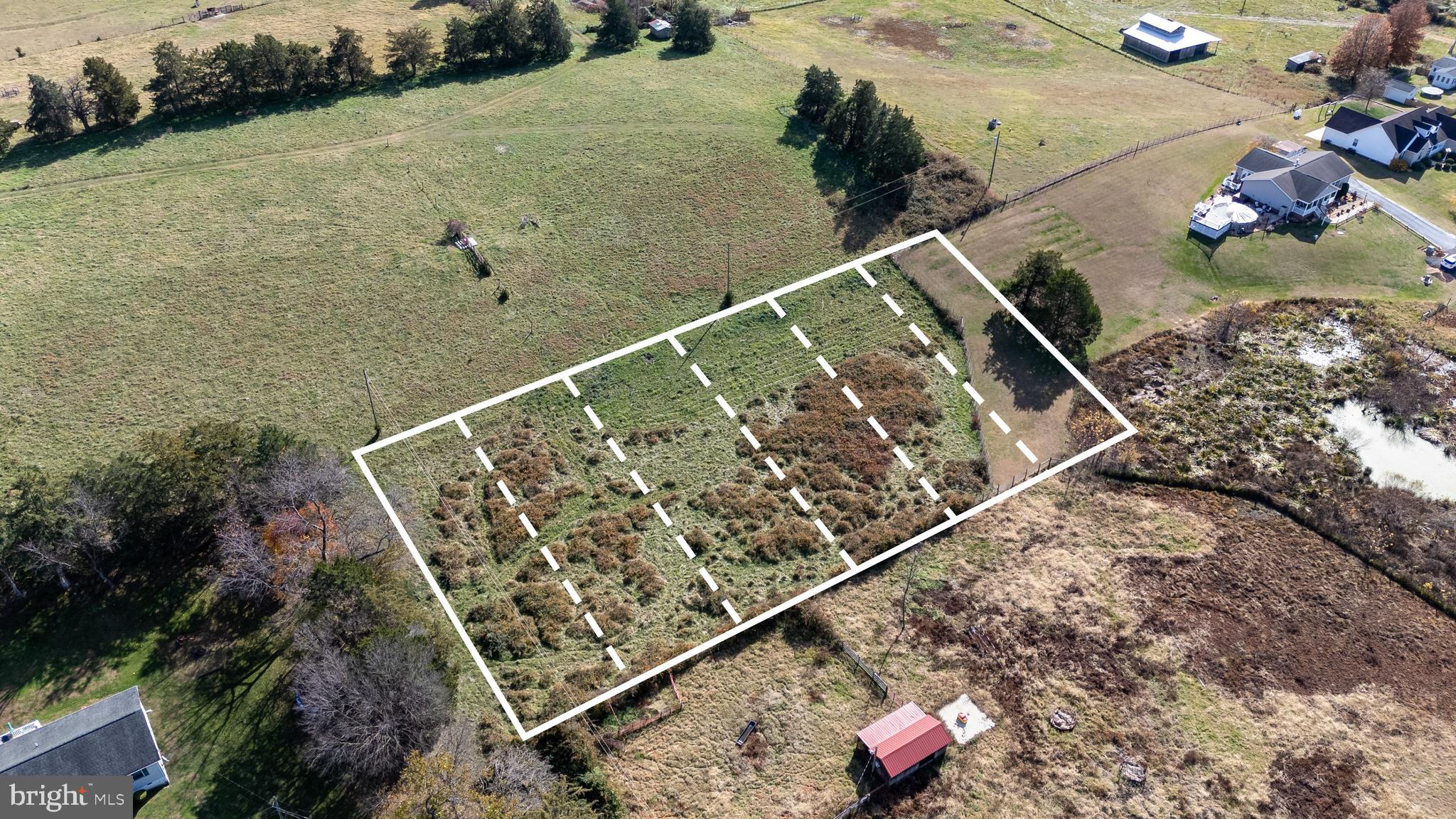
A current survey confirms boundary lines, easements, and whether the parcel has recorded legal access to a public road, at a typical Virginia cost of $370 to $770. Skipping it because “the seller already has one” is a common mistake: an older survey may predate a boundary dispute, an added easement, or a fence line that no longer matches the recorded plat. Lenders who finance rural Virginia land routinely flag landlocked parcels, tracts reachable only by an informal path across a neighbor’s property with no recorded easement, as a common problem. Confirm permanent, recorded road access before you commit; a verbal understanding with a neighbor is not a legal right of way.
Do I need my own survey if the seller has one?In most cases, yes, particularly if the existing survey is more than a few years old or if any part of the parcel has changed hands, been fenced, or been subdivided since it was drawn. A current survey costing a few hundred dollars is cheap insurance against a boundary or access dispute after closing.
Financing a Lot Purchase
Land loans work differently from home mortgages, and the differences are concrete rather than just harder to get. Farm Credit of the Virginias, a lender that specializes in rural Virginia land, doesn’t require a land survey unless title insurance calls for one, and its land loans are generally exempt from Virginia’s recordation tax; its home loans require the property to carry at least five acres with agricultural production capability, or, on smaller parcels, at least $5,000 a year in verified agricultural income. Down payment requirements on land loans commonly run well above a typical home mortgage’s. Farm Credit Services of America, a different Farm Credit territory than Virginia’s, reports that 35% down payments are typical on new land-loan purchases, a useful benchmark for system-wide norms even though it isn’t a Virginia-specific figure. USDA also finances land-plus-construction in qualified rural areas, but only for income-eligible borrowers, and its land-only loan term is capped at five years.
Red Flags and Green Flags: A Quick-Reference Summary
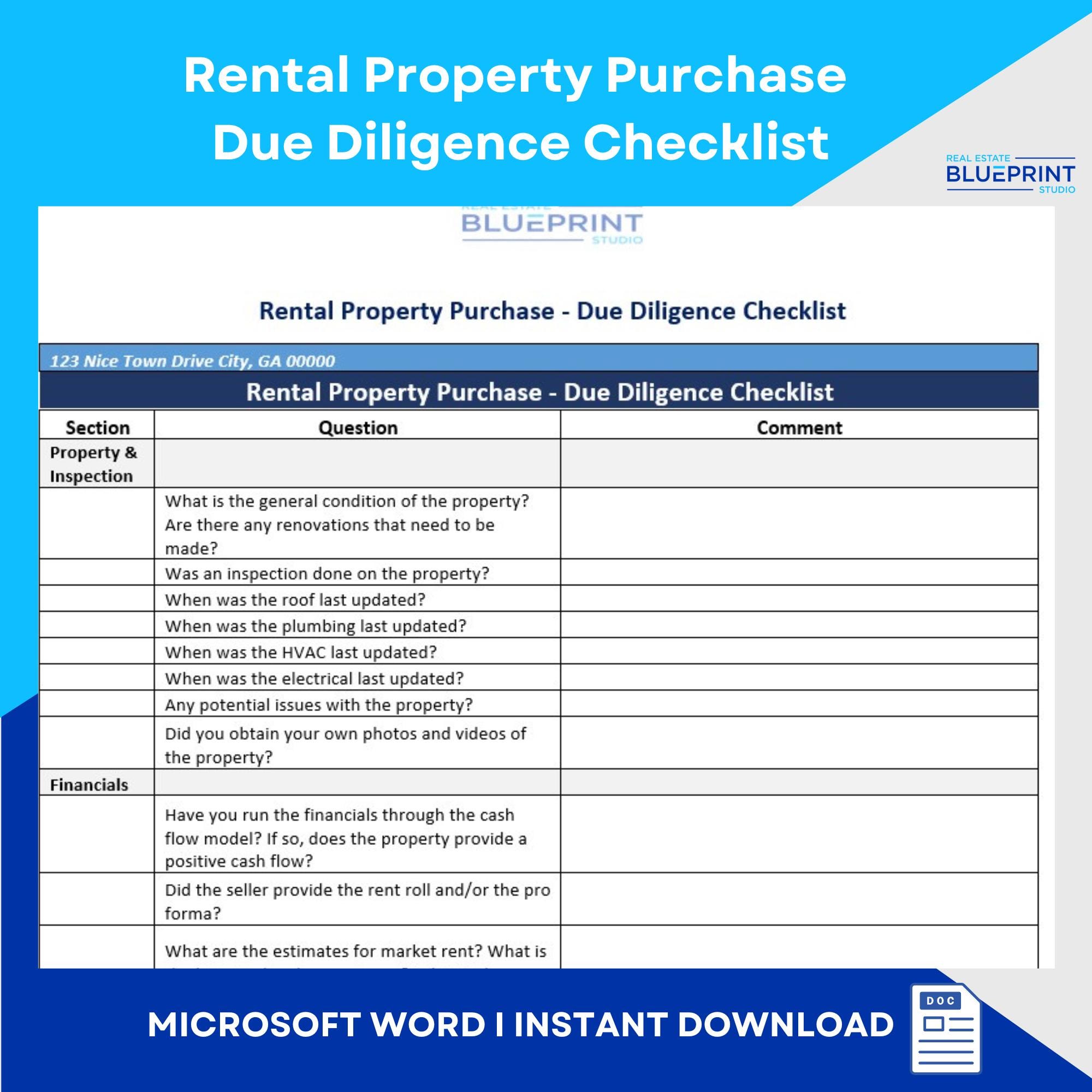
| Signal | What it suggests | Action |
|---|---|---|
| No perc/soil evaluation on file | Buildability unconfirmed | Make the offer contingent on a passing AOSE evaluation |
| Parcel enrolled in land-use taxation | Rollback tax exposure if you build | Ask the seller directly; budget for the rollback before clearing land |
| No recorded easement to a public road | Possible landlocked parcel | Order a current survey and title search before writing an offer |
| Listing requires a specific builder | Builder-tied lot, not independent raw land | Compare bundled lot-plus-construction pricing against an independent lot and your own builder |
| Recent AOSE evaluation on file and passing | Soil confirmed suitable for a conventional system | Verify the evaluation is still within its validity window before relying on it |
| Zoning confirmed directly with the county, not just the listing | Use matches your intent | Proceed to survey and financing steps |
Before You Make an Offer
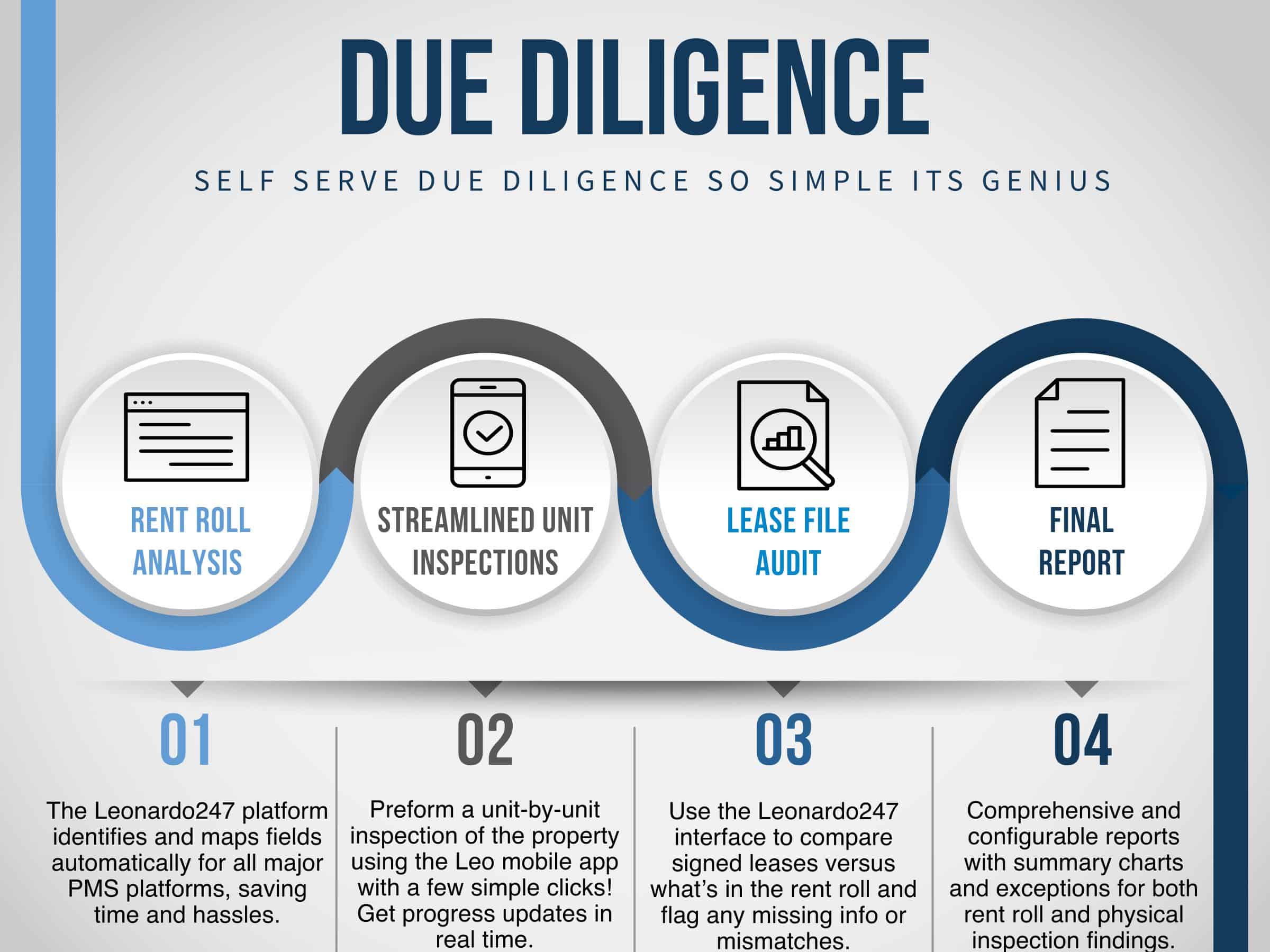
Order the pieces in this sequence: confirm zoning directly with the county, contract for an AOSE soil evaluation with a perc-fail contingency, order a current survey, and ask the seller in writing whether the parcel carries land-use tax enrollment. Each step is cheap relative to the cost of discovering a problem after closing. A lot that clears every item in the checklist above is a genuinely different asset from one that merely has an attractive price per acre.
Comments