
Where Laurel Canyon Is (and Where It Isn’t)
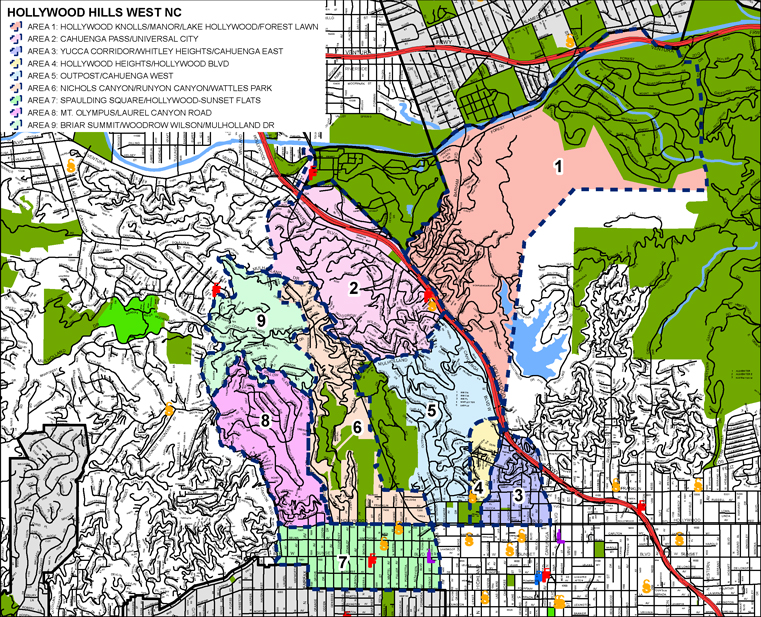
West Hollywood borders the neighborhood to the west and south, Hollywood lies to the east, and Studio City sits north across Mulholland Drive, which marks the ridge dividing the canyon’s two sides. Laurel Canyon Boulevard is the spine; most side streets, including Wonderland Avenue, Willow Glen Road, and Lookout Mountain Avenue, dead-end rather than connect through. Laurel Canyon and its Mount Olympus enclave share zip code 90046, according to the City of Los Angeles Office of Finance’s zip code listing.
Three adjoining names get conflated constantly, and they aren’t the same place.
| Micro-neighborhood | Character | Typical housing |
|---|---|---|
| Laurel Canyon proper | Organic canyon-floor development along one winding boulevard, narrow lots, mixed eras | 1920s-1970s bungalows through mid-century and contemporary infill |
| Mount Olympus | Planned 1960s-70s subdivision with Greek-god street names, gated feel | Larger, more uniform view estates |
| Laurel Hills | A separate, higher hillside tract one tier above Laurel Canyon proper | Newer construction, larger lots |
A buyer searching “Laurel Canyon” on a listings portal will often see all three grouped under one umbrella. They sit within a few hundred yards of each other but were built on different timelines and to different plans.
A Short History
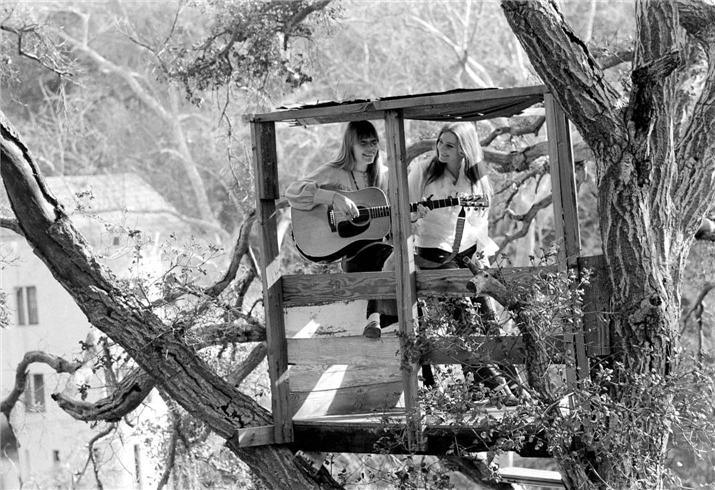
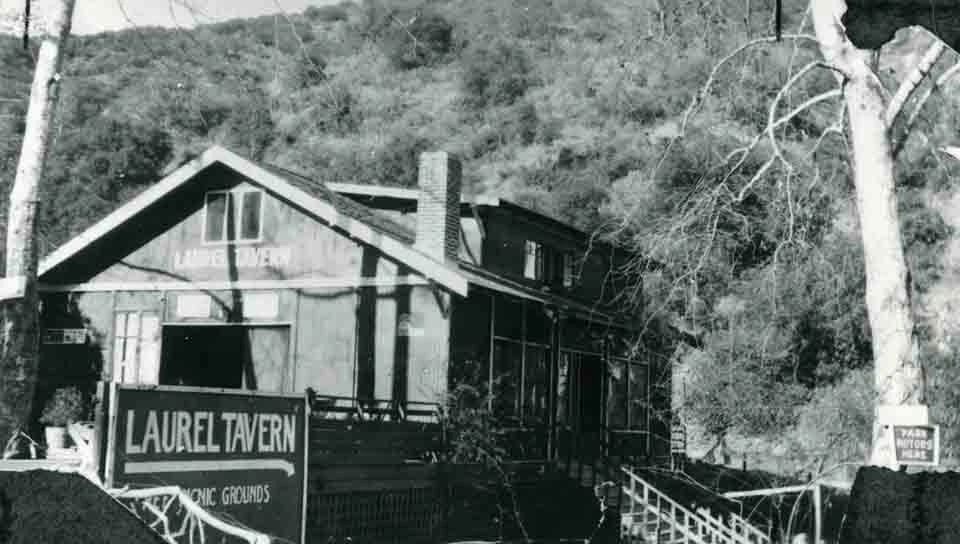
A mountain resort here began in 1907, with a subdivider’s road, a short-lived trackless trolley line, and the Lookout Mountain Inn at the summit. Silent-era stars including Clara Bow and Bessie Love owned property in the 1910s and 1920s, drawn by proximity to the studios and the privacy the canyon’s terrain offered. By the mid-1960s the canyon had become the geographic center of a folk-and-rock scene: Joni Mitchell, Frank Zappa, Jim Morrison, and Cass Elliot lived within walking distance of one another, and songs written there, from Mitchell’s Ladies of the Canyon to Graham Nash’s “Our House,” are part of why the name still carries cultural weight decades later.
That history has a darker chapter that real-estate coverage of the neighborhood routinely skips. On July 1, 1981, four people, Ron Launius, Billy Deverell, Joy Miller, and Barbara Richardson, were bludgeoned to death inside a rented townhouse at 8763 Wonderland Avenue, in what became known as the Wonderland murders. The case, tied to a cocaine-trafficking crew and to nightclub owner Eddie Nash, went through two trials; no one was ever convicted, and it remains officially unsolved on record. Los Angeles Times trial-era coverage from 1988, 1990, and 1991 remains the fullest public account of it.
Is Laurel Canyon safe? What happened in the Wonderland murders? Laurel Canyon today is an ordinary residential canyon with the same wildfire and access concerns as its hillside neighbors; current crime rates there aren’t tied to the 1981 case. The Wonderland murders were a specific, unsolved 1981 killing connected to a drug-trafficking crew at one address, not an ongoing pattern.
The Two Fires
Was Harry Houdini’s house really in Laurel Canyon? No. The property now called the Houdini Estate belonged to Ralph Walker; a 1989 Los Angeles Times investigation traced the ownership records and found no title connection to Houdini.
Two fires define the canyon’s risk profile more than any detail of its architecture.
| Year | Scale | What burned | Source |
|---|---|---|---|
| 1918 (Oct. 26) | ~200 acres | Lookout Mountain Inn, totally destroyed | LA Magazine, citing contemporaneous LA Times coverage |
| 1959 (Jul. 10) | 36 structures, roughly $350,000 in loss | Homes across Lookout Mountain Ave. and Willow Glen Rd. | LAFD historical archive |
Both fires started in brush on the same steep, narrow terrain that still defines the canyon’s side streets, and the department’s own count of 36 structures lost in 1959 is worth trusting over any looser round number floating around online.
Real Estate in Laurel Canyon Today
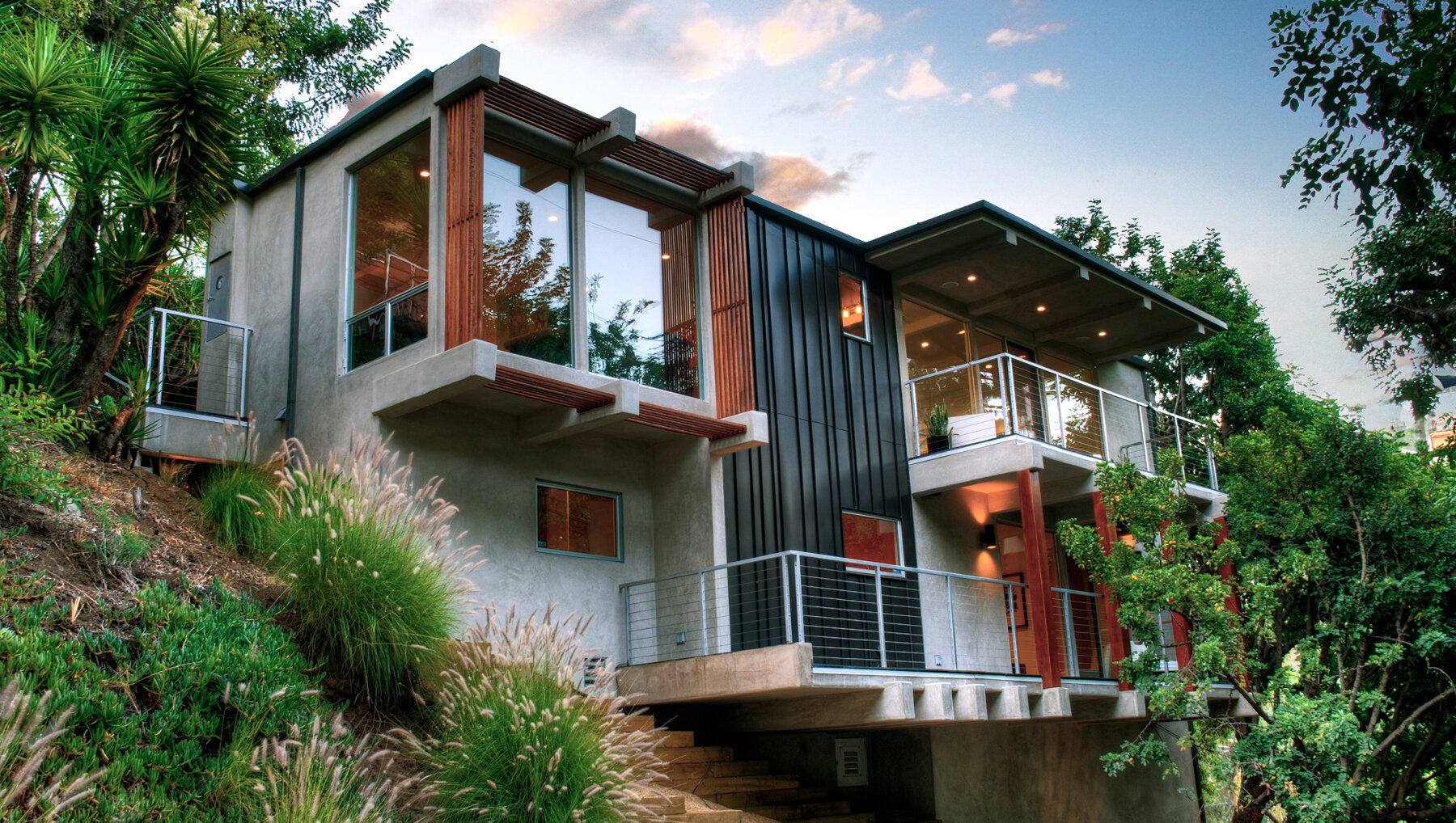
Redfin’s figures put the median sale price at $2.17 million, down 31.1% year over year, with a median of $908 per square foot, also down (23.7%) on a small sales sample; homes were taking about 121 days to sell, a slow pace by Hollywood Hills standards. A licensed agent’s April 2026 market note puts the wider canyon’s asking range at $1.2 million to $3 million or more, which brackets that median comfortably.
| Metric | Figure | Source |
|---|---|---|
| Median sale price | $2.17 million | Redfin, Laurel Canyon neighborhood page |
| Median price per square foot | $908 | Redfin, Laurel Canyon neighborhood page |
| Typical days on market | 121 | Redfin, Laurel Canyon neighborhood page |
| Broader asking range | $1.2M to $3M+ | Todd Jones, licensed LA agent, April 2026 |
Architectural stock runs from Spanish and Mediterranean bungalows to mid-century modern and contemporary rebuilds, with the largest, most uniform lots concentrated in Mount Olympus rather than the canyon floor. One property shows how far a single canyon address can range in use and price: the former Lookout Mountain Air Force Station, a Cold War-era military film studio, sold to actor Jared Leto for $5 million in January 2015, per Variety’s contemporaneous report.
Is Laurel Canyon a good place to buy a house? It depends on tolerance for two things Redfin’s own numbers already show: a slower-than-average 121-day selling pace and a market that has cooled from a year ago. Buyers wanting turnkey, low-maintenance homes tend to look at Mount Olympus instead; buyers comfortable with older canyon-floor construction and brush-clearance responsibilities gravitate to Laurel Canyon proper.
Daily Life: Traffic, Access, and Fire Risk
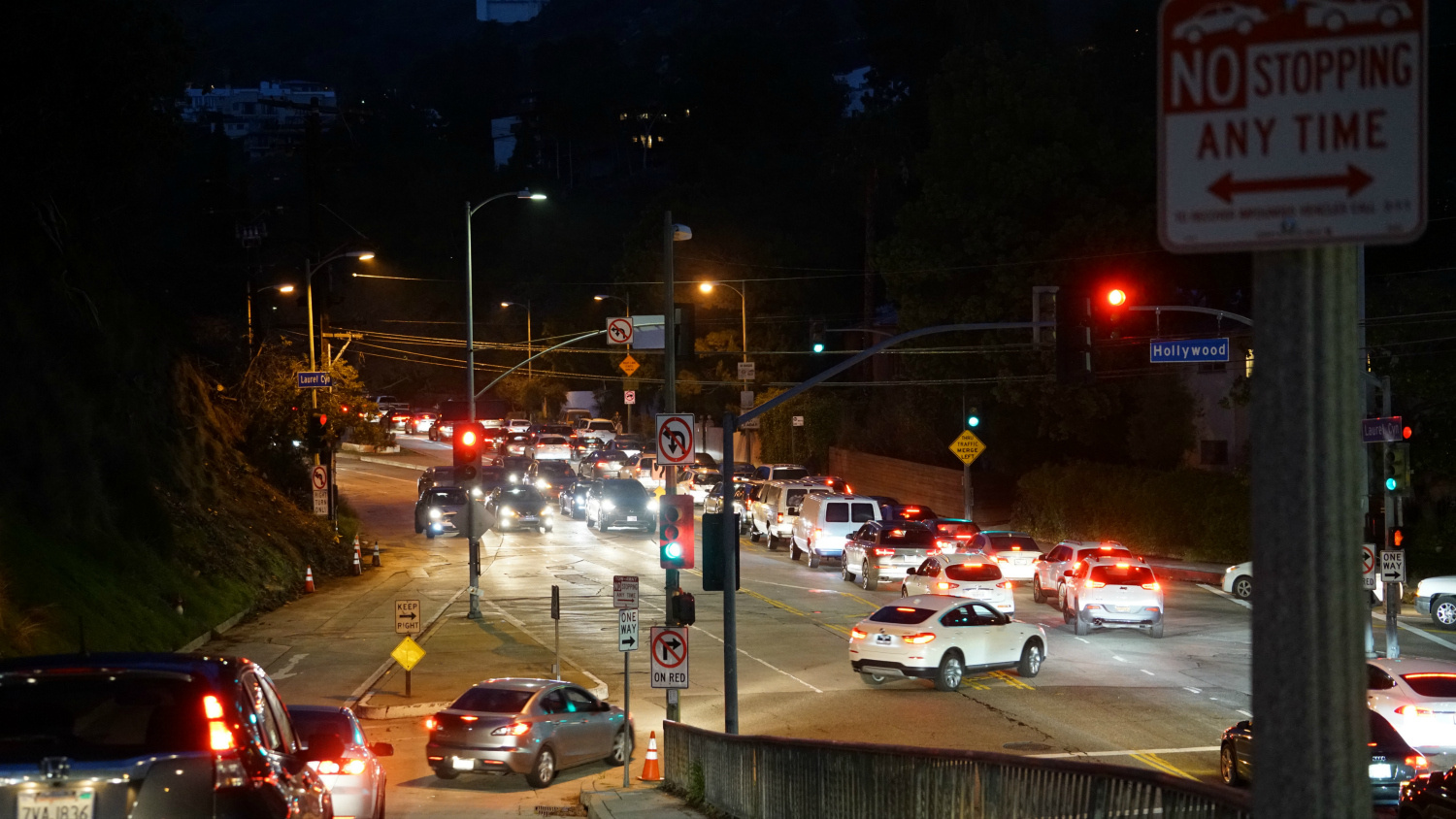
Laurel Canyon Boulevard doubles as a commuter cut-through between the San Fernando Valley and the Westside, so residents live with through-traffic on their main street at rush hour. Most side streets have a single point of entry and exit, the same layout that made the 1959 fire response difficult, and it still governs both routine parking and evacuation planning.
Visiting Laurel Canyon
Laurel Canyon is a residential canyon, not a formal attraction; no ticketed overlook or visitor center exists. The Canyon Country Store at Laurel Canyon Boulevard and Kirkwood Drive is a real, functioning market that has been a local landmark since the 1960s counterculture era, and it’s the one stop most visitors actually make. Runyon Canyon Park and the Sunset Strip sit close enough for a combined outing. Anyone driving through should expect narrow residential streets with limited parking and no pull-offs, not a scenic byway built for tourism.
Can you visit Laurel Canyon as a tourist? Yes, but there’s little to do beyond driving the boulevard and stopping at the Canyon Country Store. It’s a lived-in neighborhood, and side streets have no visitor parking.
Comments