
Why “Keowee” Sounds Like “Kiwi”
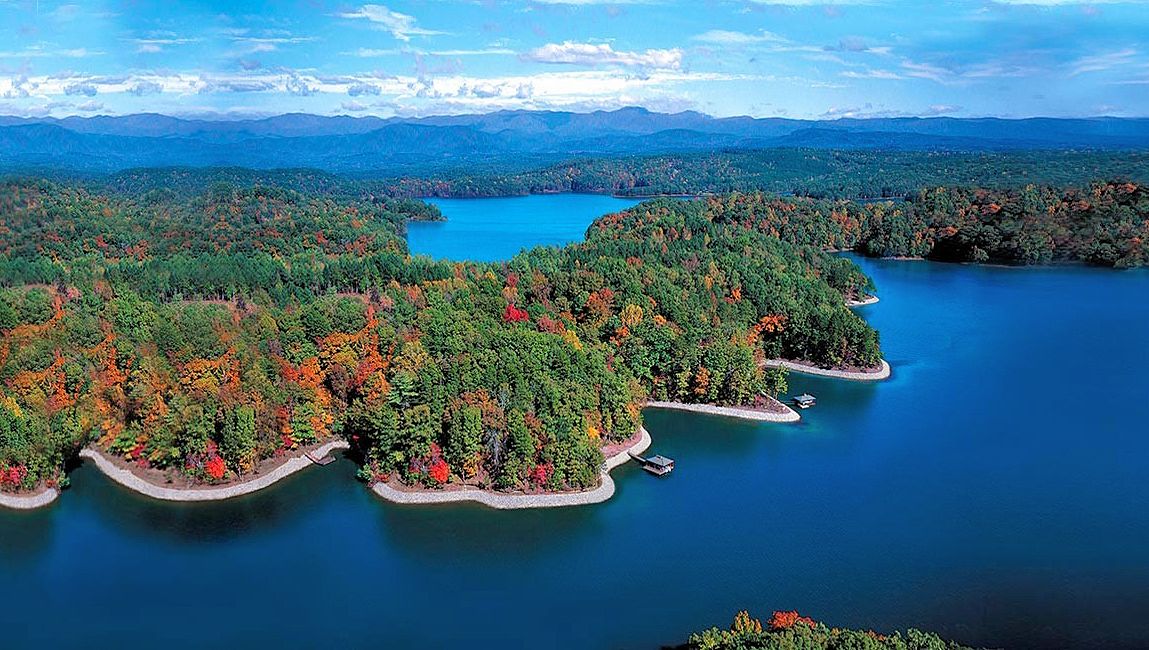
Keowee compresses in casual speech from three syllables down to two, and that compressed shape is what lands on the page as “Kiwi.” Said slowly, the name breaks into kee-oh-wee. Said at conversational speed, especially by longtime residents and local businesses who say it dozens of times a day, the middle syllable thins until only the stressed first beat and the trailing “-wee” survive: KEE-wee. That two-beat shape happens to match the fruit’s name exactly, which is why a driver repeating what a passenger just heard, or a visitor typing what a real estate agent said out loud, lands on “Kiwi.”
The drift happens in speech, before anyone writes anything down: nobody is misreading a sign or misspelling a word they’ve seen written. They are transcribing a sound.
How do you pronounce Keowee?
Most commonly kee-OH-wee, with local speech often compressing it to something closer to KEE-wee, the two-syllable shape that gets typed as “Kiwi.”
Is “Kiwi” an Official Name Anywhere?
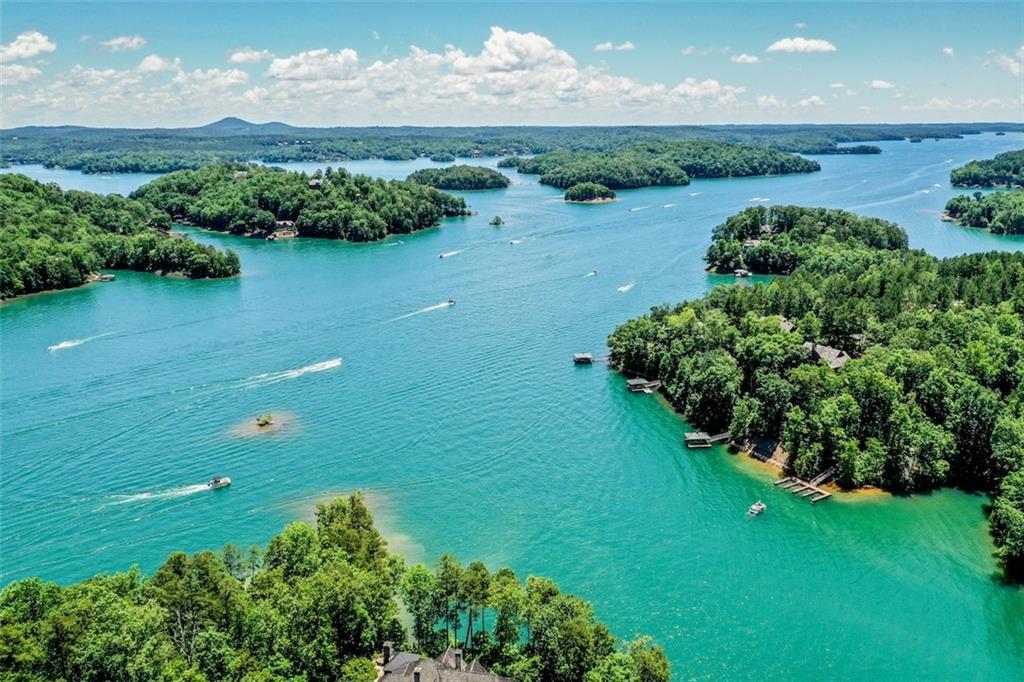
No. The U.S. Geological Survey’s Geographic Names Information System (GNIS), the federal government’s authoritative name registry for every mapped lake, river, and reservoir in the country, lists exactly one name for this reservoir: Lake Keowee, Feature ID 1238598, classified as a Reservoir in Oconee County (GNIS Feature Detail Report). GNIS also tracks variant names, meaning historical spellings or locally used alternates that have been documented and accepted into the record. For this feature, that field contains only “Lake Keowee” itself; no “Kiwi” spelling has been submitted to, or accepted by, the U.S. Board on Geographic Names (USGS Domestic Names).
A separate check for a genuinely different “Kiwi Lake” anywhere in U.S. gazetteer records turns up nothing. This is one lake carrying two spellings in casual use, not two different lakes that happen to sound alike.
Is Lake Kiwi a real lake?
The reservoir behind the search is Lake Keowee, which Duke Energy operates across Oconee and Pickens counties; “Kiwi” has no standing in any federal or state name record.
Who Uses the Nickname, and Why
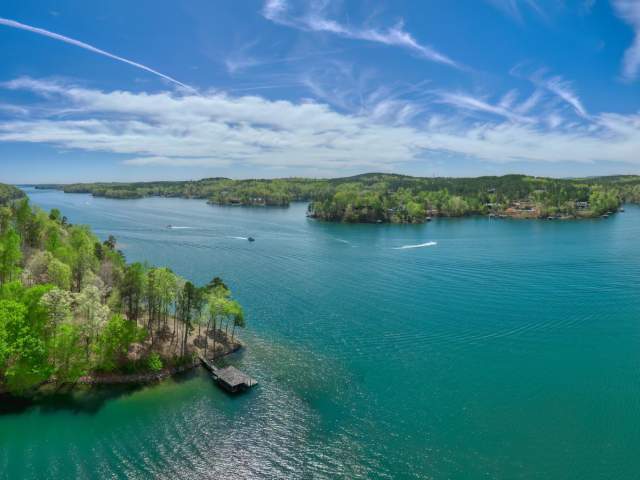
The nickname shows up almost entirely in two places: casual local speech and real estate marketing. Local usage is straightforward pronunciation drift, described above. The marketing usage is more deliberate. Agents and lakefront-focused content sites know that a meaningful share of prospective buyers search the way they’ve heard the name spoken, so pages built specifically to catch “Lake Kiwi” traffic, then redirect the reader to Lake Keowee content, are a recognized tactic in this market. One example: in March 2025, the real estate content site ez Home Search published a piece titled “Lake Keowee, South Carolina: A Hidden Gem (Not Lake Kiwi!),” built specifically to intercept that exact search term and correct it in the opening lines (ez Home Search).
The nickname is a byproduct of how the name is spoken locally, picked up and reinforced by an industry that benefits from ranking for both spellings.
Is Lake Kiwi the same lake as Lake Keowee?
Yes. It’s one reservoir with one official name; “Kiwi” is a spoken and marketing variant, not a second lake.
Where the Name Keowee Comes From
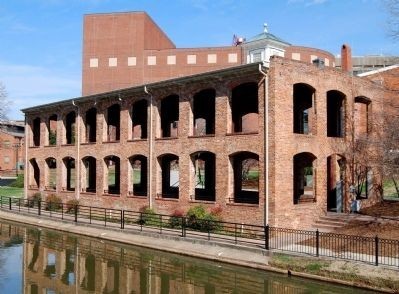
“Keowee” is Cherokee in origin. The South Carolina Department of Natural Resources’ management plan for the Jocassee Gorges area translates it as “The Place of the Mulberry,” a name tied to Keowee Town, the historic Cherokee settlement that stood along the Keowee River before the valley was flooded (SC DNR, Jocassee Gorges). Clemson University’s Home & Garden Information Center repeats a closely related translation, tying the name to the mulberry trees once common along the river and used by the Cherokee for food (Clemson HGIC).
Keowee Town was the principal settlement among the Cherokee Lower Towns in this part of the Carolina Piedmont, and it functioned as a hub on the trading path connecting Cherokee towns across the Carolinas, Georgia, and Tennessee before Duke Power’s dam-building program submerged the site in the early 1970s.
Lake Keowee at a Glance
| Metric | Figure | Source |
|---|---|---|
| Surface area | ~17,700 acres (Duke) / 18,500 acres (SC DNR) | Duke Energy; SC DNR |
| Shoreline | ~388 mi (Duke) / 387 mi (SC DNR) | Duke Energy; SC DNR |
| Average depth | 53 to 54 ft | SC DNR |
| Maximum depth | ~155 ft | SC DNR |
| Counties | Oconee, Pickens | SC DNR |
| Managing utility | Duke Energy, FERC Project No. 2503 | Duke Energy |
| Construction period | Announced 1965; built through 1971 | SC DNR Jocassee plan; Duke Energy |
| Nuclear cooling role | Cools 3 reactors at Oconee Nuclear Station (2,538 MW) | Duke Energy |
Every figure above with two entries, acreage and shoreline, comes from an agency with direct authority over the lake, not from a tourism write-up repeating an old number. When Duke Energy’s operating figure and the state’s figure disagree by roughly 800 acres, that gap reflects two different survey baselines for the same full-pond boundary, not a typo either agency has bothered to correct.
On the Water
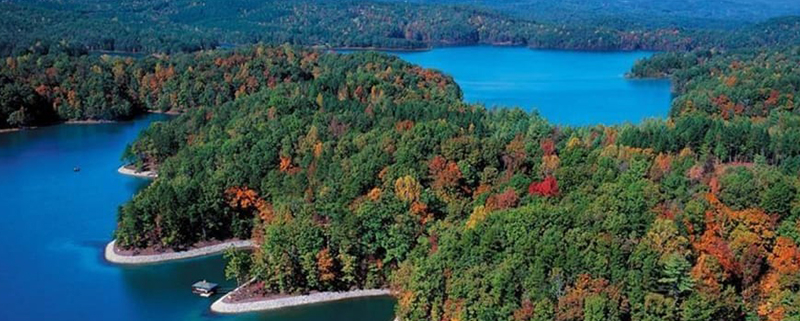
Boating, fishing, and swimming are permitted across most of the lake under Duke Energy’s shoreline rules, with nine public boat ramps maintained by SC DNR. Bass, catfish, and crappie are the most commonly targeted species. Access points cluster around Keowee-Toxaway State Park and several county-run parks on the lake’s northern end.
Why do official figures for the lake’s size disagree?
Duke Energy and SC DNR calculate surface area from slightly different survey baselines for the same full-pond elevation, and neither has published a reconciliation, so the two figures continue to circulate side by side.
Which Name to Use, and When It Matters
| Purpose | Term to Search | Why |
|---|---|---|
| Real estate listings | “Lake Keowee real estate” or the specific community name | MLS and brokerage sites index under the official name; “Kiwi” returns almost nothing |
| GPS and boating navigation | “Lake Keowee” | Mapping data and marine charts use the GNIS name |
| Duke Energy permits, deeds, surveys | “Lake Keowee” or “Keowee-Toxaway, FERC Project No. 2503” | Legal and regulatory filings reference the official name and project number only |
| General trip planning | Either term usually works | Search engines now route “Lake Kiwi” queries to Lake Keowee results |
For anything with legal or regulatory weight, a permit application, a deed search, a Duke Energy shoreline request, the reservoir has to be identified by its recorded name and FERC project number. “Kiwi” carries no weight in any of those systems and will return nothing.
What should I search for if I need permit or deed records for the lake?
Search “Lake Keowee” and, where relevant, the Keowee-Toxaway Project, FERC Project No. 2503; county deed and GIS systems in Oconee and Pickens counties also index under “Keowee.”
Lakefront listings around the reservoir are typically indexed online as “Lake Keowee real estate.”
Comments