
The Lake at a Glance
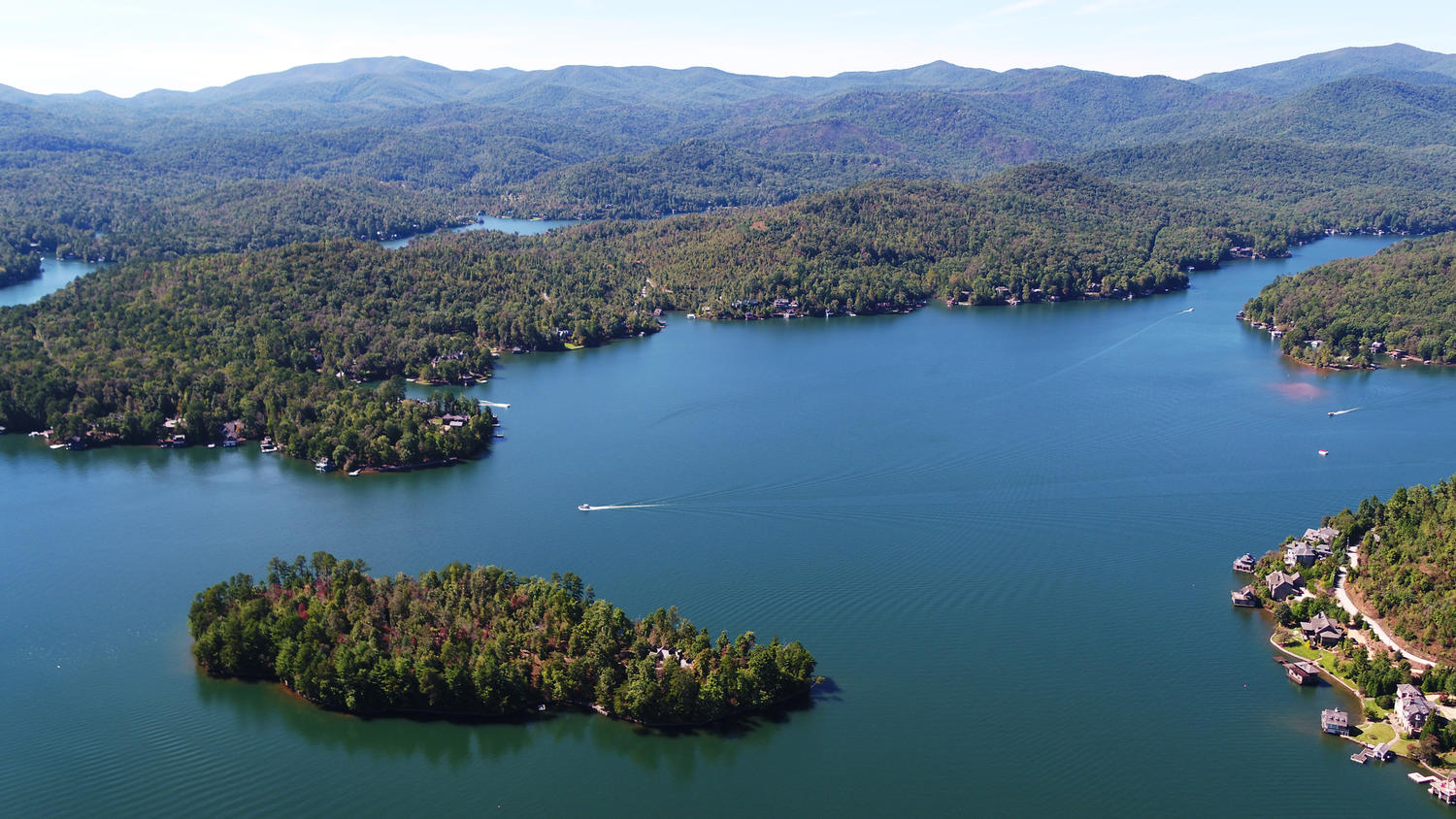
Lake Burton covers 2,775 acres with 62 miles of shoreline at a full-pool elevation of 1,866.6 feet, in Rabun County in the northeast Georgia mountains, about 1.5 to 2 hours from Atlanta. It is the northernmost and largest of six Georgia Power reservoirs built along the Tallulah River between 1913 and 1927 (Rabun County Historical Society). Georgia Power owns and administers the lake itself, but it is open to the public.
Lease Lot vs. Fee Simple: What You’re Actually Buying
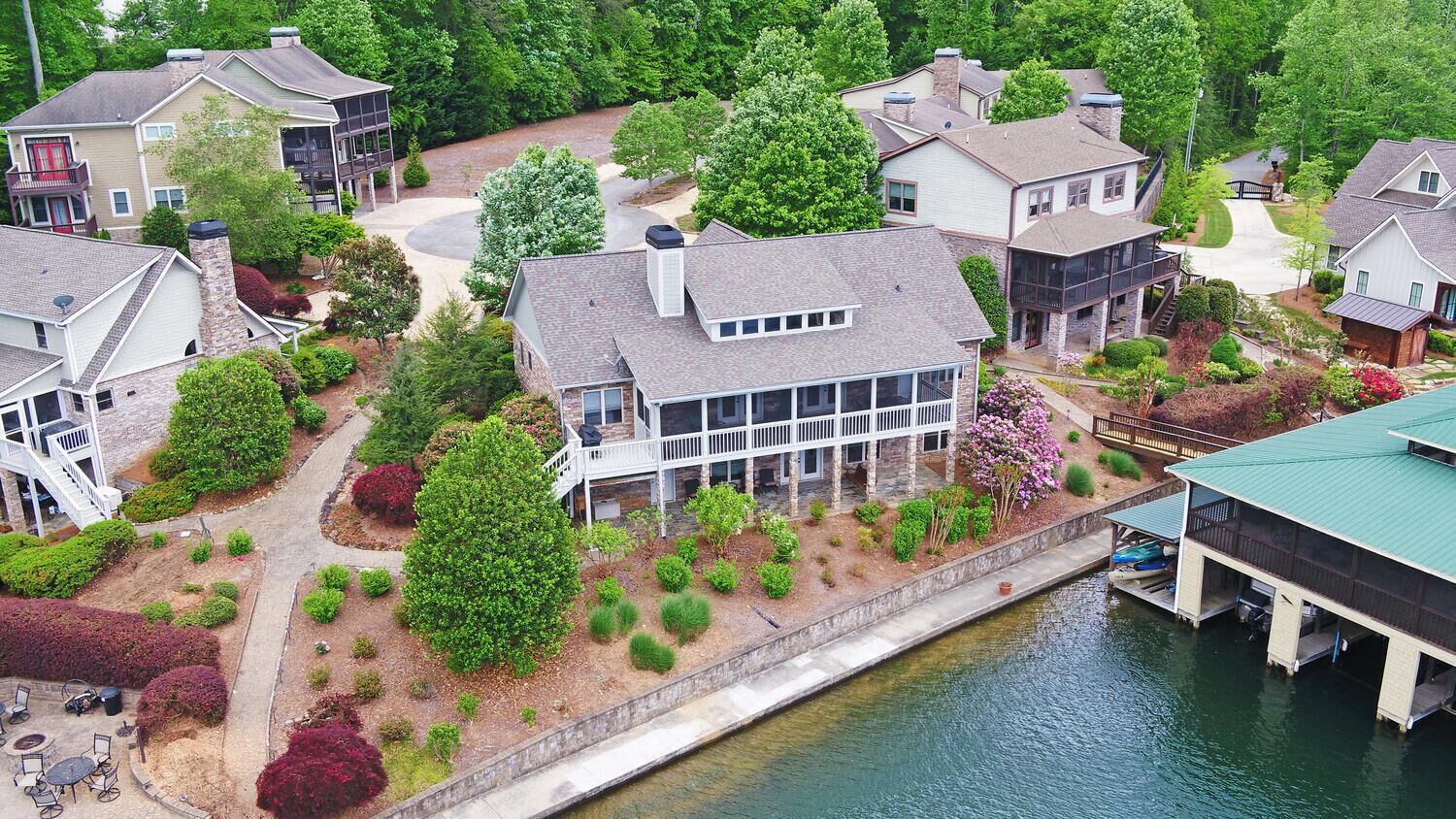
A fee-simple lot means the buyer owns the land beneath the house outright, with rights running to the lake’s high-water mark; Georgia Power may still hold a flood easement over the lowest few feet of that land (Georgia Power, Buying & Leasing). A Georgia Power lease lot means the buyer owns the structure and improvements but leases the land itself on a renewable 15-year term, with fees that step up roughly every five years and a transfer fee, typically $7,000 to $20,000, due whenever the property changes hands (liveonthelakega.com).
Can I get a conventional mortgage on a Georgia Power lease lot? Not automatically. Because the buyer owns the structure but not the land, some conventional lenders decline lease-lot loans outright or route them through a portfolio or local-bank product instead of standard secondary-market financing. Confirm eligibility with a specific lender before making an offer, not after.
Financing implications
Fee-simple homes finance like ordinary real estate. Lease-lot homes narrow the lender pool, and the gap widens for buyers planning a rental-income property: Georgia Power specifically discourages short-term renting on leased lots, which is a meaningful constraint for anyone weighing Lake Burton as an investment rather than a family retreat.
Resale and dock rights
A lease transfer must close in step with the property sale, and Georgia Power will not issue or validate shoreline permits for a new owner until the lease paperwork is signed. A buyer’s timeline for using the dock on day one depends on how quickly the lease transfer clears, not just on the closing date.
| Criterion | Fee simple | Georgia Power lease lot |
|---|---|---|
| Land ownership | Owned to the high-water mark | Leased 15 years, renewable |
| Typical inventory share | 328 of 1,172 lots (28%) | 844 of 1,172 lots (72%) |
| Financing | Conventional mortgage available | Lender-dependent; some decline |
| Transfer cost | Standard closing costs | Standard costs plus a lease-transfer fee ($7,000–$20,000) |
| Short-term rental | Owner’s choice, subject to zoning | Discouraged/restricted by Georgia Power |
Fee-simple lots are the minority of the lake’s inventory and are marketed accordingly; a buyer who wants rental flexibility or the widest lender choice needs to confirm ownership type before falling in love with a specific listing.
Georgia Power Rules, Docks, and Water Levels
Boat-size restriction
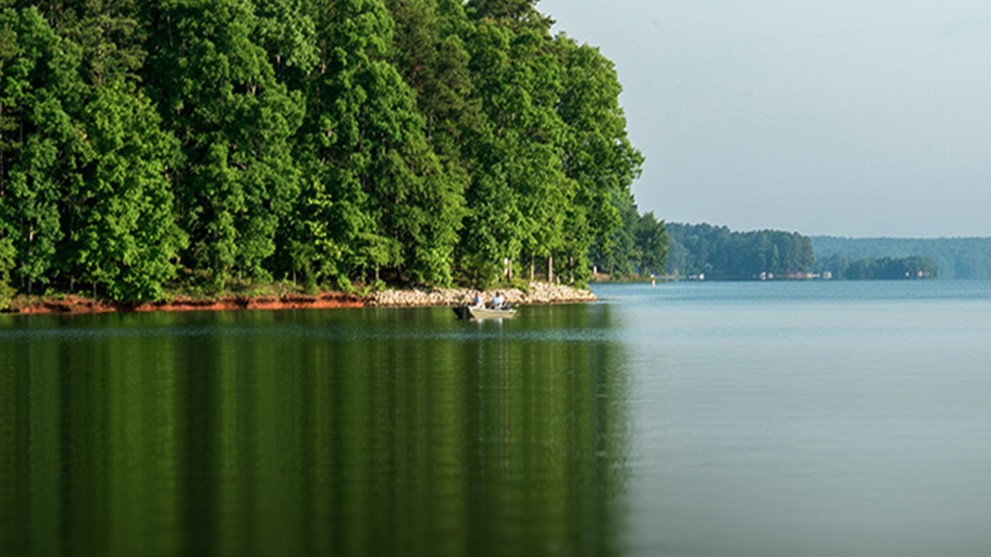
Georgia state law caps motorized vessels on Lake Burton at 30 feet 6 inches, and separately bans any vessel with a marine toilet, galley, or sleeping quarters, houseboats included (O.C.G.A. § 52-7-13(h)).
Dock permit process
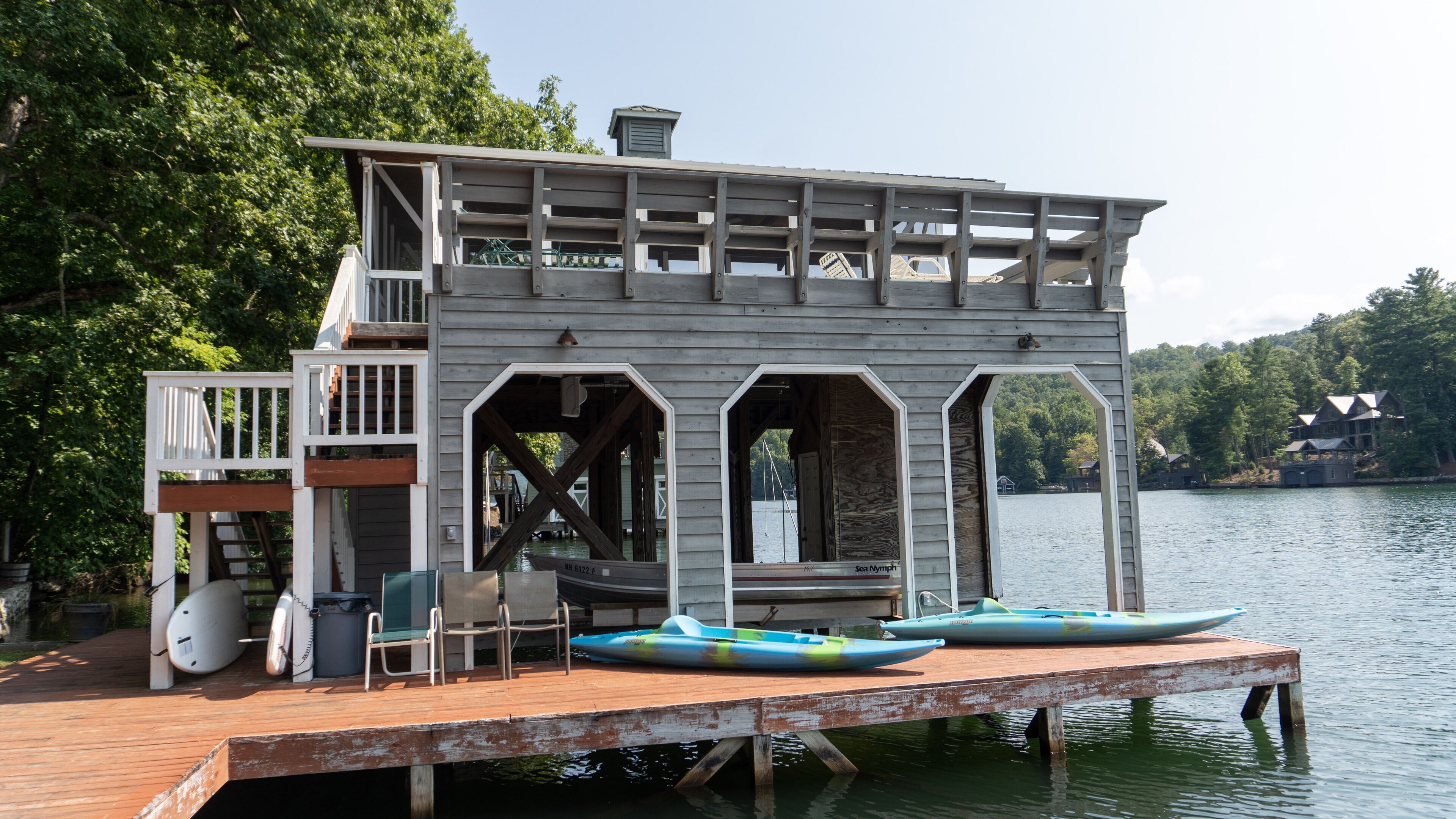
Installing or replacing a dock, boathouse, or seawall requires a written Georgia Power construction permit before work starts; there’s no fee for the permit itself, but the structure must meet Georgia Power’s standards, generally capped at 16 feet by 20 feet, or 320 square feet (Georgia Power, Shoreline Management).
Do I need a permit to build or replace a dock? Yes, for any new dock, boathouse, or seawall, and for most repairs beyond routine maintenance. Georgia Power issues the permit at no charge but reviews size, setback from the property line, and placement within the lot before approving it.
Seasonal drawdown
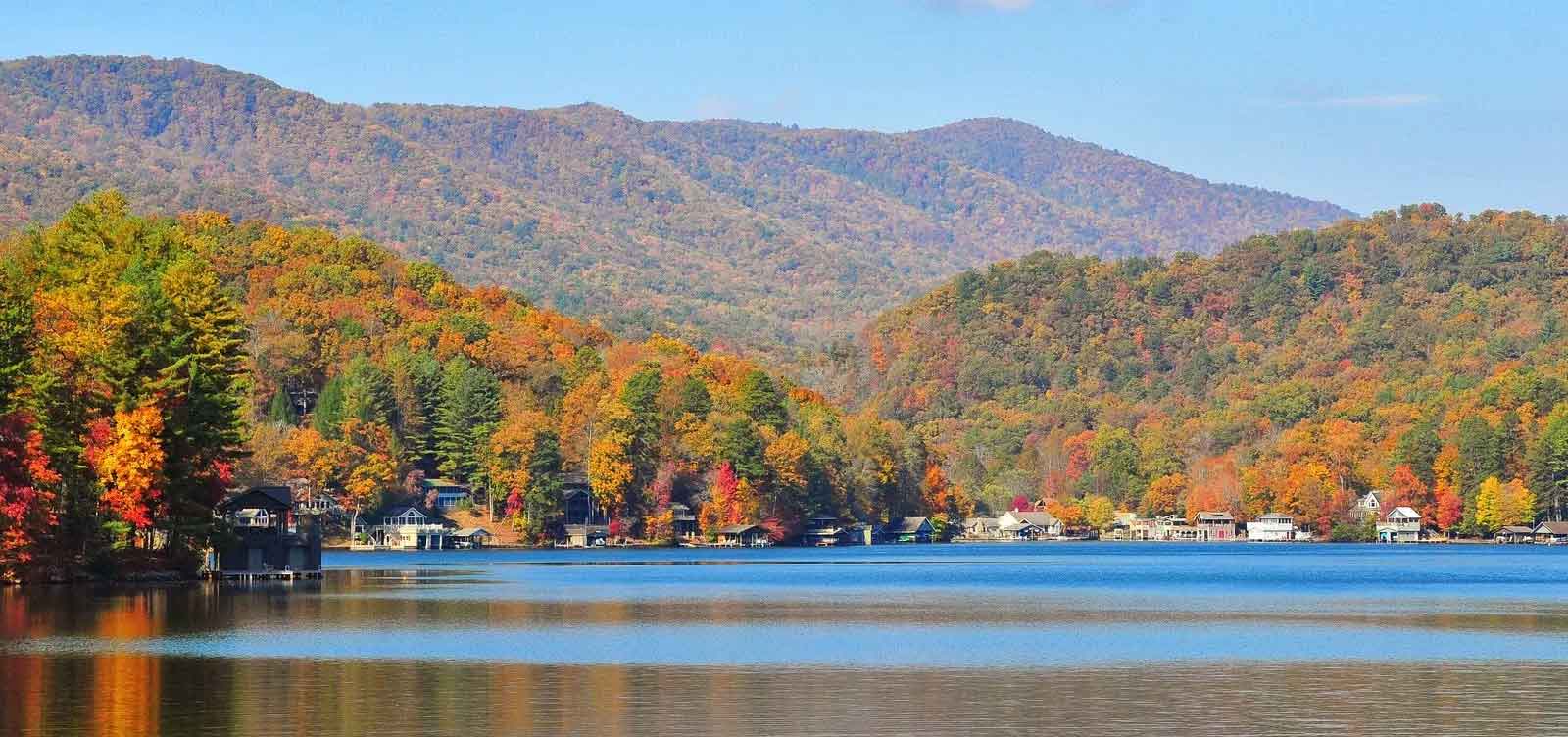
Lake Burton is drawn down every fall under the FERC-mandated “Winter Rule Curve,” typically dropping several feet, roughly 1 to 7 feet depending on the year, from November into late winter before refilling by spring (Lake Burton Civic Association). Georgia Power schedules these drawdowns for flood-control margin, periodic dam surveys, and to give shoreline owners a window to repair docks and boathouses, per its own environmental affairs staff (Georgia Outdoor News).
Is the lake level the same year-round? No. Full summer pool sits around 1,866 feet; the lake is typically several feet lower each winter, which is worth checking before scheduling a dock inspection, a boat purchase, or a winter property tour.
| Rule | Requirement | Administered by | Source |
|---|---|---|---|
| Vessel length | Max 30’6″ on Lake Burton | State of Georgia | O.C.G.A. § 52-7-13 |
| Houseboats/galleys | Prohibited | State of Georgia | O.C.G.A. § 52-7-13 |
| Dock/boathouse construction | Written permit required, no fee | Georgia Power | Shoreline Management |
| Dock dimensions | Max 16’×20′ / 320 sq ft | Georgia Power | Shoreline Management |
| Winter drawdown | Roughly 1–7 ft, Nov.–spring | Georgia Power / FERC license | LBCA schedule |
History, Resolved
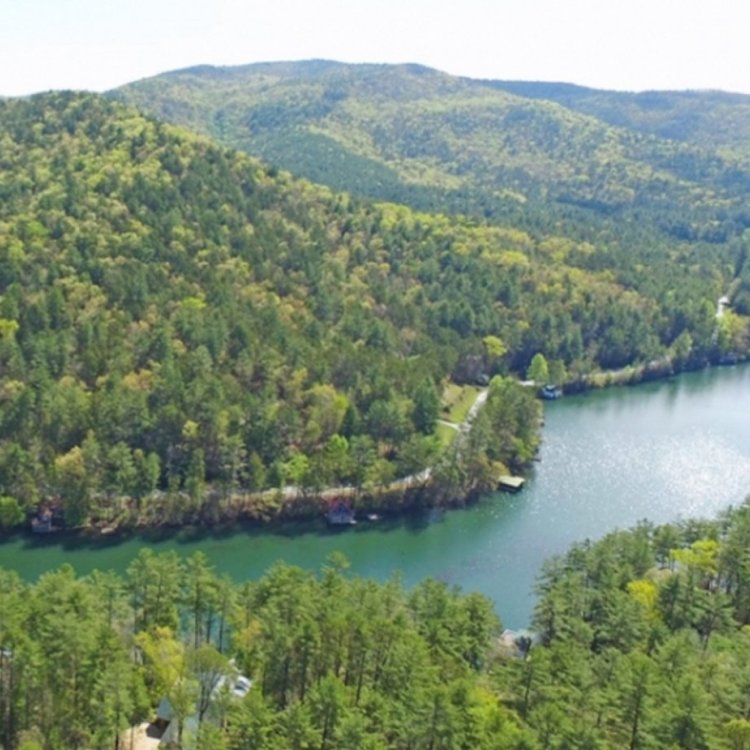
Two figures about Lake Burton circulate in undated, unsourced form: a dam-completion year given as either 1913 or 1920, and a naming origin given as either “a submerged town” or “named after a person.” Both pairs turn out to be reconcilable. Georgia Railway and Power, Georgia Power’s predecessor, completed the 128-foot Burton Dam in December 1919, and the reservoir reached full pool the following August, in 1920; 1913 is the completion year of the separate, downstream Tallulah Falls dam, not Burton Dam (Rabun County Historical Society). The lake did submerge a town, and that town was itself named for a person: Jeremiah Burton, a prominent local postmaster and store owner, for whom the town of Burton, population roughly 200, was named before the lake existed. Sixty-five property owners sold their land for the reservoir; a handful of cemeteries are what remain visible today.
Lake Burton was the first of six Georgia Power dams built along a 28-mile stretch of the Tallulah River between 1913 and 1927: Burton, Nacoochee (forming Seed Lake), Mathis (forming Lake Rabun), Tallulah Falls, Tugalo, and Yonah (Rabun County Historical Society).
Lake Burton vs. Lake Rabun vs. Seed Lake
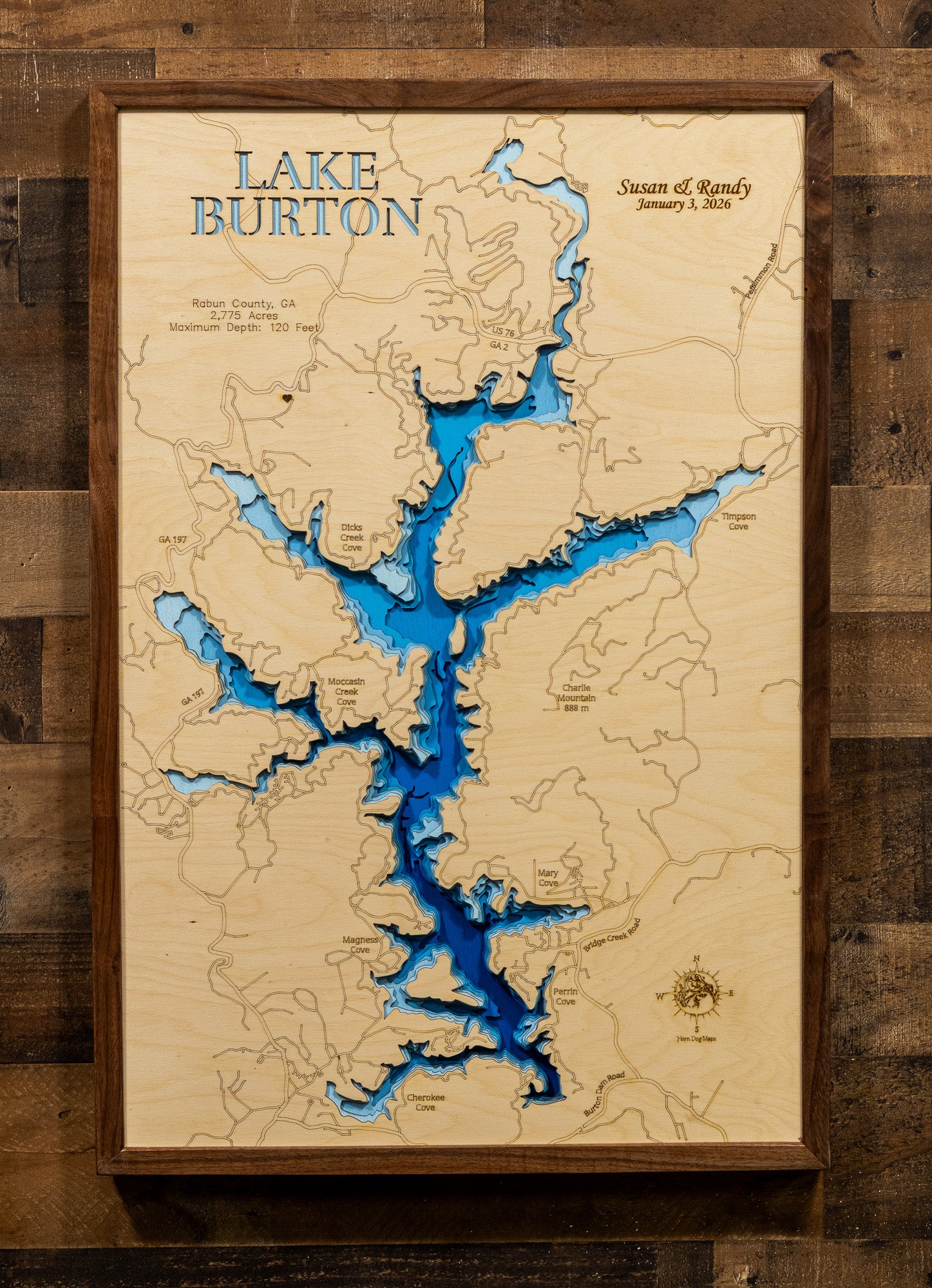
A buyer who lands on “Lake Burton” from a general search is often still deciding among the three connected lakes, not just among Lake Burton listings.
| Lake | Acres | Shoreline | Dam completed | Character |
|---|---|---|---|---|
| Lake Burton | 2,775 | 62 mi | Dec. 1919 | Largest, most open water, widest price range |
| Lake Rabun | 835 | 25 mi | 1915, filled 1925 | Winding coves, older cottage character |
| Seed Lake | 240 | 13 mi | 1926 | Smallest, narrowest, quietest |
Lake Burton’s larger surface area and shoreline support bigger boats and longer open-water runs; Lake Rabun and Seed Lake trade that scale for tighter coves and a smaller-lake feel.
How does Lake Burton compare in price to Lake Rabun? Both lakes carry a wide range depending on ownership type and lot size; no dated, sourced median exists for a direct dollar-for-dollar comparison right now, so treat any single “X is cheaper than Y” claim as unverified until confirmed against current listings on both lakes.
Real Estate Market and Price Bands
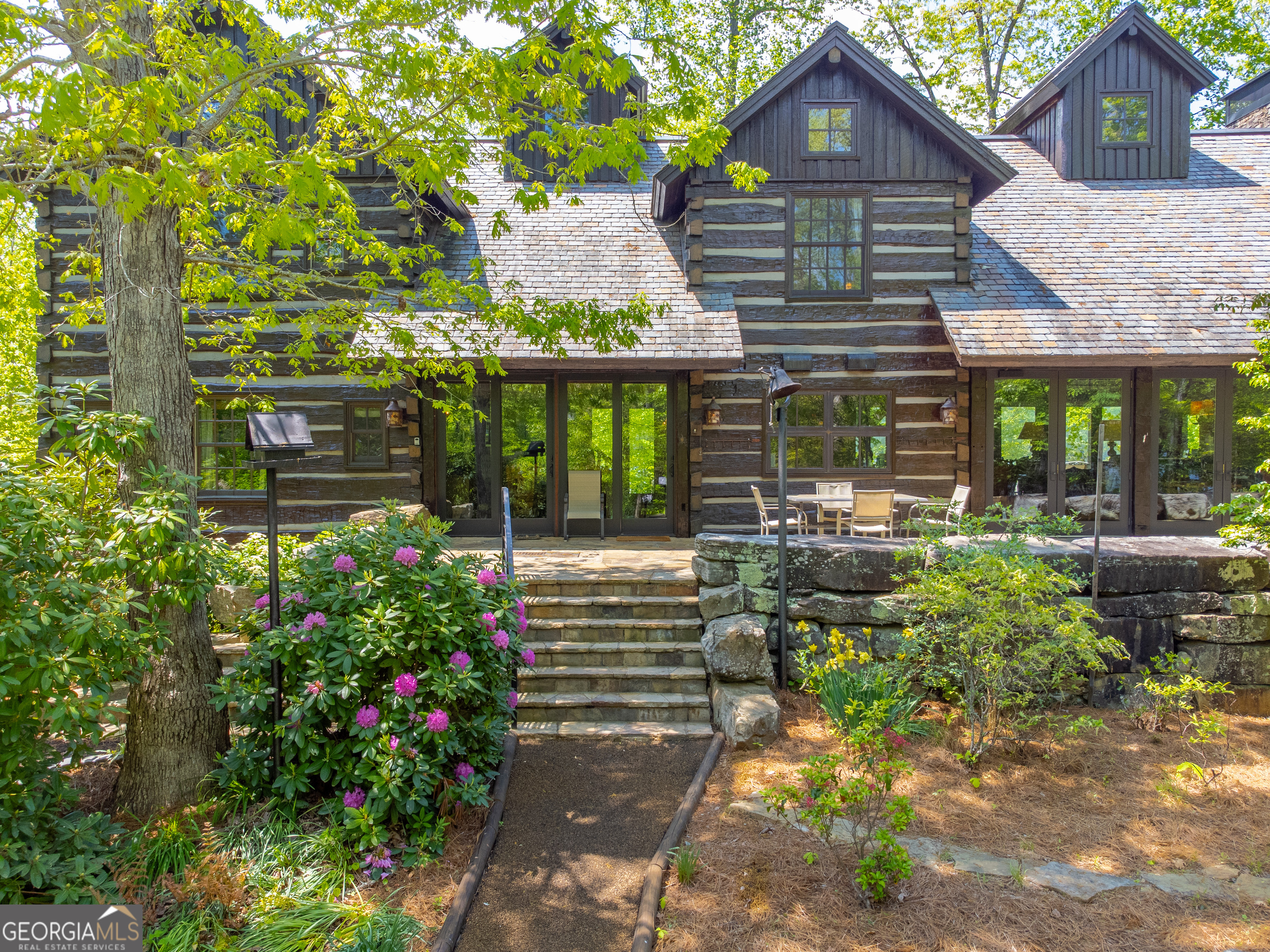
As of the first part of 2025, six lakefront homes on Lake Burton had closed, the highest at $4.9 million; that pace was comparable to the same period in 2024, when four of five closings exceeded $4.5 million. Active waterfront inventory at the time included a listing as high as $10 million: a 6-acre parcel at the end of Murray Cove (Mountain Sotheby’s International Realty market report). Inside the gated Waterfall community, a smaller, more accessible tier trades separately: five sales since January 1, 2025 ranged from $875,000 to $3.295 million, with active listings from $1.45 million to $3.85 million.
These figures come from one named brokerage’s dated snapshot, not an MLS-wide aggregate; no lake-wide median was found in the search behind this page. Treat them as a data point, not a ceiling or floor, and verify against current listings before making an offer.
Life on the Lake
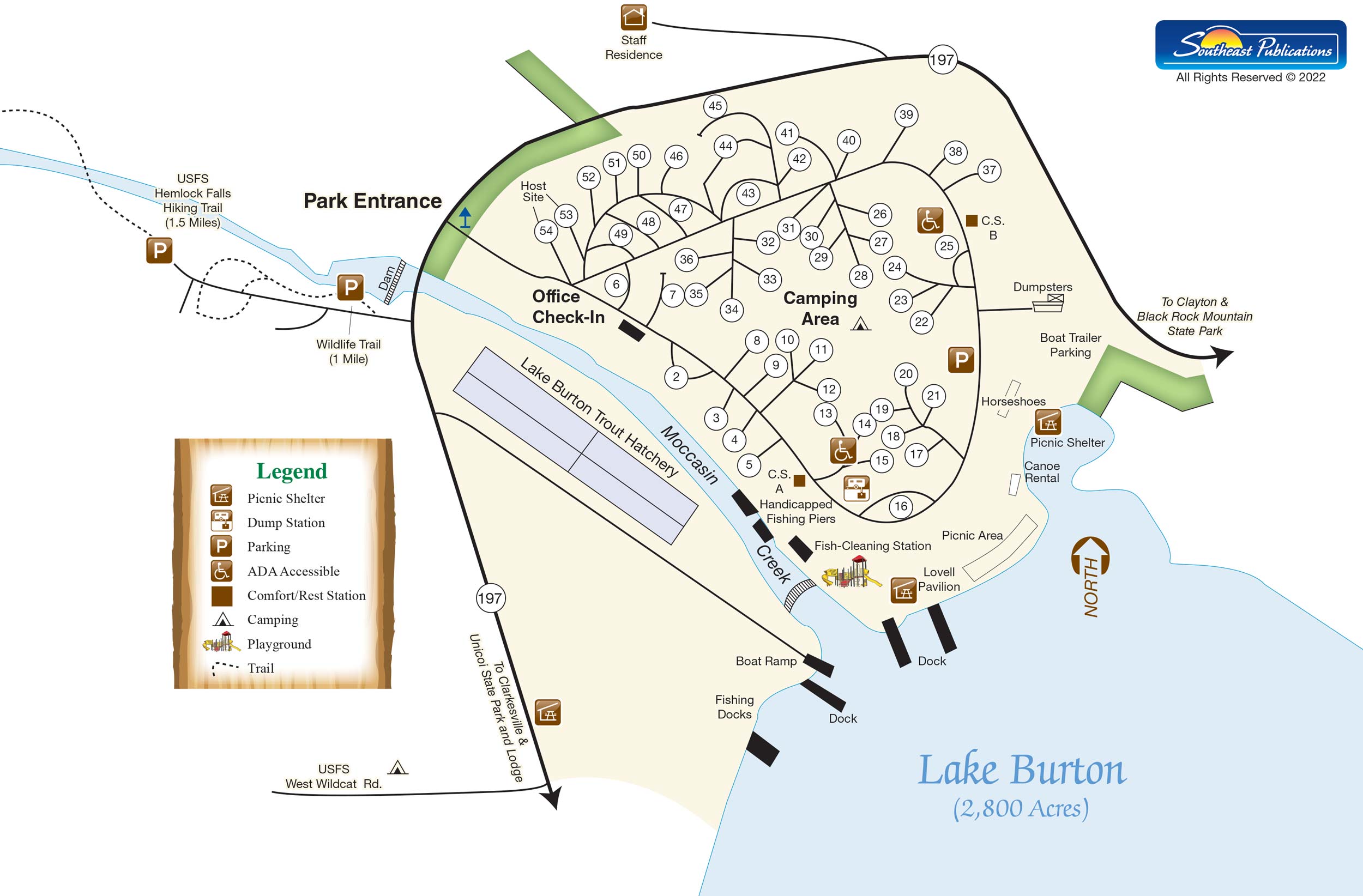
Public access runs through Moccasin Creek State Park, a 32-acre Georgia DNR park with a boat ramp, an ADA-accessible fishing pier, and self-guided tours of the adjacent Lake Burton Fish Hatchery (Georgia DNR). Beyond the public park, most development sits inside private, Georgia Power-regulated shoreline in named gated communities such as Waterfall at Lake Burton and Burton, both of which appear regularly in current MLS listing data; anglers work the lake for spotted bass, largemouth bass, and stocked trout in water that runs over 100 feet deep near the dam.
Common Mistakes Buyers Make
- Assuming lease-lot and fee-simple properties finance identically. They don’t; confirm lender eligibility for a lease lot before writing an offer, not during underwriting.
- Touring in winter without checking the drawdown schedule first. A dock that looks unusable in January may be fully functional by May; check the current-year schedule rather than judging from a single visit.
- Planning a short-term rental on a lease lot. Georgia Power discourages this specifically on leased land; a fee-simple lot is the safer bet for that business model.
- Treating undated price ranges as current. Ask any agent for the closing date behind a quoted range, not just the number.
Comments