
What’s actually for sale in 86032
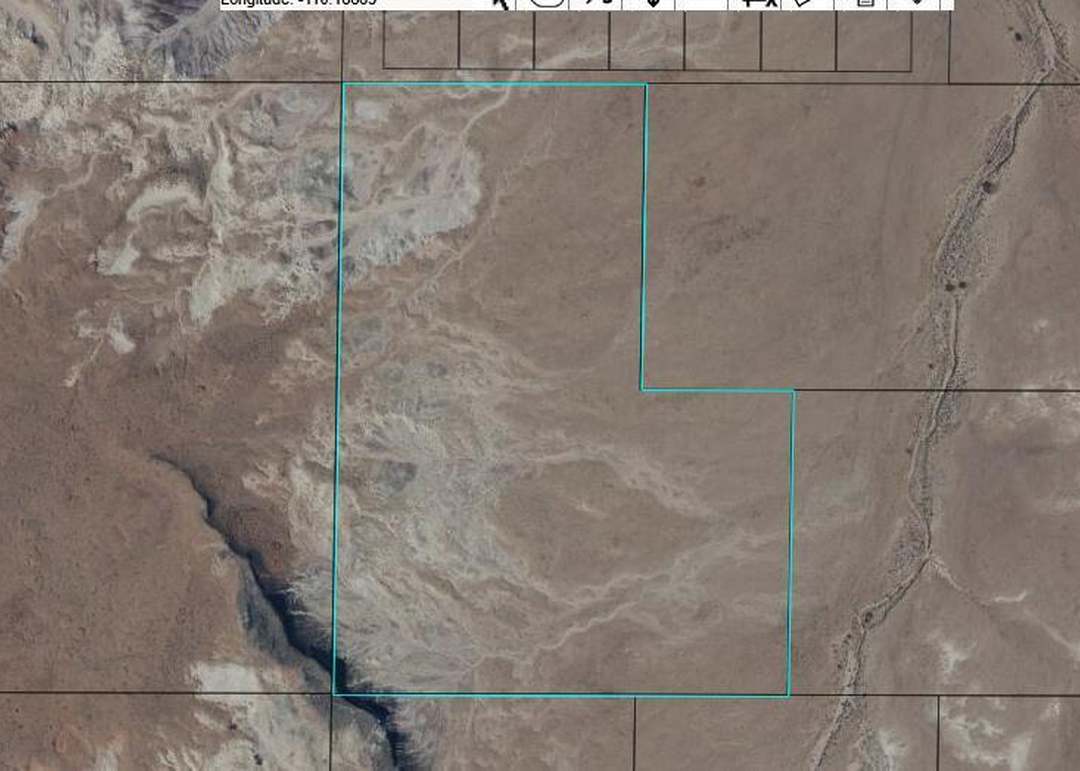
The inventory splits three ways: unimproved rural acreage (the largest share by listing count), manufactured or mobile homes, and a small pool of conventional site-built houses. Buyers shopping this zip code by price alone will end up comparing three different products with three different financing and inspection paths, which is the first thing most listing feeds don’t make obvious.
Buying off-grid or unimproved land here: what “no utilities” really requires
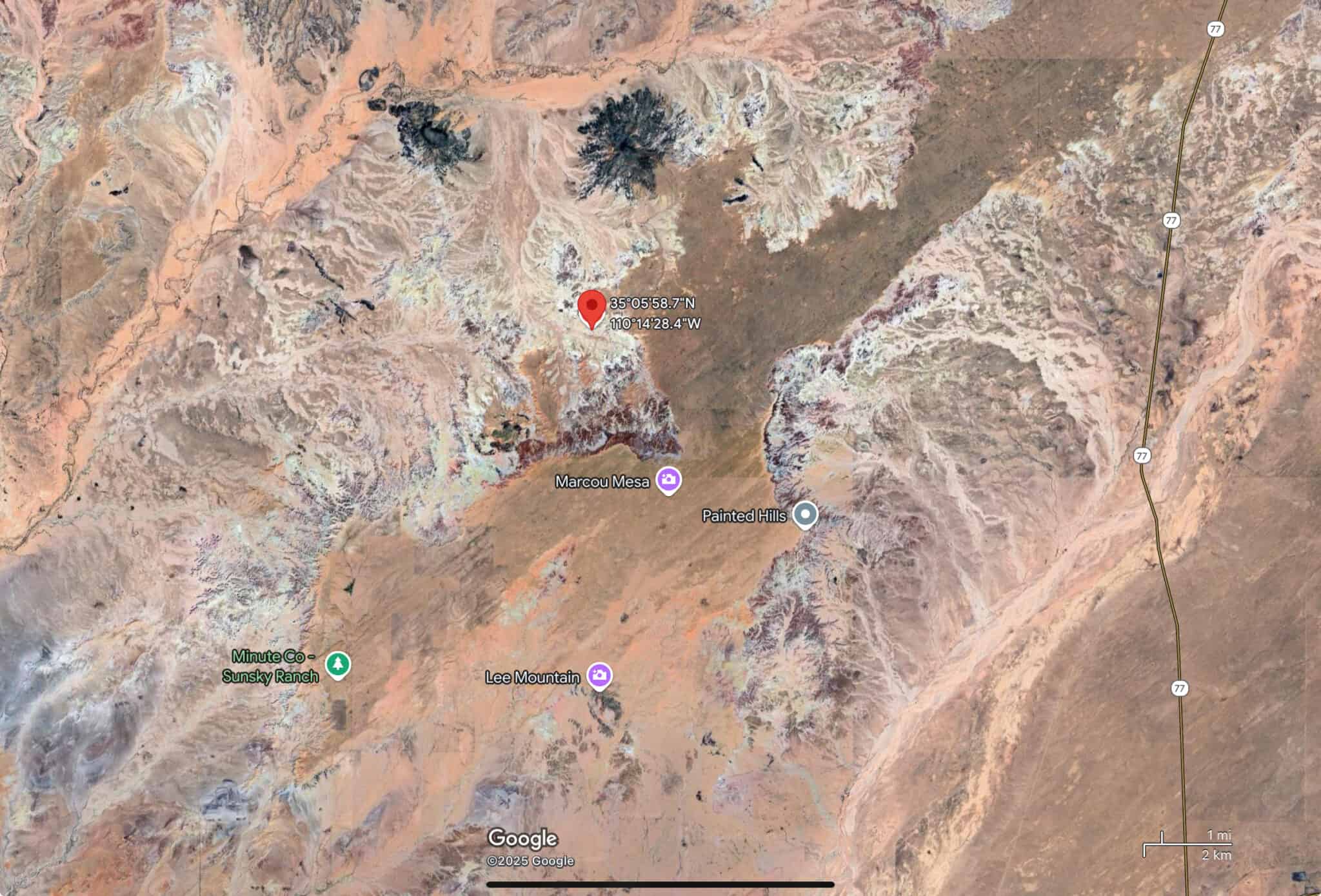
“No utilities” on a listing means the buyer supplies water, power, and waste disposal from scratch, in a specific order Navajo County enforces.
Well and septic basics
A domestic well on a parcel of five acres or less needs the county health authority’s sign-off on the state’s Notice of Intent form before the Arizona Department of Water Resources will process it (ADWR well permit application, hosted by Navajo County). Construction standards require at least 20 feet of steel surface casing sealed with cement grout, and the well must sit at least 100 feet from any septic system on the property or a neighbor’s (ADWR, A Practical Guide to Drilling a Domestic Water Well in Arizona). None of that shows up in a listing photo.
Power access and cost
Navajo County’s own rule is the one buyers miss most: electric service cannot be dropped to a vacant lot until septic and a primary-dwelling building permit are both already submitted, and a bare storage shed cannot go up before the primary dwelling either (Navajo County FAQ). Some 86032 parcels advertise power already run to within a mile of the lot line; most do not, and the distance from the nearest pole is the single biggest swing factor in what “off-grid” ends up costing to fix.
| Utility or system | Typical situation on 86032 land listings | What the buyer must verify before offering |
|---|---|---|
| Power | Absent on most raw parcels; occasionally run to within a mile along a county road | Exact distance to the nearest pole, and whether the seller has any extension quote on file |
| Water | No connection; well required | Whether a well permit has ever been filed for the parcel, and depth/yield of any neighboring wells |
| Septic | Not installed | Soil percolation suitability, since Navajo County requires a septic or approved alternative system before power or a building permit |
| Sequencing | Building permit, septic, and well approvals are separate applications | County will not authorize power until septic and the building permit are both filed – plan the order, not just the budget |
The sequencing is the actual decision point: a buyer who assumes “I’ll just add power later” is describing a permit process, not a utility bill.
Can I get a mortgage on off-grid land in 86032 with no utilities? Conventional and government-backed construction loans generally require a buildable site with an approved water and waste plan already in place; raw land with no well, septic, or power is typically a cash or seller-financed purchase until those systems exist, at which point a construction-to-permanent loan becomes possible.
Manufactured and mobile homes: financing and inspection differences
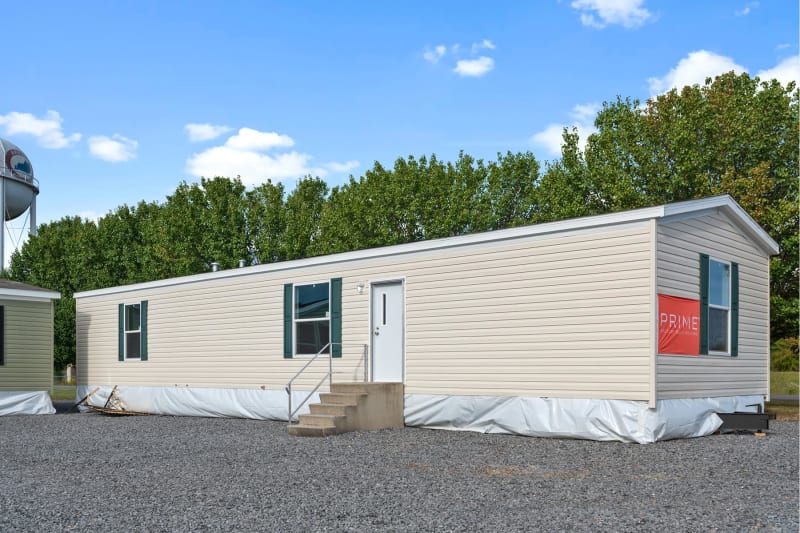
A meaningful share of 86032’s housing stock is manufactured, and the loan you can get depends entirely on how the home is titled, not on the home itself.
Chattel loans vs. real-property loans
A real-property loan requires the home permanently affixed to a foundation and titled together with the land it sits on; it then qualifies for FHA, VA, USDA, or conventional programs on largely the same terms as a site-built house (HUD, Financing Manufactured Homes). A chattel loan finances the home only, as personal property, typically at a shorter term and a higher rate, and is almost never backed by a federal program. Nationally, about 58% of 2022 manufactured-home loans were structured as real property, with borrowers on that path earning roughly $65,000 a year and financing a median $175,000, close to double the typical chattel loan size (Urban Institute research, as reported by Yahoo Finance).
| Property type | Typical loan path | Key eligibility factor |
|---|---|---|
| Manufactured, titled with owned land, on permanent foundation | FHA, VA, USDA, or conventional mortgage | Foundation inspection and land ownership; treated like a site-built home |
| Manufactured, titled separately, on leased or family land | Chattel (personal-property) loan | Higher rate, shorter term; financing follows the home, not the land |
| Manufactured, community/park lot | FHA Title I chattel program | Lease must run at least 3 years with 180 days’ notice before termination |
The gap in loan size between the two paths is roughly double, which makes the titling question worth settling before an offer, not during underwriting.
Is a manufactured home in Joseph City a good investment? It depends on how it’s titled: real-property-financed manufactured homes on owned land appreciate with the underlying land and averaged $120,710 in the area as of the latest Census estimates, while chattel-financed homes on leased land build little equity because the loan never touches the land itself.
Title risk: tax-lien-origin parcels and what to check
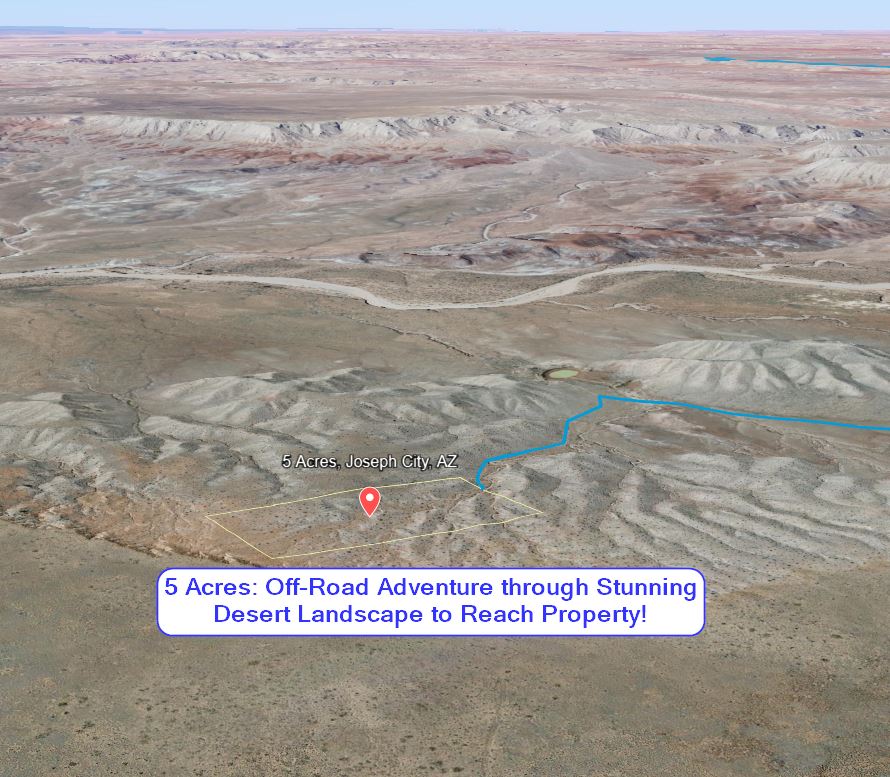
Some Navajo County parcels reach the market after the prior owner’s unpaid property taxes were sold as a lien and the certificate holder later foreclosed. Arizona gives an owner a minimum of three years to redeem the lien before foreclosure can even begin, and the certificate lapses if no foreclosure action starts within ten years; historically, only 1% to 2% of sold liens ever end in the investor actually taking the property, precisely because most owners redeem (Arizona School of Real Estate and Business). That low rate is also why the parcels that do convert often carry thin ownership records: nobody was tracking the property closely enough to redeem it.
A listing that discloses tax-lien origin is not automatically unsafe, but it is a signal to get a litigation guarantee or full title search before closing, since unresolved clouds on title can force a quiet-title lawsuit, and some title companies won’t insure a freshly foreclosed parcel until additional years pass with no competing claim filed (Endurance Business Law).
What does “acquired through tax lien foreclosure” mean for a buyer? It means a previous owner’s unpaid taxes were sold at auction, the redemption window expired, and a court granted title to the certificate holder – a legally clean but often thinly documented chain of title that benefits from a title search before you buy from that owner in turn.
Who’s buying in this market, and why Cholla’s closure matters for resale
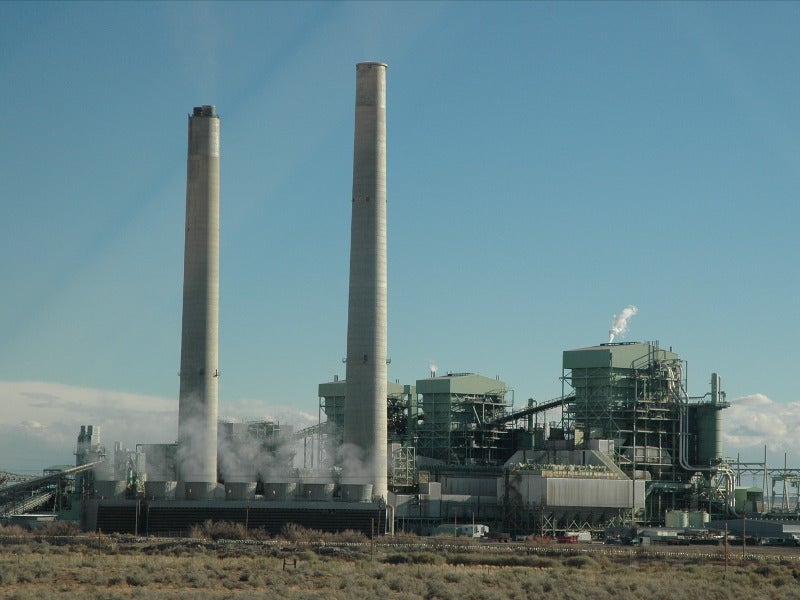
Joseph City is a small, land-heavy market where local job and tax base shifts move resale demand more than they would in a larger suburb.
| Metric | Current figure | Source |
|---|---|---|
| Population (2020 Census) | 1,307 residents, 438 households | U.S. Census Bureau |
| Housing units / vacancy | 529 units, 17.2% vacant | U.S. Census Bureau |
| Mean housing value (2024 est.) | $194,292 overall; $217,154 detached; $120,710 manufactured | Census ACS, via City-Data |
| Cholla Power Plant status | Units 1 and 3 formally retired April 30, 2025 | Pinnacle West SEC Form 10-Q |
APS ceased coal-burning at Cholla in March 2025 and retired the plant’s remaining two units on April 30, 2025, leaving about $81 million in unrecovered plant value on the books (Pinnacle West Capital Corp, Form 10-Q, linked above). An economic-impact analysis prepared for the Joseph City Unified School District put the county’s exposure at roughly $60 million in lost property tax revenue and about 190 local jobs once the plant fully wound down (ASU/Just Energy Transition Center report); the district itself estimated needing about $20 million over the following decade to offset the loss. APS ultimately provided the district $400,000 toward that gap after a larger transition-funding plan was rejected by the Arizona Corporation Commission (Painted Desert Tribune). APS has also announced plans to convert the retired units to natural gas, adding about 380 megawatts with a targeted 2029 in-service date (Power Engineering) – for a buyer weighing rental demand here, that 2029 timeline is the number worth tracking, since it would restore part of the tax base the market is currently pricing without.
Selling property in 86032: pricing in a thin, land-heavy market
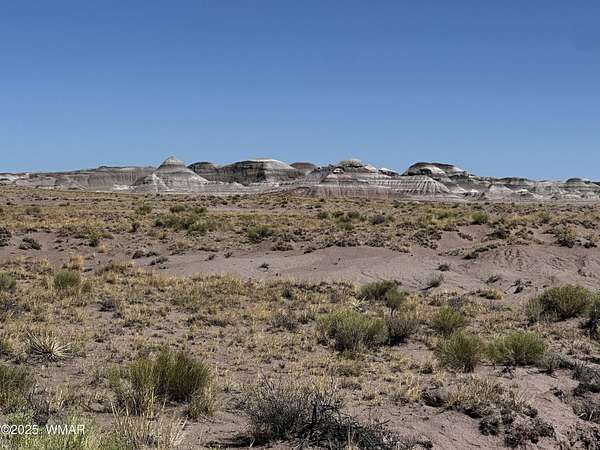
What affects resale value here
With only 438 households in the entire CDP, comparable sales are sparse, and land-heavy inventory means acreage, road access, and utility status carry more weight in a rural sale than finish quality does. A parcel with an existing well and power already run to the lot line competes in a completely different price band than an identical acreage count with neither.
How long does it typically take to sell rural land in this area? No public dataset breaks out days-on-market specifically for unimproved acreage in 86032; sellers should expect a longer and less predictable timeline than for a conventional house, given how few comparable land sales close in any given period, and price against currently active listings rather than an assumed turnaround time.
Climate, elevation, and access for owners
Joseph City sits at roughly a mile above sea level, on a stretch of Interstate 40 with a semi-arid, high-desert climate; the nearest National Weather Service station, at Holbrook, averages a January low near 30°F and a July high near 90°F, with about 7 inches of precipitation a year (NWS station data via Weather-US). Winter freeze risk to exposed well lines and unpaved-road access to remote parcels are the two practical consequences worth planning around before a first winter on unimproved land.
Comments