
What “house” actually means here
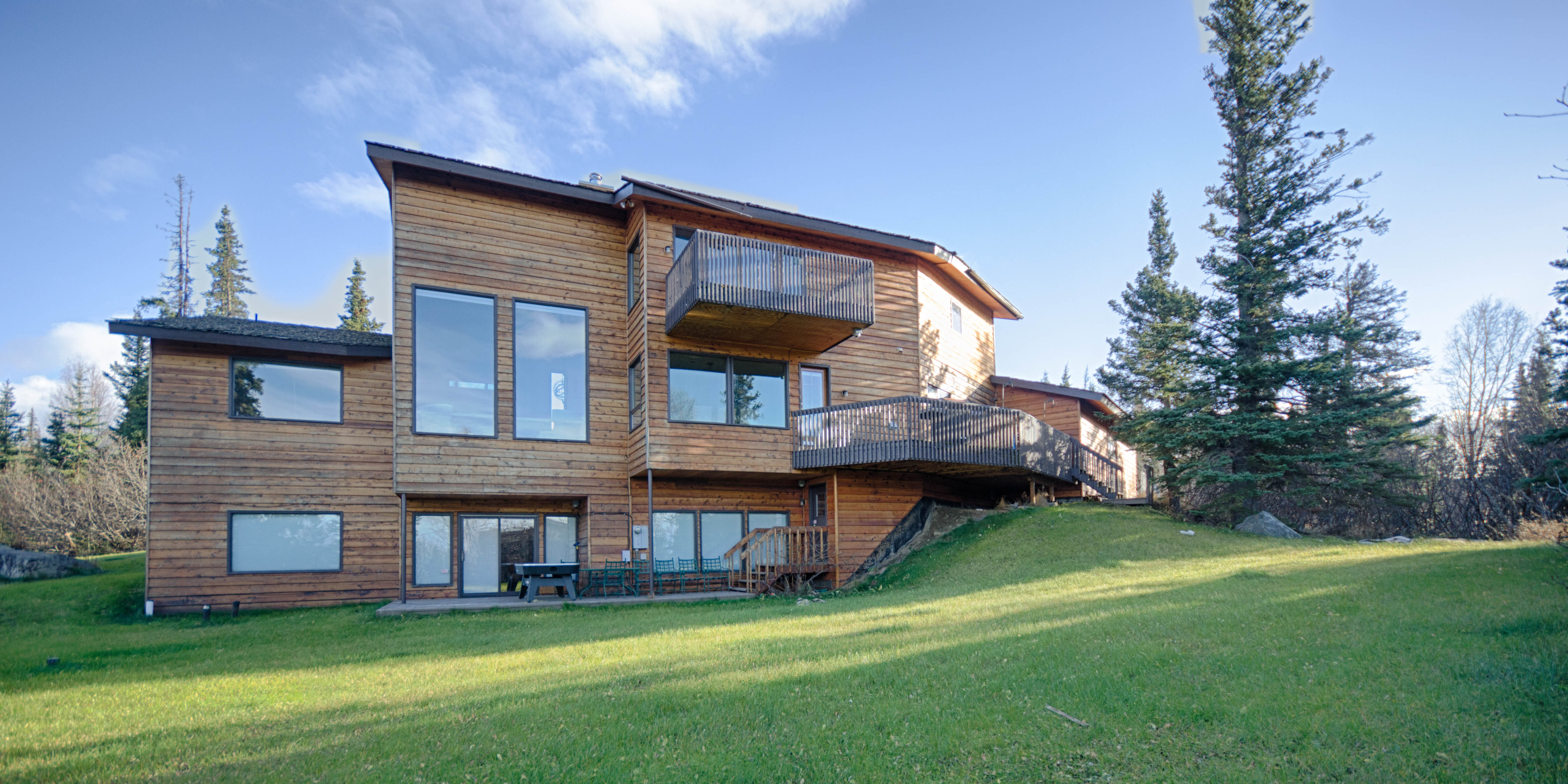
Anchorage listing sites use “house,” “single-family home,” and “duplex” more or less interchangeably, and duplexes and townhouses turn up inside “houses for rent” search grids on more than one marketplace. On this page, “house” means a detached single-family structure, since that distinction is exactly what changes who handles snow, heat, and the yard.
What it costs, and why every source disagrees
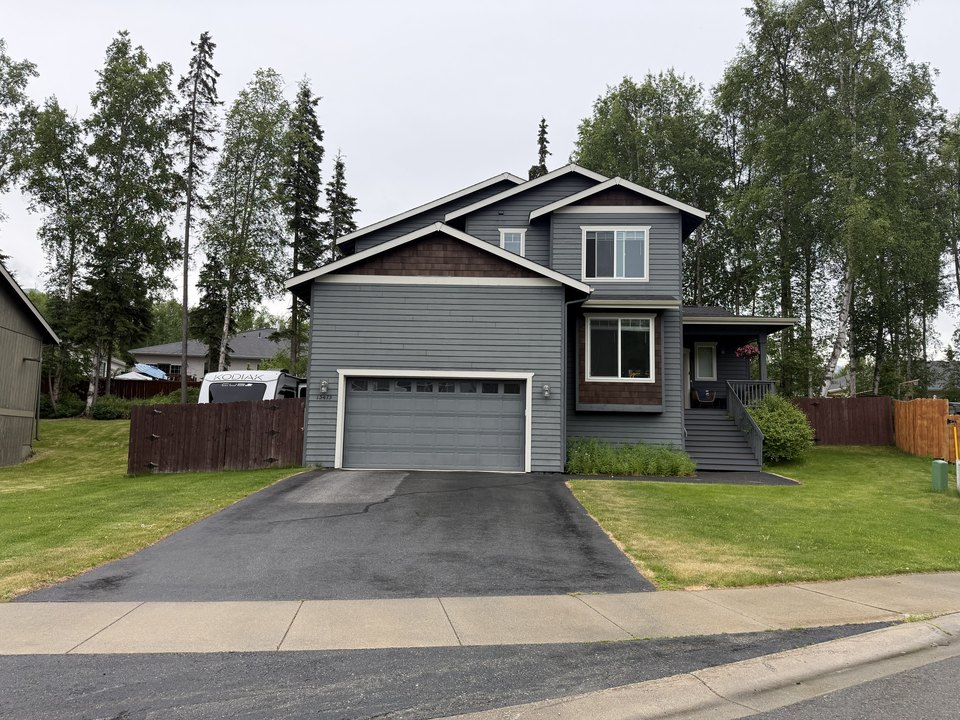
A three-way disagreement over $1,000 a month sits at the center of any search for Anchorage house-rental pricing, and it’s worth understanding before you trust any single number.
Why the averages disagree
One major marketplace states a $1,700 median for Anchorage single-family rentals. A second states a $2,983 average. A third states $2,700, and that figure moved by nearly 8% within a single day in one separately captured snapshot. None publishes a sample size or methodology. The state’s own rental data, gathered annually by the Alaska Department of Labor and Workforce Development with AHFC, doesn’t settle the dispute either: it tracks two-bedroom apartments, not single-family houses, so there is currently no government figure to check any of the three against.
| Source | Stated figure | Basis | Date |
|---|---|---|---|
| Homes.com | $1,700 median | Single-family rentals, marketplace-derived | Current listing cycle |
| Apartments.com | $2,983 average | Single-family rentals, marketplace-derived | Current listing cycle |
| Zumper | $2,700 average (fluctuating) | Live inventory-derived | July 2026 |
| Alaska DOLWD Rental Market Survey | 2-bedroom apartment adjusted median only | Government survey of landlords/property managers | March 2025 |
No single row in that table settles what an Anchorage house actually rents for; the honest number is the full $1,700 to $3,500 spread, not any one figure inside it.
Is there a cap on the security deposit a landlord can charge for a rental house in Anchorage? Alaska caps deposits at two months’ rent under AS 34.03.070, but only for rentals at or below $2,000 a month. Since most Anchorage houses rent above that line, the cap frequently doesn’t apply.
Renting a house vs. an apartment: the costs a lease doesn’t show
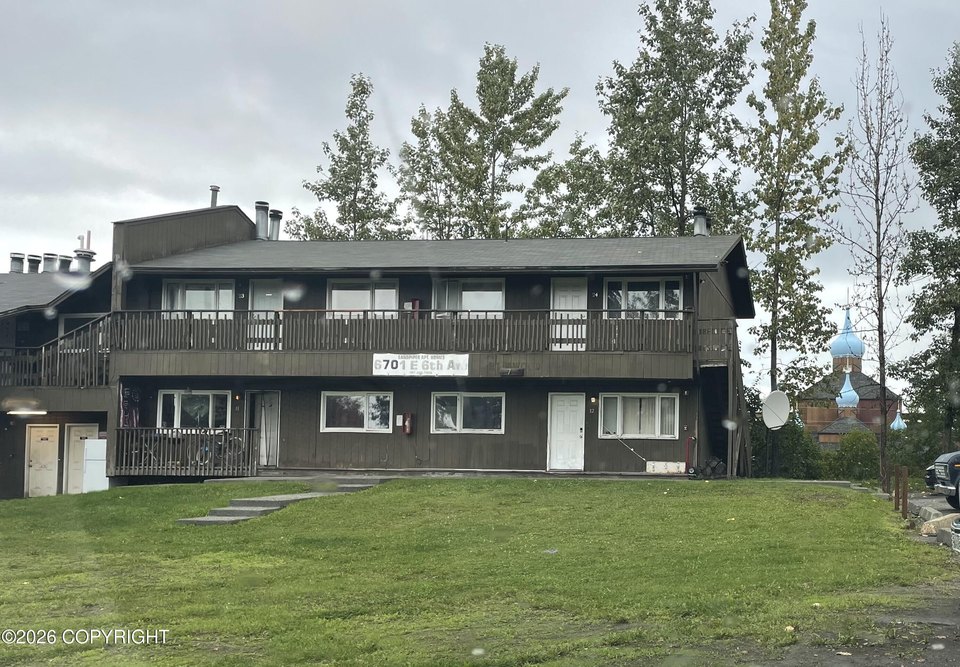
Heating source and winter utility exposure
Anchorage’s heating season is long, and house rentals routinely bill heat separately instead of bundling it into rent the way an apartment complex sometimes does. ENSTAR, the region’s natural gas utility, currently charges a monthly customer charge in the $20 to $21 range plus a base service charge of $0.18459 per Ccf, on top of the metered gas itself; that customer charge is rising toward $21 as a pending rate case moves through the Regulatory Commission of Alaska. One Alaska mortgage-lender resource focused on AHFC’s energy programs puts typical Anchorage household heating-fuel spending at $2,000 to $4,000 a year.
| System type | Typical cost signal | Who usually pays | What to confirm before signing |
|---|---|---|---|
| Natural gas (ENSTAR) | $20 to $21/month customer charge plus metered gas cost | Tenant, billed directly by ENSTAR | Whether the unit has its own meter |
| Fuel oil delivery | Tied to delivery volume and heating-oil price; not publicly tariffed | Tenant arranges and pays for deliveries | Tank size and how recently it was filled at move-in |
| Electric baseboard or heat pump | Billed through the residential electric utility, separate from gas | Tenant | Whether electric is the primary heat source or backup only |
| Wood or pellet stove (supplemental) | Set by local fuel suppliers, not a utility tariff | Tenant, if used | Whether it’s supplemental or primary, and any insurance or permit requirement |
Two of those four rows carry no published dollar figure, which is itself worth knowing: fuel-oil and electric heating costs in Anchorage aren’t tariffed and published the way ENSTAR’s gas rates are, so a written quote from the landlord or a prior tenant is the only reliable number for a non-gas house.
Snow and ice removal responsibility
This is the operational fact that separates a house from an apartment more than almost anything else. Under Anchorage Municipal Code 24.80.090, whoever occupies a property adjacent to a public sidewalk must clear snow and ice from it, and it’s unlawful between 8 a.m. and 6 p.m. to leave 2 or more inches of snow or 1 or more inch of ice sitting there. Driveway clearing is the property owner’s job too, per the Municipality’s own street maintenance page, and pushing that snow into the street or onto the sidewalk is a separate violation. None of this applies to someone renting an apartment with on-site maintenance.
Does the landlord or the tenant clear snow from a rented house in Anchorage? The tenant, as the property’s occupant, unless the lease states otherwise. The 2-inch snow and 1-inch ice thresholds under AMC 24.80.090 apply between 8 a.m. and 6 p.m., and driveway clearing falls to the occupant as well.
Not every Anchorage house sits on municipal water and sewer. Homes outside the fixed Hillside service boundary, and some outlying Eagle River and Chugiak properties, run on private wells and on-site septic or holding tanks instead.
Is the property on municipal water and sewer, or a septic or holding tank? It depends on the address. Not every Anchorage-area rental is on AWWU service, particularly on the Hillside beyond its fixed boundary, and a holding tank means a recurring pumping cost a listing won’t show you.
Neighborhood guide, by decision criteria
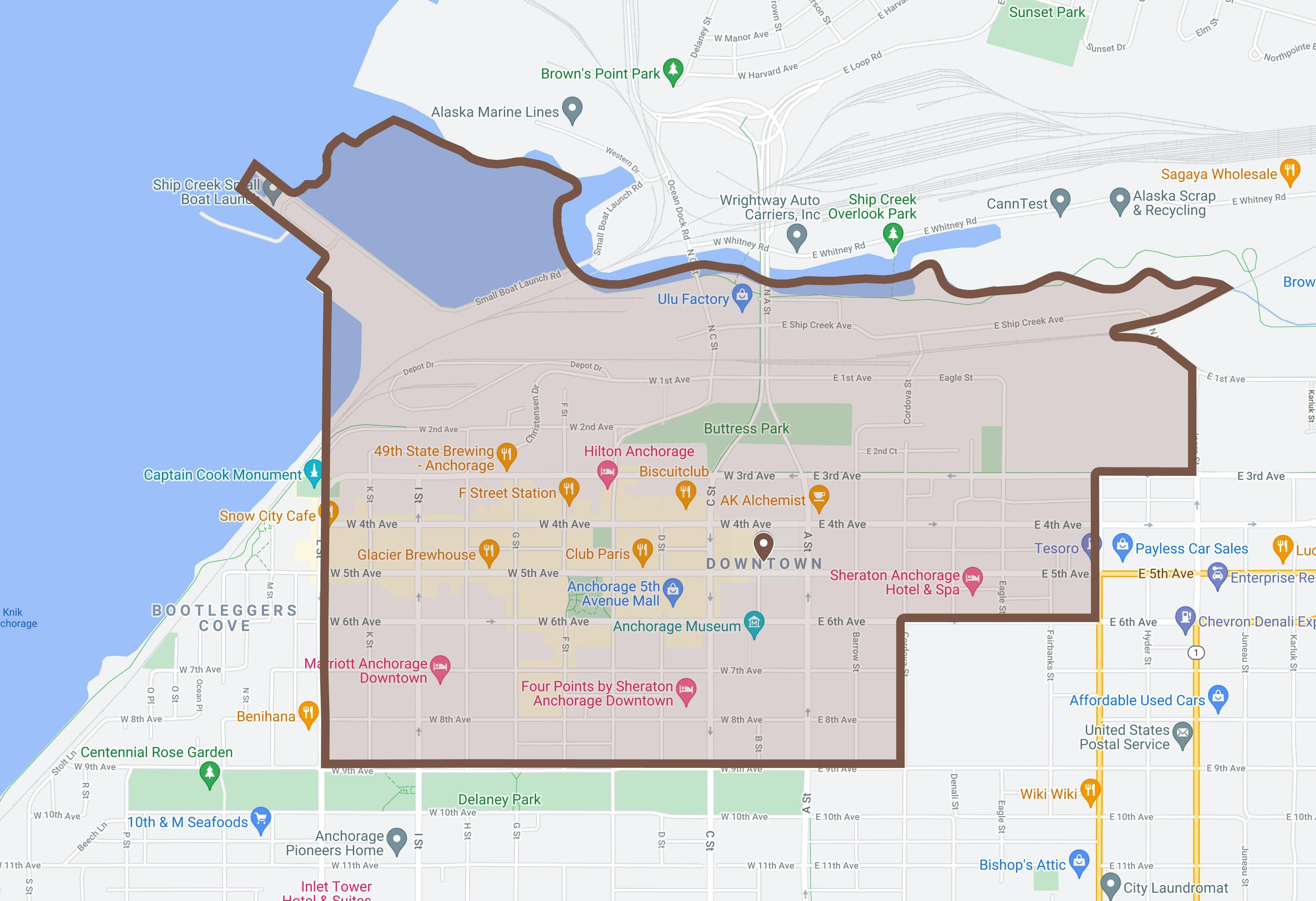
- Downtown/Midtown: shortest commute to the urban core, but the smallest share of true single-family housing stock relative to condos and multi-unit buildings.
- South Anchorage/Hillside: larger house stock and lot sizes, but confirm water and sewer status. The Anchorage Assembly fixed a hard boundary for municipal service here when it approved the Hillside District Plan in 2010, and homes beyond that line use ADEC-permitted wells and septic instead.
- Spenard: older, denser housing mix, generally a lower price band for the houses that do come up.
- Eagle River/Chugiak: popular with JBER-adjacent renters wanting more land, and served by its own separate wastewater treatment plant rather than the main Anchorage Bowl system.
Alaska landlord-tenant law: deposits, entry, and habitability
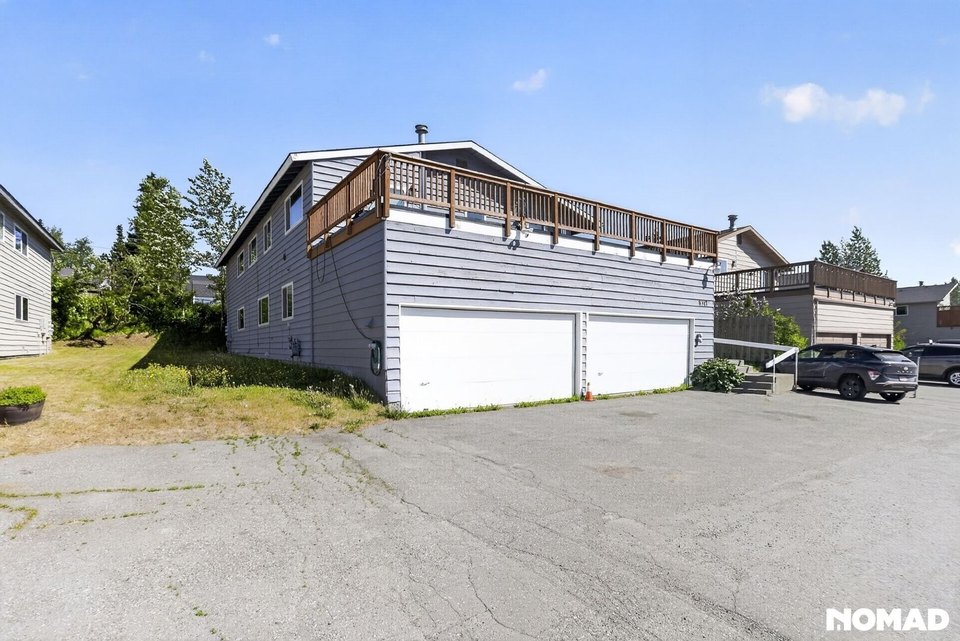
Alaska’s Uniform Residential Landlord and Tenant Act, AS 34.03, governs the relationship statewide. Deposits are capped at two months’ rent below the $2,000 threshold covered above, and landlords must mail the refund within 14 days of move-out if the tenant gave proper notice, or 30 days if not, per the Alaska Court System’s landlord-tenant guide. Landlords carry a statutory habitability duty under AS 34.03.100 covering heat, plumbing, and electrical systems, a meaningful standard in this climate. A month-to-month tenancy requires 30 days’ written notice from either side to end it.
How much notice does an Alaska landlord have to give before ending a month-to-month lease? Thirty days’ written notice, under AS 34.03.230, and the same 30-day requirement applies to a tenant ending a month-to-month tenancy.
Renting near JBER: PCS orders and lease-break rights
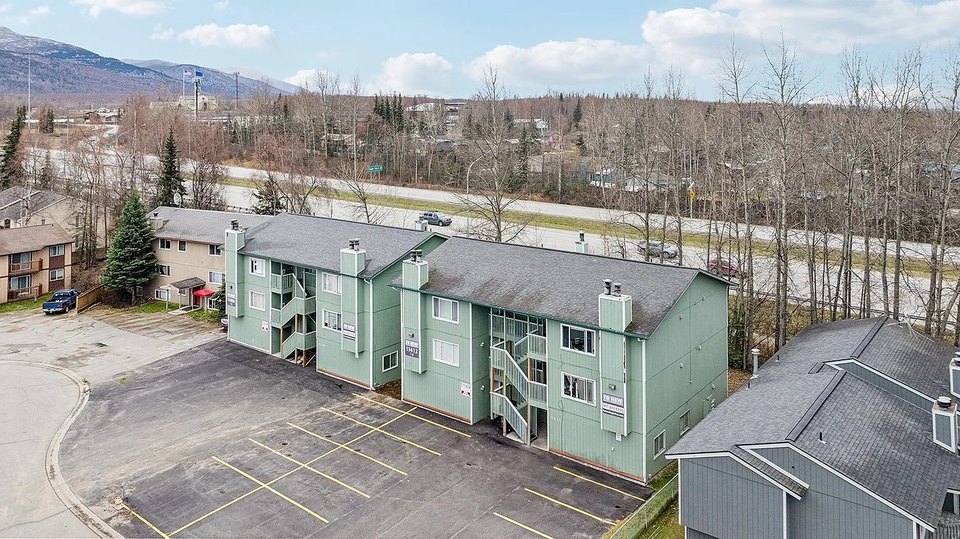
Several listings across the marketplaces market proximity to Joint Base Elmendorf-Richardson directly, but none mentions the federal Servicemembers Civil Relief Act, which lets an active-duty tenant end a lease early after receiving Permanent Change of Station orders or deployment orders lasting more than 90 days. The process, per Military OneSource: deliver written notice and a copy of the orders to the landlord, and the lease ends 30 days after the next rent payment would have been due. No early-termination fee is allowed.
Can I break my lease early if I get PCS orders? Yes, under 50 U.S.C. §3955. Deliver written notice with a copy of your orders, and the lease terminates 30 days after your next rent due date.
Who you’re actually renting from
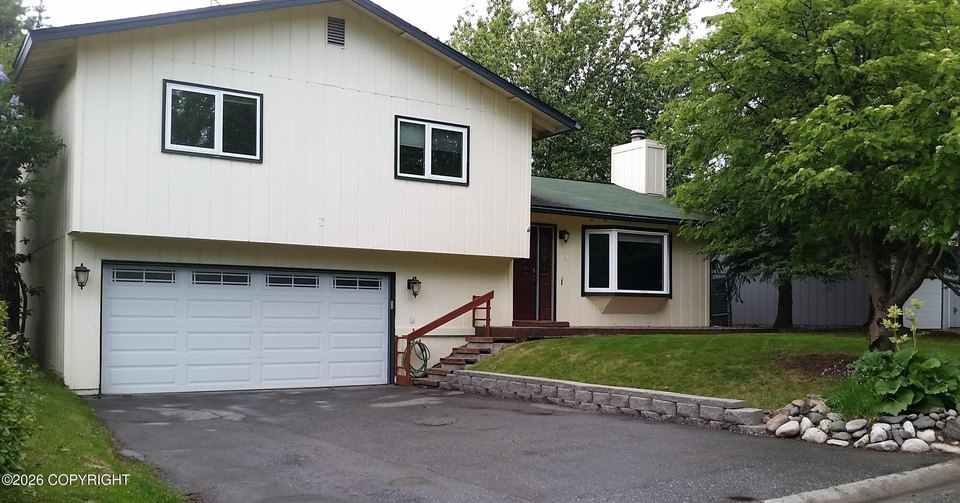
The listing pool on any marketplace mixes private landlords, property-management companies, and MLS agents, and the process differs by channel.
| Channel | Typical application process | Typical fees | What differs for the renter |
|---|---|---|---|
| Private landlord (FRBO) | Often informal, direct contact with the owner | Variable, sometimes negotiable | Faster decisions, less standardized screening |
| Property management company | Formal online application with background and credit checks | Application fee usually standardized | More consistent process, less room to negotiate terms |
| MLS real-estate agent | Application routed through the agent or brokerage | Fee structure set by the brokerage | The agent typically represents the owner, not the renter |
JBER-area houses in particular tend to run through property-management companies rather than individual owners, which is worth expecting before you apply.
When to search: Anchorage’s rental-market timing
Common mistakes when renting a house in Anchorage

- Assuming heat and snow removal are included, the way they often are with apartment-complex maintenance.
- Trusting one marketplace’s “average rent” as the market reality instead of the $1,700 to $3,500 range it actually sits inside.
- Not confirming water and sewer status before applying, especially on the Hillside or in outlying areas.
- Assuming a housing voucher must be accepted. Alaska’s anti-discrimination statute, AS 18.80.240, does not list source of income among its protected classes, so acceptance is at the landlord’s discretion.
Comments