
How rent-to-own works under Virginia’s executory-contract law
A lease-option gives you the right to buy the home at a set price before the option expires, with no obligation to follow through if you change your mind or can’t qualify for a mortgage. A lease-purchase folds a binding purchase agreement into the lease itself, so signing one commits you to buying when the term ends, absent a contract exception. Virginia doesn’t leave that distinction to guesswork or to whatever the seller’s paperwork happens to say: Code of Virginia §§ 55.1-3000 through 55.1-3003, the Residential Executory Real Estate Contracts Act, applies to “an installment land contract, lease option contract, or rent-to-own contract” by definition, and its protections cannot be waived by contract.
Under that Act, you can exercise your purchase option at any point before it expires and the seller can’t charge you a fee or penalty for exercising early. If you fall behind on rent, the seller has to serve written notice and give you 30 days to cure before terminating, rather than moving straight to eviction. Most consequentially, the seller cannot forfeit your option payment outright; the law only lets them apply it against amounts you actually owe, or have a court direct its disposition. The contract is also independently subject to the Virginia Residential Landlord and Tenant Act, so ordinary tenant protections layer on top of these purchase-specific ones.
| Lease-option | Lease-purchase | |
|---|---|---|
| Obligation to buy | None; buyer can walk away | Buyer is contractually committed to purchase |
| Typical use case | Buyer still rebuilding credit or savings, wants flexibility | Buyer and seller both intend a firm sale, price locked now |
| Buyer risk if they walk away | Loses the option fee; rent credit, if any, is usually forfeited | Breach of contract exposure; seller can sue for the agreed price or damages |
| Who it favors | Buyers who want optionality | Sellers wanting a committed exit and buyers confident they’ll close |
Both structures fall under §§ 55.1-3000–3003 regardless of which label the contract uses, so the cure-notice and no-forfeiture rules above apply to a lease-purchase in Virginia Beach exactly as they apply to a lease-option; the meaningful difference is what you owe if you don’t close, not which state protections attach.
What’s the real difference between rent-to-own and owner financing?
Owner financing (a contract for deed or installment sale) typically transfers equitable title to the buyer immediately, with the seller holding the note instead of a bank. Rent-to-own keeps you a tenant, holding no ownership interest, until you exercise the option and close with your own financing. Virginia’s Act applies to both when they meet the statute’s definition, but the buyer’s underlying legal position is different, which affects who can be evicted versus who must be foreclosed on if the deal falls apart.
What a Virginia Beach contract should specify
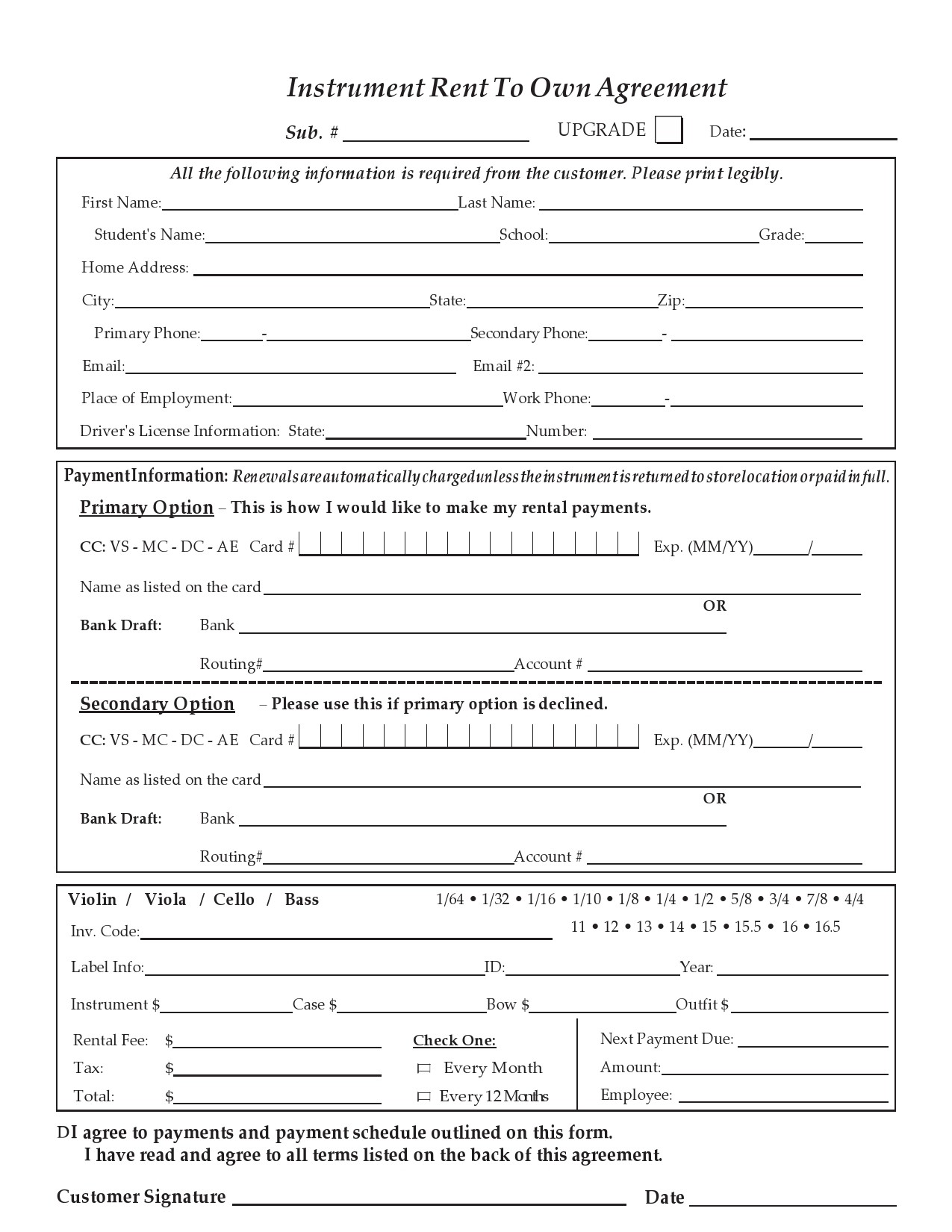
The purchase price, the lease term, the exact rent-credit formula, who pays property taxes and maintenance during the lease, and the option fee amount and its refund conditions are the five items a contract needs before you sign anything. On the rent-credit line specifically: Fannie Mae’s underwriting guidance defines the usable credit as the difference between the appraiser’s determination of fair market rent and what you actually paid, and it only counts toward a future mortgage if the lease runs at least 12 months and every payment is documented with canceled checks, bank statements, or money-order receipts. Cash paid with no receipt is credit you can’t later prove.
Maintenance and tax responsibility is the ambiguity that catches tenant-buyers off guard: some Virginia Beach rent-to-own contracts assign repair and even property-tax costs to the tenant while legal ownership, and the risk that comes with it, stays with the seller until closing. Before signing, ask in writing who pays for a failed HVAC unit or a roof leak discovered in month eight, and get the answer written into the contract rather than assumed from the lease’s general “tenant maintains the premises” language.
Will my rent credits count toward my mortgage down payment?
Only if your agreement documents them the way a lender needs: a signed rental or purchase agreement showing the credit amount, a 12-month minimum lease term, and proof of payment for every month you’re claiming. A rent-back credit, where a seller pays you to stay after you buy, works differently and cannot be used for your down payment, closing costs, or reserves at all.
The risks nobody lists
Every explainer of this topic covers the tenant’s risk of losing an option fee. Far fewer mention that the property you’re “renting to own” is still the seller’s, usually still mortgaged, and that mortgage sits senior to your lease-option interest. Nationally, Pew Charitable Trusts found that an estimated 2.4 million adults used lease-purchase agreements in 2021, and among those who had gone on to complete some kind of financing arrangement by the time of the survey, only 64 percent owned a home, compared with 80 percent of people who financed with a traditional mortgage. Part of that gap traces to how disputes get resolved: most states route lease-purchase disagreements into ordinary landlord-tenant eviction court, where buyers typically get no credit for the option fee or savings they’ve put in, because the court is only equipped to handle a standard rental case rather than a real-estate transaction.
This is who a rent-to-own contract in Virginia Beach actually suits: buyers who can’t qualify for a mortgage today but have a specific, documented reason to expect they will within the lease term (a credit-repair plan already underway, PCS-driven timing, a debt payoff already scheduled), not buyers hoping “a couple of years” will fix an undefined problem. If your qualification path isn’t concrete, renting month to month and saving directly usually protects more of your money than paying an above-market rent premium into a contract you can’t reliably exercise.
Can the seller’s mortgage lender force a sale during my lease?
The seller’s lender can still foreclose if the seller stops paying their own mortgage, and that foreclosure isn’t blocked by your lease-option. Federal tenant-protection law generally lets you stay through the end of your lease term, or 90 days for a month-to-month tenancy, after a foreclosure sale, but that protects your right to occupy the unit as a renter. It does not protect the option fee or rent credit you’ve paid toward a purchase that may no longer be possible.
How to tell a real listing from a lead-generation page

Search the property’s address before you contact anyone: if the same home turns up listed for sale, listed for rent at a different price, or attached to a different name, that’s the pattern the FTC’s rental-fraud data flags most often. Since 2020, the FTC has logged close to 65,000 rental-scam reports totaling roughly $65 million in losses, and in the most recent 12 months tracked, about half of those originated on Facebook and another 16 percent on Craigslist.
| Signal | What it usually means | What to verify |
|---|---|---|
| Payment required to view listings (“$1 for 7-day access”) | Lead-generation model; listings may be stale, speculative, or not confirmed rent-to-own offers | Cross-check any address on Virginia Beach’s public property search prior to sending any payment |
| Large “active listings” counts on a directory | Often includes modeled or speculative inventory, not confirmed offers | Contact the listed owner through the city’s parcel-owner record, not the directory’s contact form |
| Seller won’t allow an independent inspection or appraisal | Common pattern in predatory lease-to-own setups | Make inspection and appraisal contingencies non-negotiable before signing |
| Rent significantly below nearby comparable rents | FTC’s top general red flag; unusually cheap “rent” can hide a much higher option fee or price | Compare against current Virginia Beach rent figures, not the listing’s own claim |
| No credit check at all, regardless of score | Some operators profit more from forfeited option fees than from a completed sale | Ask how many of the seller’s past rent-to-own tenants actually completed a purchase |
Virginia Beach’s Real Estate Assessor’s Office runs a free public property search where you can look up a parcel by address and see the recorded owner’s name. If the name on your contract doesn’t match the recorded owner, stop and ask why before paying anything.
Is a “no credit check, $1 to browse” rent-to-own site legitimate?
Not inherently fraudulent, but it’s the exact profile the FTC associates with predatory or low-quality lead generation: a small upfront charge, broad promises of “no banks required,” and inventory that’s hard to independently confirm. Verify any specific address through the property owner records before paying even a small access fee.
Where to search in Virginia Beach, by price band
Price varies enough within Virginia Beach that a citywide median is close to useless for narrowing a search. One local brokerage’s 2026 market note put homes in Kempsville and Bayside within reach under $400,000, while oceanfront-adjacent inventory routinely runs $600,000 and up, a spread of well over $200,000 within the same city. Cross-reference any rent-to-own offer against that band before assuming a quoted future purchase price is reasonable for the area.
One dated, real example of how a Virginia Beach transaction can resolve: a Redfin agent’s account of an October 2025 sale described the bank letting a 30-day redemption period lapse on a foreclosed property before deeding it directly to an investor at full price with no agent commissions involved. The home, a roughly 1,250-square-foot three-bedroom, closed at $325,000 after 42 days on the market, 8 percent under its original list price.
Military and PCS timing considerations
Virginia Beach’s rental and purchase market moves on a military calendar as much as a seasonal one, with PCS-driven buyer activity concentrated from May through August. If you’re financing the eventual purchase with a VA loan, know that the VA guaranty attaches only at the purchase-stage mortgage, when you exercise your option and sign a standard sales contract, never to the lease-option period itself; the VA Lender’s Handbook addresses option and land-sale contracts specifically in its chapter on alternative financing instruments. That means a lease-option’s rent credit, option fee, and contract terms are entirely a private matter between you and the seller until the day you actually close, with no VA protection layered underneath them.
Set your option window to match your real orders timeline, not an optimistic one. An option that expires six months before your expected PCS date gives you no room if financing takes longer than planned; one that runs well past your move risks forcing a rushed exercise or a forfeited fee if you’re relocated early.
If you’re the seller
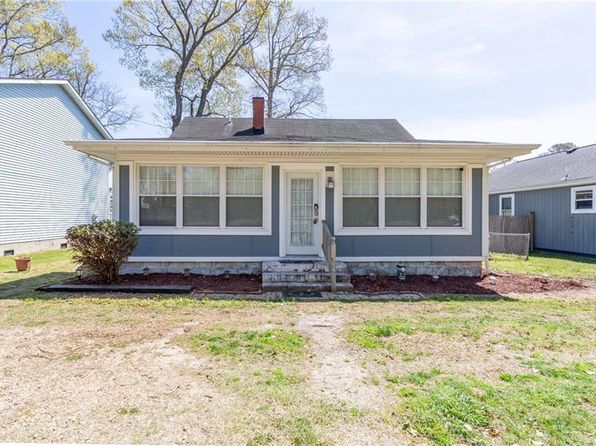
A lease-option can make sense for a Virginia Beach owner who wants a committed buyer lined up without paying a roughly 5.5 percent local sales commission, particularly on a property that’s slow to sell as-is. It suits owners who can absorb the 30-day cure-notice requirement if a tenant-buyer falls behind, and who understand they cannot legally forfeit the option payment outright if the deal doesn’t close.
Comments