
What “Rent-to-Own” Means in Alabama, and the Choice That Actually Matters
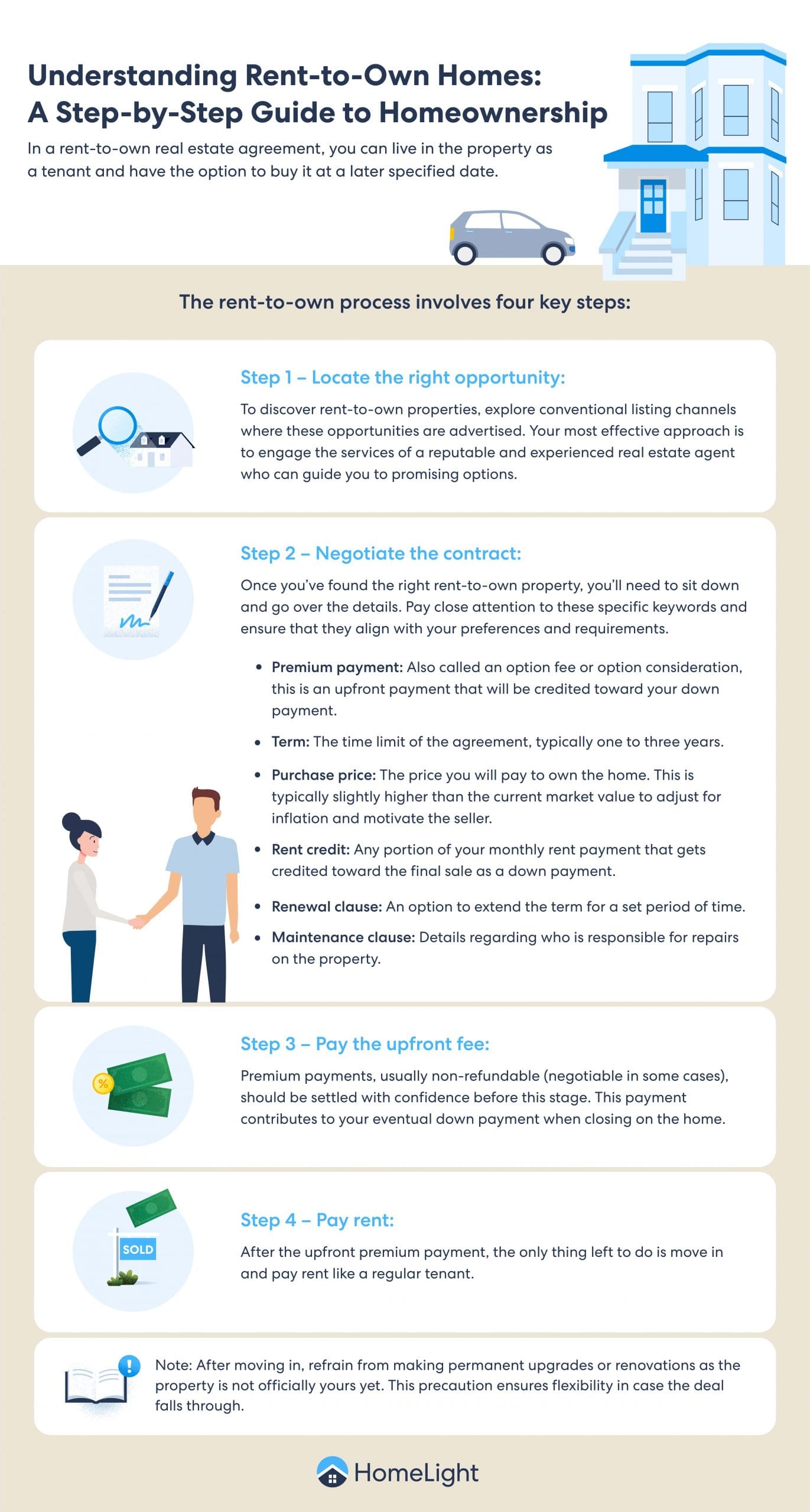
Every rent-to-own house sits under one of two contract types, and the difference is not cosmetic. A lease-option gives the tenant the right, not the obligation, to buy when the lease ends. A lease-purchase agreement legally obligates the tenant to buy at the end of the term. Consult a real estate attorney before signing either one, but especially before signing a lease-purchase, since the two contracts carry very different consequences if your plans change (see “What Happens If You Can’t Buy,” below).
Most of what circulates online treats these two terms as interchangeable. They are not, and the contract type you sign determines the size and shape of the risk you’re taking on.
Is the option fee refundable if I don’t buy the house?
Almost never. The option fee pays for the right to buy, not a deposit toward the home. If the tenant doesn’t exercise the option, the fee and any accrued rent credit are typically forfeited under the contract terms.
What It Costs in Huntsville Right Now
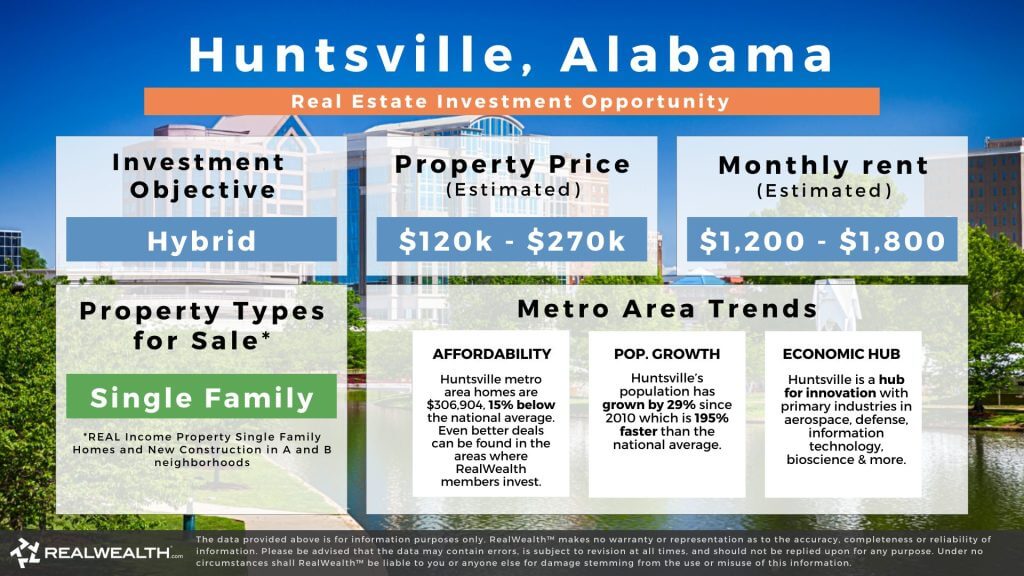
Three organizations publish Huntsville home-price figures right now, and they don’t match, because they’re not measuring the same thing. Redfin’s median closed sale price was $350,000 over the three months ending May 2026, up 3.5% from a year earlier. Zillow’s Home Value Index, an automated estimate of typical value across all homes rather than only recent sales, puts the figure at $281,224 for the same month. The median listing price tracked by the Federal Reserve’s housing data series, sourced from Realtor.com, was $375,800, also for May 2026. A closed-sale median, a valuation-model estimate, and an asking-price median will diverge even in a stable market; none of the three is wrong, and none should be quoted as the Huntsville home price without saying which one it is.
For a rent-to-own contract written against a $350,000 house, an option fee at the commonly cited 2.5% to 7% range works out to $8,750 to $24,500 upfront, non-refundable, a range drawn from National Association of Realtors-sourced guidance. Rent itself runs above the open-market rate: Rentometer’s most recent Huntsville data, dated June 15, 2026, puts the median rent for a 3-bedroom house at $1,659; a rent-to-own contract typically adds a rent credit of roughly $100 to $300 a month on top of that baseline, applied toward the purchase price if the option is exercised and forfeited if it isn’t.
| Metric | Figure | Source | As of |
|---|---|---|---|
| Median closed-sale price | $350,000 | Redfin | May 2026 (3-mo.) |
| Zillow Home Value Index (typical value) | $281,224 | Zillow | May 2026 |
| Median listing price | $375,800 | Realtor.com / FRED | May 2026 |
| Median rent, 3-bedroom house | $1,659 | Rentometer | June 15, 2026 |
These four sourced numbers map the range a Huntsville rent-to-own contract is likely to be written against, not one headline figure to memorize and repeat.
Do I need good credit for a rent-to-own home in Huntsville?
No minimum score is required by the arrangement itself, since no lender underwrites it up front. But the whole point of the lease period is to qualify for a mortgage by the time the option comes due, so a tenant who can’t realistically improve their credit or savings within the contract’s window risks forfeiting the option fee for nothing.
Your Legal Footing as a Renter-Buyer in Alabama
Who Can Draft the Paperwork
Under Ala. Code § 34-3-6(c), preparing a deed, conveyance, mortgage, or similar instrument is defined as the practice of law. A title company or a rent-to-own listing site can prepare abstracts of title and handle title insurance, but it is barred from drafting the actual purchase documents unless it holds a proprietary interest in the property. In practice, the contract that matters most in the whole transaction needs a licensed attorney, not a form downloaded from the same directory that listed the house.
Who Has to Fix What While You’re Renting
Ala. Code § 35-9A-204 requires the landlord, meaning the seller in a rent-to-own deal until the sale closes, to keep the property in habitable condition: working electrical, plumbing, heating, and sanitation systems, and clean, safe common areas. If a landlord fails to make a repair that materially affects health or safety after written notice, Alabama’s landlord-tenant act gives the tenant a 14-day cure-or-terminate window: fix it in 14 days, or the tenant can end the lease.
What the Eventual Sale Costs on Paper
When the sale closes, Alabama charges a Deed Tax under state law: $0.50 per $500 of the property’s value, typically paid by the seller. On a $350,000 house, that comes to roughly $350.
Who’s responsible for repairs during a rent-to-own lease in Alabama?
Until closing, the seller holds landlord obligations under § 35-9A-204 for habitability-related systems. Many rent-to-own contracts shift routine maintenance to the tenant by agreement, which is legal, but the underlying habitability duty for major systems doesn’t disappear just because the tenant hopes to own the house eventually. Get the repair split in writing.
Signs of a Bad Rent-to-Own Deal
Most rent-to-own guidance stops at “read the contract carefully.” A few specific numbers and clauses are more useful than that advice on its own.
- Option fee above 10% of the home’s price. Industry guidance treats this as a red flag; even institutional rent-to-own programs rarely exceed 7%.
- No independent appraisal clause. If the purchase price is set with no mechanism to check it against market value at exercise, a seller can lock in a price years out of line with the neighborhood.
- Seller can’t produce clear title. If the seller doesn’t actually hold the deed free of disqualifying liens, the tenant can pour years of rent credit into a purchase that legally can’t close.
- No title-hold clause. Without a binding promise that the seller won’t sell or further encumber the property during the option period, the tenant has no protection if the seller sells to someone else mid-lease.
- No attorney involved in drafting. Given the § 34-3-6(c) restriction above, a deal built entirely on a template from a listing site is already on shaky legal ground.
What happens to my rent credits if the seller sells the house to someone else?
Without a title-hold clause, the seller can sell to another buyer and the tenant’s rent credits and option fee are simply gone, with no automatic legal claim to the house itself.
What Happens If You Can’t Buy at the End of the Lease
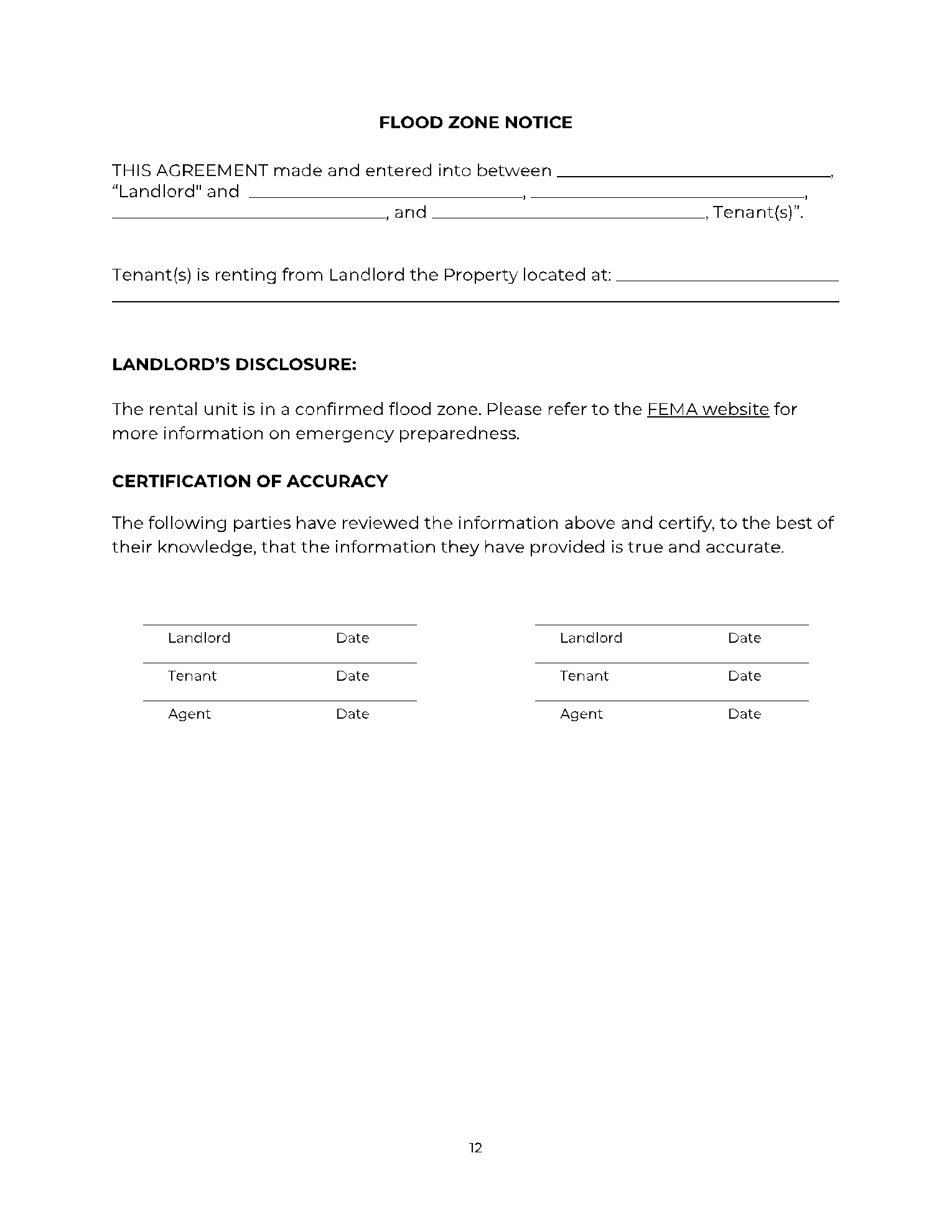
The two contract types produce two different outcomes. A lease-option that goes unexercised costs the tenant the option fee and any accrued rent credit, typically a few thousand to tens of thousands of dollars depending on the contract, but nothing beyond that. A lease-purchase is different: the tenant is contractually committed to buy, and failing to close can expose the tenant to a breach-of-contract claim, whether from a denied mortgage, a lost job, or a change of plans, not just the loss of the fee already paid.
| Lease-option | Lease-purchase | |
|---|---|---|
| Obligation to buy | No, right only | Yes, legally binding |
| Consequence of not buying | Forfeit option fee and rent credit | Possible lawsuit for breach, beyond the forfeited fee |
| Typical use case | Buyer still building credit or savings, wants an exit | Both sides already confident the sale will close |
That gap is the single most consequential clause in the whole contract, and it’s worth confirming in writing before signing anything, not inferring from the name on the cover page.
Rent-to-Own vs. Your Other Options
A credit-challenged buyer weighing rent-to-own against low-down-payment financing is comparing three genuinely different products.
| Rent-to-own | Owner financing | Low-down-payment mortgage (FHA) | |
|---|---|---|---|
| Upfront cost | Option fee, 2.5% to 7% of price | Negotiated down payment, often 5% to 20% | 3.5% down payment plus closing costs |
| Who holds title during the term | Seller | Seller, until note is paid or refinanced | Buyer, at closing |
| Main risk | Forfeited fee and credits if the deal falls through | Balloon payment or seller default on the underlying mortgage | Mortgage insurance premiums, stricter qualification |
| Best-fit buyer | Needs 1 to 5 years to fix credit or save | Can’t qualify for a bank loan but has negotiating leverage with the seller | Qualifies now, just short on down payment |
A buyer who can already clear FHA’s 3.5% down-payment bar and credit minimums usually comes out ahead with a standard low-down-payment mortgage, since it skips the non-refundable option fee and puts the buyer on title immediately. Rent-to-own earns its place for buyers who can’t clear that bar yet and need the lease term to get there.
How to Actually Find a Rent-to-Own House in Huntsville
Real inventory here is thin, and that’s worth saying plainly. Zillow’s Lease Purchase filter for Huntsville currently returns zero active listings. Foreclosure.com lists 84 results under a “rent to own” filter, but those are drawn from its distressed-property database, not a verified pool of owner-financed rent-to-own homes. A widely cited Huntsville rent-to-own directory carries current-year branding but page metadata dating to 2016, a reminder to check how current a listing actually is before trusting its numbers.
- Direct outreach to stuck sellers. A house that’s sat on the market or rental market longer than average often signals a seller open to a rent-to-own structure.
- Local real estate attorneys and investor groups. Ordinary buyer’s agents have limited incentive to steer clients toward rent-to-own; one Detroit-market agent estimated such deals make up about 5% of the leases he handles, because there’s little commission in them.
- MLS listing remarks. Search directly for “owner financing” or “lease option” in listing text, since sellers open to the structure often say so even when the platform has no dedicated filter for it.
Comments