
How the Deal Is Structured
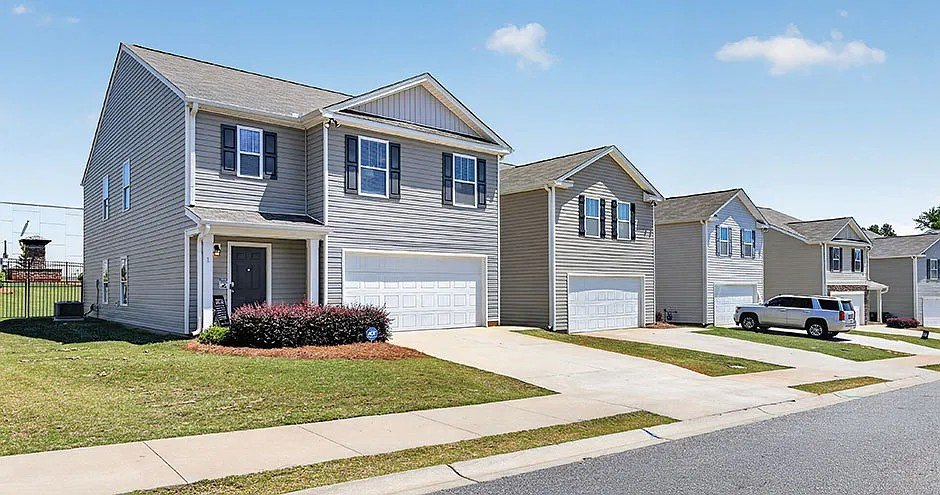
A Greenville rent-to-own deal is one of two contract types. In a lease-option, the tenant-buyer pays rent for a set term and holds the right, not the obligation, to buy the house at a price fixed when the contract is signed. In a lease-purchase, the tenant-buyer is contractually bound to complete the purchase when the lease ends, and backing out exposes them to a breach-of-contract claim from the seller (Rocket Mortgage). Most marketing using the phrase “rent-to-own” describes a lease-option.
South Carolina’s court system matters here because it is split the way the doctrine below assumes. Evictions run through magistrate’s or circuit court under the state’s landlord-tenant statute (S.C. Code §27-40-710). Foreclosures run through circuit court or a county’s master-in-equity, a forum built to decide who holds title (Charleston County Government). That split is what the equitable-interest argument below tries to use.
What It Costs If You Walk Away
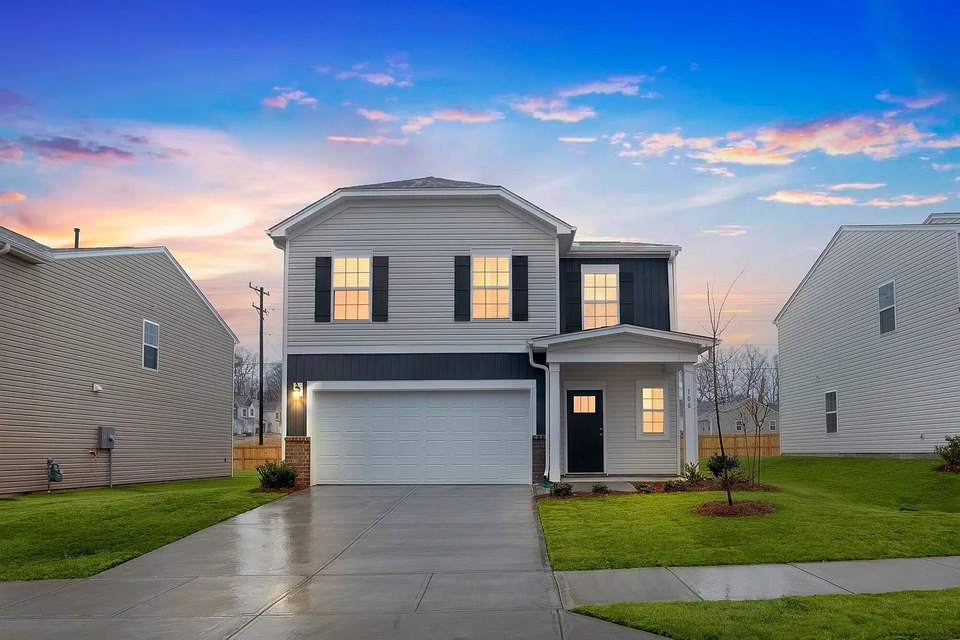
Walking away from a Greenville lease-option typically forfeits both the option fee and any accumulated rent credit, in full.
Option Fee Forfeiture
The option fee is a separate, nonrefundable payment for the right to buy. Reported ranges run 1% to 5% of the purchase price at Bankrate and Rocket Mortgage, matching the Texas State Affordable Housing Corporation’s figure, with a few sources citing a ceiling closer to 7% (Bankrate; Rocket Mortgage; TSAHC). On a $340,000 Greenville house, that is $3,400 to $17,000 due at signing.
Bankrate walks through a worked example on a $150,000 home: a 5% option fee comes to $7,500, and a $300 monthly rent credit over a 24-month lease adds $7,200 more, together cutting the price owed at closing to $135,300 (Bankrate). All $14,700 of that is at risk if the deal falls through.
Rent Credit Forfeiture
Any portion of rent set aside as a purchase credit normally sits in an account the seller controls and is typically forfeited alongside the option fee if the tenant-buyer never exercises the purchase (Rocket Mortgage; Ramsey). Whether the fee and credit apply toward the down payment, fully, partially, or not at all, is a negotiated term. Get it in writing before signing.
| Fee type | Typical size | Refundable if buyer walks away? | Source / basis |
|---|---|---|---|
| Option fee | 1% to 5% of purchase price (up to ~7% in some sources) | No, standard practice | Bankrate; Rocket Mortgage; TSAHC |
| Rent credit / rent premium | Set amount per month, seller-held | No, forfeited with the option fee | Rocket Mortgage; Ramsey |
| Standard security deposit | Set by lease, separate from option fee | Governed by ordinary SC deposit rules | S.C. Code §27-40-410 |
The security deposit follows S.C. Code §27-40-410 and comes back within 30 days of move-out unless it covers damage or unpaid rent. The option fee and rent credit follow the purchase contract’s own forfeiture terms instead.
What happens to my option fee if I don’t buy? It is forfeited in the overwhelming majority of contracts, along with any accumulated rent credit, unless the contract states otherwise or the seller is the one who breaches. No state, including South Carolina, requires option fees to be refundable by law (Bankrate).
South Carolina’s Legal Treatment of Lease-Options
A lease-option layers an option contract on top of an ordinary rental agreement, and the landlord-tenant relationship governs day-to-day disputes while the lease runs. Under the South Carolina Residential Landlord and Tenant Act, a landlord can move to evict for nonpayment of rent after a 5-day cure period following written notice (S.C. Code §27-40-710).
The complication is the equitable-interest doctrine, a general real-estate-law argument rather than an SC-specific statute, that tenant-buyers who have paid a meaningful share of the price can raise: the arrangement functions like an installment sale, so the “landlord” is really a lender and must foreclose judicially rather than evict (Legalwiz.com, attorney William Bronchick). Because magistrate’s court cannot rule on title, raising the argument there forces a transfer to a higher court, adding weeks to months of delay even when the landlord ultimately wins. South Carolina foreclosures are judicial, carry no post-sale right of redemption, require a sale notice posted in three public places and published weekly for three consecutive weeks, and typically run 90 days or longer from filing (Nolo). The size of the tenant-buyer’s stake, mainly option fee plus rent credit paid to date measured against current market value, is what determines whether a court is likely to find the argument persuasive.
Is rent-to-own legal in South Carolina? Yes. The state’s Residential Property Condition Disclosure Act names a “lease with an option to purchase” as a covered transaction type (S.C. Code §27-50-40).
What the Contract Must Include in South Carolina
Property Condition Disclosure
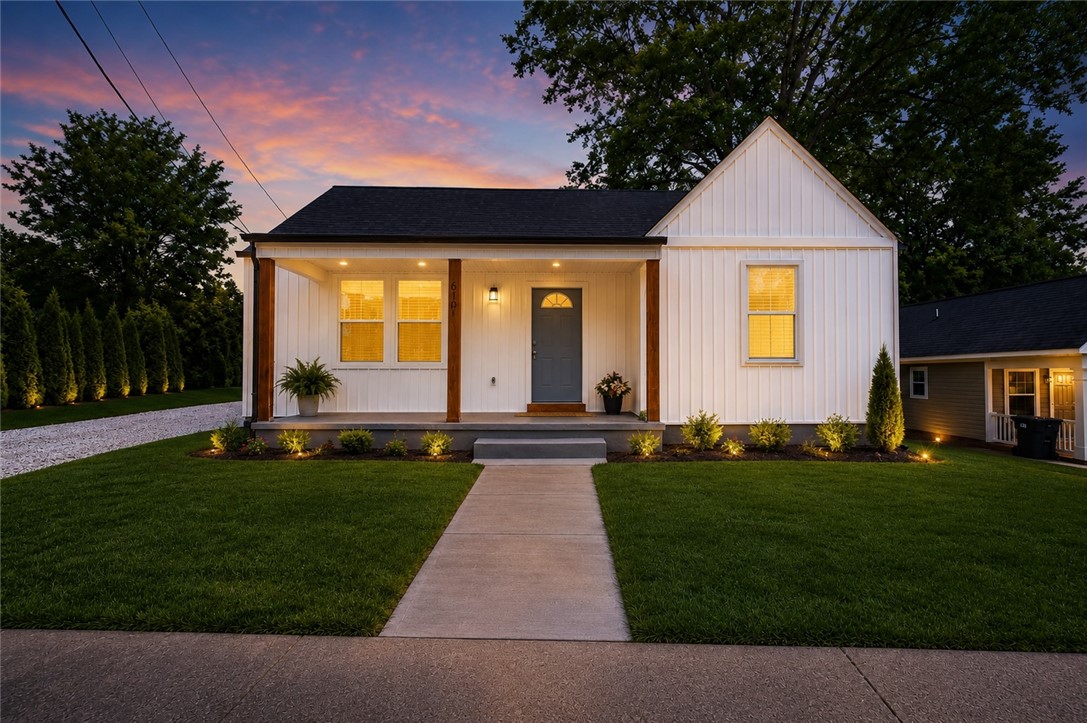
South Carolina Code §27-50-40 requires the disclosure statement “in connection with any sale, exchange, installment land sale, and lease with an option to purchase contract,” delivered before the buyer signs (S.C. Code §27-50-40; S.C. Code Regs §105-14). The form covers water supply and sewage, structural components, plumbing/electrical/HVAC systems, wood-destroying insect history, zoning restrictions, and known lead, asbestos, or radon contamination. A handful of transaction types are exempt under §27-50-30.
Lead-Based Paint Disclosure (Pre-1978 Homes)
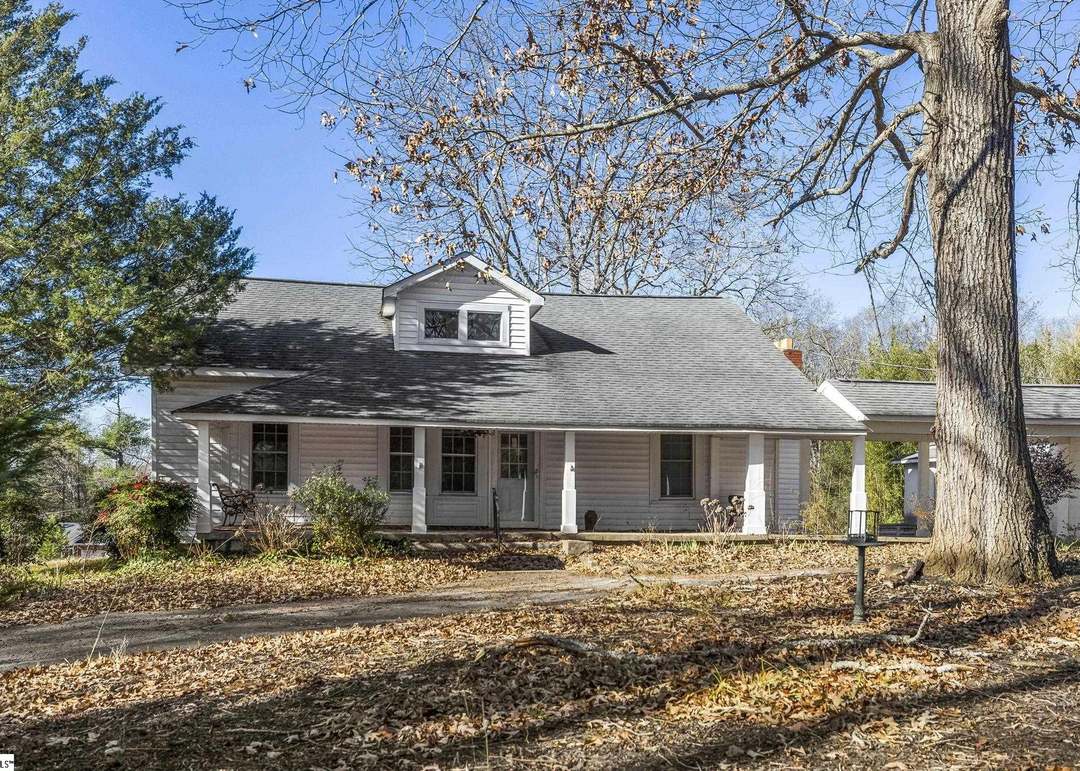
For any Greenville house built before 1978, federal law requires the seller or landlord to disclose known lead-based paint hazards and provide the EPA’s “Protect Your Family From Lead in Your Home” pamphlet before the contract or lease is signed (EPA). Standard sales carry a 10-day inspection window for lead risk; whether that same right attaches to a lease-option specifically is not spelled out in EPA’s public guidance, so treat it as a point to raise directly with the seller rather than assume it applies.
| Disclosure | When required | Who provides it | Statute / source |
|---|---|---|---|
| Property Condition Disclosure Statement | Before signing, explicitly including a lease with an option to purchase | Property owner | S.C. Code §27-50-40 |
| Corrected disclosure statement | Any time before closing, if a prior disclosure becomes materially inaccurate | Property owner | S.C. Code §27-50-60 |
| Lead-based paint disclosure (pre-1978 only) | Before the lease or purchase contract is signed | Landlord or seller | EPA Section 1018 / Title X |
Two of these three obligations trigger at the same moment, the day a signature goes on the contract, which means a Greenville seller still gathering paperwork after move-in is already out of compliance.
Maintenance and Repairs: Who Pays
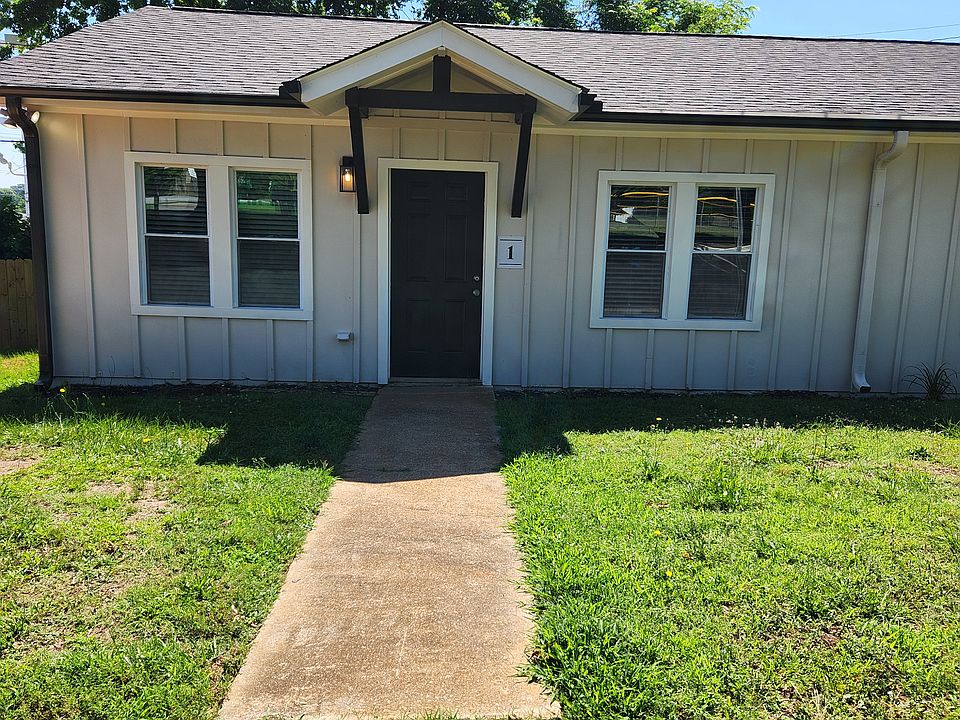
South Carolina law lets a landlord and tenant of a single-family home agree in writing that the tenant takes over the landlord’s repair and maintenance duties, provided the arrangement is made in good faith (S.C. Code §27-40-440(c)). Rent-to-own contracts routinely use this provision to shift day-to-day repairs onto the tenant-buyer. Confirm in writing exactly which repairs shift, because “maintenance” in one contract can mean gutter cleaning and in another can mean a failed water heater.
Who to Work With When Realtors Say No

Traditional buyer’s agents earn a commission on closing, and a lease-option that might not close for one to three years pays them nothing until it does, so many decline to get involved. Two professionals fill the gap: a real estate attorney who reviews the contract for the equitable-interest and disclosure exposure above, typically for $500 to $1,000 (Century21 Northwest), and a title company that confirms the seller actually holds clear title before any option fee changes hands.
Do I need a lawyer for a rent-to-own contract? South Carolina has no legal requirement here. Every consumer-finance source covering the topic still treats an attorney’s review as standard advice before signing, given how much money is at stake in the option fee alone.
Red Flags and Scam Patterns
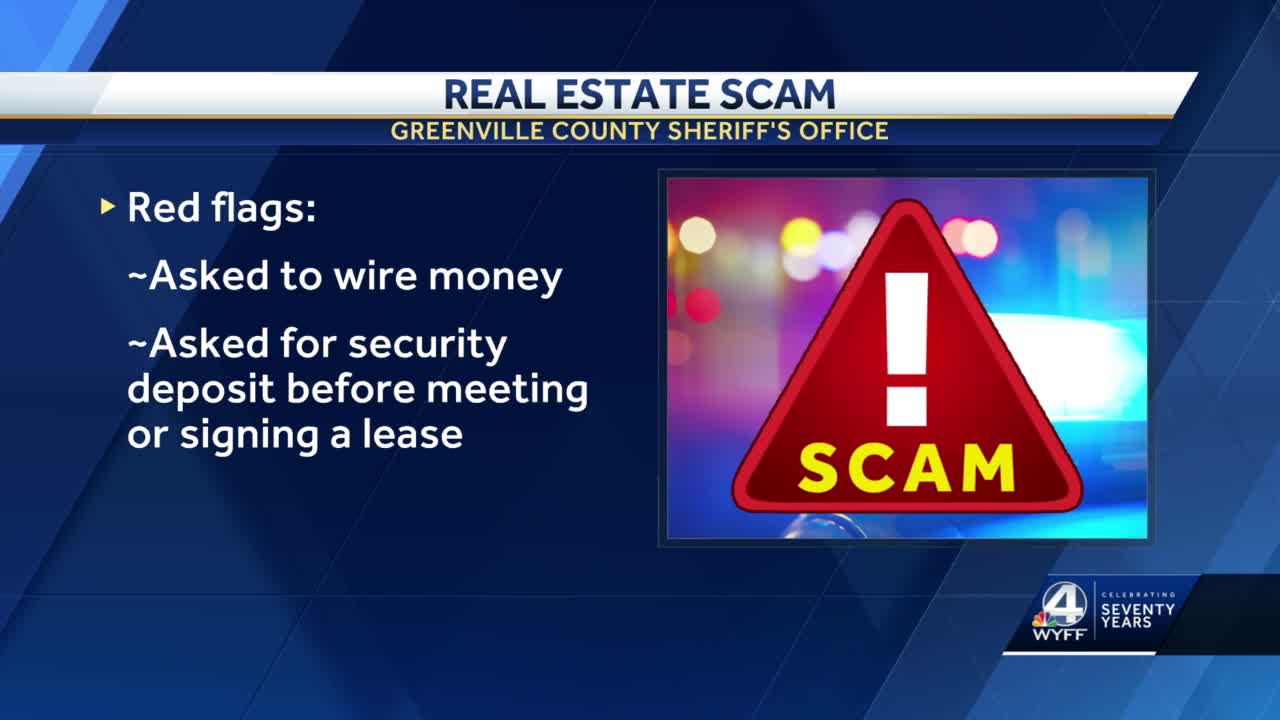
The FTC’s guidance on rent-to-own deals lists the core failure mode: the person collecting the option fee sometimes does not own the house, and buyers discover this only after money has changed hands (FTC Consumer Advice). County tax and deed records list the real owner and are free to check before signing anything.
- No credit check, no income verification, no questions asked. A seller with zero interest in the buyer’s path to eventual financing often has no intention of ever closing and is optimizing for collecting fees.
- A purchase price locked well above current market value. Locking a price protects against future appreciation; it should not pad today’s number past what an appraisal would support.
- Pressure to pay before a written contract exists, or a request for payment by wire transfer, gift card, or cryptocurrency.
- A seller who resists a title search or an independent inspection. Both are routine and inexpensive; refusal is the strongest single signal.
- A “sandwich” lease-option, where the person collecting rent is only leasing the house from the actual owner. If that middle party defaults on their own lease, the tenant-buyer’s position can collapse regardless of their own payment history.
Is “no credit check” a warning sign or a benefit? Both, depending on context. It removes a real obstacle for buyers rebuilding credit, but a seller who never asks about the buyer’s eventual mortgage path is often planning to keep collecting fees instead of close a sale.
Current Greenville Price and Rent Levels
| Metric | Source | Figure | Date | Scope |
|---|---|---|---|---|
| Home price | Redfin | $475,000 median sale price | 3 months ending April 2026 | City of Greenville, closed sales |
| Home price | Zillow (ZHVI) | $330,858 typical value | May 31, 2026 | City of Greenville, modeled index |
| Rent, houses only | Zumper | $1,900/month median | June 2026 | City of Greenville |
For a specific Greenville rent-to-own contract, neither citywide number substitutes for an independent appraisal or a comparable-sales pull on the actual house, which is the figure that should set the locked purchase price.
Finding Available Listings
Real-time rent-to-own inventory in Greenville changes too fast for any static count in an article to stay accurate, and directory sites advertising thousands of listings for a metro Greenville’s size are typically counting leads, not verified available houses. A licensed buyer’s agent with MLS access can search for owner-financing and lease-option flags directly, and can flag unresponsive sellers or inflated pricing before any money moves.
Comments