
What “For Rent by Owner” Means in Lafayette
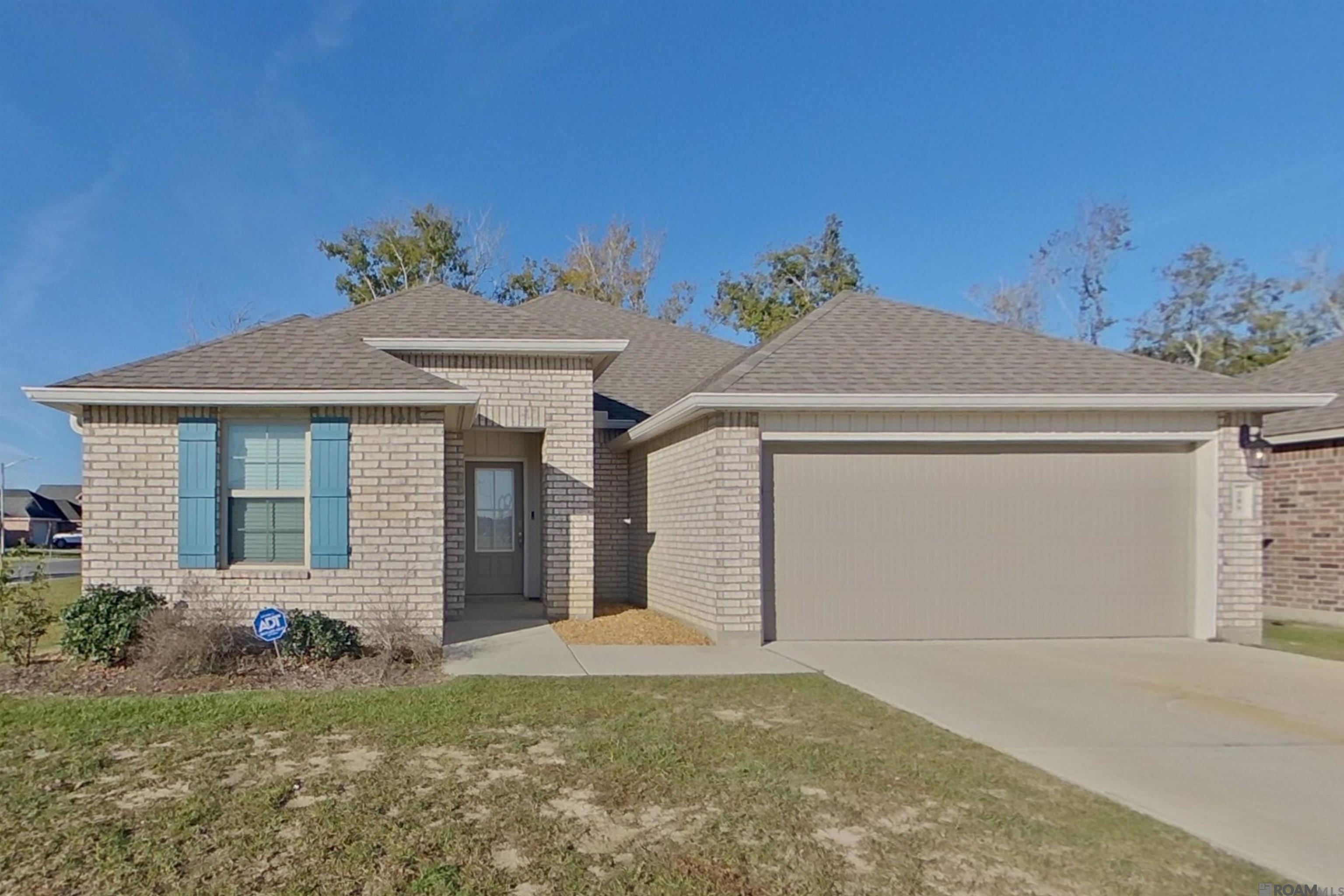
A for-rent-by-owner house is one where the person collecting your deposit and signing your lease is the owner, not a property manager or leasing agent. Nothing about Louisiana law treats that lease differently: the same deposit statute, the same notice rules, and the same disclosure requirements apply whether your landlord owns one house or manages three hundred units.
Where to Find Owner-Direct Listings Beyond the Major Search Sites
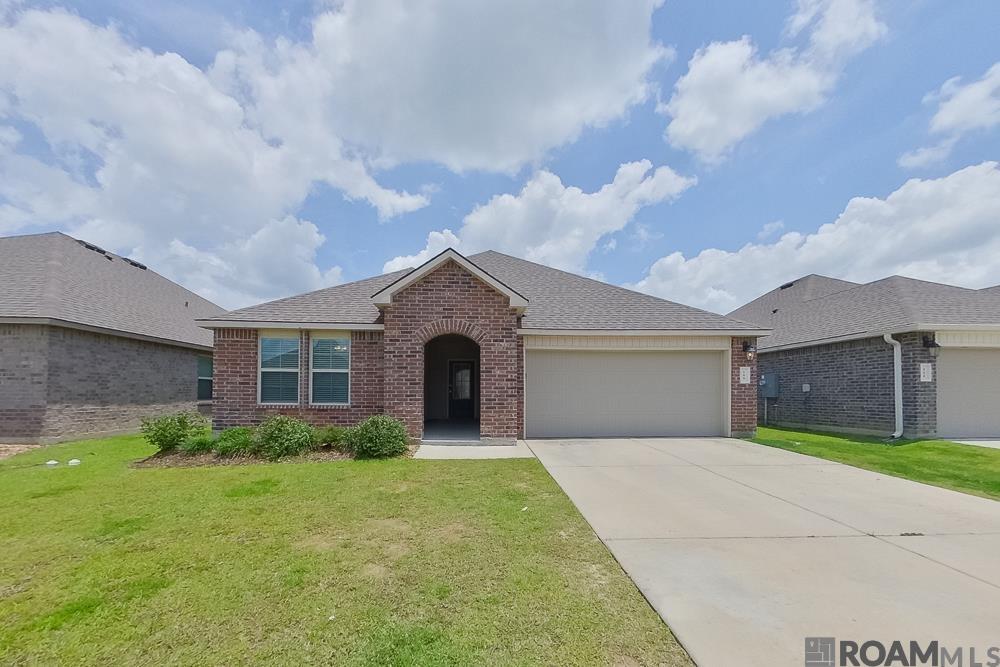
Zillow, HotPads, Apartments.com, and Homes.com surface most of the active owner-listed inventory, but not all of it. Worth adding to a search:
- Craigslist’s housing section: still used by owners who don’t want to manage a listing-site account, though it carries the least verification of any channel.
- Local Facebook groups and Marketplace: often where an owner posts to their own network first, before a listing site.
- Nextdoor: neighborhood-specific, useful for houses an owner would rather rent to someone already local.
- The Lafayette Parish Assessor’s public records: not a listing source, but useful for identifying absentee owners of vacant-looking houses in a target neighborhood, then contacting them directly.
How to Verify a Listing and an Owner Before You Pay Anything
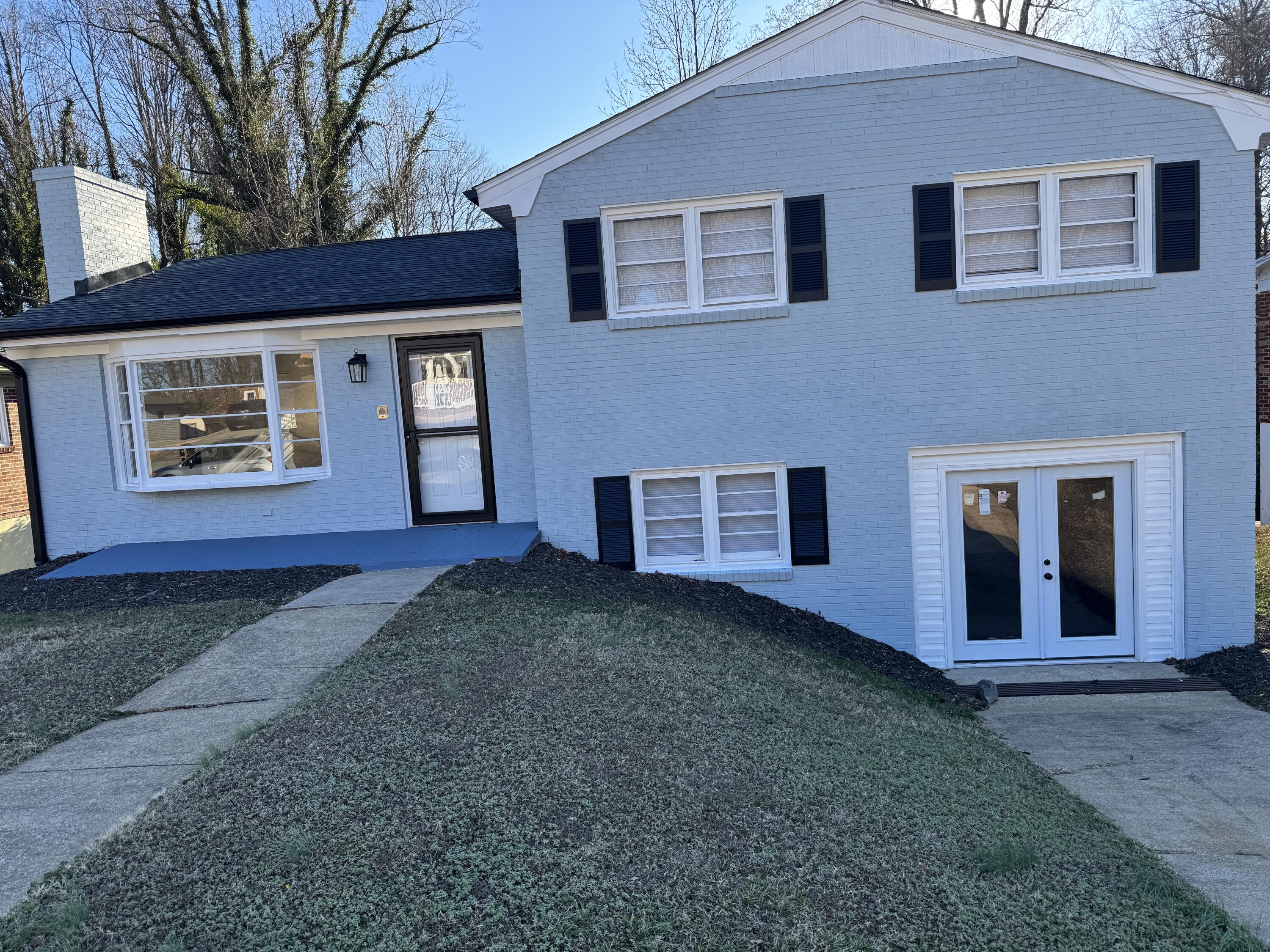
FRBO removes the layer that would normally screen out a fraudulent listing before it reaches you. That makes verification the highest-value thing this page can offer, and the one thing none of the major listing sites will tell you how to do, since flagging their own scam risk undercuts trust in their own inventory.
| Check | How to verify it | Why it matters |
|---|---|---|
| Ownership | Search the address in the Lafayette Parish Assessor’s public records and compare the listed owner’s name to whoever you’re corresponding with | A name mismatch is the single clearest scam signal; a legitimate owner or their authorized agent can explain a mismatch, a scammer can’t |
| In-person or verified video access | Insist on seeing the interior before sending any money, either in person or on a live video call where you can direct the camera | Photo-only listings are the easiest to fake or copy from another site |
| Lease terms in writing | Get the full lease before any deposit changes hands, not a “hold” fee based on a verbal promise | Verbal terms are unenforceable and give a dishonest owner room to change the deal later |
| Deposit amount and deductions policy | Confirm in writing what’s being collected and under what conditions it can be withheld | Louisiana sets no cap on deposit size, so the only protection is a lease that states the terms clearly |
| Flood zone designation | Look up the address on FEMA’s Flood Map Service Center before signing | Flood history rarely comes up unprompted in a private-owner conversation |
An owner who resists any one of these checks is telling you something. Move on rather than negotiate around a refusal.
What Louisiana Law Requires of Your Landlord
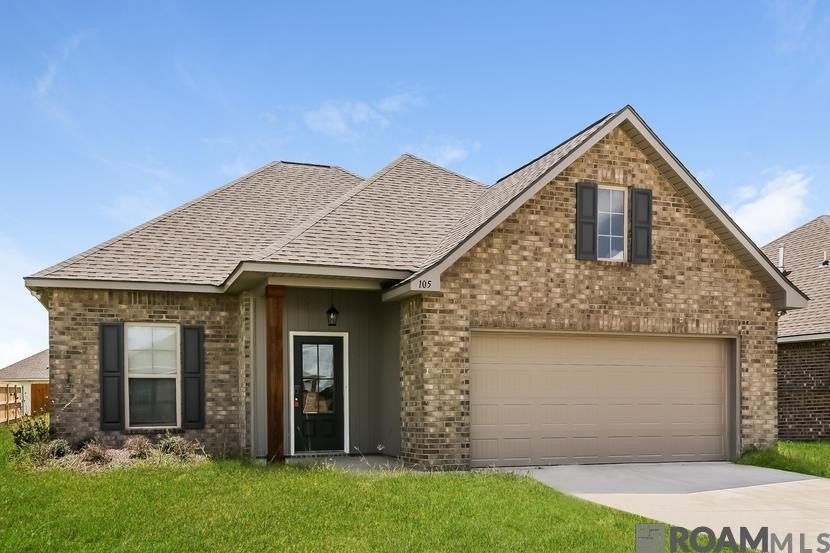
A private owner’s deposit obligations under Louisiana law are the same as a management company’s; the difference is how likely each is to actually follow them.
Security deposits
Louisiana’s Lessee’s Deposit Act requires a landlord to return your deposit, or the remaining balance after lawful deductions, within one month of your lease ending and your move-out (La. R.S. § 9:3251). Deductions are only lawful for unpaid rent or for damage beyond normal wear, and any deduction must come with an itemized written statement. If a landlord willfully misses that deadline, you’re entitled to recover the wrongfully withheld amount plus $300 or double the amount withheld, whichever is greater, under La. R.S. § 9:3252. To preserve that penalty, put your move-out notice and your forwarding address in writing, and keep a copy.
Notice requirements cut the other way: giving the wrong amount of notice can cost you the deposit regardless of what the landlord does. A month-to-month tenancy generally requires 10 days’ written notice; a one-year lease generally requires 30 days (per Louisiana Law Help‘s guidance), though your specific lease can require more.
If the house was built before 1978, federal law separately requires your landlord to disclose any known lead-based paint hazards and give you the EPA’s pamphlet before you sign, regardless of state (EPA, Lead-Based Paint Disclosure Rule). A private owner of an older Lafayette house is exactly the landlord type most likely to skip this without realizing it’s mandatory.
How long does a Louisiana landlord have to return my security deposit? One month from the end of your lease and your move-out, per La. R.S. § 9:3251. Miss that window and the landlord can be on the hook for the withheld amount plus a $300 or double-the-amount penalty if the failure was willful.
What’s Negotiable With a Private Owner, and What’s Fixed

| Factor | Owner-direct | Managed company |
|---|---|---|
| Application process | Often informal; some owners skip formal credit or background checks entirely | Standardized screening through a portal, usually with a fixed fee |
| Deposit return | Same 30-day legal deadline, less consistent follow-through | Same 30-day legal deadline, usually handled by dedicated staff |
| Maintenance contact | Direct to the owner, faster for small issues, no backup if they’re unreachable | Routed through a portal or office, slower for small issues, always someone available |
| Negotiation room | Move-in date, minor pre-move-in repairs, sometimes pet policy or lease length | Rent and terms are usually fixed to a corporate template |
| Recourse if things go wrong | Small claims court is generally your only option | A corporate office and, often, a compliance department exist above the property manager |
The negotiation-room row is where private ownership pays off in practice: ask directly for a specific move-in date, a specific repair completed before you move in, or a specific pet accommodation. General requests for “flexibility” get you nowhere; a named date or a named repair gets an answer. What doesn’t move: the deposit-return law, the notice-period math, and, if the house predates 1978, the lead-paint disclosure. Those are set by statute, not by how personable the owner is.
Is there a discount for renting by owner instead of through an agency? Not as a rule. What you get instead is negotiation room on specific terms, not a lower base rent.
Local Risk Factors to Check Before You Sign
Lafayette Parish’s most recent FEMA flood map took effect December 21, 2018 (Lafayette Consolidated Government), and checking a house against it is a five-minute step almost no renter takes before signing. It’s also not the whole picture: Lafayette’s flooding comes from two separate sources, slow riverine flooding along the coulees that feed the Vermilion River, and fast pluvial flooding from rainfall that overwhelms drainage before it ever reaches a channel. The second kind doesn’t appear on FEMA’s maps at all (The Current).
In December 2023, a storm on the weak side of a 5-year event flooded parts of Downtown Lafayette even though the area sits outside any FEMA-designated zone. Ask a prospective owner directly whether the house has ever flooded, and separately check the FEMA zone yourself; neither answer alone tells you everything.
Hurricane season runs June 1 through November 30 (NOAA), so a lease signed in that window is a lease signed during active storm risk. Renters insurance is worth budgeting for regardless of what a private owner does or doesn’t require: Louisiana runs among the five most expensive states in the country for it, at roughly $22 a month for a standard policy (NerdWallet). Standard renters insurance doesn’t cover flood damage, which requires a separate policy, and that gap matters more here than in most U.S. markets.
How do I check if a Lafayette rental has flooded before? Look up the address on FEMA’s Flood Map Service Center for its official zone, then ask the owner directly, since flash flooding in low-lying areas like Downtown doesn’t always show up on the federal map.
Common Mistakes Renters Make With Owner-Direct Leases
The verification steps above exist because renters skip them under time pressure. The most common failures:
- Paying before viewing. A deposit sent on the promise of an in-person or verified video walkthrough “later” is a deposit you may never see again.
- Treating verbal terms as binding. If it isn’t in the lease, it isn’t enforceable, no matter how reasonable the owner sounded.
- Assuming a private owner faces looser legal obligations. The statute doesn’t distinguish between a one-house landlord and a two-hundred-unit company.
- Skipping the flood check because the FEMA zone looks clean. A clean FEMA zone rules out one kind of flood risk in Lafayette. It says nothing about the other.
Comments