
Why the county-wide price figure is misleading
Three portals, three different numbers, three different measurement types. Zillow’s Home Value Index is a modeled estimate of typical home value, not a sale price; the county figure sits at $329,783 and was essentially flat over the past year. Redfin’s figure is a true median sale price calculated from closed MLS transactions, and it came in at $375,000 for December 2025, up 19% from the year before, with homes taking a median of 68 days to sell. A third portal states a Butler-city-level listed price as a county-wide affordability answer, which is a scope error rather than a market signal.
None of the three break the county into submarkets. Cranberry Township alone sold at a $449,990 median over the trailing twelve months, already well above the countywide sale-price figure, while the city of Butler carries a $233,338 value index, near a third lower. A single county number averages a $500,000-plus suburb with a sub-$250,000 city core and calls the result “Butler County.”
Why do median home price figures for Butler County disagree between sites? Because they measure different things. A value index estimates typical worth across all homes, including ones that never sold; a median sale price reflects only what actually closed in a given month. Add different reporting dates and different geographic scope, county versus city versus township, and three “median price” numbers for the same place can differ by well over $100,000 without any of them being inaccurate.
Butler County’s real submarkets: a township-by-township breakdown
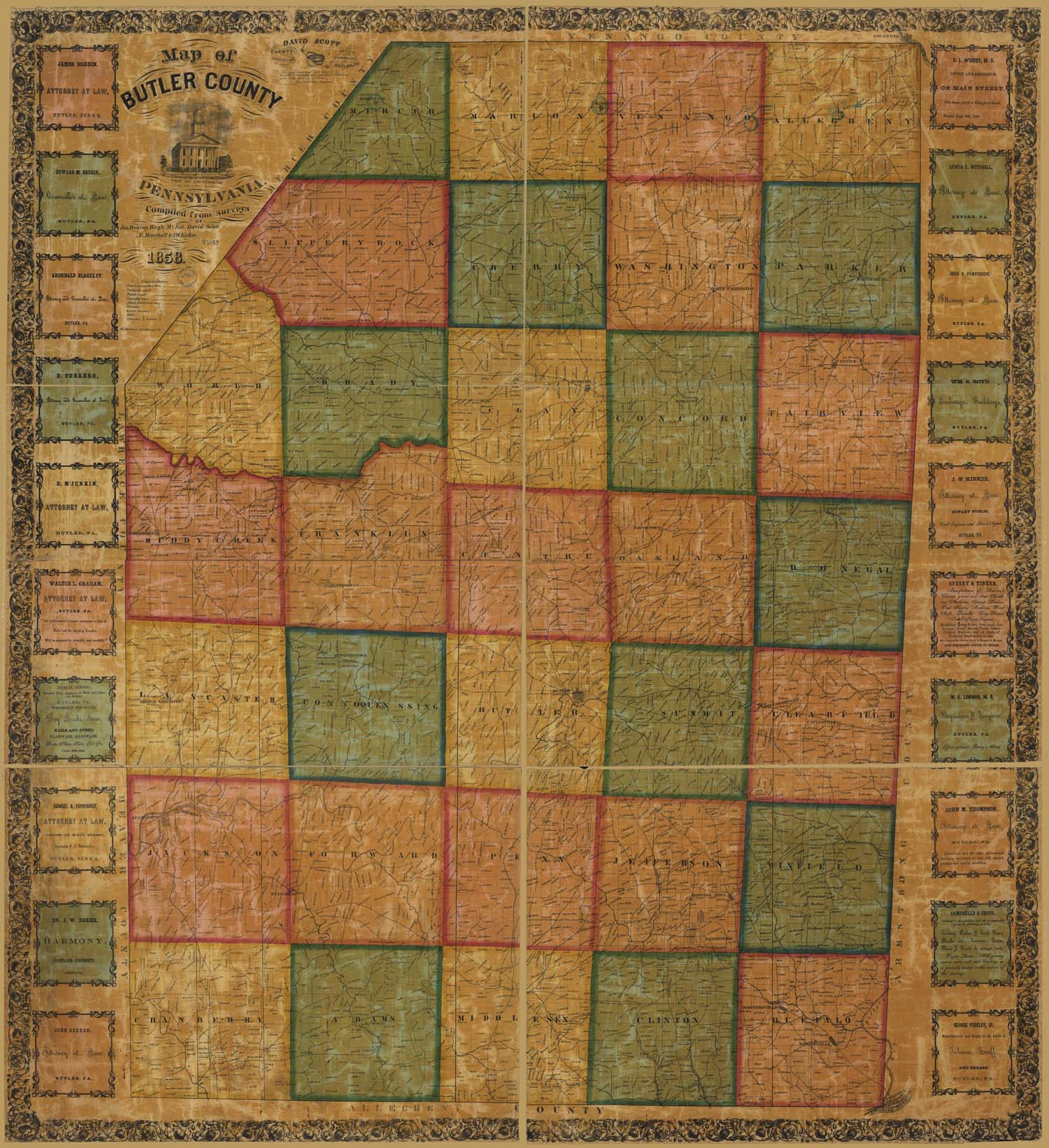
Cranberry Township & Seven Fields
The county’s largest municipality and its main job center, with more than 20,500 jobs and 1,000 businesses inside the township itself, according to a local commuter guide citing township figures. Housing is mostly subdivision-built colonials and townhomes from the 1990s onward, plus active new construction. Just outside Cranberry, Leslie Farms in Evans City is a current D.R. Horton single-family community with homes starting in the upper $300s, a useful anchor for what “new” costs nearby.
Zelienople, Harmony & Evans City
A walkable historic borough core surrounded by newer townhome and ranch communities. Median sale price came in at $317,310 in May 2026, up 7.2% year over year, a real, dated figure rather than an index.
Saxonburg & rural southeast county
Small-town character with a listed median of $229,000 as of June 2026, at the affordable end of the county.
Butler city & surrounding townships
The county seat, with a Zillow value index of $233,338, up 3.5% year over year. This is the lowest-cost core of the county for buyers prioritizing price over commute.
Karns City, Chicora & Slippery Rock area
No portal in this search published a dated, town-level median for these smaller markets separately from the county figure. That absence is worth knowing before assuming a countywide number applies here: work directly with a local MLS search or agent rather than a portal’s township page for these areas.
| Area | Recent price signal (source, date) | Home character | Commute to Pittsburgh |
|---|---|---|---|
| Cranberry Township | $449,990 median sale, trailing 12 mo., +4% (Homes.com); $519K new-construction listed median, May 2026 (Movoto) | 1990s-to-present subdivisions, active new construction | ~20 miles, 22 to 30 min |
| Zelienople / Harmony / Evans City | $317,310 median sale, May 2026, +7.2% YoY (Redfin) | Historic borough core plus new townhome/ranch communities | District cited at ~30 min north of Pittsburgh (SVSD) |
| Saxonburg | $229,000 listed median, June 2026 (Movoto) | Small-town, lower-density | Not independently sourced in this pass |
| Butler city | $233,338 value index, +3.5% YoY (Zillow) | County-seat core, older housing stock | ~33 miles, ~48 min non-stop |
| Karns City / Chicora / Slippery Rock area | No town-level figure found separate from the county number | Rural, small-town | Not independently sourced in this pass |
A buyer comparing Cranberry to Saxonburg on the countywide $375,000 figure would misjudge both: one runs $100,000-plus above it, the other roughly $150,000 below.
Commute reality: how far is it, in practice
Cranberry Township sits about 20 miles from Downtown Pittsburgh, with a light-traffic drive of roughly 22 to 30 minutes along I-79 and I-279. Butler city is about 33 miles out, closer to 48 minutes non-stop by way of Route 8, with no direct interstate the whole way. The Seneca Valley School District, covering Cranberry, Zelienople, Evans City, Harmony and Seven Fields, describes itself as roughly 30 minutes north of Pittsburgh, consistent with the Cranberry figure. Saxonburg and the Karns City/Chicora/Slippery Rock area don’t have an independently sourced minute figure in this pass; expect a longer, more rural drive given their position in the county.
Is Butler County a good commute to Pittsburgh? It depends on where in the county you land: Cranberry Township is a 20-to-25-minute suburban commute, while Butler city and points north run closer to 45 minutes with fewer interstate miles. “Butler County” is a commute range, and the range is the useful part.
Schools: which district serves which town
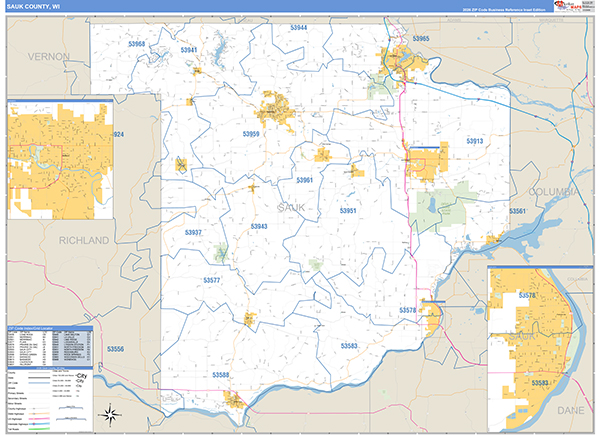
| District | Associated towns/townships |
|---|---|
| Seneca Valley | Cranberry, Forward, Jackson & Lancaster townships; Callery, Evans City, Harmony, Seven Fields & Zelienople boroughs |
| Mars Area | Mars borough and Adams Township |
| Butler Area | Butler city and surrounding townships |
| Karns City Area | Karns City and the Chicora area |
| Slippery Rock Area | Slippery Rock and northern Butler County |
District lines don’t always track municipal lines. Confirm a specific parcel’s assigned district through the county’s own school-district listing or the district itself before treating a mailing address as settled.
What’s different about buying in rural Butler County
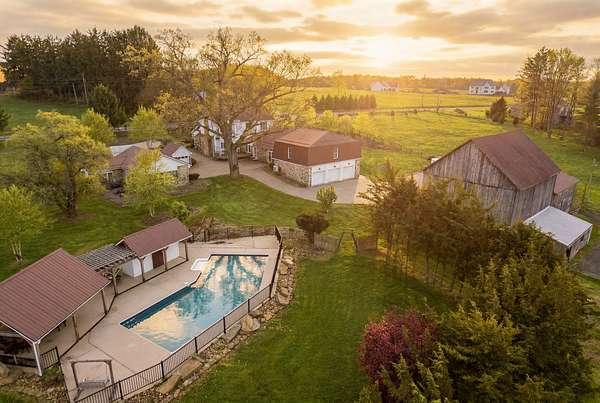
A meaningful share of listings outside the county’s suburban core rely on private wells and on-lot septic systems rather than public sewer, and Butler County’s own conservation district identifies conventional septic as the most common type here. Routine pumping runs $250 to $300 every three to five years. Full system failure is the real cost-of-error question: Penn State Extension puts replacement at $10,000 to $60,000 or more, depending on system type and site conditions, and buyers typically have no grounds to seek a price adjustment once a hidden failure surfaces after closing. A PSMA/NOF pre-purchase inspection, distinct from a standard home inspection, catches this before closing; even where no local ordinance requires one, FHA and VA lenders effectively do.
Do I need to worry about well water or septic in Butler County? If the property is outside a municipal sewer district, yes. Ask when the tank was last pumped, request service records, and get a PSMA-standard inspection before your contingency period closes. A failed system found after closing is the buyer’s cost.
Reading a Butler County listing: what the shorthand means
Listing cards on every portal use a handful of terms a first-time or out-of-area buyer often hasn’t seen before.
| Label | What it means | What to do |
|---|---|---|
| Days on market | Time since the listing went active; county average recently ran 60 to 68 days | Longer than 60 days can signal room to negotiate |
| Price cut | Seller lowered the ask since listing | Check the cut size against the new days-on-market count |
| Pending | Under contract, not yet closed | Don’t count it as available; watch for it falling back to active |
| New construction / quick move-in | Builder-owned inventory, sometimes with a set closing date | Ask directly about septic/well status outside a sewer district |
What does “days on market” or a price-cut flag actually tell me? Days on market shows how long the current listing has been active, not how long the seller has owned the home; a price cut shows the seller has already adjusted once. Neither guarantees further room to negotiate, but both are worth raising with your agent before you write an offer.
What it costs to own, not just to buy
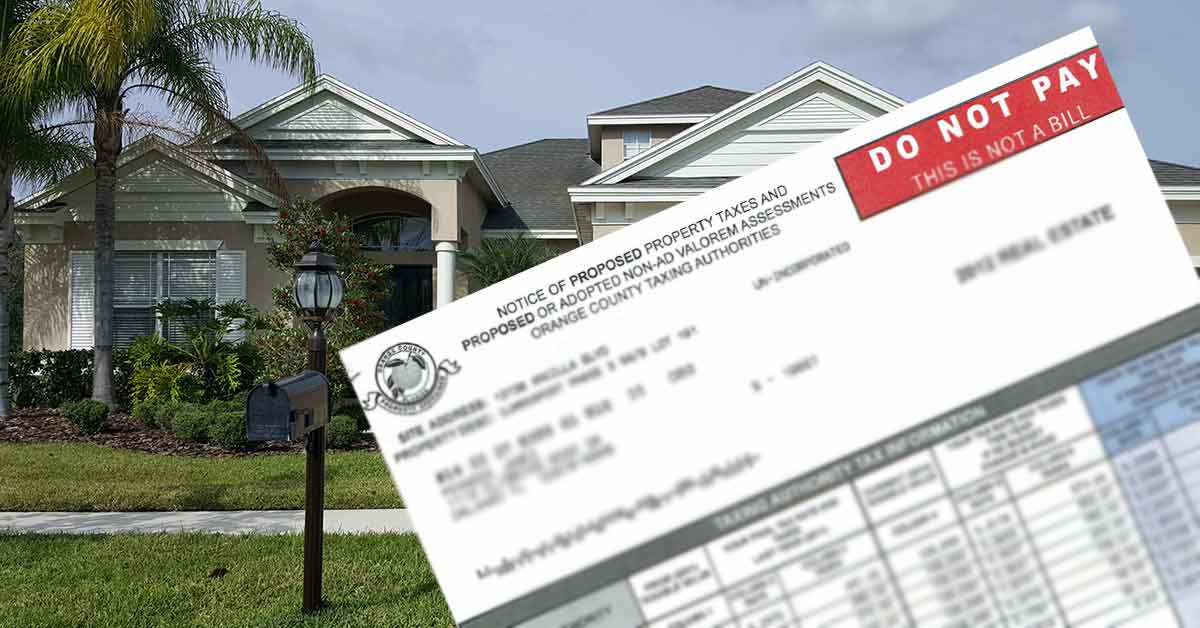
Butler County’s own tax office lists the base county real estate levy at 21.7750 mills, plus 2.9160 mills for debt service and 2.9350 mills for the county community college, for a total county-level rate of 27.626 mills. That county number is only one layer: municipal and school millage stack on top of it and move independently every year. For 2026, Cranberry Township raised its municipal rate from 13.25 to 15.75 mills to fund a new recreational investment account, while Harrisville cut its rate from 16 to 13.5 mills after correcting an earlier unauthorized increase. Five municipalities, including Zelienople, Saxonburg and Jackson Township, added a separate 0.5-mill levy solely to fund emergency medical services. Ten of the county’s 57 municipalities raised taxes for 2026; two lowered them.
| Layer | Rate / change |
|---|---|
| Butler County base (all parcels) | 21.7750 mills |
| County debt service | 2.9160 mills |
| Butler County Community College | 2.9350 mills |
| Cranberry Township municipal, 2026 | Raised from 13.25 to 15.75 mills |
| Harrisville municipal, 2026 | Cut from 16 to 13.5 mills |
A property’s actual bill adds a separate school-district levy on top of every row above, usually the largest single piece; confirm it with the specific district before closing.
Are property taxes higher in Butler County or Allegheny County? This search didn’t turn up a directly comparable, current Allegheny County millage figure to set against Butler’s, so that comparison is an open research item rather than a guess. Check both counties’ assessment offices directly if this is a deciding factor.
Which submarket fits which buyer
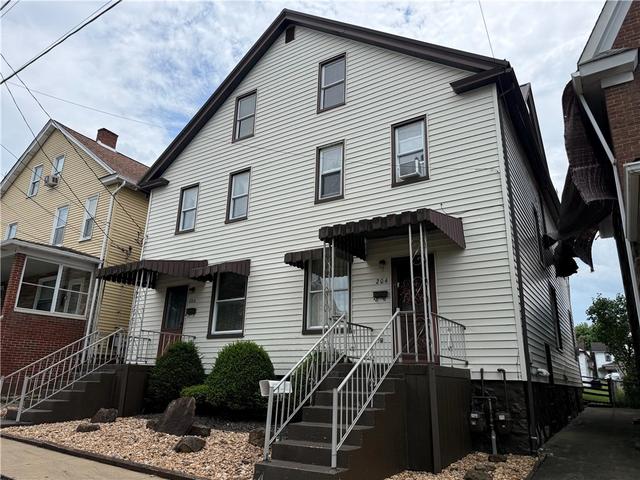
A Pittsburgh commuter prioritizing drive time points toward Cranberry Township or the Seneca Valley towns, accepting the higher entry price that comes with both. A buyer chasing the lowest entry cost, willing to trade commute minutes for it, points toward Butler city or Saxonburg. A buyer open to acreage and comfortable managing a well and septic system gains real price flexibility outside the suburban core, provided the PSMA inspection step above isn’t skipped. The three mistakes that undo this planning: buying rural acreage without budgeting for a septic contingency, assuming the countywide median applies to a specific target town, and assuming a mailing address guarantees a school district without checking the parcel directly.
This page is an orientation layer, not a live listings feed. Re-verify current inventory and rates against an active MLS search or the relevant county office before making an offer.
Comments