
Why Floral City’s population and income numbers don’t agree
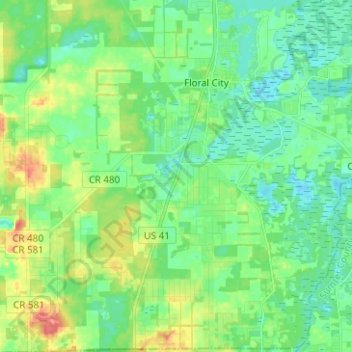
Three sites report three different pictures of this town, and none of them explain why. The Census Bureau’s American Community Survey puts Floral City CDP’s population at roughly 5,437 to 5,525 depending on vintage, with a median household income of $62,025, a figure corroborated by independent Census-sourced tracking. A portal guide’s narrative section cites a lower population with a different household-income figure, and an agent lead-gen page cites a population above 8,000 with a much lower individual-income number. The likely explanation: the Census Designated Place is a specific, mapped boundary drawn around the historic town center, while the 34436 ZIP code extends well beyond it into surrounding unincorporated Citrus County. A ZIP-code data pull and a CDP data pull are answering two different questions that happen to share a place name.
| Metric | Portal-guide figure | Agent-site figure | Census ACS (CDP) figure | Likely reason for the gap |
|---|---|---|---|---|
| Population | ~6,237 | ~8,170 | 5,437 to 5,525 | ZIP 34436 extends beyond the CDP boundary |
| Median household income | ~$53,896 | ~$30,507 (stated as individual) | $62,025 | Mismatched metrics: household income and individual income aren’t the same measurement |
| Median home value | ~$230,000 to $279,900 (internally inconsistent) | Not reported | ~$232,000 | Narrative copy, live feed, and a static estimate pulled on different dates |
Treat any single “Floral City population is X” claim as incomplete until you know whether it’s ZIP-level or CDP-level, and check the ACS figure directly at the Census Bureau’s QuickFacts page if it matters to your decision.
Why do population numbers for Floral City vary so much? Because “Floral City” refers to two different boundaries: a Census-designated place of about 5,400 to 5,500 people, and a much larger ZIP code area that some sites report instead without saying so.
What’s actually for sale: site-built, manufactured, and leased-lot homes
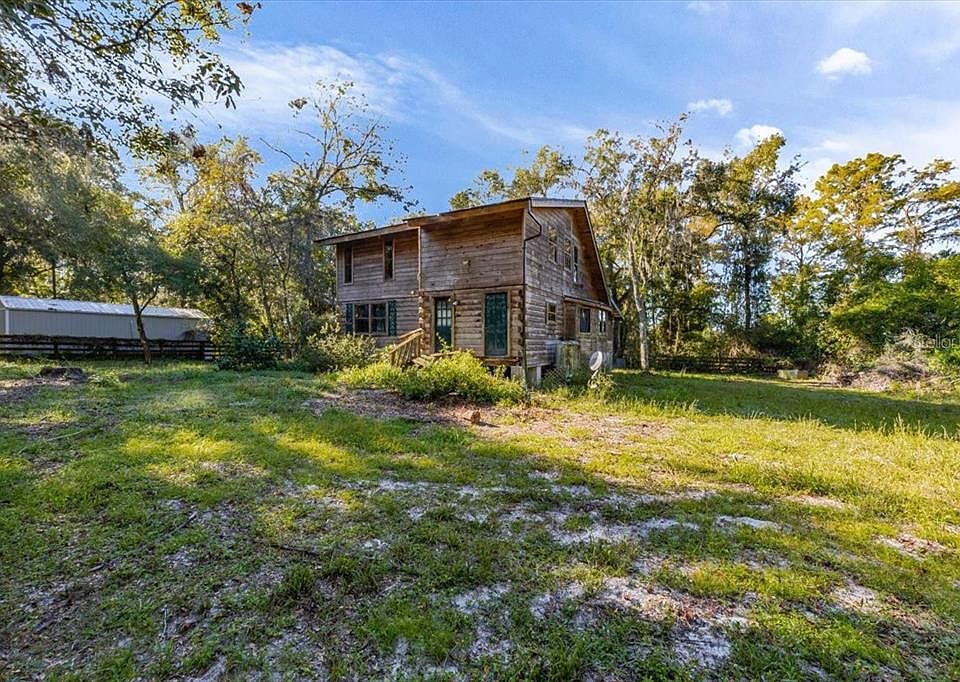
A meaningful share of Floral City’s housing stock isn’t a conventional site-built purchase, and the financing math changes completely depending on which type you’re looking at.
| Home type | Typical financing | Lot situation | Approximate price range |
|---|---|---|---|
| Site-built, owned land | Conventional 30-year mortgage | Owned | $230,000 to $300,000+ |
| Manufactured home, owned land, permanent foundation | Conventional, FHA, VA, or USDA mortgage once titled as real property | Owned | $150,000 to $250,000 |
| Manufactured/mobile home, leased lot (e.g., Moonrise MH & RV Resort) | Chattel (personal-property) loan | Leased | $20,000 to $50,000 for the home, plus ongoing lot rent |
| 55+ community resale (e.g., Tarawood) | Conventional mortgage, land owned within the community | Owned, subject to HOA | $175,000 to $290,000, plus $175 to $180/month HOA |
A leased-lot home and a site-built home can sit three streets apart with prices that differ by an order of magnitude, and the gap isn’t about square footage. It’s about what you’re financing.
| Feature | Chattel loan | Conventional mortgage |
|---|---|---|
| Typical term | 15 to 23 years | 30 years |
| Typical rate range | 7% to 12.99% | 6% to 7.5% |
| Down payment | Often 5% to 20% | Varies by program, often lower with FHA/VA |
| Interest tax-deductible | Generally no | Generally yes |
The Consumer Financial Protection Bureau has found that roughly 68% of manufactured-home purchase loans qualify as higher-priced mortgage loans, a category that mostly captures chattel financing. If you’re comparing a $25,000 Moonrise listing against a $280,000 site-built home purely on sticker price, you aren’t comparing like with like: one is real property with 30-year conventional terms, the other is personal property financed more like a vehicle.
Can I get a conventional mortgage on a manufactured home? Only if it’s permanently affixed to owned land and titled as real property; on leased land it’s financed as personal property through a chattel loan instead.
Buying here: the checks a lifestyle guide skips
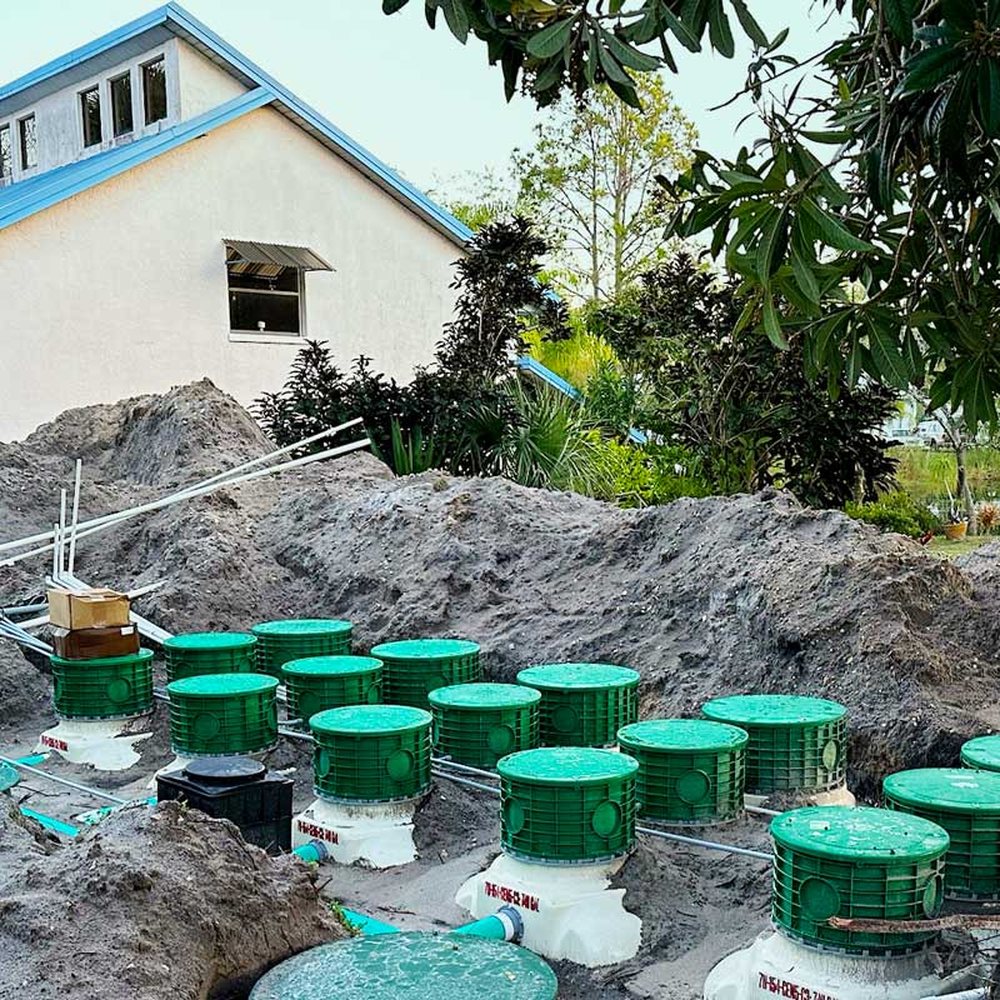
Two things get glossed over everywhere else: private well/septic systems, and what “flood risk” actually means for a specific parcel.
Well and septic status matters because Floral City sits in unincorporated Citrus County, where many parcels rely on private wells and septic systems rather than municipal utilities. Before making an offer, confirm septic tank age and last pump-out date, well water test results, and whether the lender requires a septic inspection as a loan condition; these add real time and cost that a municipal-utility purchase doesn’t carry.
On flood risk: FEMA designates Special Flood Hazard Areas as Zone A, AE, or V, and the only way to know which zone, if any, applies to a specific parcel is an address-level lookup through FEMA’s Flood Map Service Center. If a lender requires flood insurance, that zone is what’s driving it, and an owner who believes a parcel was misclassified can request a Letter of Map Amendment.
Is Floral City flood-prone? Parts of it, particularly parcels near Lake Tsala Apopka, may fall in a FEMA Special Flood Hazard Area, but this varies by parcel and requires an address-specific FEMA Flood Map Service Center lookup rather than a blanket answer for the whole zip code.
The 55-plus option: Tarawood’s real numbers
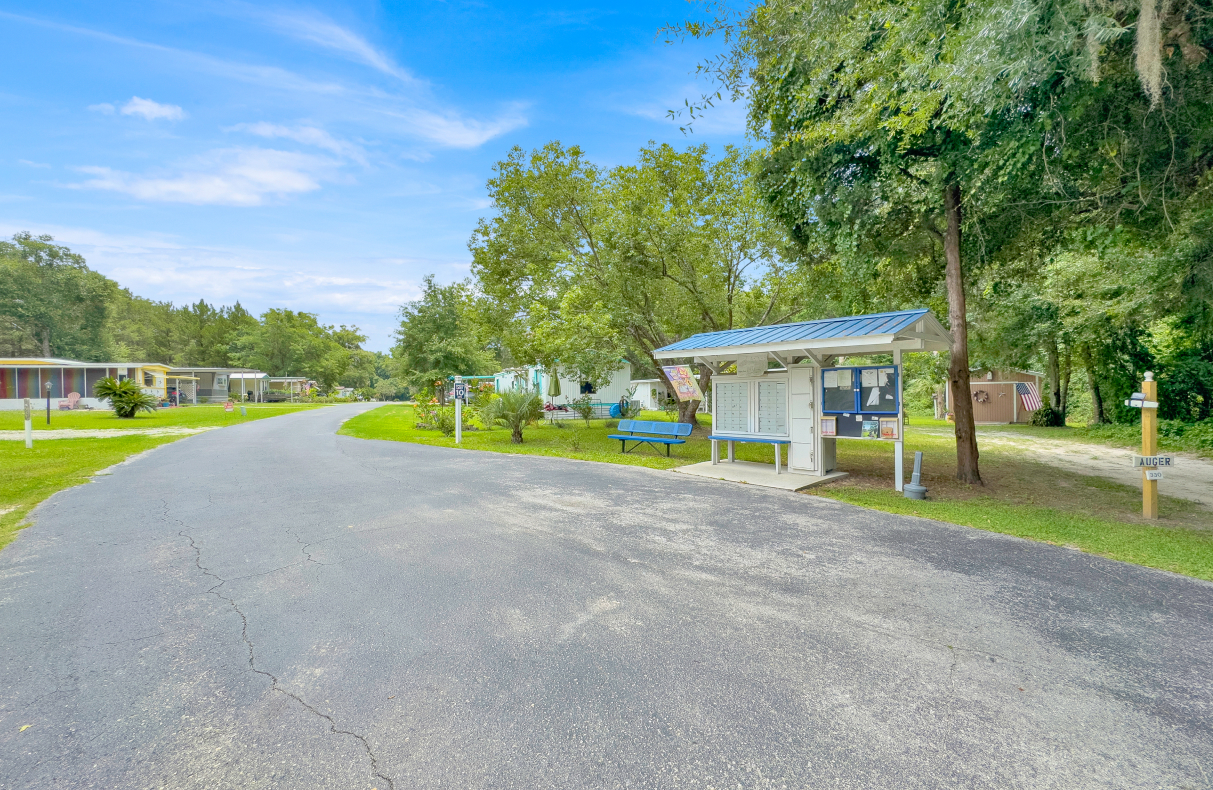
- Fee and scope: Tarawood’s HOA runs $175 to $180 a month and includes cable, water and sewer, trash removal, and clubhouse access, according to both local coverage of the community and current resale listings.
- Scale: the community was platted for as many as 150 to 175 homes but has roughly 60 to 80 built out, which matters if you’re weighing how finished versus how under-construction the neighborhood still is.
- Age verification: as a 55+ community, Tarawood requires age verification for primary residents, a layer that doesn’t apply to a general residential purchase a few streets away.
- Amenities included in the fee: clubhouse, pool, spa, and shuffleboard, plus a security gate, none billed separately.
Selling or listing here right now
Two different snapshots of Floral City’s market speed disagree with each other. One portal guide reports homes averaging 74 days on market against a 57-day national figure. A more recent marketplace snapshot reports Floral City homes typically selling in 62 days. Sellers should treat both as directional rather than precise, and ask a local agent for a listing pulled in the last two weeks rather than relying on either published figure.
Renting it out: what to check before you buy for short-term rental
Florida Statute 509.032(7)(b) prevents most cities and counties from banning short-term rentals or restricting how long or how often a property is rented, with one exception: local ordinances already in place before June 1, 2011 are grandfathered and stay enforceable. Whether Citrus County has such a pre-2011 ordinance on the books is a fact to verify directly with the county before purchasing for investment purposes; it isn’t reliably documented in any of the guides covering this zip code. What is documented statewide: a DBPR vacation-rental license is required for any property rented more than three times a year for stays under 30 days, and operating without one can draw fines up to $1,000 per day. HOA and condo association bylaws sit entirely outside this state preemption. A Tarawood or Moonrise HOA can restrict or ban short-term rentals regardless of what county or state law allows, which makes the HOA declaration a more decisive document than the county code for anyone buying inside one of those communities specifically for rental income.
Can I rent my Floral City home short-term? Statewide law generally prevents counties from banning short-term rentals unless a local ordinance predates June 2011, but a property’s own HOA can restrict or prohibit short-term rentals regardless of county rules, so check the HOA declaration before assuming a rental strategy will work.
Getting around: the trail, the highway, and the drive to services
The Withlacoochee State Trail runs 47 miles through Citrus, Hernando, and Pasco counties, and Floral City has its own trailhead with a rest facility roughly four miles south of the Inverness stop. For anyone weighing a bike-commute or car-free lifestyle angle, that’s a real, ridable distance rather than a marketing phrase.
Ferris Groves, the citrus stand on US-41, has been run by the same family’s business since L.G. “Doc” Ferris began planting on Duval Island in 1930, with a packing house added in 1941 and the current roadside store built in 1952; the grove once covered 350 acres before the catastrophic 1983 and 1985 freezes, and it farms about 24 acres of citrus today alongside its strawberry operation.
Commuters heading toward Ocala or Tampa are looking at a drive along US-41, with no direct highway bypass around the town center.
Comments