
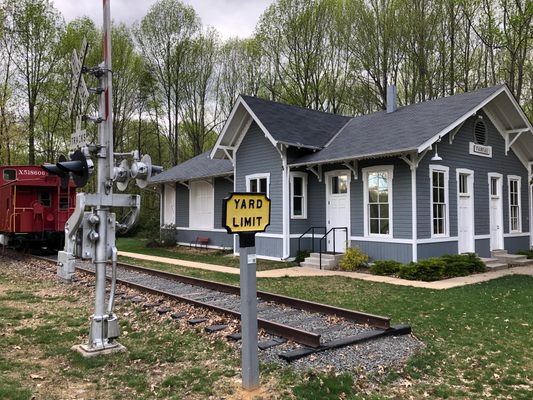
Where Fairfax Station Is, and Why the Boundary Confuses Sites

Fairfax Station is an unincorporated community in Fairfax County, Virginia, primarily within ZIP 22039, though listings and county boundaries spill into neighboring ZIPs depending on which side of a subdivision a parcel sits. There is no incorporated town government and no Metro station inside the community; the nearest rail access is the VRE stations at Burke Centre or Lorton. The community is loosely split by Fairfax County Parkway and Route 123: land west of 123 runs larger-lot and more rural, with a private well and septic system common, while denser subdivisions east of the parkway sit closer to public utilities. That distinction, not the ZIP code, is usually what a buyer needs to know before touring.
Who This Market Fits
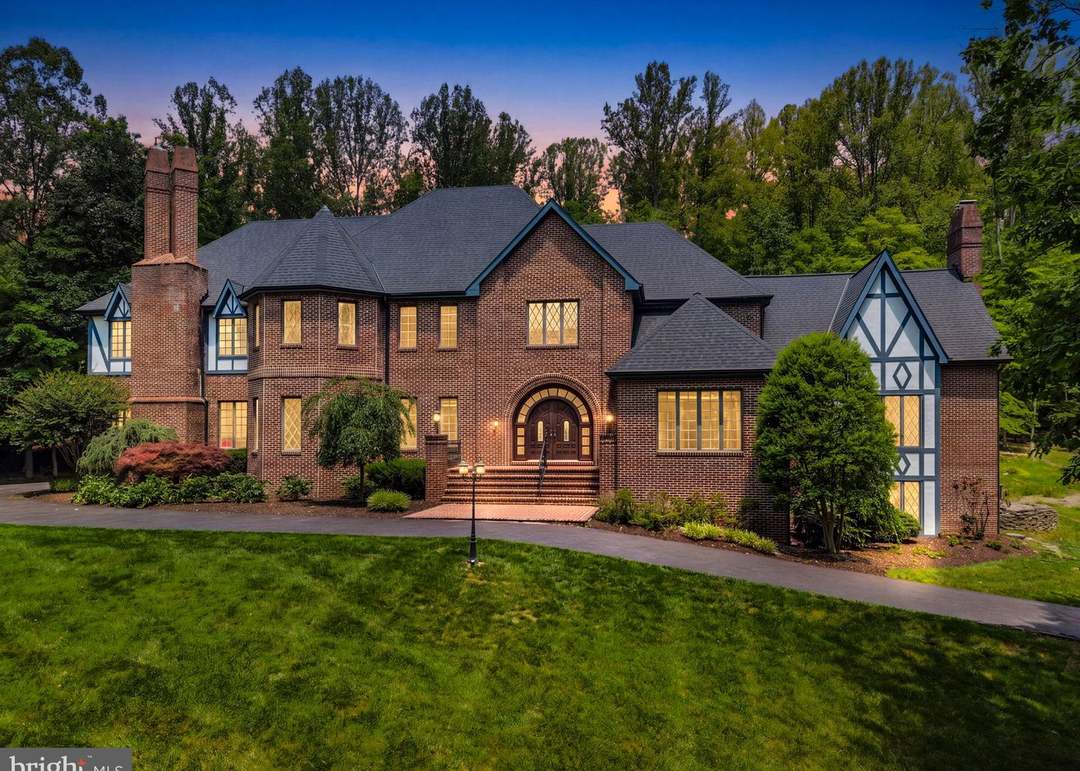
This is a large-lot, car-dependent, single-family-house market at prices generally above $900,000. It fits move-up buyers who want acreage and top-rated schools within commuting range of the District, and military families using a Fort Belvoir or Pentagon assignment. It does not fit buyers under a roughly $700,000 ceiling, anyone who wants to walk to a train platform, or renters: the for-rent inventory here is thin, a point that matters more in the investment section below.
Schools: The Boundary Question Isn’t Settled Right Now
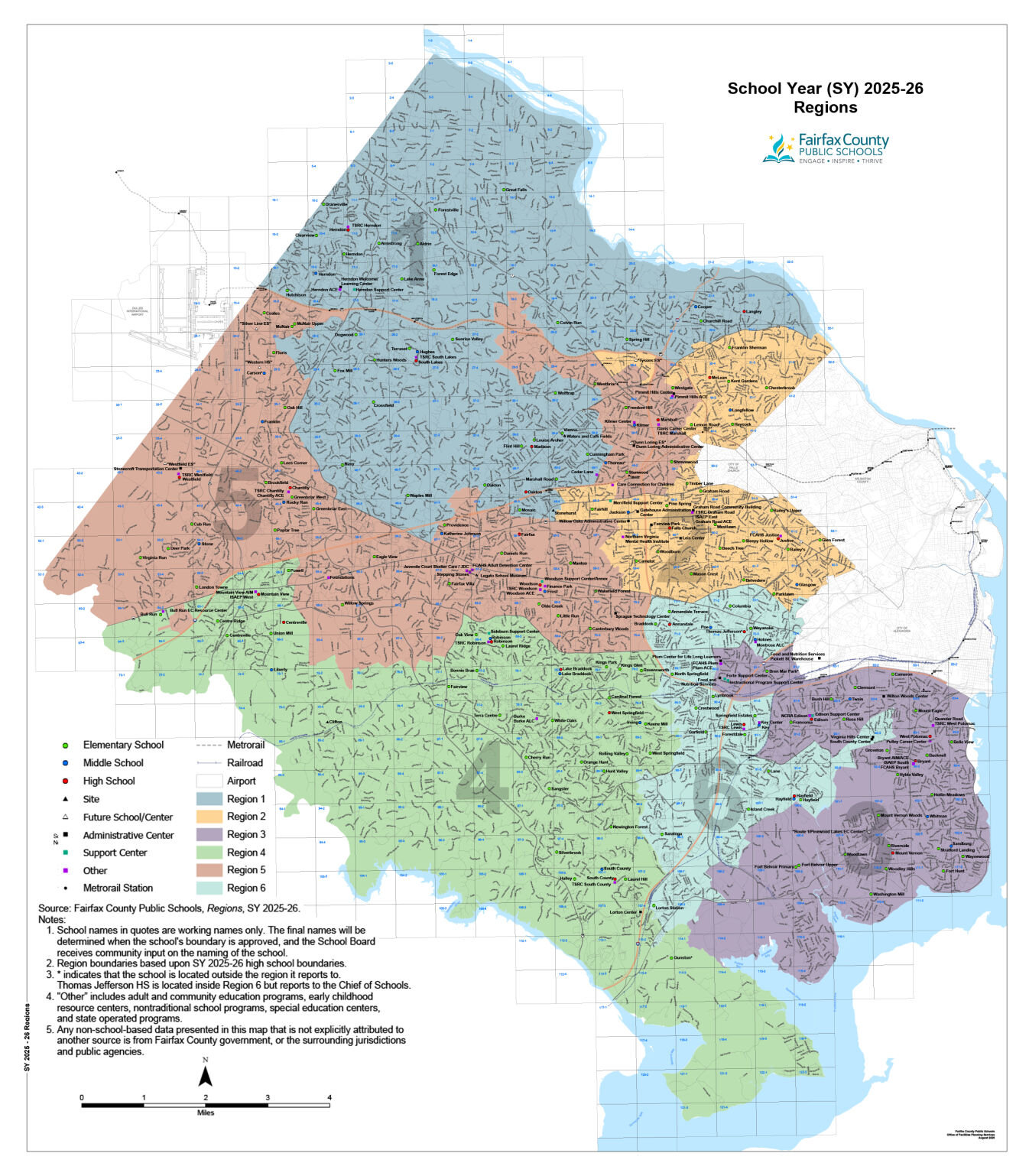
Fairfax Station households feed into Fairfax County Public Schools, most commonly the Robinson Secondary and Lake Braddock Secondary pyramids for older students. FCPS runs a Boundary Locator that returns the exact elementary, middle, and high school for any street address for the current school year, and it is the only reliable way to confirm a specific house’s assignment. Subdivision reputation is not a substitute right now, because FCPS is mid-way through its first comprehensive boundary review in nearly four decades. The School Board approved a first round of changes at its January 22 meeting, with affected families notified ahead of the 2026-27 school year, and further scenario work continuing into 2027 for some pyramids. An address’s school assignment this spring is not guaranteed to hold for next fall; running it through the locator is current due diligence, not a formality.
Does the FCPS boundary review affect my specific Fairfax Station address? Only the Boundary Locator can answer that for a single address; check it directly instead of relying on a subdivision’s general reputation, since some streets have already been reassigned for 2026-27 and more scenarios remain under review for later years.
Commute: What the Single-Number Claims Leave Out
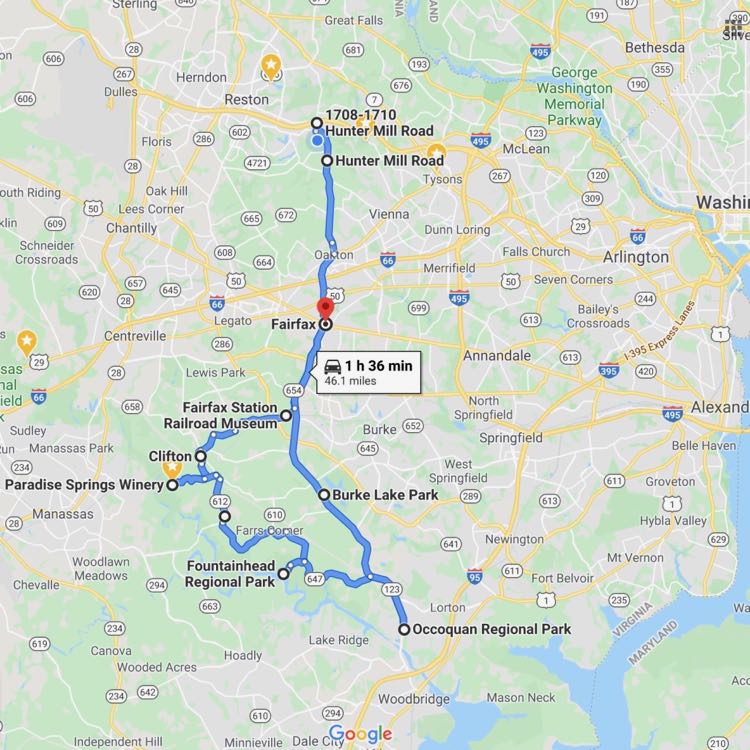
There is no commuter rail station inside Fairfax Station itself; the closest options are the VRE stations at Burke Centre and Lorton, plus bus and slug-line pickups near Franconia-Springfield. A single “X minutes to DC” claim collapses two very different trips into one number: a departure before 6:30 a.m. and one after 9 a.m. can differ by 20 to 30 minutes on I-95 and the Fairfax County Parkway corridor. Buyers weighing a Fort Belvoir assignment against a downtown-DC job should ask for both windows, by destination, not an averaged figure.
| Destination | Peak-hour drive | Off-peak drive | Typical mode |
|---|---|---|---|
| Fort Belvoir | 20 to 30 min | 15 to 20 min | Direct drive |
| Pentagon | 45 to 60 min | 30 to 35 min | Drive or VRE from Burke Centre/Lorton |
| Washington, DC (downtown) | 55 to 70 min | 35 to 45 min | Drive or VRE plus Metro transfer |
| Tysons Corner | 35 to 50 min | 25 to 30 min | Drive via Fairfax County Parkway |
The peak-versus-off-peak spread on the DC and Pentagon rows is the single biggest planning variable most single-number commute claims skip entirely.
The Current Market, Reconciled
Two figures for the same year describe the same submarket differently, and the gap is worth naming instead of repeating one of them as settled. Redfin’s January 2026 report, built from closed MLS sales, puts the median sold price at $1.1 million and median days on market at 56, down from 70 a year earlier, even as price rose 22.9% year over year. Movoto’s May 2026 snapshot, built from active listings, shows a $1.25 million median asking price and a 12-day median time on market. Both can be accurate at once: one measures what sellers are asking in a thin month (roughly 8 to 9 closed sales monthly, per Redfin’s own count), the other measures what buyers already paid months earlier. In a market this small, a handful of high-end closings can swing the median by six figures; a quoted “median Fairfax Station price” should always come with a month and a data type attached.
| Metric | Figure | Basis | Source |
|---|---|---|---|
| Median sold price | $1.1M (Jan 2026) | Closed MLS sales | Redfin |
| Median list price | $1.25M (May 2026) | Active listings | Movoto |
| Days on market | 56, down from 70 YoY | Closed sales | Redfin |
| Days on market | 12 | Active listings | Movoto |
| FY2026 real estate tax rate | $1.1225/$100 assessed value | County budget | Fairfax County |
A buyer pricing a specific house should ask for trailing-90-day closed comps on the exact street, not a submarket-wide median from either source above.
Why do different sites quote such different median home prices for “Fairfax Station”? Because “median price” means closed sales in one report and active asking prices in another, and both can move sharply month to month in a submarket that closes only a handful of sales at a time. Ask which measurement you’re looking at before comparing it to any specific listing.
Neighborhoods Compared
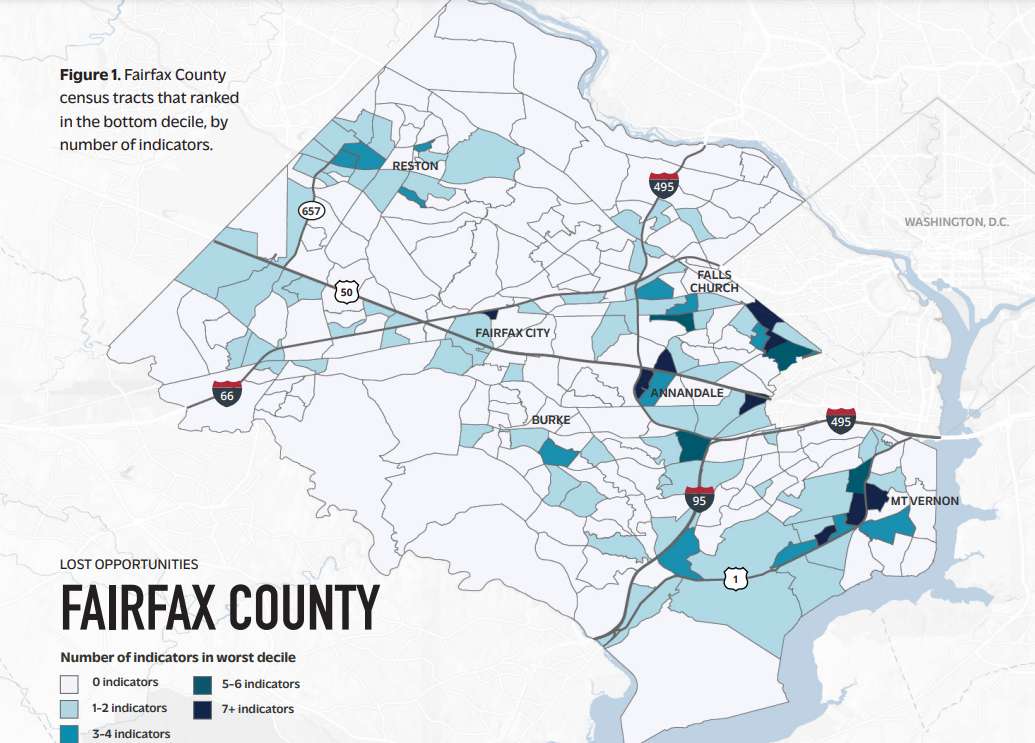
Public HOA financial data for Fairfax Station’s named subdivisions is thin outside Crosspointe, which publishes its own assessment schedule. The table states only what’s independently verifiable; confirm anything else directly with the subdivision’s HOA before an offer.
| Subdivision | Price positioning | HOA dues | Amenities | Best for |
|---|---|---|---|---|
| Crosspointe | Mid-to-upper submarket, single-family colonials on 0.25 to 0.5 acre lots | $300/quarter, single-family, excludes pipestem-lot assessments | Two pools, tennis courts, multiple tot lots, Heron Pond, trail network | Buyers who want amenities and an active HOA |
| West-of-123 rural parcels | Generally the largest lots in the community | No HOA in most cases | Acreage, privacy, typically private well and septic | Buyers prioritizing land, comfortable managing well/septic upkeep |
| East-of-123 subdivisions (general) | Denser, closer to public utilities where available | Varies by subdivision; not independently confirmed here | Varies; several report their own pools or trails | Buyers who will confirm a specific HOA’s numbers directly |
Crosspointe’s figures are the clearest reference point for what an HOA costs here: $300 per quarter, due January 1, April 1, July 1, and October 1, funding two pools, tennis courts, and a trail system under Hawthorne/FirstService management, useful as a benchmark even for a buyer looking elsewhere in the community.
Which Fairfax Station subdivisions have the lowest HOA dues? Properties west of Route 123 most often carry no HOA at all, trading amenities for acreage and self-managed well and septic systems. Among HOA subdivisions, Crosspointe’s $300/quarter is a documented reference point; dues for other named communities weren’t independently verifiable in public records and should be confirmed directly with each HOA before an offer.
Before You Buy: The Costs Nobody Puts in the Headline
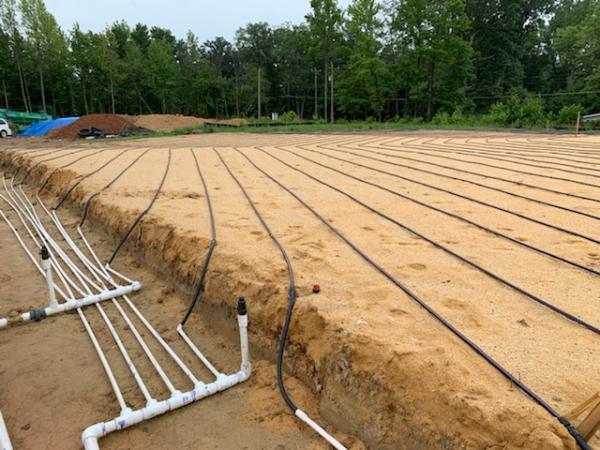
Large, older Fairfax Station lots, especially west of Route 123, commonly run on private well and septic rather than county water and sewer. Fairfax County Code Chapter 68.1 requires septic tanks to be pumped at least once every five years, and the county’s Health Department maintains permit and inspection records through its PLUS system. Pull a property’s septic and well permit history before waiving an inspection contingency: a failed or undersized system is a five-figure repair, not a negotiating footnote. A house with no visible county water connection and no pump-out receipt on file deserves a slower pace, whatever the listing photos show.
How do I confirm whether a specific Fairfax Station address is on public sewer or private septic, and when it was last serviced? Pull the property’s file through Fairfax County’s Planning and Land Use System (PLUS) or contact the county Health Department’s Onsite Sewage and Water Program directly, and ask the seller for pump-out receipts and any well permits instead of relying on the listing description.
Buying With a VA Loan (Including Assumption)

Fairfax Station’s price point and its concentration of Fort Belvoir– and Pentagon-adjacent buyers make VA financing a routine part of transactions here, including a mechanism many buyers never think to ask about: loan assumption. A qualified buyer, veteran or not, can take over an existing VA loan’s rate, balance, and remaining term instead of originating new financing, provided the servicer approves the buyer’s credit and income and, for loans originated after March 1, 1988, signs off on the transfer. The assumption funding fee runs about 0.5% of the remaining balance, well below a new VA origination fee, and processing typically takes 45 to 120 days through the existing servicer. The real risk sits with the seller: without a veteran buyer substituting their own entitlement, the seller’s VA entitlement stays tied to that loan until it’s paid off, and a formal Release of Liability is the seller’s only real protection against future default exposure. Where a seller’s existing rate sits meaningfully below current market rates, assumption is worth asking about on any Fairfax Station listing carrying a VA loan; a seller should still understand the entitlement tradeoff before agreeing to one.
Can a non-veteran buyer assume an existing VA loan on a Fairfax Station resale? Yes, provided the servicer approves the buyer’s credit and income. The seller should insist on a formal Release of Liability, and understand that without a veteran buyer substituting their own entitlement, the seller’s entitlement remains encumbered by that property until the loan is paid off.
Investment Potential
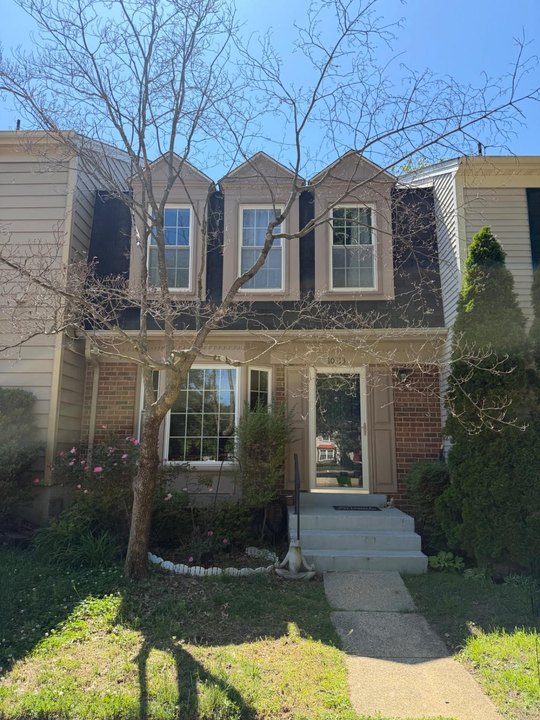
Most Fairfax Station guides skip rental economics, since they’re written for owner-occupant buyers. The math available is thin but instructive: Zumper’s rolling 30-day figure puts the average single-family rental in Fairfax Station at $3,675 per month as of June 2026, though Zumper itself flags limited active listing volume for the area, so this is one data point, not a settled figure. Set against the $1.1 million sourced median sold price, that implies a rough gross yield well under 4% before taxes, insurance, HOA dues, or vacancy, thin for a pure cash-flow buyer, and it puts most Fairfax Station purchases closer to an appreciation-and-schools play than a rental-yield play. An active HOA like Crosspointe’s can also restrict or require approval for rentals, a detail that comes from the specific association’s governing documents, never from a listing sheet.
| Home type | Price band | Estimated monthly rent | Rough gross yield |
|---|---|---|---|
| Single-family, sold-price median | ~$1.1M (Jan 2026) | ~$3,675 (Jun 2026) | ~4.0% |
| Single-family, active-listing median | ~$1.25M (May 2026) | ~$3,675 | ~3.5% |
Confirm rentability against the specific HOA’s rules before underwriting any purchase on these numbers.
Does Fairfax Station make sense as a rental-investment property at today’s price levels? On a pure gross-yield basis, the math runs thin, under 4% before expenses, so buyers looking primarily for cash flow will likely find better numbers elsewhere; the case here rests more on long-term appreciation and school-driven tenant demand than on monthly rental math.
Selling: What Actually Moves an Offer
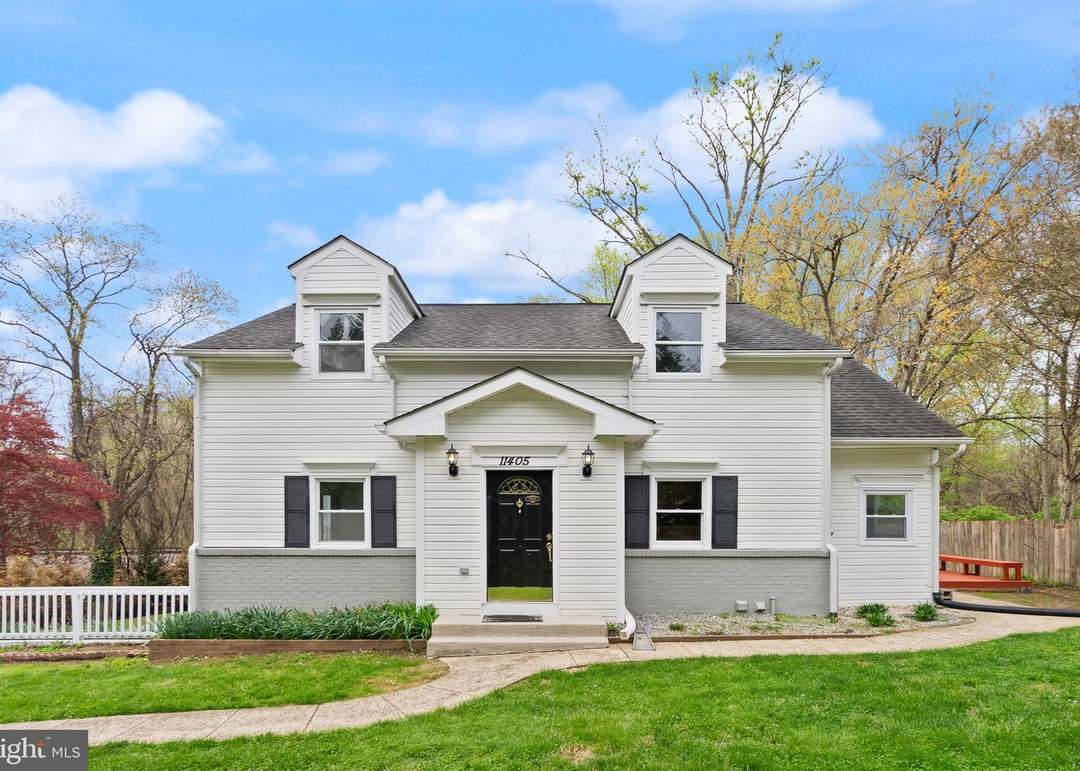
The wide gap between a 56-day sold-side median and a 12-day active-listing median points to two levers that separate winners from sitters: documented septic and well condition, and a defensible asking price tied to trailing closed comps rather than a submarket-wide median. A seller who hands a buyer’s agent a recent pump-out receipt and a current well test removes the most common financing-delay risk in this submarket. A listing priced off a stale or list-side median, instead of recent closed comps on the same street, is the most common reason a Fairfax Station house sits well past 56 days.
Local Life, Briefly
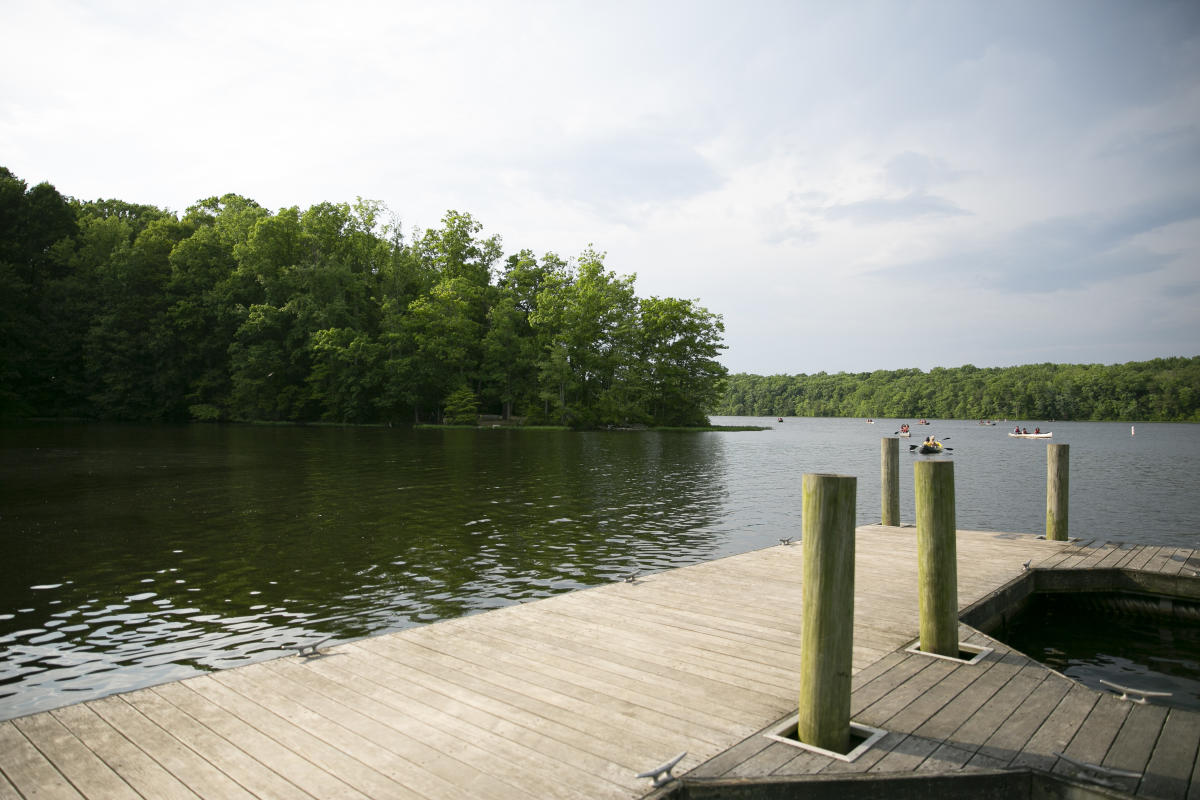
Burke Lake Park anchors the community’s outdoor life, with trails, fishing, and mini-golf a short drive from most subdivisions; the historic towns of Occoquan and Clifton sit a few miles out for dining and antiques.
Comments