
Where the street runs, and why the segment matters
“East 9th Street” is not one market. A studio near Avenue D, a rental near Third Avenue, and a co-op at the Fifth Avenue corner sit in three submarkets with different building stock, different landmark exposure, and different transit access. Treating the street name as a single unit, the way a listing page or a generic guide does, hides that distinction.
Is East 9th Street part of the East Village or NoHo? Neither, entirely. The blocks from Avenue D to roughly Third Avenue sit in the East Village. The stretch near Broadway touches the edge of NoHo. West of Broadway, the street is in Greenwich Village. All three labels apply, each to a different part of the same street.
Block by block
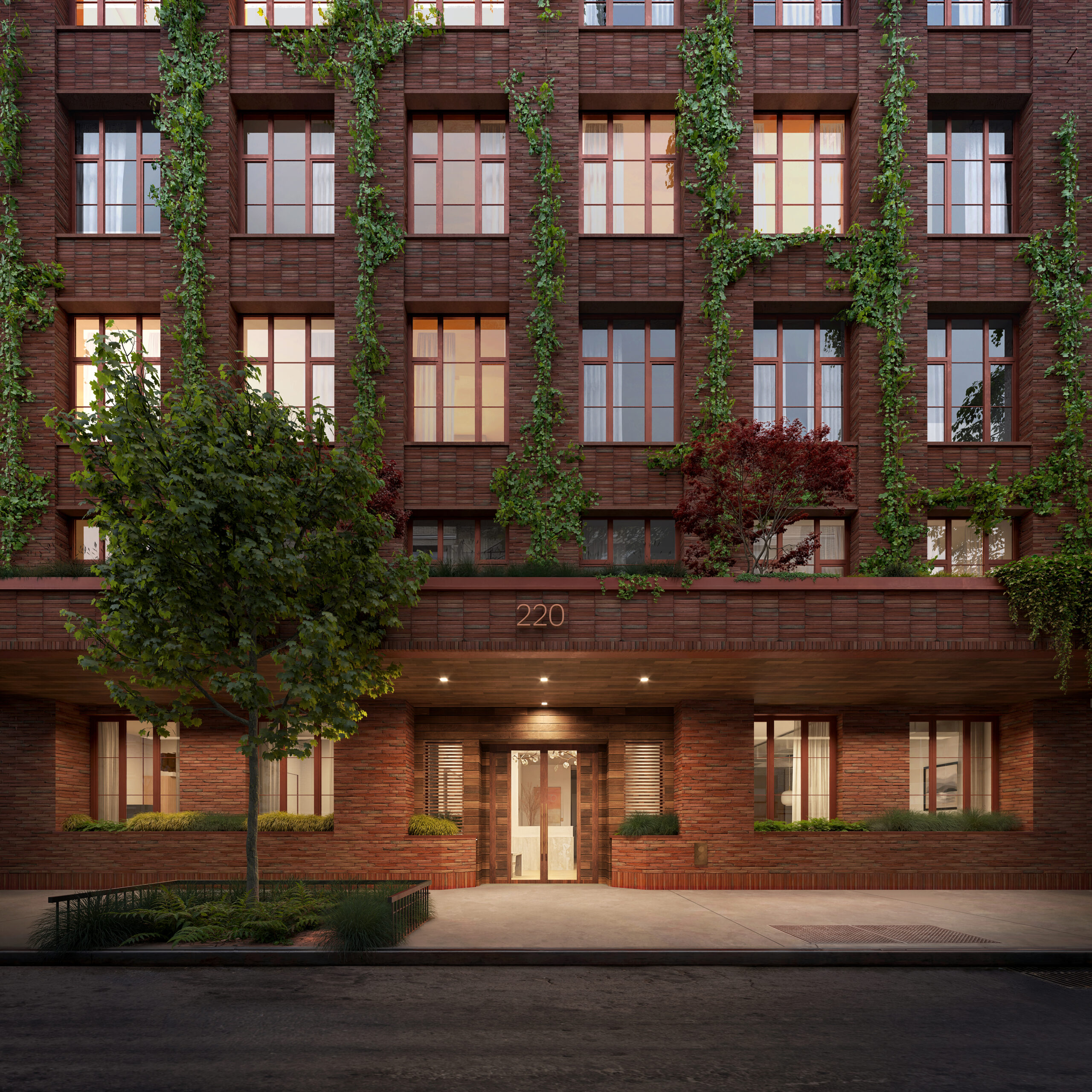
| Segment | Cross streets | Character | Historic district | Nearest transit reference |
|---|---|---|---|---|
| Alphabet City | Avenue D to Avenue A | Residential, low-rise, near Tompkins Square Park | None | No subway station on this stretch; bus lines run on nearby avenues |
| East Village core | Avenue A to Third Avenue | Mixed residential and retail, small independent businesses | None | Second Avenue (F), roughly six to eight blocks north |
| NoHo edge | Third Avenue to Broadway | Short stretch, commercial ground floors, loft-era buildings nearby | Touches NoHo Historic District, 1999, at the Broadway corner | Astor Place (6), Broadway-Lafayette (B/D/F/M), a few blocks west |
| Greenwich Village | Broadway to Fifth Avenue | Postwar co-op and condop towers, tree-lined, near Washington Square Park and Union Square | Greenwich Village Historic District, 1969 | Astor Place (6) and 8th Street (R/W), both a short walk |
The sharpest divide on the corridor is not east versus west of any single cross street. It is subway access: the Greenwich Village and NoHo-edge segments sit within a short walk of multiple lines, and Alphabet City does not.
Is East 9th Street quiet or noisy to live on? This varies by segment rather than by a single citywide verdict. The Broadway corner carries retail ground floors and subway-adjacent foot traffic. The Alphabet City end sits closer to Tompkins Square Park and away from any subway entrance.
Landmark status: what’s protected, and what isn’t
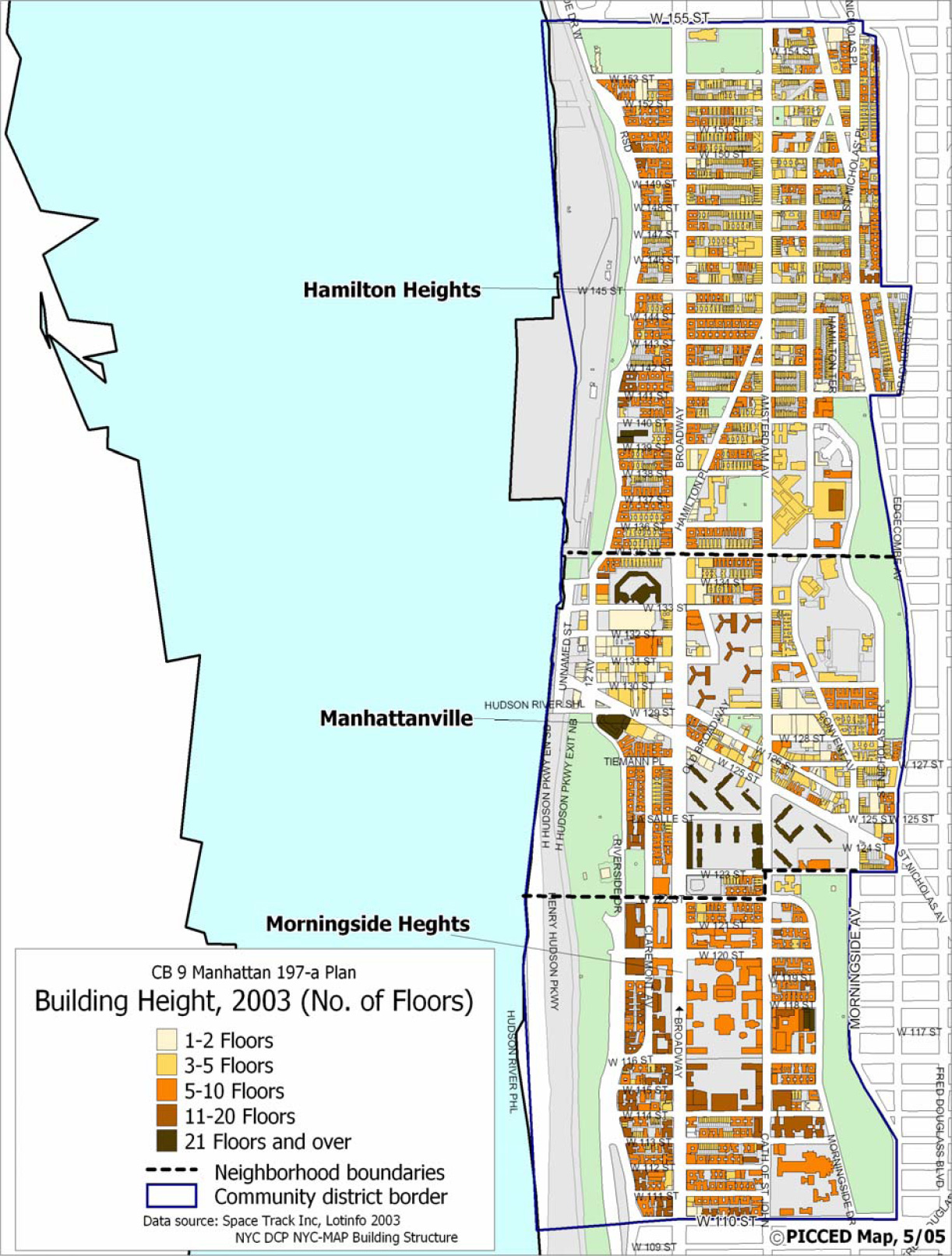
No source in this research found a single landmark designation covering the full length of East 9th Street. The street’s regulatory status changes twice along its run.
| Segment or side | Historic district | Designated | What it means for owners |
|---|---|---|---|
| Fifth Avenue to University Place | Greenwich Village Historic District | April 29, 1969 | Exterior alterations, window replacement, cornice or entryway work require a Certificate of Appropriateness from the Landmarks Preservation Commission before a permit issues |
| Broadway corner (fronting buildings) | NoHo Historic District | June 29, 1999 | Same LPC review requirement applies to exterior work on the fronting buildings |
| Avenue D to Third Avenue | None confirmed | – | No LPC exterior review; standard Department of Buildings permitting applies |
Greenwich Village Historic District (west end)
This is the older and far larger of the two districts touching the street, one of the city’s largest historic districts at the time of its designation. Both buildings named later in this guide sit inside it.
NoHo Historic District (Broadway corner)
NoHo’s northern boundary follows East 9th Street only near Broadway and Lafayette Street. It does not extend east toward Third Avenue or west toward Fifth Avenue.
One frequently assumed district does not apply here. The East Village/Lower East Side Historic District, designated in 2012, tops out at St. Mark’s Place and East 7th Street. It stops two full blocks south of East 9th Street and covers none of this corridor.
Do I need Landmarks Preservation Commission approval to renovate on East 9th Street? Only if the address falls inside the Greenwich Village or NoHo boundaries above. A cornice repair, window swap, or entryway change on a fronting facade in either district needs a Certificate of Appropriateness before Buildings Department permitting proceeds. The same work between Avenue D and Third Avenue does not trigger LPC review.
Notable buildings on East 9th Street
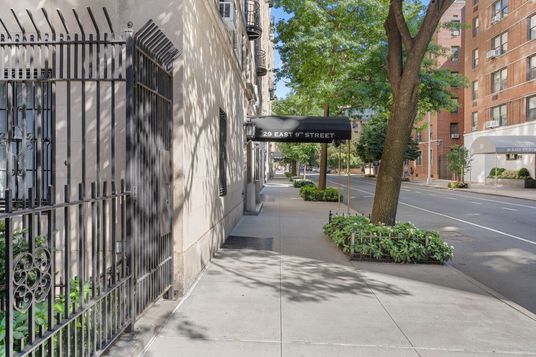
| Building | Address | Type | Year built | Units |
|---|---|---|---|---|
| Brevoort East | 20 East 9th Street | Co-op, 25 stories | 1964 per one source, 1965 per two others | Reported between 298 and 330 depending on the listing source |
| Randall House | 63 East 9th Street | Condop, 14 stories, corner at Broadway | 1955 | 229 residential units, per assessor data |
Both entries are checked against at least two independent listing or assessor sources. Where those sources disagree, as with Brevoort East’s year and unit count, the range is stated here rather than a single invented figure.
Getting around
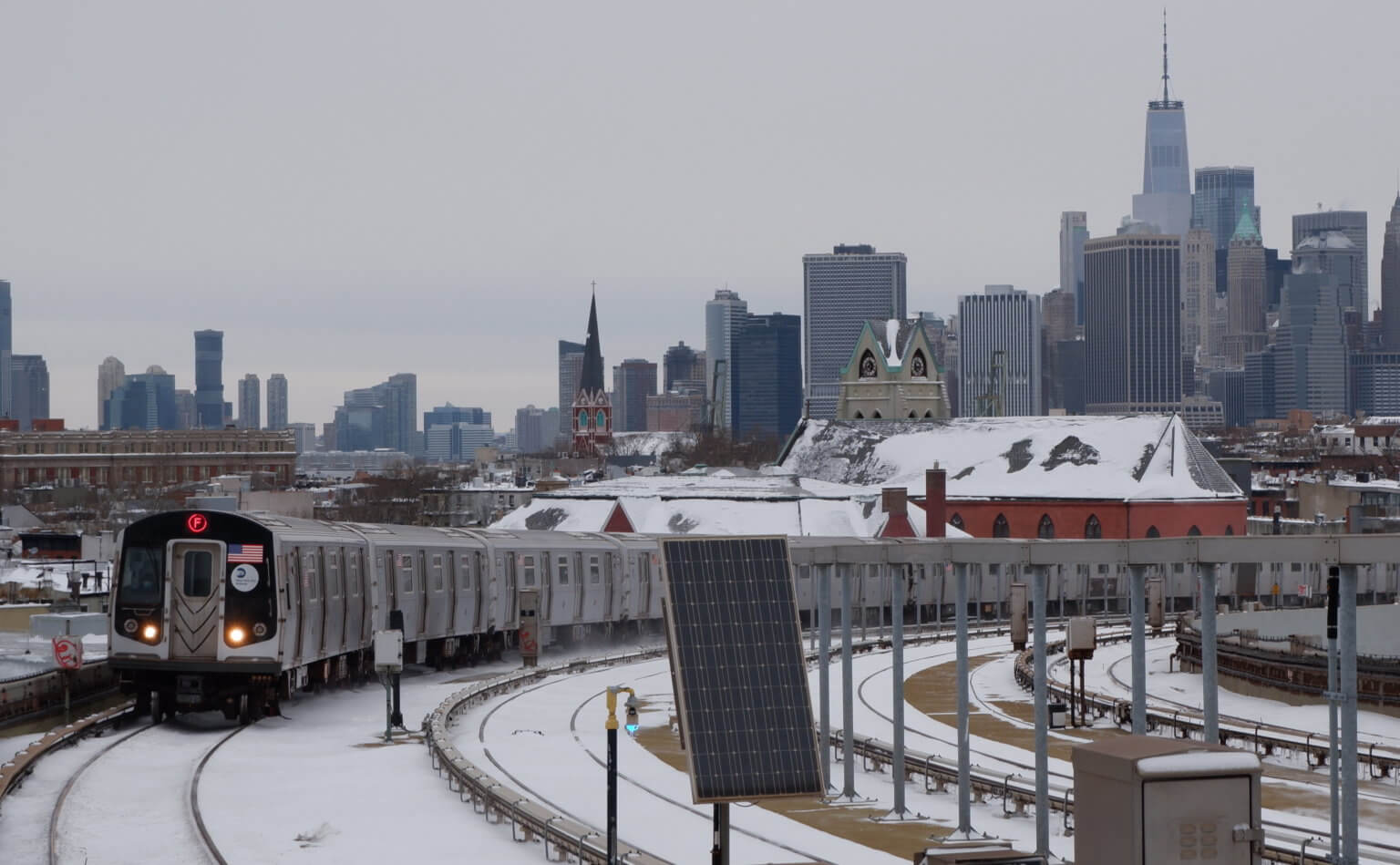
Transit access is verified only for the west end of the street. Randall House sits within a short walk of the 6 train at Astor Place and the R/W at 8th Street, with N/R/W/6 and PATH access cited a few blocks further. No comparably sourced transit data exists for the Alphabet City end in this research pass.
A short history: from dry goods to co-ops
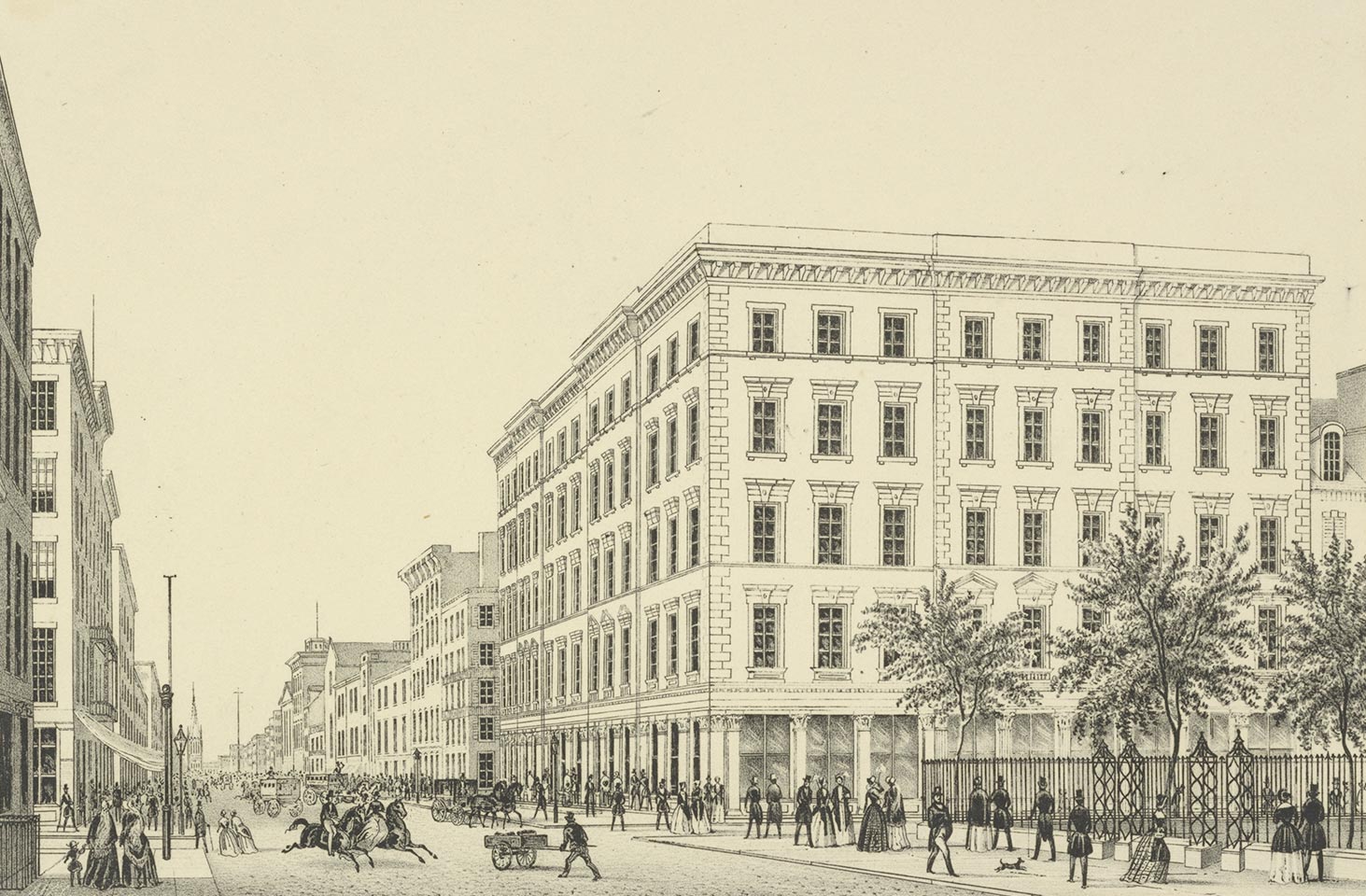
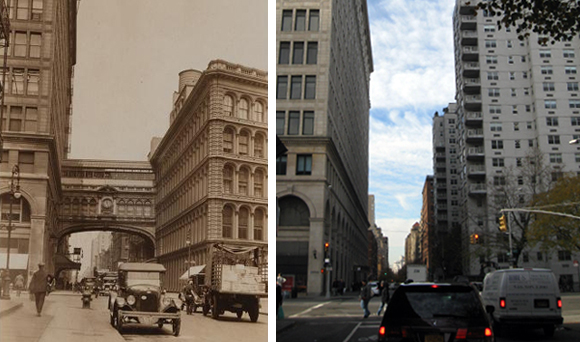
The Broadway corner of East 9th Street was the site of A.T. Stewart’s “Iron Palace,” built in 1862 and designed by architect John Kellum, one of the largest cast-iron commercial structures of its time and the southern anchor of the Ladies’ Mile retail district running up Broadway. The commercial identity built around that corner shaped the block’s zoning and building stock long before the postwar co-op towers went up at the Fifth Avenue end in the 1950s and 1960s.
Which subway lines are within walking distance of East 9th Street? At the Greenwich Village end, the 6 at Astor Place and the R/W at 8th Street are both a short walk, with N/R/W/6/PATH access a few blocks further west. No verified line sits within comparable distance of the Alphabet City end.
Comments