
Current Market Snapshot
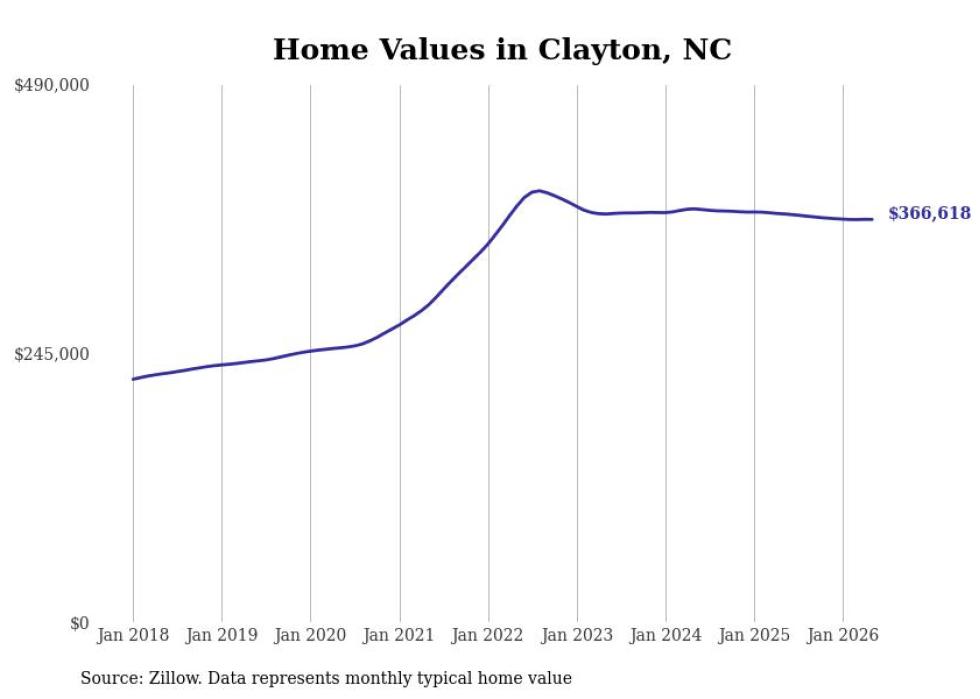
Two different, both-accurate figures explain the confusion buyers run into when they compare sites: Redfin’s sale-price data reflects closed transactions in March 2026, while Movoto’s list-price data reflects what’s currently on the market in July 2026. A five-month gap between snapshots, plus the sale-versus-list distinction itself, accounts for most of the roughly $50,000 spread a buyer sees between sources.
| Metric | Current value | Year-ago value | % change | Source & date |
|---|---|---|---|---|
| Median sale price | $350,000 | ~$332,000 | +5.3% | Redfin, March 2026 |
| Median $/sqft (sold) | $199 | ~$193 | +3.1% | Redfin, March 2026 |
| Days on market (sold) | 62 | 85 | −27% | Redfin, March 2026 |
| Median list price | $399,000 | not published | n/a | Movoto, July 2026 |
| List $/sqft | $183 | ~$187 | −2% | Movoto, July 2026 |
Falling days-on-market alongside rising sale price is the signal worth reading: inventory is being absorbed faster than a year ago even as prices climb, which points toward a market that favors sellers more than it did in 2025, without yet being the multiple-offer environment closer-in Wake County suburbs see.
Is Clayton, NC a buyer’s or seller’s market right now? Falling days-on-market (62 vs. 85 a year ago) paired with rising sale price (+5.3%) points toward sellers gaining leverage, though Redfin classifies the market as only “somewhat competitive” rather than a bidding-war environment.
Johnston County vs. Wake County: The Real Tax Math
The “Clayton is cheaper” claim gets asserted across most competing pages with no supporting number. Here is the number: Johnston County’s FY2025–26 rate is $0.52 per $100 of assessed value, and the Town of Clayton adds $0.49, for a combined $1.01 per $100. Wake County’s FY2026 rate is $0.5171 per $100, and the City of Raleigh adds $0.3550, for a combined $0.8721 per $100.
That means Clayton’s nominal combined rate is higher than Raleigh’s. On an identical $350,000 assessed value, the Clayton combination produces a $3,535 annual bill; the same assessment under the Raleigh combination produces $3,052 — about $483 less per year, at the same home price.
| Cost factor | Clayton (Johnston Co. + town) | Raleigh (Wake Co. + city) | Difference |
|---|---|---|---|
| County rate per $100 | $0.52 | $0.5171 | roughly even |
| Municipal rate per $100 | $0.49 | $0.3550 | Clayton +$0.135 |
| Combined rate per $100 | $1.01 | $0.8721 | Clayton +$0.1379 |
| Annual bill on $350,000 assessed value | $3,535 | $3,052 | Clayton +$483/yr |
Sources: Town of Clayton, Taxes & Fees; Wake County Government; Raleigh city rate per Wake County’s published FY2026 combined figures.
The affordability case for Clayton has to rest on the lower price of the house itself, not on a lower tax rate. A buyer moving from Raleigh to an equivalently priced Clayton home would pay more in property tax. The savings materialize because Clayton homes cost less to begin with, so the lower purchase price outweighs the higher rate — a different claim than the one most listings make, and one that only holds if the price gap stays wide enough to cover the rate difference.
Is Clayton actually cheaper than Raleigh or Cary? On purchase price, generally yes. Clayton’s median sits meaningfully below Raleigh’s. On property tax rate, no: Clayton’s combined $1.01 per $100 rate is higher than Raleigh’s $0.8721. The total cost advantage comes entirely from the lower purchase price.
Clayton Neighborhoods by ZIP and School Feed
Clayton spans two ZIP codes with different housing stock: 27520, the older core covering west and central Clayton, and 27527, the newer growth areas to the east and south. ZIP 27520’s median home value is $282,200, per five-year Census American Community Survey estimates — a lower figure than the current sale-price median because ACS estimates blend several years of sales rather than capturing this month’s transactions.
A publicly checkable, five-year appreciation ranking by sub-neighborhood, the kind investors actually want, is not available without a paid vendor subscription; this page won’t manufacture that number. What is confirmable: both ZIP codes sit inside Johnston County Public Schools, a 48-school district currently building a $134.4 million, 2,000-student Clayton High School campus, funded through a 2022 voter-approved bond, with a February 2026 groundbreaking and a targeted Fall 2028 opening.
Should You Buy in Clayton?
This fits a buyer prioritizing lower entry price and shorter days-on-market pressure over walkability or a short, predictable commute. It doesn’t fit a buyer who needs a sub-15-minute door-to-desk commute to downtown Raleigh, since even the optimistic estimate runs 21 minutes and congestion pushes that toward 30 or more.
| Buyer type | Priority factors | Recommended area | Key risk to watch |
|---|---|---|---|
| First-time buyer | Lowest entry price, financing flexibility | 27520 (older core, lower ACS median) | Older HOA fee structures, resale-condition surprises |
| Move-up buyer | Newer construction, larger lot | 27527 (newer growth areas) | Builder incentive rates that don’t match resale mortgage quotes |
| Commute-sensitive buyer | Predictable time to downtown Raleigh | Consider closer-in Wake County suburbs instead | 21–35 minute range understates rush-hour reality |
| Investor | Employer-anchored rental demand | Proximity to the Novo Nordisk campus corridor | No independently verifiable yield data at ZIP level |
Selling in Clayton
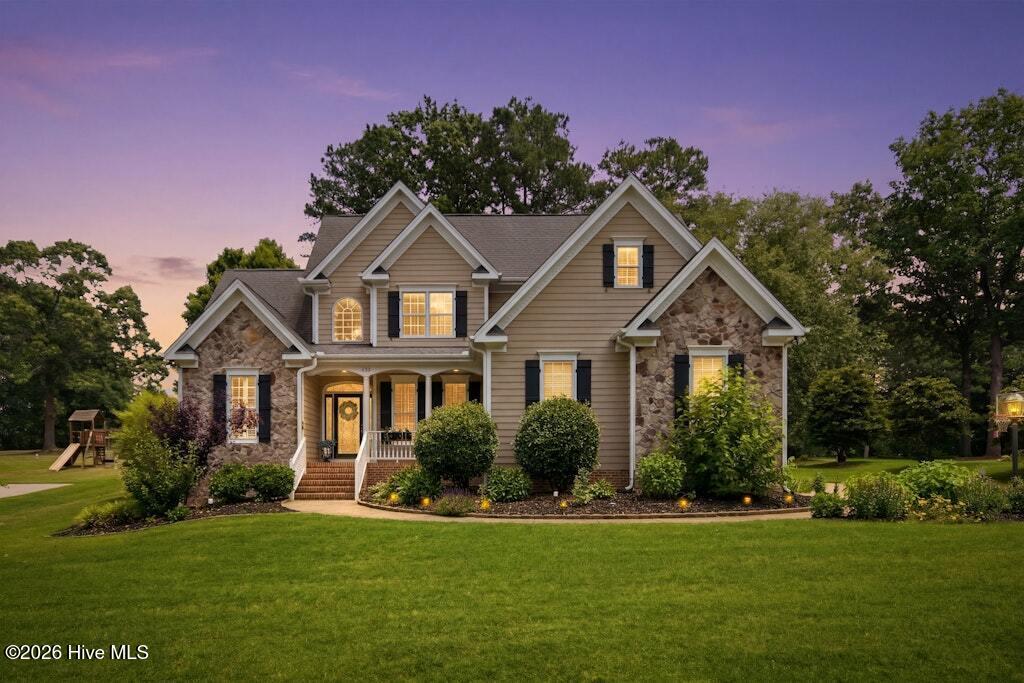
The falling-DOM, rising-price combination above favors sellers pricing at or near the current $199-per-square-foot sold benchmark. Overpricing against the higher $183 list-price average risks sitting past the 62-day median, since that list figure already reflects some price resistance in the current market, and a home that lingers past 62 days typically has to cut price to re-attract buyer attention.
Investing in Clayton
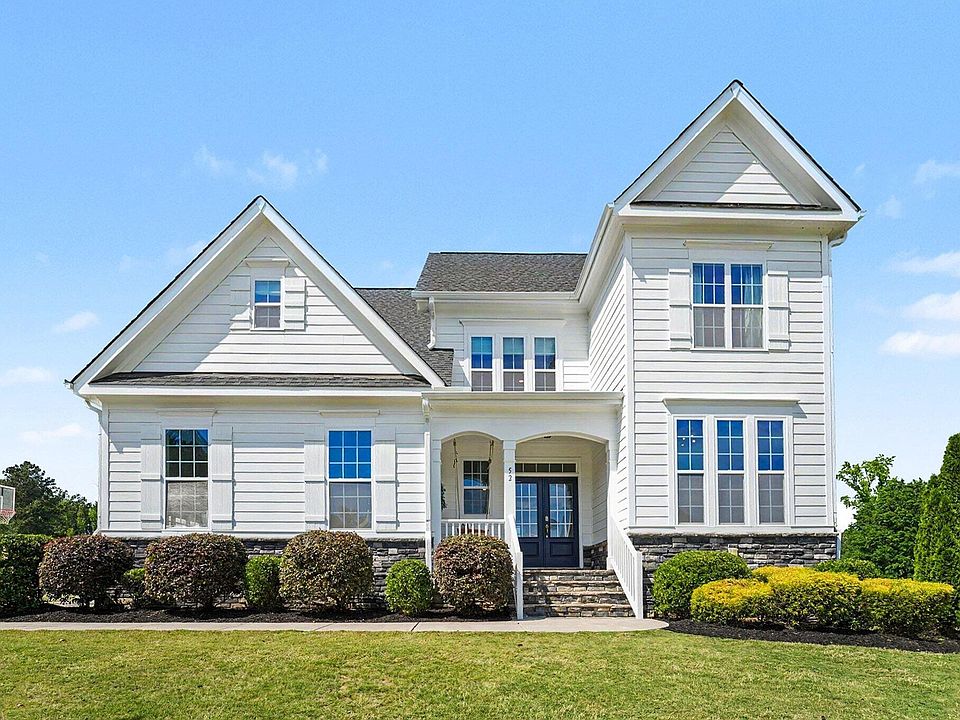
Novo Nordisk operates its largest US biomanufacturing campus in Clayton and has committed roughly $4.1 billion to expand it, adding about 1,000 jobs — a concrete, named employer anchor that supports rental demand independent of Triangle-wide tech hiring cycles. What can’t be shown here: a verified rental-yield or cap-rate figure, since market-rent data at the neighborhood level sits behind paywalled vendor products. An investor who needs that figure should treat any number an agent or listing site quotes as a proprietary vendor’s model output, not an independently checkable fact, and ask which methodology produced it.
Is Clayton a good market for rental property investors right now? The employer anchor and falling days-on-market both support demand, but no independently verifiable rental-yield figure is publicly available at ZIP-code granularity as of this writing. Investors should request the underlying data source before acting on any yield number a listing site or agent quotes.
What’s Different About Buying in North Carolina

North Carolina requires a licensed attorney, not a title company alone, to supervise a residential closing, a requirement grounded in the state’s unauthorized-practice-of-law rules rather than local custom. Deed preparation specifically must be done by an attorney under N.C. Gen. Stat. §84-2.1, and only an NC-licensed attorney may certify title before a title insurance policy can issue, under N.C. Gen. Stat. §58-26.1, per the North Carolina State Bar.
In practice, the closing itself typically runs 30 to 60 minutes, and the attorney’s office, not a separate title company, records the deed with the county Register of Deeds and disburses funds. Buyers coming from title-company states sometimes budget for the wrong service provider. In North Carolina, the attorney fee replaces most of what a title company would otherwise charge elsewhere, so total closing costs are usually comparable, not additive.
What closing costs and process differences should I expect in North Carolina? Budget for an attorney fee instead of a separate title-company settlement fee, expect a 30–60 minute closing appointment, and confirm early who selects the closing attorney: North Carolina custom often has the seller choose, though this is negotiable in the contract.
Common Mistakes in a New-Construction Market
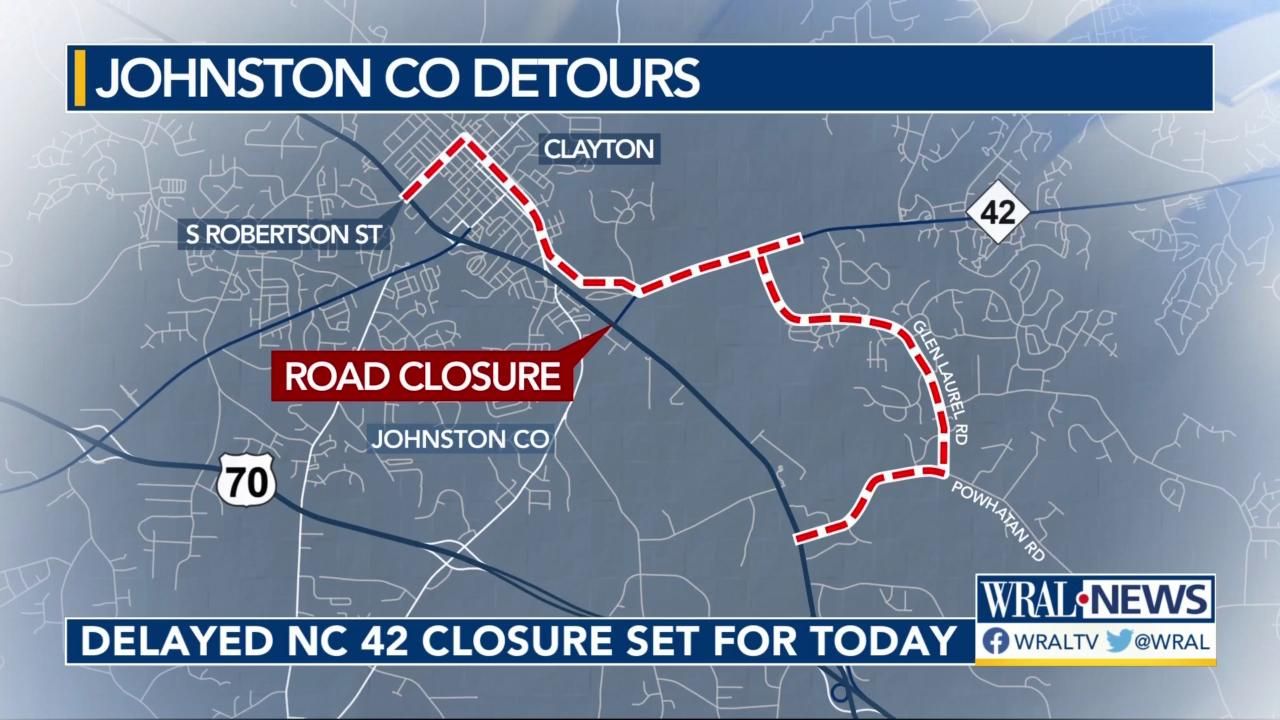
New construction in Clayton starts in the mid-$200s for townhomes and the low-$300s for single-family homes, per builder-published pricing. Two mistakes recur in a fast-growing new-construction corridor like this one. The first is treating a builder’s incentive-financing rate as the market rate when comparing it to a resale mortgage quote, since the incentive rate is often subsidized and won’t be available on a refinance a few years out. The second is skipping an HOA-fee comparison between older, established subdivisions and newer ones, since new-construction HOAs frequently start lower and step up once amenities like pools or clubhouses come online.
Where Clayton Isn’t the Right Fit
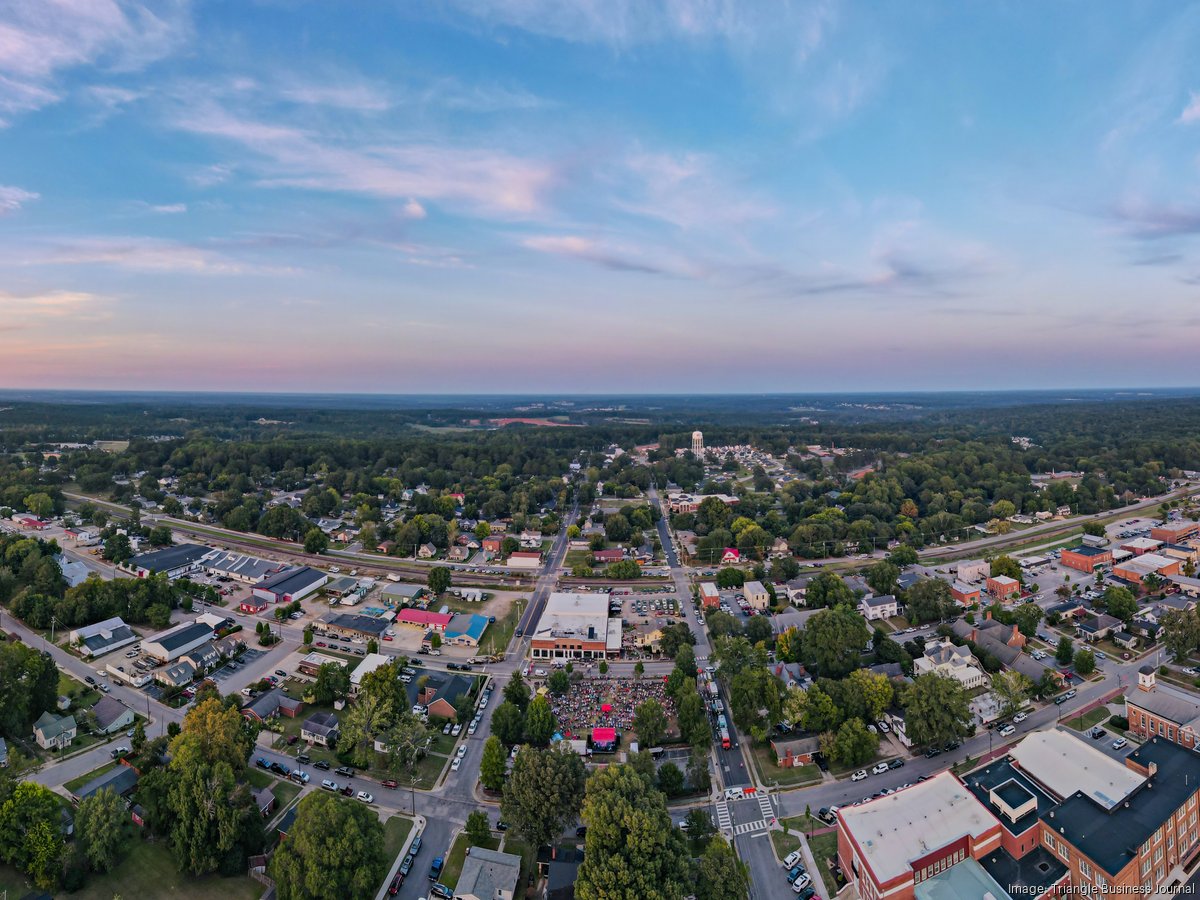
A buyer who needs a walkable, car-optional daily routine, or a commute under 15 minutes to downtown Raleigh on a predictable schedule, will find Clayton’s car-dependent layout and 21-to-35-minute drive range a poor match regardless of the price advantage.
Which Clayton neighborhood fits a first-time buyer vs. a move-up buyer? ZIP 27520, the older core, generally offers lower entry prices near the Census-reported $282,200 median. ZIP 27527, the newer growth areas, skews toward larger, newer construction at higher price points. Verify current listings by ZIP rather than relying on either figure as a live price.
Comments